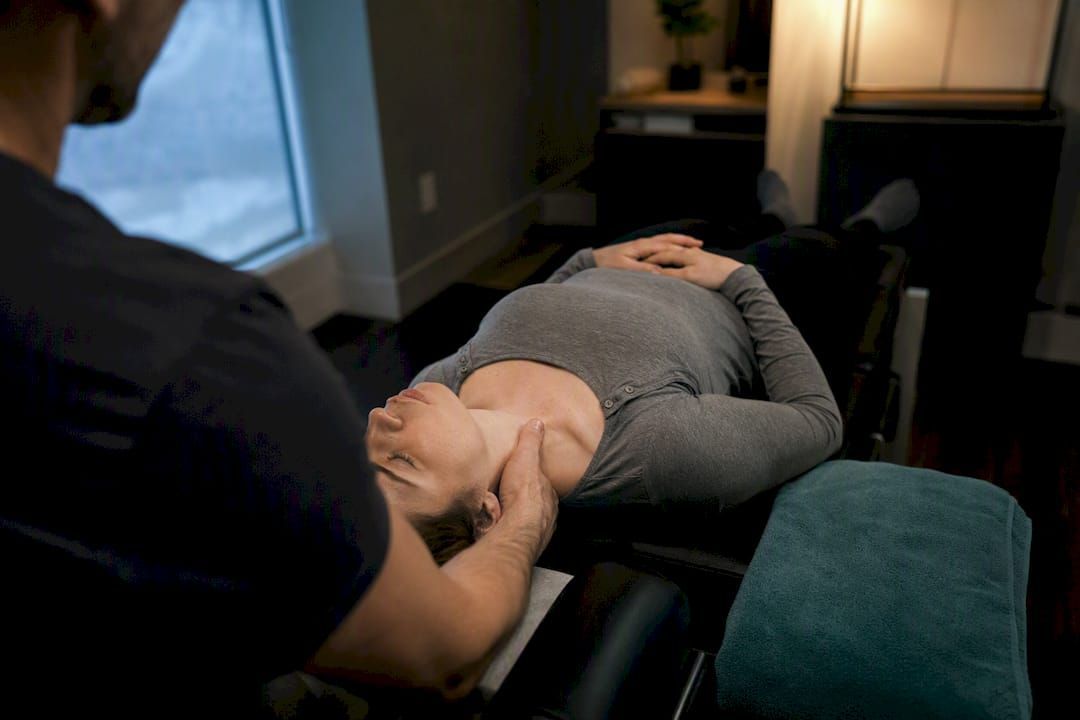
Your Daily Spine Care Routine: A 2026 Guide
Your Daily Spine Care Routine: A 2026 Guide
TL;DR:
- A daily spine care routine includes movement breaks, stretches, posture adjustments, and hydration to maintain spinal health. Consistently moving every 30 to 60 minutes, practicing posture variety, and seeking professional help after two weeks of persistent pain help prevent back problems and improve recovery. Small habits like stretching in the morning, walking regularly, and proper lifting support long-term spine resilience.
A daily spine care routine is the set of consistent habits, movements, and exercises designed to maintain spinal health, reduce pain, and prevent injury. Back pain is one of the leading causes of disability worldwide, yet most cases respond well to active, patient-led care rather than passive treatments. The good news: you do not need a gym membership or an hour of free time. Small, repeatable habits practiced every day build the kind of spinal resilience that protects you for decades. This guide covers the exact habits, stretches, and posture strategies that clinical evidence supports in 2026, along with clear guidance on when professional care becomes necessary.

What are the essential habits for a healthy spine you should practice daily?
The foundation of any healthy spine habit is breaking up prolonged sitting. Breaking sedentary periods every 30–60 minutes with at least one minute of standing, stretching, or walking rehydrates spinal discs and resets muscle tension. Think of it as the "30-Minute Reset." Disc tissue has no direct blood supply, so movement is how it gets nutrients and flushes waste products.
Posture matters, but not in the way most people think. There is no single perfect posture you should hold all day. Frequent position changes every 30–45 minutes protect against stiffness and disc degeneration far better than trying to maintain a rigid upright position. Micro-movements like shoulder rolls, pelvic tilts, and gentle neck circles count. They keep spinal joints lubricated and reduce cumulative strain.
Hydration directly affects disc health. Spinal discs are roughly 80% water when you are young, and they lose fluid throughout the day under compression. Drinking enough water, typically eight or more cups daily, helps discs maintain their height and shock-absorbing capacity. Dehydrated discs compress faster and recover more slowly from daily load.
Poor daily habits like prolonged phone scrolling with your chin dropped, improper lifting, and sleeping in a twisted position create micro-traumas that accumulate over months and years. These micro-traumas are the hidden driver of most disc degeneration and chronic back pain. Correcting them costs nothing and pays off quickly.
- Stand and move every 30–60 minutes, even for 60 seconds.
- Keep your phone at eye level to avoid forward head posture, which adds up to 60 lbs of force on the cervical spine.
- Lift with your legs , not your back. Bend at the hips and knees, keep the load close to your body.
- Drink water consistently throughout the day, not just when thirsty.
- Avoid smoking. Smoking reduces blood flow to spinal discs and accelerates degeneration.
Pro Tip: Set a recurring phone alarm every 45 minutes during work hours. When it goes off, stand up, do five shoulder rolls, and take ten slow steps. That single habit, done consistently, changes spinal health over time.
Which simple exercises and stretches should you include in your daily spine routine?
Movement is the primary defense against spine degeneration. Low-impact activities like walking maintain spinal tissue health, improve circulation, and reduce the frequency of pain flare-ups. The goal is not intensity. It is consistency and variety.
Here is a practical daily sequence that works for most adults, including those recovering from injury:
- Cat-Cow stretch (morning or midday). Start on hands and knees. Inhale and let your belly drop toward the floor, lifting your head and tailbone. Exhale and round your spine toward the ceiling. Repeat 8–10 times. This mobilizes every segment of the spine and is safe for most people.
- Knee-to-chest stretch. Lie on your back, pull one knee gently toward your chest, hold for 20–30 seconds, then switch. This decompresses the lumbar spine and releases hip flexors.
- Gentle spinal rotation. Lie on your back with knees bent. Let both knees fall slowly to one side while keeping your shoulders flat. Hold 20 seconds, then switch. This releases tension in the thoracic and lumbar regions.
- Plank hold (30–60 seconds). A forearm plank activates deep core muscles, specifically the transverse abdominis, which act as a natural brace for the lumbar spine. Start with 20 seconds if you are new to it.
- Walking (20–30 minutes most days). Walking supports spinal alignment, reduces disc pressure, and improves the circulation that feeds spinal tissue. It is the single most underrated spine exercise.
Adults should aim for at least 150 minutes of moderate aerobic activity weekly to maintain spinal muscle strength and healthy body weight. That breaks down to about 30 minutes on five days per week. Meeting that target alone reduces the risk of chronic back pain significantly.
Pilates-based core work is worth adding once you have the basics down. Exercises like the "dead bug" and "bird dog" train the deep stabilizers that protect the spine during everyday movements like bending and lifting. They are low-risk and highly effective for both prevention and recovery.
Pro Tip: Do your spinal rotation and knee-to-chest stretches before getting out of bed in the morning. You are already lying down, and those two moves take under three minutes. Starting the day with spinal mobility sets a better baseline for the hours ahead.
How can you incorporate spine-friendly posture and movement habits throughout your day?
The best posture is your next one. That phrase, backed by current clinical thinking, captures the most important shift in how we understand spinal alignment. No fixed position is correct for extended periods. The spine needs variety.
Micro-traumas from daily habits accumulate gradually and have a major impact on spinal degeneration. The antidote is building small corrective movements into activities you already do. While seated at a desk, practice pelvic tilts by gently rocking your pelvis forward and back. Roll your shoulders backward every time you finish a task. These take seconds and interrupt the static loading that damages discs.
The "invisible string" concept is a useful mental cue for upright alignment. Imagine a string attached to the crown of your head, gently pulling you upward. Your chin levels, your chest opens slightly, and your lumbar curve normalizes. It is not about rigidity. It is about length through the spine.
Here are posture and movement habits organized by activity:
- At a desk: Screen at eye level, elbows at 90 degrees, feet flat on the floor. Use a lumbar roll or rolled towel behind your lower back if your chair lacks support.
- On your phone: Hold the device at eye level rather than dropping your chin. "Text neck" adds significant compressive force to the cervical spine over time.
- Carrying bags: Use a backpack with two straps rather than a single shoulder bag. Distribute weight evenly.
- Bending to pick things up: Hinge at the hips, not the waist. Keep your spine neutral and use your legs to drive the movement.
- Sleeping: Side sleeping with a pillow between the knees or back sleeping with a pillow under the knees both maintain natural spinal curves. Stomach sleeping strains the cervical and lumbar spine and is worth avoiding.
| Activity | Spine-Friendly Habit |
|---|---|
| Desk work | Screen at eye level, lumbar support, feet flat |
| Phone use | Hold at eye level, limit sessions to 20 minutes |
| Lifting | Hinge at hips, keep load close, no twisting |
| Sleeping | Side or back position with pillow support |
| Carrying | Two-strap backpack, balanced load |
Understanding why posture matters goes beyond aesthetics. Poor alignment over years affects breathing, digestion, and nerve function, not just back comfort.
What are the best morning and evening spine care routines to protect your back?
The morning is the highest-risk window for spinal injury. Spinal discs are most vulnerable in the first hour after waking because they are fully rehydrated from overnight rest. A fully hydrated disc is more pressurized and more susceptible to injury from deep forward bending. This means toe touches and forward folds right after waking are a bad idea, even if they feel good.
Morning spine habits:
- Ankle pumps and knee-to-chest stretches while still in bed. These gently mobilize the lumbar spine without loading it.
- Log roll technique to get out of bed. Roll to your side, bring your knees toward your chest, then push yourself up using your arms while swinging your legs off the bed. This minimizes lumbar twisting and reduces strain on the lower back joints.
- Walk before you sit. If possible, take a short walk before settling into a chair. This distributes disc fluid and warms up spinal muscles before they face sustained load.
- Avoid heavy lifting for the first 30–60 minutes after waking.
Evening spine habits:
- Lumbar roll or rolled towel placed at the curve of your lower back while sitting in the evening. This maintains lumbar lordosis and prevents the slumped posture that compresses discs.
- Gentle Cat-Cow or spinal rotation before bed to release tension accumulated during the day.
- Pillow placement for sleep: Side sleepers benefit from a pillow between the knees. Back sleepers benefit from a pillow under the knees. Both positions reduce pressure on lumbar discs overnight.
- Mattress check: A medium-firm mattress supports spinal alignment for most adults. A mattress that is too soft allows the spine to sag, while one that is too firm creates pressure points at the hips and shoulders.
The evening routine does not need to be long. Ten minutes of gentle movement and intentional positioning before bed makes a measurable difference in how your spine feels the next morning.

When should you seek professional help beyond your daily spine care routine?
Daily back care is powerful, but it has limits. Back pain lasting more than two weeks despite consistent home care requires professional evaluation. Waiting longer delays diagnosis and allows underlying problems to worsen.
Certain symptoms require immediate attention:
- Sudden weakness or numbness in the legs or arms
- Loss of bladder or bowel control
- Pain following a fall, accident, or direct trauma
- Severe pain that wakes you from sleep and does not ease with position changes
- Pain accompanied by unexplained weight loss or fever
These are red flags for conditions like cauda equina syndrome, spinal fracture, or infection. They are medical emergencies, not situations for home management.
Early professional care produces better outcomes than delayed care. Active, patient-led care combined with professional guidance builds functional resilience and improves long-term results far more than passive treatments alone. Chiropractic care, physical therapy, and manual therapy work best when they complement a strong daily routine, not replace it.
"Recognizing when your body needs more than self-care is not a failure. It is the most informed decision you can make for your spine. Professional assessment identifies the root cause of pain and creates a path that home habits alone cannot provide."
Essentialchirocare's guidance on signs it's time to see a chiropractor gives you a clear checklist for making that call with confidence. For a broader look at evidence-based pain therapy options that complement chiropractic care, that resource covers the current clinical landscape in detail.
Key Takeaways
A consistent daily spine care routine built on movement, posture variety, and targeted stretches is the most effective way to prevent back pain and protect long-term spinal health.
| Point | Details |
|---|---|
| Move every 30–60 minutes | Short movement breaks rehydrate discs and reset muscle tension throughout the day. |
| Avoid morning forward bends | Discs are most vulnerable in the first hour after waking; use the log roll to get out of bed safely. |
| Walk 20–30 minutes most days | Walking is the most accessible low-impact exercise that supports spinal alignment and circulation. |
| Change positions frequently | No single posture is correct for extended periods; variety protects against disc degeneration. |
| Seek care after two weeks of pain | Persistent pain beyond two weeks despite home care requires professional evaluation. |
What I've learned from watching patients ignore the basics
The patients who recover fastest are rarely the ones who do the most dramatic interventions. They are the ones who do the boring stuff every single day. A 10-minute morning stretch sequence, a walk at lunch, and a lumbar roll in the evening chair. That is it. That is the formula.
What surprises most people is how quickly the spine responds to consistent movement. I have seen patients who spent years managing chronic back pain turn a corner within weeks, not because they found a miracle treatment, but because they stopped resting and started moving. Current clinical guidelines have shifted decisively in that direction. Movement is medicine. Rest, beyond the acute phase, is often the problem.
The hardest part is not learning the habits. It is doing them when you feel fine. Most people only think about their spine when it hurts. The goal is to make spine care as automatic as brushing your teeth, practiced daily regardless of symptoms. Understanding how stress affects the spine is part of that picture too, because tension held in the body shows up in the back long before it shows up anywhere else.
Active engagement in your own care, understanding why each habit matters, dramatically improves how long you stick with it. That is not a soft observation. It is what the evidence shows.
Essentialchirocare's approach to lasting spinal wellness
Your daily habits build the foundation. Professional care fills the gaps that self-care cannot reach.
Essentialchirocare's chiropractic care services are designed to work alongside the routines you build at home, not replace them. The clinics across Tampa, Brandon, Sarasota, Lakeland, and Pinellas Park offer chiropractic adjustments, spinal decompression therapy, manual therapy, and physical rehabilitation for patients managing acute pain, recovering from injury, or focused on long-term prevention. Each treatment plan is personalized to your condition and your goals. If your back pain has lasted more than two weeks, or if you want a professional assessment of your current routine, scheduling with Essentialchirocare is a practical next step.
FAQ
What is a daily spine care routine?
A daily spine care routine is a set of consistent habits including movement breaks, targeted stretches, posture adjustments, and hydration that protect spinal health and reduce pain over time.
How often should you take movement breaks for your spine?
Break up sitting every 30–60 minutes with at least one minute of standing or walking. This rehydrates spinal discs and prevents the muscle tension that builds from static positions.
Why should you avoid forward bending right after waking up?
Spinal discs are fully rehydrated and more pressurized in the first hour after waking, making them more vulnerable to injury from deep forward bends. Stick to gentle knee-to-chest stretches and ankle pumps until the disc pressure normalizes.
What exercises are best for daily back care?
Walking 20–30 minutes most days, Cat-Cow stretches, knee-to-chest pulls, gentle spinal rotations, and plank holds form a well-rounded daily spine exercise sequence that suits most fitness levels.
When should you see a professional for back pain?
Seek professional evaluation if pain persists beyond two weeks despite home care, or immediately if you experience leg weakness, numbness, or loss of bladder or bowel control.
Recommended