

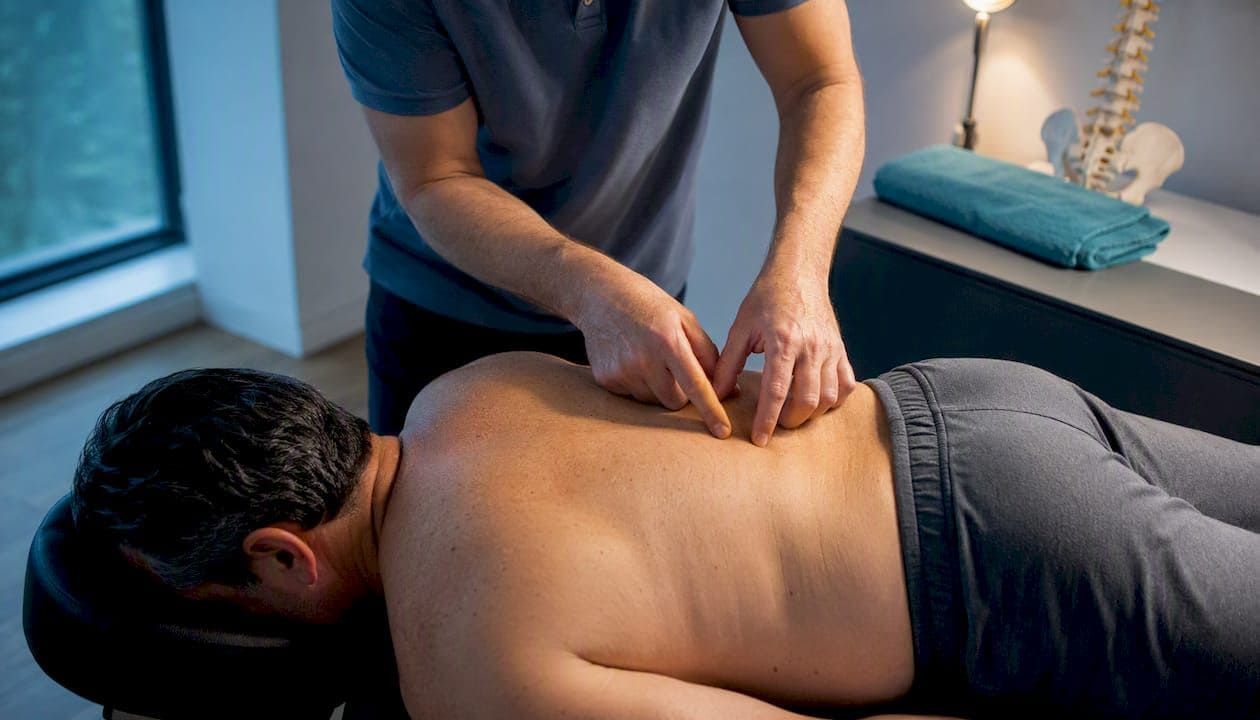
Lifestyle Changes for Pain Relief: 2026 Guide
TL;DR:
- Lifestyle modifications targeting movement, sleep, stress, diet, and ergonomics effectively reduce chronic pain. Combining these strategies with clinical support enhances long-term relief and functional improvement. Patience and consistency are essential for seeing meaningful results over time.
Lifestyle changes for pain relief are targeted, non-pharmacological adjustments to movement, sleep, stress, nutrition, and body mechanics that directly reduce pain severity and improve daily function. The 2026 Scottish Government guidelines and the NIH both confirm that these self-management strategies work effectively alongside medication or entirely on their own. The key is personalization. A plan built around your specific pain triggers, activity tolerance, and lifestyle habits will always outperform a generic protocol. This guide breaks down the most evidence-backed changes you can start making now.

1. lifestyle changes for pain relief: move more, hurt less
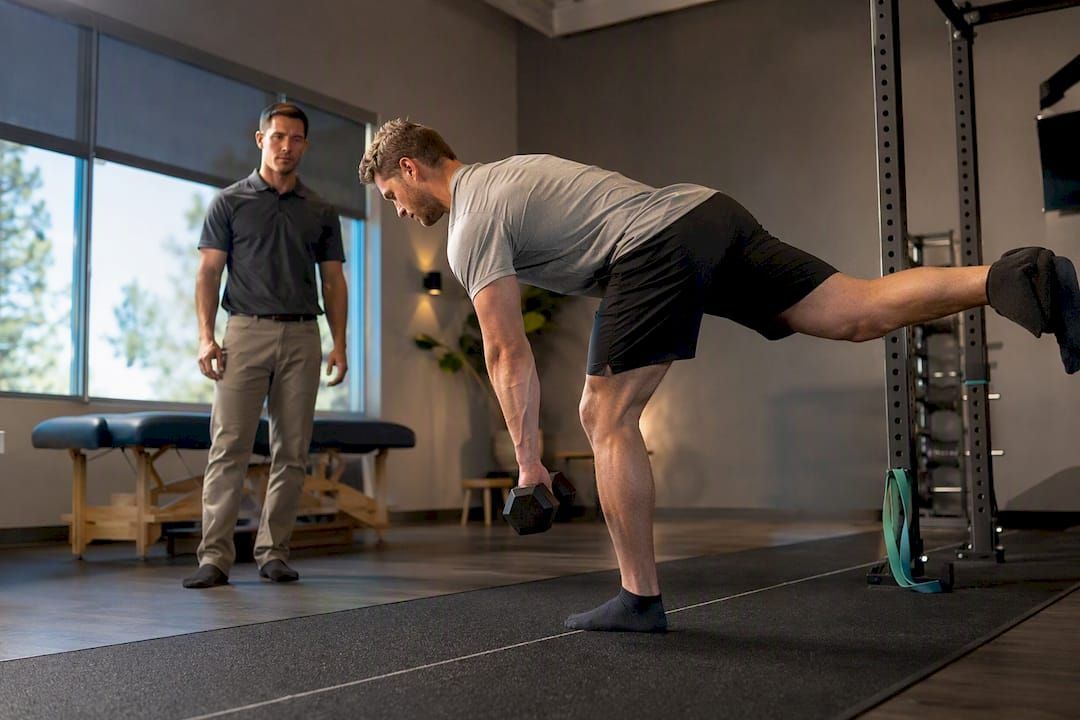
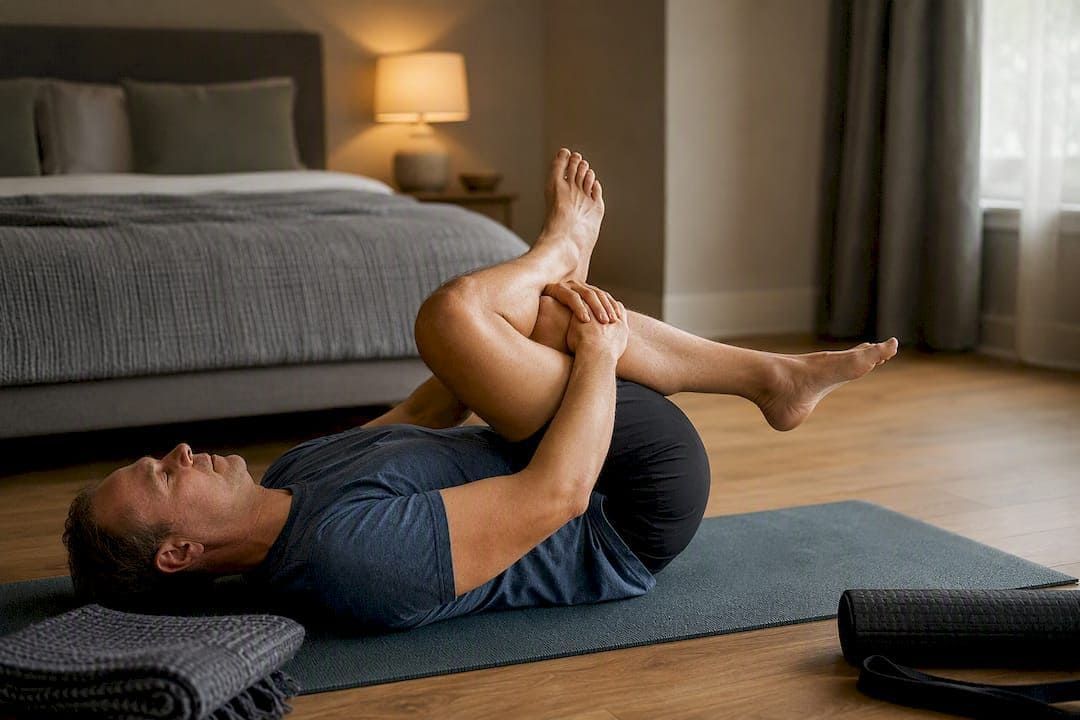
Regular physical activity is one of the most powerful tools in natural pain management. Movement reduces stiffness, improves circulation, builds strength, and raises your pain threshold over time. The NIH confirms that exercise builds flexibility and cardiovascular fitness while directly reducing the impact of back pain and other chronic conditions.
The mistake most people make is doing too much too fast. Overdoing activity on a good day leads to a flare-up the next, creating what clinicians call a "boom and bust" cycle. According to NHS inform, pacing with SMART goals breaks this cycle and produces sustained improvement in function and quality of life.
Safe starting points for exercises for chronic pain include:
- Walking: Low impact, adjustable intensity, and accessible anywhere
- Swimming or water aerobics: Supports joints while building strength
- Yoga: Combines flexibility, breathing, and mindfulness
- Tai chi: Improves balance and reduces fall-related pain risk
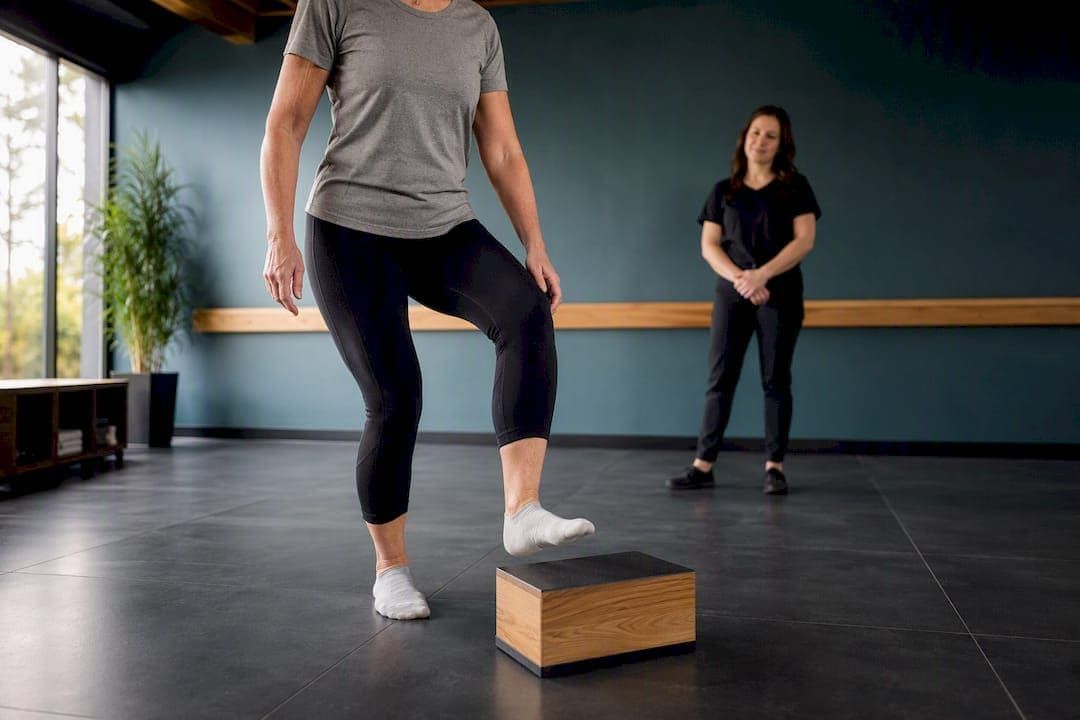
Pro Tip: Start with 5–10 minutes of gentle movement daily and increase by no more than 10% per week. Pair this with therapeutic exercise guidance from a trained provider for faster, safer progress.
2. sleep hygiene: the pain recovery tool you're ignoring
Poor sleep and chronic pain feed each other in a bidirectional loop. Between 67–88% of people with chronic pain experience significant sleep disruption. That number matters because disrupted sleep lowers your pain threshold, worsens mood, and slows tissue repair.
Improving sleep hygiene is one of the most underused lifestyle modifications for health. Cognitive Behavioral Therapy for Insomnia (CBT-I) is the gold-standard intervention, with research showing it improves both sleep quality and pain outcomes over time. The catch is patience. Sleep habit changes often take several weeks to show measurable results, so treat them as a multi-week experiment rather than a quick fix.
Practical sleep hygiene habits that support pain relief:
- Keep a consistent wake time, even on weekends
- Avoid screens for at least 60 minutes before bed
- Keep your bedroom cool, dark, and quiet
- Use a relaxing pre-sleep routine such as light stretching or reading
- Limit caffeine after noon
Pro Tip: If pain wakes you at night, try a body pillow or a pillow between your knees to reduce spinal pressure. Small positional changes can make a measurable difference in morning stiffness.
3. stress reduction techniques that actually lower pain
Stress amplifies pain signals. When your nervous system stays in a heightened state, even mild physical sensations register as more intense. The 2026 Scottish guidelines confirm that stress increases pain perception and triggers flare-ups, making stress reduction techniques a clinical priority, not just a wellness trend.
The most effective relaxation practices for pain management include:
- Diaphragmatic breathing: Activates the parasympathetic nervous system within minutes
- Progressive muscle relaxation (PMR): Systematically releases tension held in major muscle groups
- Mindfulness meditation: Apps like Calm and Headspace provide structured programs for beginners
- Guided imagery: Redirects focus away from pain signals using mental visualization
Consistency matters more than duration. Ten minutes of daily mindfulness practice produces measurable changes in pain perception over four to eight weeks. Social connection also plays a role. Spending time with supportive people reduces cortisol levels and improves emotional resilience, both of which lower your baseline pain experience.
4. does diet affect pain? what the research says
Diet directly affects inflammation, which is a primary driver of chronic pain. The Mayo Clinic Press confirms that anti-inflammatory food patterns reduce inflammation and support pain relief, though diet works best as one part of a broader plan rather than a standalone cure.
The Mediterranean diet is the most researched pattern for pain relief through wellness. It emphasizes whole, unprocessed foods that lower inflammatory markers in the body.
| Food Group | Examples | Benefit for Pain |
|---|---|---|
| Fatty fish | Salmon, sardines, mackerel | Omega-3s reduce inflammatory cytokines |
| Leafy greens | Spinach, kale, arugula | Antioxidants lower oxidative stress |
| Berries | Blueberries, cherries, strawberries | Polyphenols inhibit inflammatory pathways |
| Healthy fats | Olive oil, avocado, walnuts | Monounsaturated fats reduce joint inflammation |
| Nuts and seeds | Almonds, flaxseed, chia | Magnesium supports nerve and muscle function |
Hydration also matters. Dehydration thickens synovial fluid in joints, increasing friction and pain. Aim for at least eight glasses of water daily. On supplements, Stanford Pain News cautions that dietary changes should be gradual and that supplements require professional guidance before use. Turmeric, fish oil, and magnesium show promise, but dosing and interactions vary by individual.
5. ergonomics and body mechanics: small fixes, big relief
Ergonomics is the practice of arranging your physical environment to reduce mechanical stress on your body. The NIH identifies ergonomic micro-adjustments as critical behaviors for sustaining pain-compatible activity throughout the day. These are not dramatic changes. They are small, consistent habits that lower your baseline pain triggers.
Key ergonomic adjustments for pain relief:
- Workstation setup: Monitor at eye level, feet flat on the floor, elbows at 90 degrees
- Sitting breaks: Stand or walk for two minutes every 30–45 minutes
- Footwear: Supportive shoes with adequate arch support reduce load on the spine and knees
- Safe lifting: Bend at the knees, keep the load close to your body, and avoid twisting
Body mechanics extend beyond the office. How you sleep, carry groceries, or sit in a car all contribute to cumulative spinal load. Poor posture increases muscle tension, which amplifies nociceptive input, meaning the pain signals your nervous system sends and receives. Correcting these habits reduces that input at the source.
Pro Tip: Set a phone reminder every 30 minutes during work hours to check your posture and take a brief movement break. This single habit reduces neck and lower back pain significantly over weeks.

6. social connection and mental health as pain modulators
Chronic pain is not purely physical. The biopsychosocial model, which is the recognized clinical framework for pain management, defines pain as the product of biological, psychological, and social factors working together. Geisinger Health confirms that a multidisciplinary approach addressing all three domains produces better outcomes than physical treatment alone.
Social isolation worsens pain. People with strong social networks report lower pain intensity and better coping. This is not anecdotal. Social connection reduces cortisol, increases oxytocin, and activates reward pathways that modulate pain perception. Practical steps include joining a chronic pain support group, scheduling regular time with friends or family, and engaging in activities that bring genuine enjoyment.
Mental health treatment also belongs in a pain management plan. Depression and anxiety are present in a significant portion of chronic pain patients and amplify pain severity. Therapies like Acceptance and Commitment Therapy (ACT) and CBT have strong evidence for reducing pain-related distress. Addressing the psychological dimension is not optional. It is part of the holistic healing methods that produce lasting relief.
7. combining lifestyle changes: why integration beats isolation
No single lifestyle change works as well in isolation as it does in combination. The 2026 Scottish guidelines explicitly state that combined interventions produce better pain outcomes than isolated lifestyle changes. This is because pain, sleep, stress, and activity all influence each other through shared biological pathways.
Better sleep reduces stress reactivity, which lowers pain sensitivity, which makes exercise more tolerable, which improves sleep quality. Each change reinforces the others. The practical implication is that you do not need to fix everything at once. Start with one area, build consistency, and add the next change once the first feels manageable. Essentialchirocare recommends working with a provider to sequence these changes in a way that matches your current pain level and lifestyle.
Personalizing your plan with a clinician also improves long-term success. The Scottish guidelines confirm that co-designing a plan with a healthcare provider increases adherence and outcomes. You are more likely to stick with changes that fit your real life, not a textbook protocol.
Key takeaways
Effective lifestyle changes for pain relief work best when they address movement, sleep, stress, diet, and ergonomics together rather than in isolation.
| Point | Details |
|---|---|
| Movement reduces pain | Paced, consistent activity like walking or yoga lowers pain severity without triggering flare-ups. |
| Sleep is a clinical priority | Between 67–88% of chronic pain patients have disrupted sleep; CBT-I improves both sleep and pain outcomes. |
| Stress amplifies pain signals | Daily relaxation practices like diaphragmatic breathing or mindfulness reduce pain perception within weeks. |
| Diet affects inflammation | The Mediterranean diet pattern reduces inflammatory markers that drive chronic pain. |
| Integration beats isolation | Combining movement, sleep, stress, and dietary changes produces compounding pain relief benefits. |
What i've learned about pain relief that most articles won't tell you
After years of working alongside patients and clinicians in pain management, the pattern I see most often is this: people try one thing, it helps a little, they plateau, and they give up. The problem is not the strategy. It is the sequence and the expectation.
Most people underestimate how long lifestyle changes take to produce noticeable results. Sleep hygiene improvements can take four to six weeks. Dietary changes may take two to three months before inflammation markers shift. Exercise benefits compound over time, not overnight. The patients who see the most dramatic improvements are not the ones who do the most. They are the ones who stay consistent with a modest, well-sequenced plan.
The other thing I would push back on is the idea that lifestyle changes are a soft alternative to real treatment. The 2026 Scottish and NIH guidelines treat these as primary interventions, not consolation prizes. Movement, sleep, stress management, and nutrition change the biology of pain. They are not just coping tools.
My honest recommendation: start with sleep and one form of gentle movement. Get those two consistent before adding anything else. Then layer in stress reduction and dietary shifts. Work with a provider who understands the preventative wellness strategies behind chronic pain, not just the symptoms. Be patient with yourself. The process is slow, but the results are real.
Ready to build your pain relief plan with expert support?
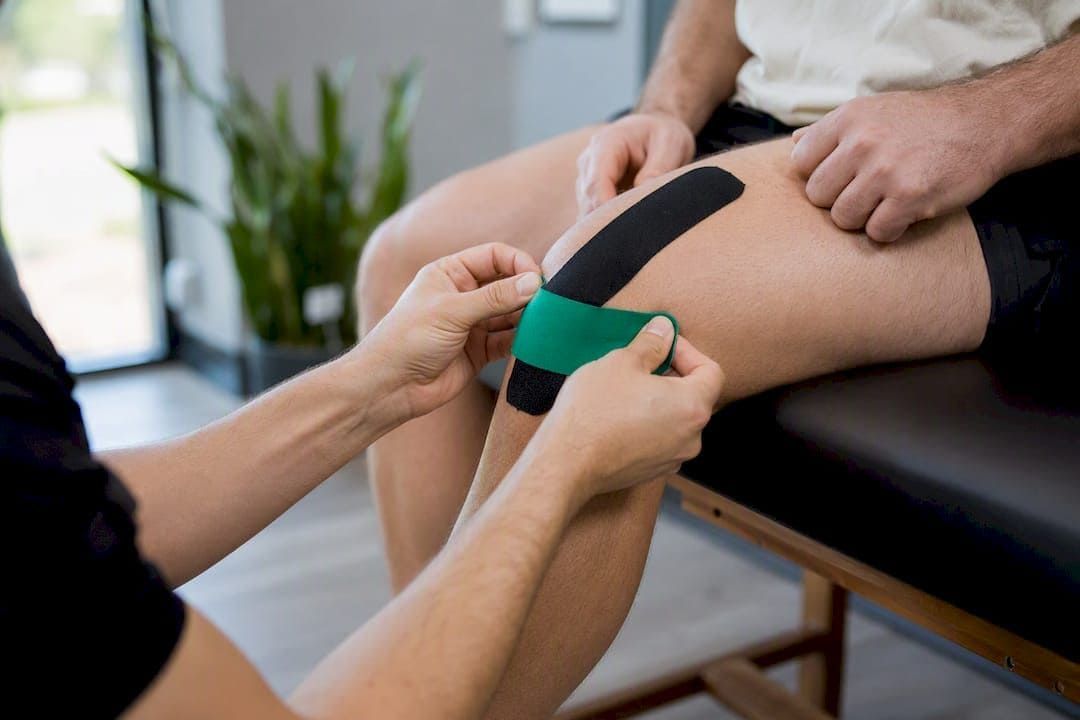
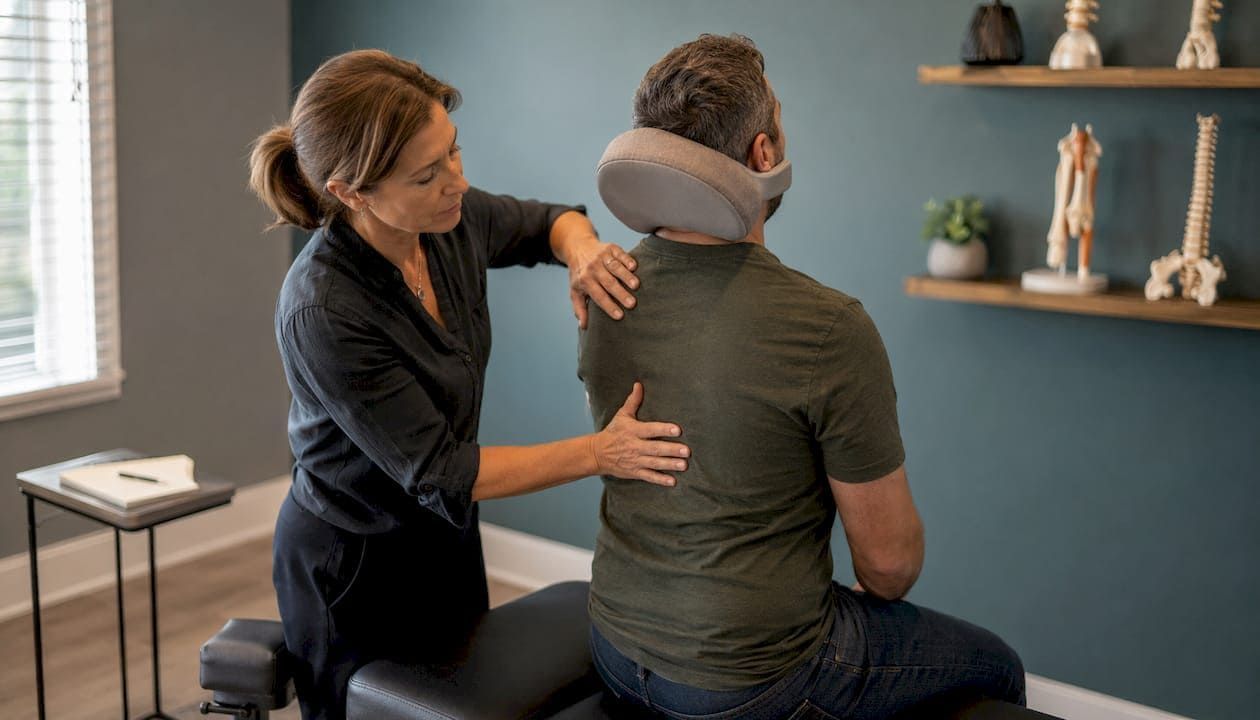
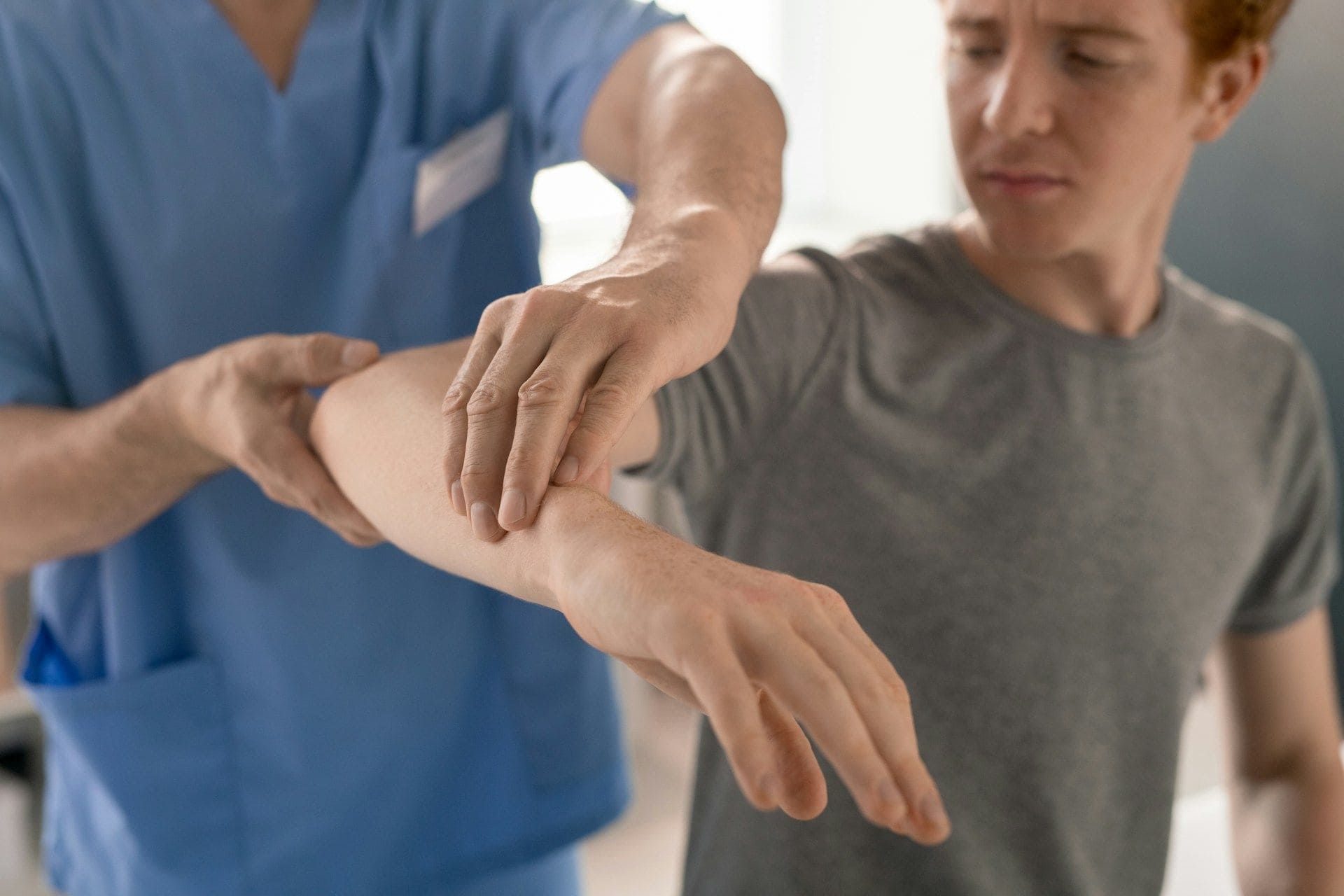
Lifestyle changes form the foundation of lasting pain relief, but they work even better when paired with clinical care that addresses the structural root causes of your pain. Essentialchirocare provides personalized chiropractic adjustments and physical rehabilitation programs designed to reduce pain, restore mobility, and support the lifestyle changes you are already making. Whether you are managing chronic back pain, recovering from an injury, or working toward long-term wellness, the team at Essentialchirocare across Tampa, Brandon, Sarasota, Lakeland, and Pinellas Park is ready to build a plan around your specific needs.
Schedule your consultation online today and take the first concrete step toward a life with less pain.
FAQ
What are the most effective lifestyle changes for chronic pain?
The most effective changes are regular paced exercise, improved sleep hygiene, daily stress reduction practices, an anti-inflammatory diet, and ergonomic adjustments. The 2026 Scottish guidelines confirm these work best when combined rather than used individually.
How long does it take for lifestyle changes to reduce pain?
Most lifestyle changes require four to eight weeks of consistent effort before producing measurable pain relief. Sleep improvements and dietary shifts can take longer, so treat each change as a multi-week commitment rather than a quick fix.
Does diet really affect chronic pain levels?
Yes. The Mayo Clinic Press confirms that anti-inflammatory diets featuring fatty fish, berries, leafy greens, and olive oil reduce inflammation and support pain relief. Diet alone is not a cure, but it meaningfully contributes when combined with other lifestyle modifications.
Can exercise make chronic pain worse?
Underactivity worsens chronic pain long-term. The risk comes from overdoing activity too quickly, which triggers flare-ups. NHS inform recommends paced, SMART-goal-based activity to build tolerance gradually without worsening symptoms.
How does stress management help with pain relief?
Stress activates the nervous system and amplifies pain signals. Regular relaxation practices like mindfulness, diaphragmatic breathing, and progressive muscle relaxation lower stress hormones and reduce pain perception over time.