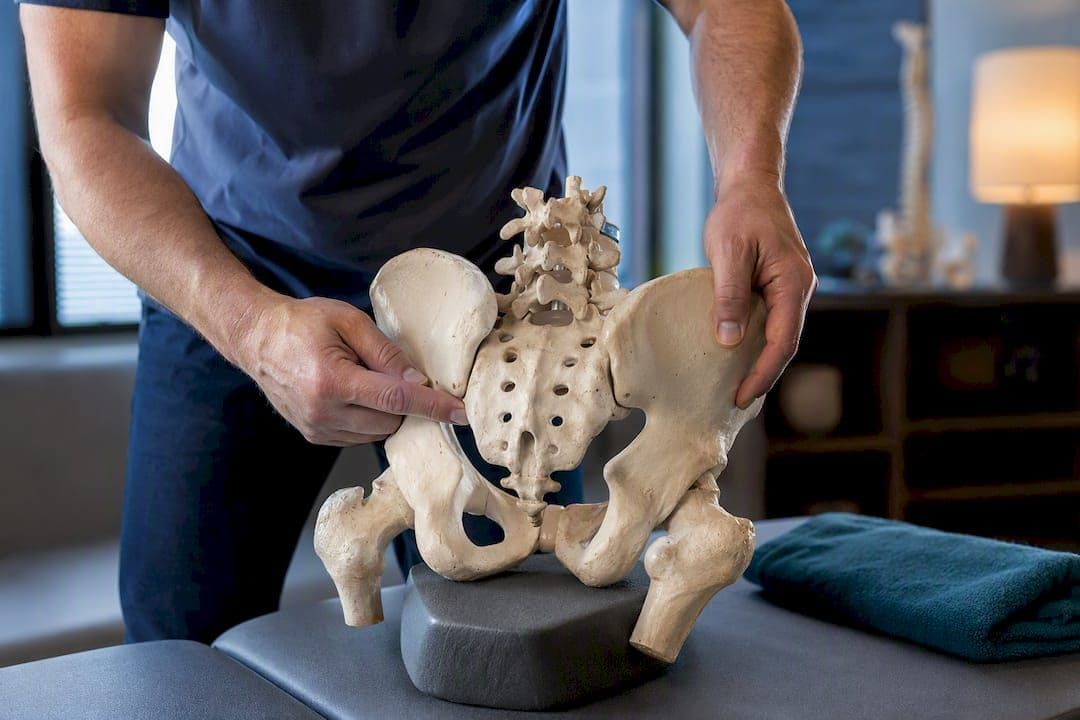



Health Benefits of Chiropractic Care: Top 10 Proven Results
TL;DR:
- Chiropractic care is a non-invasive, drug-free treatment that corrects spinal misalignments to relieve pain and improve function. It offers long-term benefits, including better mobility, nervous system regulation, and reduced pain in various conditions like back pain, headaches, and joint issues. Regular adjustments support overall wellness, enhance athletic performance, and are safe for special populations such as pregnant women and athletes.
Chiropractic care is defined as a drug-free, non-invasive treatment that corrects spinal and joint misalignment to relieve pain and restore function. The health benefits of chiropractic extend well beyond back pain, covering improved mobility, nervous system regulation, better sleep, and faster athletic recovery. A 2026 randomized trial involving 1,000 participants found that clinician-supported chiropractic care produced lower back pain impact scores than standard medical care at 10–12 months. That result signals chiropractic as a credible long-term pain management strategy, not just a short-term fix. The industry term for the core procedure is spinal manipulative therapy, and it forms the foundation of every benefit covered here.

1. What are the primary health benefits of chiropractic for pain relief?
Chiropractic adjustments reduce pain by correcting nerve compression and lowering inflammation around affected joints. The mechanism is direct: a misaligned vertebra presses on nearby nerves, and the adjustment removes that pressure. Relief follows quickly in most patients.
Clinical data backs this up. 78% of patients report noticeable pain reduction within the first three sessions. That figure covers conditions including low back pain, neck pain, migraines, and joint pain throughout the body.
Chiropractic care advantages over medication include zero dependency risk and no gastrointestinal side effects. Patients with chronic pain who have cycled through NSAIDs and muscle relaxants often find that spinal manipulative therapy addresses the structural cause rather than masking the symptom.
Key conditions that respond well to chiropractic treatment:
- Low back pain: The most studied application, with strong evidence from multiple clinical trials
- Neck pain and whiplash: Adjustments restore cervical alignment and reduce muscle guarding
- Tension and cervicogenic headaches: Spinal manipulation reduces headache frequency and intensity
- Sciatica: Decompression of the lumbar spine relieves radiating leg pain
- Joint pain in hips, shoulders, and knees: Extremity adjustments restore proper tracking and reduce inflammation
Pro Tip: Schedule visits two to three times per week for the first four weeks. Consistent early treatment builds on each session and produces faster cumulative relief than sporadic visits.
2. How chiropractic care improves mobility and joint function
Chiropractic adjustments restore range of motion by breaking up scar tissue and releasing restricted joints. Stiffness after injury or prolonged poor posture creates adhesions in the joint capsule. Adjustments physically mobilize those adhesions, restoring normal glide.
The 15–30% immediate increase in range of motion reported after early sessions is measurable on standard goniometric testing. That improvement compounds over multiple visits as the surrounding musculature adapts to the corrected alignment.
Mobility gains are not limited to the spine. Chiropractic care improves joint mobility in extremities including hips, shoulders, and knees, which directly supports daily function and athletic performance. A patient who could not raise their arm above shoulder height due to thoracic restriction often regains full overhead reach within a few weeks of treatment.
| Joint Area | Typical Restriction Before Care | Common Improvement After Care |
|---|---|---|
| Lumbar spine | Limited forward flexion, pain on extension | Restored flexion, reduced pain arc |
| Cervical spine | Reduced rotation, neck stiffness | Full rotation, reduced muscle tension |
| Hip | Restricted internal rotation, gait compensation | Improved gait symmetry, reduced hip pain |
| Shoulder | Limited overhead reach, impingement symptoms | Restored overhead mobility, reduced impingement |
| Knee | Stiffness, altered tracking | Improved tracking, reduced joint pain |
Posture correction is a direct downstream effect of sustained spinal alignment. Forward head posture, rounded shoulders, and anterior pelvic tilt all create chronic load on specific joints. Regular adjustments combined with targeted exercises reverse those patterns before they cause permanent structural damage.
3. What holistic and secondary benefits does chiropractic care offer?
Chiropractic care produces benefits beyond the musculoskeletal system by restoring proper nervous system communication between the brain and the body. The spine houses the spinal cord, so misalignment does not only cause local pain. It disrupts the nerve signals that regulate organ function, immune response, and hormonal balance.
A pragmatic clinical trial published in BMC Complementary Medicine and Therapies found that adding chiropractic care to standard medical care improved sleep disturbance scores at 52 weeks in active U.S. military personnel. Better sleep is often the first secondary benefit patients notice, sometimes before their pain fully resolves.
Sleep quality and mood improvements occur as chiropractic care reduces pain and balances nervous system regulation. Adjustments trigger endorphin and serotonin release, which explains why many patients report reduced anxiety and improved mood after treatment.
Additional secondary benefits supported by clinical observation:
- Immune system support: Reduced nerve interference allows the immune system to communicate and respond more efficiently
- Stress reduction: Lower cortisol levels are reported after spinal manipulation, reflecting reduced physiological stress
- Cardiovascular function: Some research links cervical adjustments to short-term reductions in blood pressure
- Digestive health: Thoracic and lumbar adjustments can reduce nerve interference affecting gut motility
- Energy levels: Patients commonly report higher energy as pain decreases and sleep quality improves
Pro Tip: Secondary benefits like improved sleep may appear before complete pain resolution. Track your sleep quality and mood from the first week of care. These early wins confirm that your nervous system is responding to treatment.
4. How chiropractic care supports pregnant women and athletes
Chiropractic care delivers targeted benefits to two populations with very specific physical demands: pregnant women and competitive athletes. Both groups face structural stress that standard medical care often addresses only with rest or medication.
For pregnant women, the Webster Technique is the primary chiropractic method used to restore pelvic balance and support optimal fetal positioning. Chiropractic care during pregnancy supports pelvic alignment and reduces maternal discomfort throughout all three trimesters. A study published in the Journal of Midwifery and Women's Health found that 75% of pregnant chiropractic patients experienced significant pregnancy-related pain relief.
For athletes, chiropractic care is a performance tool, not just an injury treatment. Sports injury care through chiropractic adjustments addresses the biomechanical imbalances that lead to overuse injuries before they sideline a season.
Benefits specific to pregnant patients:
- Reduced low back and sacroiliac joint pain throughout pregnancy
- Improved pelvic alignment supporting fetal positioning
- Shorter labor times reported in patients receiving regular prenatal care
- Drug-free pain management safe for both mother and baby
Benefits specific to athletes:
- Faster recovery from soft tissue injuries through reduced inflammation
- Improved joint mobility supporting explosive movement and agility
- Reduced risk of overuse injuries through biomechanical correction
- Enhanced proprioception, which is the body's ability to sense joint position
5. How to maximize the benefits of chiropractic treatment
Chiropractic care is a cumulative process. A single adjustment produces measurable short-term relief, but sustainable improvements require multiple sessions that allow neuromuscular re-education to take hold. Expecting total resolution after one visit sets patients up for disappointment.
Treatment success varies significantly based on individualized dosage, frequency, and patient-specific response, as noted in a Cochrane Review on spinal manipulative therapy. That means your chiropractor's treatment plan is not arbitrary. It reflects your specific condition, severity, and how your body responds to each session.
A practical framework for getting the most from your care:
- Commit to the initial treatment plan. Most plans run 4–12 weeks. Dropping out early is the most common reason patients plateau before reaching full benefit.
- Communicate changes between visits. Tell your chiropractor if pain shifts location, increases, or improves faster than expected. Adjustments to technique and frequency depend on your feedback.
- Support care with movement. Walking, stretching, and prescribed exercises reinforce the alignment gains from each adjustment.
- Address ergonomics at work and home. Poor workstation setup or sleeping position can undo progress between visits.
- Track functional improvements, not just pain scores. Range of motion, sleep quality, and energy levels are equally valid markers of progress.
Pro Tip: You do not need a physician referral to see a chiropractor. Direct access to chiropractic care means you can book your first appointment today and begin treatment without waiting weeks for a referral to process.

Key takeaways
Chiropractic care delivers measurable, research-backed results for pain relief, mobility, and overall wellness through non-invasive spinal adjustments that address root causes rather than symptoms.
| Point | Details |
|---|---|
| Pain relief is fast and cumulative | 78% of patients report noticeable pain reduction within three sessions, with gains building over time. |
| Mobility improves beyond the spine | Adjustments restore range of motion in hips, shoulders, and knees, not just the back. |
| Secondary benefits are real | Clinical trials confirm improved sleep and mood as nervous system regulation improves. |
| Special populations benefit significantly | 75% of pregnant patients report pain relief; athletes gain faster recovery and injury prevention. |
| Consistency drives results | Sustainable improvement requires multiple sessions and patient engagement between visits. |
What I have seen chiropractic care actually do for people
Most patients arrive expecting chiropractic care to be a quick fix for back pain. What surprises them is how much else changes. I have watched patients who came in for sciatica leave reporting better sleep within two weeks. I have seen athletes who were managing chronic shoulder tightness with foam rollers and ibuprofen regain full overhead mobility after a structured adjustment plan.
The drug-free nature of chiropractic care is not a marketing angle. It is a genuine clinical advantage for patients who are tired of managing symptoms with medication that carries its own risks. Addressing the root causes of pain through spinal alignment is a fundamentally different approach than suppressing pain signals.
The one thing I tell every new patient is this: patience is not optional. The spine did not misalign overnight, and it will not fully correct in a single session. Patients who commit to their full treatment plan consistently report outcomes that patients who drop out after two or three visits never experience. The research from the Annals of Internal Medicine showing sustained benefit at 10–12 months confirms what I see in practice every week.
Chiropractic care works best when it is part of a broader wellness approach. Combining adjustments with physical rehabilitation, targeted exercise, and ergonomic changes produces results that adjustments alone cannot match. That integration is what separates patients who recover fully from those who manage their pain indefinitely.
Ready to experience the benefits of chiropractic care firsthand?
Essentialchirocare serves patients across Tampa, Brandon, Sarasota, Lakeland, and Pinellas Park with personalized chiropractic treatment plans built around your specific pain and wellness goals. Whether you are dealing with chronic back pain, recovering from a sports injury, or looking for a drug-free path to better mobility, the team at Essentialchirocare brings clinical expertise and a root-cause approach to every visit.
Explore the full range of chiropractic care services at Essentialchirocare and book your first appointment online today. You can also review the complete list of all chiropractic services available across West Central Florida to find the right treatment for your condition.
FAQ
What conditions does chiropractic care treat most effectively?
Chiropractic care produces the strongest evidence for low back pain, neck pain, tension headaches, and sciatica. Clinical trials also support its use for joint pain in the hips, shoulders, and knees.
Is chiropractic care safe for long-term use?
Chiropractic care is considered safe for ongoing use when delivered by a licensed chiropractor. It carries no dependency risk and avoids the gastrointestinal and cardiovascular side effects associated with long-term NSAID use.
How many chiropractic sessions do I need to see results?
Most patients notice measurable pain reduction within the first three sessions. Sustained improvement typically requires a full treatment plan of 4–12 weeks, depending on condition severity and individual response.
Can I see a chiropractor without a doctor's referral?
Yes. Direct access to chiropractic care means you can schedule an appointment and begin treatment without a physician referral, which removes weeks of delay from your pain management timeline.
Is chiropractic care effective during pregnancy?
Yes. The Webster Technique is specifically designed for pregnant patients and supports pelvic balance and fetal positioning. A study in the Journal of Midwifery and Women's Health found that 75% of pregnant chiropractic patients experienced significant pain relief.