Rehabilitation vs. Rest for Pain Recovery: Explained
TL;DR:
- Rest initiates tissue repair, but early rehabilitation is essential for restoring strength and preventing reinjury. Combining structured rest and guided rehab improves outcomes and reduces long-term disability. Proper timing and professional guidance are crucial for effective recovery.
Rehabilitation is defined as the active process of restoring strength, mobility, and function after injury or illness, while rest is the passive phase that allows tissue repair to begin. Both are necessary. The mistake most people make is treating them as opposites rather than as sequential steps in the same recovery process. Physical therapy rehabilitation improves movement, pain, and function in 68–72% of patients. Rest, when timed correctly, reduces inflammation and prevents further tissue damage. Understanding when to apply each one is what separates a full recovery from a recurring injury.

Rehabilitation vs. rest: what the research actually shows
Rest and rehabilitation are not competing strategies. They are phases. Rest repairs; rehabilitation rebuilds. This distinction matters because choosing the wrong approach at the wrong time can set your recovery back by weeks.
Combining rest and rehab yields the best outcomes. Rest reduces inflammation in the early phase, and rehabilitation restores strength and mobility once that initial repair window closes. The problem is that most people either rest too long or rush into activity before the tissue is ready.
Clinical guidelines show that adherence to a structured physical therapy program over 4–6 weeks produces a 23% faster return to function and a 31% reduction in disability scores for low back pain patients. That is not a marginal improvement. It represents the difference between returning to work in six weeks versus ten.
The core insight is this: rest is the foundation, and rehabilitation is the structure built on top of it. Neither works well without the other.
What happens to your body during rest?
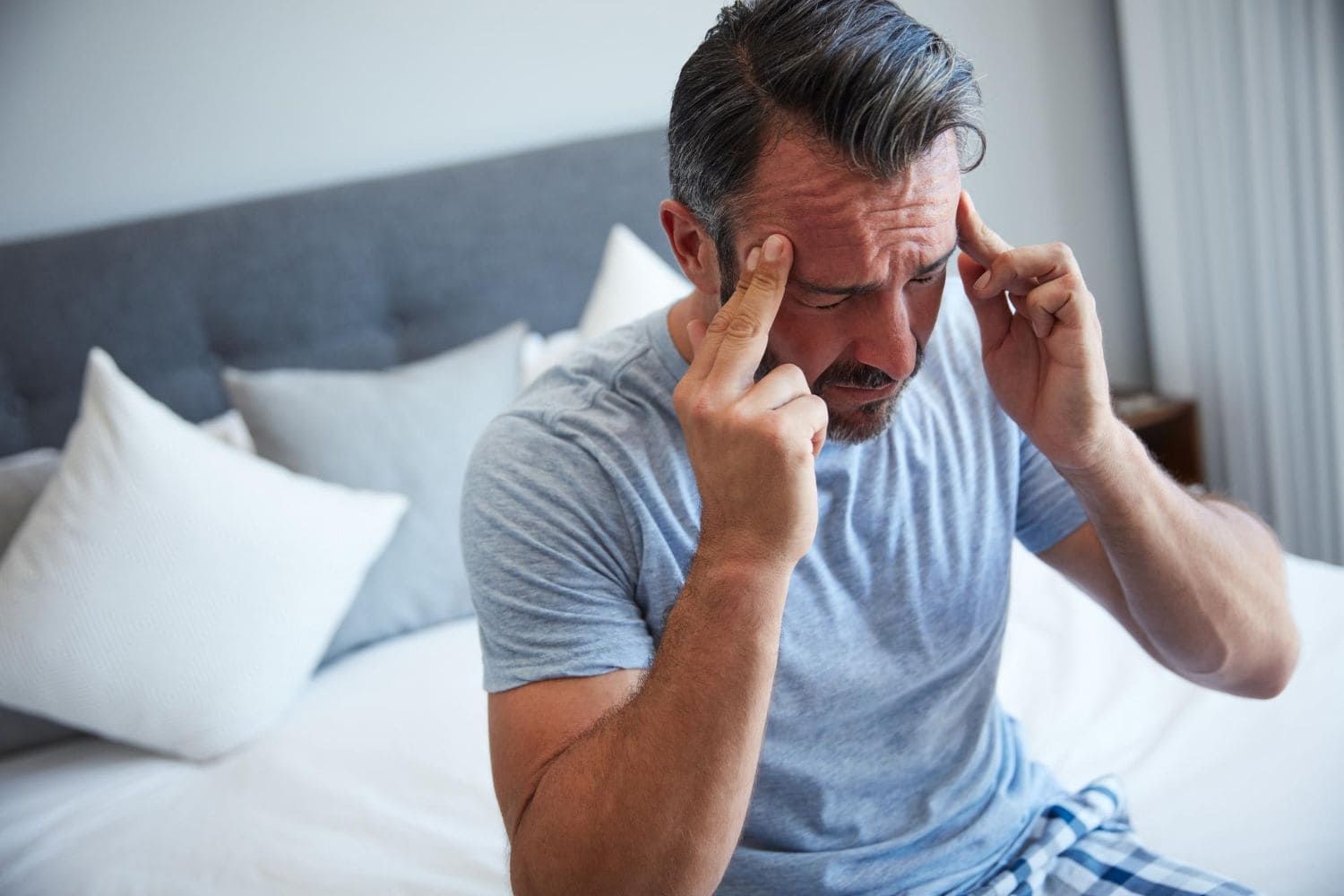
Rest is an active biological process, not simply the absence of movement. During rest, your body initiates tissue repair, reduces inflammatory markers, and stabilizes the neurological signals that regulate pain.
Sleep stabilizes endocrine and neural function, supporting emotional, cognitive, and immune health. This means the quality of your rest directly affects how well your body processes pain signals and rebuilds damaged tissue. Poor sleep does not just make you feel worse. It slows the physical repair process.
Intentional rest also improves mental health by preventing emotional exhaustion and improving stress regulation. Chronic pain patients in particular benefit from this, since persistent pain creates a feedback loop of anxiety and tension that makes physical recovery harder.
The benefits of rest in the early recovery phase include:
- Tissue repair: Reduced mechanical load allows collagen fibers and soft tissue to regenerate without repeated micro-damage.
- Inflammation control: Rest lowers the production of pro-inflammatory cytokines, which are the chemical signals that cause swelling and pain.
- Neurological reset: Sleep consolidates the gains made during therapy and recalibrates the nervous system's pain sensitivity.
- Mental recovery: Emotional balance improves, which reduces the stress hormones that interfere with healing.
Pro Tip: Treat sleep as part of your treatment plan. Aim for 7–9 hours per night during active recovery. Poor sleep is one of the most overlooked reasons why pain lingers.
Rest does carry risks when it goes on too long. Cardiovascular fitness can decline 15% after just two weeks of inactivity. Muscles around injured joints begin to atrophy rapidly, which increases joint instability and raises the risk of reinjury when you do return to activity.
Why rehabilitation is critical for full recovery
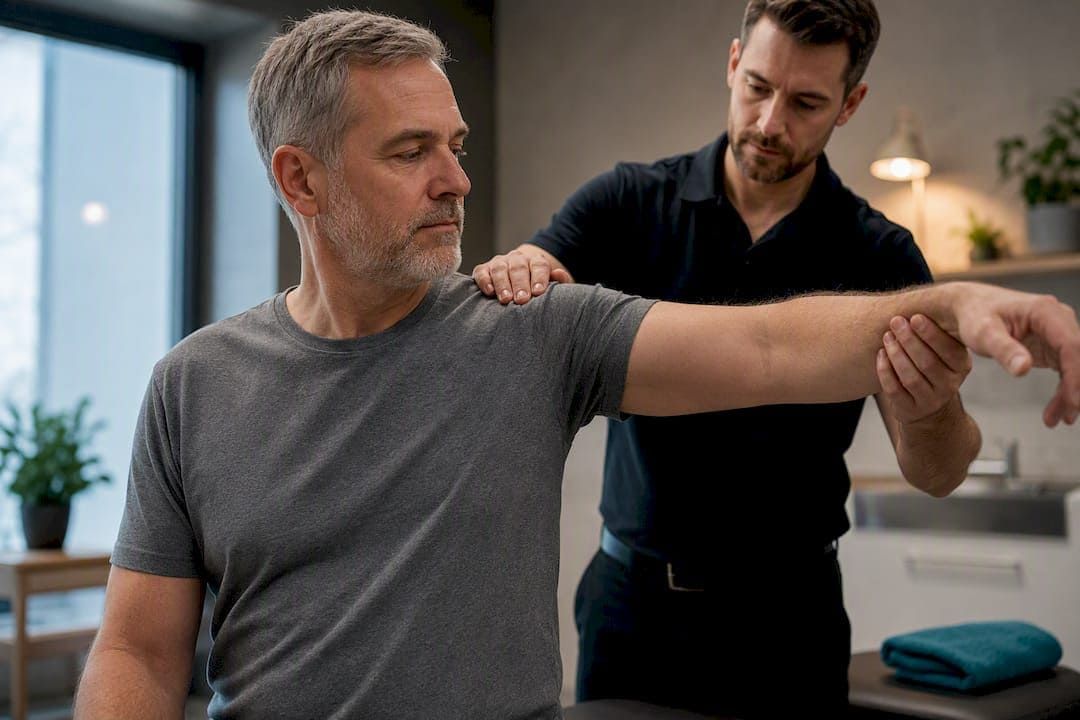
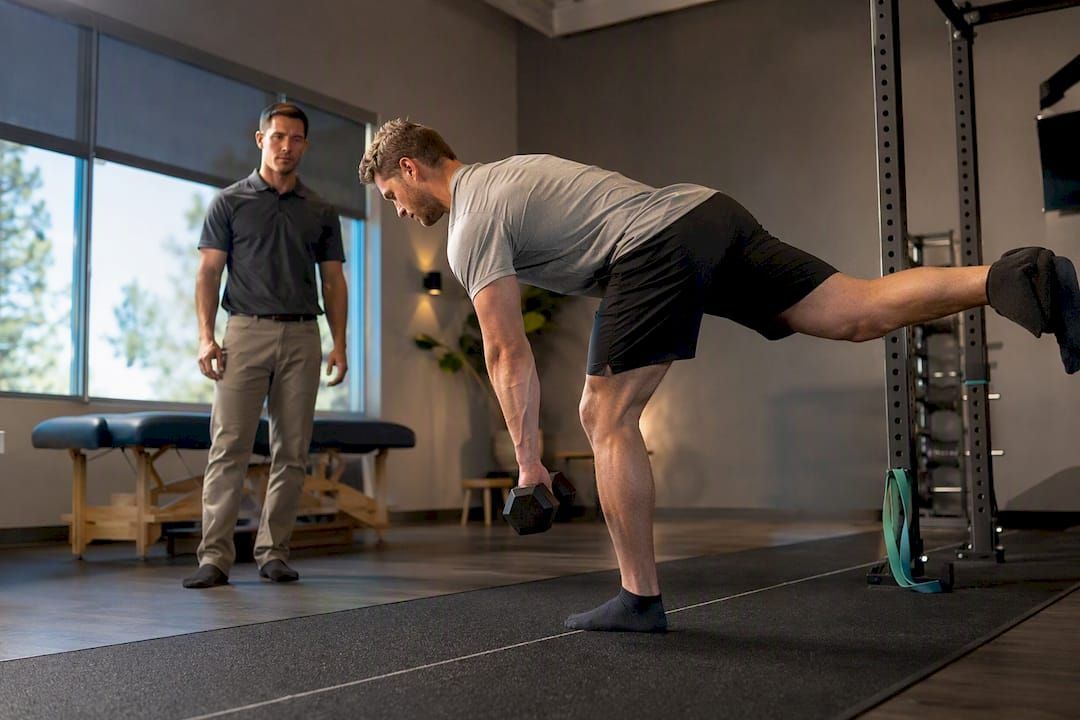
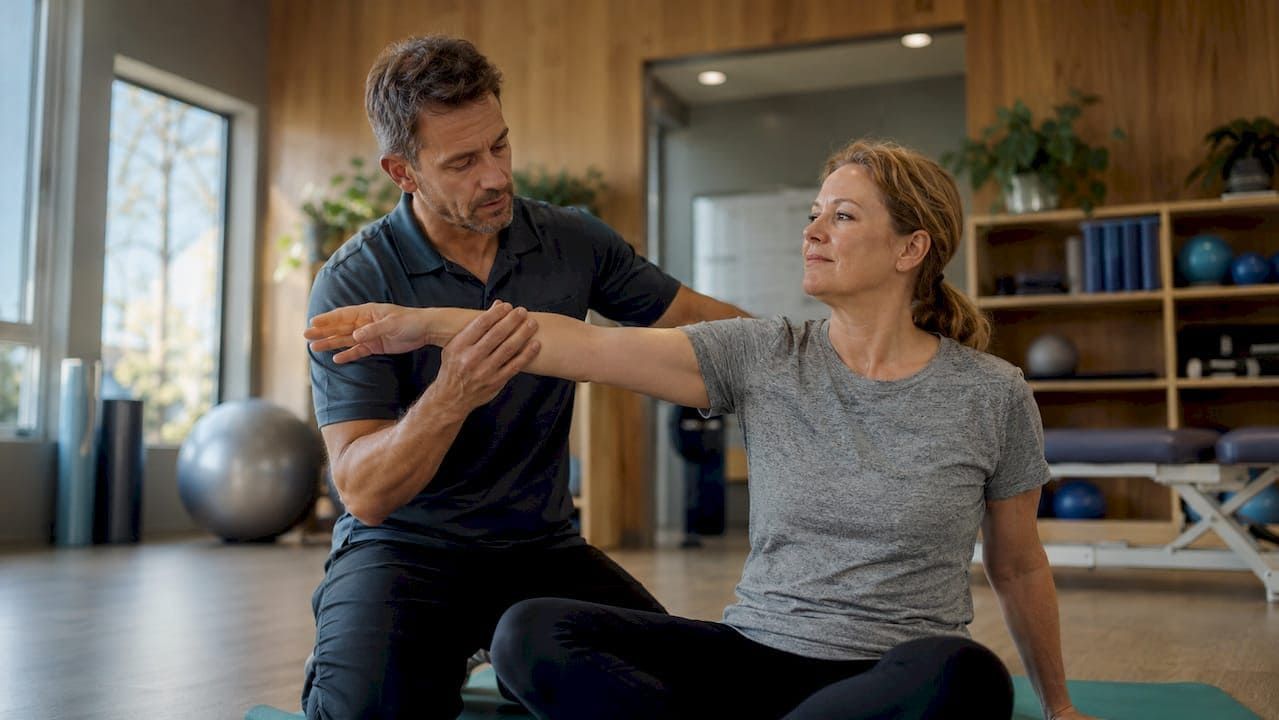
Rehabilitation, or rehab, is the structured process of restoring physical function through guided exercise, movement retraining, and manual therapy. It picks up where rest leaves off. Without it, the tissue that healed during rest remains weak, stiff, and vulnerable.
Early mobilization post-injury is linked to significantly better function and less long-term disability. Clinical standards now favor starting rehabilitation within 72 hours of injury for most musculoskeletal conditions. Waiting longer than that allows compensatory movement patterns to develop, which create new problems on top of the original injury.
The rehabilitation benefits that matter most for pain recovery include:
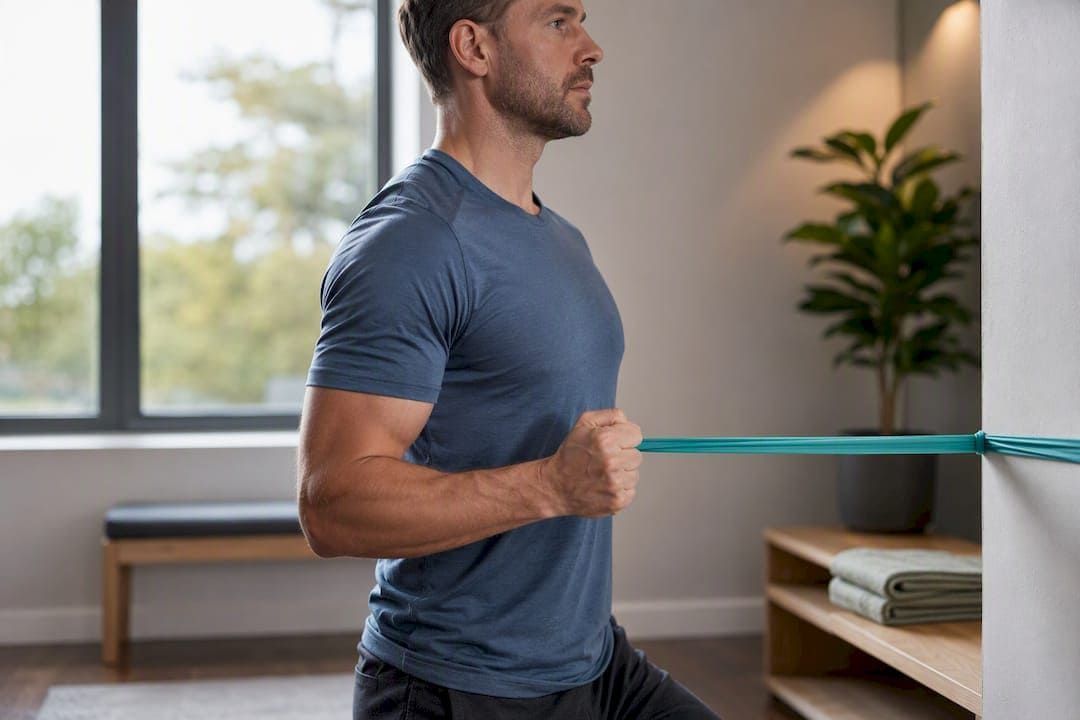
- Strength restoration: Progressive loading rebuilds the muscle tissue that atrophied during rest, protecting joints and reducing pain.
- Mobility improvement: Controlled stretching and movement retraining restore the range of motion lost to stiffness and guarding.
- Reinjury prevention: Functional rehab reduces reinjury rates by 40–50% compared to rest alone.
- Faster return to activity: Physical therapy reduces post-surgical recovery time by 20–30%.
- Neurological recovery: For stroke patients, early structured rehabilitation within 72 hours achieves minor stroke severity in over 92% of cases.
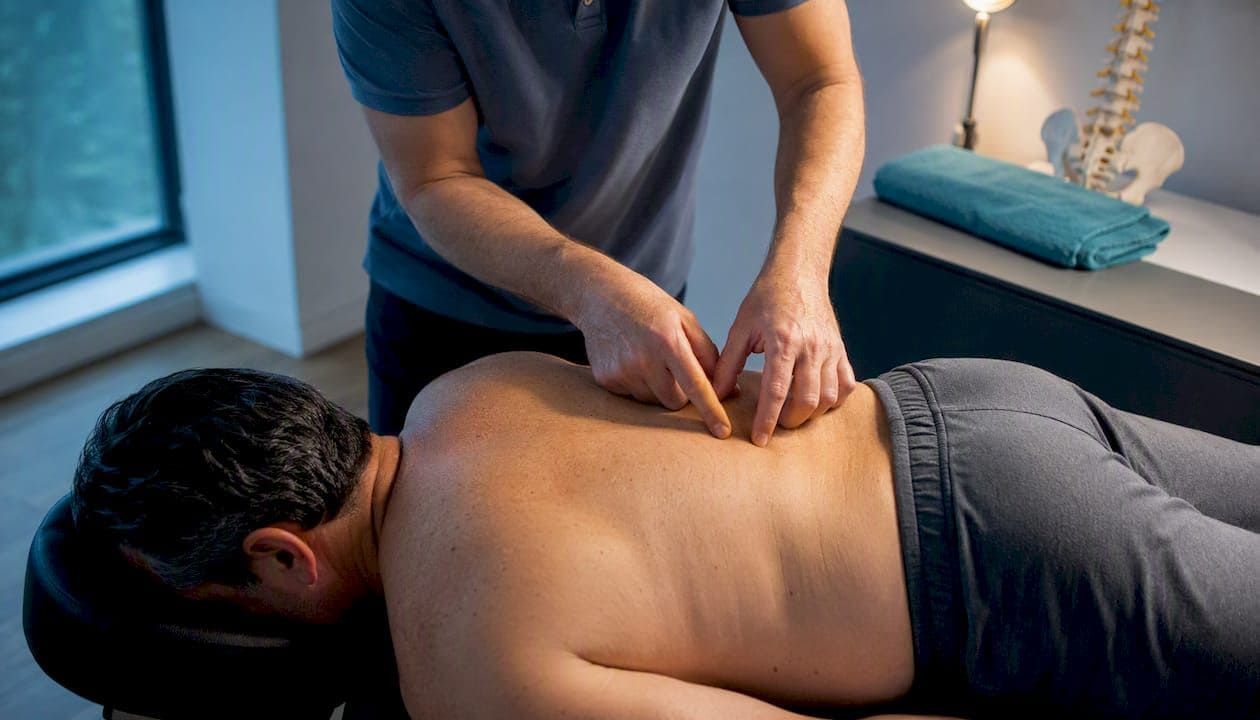
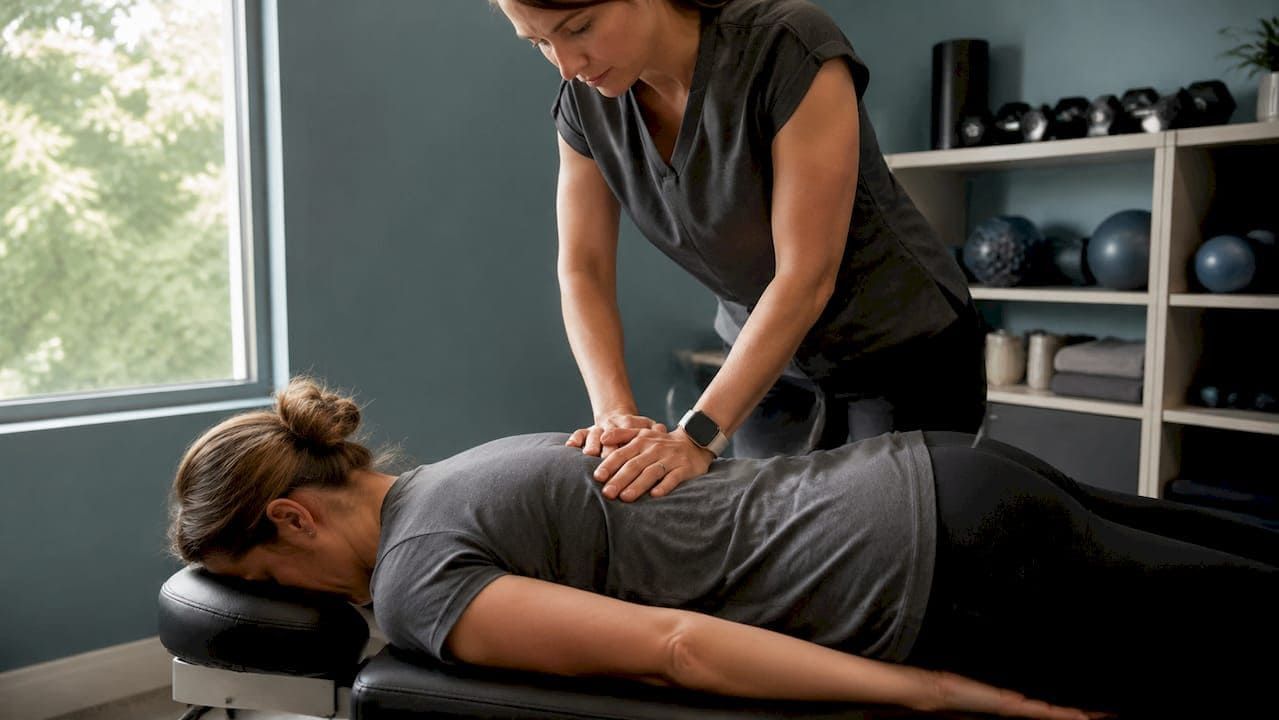
Rehabilitation techniques used by Essentialchirocare and similar clinics include chiropractic adjustments, manual therapy, spinal decompression, and targeted exercise programs. These are not interchangeable. The right combination depends on your injury type, pain level, and how far along you are in recovery.
Pro Tip: Tell your provider exactly where your pain increases during movement. Sharp, stabbing pain during an exercise is a signal to stop. Mild soreness that fades within 24 hours is normal and expected during rehab.
Rehab or rest for injuries: comparing benefits and drawbacks
Understanding the trade-offs between rest and rehabilitation helps you make smarter decisions at each stage of recovery.
| Factor | Rest | Rehabilitation |
|---|---|---|
| Best timing | First 24–72 hours post-injury | After initial inflammation subsides |
| Primary benefit | Reduces inflammation, initiates tissue repair | Restores strength, mobility, and function |
| Primary risk | Muscle atrophy, stiffness, cardiovascular decline | Aggravation if started too early |
| Reinjury risk | 66% higher reinjury risk with total rest | 40–50% lower reinjury rate with structured rehab |
| Mental health impact | Positive short-term, negative if prolonged | Builds confidence and reduces fear of movement |
The data tells a clear story. Total rest after injury creates a 66% higher reinjury risk compared to structured rehabilitation. That number reflects what happens when weakened, deconditioned tissue is suddenly asked to perform again without preparation.
The key variables that guide the choice between rest and rehab are:
- Injury severity: Fractures and acute tears require longer rest before rehab begins. Sprains and strains often benefit from early gentle movement.
- Pain type: Sharp mechanical pain signals that you should stop activity. Mild, diffuse soreness can often be worked through with professional guidance.
- Symptom progression: If pain increases day over day during rest, that is a sign to seek professional assessment rather than wait longer.
How to combine rest and rehabilitation for optimal recovery
The most effective recovery plans use rest and rehabilitation in sequence, not in isolation. Early rest followed by guided rehab consistently produces the best outcomes for both acute and chronic pain.
Here is how to think about the transition from rest to rehabilitation:
- Days 1–3 post-injury: Prioritize rest, ice, and compression. Avoid loading the injured area. Focus on sleep quality.
- Days 3–7: Begin gentle, pain-free movement if inflammation has decreased. This is not full rehabilitation yet. It is controlled mobilization.
- Week 2 onward: Start a structured physical rehab program with professional guidance. Progressive loading begins here.
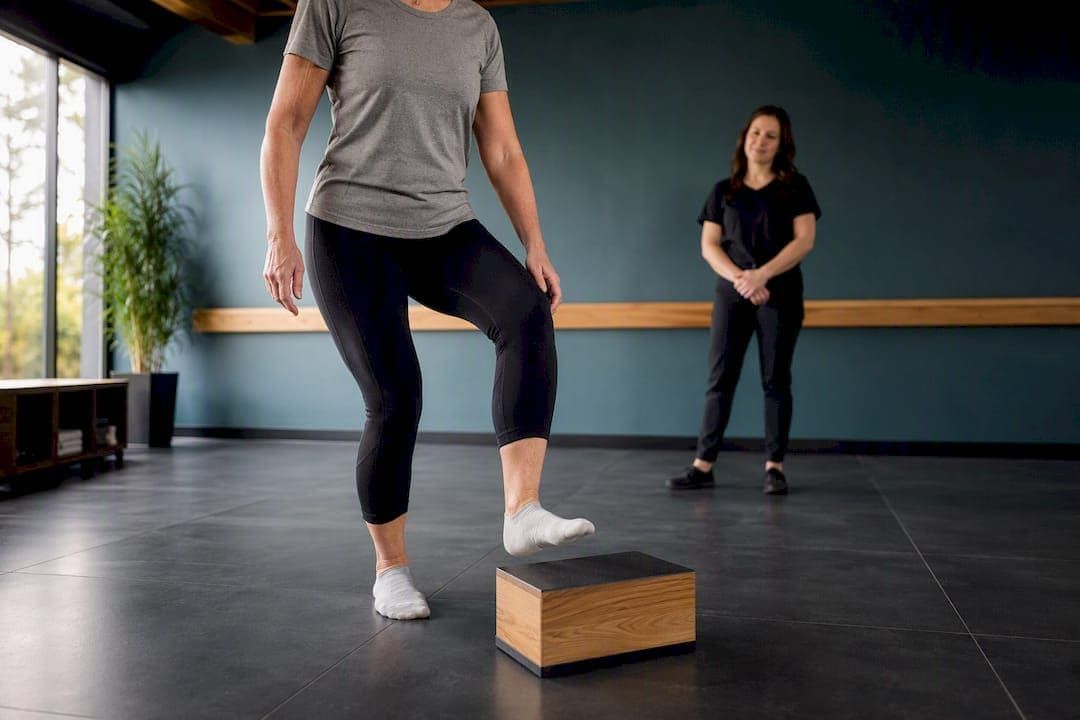
- Weeks 4–6: Full rehabilitation with strength training, balance work, and functional movement patterns. This phase is where reinjury prevention happens.
Signs that you need more rest before progressing include increased swelling after movement, pain that does not return to baseline within 24 hours, and sharp pain during basic activities. Signs that you are ready for rehabilitation include stable pain levels, reduced swelling, and the ability to perform gentle range-of-motion exercises without sharp pain.
Pro Tip: Do not use pain as your only guide. Some patients avoid rehab because they fear pain, even when their tissue is ready. A professional assessment removes the guesswork and gives you a clear, safe timeline.
Year-round rest opportunities also matter for chronic pain management. Recovery is not only a post-injury concern. Regular rest periods prevent burnout, reduce cumulative tissue stress, and maintain long-term function.

Common misconceptions about rest and recovery
The biggest misconception in pain recovery is that rest and rehabilitation are opposites. They are not. Rest and rehabilitation are sequential phases of the same process. Treating them as competing options leads people to either rest indefinitely or push through pain before their body is ready.
"Pain does not always mean stop. It means pay attention." Distinguishing between protective pain and productive discomfort is one of the most important skills in recovery, and it requires professional guidance to do safely.
A second common error is treating sleep as optional during recovery. Sleep is the structural bedrock of recovery, consolidating the gains made in therapy and regulating the hormones that control tissue repair. Cutting sleep short to fit in more physical activity is counterproductive.
Total immobilization, meaning complete avoidance of all movement, is also harmful. Prolonged immobilization causes muscle atrophy and cardiovascular decline, which delays recovery and increases the risk of complications. The goal is controlled, progressive loading, not inactivity.
Cultural attitudes that frame rest as laziness are a real barrier to recovery. Rest is a biological necessity. The body cannot repair tissue, regulate inflammation, or consolidate neurological gains without adequate downtime. Pushing through exhaustion does not speed recovery. It delays it.
Key takeaways
Rest initiates tissue repair, and rehabilitation rebuilds strength and function. The two phases work best in sequence, not in isolation.
| Point | Details |
|---|---|
| Rest comes first | Use rest in the first 24–72 hours to reduce inflammation and begin tissue repair. |
| Rehab prevents reinjury | Structured rehabilitation reduces reinjury rates by 40–50% compared to rest alone. |
| Timing is critical | Starting rehab within 72 hours of injury improves long-term function and reduces disability. |
| Sleep is treatment | Quality sleep consolidates therapy gains and regulates the hormones needed for tissue repair. |
| Professional guidance matters | Pain type and injury severity determine the right balance. A clinician removes the guesswork. |
What I have learned from watching patients choose rest over rehab
I have seen this pattern more times than I can count. A patient comes in after weeks of rest, convinced they gave their body enough time. Their pain is still there. Sometimes it is worse. The tissue healed, but nothing was done to rebuild the strength and movement patterns around it. The injury is technically repaired, but the body is functionally weaker than before it happened.
Rest is not the problem. The problem is stopping there. Rest handles the first chapter of recovery. Rehabilitation writes the rest of the story. Patients who skip rehab often return with the same injury, or a new one caused by compensatory movement patterns that developed while they were protecting the original site.
The other thing I have noticed is how much mental rest matters, especially for chronic pain patients. Physical rehabilitation gets all the attention, but the nervous system needs downtime too. Patients who are constantly anxious about their pain, who never fully switch off, tend to recover more slowly. Pacing, sleep, and stress management are not soft add-ons. They are part of the clinical picture.
My honest advice: trust the process, trust your provider, and do not let cultural pressure to "push through it" override what your body is telling you. Recovery is not linear, and that is normal. The goal is not to feel perfect by week two. The goal is to be fully functional at month three and beyond.
How Essentialchirocare supports your recovery from pain
Essentialchirocare takes a root-cause approach to pain recovery across its clinics in Tampa, Brandon, Sarasota, Lakeland, and Pinellas Park. Every patient receives a personalized plan that sequences rest guidance with active rehabilitation, so you are never guessing when to push and when to hold back.
The clinical team at Essentialchirocare combines chiropractic care with physical rehabilitation, manual therapy, spinal decompression, and targeted exercise programs. Whether you are recovering from a sports injury, an auto accident, or chronic back pain, the approach is the same: structured, progressive, and built around your specific recovery timeline. Schedule a consultation online and get a clear plan for moving from rest to full function.
FAQ
What is the difference between rest and rehabilitation?
Rest is the passive phase where the body repairs damaged tissue and reduces inflammation. Rehabilitation is the active phase where strength, mobility, and function are restored through guided exercise and therapy.
When should I stop resting and start rehabilitation?
Most clinical guidelines recommend beginning gentle rehabilitation within 72 hours of injury, once acute inflammation has decreased. Sharp pain, significant swelling, or worsening symptoms are signs to continue resting and seek professional assessment.
Does rest alone heal injuries?
Rest initiates tissue repair but does not rebuild strength or prevent reinjury. Total rest after injury leads to a 66% higher reinjury risk compared to structured rehabilitation.
How long should the rest phase last for acute injuries?
For most musculoskeletal injuries, the initial rest phase lasts 24–72 hours. More severe injuries such as fractures or significant ligament tears may require longer rest before rehabilitation begins, as determined by a clinician.
Can rehabilitation make pain worse?
Mild soreness during rehabilitation is normal and expected. Sharp, stabbing pain during an exercise is a signal to stop and reassess. A qualified provider will distinguish pain types to guide load progression safely and avoid setbacks.