Spring in Sarasota brings warm breezes and longer days, making it easier to stay active, both at work and outside of it. But for a lot of people, those sunny days don’t always mean ease. Whether it's sitting at a desk or being on your feet all day, it’s common for workers to feel sore, drained, or stiff by the time the workday ends.
Some people might not realize just how connected their everyday discomfort is to movement patterns. A work injury chiropractor in Tampa often hears about minor aches that started small but slowly grew into stiffness or pain that makes daily life more difficult. The good news is that once we start paying attention to those early signals, there's usually something that can be done to improve how we feel every day.
The Everyday Impact of Work-Related Strain
The strain from work isn’t always about one big accident. More often, it’s the small things we do without thinking that start to build up. Typing all day, standing for long hours, bending, and lifting, these actions, repeated over time, can wear the body down.
In a place like Sarasota, where office jobs, tourism, and manual labor all play a big role in the local work scene, people deal with a wide variety of strain. Some workers notice it in their neck or shoulders after long hours at the computer. Others feel it in their hips and lower back after standing or walking on hard surfaces throughout the day.
These aches often begin subtly but can affect much more than just comfort. The effects can reach into daily routines in ways we might not expect, like:
- Trouble falling or staying asleep
- Feeling mentally foggy or distracted at work
- A lack of energy after the workday ends
This kind of strain doesn’t just stay at work, it shows up when we’re trying to relax, spend time with family, or enjoy Sarasota’s beautiful spring weather.
Spotting the Signs Early
Most people wait until the pain becomes noticeable before they take it seriously. But discomfort doesn’t always start that way. It can begin with a small tug in the shoulder, mild tension in the back, or a slight pinch whenever you reach or stretch. These early signs are often ignored or brushed off as normal.
But small doesn’t always mean harmless. Waiting too long to address that dull ache in your neck or the tightness around your hips might lead to bigger challenges later on. Work-related discomfort doesn’t fix itself, and the longer it's overlooked, the more it tends to interfere with daily tasks like walking, driving, or lifting simple items.
Spotting those signals early helps us shift our routines and make small changes before the strain turns into a real limit. It’s often easier to ease tension early on than to manage ongoing pain. Paying attention to how our body feels after work, or even during a regular day, can be a quiet but important step toward feeling better overall.
To make things more noticeable, try to be mindful of your body’s responses not just in the evening, but even as you move through your day. Noticing mild fatigue or tightness can be a sign to adjust posture or take a few minutes to stretch. These minor shifts often interrupt the cycle before pain becomes more serious. Sometimes, simply being aware of discomfort allows you to focus on habits or positions contributing to repeated strain.
How Movement (or Lack of It) Affects Healing
When we stay in the same position for too long, the body adapts, but not always in helpful ways. Sitting at a desk, day after day, can affect circulation, posture, and joint flexibility. Over time, this leads to stiffness and can make the muscles feel locked up, especially in the hips, back, and shoulders.
In Sarasota, springtime often means heavier traffic, which adds to the hours people spend sitting during long commutes. For others, especially those working outdoors or in active jobs, the rising temperature brings another type of strain. Working in the heat can lead to fatigue more quickly, and when the body is tired, it’s more vulnerable to stress and poor movement habits.
Here’s where gentle, guided movement can make a big difference. We’ve seen how simple adjustments to movement during the workday, like walking during breaks or rotating between sitting and standing, can have a real effect on comfort. When the body has a chance to move in healthy ways during the day, it slows down the build-up of strain and supports better recovery.
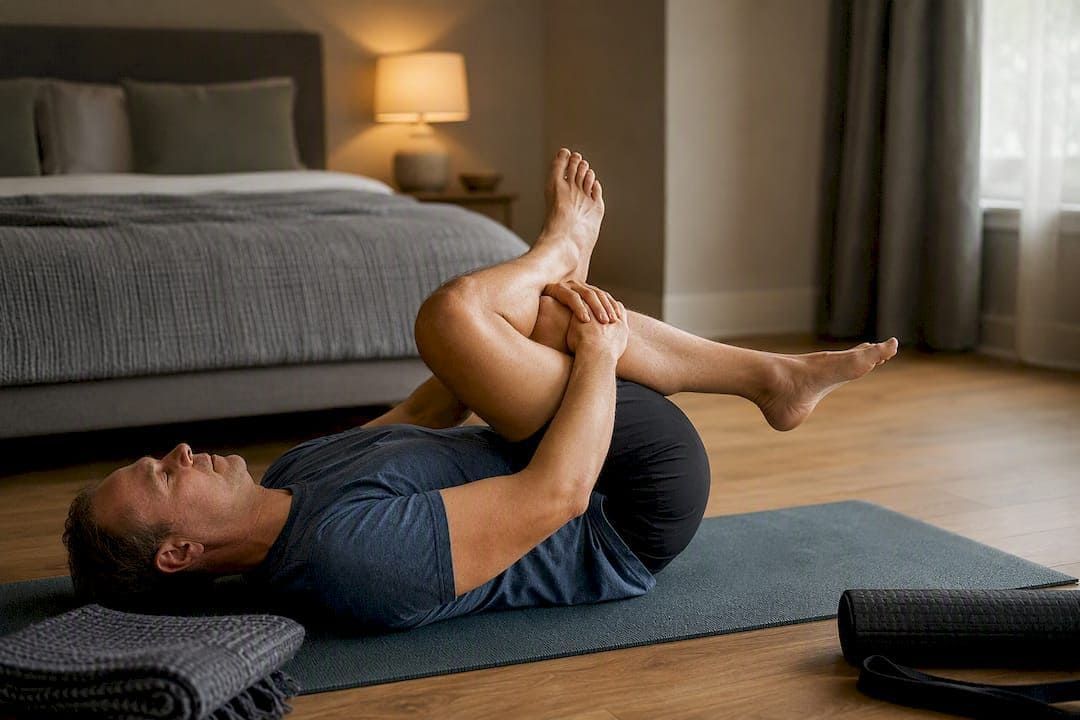
Movement fuels healthy tissue and joint function. Simple habits, taking a walk at lunch, stretching arms and legs, or just getting up for a glass of water, help bring relief from tension and keep your body more adaptable. Even a small change like adjusting your chair height or rearranging your workspace for better ergonomics can dramatically impact how your back and neck feel at the end of the day. These little actions, repeated over weeks, build resilience and support the natural healing processes in your body. The trick is to be consistent and patient, allowing small improvements to add up.
When It’s Time to Get Help
Some discomfort can be managed with rest, stretching, or better habits, but not always. If pain sticks around for more than a few days or seems to get worse instead of better, it may be time to take a closer look.
Even if there's no major accident to point to, we often hear people say something just feels off. This is usually where guidance can help. If something still feels off, a work injury chiropractor in Tampa can help look at how daily routine and body movement might be connected. It's not always about fixing something broken, it’s about understanding what the body is asking for and responding to it with smart support.
Getting help earlier rather than later can prevent a lot of stress down the line. By recognizing when recovery isn’t happening naturally, we give ourselves a better chance at getting back to comfort with smaller, easier steps rather than waiting for the issue to grow.
Reaching out sooner means you can address issues at their source and stop the discomfort from affecting other parts of your life. With an early intervention, problems are typically easier to resolve and take less time to improve. Many people are surprised at how much lighter they feel once they get answers and a plan of action. Sometimes, even just having expert input is enough to promote confidence and alleviate worry.
A Stronger, More Comfortable Daily Routine Ahead
When we think of stress or pain tied to work, we often picture the workday itself. But in truth, those patterns carry into the hours after it too. Something like tight shoulders or an aching back can linger into the evening, making it hard to relax or enjoy time with family. Over time, that discomfort shapes habits, posture, and even mood.
Building a stronger daily routine starts with tuning in. Noticing the small habits we bring into each day, and how our body responds, matters. Spring is a helpful time to check in, especially in Sarasota when the heat hasn’t fully set in yet but the pace of life starts to pick up. Feeling better, both during and after work, can grow from making small adjustments and continuing to notice what’s working and what isn’t. Sometimes, that shift is the start of a more comfortable season ahead.
As the days get warmer, it may be even more important to be attentive to how your body holds up. Spending time getting in tune with your movement patterns can help you avoid setbacks and injuries that keep you from enjoying other activities. Developing a little bit of extra flexibility, both mentally and physically, can help you respond to the demands of your days, especially with routine changes that come up in spring or summer. The ultimate goal isn’t just to get through the workday, but to carry good comfort and support into your after-work hours and the rest of your week.
At
Essential ChiroCare, we know how frustrating it can be when daily routines are disrupted by work-related aches that won’t go away. When discomfort outlasts a good night’s sleep or makes simple tasks harder, it might be time for support that addresses the bigger picture. If you’re noticing patterns that won’t budge, a
work injury chiropractor in Tampa can help guide you through what’s going on and what might help going forward. Let’s talk about what steps make the most sense for you and start the conversation.