After a car accident in
Sarasota, it’s common to feel sore the next day or even a few days later. That kind of achy feeling might seem normal, especially if the crash was minor or if the pain shows up slowly. But soreness that doesn’t go away or feels different than usual could mean the body is dealing with more than just a simple bruise or strain.
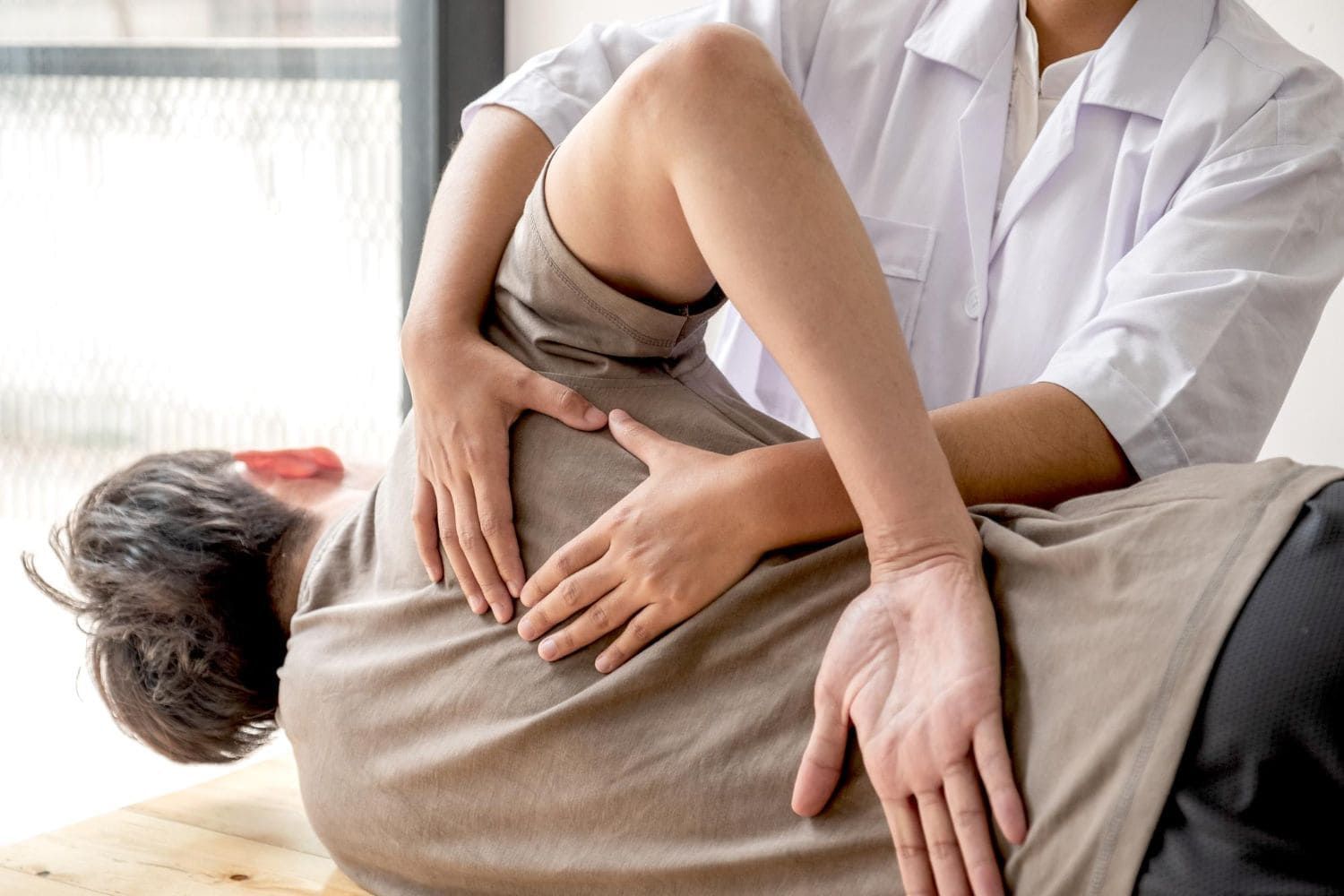
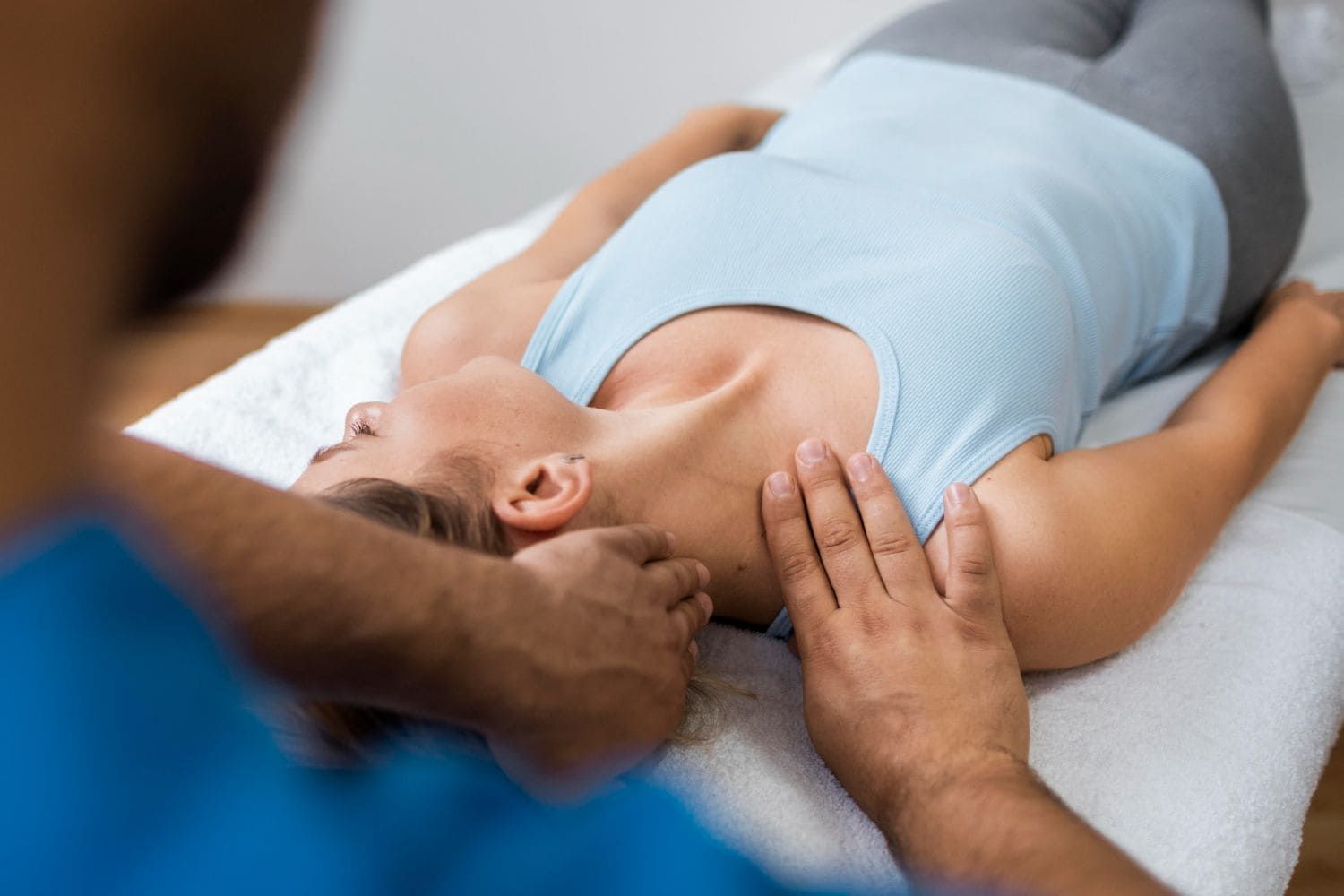
During Florida’s hot summer months, it's easy to overlook how much pressure the heat puts on your body during recovery. You might be sweating more, tired more often, or brushing off soreness because you're just trying to get back to your routine. Still, when soreness sticks around, it might be time to talk with someone who knows what to look for, like an auto accident chiropractor in Tampa.
Understanding when pain means something more helps you stay in control of your recovery and avoid delays that can affect your daily life.
Understanding Post-Accident Soreness
Right after an accident, your body might not feel the full impact. It's common to feel fine at first, then wake up with aches or stiffness the next day. This delayed soreness can last for days, and sometimes weeks, depending on what's happening under the surface.
Here’s why soreness after a crash can be more complex than it seems:
- It often shows up gradually. Adrenaline after an accident can mask symptoms, which means pain might not hit until hours later.
- Muscle soreness from a crash can feel like post-workout fatigue, which makes it hard to tell if it’s caused by impact or just stress.
- Florida’s summer heat can keep muscles loose for short periods, but that doesn’t mean deeper tissues aren’t inflamed or irritated.
When your body tries to heal while overheated or overworked, recovery tends to slow down. So even if the pain feels mild, monitoring how it changes over time matters more than you think. This is why it's important not only to listen to your body but also to observe if simple things like sleep and hydration change your pain levels. Sometimes, the longer you wait to track these changes, the harder it becomes to figure out what the root cause might be, so starting early can help you and your care provider understand your recovery process.
When Is Soreness More Than Just Soreness?
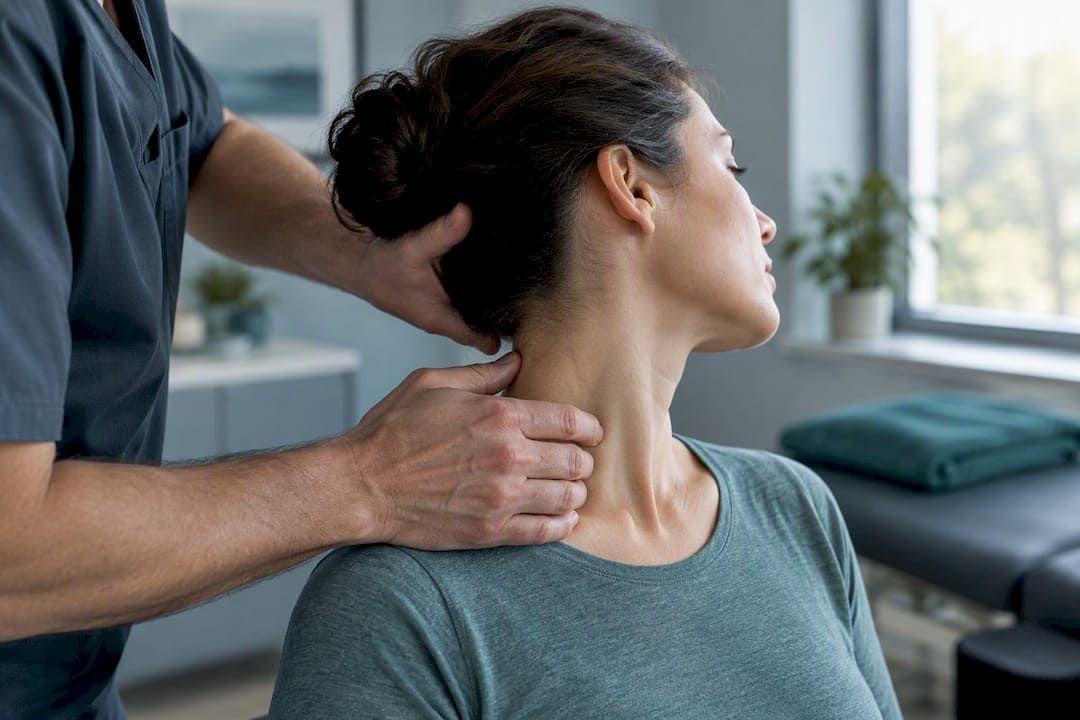
Muscles get sore from all sorts of things. But soreness tied to a crash doesn’t always follow the same path as muscles that are just overworked. If discomfort hangs around or starts acting differently, it may point to a bigger issue like joint misalignment, strained soft tissue, or even nerve irritation.
Here’s what might mean it’s something more:
- The pain does not improve after rest or ice
- You're noticing stiffness in parts of your body you didn’t notice right away
- Your body movements feel jerky, uneven, or weak
Some people may not feel sharp pain but still know something is off. That “off” feeling could come from small issues in the spine, shoulder, or hips that often show up after low-speed impacts. These patterns may not go away without help.
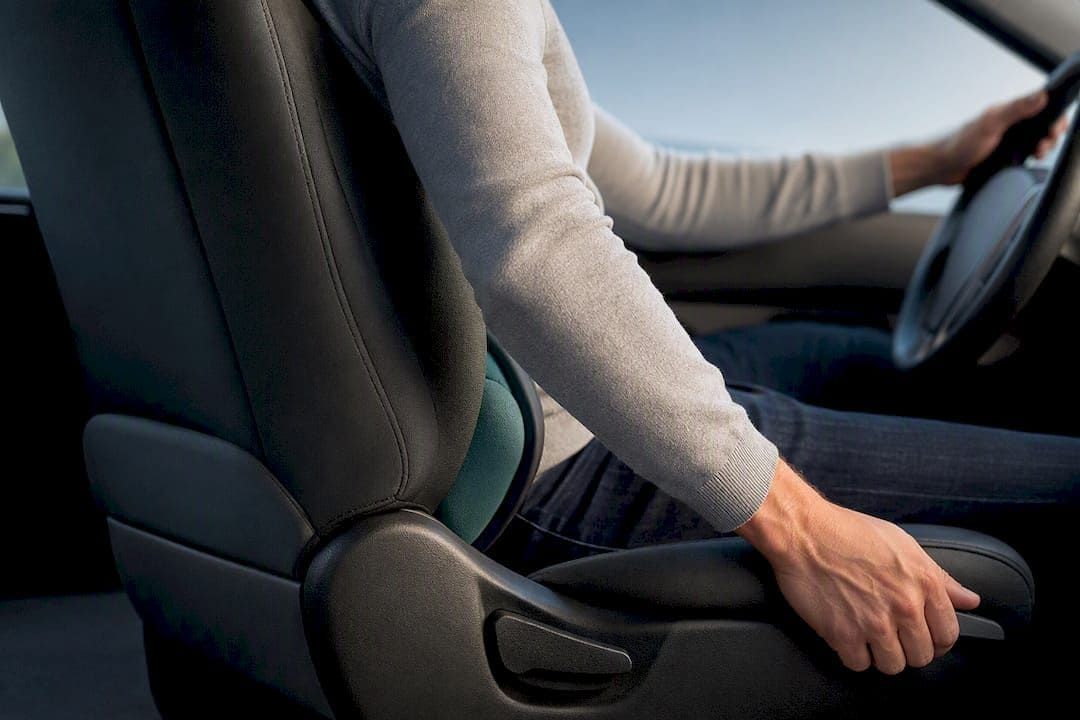
If you’re sore and your body mechanics feel different, like the way you walk, sit, or turn your neck has changed, it’s time to look more closely at what your body is trying to say. Trying different gentle stretches and moving around your home can sometimes clarify if the soreness is simple or feels more stubborn. Any time your body signals you with persistent aches that don’t improve, it’s good to track when and how often they occur. If you notice the soreness becoming a part of your daily routine instead of gradually fading, that’s a sign to pay attention.
The Role of Local Weather in Recovery
Summer in Sarasota brings heat, humidity, and longer daylight hours. While that may sound good for healing, it can actually slow your recovery if you're not careful.
Heat puts extra demands on your body. When you're already healing, those demands can make things worse in ways you might not expect.
- High humidity stiffens muscles and keeps inflammation from cooling down naturally
- Dehydration sets in fast, even when you don’t feel thirsty, and that slows muscle repair
- The heat drains your energy, so you might skip rest, forget water, or shorten your stretches
These small things matter. Joints that swell up in humidity feel tighter and more painful, especially if your body is already trying to heal from a collision. So if soreness gets worse when it's warm or sticky out, don't write that off as just the heat. Your body might be signaling it’s overwhelmed.
Staying cool, keeping your fluid levels up, and cutting back on physical strain during recovery days can make a big difference. Even using simple tools, like fans or cool cloths, might give your body the break it needs to better manage inflammation and ease symptoms. Making a habit of gentle movement, even if it’s just walking inside where it’s air-conditioned, can help circulation and support the healing process. Not all discomfort in the summer is solely from the temperature, so if pain doesn’t fade even after cooling down and staying hydrated, it might be linked to the accident’s effects rather than just the weather itself.
Why Timing Matters for Support
It’s easy to think you should just wait out soreness after an accident, especially when the crash didn’t seem serious. But waiting too long could allow small problems to grow into bigger ones.
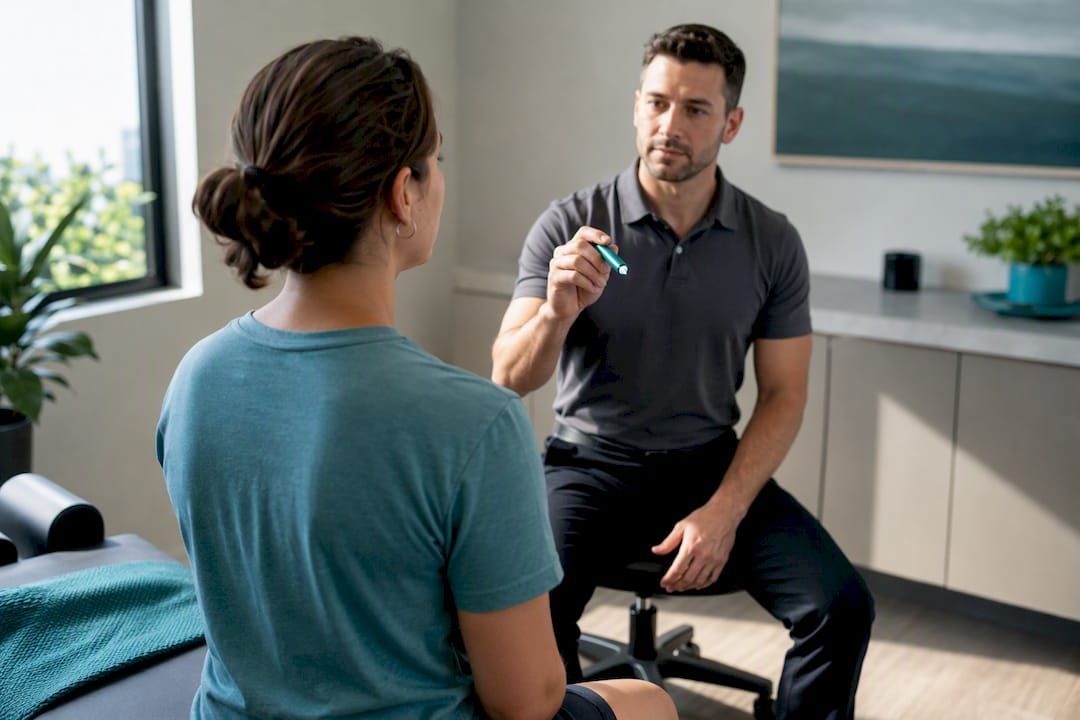
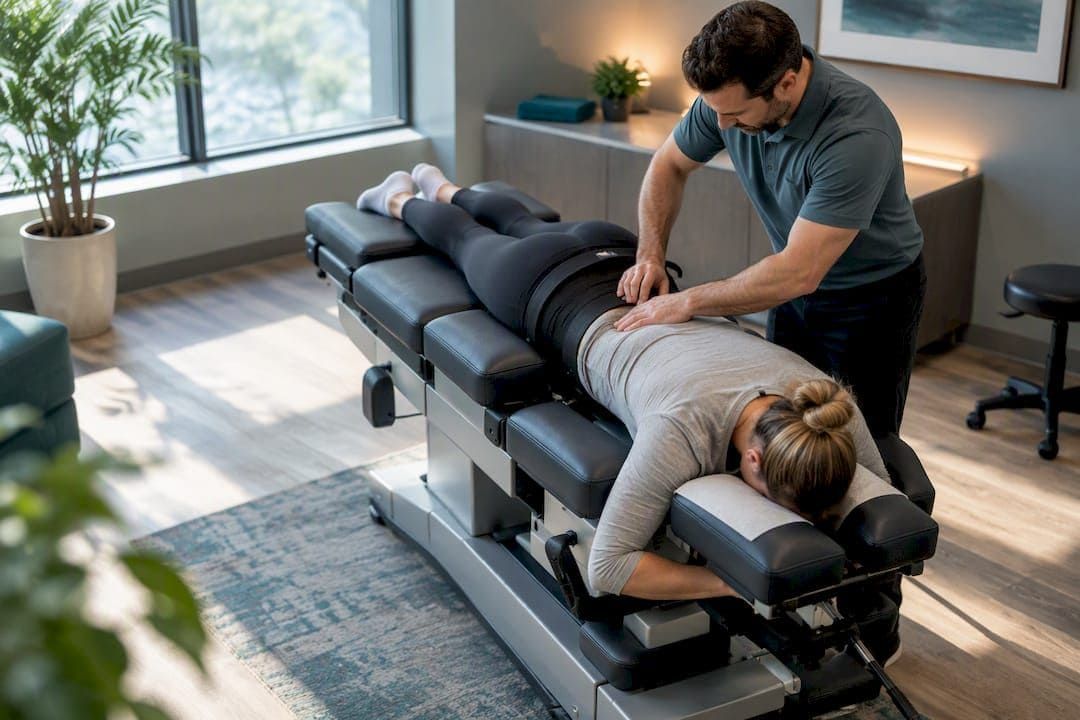
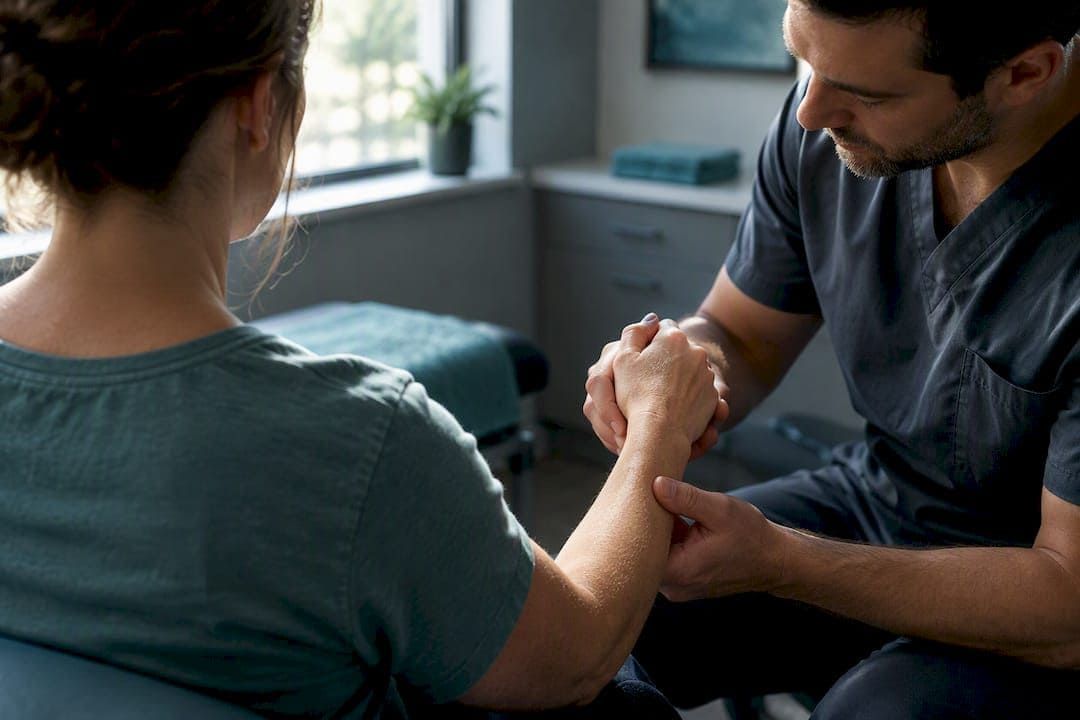
If soreness returns every day or starts spreading to new areas, that may be a sign something deeper needs attention. This is where an auto accident chiropractor in Tampa could help. Early assessments can uncover movement changes or pain patterns that are hard to track on your own.
Some benefits of acting sooner rather than later include:
- Catching bad habits before they set in, like guarding one side of your body or avoiding certain movements
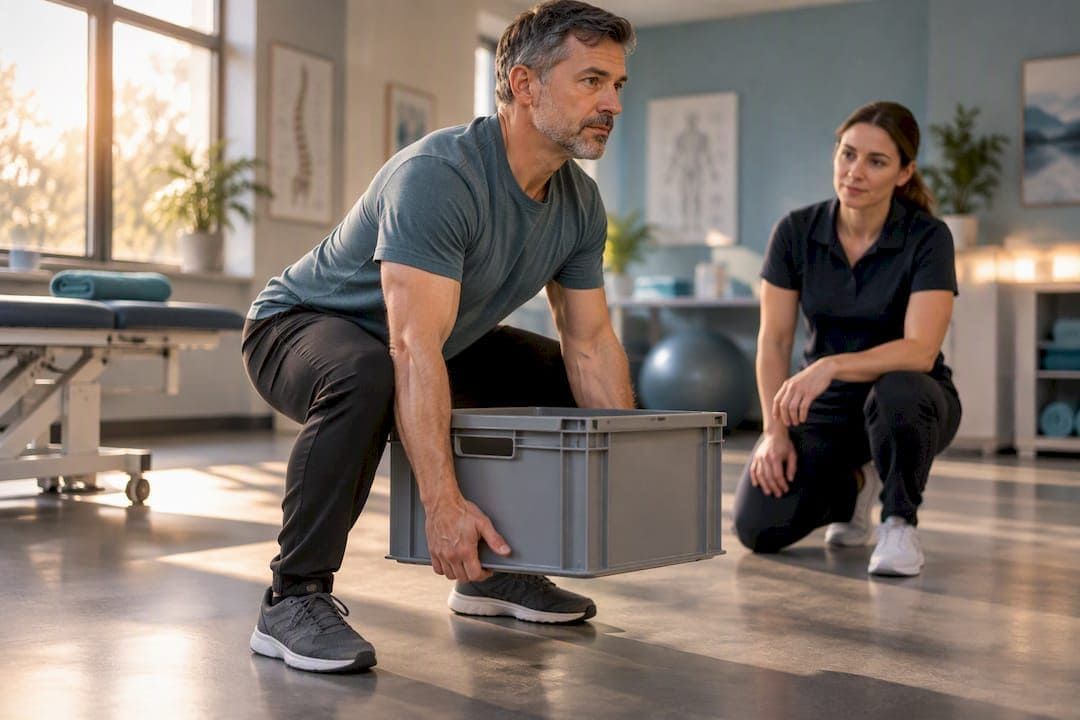
- Getting personalized guidance on posture, stretching, or rest days based on what your body is doing now
- Improving body awareness when healing feels uneven or slow
The longer soreness lingers, the more likely it is that your body will start to adjust in ways that can affect your balance or flexibility. That’s why it helps to have someone evaluate your situation early, even if the pain isn’t sharp. Noticing changes in the way you rest, stand, or walk can help alert you that the soreness is leading your body to compensate in new, sometimes unhelpful, ways. Addressing adjustments that develop early in recovery often prevents complications from settling in, and shortens the time you’ll need to recover.
Don’t overlook the importance of rest and timing. Sometimes, trying to get right back to normal activities without evaluating soreness may cause injuries to worsen over time. Allow yourself incremental check-ins with your body, noticing if your recovery is trending toward improvement or stagnation, which can act as your sign to consult a professional sooner rather than later.
The Payoff of Listening to Your Body Early
Soreness after a car crash can be normal, but ignoring it doesn’t make it better. Especially in the Sarasota heat, recovery can stretch longer than expected if your body doesn’t get a chance to rest and reset.
Listening to your body the first time it asks for relief often leads to quicker recovery. When you catch problems sooner, you tend to prevent bigger setbacks down the road. Staying ahead of pain, before it builds into something more, can make the difference between a short recovery and one that drags on.
If stiffness, fatigue, or soreness doesn’t feel quite right after even a minor accident, don’t brush it off. The body rarely speaks loudly at first. But when it keeps tapping on the same spots week after week, it’s time to check in and figure out what it’s really trying to say.
If pain has been slow to fade or certain movements feel off after your accident, it might be time to get things checked more closely. We know how injuries can show up in small ways that are easy to ignore, especially in a warm place like
Tampa, Florida. Getting seen sooner helps us spot patterns in how your body is reacting so you’re not stuck waiting for things to fix themselves. If you've been wondering whether support from an
auto accident chiropractor in Tampa could make a difference, we’re here to help. Contact
Essential ChiroCare to talk through what you’re feeling and what next steps might be worth considering.