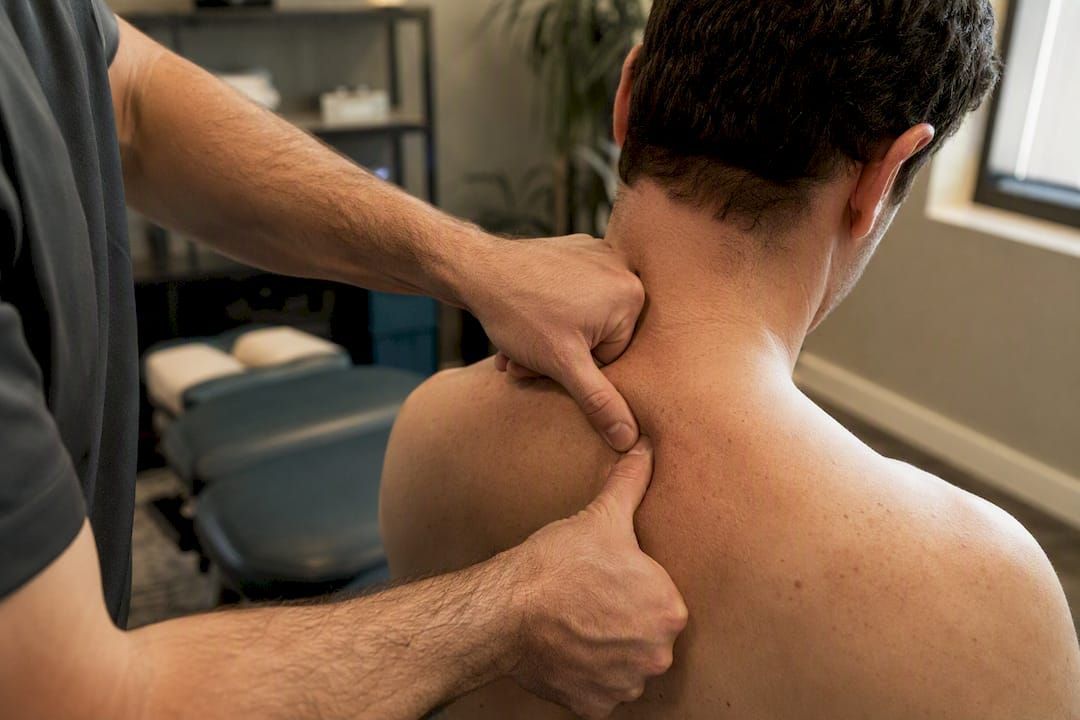
Acute vs. Chronic Pain: Key Differences Explained
Acute vs. Chronic Pain: Key Differences Explained
TL;DR:
- Acute pain results from a specific injury or illness and resolves with healing, while chronic pain lasts beyond three months and involves nervous system sensitization. Understanding their biological, psychological, and social differences guides effective, personalized treatment approaches and prevents pain from becoming chronic. Support from caregivers through validation, consistent care, and multimodal management significantly improves outcomes for those experiencing persistent pain.
Acute pain is defined as sudden-onset pain directly linked to a specific injury, illness, or tissue damage, and it resolves once the underlying cause heals. Chronic pain, by contrast, lasts longer than three months and may persist well beyond normal healing time, sometimes with no identifiable physical cause remaining. Understanding the difference between acute and chronic pain is not just a clinical exercise. For adults managing symptoms and caregivers supporting loved ones, it shapes every decision about treatment, expectations, and daily life. The National Institute of Neurological Disorders and Stroke (NINDS) frames pain as a biopsychosocial experience, meaning biology, psychology, and social context all drive how pain feels and how long it lasts.

What is the difference between acute and chronic pain?
The core difference between acute and chronic pain comes down to duration and biological purpose. Acute pain is the body's alarm system. It fires fast, signals a specific problem, and fades as healing occurs. Chronic pain is something else entirely. It outlasts the original injury and often takes on a life of its own within the nervous system.
Clinically, the three-month mark is the standard dividing line. Pain that persists beyond that point is classified as chronic, though some conditions show chronic traits much earlier and benefit from proactive management before that threshold is reached. This distinction matters because the two types of pain respond to very different treatments, and confusing them leads to frustration, undertreated symptoms, and sometimes unnecessary medication.
Prevalence data underscores how common chronic pain is. In Scotland in 2022, 38% of adults reported chronic pain lasting more than three months, with higher rates among older adults, women, and socioeconomically disadvantaged groups. That figure reflects a global reality: chronic pain is not a rare edge case. It is one of the most widespread health conditions adults and caregivers encounter.
What causes acute pain and how does the body respond?
Acute pain triggers include strained muscles, broken bones, dental work, surgery, childbirth, infections, and burns. Each of these events activates pain receptors called nociceptors, which send signals through the spinal cord to the brain. The brain interprets those signals as pain, prompting you to protect the injured area and seek care.
This protective function is exactly what acute pain is designed to do. A sprained ankle hurts so you stop walking on it. A burn stings so you pull your hand away. The pain is proportional to the injury and diminishes as tissue repairs itself. Most acute pain resolves within days to weeks, depending on severity.
Common acute pain symptoms include:
- Sharp, stabbing, or throbbing sensation localized to the injury site
- Swelling, redness, or visible tissue damage at the source
- Pain that worsens with movement or pressure on the affected area
- Gradual reduction in intensity as healing progresses
Treatment for acute pain focuses on addressing the root cause. Rest, ice, compression, and elevation work for musculoskeletal injuries. Over-the-counter medications like ibuprofen or acetaminophen manage inflammation and discomfort. For surgical or procedural pain, short-term prescription analgesics may be appropriate, with the goal of tapering off as recovery advances.
Pro Tip: If acute pain from an injury does not improve within two to four weeks, or if it intensifies rather than fades, consult a healthcare provider. Early intervention is the most effective way to prevent acute pain from transitioning into a chronic condition.
What makes chronic pain different from acute pain?
Chronic pain is defined by its persistence beyond the expected healing window, typically more than three months, and by its ability to continue even when no active tissue damage remains. This is what makes it so confusing for both patients and caregivers. The pain feels real because it is real. The nervous system has simply changed the way it processes pain signals.
Chronic pain is considered a disease state by pain management specialists, driven by nerve and brain sensitization. In sensitization, the nervous system becomes hypersensitive, amplifying pain signals even in response to stimuli that would not normally cause pain. A light touch, a change in temperature, or mild physical activity can trigger significant discomfort.
The chronic pain characteristics that distinguish it from acute pain include:
- Duration exceeding three months, often with no clear end point
- Pain that may be widespread rather than localized to one site
- Fluctuating intensity, with flare-ups and periods of relative calm
- Associated symptoms including fatigue, disrupted sleep, and mood changes
"Chronic pain affects not just the body but the whole person. It reshapes daily routines, strains relationships, and can lead to anxiety and depression when left unaddressed." — NINDS
The impact on daily life is significant. NINDS notes that chronic pain affects mood, relationships, movement, and the ability to participate in normal activities. This is why medication alone has limited benefit for most people with chronic pain. Effective management requires a multimodal approach that addresses physical, psychological, and social dimensions simultaneously.
How do biological, psychological, and social factors shape pain?
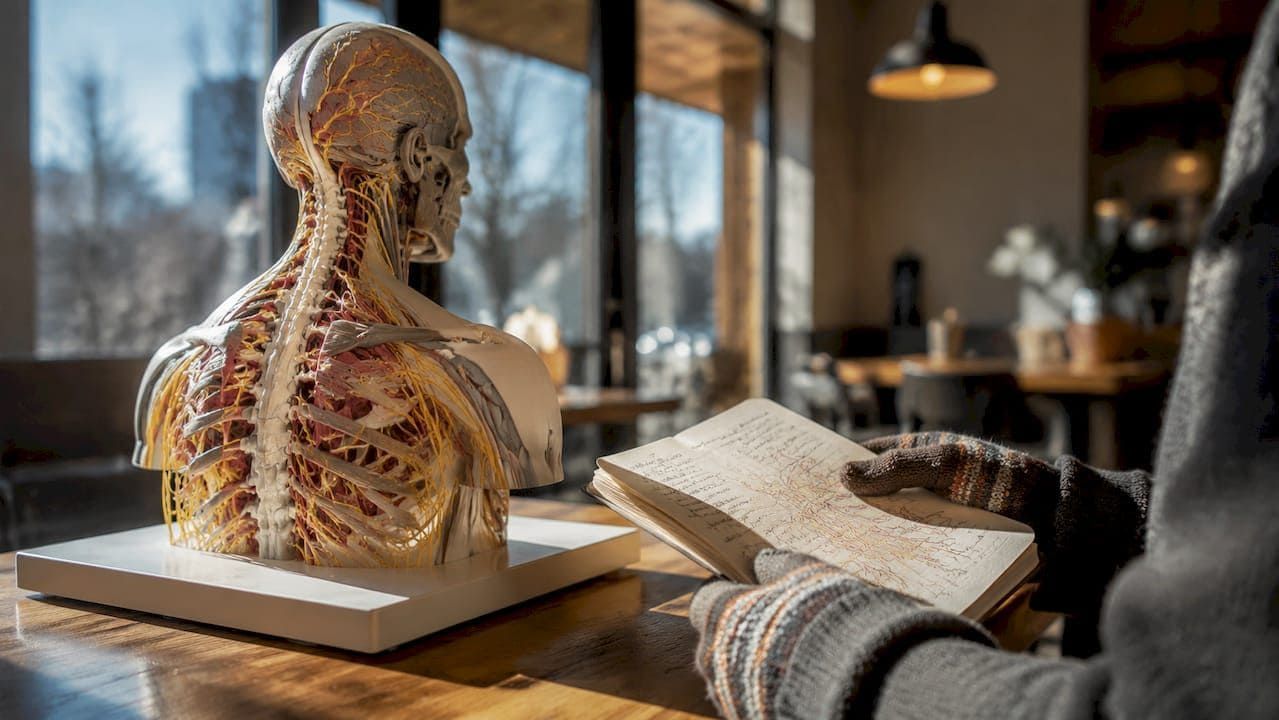
Pain is not purely a physical event. NINDS defines it as a biopsychosocial experience where biological injury interacts with psychological state and social environment to determine how pain is perceived and how long it persists. This model explains something that puzzles many caregivers: why two people with identical injuries can have dramatically different pain experiences.
Here is how each dimension contributes:
- Biological factors include the type and severity of tissue damage, nerve sensitization, genetics, and existing health conditions. These set the physical foundation of the pain experience.
- Psychological factors such as anxiety, depression, catastrophizing, and past trauma amplify pain signals. A person experiencing high stress will often report more intense pain from the same physical stimulus than someone in a calm state.
- Social factors including access to support, financial stability, workplace demands, and cultural attitudes toward pain affect how people cope and whether they seek or receive appropriate care.
This is especially relevant for chronic pain. When the nervous system becomes sensitized, psychological and social stressors can sustain or worsen pain even after physical healing is complete. Understanding this is not about dismissing pain as "all in your head." It is about recognizing that the brain and nervous system are active participants in the pain experience, not passive receivers.
Pro Tip: For caregivers, the most useful shift in perspective is this: stop looking for visible proof of pain. Patient-reported pain should guide assessment and care decisions, even when imaging or physical exams appear normal.
Acute vs. chronic pain: a side-by-side comparison
The table below captures the most clinically relevant differences in pain types across onset, duration, cause, sensation, and treatment approach.
| Feature | Acute pain | Chronic pain |
|---|---|---|
| Onset | Sudden, tied to a specific event | Gradual or following unresolved acute pain |
| Duration | Days to weeks, resolves with healing | More than three months, may be indefinite |
| Cause | Identifiable injury, surgery, or illness | May persist without clear ongoing tissue damage |
| Sensation | Sharp, localized, proportional to injury | Diffuse, variable, often disproportionate to visible damage |
| Primary treatment | Address root cause, short-term medication | Multimodal: physical therapy, psychological care, lifestyle |
One of the most clinically significant points in this comparison is the transition zone. How acute pain is managed directly influences whether it becomes chronic. Multimodal analgesia in the peri-operative period, for example, reduces the risk of chronic post-surgical pain. This means the decisions made in the first days and weeks after an injury or procedure carry long-term consequences.
For caregivers, recognizing when acute pain is not resolving on schedule is one of the most valuable skills you can develop. Pain that intensifies after two weeks, spreads beyond the original site, or begins affecting sleep and mood is a signal to reassess the treatment plan.
How to manage acute and chronic pain effectively
Managing acute pain centers on treating the cause directly and controlling symptoms during recovery. For most people, this means a combination of rest, targeted physical care, and short-term medication. The goal is to support healing without masking pain signals that indicate something is wrong.
For chronic pain, the approach shifts significantly. Personalized, multimodal care that includes physical therapy, cognitive behavioral therapy (CBT), acceptance and commitment therapy (ACT), and lifestyle modifications produces better outcomes than medication alone. Essentialchirocare's approach to holistic pain management reflects this model, combining chiropractic care with physical rehabilitation to address both the structural and functional dimensions of pain.
Key strategies for managing both pain types include:
- Acute pain: Use ice and compression in the first 48 hours, follow prescribed rest protocols, and begin gentle movement as soon as tolerated to prevent stiffness and muscle loss.
- Chronic pain: Work with a care team to build a personalized plan that includes physical therapy, psychological support, and evidence-based self-care strategies like sleep hygiene, stress management, and paced activity.
- Opioid use: Opioids are not routinely recommended for chronic non-malignant pain. When used, they should be limited to short-term trials with regular reassessment, given the limited long-term evidence of benefit and meaningful risk of harm.
- Caregiver role: Validate the person's pain experience, help track symptom patterns, and support consistent engagement with the care plan rather than encouraging rest alone.
Key takeaways
Acute pain signals a specific injury and resolves with healing, while chronic pain persists beyond three months, involves nervous system sensitization, and requires multimodal, personalized care to manage effectively.
| Point | Details |
|---|---|
| Duration defines the type | Acute pain resolves with healing; chronic pain lasts more than three months. |
| Chronic pain is a disease state | Nerve sensitization sustains pain even after tissue damage has healed. |
| Biopsychosocial factors matter | Psychology and social context shape how intense and persistent pain becomes. |
| Multimodal care outperforms medication alone | CBT, physical therapy, and lifestyle changes are core to chronic pain treatment. |
| Early management prevents chronicity | How acute pain is treated in the first weeks directly affects long-term outcomes. |
What most people get wrong about chronic pain
The single biggest misconception I see repeated, whether in clinical conversations or caregiver support groups, is that pain without visible damage is not real pain. That belief causes more harm than almost any other misunderstanding in pain care.
Chronic pain does not require an active injury to be genuine. The nervous system has changed. The brain is processing signals differently. Telling someone their pain cannot be that bad because their MRI looks fine is the equivalent of telling someone they cannot be depressed because their life looks fine from the outside. The internal experience is the data that matters.
What I have found works in practice is shifting the conversation from "what is causing this pain" to "what is sustaining this pain." That reframe opens the door to psychological support, lifestyle interventions, and physical rehabilitation as legitimate and powerful tools rather than last resorts. The physical therapy research on this is clear: structured movement and rehabilitation reduce pain intensity and improve function even when the original injury is long resolved.
For caregivers specifically, your most powerful contribution is consistency. Showing up, validating the experience, and helping the person stay engaged with their care plan matters more than finding the perfect treatment. Chronic pain management is a long game, and emotional support is part of the medicine.
Pain relief and recovery support at Essentialchirocare
Whether you are dealing with a recent injury or years of persistent discomfort, the right care plan makes a measurable difference in how you feel and function.
Essentialchirocare serves patients across Tampa, Brandon, Sarasota, Lakeland, and Pinellas Park with chiropractic care, spinal decompression, manual therapy, and physical rehabilitation designed around your specific condition. For acute injuries, early chiropractic intervention reduces inflammation and supports faster recovery. For chronic pain, expert chiropractic care combined with physical rehabilitation addresses the structural and functional factors that keep pain cycling. Schedule online or contact your nearest location to start a personalized plan built around your pain type and goals.
FAQ
What is the main difference between acute and chronic pain?
Acute pain starts suddenly in response to a specific injury or illness and resolves as the body heals, typically within days to weeks. Chronic pain lasts more than three months and may persist without ongoing tissue damage due to changes in how the nervous system processes pain signals.
Can acute pain turn into chronic pain?
Yes. How acute pain is managed in the early stages directly influences whether it becomes chronic. Multimodal treatment in the first weeks after injury or surgery reduces the risk of long-term pain developing.
What are the most effective chronic pain treatment options?
Personalized, multimodal care produces the best outcomes for chronic pain. This includes physical therapy, cognitive behavioral therapy, acceptance and commitment therapy, lifestyle modifications, and chiropractic care, with medication used selectively and reassessed regularly.
Why does chronic pain persist even without an injury?
Chronic pain persists because of nerve and brain sensitization. The nervous system becomes hypersensitive and continues generating pain signals even after the original tissue damage has healed, making it a recognized disease state rather than a symptom of ongoing injury.
How should caregivers support someone with chronic pain?
Caregivers should validate the person's pain experience without requiring visible proof of injury, help track symptom patterns, and support consistent engagement with a multimodal care plan. Emotional consistency and practical support are as important as any single treatment.
Recommended