6–12 Weeks to Watch: Red Flags for Cervical Radiculopathy Patients
6–12 Weeks to Watch: Red Flags for Cervical Radiculopathy Patients
Cervical radiculopathy causes one-sided neck pain that radiates into the shoulder, arm, or hand, often paired with numbness, tingling, or weakness along a specific nerve path. Most cases stem from a pinched or irritated nerve root in the neck and improve with conservative care over several weeks. Progressive weakness, gait changes, or loss of bowel or bladder control are exceptions that call for same-day medical evaluation, not a wait-and-see approach.
TL;DR:
- Most cervical radiculopathy cases improve within weeks to months through conservative treatments like physical therapy, activity modification, and anti-inflammatory medications.
- Symptoms like arm tingling, weakness, or numbness that worsen quickly, involve both sides, or include bladder or bowel changes require immediate medical evaluation.
- Neck pain and stiffness often accompany nerve symptoms, with movements like extension or rotation worsening both and helping in diagnosis.
- Diagnostic maneuvers such as Spurling and neck distraction tests offer quick, low-risk clues and are supported by MRI to confirm nerve root compression.
- Early evaluation by a healthcare professional allows targeted treatment, with signs of worsening symptoms signaling the need for escalation or urgent care.

Table of Contents
- What Do Cervical Radiculopathy Symptoms Feel Like?
- What Causes Cervical Nerve Root Compression?
- How Do Clinicians Diagnose Cervical Radiculopathy?
- When Do Neck and Arm Symptoms Signal an Emergency?
- Radiculopathy vs. Myelopathy, Shoulder Injury, and Neuropathy
- Will Cervical Radiculopathy Symptoms Go Away?
- What Happens During a Specialist Evaluation?
- Why Does Cervical Radiculopathy Come With So Much Neck Stiffness?
- How Does Cervical Radiculopathy Affect Daily Life?
- Is the Pain From Inflammation or Mechanical Pressure?
- Do Symptoms Change Throughout the Day?
- What People Get Wrong About Cervical Radiculopathy
- Getting Evaluated at Essential ChiroCare
- Sources
- FAQ
What Do Cervical Radiculopathy Symptoms Feel Like?
Patients describe the pain in strikingly consistent terms: sharp, burning, or electric, sometimes shooting down the arm like a jolt when the neck moves the wrong way. It's frequently worse at night, which disrupts sleep and becomes its own source of daytime fatigue. This neuropathic quality, distinct from the dull ache of muscle strain, comes from irritation of the nerve root itself rather than surrounding soft tissue, according to Cleveland Clinic.
Sensory changes usually track a single nerve's path down one arm. You might feel:
- Pins-and-needles tingling in the fingers or forearm
- Patchy numbness that comes and goes with position
- A "dead" or heavy feeling in part of the hand
- Pain that intensifies with neck extension or turning toward the affected side
Motor symptoms tend to show up later or alongside the sensory ones. Weakness usually targets a specific muscle group tied to the affected nerve root, and reflexes on that side often test weaker than the other. Overhead reaching, like putting away dishes or reaching for a seatbelt, frequently triggers or worsens the pain because it narrows the space the nerve root travels through.
One clinical quirk worth knowing: some patients get temporary relief by placing a hand on top of their head. This "abduction relief sign" happens because the position takes tension off the compressed nerve root, according to OrthoInfo. It's not a formal diagnosis, but if that position eases your pain, mention it to whoever examines you.
Nerve roots in the neck follow fairly predictable sensory and motor patterns, though overlap between adjacent levels is common.
| Nerve Root | Typical Sensory Area | Typical Motor Weakness | Reflex Affected |
|---|---|---|---|
| C4 | Upper shoulder | Shoulder shrug | None reliable |
| — | Outer upper arm | Shoulder abduction, elbow flexion | Biceps |
| C6 | Thumb, index finger, outer forearm | Wrist extension, elbow flexion | Brachioradialis |
| C7 | Middle finger, back of forearm | Elbow extension, wrist flexion | Triceps |
| — | Ring and little finger, inner forearm | Finger flexion, hand grip | None reliable |
| T1 | Inner upper arm | Finger abduction | None reliable |
C6 and C7 account for the large majority of cases seen clinically, per NICE's clinical guidance. But don't treat this table as a precise map. Research on dermatome overlap shows that C6 and C7 sensory territories overlap significantly, so symptom location alone can mislead even experienced clinicians. That's exactly why a physical exam matters more than a symptom checklist.
What Causes Cervical Nerve Root Compression?
Degenerative change is the most common driver. As spinal disks lose height over the decades, bone spurs can form at the edges of vertebrae and narrow the foramen, the small opening where nerve roots exit the spine. This process, called cervical spondylosis, tends to develop gradually and often coexists with general neck stiffness long before radiating pain shows up.
Herniated disks are the second major mechanism, and they hit a younger crowd more often than spondylosis does. When the soft inner material of a disk pushes through its outer wall, it can press directly on a nearby nerve root, producing a faster, more sudden symptom onset than the slow squeeze of bone spurs.
Beyond those two, several other factors contribute:
- Whiplash and other acute neck trauma from car accidents or falls
- Repetitive overhead work or prolonged forward head posture
- Heavy manual labor involving neck loading or vibration
- Smoking, which is linked to accelerated disk degeneration
These causes aren't mutually exclusive. A worker with years of overhead labor and mild spondylosis might develop symptoms after a minor fender bender tips an already-narrowed foramen into full nerve compression. Age raises risk across the board, but the mechanism behind any individual case can be structural, traumatic, or a combination of both.
How Do Clinicians Diagnose Cervical Radiculopathy?
Diagnosis starts with a targeted history and neurologic exam before any imaging gets ordered. A clinician typically works through:
- Sensory mapping across each dermatome to find patchy numbness or tingling
- Myotome strength testing, checking specific muscle groups against resistance
- Deep tendon reflexes at the biceps, triceps, and brachioradialis
- A basic gait check to rule out broader spinal cord involvement
Several bedside maneuvers add diagnostic weight. The Spurling test, where the clinician tilts and rotates the head toward the painful side while applying gentle downward pressure, reproduces radicular pain when a nerve root is compressed. Neck distraction, essentially the opposite motion, often relieves symptoms and supports the same diagnosis. The abduction relief sign mentioned earlier serves a similar confirming role, and OrthoInfo notes that these maneuvers carry real bedside value precisely because they're quick and low-risk.
Imaging follows a hierarchy. X-rays can spot bone spurs and disk space narrowing but miss soft tissue detail. CT scans add bone resolution for specific surgical planning. MRI remains the primary study because it directly visualizes nerve root compression from disk material or bony overgrowth.
EMG and nerve conduction studies come into play when the picture is muddy: ambiguous imaging, multi-level disease, or chronic symptoms where distinguishing radiculopathy from another nerve disorder matters. Merck Manual describes MRI and EMG as complementary rather than redundant: one shows the structural culprit, the other confirms functional nerve damage.
When Do Neck and Arm Symptoms Signal an Emergency?
Most radicular pain is uncomfortable but not dangerous. A short list of warning signs changes that calculus entirely, and each one warrants immediate action rather than a scheduled appointment.
- Progressive arm or hand weakness that worsens over days: call your clinician today, not next week.
- New difficulty walking or a change in balance: seek same-day evaluation; this can signal spinal cord involvement.
- New bowel or bladder dysfunction: go to the emergency room immediately.
- Symptoms affecting both arms or both legs: this points away from a single nerve root and needs urgent imaging.
- Fever, unexplained weight loss, or severe unrelenting rest pain: these raise concern for infection or malignancy and require prompt medical workup.
Neck pain overall is a major driver of missed work, contributing to up to 40% of work absenteeism among people with a history of the condition. That statistic underscores why timely, accurate evaluation matters, not just for safety but for getting people back to normal function faster.
Radiculopathy vs. Myelopathy, Shoulder Injury, and Neuropathy
Cervical radiculopathy stays one-sided and follows a nerve root pattern, with reflexes typically diminished on the affected side. Cervical myelopathy, which involves the spinal cord itself rather than a single nerve root, behaves differently: symptoms tend to show up on both sides, reflexes often become exaggerated rather than weak, and patients report hand clumsiness or a wide-based, unsteady gait. One specific exam finding, the inverted supinator reflex, can help clinicians flag myelopathy over straightforward radiculopathy.
Shoulder pathology is the most common misdiagnosis trap. Rotator cuff problems cause pain localized to the shoulder itself, and that pain worsens with specific shoulder movements like reaching overhead or behind the back rather than with neck motion. If turning or extending your neck triggers the pain, the problem is far more likely rooted in the cervical spine.
Peripheral neuropathy, often from diabetes or other metabolic causes, produces a different pattern entirely: symmetrical numbness that starts distally, in the feet or hands, and moves proximally over time rather than following a single dermatome down one arm. That length-dependent, bilateral pattern is a strong clue pointing away from a single compressed nerve root.
Will Cervical Radiculopathy Symptoms Go Away?
Most people improve substantially over weeks to a few months with supportive, nonoperative care. The nerve root inflammation and irritation driving the pain often resolve on its own once the mechanical pressure eases, whether through natural healing, physical therapy, or targeted treatment.
That said, timelines matter for decision making. A reasonable benchmark: if there's no meaningful improvement after six to twelve weeks of conservative management, or if motor weakness is progressing at any point before that, it's time to revisit the diagnosis and discuss escalation with a specialist.
Conservative measures during that window commonly include:
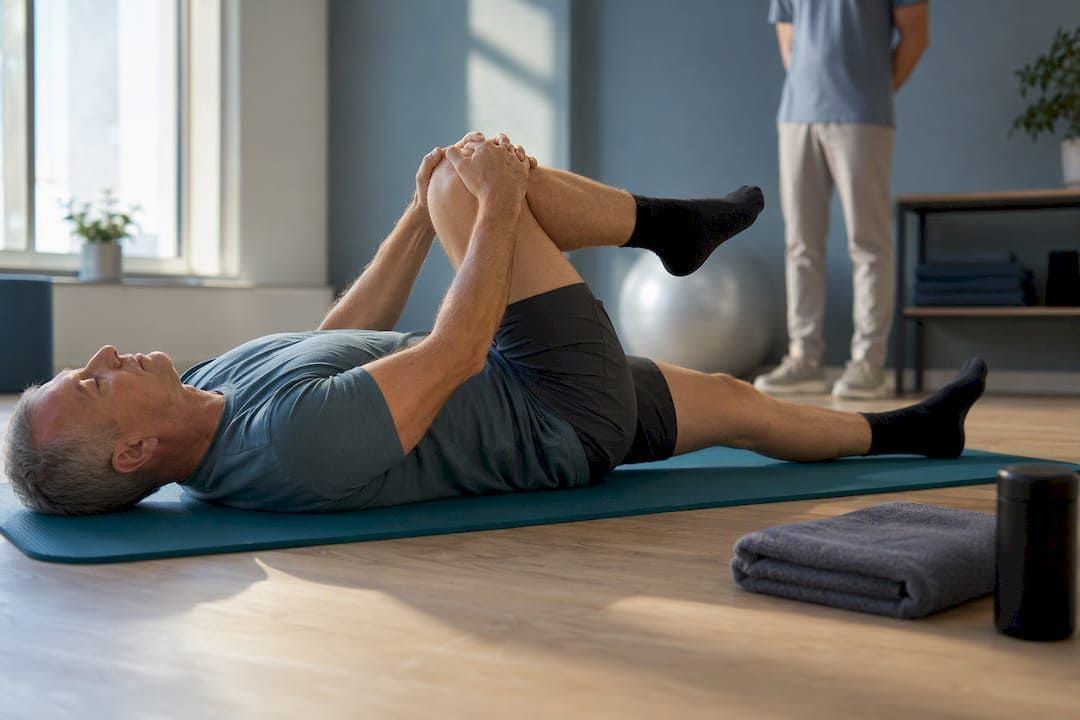
- Physical therapy focused on posture and cervical mechanics
- Activity modification to reduce provocative movements
- Over-the-counter or prescription anti-inflammatory medication
- A short course of oral steroids in select cases
Pro Tip: Keep a simple symptom log, noting pain intensity, what triggers it, and any new numbness or weakness, day by day. That record gives your clinician far more useful information at a follow-up visit than trying to recall two months of symptoms from memory.
Persistent motor deficits or unrelieved pain despite a genuine conservative trial are the main reasons clinicians consider surgical referral, but that's a decision made case by case, not on a fixed calendar. For more on what recovery timelines look like across different pain conditions, see this breakdown of long-term pain relief strategies.
What Happens During a Specialist Evaluation?
A thorough evaluation starts with a detailed intake: symptom onset, what makes it worse, prior injuries, and any imaging you've already had. From there, a targeted neurologic exam checks sensation, strength, and reflexes to map which nerve root is likely involved, followed by a clinical decision about whether MRI or EMG testing is warranted. Everything gets documented, including how the symptoms affect your daily function, not just where it hurts.
From that point, care often includes a mix of approaches suited to the specific findings:
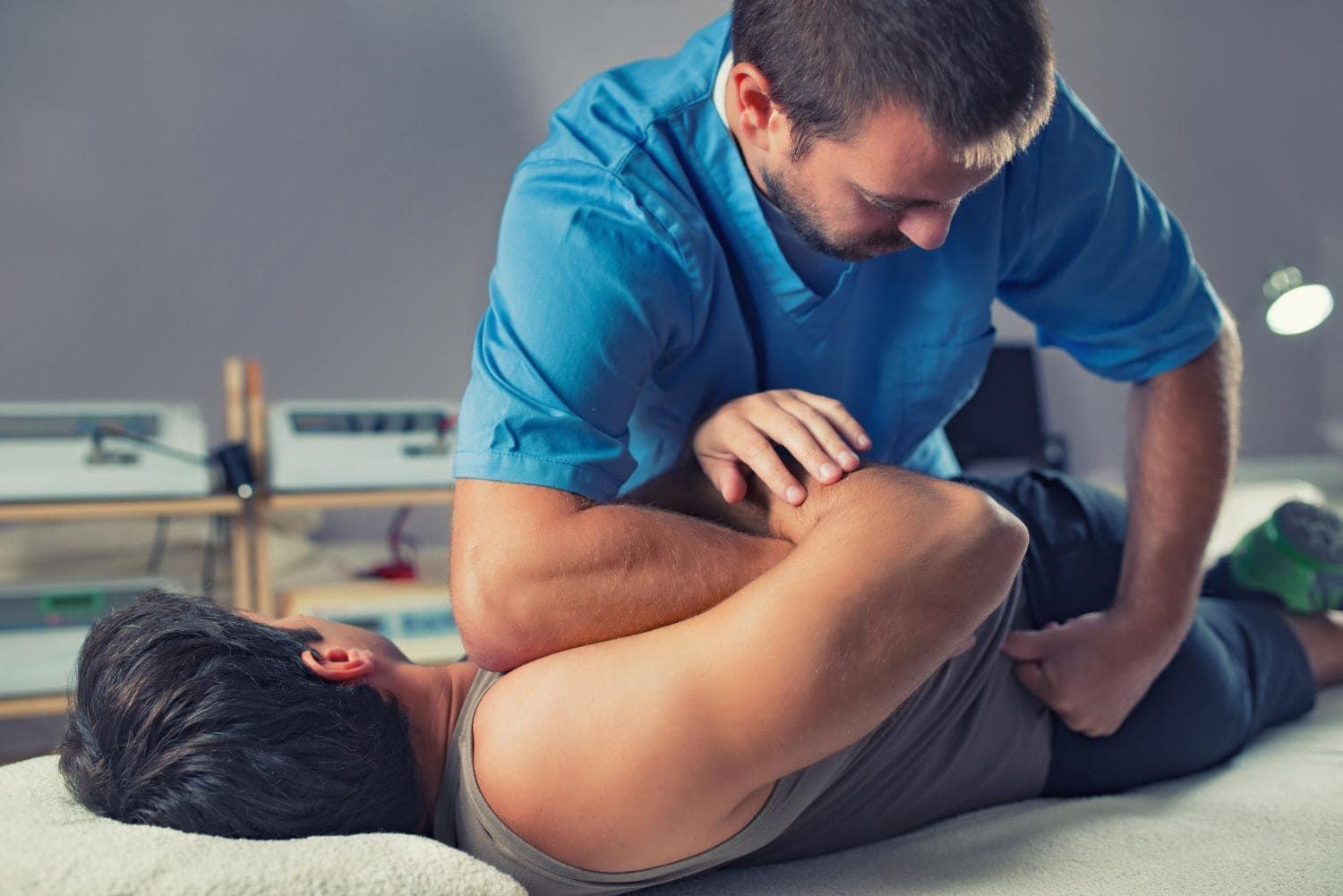
- Manual therapy to address joint restriction and muscle tension around the neck
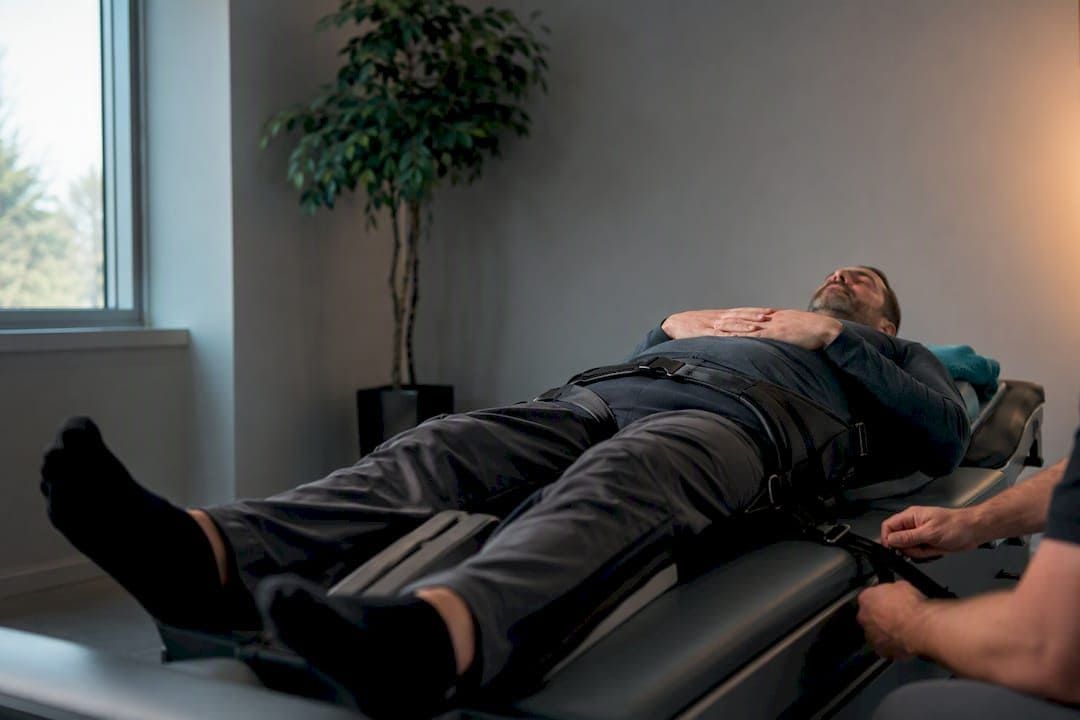
- Spinal decompression for cases involving disk-related nerve root pressure
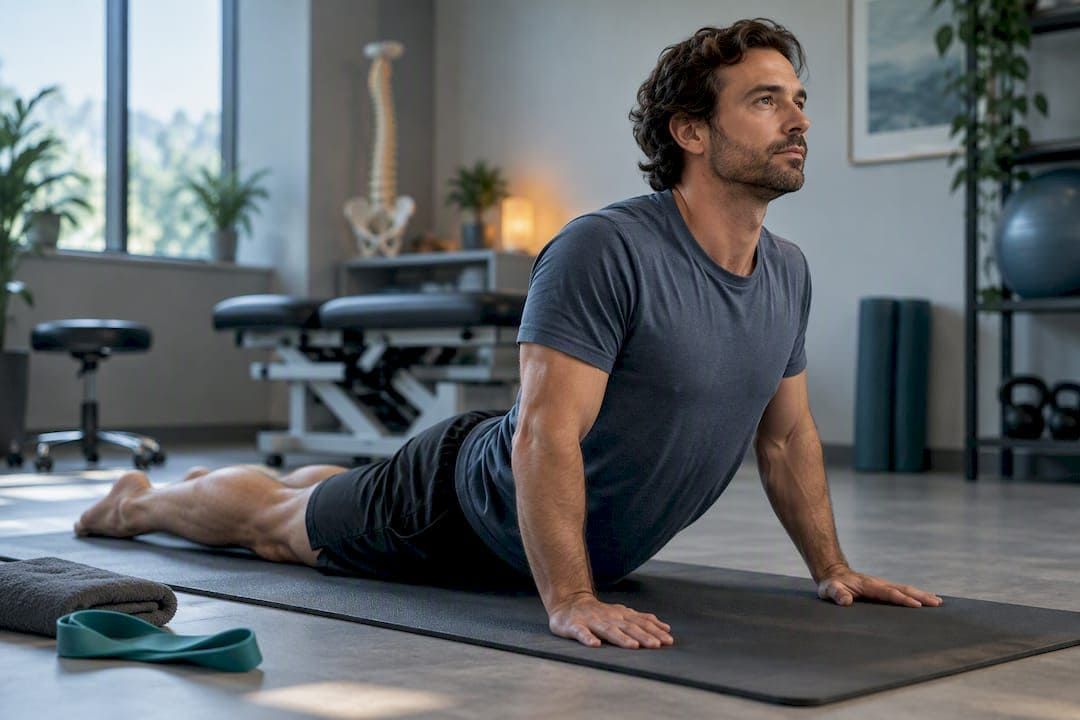
- Physical rehab programs targeting posture, strength, and movement mechanics
- Injury-focused programs for cases tied to auto accidents or sports trauma
A clear, documented exam is the foundation for any treatment plan, whether that plan stays conservative or eventually involves referral elsewhere.
Why Does Cervical Radiculopathy Come With So Much Neck Stiffness?
The nerve pain gets the attention, but the neck pain and stiffness that accompany it are just as real, and often what actually brings people into a clinic first. That's because the same structures compressing or irritating the nerve root, whether a bulging disk or a bone spur, also affect the joints and muscles around them. The neck often loses range of motion, especially in extension and rotation toward the painful side, because those movements are exactly what narrows the space the nerve travels through.
Stiffness tends to build gradually and worsens after long periods in one position, like sitting at a desk or sleeping wrong. Many patients describe a specific "stuck" feeling when trying to turn their head to check a blind spot or look over their shoulder, distinct from the sharper radiating pain down the arm.
This dual pattern, neck stiffness plus arm symptoms, is actually a useful diagnostic clue. Isolated arm tingling with no neck involvement points more toward a peripheral nerve issue, like carpal tunnel syndrome, than a cervical nerve root problem. When stiffness and radiating pain show up together and both worsen with the same neck movements, it strengthens the case for a cervical spine origin.
Treating the stiffness component matters beyond comfort. Restoring normal neck mechanics through manual therapy or targeted exercise can reduce the mechanical irritation feeding the nerve root symptoms, which is part of why addressing both together tends to produce better outcomes than focusing on the arm pain alone.
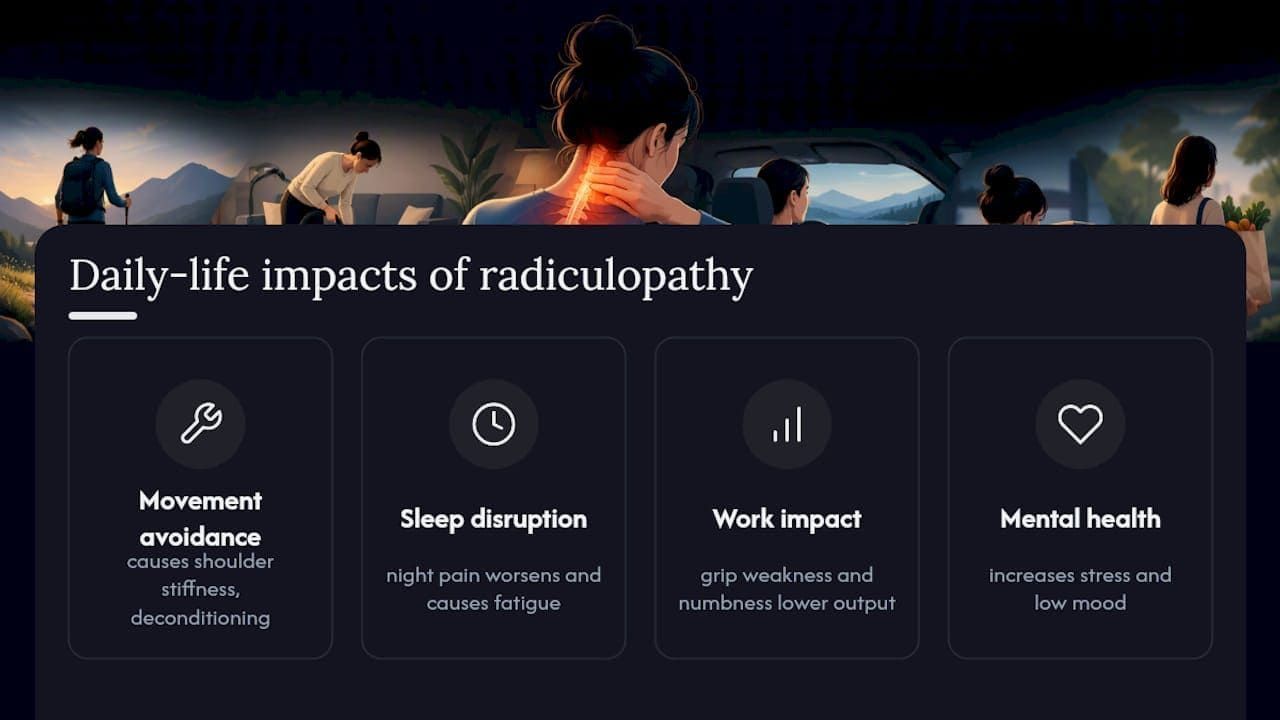
How Does Cervical Radiculopathy Affect Daily Life?
Simple tasks become calculated decisions when a nerve root is inflamed. Reaching into an overhead cabinet, driving and checking mirrors, or even holding a phone to your ear can trigger a spike in symptoms, which means people start unconsciously avoiding those movements. That avoidance pattern, while protective in the short term, can lead to shoulder stiffness and deconditioning if it persists too long.
Sleep disruption is one of the most underappreciated effects. Neuropathic pain frequently intensifies at night, partly due to position changes that compress the nerve root further and partly because there are fewer daytime distractions competing with the pain signal. Poor sleep then compounds fatigue, irritability, and even pain sensitivity the next day, creating a cycle that's hard to break without addressing the underlying nerve irritation.
Work productivity takes a measurable hit too. Desk workers who type or use a mouse frequently often find grip weakness or hand numbness slows their output, while manual laborers may struggle with tasks requiring sustained overhead reach or repetitive lifting. The functional impact scales with severity: mild tingling might be a background annoyance, while significant weakness can interfere with basic self-care tasks like buttoning a shirt or opening a jar.
The psychological toll deserves mention as well. Chronic or recurring nerve pain that disrupts sleep and limits activity is strongly associated with increased stress and low mood, even when the underlying physical cause is entirely treatable. That's one more reason early, accurate diagnosis matters: knowing what's causing the pain and that it typically improves gives people a concrete path forward instead of open-ended uncertainty.
Is the Pain From Inflammation or Mechanical Pressure?
Cervical radiculopathy symptoms usually stem from two overlapping processes, and understanding which one dominates in a given case can shape both the timeline and the treatment approach. Mechanical compression happens when a herniated disk fragment or a bone spur physically presses on the nerve root, creating direct pressure that disrupts normal nerve signaling.
Inflammatory irritation is the second piece, and it's arguably the more treatable one. When disk material herniates, it can trigger a local inflammatory response around the nerve root even without significant physical compression. This chemical irritation produces many of the same symptoms as mechanical pressure, sharp pain, tingling, sensitivity, but it tends to respond faster to anti-inflammatory approaches because there's no structural blockage to resolve.
In practice, most patients have some combination of both. A disk herniation causes mechanical pressure and triggers inflammation simultaneously, which is part of why symptoms can fluctuate rather than staying constant. A day with less swelling might bring meaningful relief even though the structural problem, the herniation itself, hasn't changed at all.
This distinction matters for expectations. Purely inflammatory flare-ups tend to calm down relatively quickly with rest, anti-inflammatory medication, or a short steroid course. Cases dominated by structural compression, like a large bone spur in an already narrow foramen, often need mechanical intervention, whether that's physical therapy to improve alignment, spinal decompression, or in persistent cases, surgical decompression, because reducing inflammation alone won't remove a physical obstruction.
Do Symptoms Change Throughout the Day?
Cervical radiculopathy symptoms rarely stay at a constant intensity, and recognizing the pattern can actually help with diagnosis and self-management. Morning stiffness is common, especially after a night spent in a position that compresses the affected nerve root, and many patients report their neck feels noticeably tighter for the first 20 to 30 minutes after waking.
Activity level plays an outsized role. Movements like driving, computer work with a forward head posture, or any sustained overhead activity tend to provoke symptoms within minutes, while lying down in a neutral position often brings partial relief. That's a useful clue: pain that eases with rest and worsens with specific neck positions points toward a mechanical, position-dependent source rather than a constant inflammatory process.
Nighttime often brings the sharpest symptom spikes, which seems counterintuitive since the body is at rest. Part of the explanation is positional: turning during sleep can put the neck into extension or rotation that narrows the foramen further. There's also less daytime distraction to compete with pain signals, so the same intensity of nerve irritation simply feels more prominent at 2 a.m. than at 2 p.m.
Tracking these fluctuations has practical value beyond curiosity. A symptom pattern that's worse with specific movements and better with rest generally supports a favorable prognosis for conservative care. A pattern that's constant regardless of position, or one that's steadily worsening day over day rather than fluctuating, is more concerning and deserves a closer look sooner rather than later.
What People Get Wrong About Cervical Radiculopathy
Most people wait too long because the pain feels muscular at first, tight, achy, familiar. But the tell isn't the neck ache, it's what happens in the arm and hand. Tingling that follows a specific path down one arm, or a grip that suddenly feels weaker than it did last week, is worth acting on faster than most people do.
The other mistake runs the opposite direction: assuming any arm tingling means something is badly wrong. It usually doesn't. The vast majority of cases calm down with time and the right conservative approach, and jumping straight to worst-case thinking creates unnecessary anxiety.
What actually separates a routine case from one that needs urgent attention is trajectory, not intensity. Pain that's severe but stable is different from weakness that's mild but getting worse week over week. Learn to track the second pattern in yourself, and you'll know exactly when a scheduled visit is enough and when it isn't.
Getting Evaluated at Essential ChiroCare
If your neck and arm symptoms match what's described here, the next reasonable step is a hands-on evaluation, not another week of guessing. An in-person exam can map your specific symptoms to a likely nerve root, coordinates imaging when it's warranted, and builds a conservative care plan around what's actually found rather than a generic protocol.
A first visit typically starts with your history and a focused neurologic exam, the same sensory, strength, and reflex checks described earlier in this guide. From there, care may involve manual muscle therapy, spinal decompression, or a structured physical rehab program depending on what the exam turns up. Bring a written symptom timeline and any prior imaging you have; it speeds up the visit considerably. Ready to get answers instead of guesses? Schedule a chiropractic evaluation at a location near you in West Central Florida.
This article is general information, not a substitute for advice from a qualified doctor. Consult a qualified healthcare professional about your own circumstances before acting on anything here.
Sources
FAQ
Can You Reverse Cervical Radiculopathy?
Yes, in most cases. The nerve root irritation that causes symptoms often resolves as inflammation calms and mechanical pressure eases, and most cases improve with supportive, nonoperative care. Persistent motor weakness or symptoms that don't improve after several weeks of conservative treatment are the main reasons to consider escalation.
What Are Four of the Main Causes of Cervical Radiculopathy?
The four most common causes are cervical spondylosis (age-related disk and joint degeneration), herniated disks pressing on a nerve root, bone spurs narrowing the foramen, and traumatic injury such as whiplash from a car accident. Occupational strain from repetitive overhead work or prolonged poor posture also contributes over time.
What Is the Best Sleeping Position for Cervical Radiculopathy?
Sleeping on your back with a supportive pillow that keeps your neck in a neutral position tends to reduce nighttime nerve compression better than stomach sleeping or unsupported side sleeping. Avoiding positions that force neck extension or rotation toward the painful side generally reduces the nighttime symptom spikes many patients report.
What Is the Best Treatment for Cervical Radiculopathy?
There's no single best treatment since it depends on the underlying cause and severity, but conservative care, physical therapy, activity modification, and anti-inflammatory approaches, and resolves most cases within weeks to a few months. Essential ChiroCare's chiropractic care evaluation can help determine whether manual therapy, spinal decompression, or rehab fits your specific findings.
Recommended