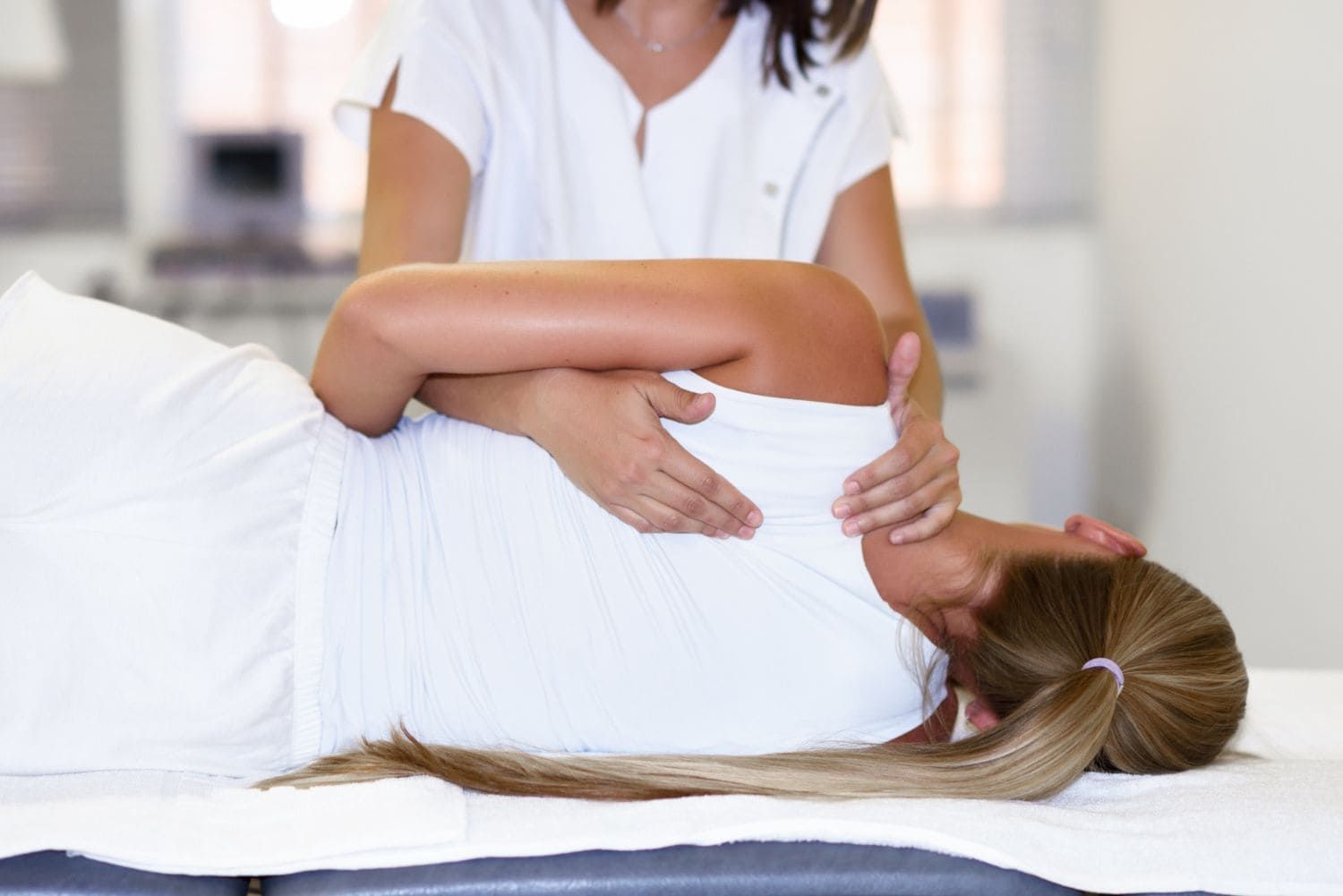
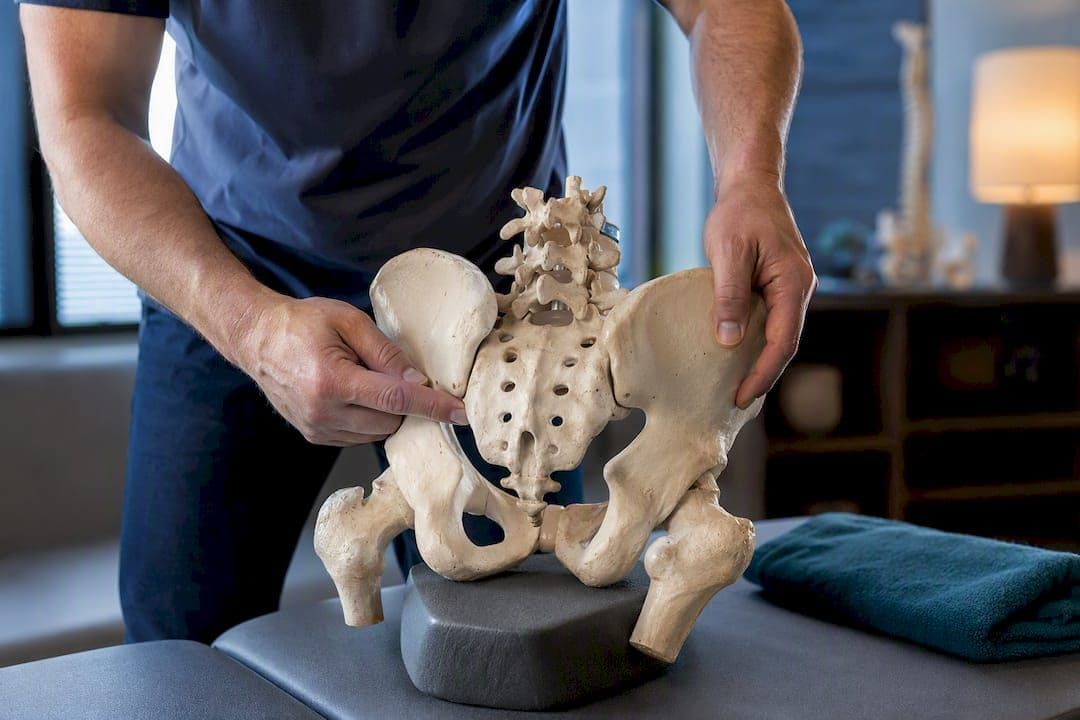
Spring is settling in across Sarasota, and with it comes a new wave of activity for local teens. School sports, outdoor fun, and longer days give kids more chances to move around and do the things they enjoy. But spring can also bring some growing pains, literally. As teens grow fast, their bodies change quickly, and this can throw off the way they move, walk, or play.
That's where paying attention to body movement really matters. When teens understand how their body works and moves best, they're more likely to avoid aches or small injuries. A functional movement chiropractor in Pinellas Park can support this process, especially for active kids who want to stay on top of their game, whether that means shooting hoops or carrying a full backpack across campus.
What Is Functional Movement and Why It Matters for Teens
Functional movement is all about how our bodies complete everyday tasks. From tying shoes and walking up stairs to running drills at soccer practice, these movements are part of daily life. When every part of the body moves the way it’s supposed to, those jobs get done easily.
For teens, these motions are still developing. They go through quick growth spurts that often change the way their muscles and joints work together. What used to feel natural might suddenly feel awkward. That’s because their bones may grow faster than their muscles can keep up. When that happens, an everyday movement like bending to pick up a book can cause more discomfort than it should.
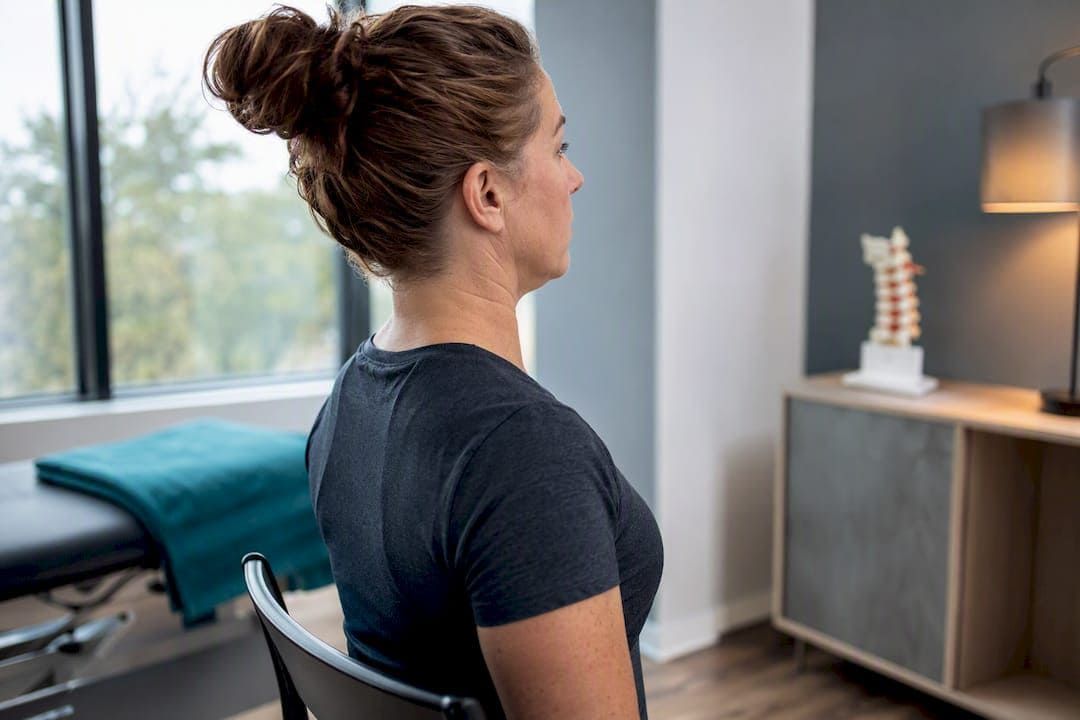
During these stages, one small habit, like always carrying a bag on the same shoulder, can throw off balance and posture. Poor movement patterns may start showing up, and teens might not notice until they feel something isn’t quite right. Helping them build better habits early doesn’t just make things easier now. It can shape stronger, healthier movement long into adulthood.
Common Movement Challenges in Sarasota Teens
Living in Sarasota means teens are often outside. Spring weather around here makes it even easier to stay active, whether that’s heading to the beach, practicing with a team, or playing sports in the neighborhood. All this activity is great, but it puts more demand on a teen’s body as they juggle school, sports, and downtime.
A few common habits can lead to movement challenges, including:
• Wearing heavy backpacks that pull shoulders forward
• Spending long hours on phones or tablets with the neck tilted down
• Sitting for hours in class without much motion between breaks
Teens may not speak up about stiffness or soreness early on. They might just notice feeling tired after short walks or tight in their lower back after a team practice. These signs can hint at movement issues that might be growing behind the scenes. Catching them early gives teens a better chance to move with less strain and more confidence.
Sometimes, parents or teachers might observe subtle changes in posture or changes in a teen’s energy levels after a busy day. These small differences, like slouching at the dinner table or hesitating before joining a family walk, are signals worth noting. Recognizing early signs, such as a teen rubbing their neck after using their tablet or lingering soreness after gym class, helps open discussions about healthy habits before discomfort becomes persistent or keeps them out of their favorite activities.
How Support from Movement Pros Can Make a Difference
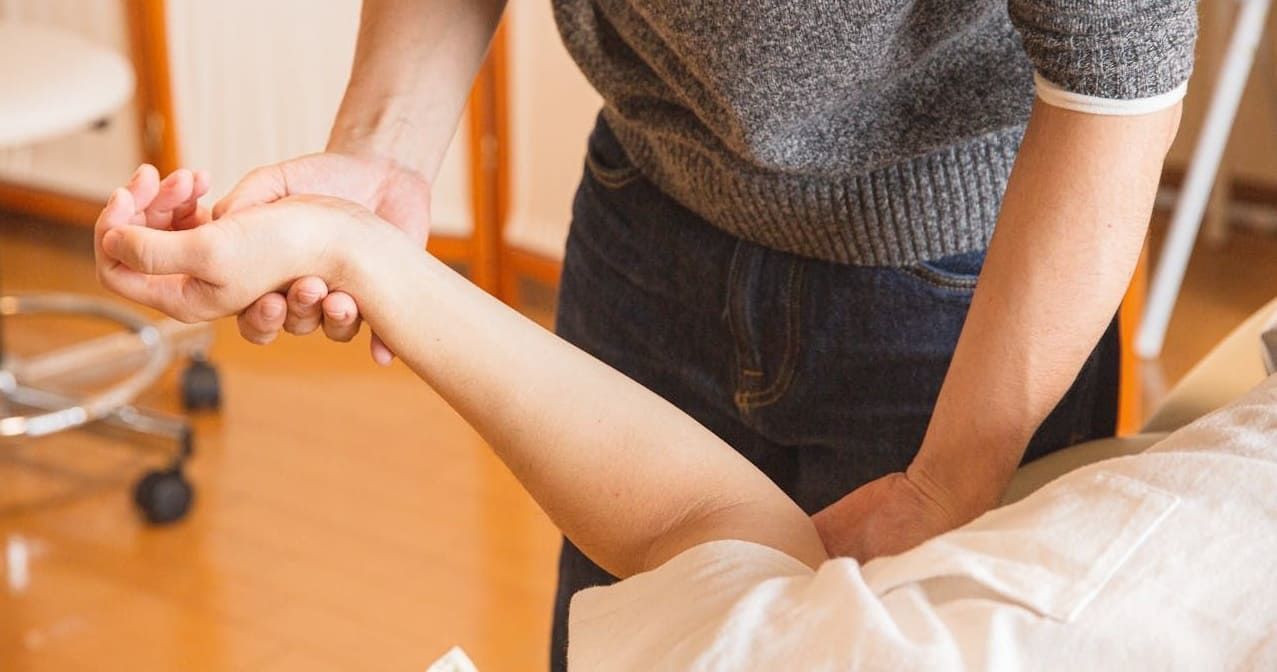
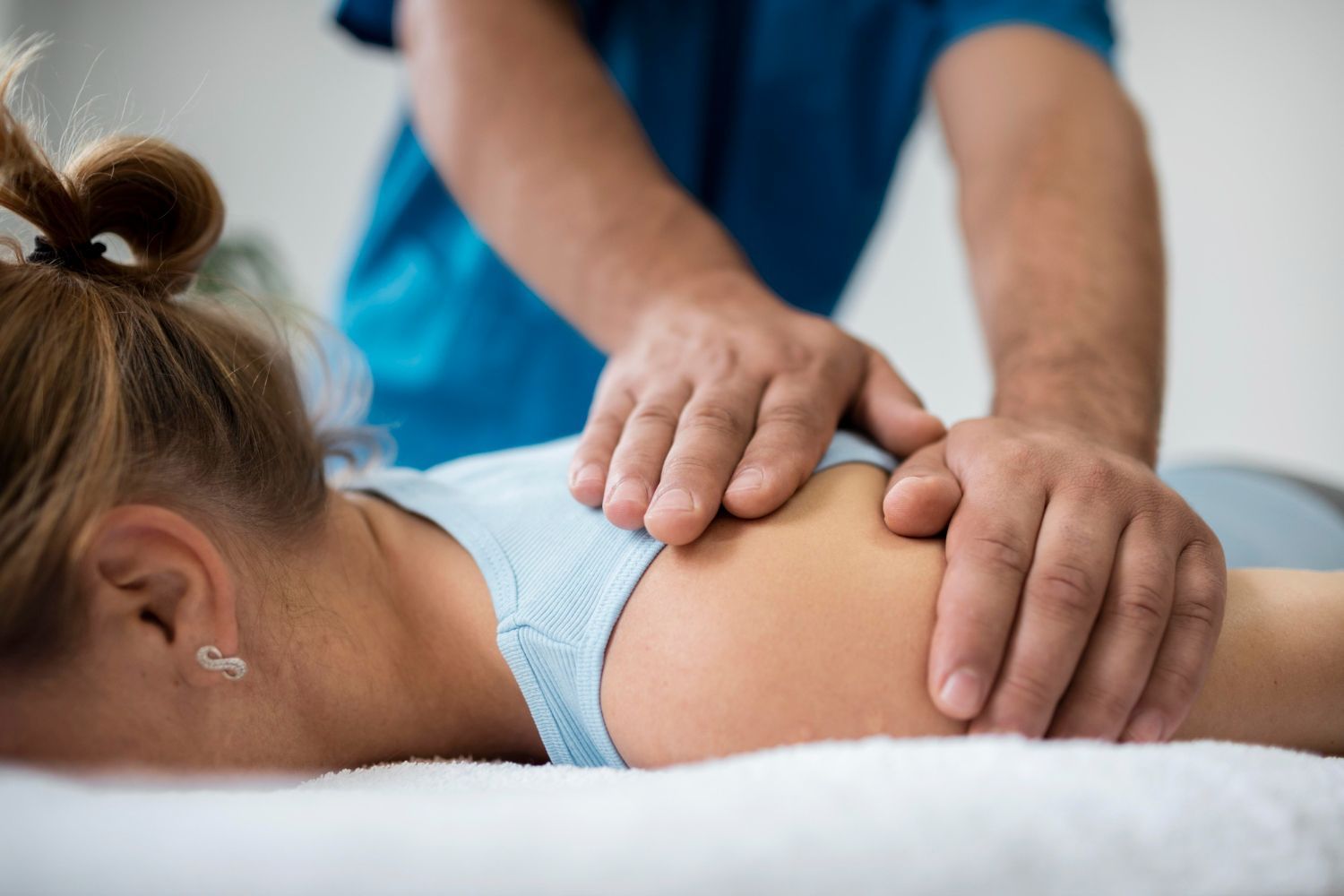
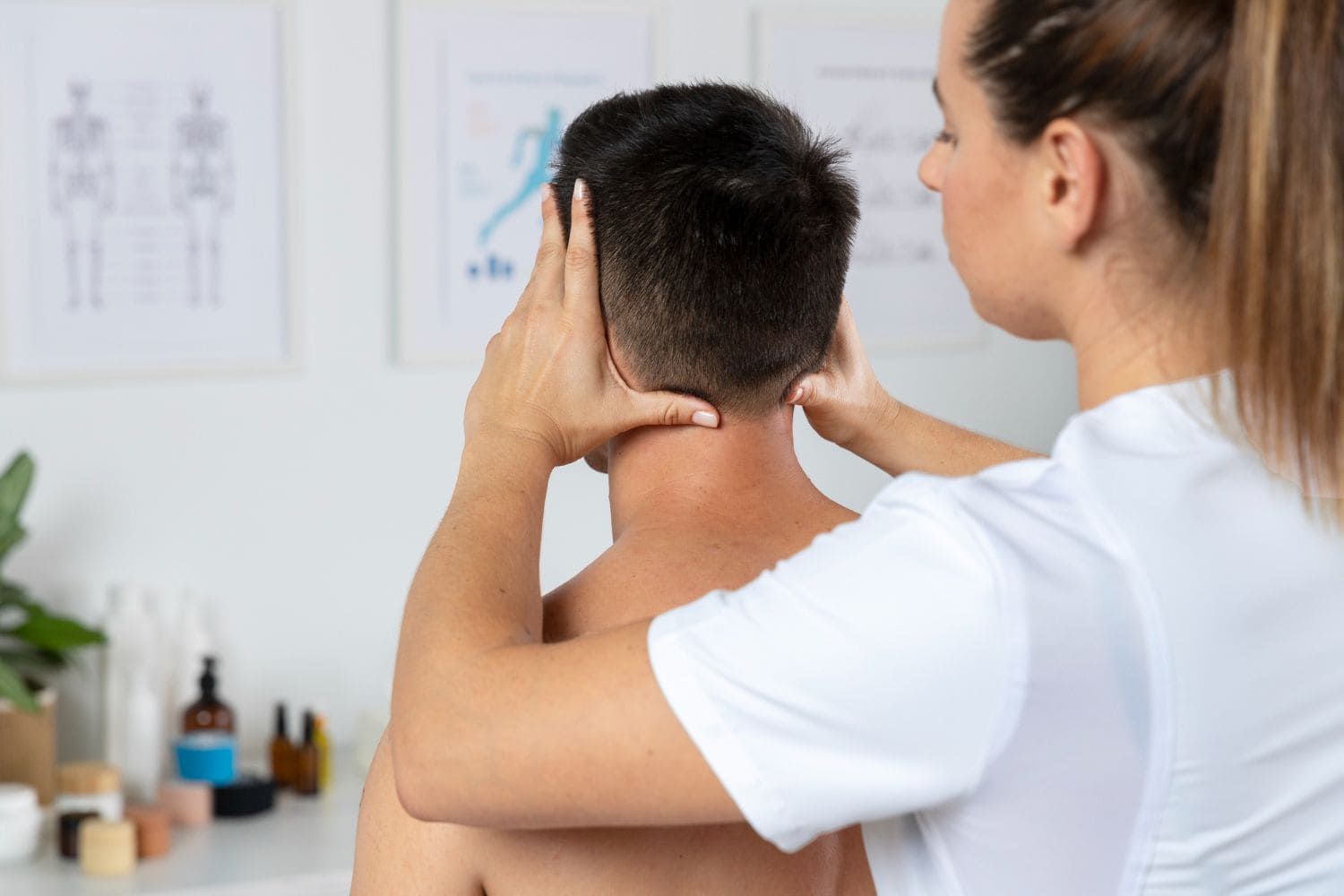
Knowing something feels off is one thing. Figuring out why is another. That’s where assessments come in. These evaluations help show how a teen’s body is moving right now. Are their shoulders level? Is one knee working harder than the other when they run? Getting that kind of feedback can help guide more structured movement support.
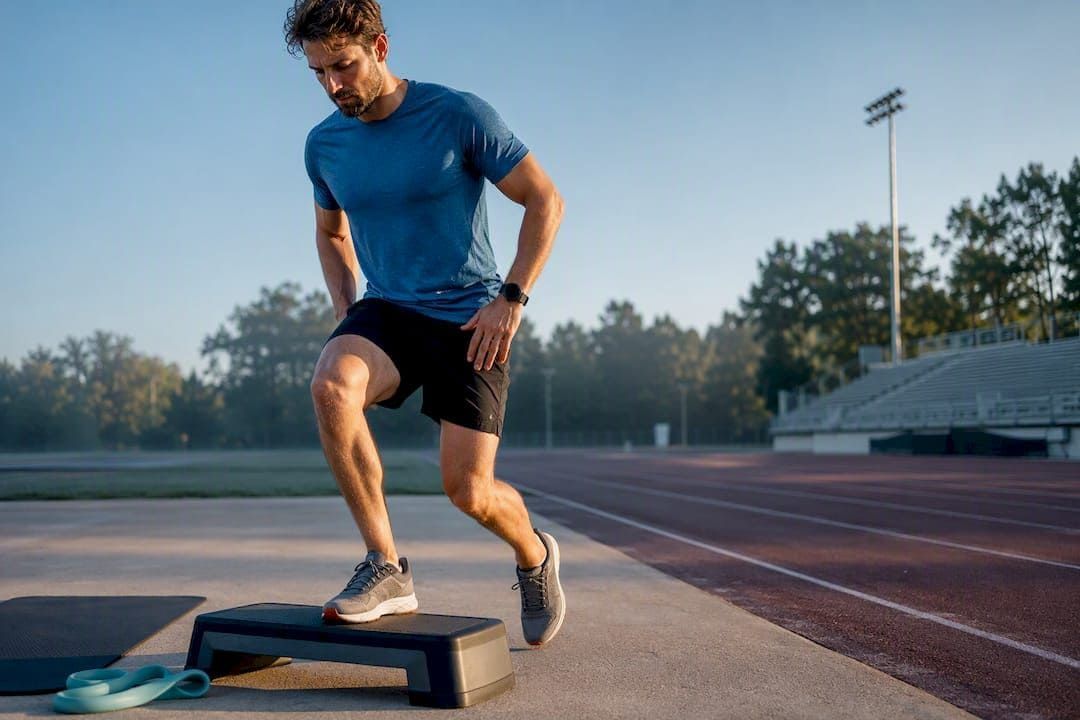
It’s not just about helping with occasional soreness. These small adjustments can build better habits while a teen’s body is still growing. Sometimes, just learning how to squat correctly or how to keep balance during a sprint can make a big difference. That’s why teens who stay active often check in with a professional for advice on improving motion.
For example, when a teen from Sarasota heads north to work with a functional movement chiropractor in Pinellas Park, one of the first things they’ll often go through is a step-by-step movement review. That review helps create a clearer picture of what their body needs next, whether that means simple stretching techniques, new movement habits, or guided support over time.
This process is often collaborative, involving input from parents and sometimes coaches who take an interest in a teen’s progress. Over time, teens become more aware of how their bodies move, learning to self-correct or recognize when a certain position doesn’t feel right. This growing body awareness leads to smoother movement routines and fewer interruptions from discomfort, allowing for consistency in athletic and academic pursuits.
Encouraging Healthy Habits at Home and on the Field
Teens are constantly on the move, so helping them find easy habits that support better body movement goes a long way. Even small changes make a difference when repeated over time. Here are a few ideas that can help keep teens feeling balanced and flexible:
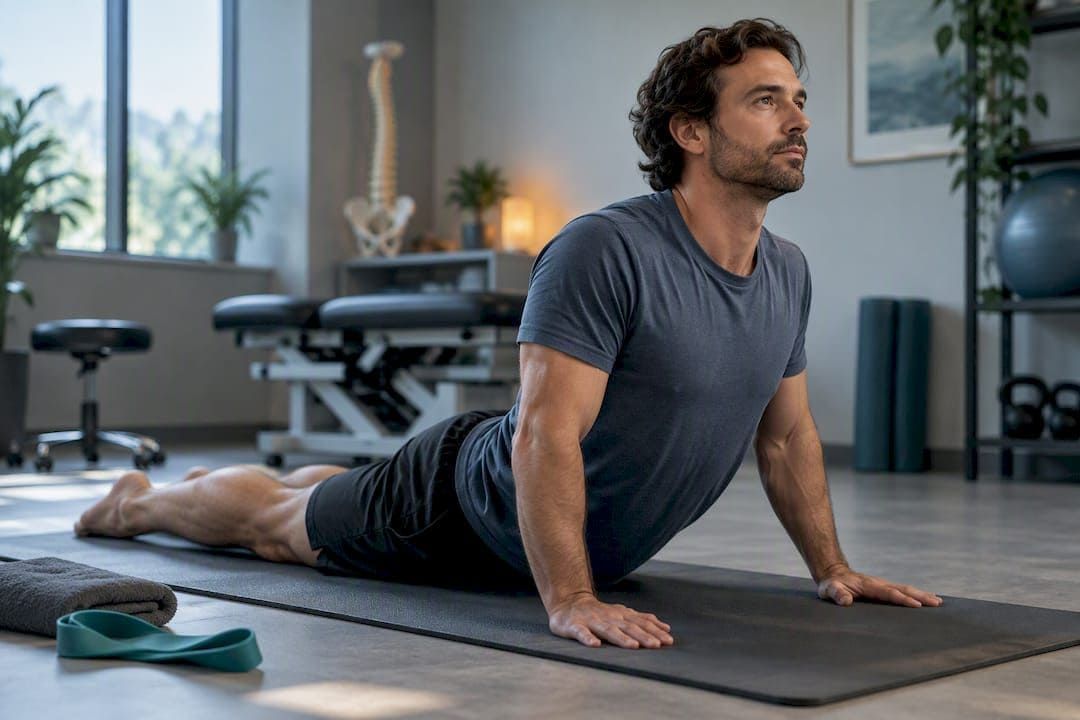
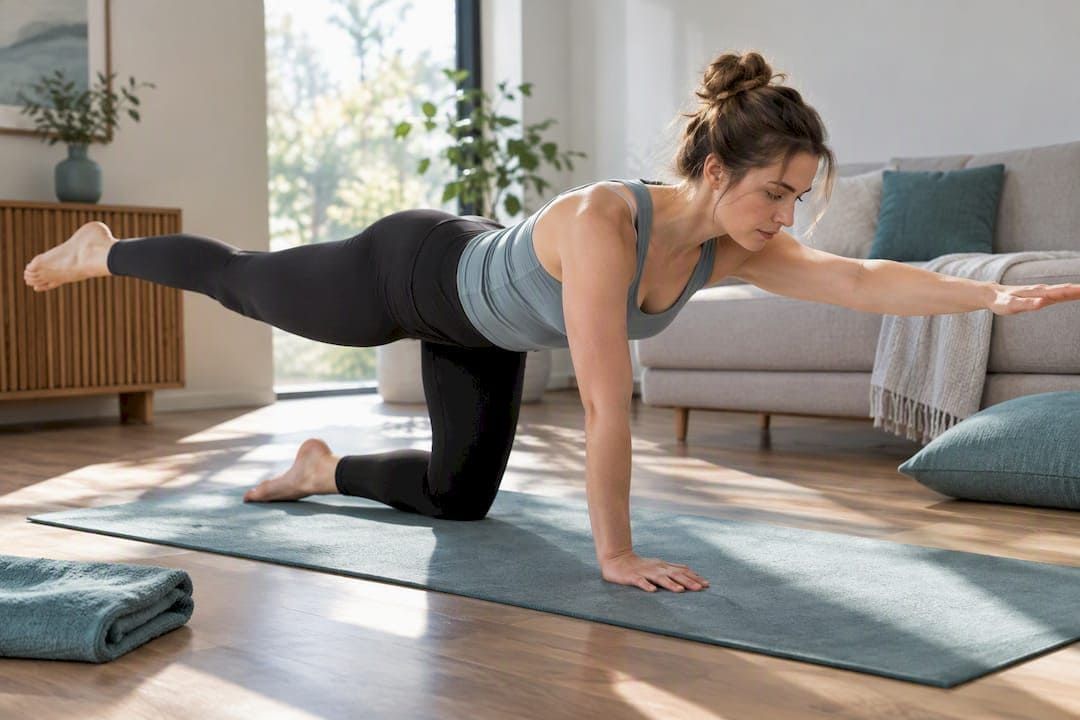
• Encourage daily stretching, especially after being seated for long periods
• Suggest regular activity breaks during homework or screen time
• Remind teens to change up shoulder sides when carrying a backpack
• Build in time for movement before and after sports to avoid stiffness
It’s always easier to build motion into a teen’s day when it doesn’t feel like extra work. Practicing good posture while texting, standing tall during conversations, or walking between classes without slouching are simple starts. Movement should feel natural, not forced.
If a teen plays on a sports team or works with coaches, those mentors can reinforce good movement habits too. Professional support can make it easier to stay on track, especially during spring when activities pick up again and kids are back in action almost every day.
Sometimes, families can encourage group activities that make movement fun, such as weekend bike rides, friendly backyard games, or even dance breaks at home. These shared moments build both healthy habits and positive connections. By making movement a regular part of daily routines, teens are more likely to stick with good habits as they grow older.
Parents can also set the tone by modeling good habits themselves, adjusting their own routine to promote posture, proper lifting, and regular breaks, so teens see these habits as a normal part of family life. Reminders to check in on comfort levels, offer encouragement, and celebrate progress can build a supportive atmosphere for ongoing improvement.
A Strong Start into an Active Season
As spring takes full hold of
Sarasota, it’s a good time to give a little extra attention to teens’ movement. The warm weather, packed schedules, and returning energy often push their bodies in new ways. Teens who are aware of how they move are more likely to enjoy their activities and recover quicker from the ones that wear them out.
Good movement habits aren’t just for athletes, either. Whether they’re marching in the school band or carrying art projects to class, every teen benefits from strengthening how they move. Supporting the way teens grow and stay active helps them head into spring with a stronger body and more comfort in everything they do.
At
Essential ChiroCare, we know how important it is for teens to move well as they grow during active seasons like spring. Balanced movement helps boost performance on the field and comfort in the classroom. For help with posture, alignment, or motion patterns, working with a
functional movement chiropractor in Pinellas Park can offer the right guidance. We're here to assess how your teen is moving and support healthy growth, so
give us a call to set up a time to talk.