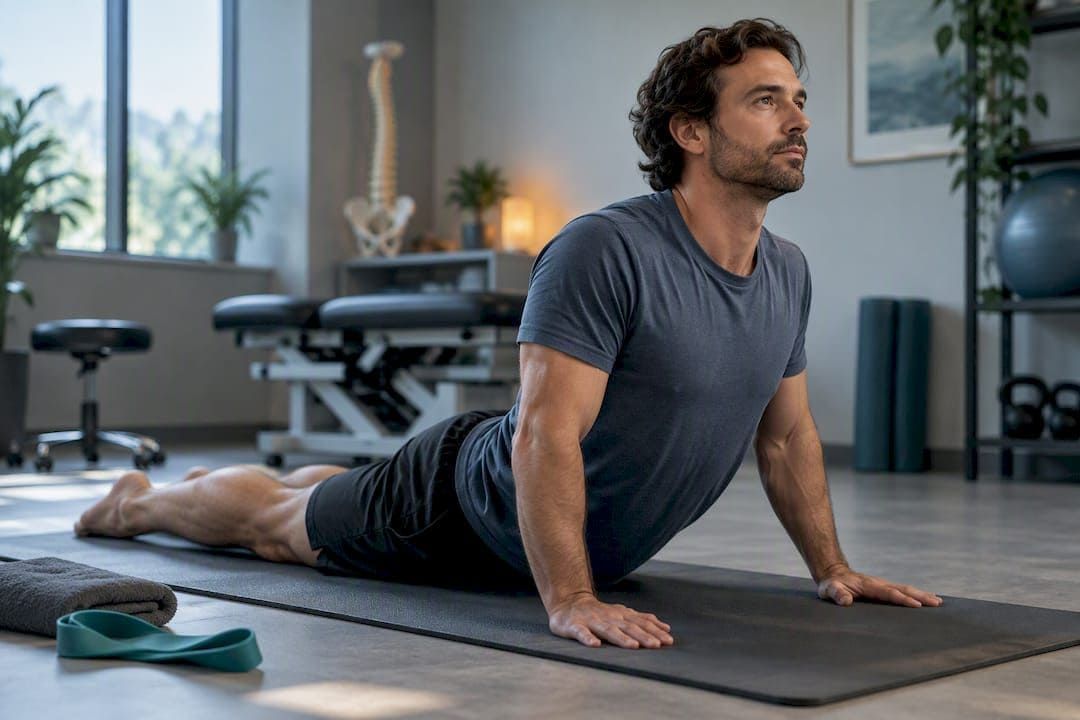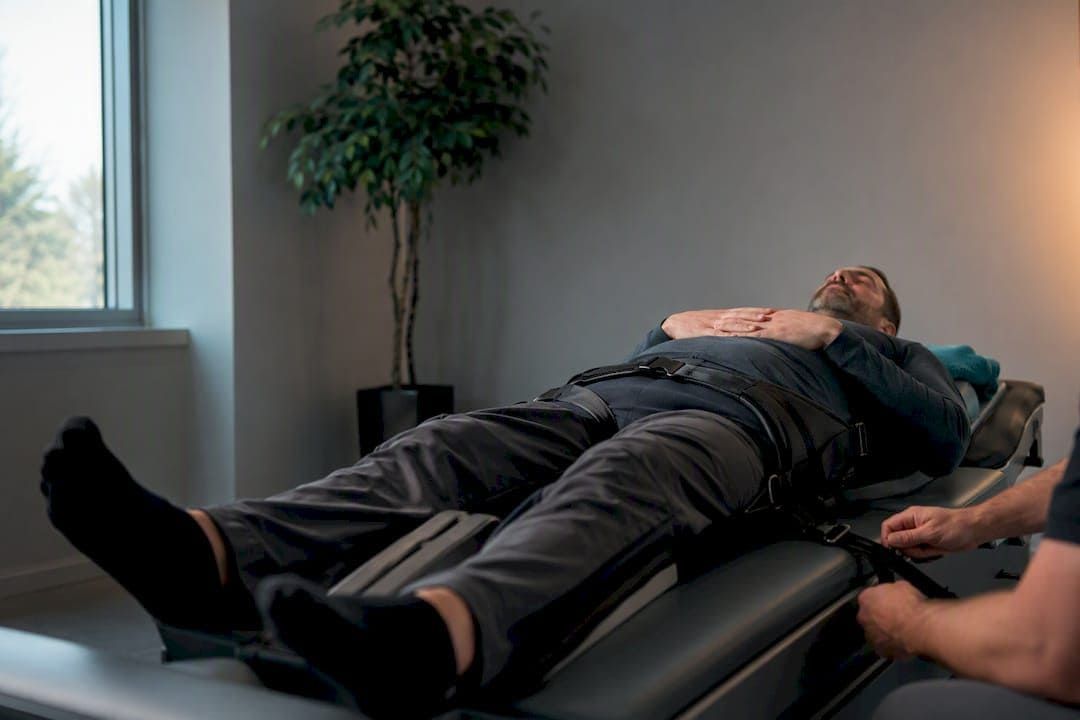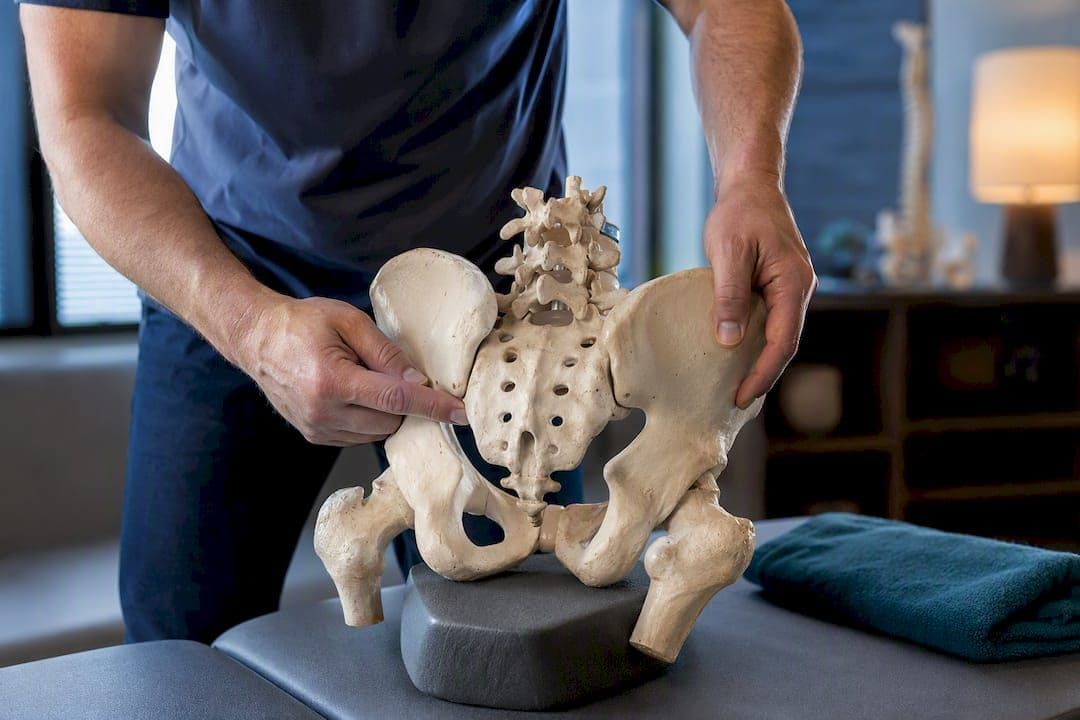
Chiropractic in Sports Injury: Fast Recovery and Prevention
Chiropractic in Sports Injury: Fast Recovery and Prevention
Competitive athletes in West Central Florida know the pressure to recover quickly after sports injuries. When traditional medicine only masks pain, chiropractic care offers a different path. This non-invasive system focused on diagnosing and treating musculoskeletal injuries helps restore normal movement and addresses the root causes of pain. Discover how specialized chiropractic approaches make recovery faster and performance stronger for those who demand more from their bodies every day.
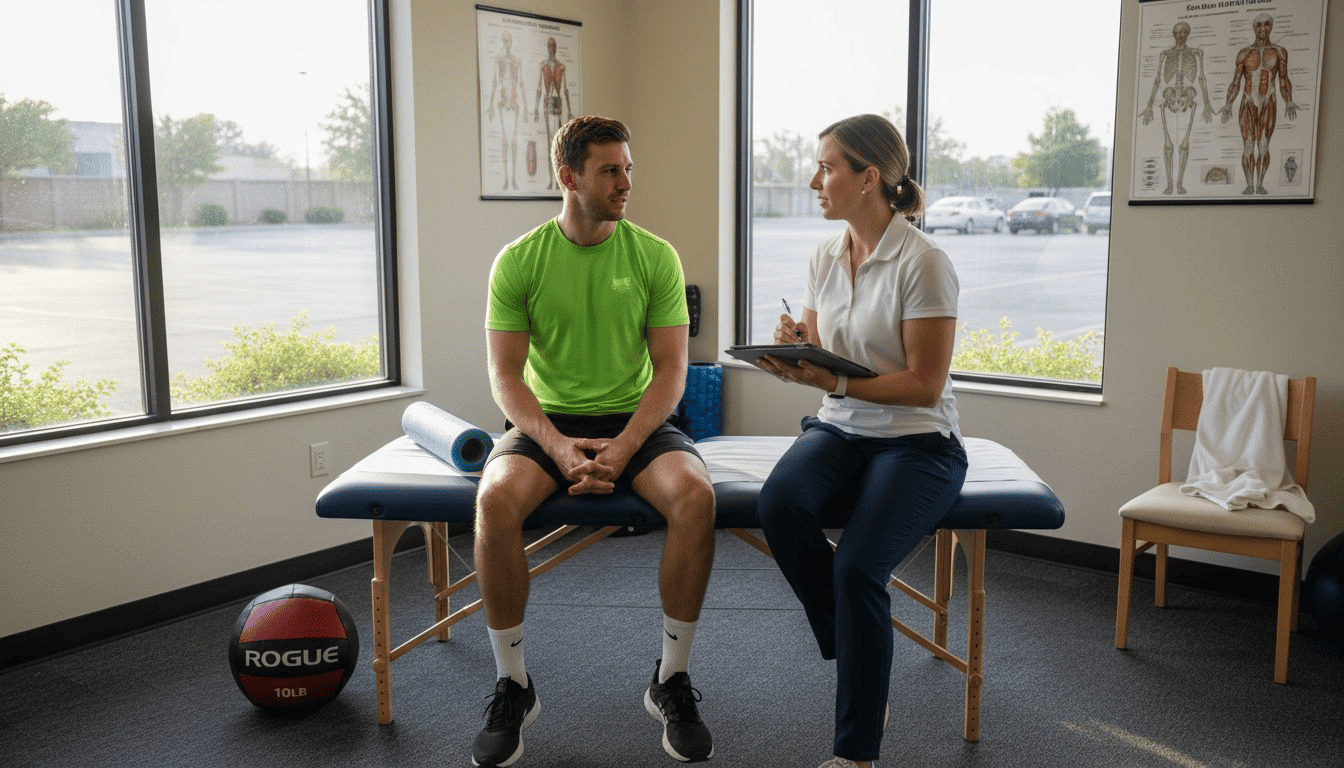
Table of Contents
Key Takeaways
| Point | Details |
|---|---|
| Chiropractic Care for Athletes | It provides a non-invasive approach focused on diagnosing and treating musculoskeletal injuries through individualized methods rather than just pain relief. |
| Functional Recovery Emphasis | Treatment plans are tailored to the specific sport and individual athlete, ensuring a stronger return to competition post-injury. |
| Importance of Early Intervention | Scheduling evaluations at the first sign of injury can prevent chronic conditions and promote faster recovery. |
| Preventative Strategies Enhancing Performance | Regular chiropractic care identifies biomechanical issues before they lead to injuries, sustaining long-term athletic performance. |
Defining Chiropractic Care for Sports Injuries
Chiropractic care for sports injuries represents a specialized approach to athletic injury management that extends far beyond simple pain relief. It’s a non-invasive system focused on diagnosing and treating musculoskeletal injuries through hands-on techniques like spinal manipulation and manual therapy. For athletes in West Central Florida, this means accessing care designed specifically for the demands your sport places on your body. Whether you’re recovering from a shoulder dislocation, knee ligament strain, or chronic back pain from repetitive athletic motions, chiropractic care addresses the root cause rather than just masking symptoms with medication.
The core of sports injury chiropractic lies in understanding biomechanics. Your body functions as an interconnected system where one misalignment cascades into compensatory patterns that create injury. Addressing biomechanical imbalances and optimizing neuromuscular function directly enhances both your recovery speed and athletic performance. A chiropractor trained in sports medicine evaluates how your spine, joints, and muscular system work together during your specific sport. They identify restrictions in movement, joint dysfunction, or nerve interference that prevent healing and limit performance. This diagnostic precision explains why chiropractic care has become an integral part of multidisciplinary sports healthcare environments where competitive athletes manage injuries alongside other sports medicine professionals.
What sets chiropractic sports injury care apart is its emphasis on functional recovery. You don’t just want to feel better; you want to return to competition stronger and more resilient. Chiropractors at Essential ChiroCare combine spinal adjustments, soft tissue manipulation, rehabilitation exercises, and performance optimization into a personalized treatment plan. This holistic approach means you’re not stuck in a generic protocol. Your plan adapts to your sport, your position, your injury, and your recovery stage. If you’re a baseball pitcher dealing with rotator cuff dysfunction, your care differs entirely from a soccer player recovering from an ankle sprain. This specificity accelerates healing and reduces the risk of re-injury.
Pro tip: During your initial evaluation, bring detailed information about your specific sport and position, when the injury occurred, and what movements aggravate your symptoms; this clarity allows your chiropractor to create a targeted recovery plan tailored to your exact athletic demands.
Common Sports Injuries Treated by Chiropractors
Athletes in West Central Florida experience predictable injury patterns based on their sport, and chiropractors have developed specialized expertise in treating these conditions. The most common injuries include ankle sprains, ligament damage, muscle strains, and joint dysfunction . These aren’t random occurrences; they’re biomechanical failures that happen when your body absorbs force it wasn’t prepared for or when repetitive movements create micro-tears in soft tissue. A soccer player rolling an ankle while cutting laterally, a tennis player developing shoulder pain from serve repetition, or a runner experiencing knee pain from training overload all represent injuries chiropractors address regularly. What makes chiropractic treatment effective is that it doesn’t just address the visible injury. Your chiropractor identifies the underlying dysfunction that allowed the injury to occur in the first place.
Ligament sprains and muscle strains represent the bulk of sports injury cases, but chiropractors also treat repetitive stress disorders that plague endurance athletes and overhead athletes. Rotator cuff inflammation from baseball pitching, lateral epicondylitis from tennis, patellofemoral pain from running, and thoracic outlet syndrome from swimming all fall within chiropractic expertise. Beyond acute injuries, chiropractors manage chronic conditions that develop from years of athletic demand on your spine and joints. They use joint mobilization, soft tissue manipulation, and rehabilitation exercises to restore function and reduce pain. Your recovery doesn’t stall at pain reduction either. Chiropractic care improves joint mobility and supports the healing process, meaning you return to sport with better movement quality than before injury.
One critical aspect of chiropractic sports injury care is identifying compensatory patterns. When you injure your ankle, your knee compensates. Your hip adjusts. Your lower back tightens. If a chiropractor only treats the ankle without addressing these cascading dysfunctions, you’ll heal partially but remain vulnerable to re-injury. This is why comprehensive chiropractic evaluation matters. Your chiropractor maps your entire kinetic chain to see where restrictions live and how forces travel through your body. Studies show significant improvements in athletic performance and recovery times when chiropractic care addresses the full picture rather than isolated symptoms.
Pro tip: Don’t wait until pain forces you to stop training; schedule a chiropractic evaluation after your first sign of injury onset, when early intervention can prevent progression into chronic conditions that demand months of recovery.
Here’s a summary of how chiropractic care addresses common sports injuries:
| Injury Type | Typical Causes | Chiropractic Focus |
|---|---|---|
| Ankle Sprain | Sudden twists, uneven surfaces | Joint realignment, restore stability |
| Rotator Cuff Pain | Repetitive overhead motions | Shoulder mobility, reduce inflammation |
| Knee Ligament Strain | Overuse, sudden stops/turns | Improve tracking, support healing |
| Muscle Strain | Overexertion, inadequate warm-up | Release tension, targeted rehab |
| Joint Dysfunction | Biomechanical misalignments | Restore movement, correct posture |
How Chiropractic Treatments Aid Recovery
Chiropractic recovery works on a principle that most athletes overlook: your body heals fastest when it functions optimally. Rather than waiting passively for time to do the work, chiropractic treatments actively accelerate healing by addressing what broke in the first place. Spinal manipulative therapy and manual therapies form the foundation of this approach, working to restore joint mobility, reduce muscular tension, and promote tissue healing. When a chiropractor adjusts a vertebra stuck in an altered position, they’re not just fixing that joint. They’re restoring neural pathways that communicate with muscles, reducing compensatory tension patterns, and allowing your body to dedicate its healing resources where they’re needed most. For athletes recovering from injury, this distinction matters enormously because every day counts before you return to competition.
The mechanics of chiropractic recovery involve several interconnected processes. Joint dysfunction creates inflammation and restricts movement, but chiropractors address this through specific techniques that restore proper alignment and function. When your knee joint sits in slight dysfunction after a ligament sprain, swelling persists and scar tissue formation accelerates. Correcting that joint dysfunction reduces inflammation, improves circulation to healing tissues, and optimizes your body’s neuromuscular control. You’ll notice this in practical terms: your pain decreases faster, you recover range of motion more quickly, and when you return to sport, you move with the same fluidity you had before injury. Manual therapies enhance joint mobility and reduce muscular tension, which directly translates to faster functional restoration and your ability to return to play without lingering weakness.
What separates chiropractic recovery from passive healing is the aggressive timeline. Most athletes heal eventually, but they do so slowly and often incompletely, returning to sport with movement patterns still altered by injury. Your chiropractor intervenes systematically through adjustments, soft tissue work, mobility exercises, and progressive rehabilitation protocols tailored to your sport. A baseball pitcher dealing with shoulder impingement receives different treatment sequencing than a hockey player recovering from a hip pointer. Your chiropractor understands the specific demands your sport places on your body and programs recovery accordingly. This active, sport-specific approach means you’re not just healing; you’re rebuilding better movement quality than you had before injury, which translates into improved performance and reduced re-injury risk once you return to competition.
Pro tip: Begin chiropractic care immediately after injury diagnosis, not weeks into your recovery; early intervention prevents compensatory movement patterns from solidifying, which accelerates overall healing timeline and reduces your risk of chronic dysfunction.
Personalized Rehabilitation and Athlete Wellness
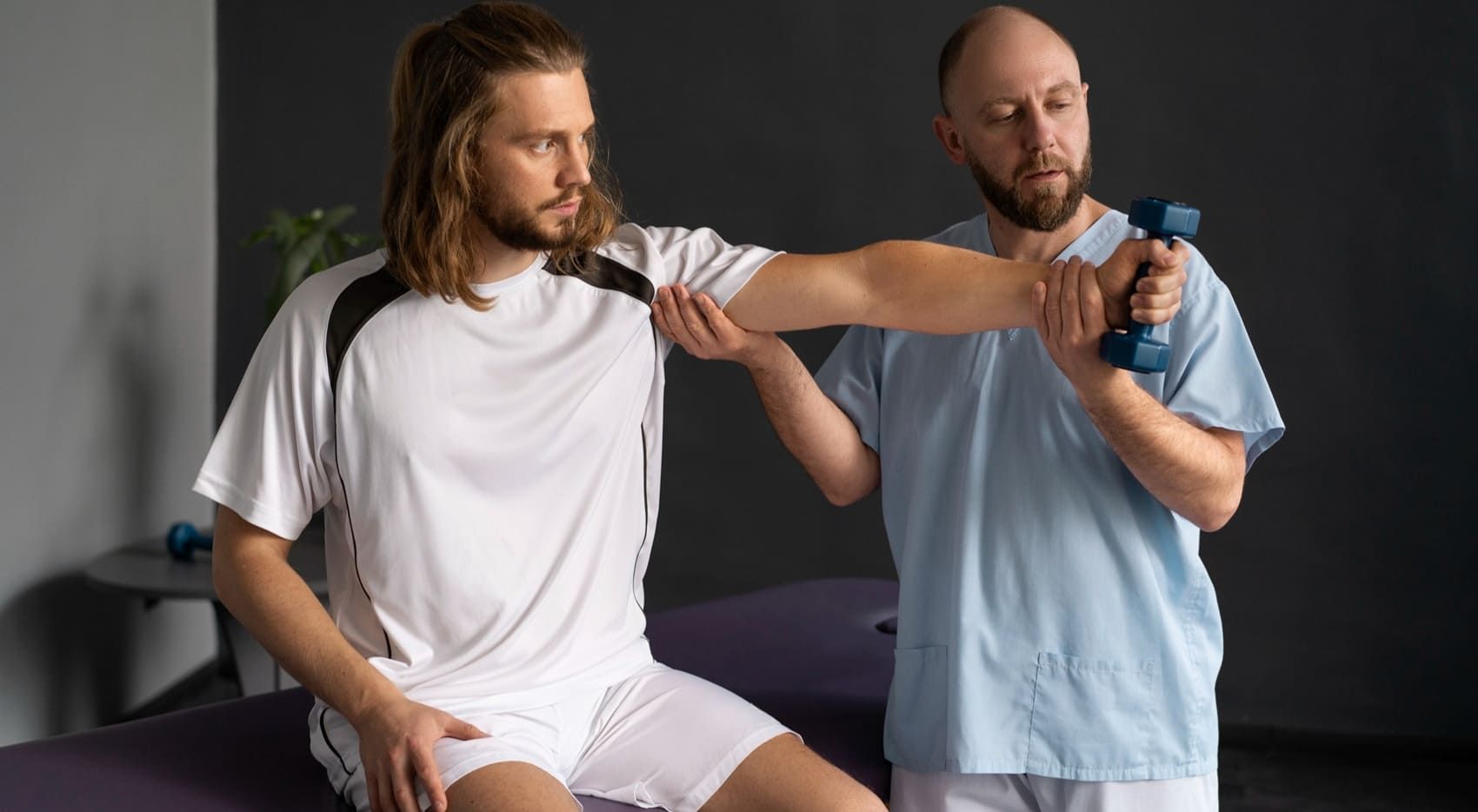
Generic rehabilitation protocols fail athletes because they ignore the fundamental truth: no two injuries are identical, and no two athletes have identical biomechanics. Your sport demands specific movement patterns, your body has unique structural quirks, and your injury occurred under circumstances distinct from every other athlete’s experience. This is why personalized rehabilitation programs matter so much in sports chiropractic care. Your chiropractor doesn’t pull a standard protocol off the shelf and apply it to your case. Instead, they conduct a thorough assessment of your injury, movement patterns, strength imbalances, and the specific demands your sport places on your body. A tennis player with shoulder pain needs different rehabilitation than a swimmer with the same diagnosis because their shoulders function differently during their sport. One athlete’s ankle sprain responds to progressive loading that another athlete with an identical ankle injury might not tolerate. Personalized care recognizes these differences and builds your recovery around what your body actually needs, not what a generic protocol assumes.
The components of personalized rehabilitation extend beyond the obvious adjustments. Spinal adjustments combine with soft tissue therapies and exercise prescriptions to create comprehensive wellness plans tailored to your specific situation. Your chiropractor assesses your injury, identifies compensatory patterns your body developed, and designs exercises that target your unique deficits. If you’ve developed significant glute weakness from your injury, your program emphasizes glute activation and strengthening. If your core stability suffered, your exercises prioritize core integration. If your neuromuscular control deteriorated, your program includes proprioceptive training specific to your sport. This targeted approach means every minute you spend rehabilitating directly addresses what’s limiting you, accelerating your return to full function.
Athlete wellness under chiropractic care extends beyond injury recovery into prevention and performance optimization. Individualized care plans integrate musculoskeletal adjustment, injury management, and preventative strategies to sustain your athletic performance long-term. Your chiropractor doesn’t just fix your current injury; they identify structural vulnerabilities that could become future injuries and address them proactively. They monitor your movement patterns across your season and adjust your care as your body’s demands change. This preventative approach means fewer injuries down the road, less time lost to recovery, and sustained high-level performance throughout your athletic career. When you’re healthy, your chiropractor maintains that health through periodic adjustments and movement screening. When you’re recovering, they accelerate healing. The continuity of personalized care creates a wellness foundation that benefits your athletic longevity far beyond your current injury.
Pro tip: During your initial chiropractic evaluation, provide detailed information about your training volume, recent changes to your program, and any previous injuries; this context allows your chiropractor to design rehabilitation that prevents compensatory patterns from becoming chronic issues.
Benefits Compared to Traditional Treatments
When you’re injured, you face a choice that fundamentally shapes your recovery. You can pursue traditional treatments like prescription pain medication, corticosteroid injections, or surgery. Or you can choose chiropractic care. The difference isn’t subtle. Traditional approaches often treat symptoms while ignoring cause, whereas chiropractic addresses the underlying dysfunction creating your pain. Consider what happens with oral pain medication. It masks your pain temporarily, allowing you to move despite active injury, which typically worsens healing. Worse, pain medications carry significant risks including dependency, gastrointestinal complications, and cognitive side effects that impair athletic performance. Corticosteroid injections provide temporary relief by suppressing inflammation, but they don’t restore joint function or address biomechanical problems. Surgery offers permanence but comes with infection risk, extended recovery timelines, potential nerve damage, and rehabilitation periods that sideline you for months. Chiropractic care offers a fundamentally different approach : non-invasive treatment that restores function while you heal, without pharmaceutical side effects or surgical complications.
Non-invasive, drug-free alternatives to surgery and pharmacologic pain management align with evidence-based clinical guidelines for musculoskeletal care. This matters concretely because your body doesn’t need drugs to heal; it needs proper biomechanics, reduced inflammation, and restored neural function. Chiropractic achieves these outcomes through manual therapy that restores joint alignment, reduces nerve interference, and promotes tissue healing. You experience pain reduction without medication side effects. You recover function without waiting months for surgical recovery. You return to training without the risks associated with long-term pharmaceutical use. The clinical evidence supporting chiropractic care continues expanding. Spinal manipulative therapy demonstrates effectiveness in pain reduction and functional improvement without medication side effects or invasive procedures, making it a safer recovery option for athletes who want rapid return to competition.
The financial comparison alone justifies choosing chiropractic. Surgery costs thousands of dollars even with insurance coverage. Prescription medications accumulate in cost and carry hidden expenses from managing side effects. Physical therapy without addressing underlying joint dysfunction often produces incomplete results, requiring months of treatment. Chiropractic care reduces healthcare costs while delivering superior outcomes. You pay less, heal faster, and return to sport stronger. Perhaps most importantly, you avoid irreversible decisions. Surgery is permanent. Medication dependency develops gradually. Chiropractic treatment, by contrast, works with your body’s natural healing capacity. If you don’t respond as expected, you haven’t sacrificed future treatment options. You simply adjust your approach and try a different technique. This flexibility, combined with superior safety profile and lower cost, explains why competitive athletes increasingly choose chiropractic as their first-line treatment for sports injuries.
The following table compares chiropractic and traditional sports injury treatments:
| Approach | Healing Speed | Risks | Return to Sport |
|---|---|---|---|
| Chiropractic Care | Often accelerated recovery | Low, non-invasive | Focus on full function |
| Pain Medication | Symptom masking, not curative | Side effects, dependency risk | May delay optimal return |
| Corticosteroid Injections | Temporary inflammation relief | Joint weakening risk | Short-term relief only |
| Surgery | Long recovery, for severe cases | Invasive, infection possible | Months to return, rehab needed |
Pro tip: Request a detailed comparison of treatment timelines during your initial consultation; understanding how quickly chiropractic care produces functional improvement compared to your alternatives helps you make confident decisions about your recovery path.
Injury Prevention and Long-Term Performance
Most athletes think about chiropractic care only when injured. This reactive approach costs you years of lost athletic potential. The smarter strategy involves prevention, which means visiting your chiropractor even when you feel fine. Proactive chiropractic care identifies biomechanical problems before they cause injury , allowing you to address weaknesses while you’re still healthy and training at full intensity. Your body operates as an interconnected system where small dysfunctions cascade into major injuries over time. A hip restriction alters your stride, which stresses your knee, which eventually breaks down despite no direct blow to the knee. A thoracic spine restriction limits shoulder mobility, which forces your rotator cuff to compensate, which leads to inflammation and pain. A chiropractor trained in prevention sees these subtle patterns before they become symptomatic. They identify movement restrictions, strength imbalances, and joint dysfunctions that don’t yet cause pain but will eventually derail your season. By correcting these issues now, you prevent injuries that haven’t happened yet.
Prevention strategies in sports chiropractic follow a specific protocol. Regular spinal adjustments, functional movement assessments, and strengthening exercises target the risk factors that lead to injury. Your chiropractor conducts periodic evaluations throughout your season, monitoring your movement quality and adjusting your care as your body’s demands change. Early season might focus on building movement foundations and identifying asymmetries. Mid-season shifts toward maintaining performance and addressing tissue fatigue. Late season emphasizes recovery and preparing your body for the off-season. This cyclical approach keeps you healthy across your entire year, not just during recovery phases. The effectiveness comes from specificity. Your sport imposes unique demands, and prevention must address those specific demands. A pitcher needs shoulder stability and thoracic rotation that a soccer goalie doesn’t. A distance runner requires hip stability and ankle mobility that a sprinter prioritizes differently. Your prevention program adapts to your sport.
Correcting biomechanical imbalances and enhancing neuromuscular function improves movement efficiency while reducing strain on joints, directly translating to sustained performance throughout your career. When your biomechanics improve, you generate more force with less energy expenditure. Your movements become more efficient. You experience less fatigue. You perform better. Perhaps more importantly, you stay healthy longer. Athletes who prioritize prevention through chiropractic care experience fewer injuries, shorter recovery timelines when injury does occur, and extended competitive careers. They return from injuries stronger than before because chiropractic care doesn’t just fix damage; it upgrades your movement system. The competitive athletes getting drafted, earning starting positions, and sustaining long careers are often those who invested in prevention long before injury forced them to.
Pro tip: Schedule quarterly movement assessments with your chiropractor even during injury-free periods; these preventive evaluations catch emerging imbalances early, allowing you to correct them before they sideline you and derail your season.
Recover Faster and Stay Strong with Essential ChiroCare’s Sports Injury Solutions
Sports injuries can disrupt your life and hold back your performance. When pain, joint dysfunction, or muscle strains limit your ability to compete or train, you need more than temporary relief. You need a personalized, root-cause approach that targets biomechanical imbalances while accelerating healing and preventing future setbacks. At Essential ChiroCare, our expert chiropractors in West Central Florida specialize in comprehensive sports injury care that combines spinal adjustments, manual therapy, and tailored rehabilitation strategies. This proven method addresses nerve interference and joint restrictions to restore full function so you can get back to your game stronger and more resilient.
Why wait for pain to worsen or rely on treatments that mask symptoms without solving the problem? Experience a faster recovery and long-term injury prevention with a team that understands the unique demands your sport places on your body. Visit Essential ChiroCare today to schedule your personalized chiropractic evaluation. Learn how our specialized care can accelerate your healing and protect your athletic future now. Your body deserves expert care designed specifically for sports performance and injury recovery.
Frequently Asked Questions
What types of sports injuries can chiropractors treat?
Chiropractors can effectively treat a variety of sports injuries, including ankle sprains, muscle strains, joint dysfunction, and chronic conditions like rotator cuff pain and knee ligament strains. They focus on both acute injuries and underlying biomechanical issues that may have contributed to the injury.
How does chiropractic care aid in sports injury recovery?
Chiropractic care aids recovery by restoring joint function, reducing inflammation, and improving neuromuscular control. Techniques such as spinal manipulation and manual therapy help speed up the healing process by enhancing mobility and alleviating pain.
What are the benefits of chiropractic care compared to traditional treatments for sports injuries?
Chiropractic care offers a non-invasive, drug-free approach that addresses the root causes of pain rather than just masking symptoms. Unlike traditional treatments that may involve medications or surgery, chiropractic focuses on restoring function and optimizing recovery times without the associated risks of those methods.
Why is personalized rehabilitation important in chiropractic care for athletes?
Personalized rehabilitation is crucial because no two injuries or athletes are the same. A tailored approach considers the athlete’s specific sport, injury history, and biomechanics, ensuring that treatment effectively addresses their unique needs for improved recovery and performance.
Recommended
- Why Chiropractic for Sports Injuries Matters Most
- Preventing Sports Re-Injury: Lakeland Chiropractic Tips
- Chiropractor Near Me: Sports Injury Rehab Experts
- Revitalize Your Athletic Performance With Chiropractic Care
- Returning to Sport After Injury: A Guide to Your Mental Comeback
- 7 Essential Nutritional Supplements for Recovery Success