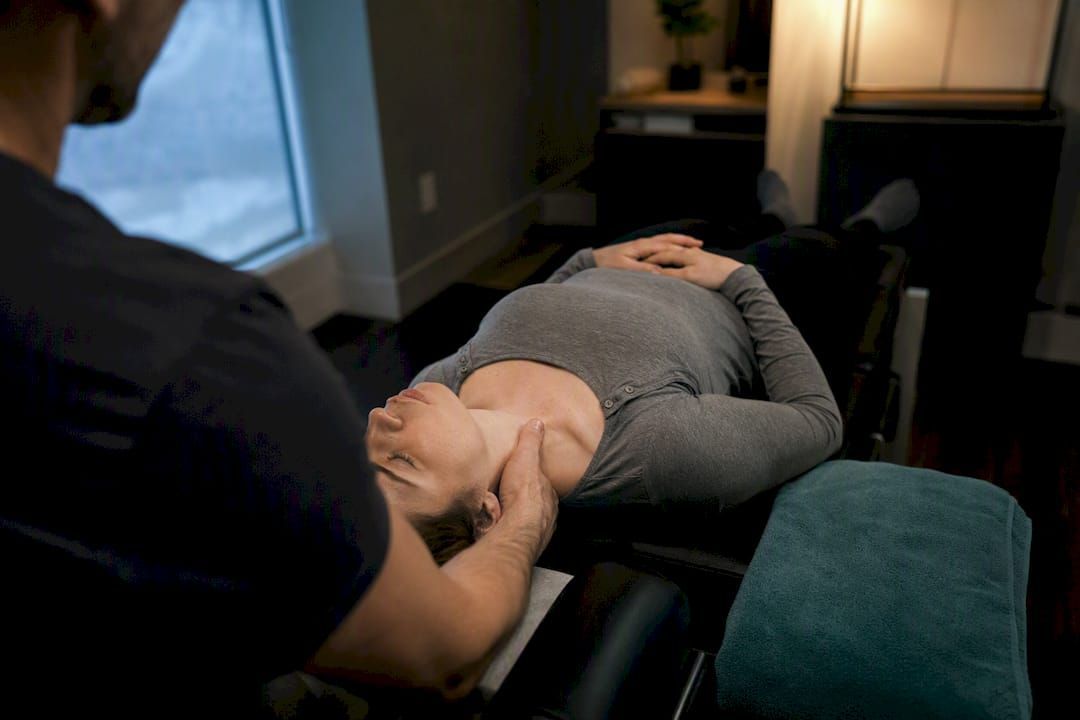
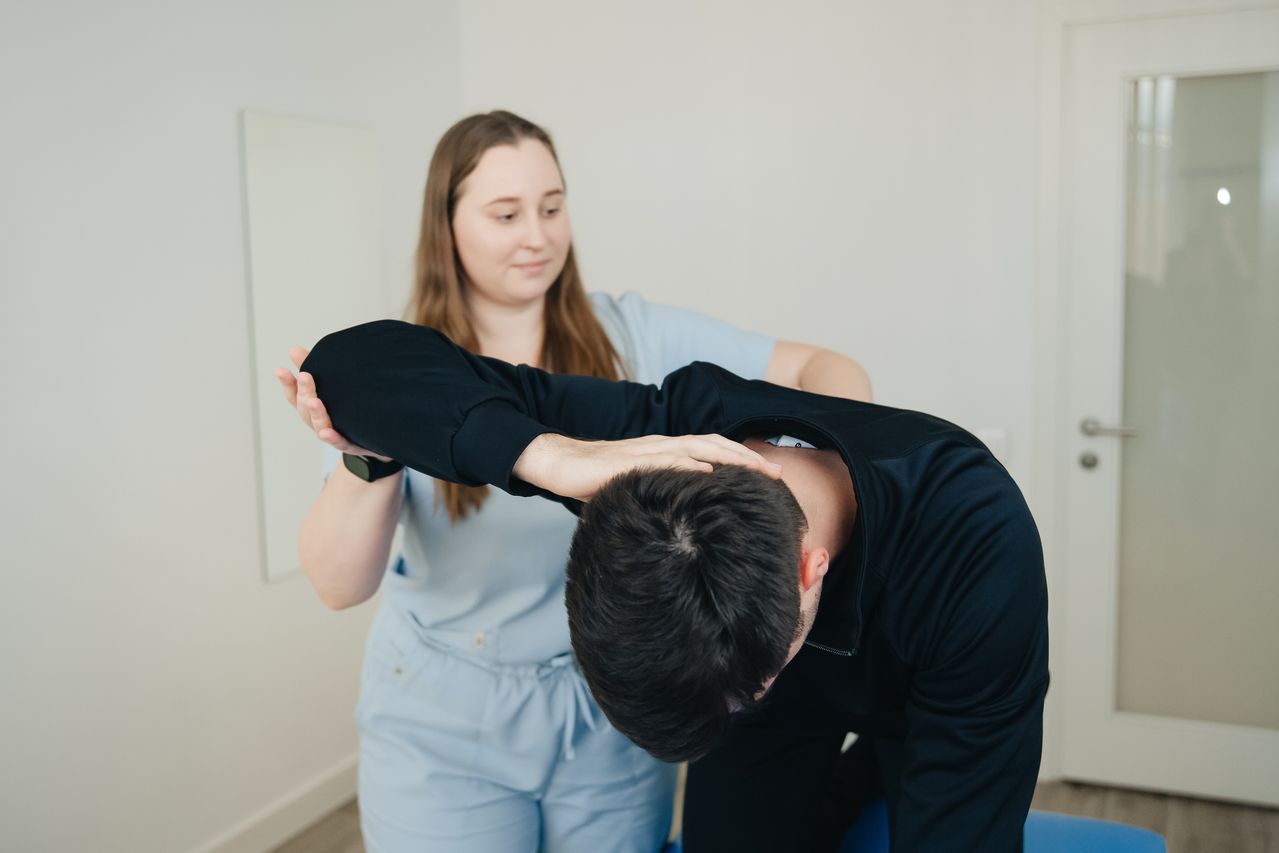
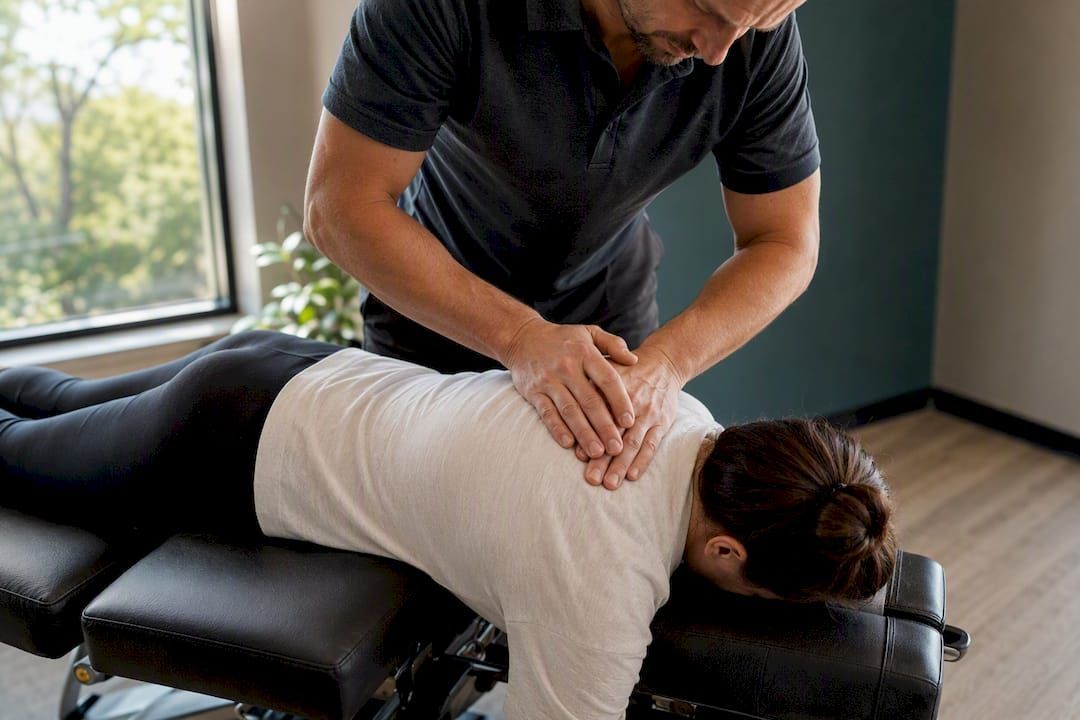
When your shoulders aren’t sitting quite right, you feel it. Maybe it’s a pinch when you reach overhead, or tightness after a long day at work. Those discomforts can sneak up over time, often tied to how we sit, stand, and move throughout the day. Posture plays a big role in shoulder health, even if we don’t think about it often. Working with a corrective exercises chiropractor in
Lakeland can help introduce useful movements to support long-term comfort. But even small choices made daily in places like
Tampa can keep shoulders feeling stable and strong. It’s not just about sitting up straighter. Good shoulder posture can help your whole body feel more relaxed and ready to move, especially when cooler mornings make muscles feel a little tighter than usual.
How Poor Posture Affects Shoulder Comfort
Posture problems usually roll in quietly. Slouching at your desk, leaning into a screen, or scrolling on your phone for hours, all of that sets your shoulders forward. Over time, your chest can tighten and your upper back may weaken. That mix pulls your shoulders into a position that strains muscles and joints.
In
Tampa, there are a few habits that make this even more common. Long commutes in traffic, remote work setups at kitchen tables, or lifting heavy weights without the right form can all add stress to the shoulders. With February’s cooler weather, it's easier to stay curled up indoors, which often means more screen time and less movement.
Watch for these signs your posture may be affecting your shoulders:
• A burning feeling or tightness between the shoulder blades
• Tension in the neck or base of the skull
• One shoulder looking or feeling higher than the other
These clues build up quietly. It can help to catch them early, before discomfort becomes part of your everyday routine.
Shoulder-Friendly Ways to Improve Your Posture Each Day
Even small changes can help your shoulders feel more supported. One of the easiest ways is to think about how you're sitting or standing when doing everyday tasks. Posture isn't always planned. It shifts depending on mood, energy levels, or what we’re focused on.
Here are a few chances you might have each day to reset your posture:
• While working on your computer, keep your monitor at eye level and sit back in your chair
• When driving, bring your seat forward so you’re not reaching for the steering wheel
• While sleeping, use a pillow that supports your neck’s natural curve
Each of these moments is a chance to care for your shoulders. Catching the small tilts and slumps before they turn into stiffness helps your body move better throughout the day.
When Movement Starts to Help More Than Rest
If your shoulder feels sore, your first thought might be to rest. But when posture creates long-term strain, gentle movement often brings more relief than staying still. Stretching may help in the moment, but it doesn’t solve the deeper misalignments that affect the way you move.
During cooler mornings in Tampa, joints and muscles can feel tighter. A short walk or light upper-body movement might ease the tension more than holding stretches alone. It helps wake up the muscles without pushing too hard. Sometimes you don’t notice how stiff your back or neck has gotten until you start moving again.
When it comes to posture, being aware of your daily habits can make a substantial difference. For example, curling up on the couch while watching TV may feel relaxing, but it encourages your shoulders to slump forward. Taking occasional breaks to stand and gently stretch can break this pattern and bring your shoulders back to their natural position. The body responds best to gradual changes, and patience is important as you improve your posture.
If shoulder discomfort sticks around no matter how much rest or heat you use, professional support can help track small changes in how your spine or shoulder sits. These tiny shifts are hard to feel but can cause tightness or limit your range of motion if left alone. Guided movement can help retrain those areas, bringing more comfort and stability back to your posture.
Finding small moments throughout the day to move your arms or roll your shoulders can make a meaningful impact over time. Even a few minutes of light activity during lunch or after dinner can loosen stiff joints and relax tense muscles. These routine adjustments become easier the more you practice them, especially as your awareness of posture improves.
What to Expect from Corrective Exercises for Shoulder Support
Posture-focused corrective routines are not one-size-fits-all. If your shoulders roll forward, certain muscles may need help turning back on. Others might need to be relaxed. The movements often look simple, but they’re chosen based on what your body needs to work well again.
Here’s what these exercises can focus on:
• Moving the shoulders back gently to build strength along the upper back
• Helping the muscles around the shoulder joint support better posture
• Stretching areas that stay tight from daily habits, like the front of the chest or side of the neck
If you’re visiting family or spending time in other nearby towns, a corrective exercises chiropractor in Lakeland may be a convenient option for guidance. Professional help can adjust movements where needed so they feel natural, not forced. That kind of guidance helps reduce the risk of doing too much too soon.
Your journey toward improved shoulder posture may also introduce you to new ways of strengthening your core and back, since those areas support the shoulders. Working with a professional can help you discover which stabilizing exercises are best for your specific needs, allowing for more balanced growth over time. These exercises can easily be adapted to your lifestyle in Tampa, whether you prefer walking along the bay or working out at home.
Corrective movements don’t have to be time-consuming or complicated. Several effective exercises can be done with just a light resistance band or small weights. Even bodyweight exercises like standing wall angels or gentle rows can activate muscles that support better posture. As these exercises become familiar, you’ll notice everyday movements feeling easier. For instance, carrying groceries or playing with your children may place less strain on your shoulders as you build awareness and strength.
Working with a professional means adjustments to your exercise plan can be made regularly. If you experience particular tightness or have had a previous shoulder injury, exercises can be tailored for you, ensuring you’re not aggravating those areas. Communication with your provider helps you stay confident that each movement supports your recovery.
Shoulder Relief That Lasts Starts with the Right Posture Habits
Lasting shoulder comfort isn’t about finding one perfect stretch. It’s about catching small posture problems early and building better habits around them. When your body is held in better alignment, the muscles and joints don’t have to work as hard just to keep you upright.
Simple changes, like checking your sitting position or shifting your screen height, pay off through the day. These small improvements help you focus more on what you enjoy, whether you’re working downtown or heading out to Bayshore in the evening. Movement matters most on the chilly mornings when your body gets a slower start. With a little extra awareness and gentle motion, it’s easier to keep your shoulders feeling balanced and supported all day long.
Adopting new habits for shoulder posture is a gradual process. As you pay more attention to how you sit, stand, and move, you may find opportunities to make helpful adjustments. Over the weeks, these small changes build on each other, creating lasting improvements in shoulder comfort and flexibility. Keeping track of your progress, either through journaling or simply noting how you feel, can be motivating and help you stay on course.
Learning about how sleep affects shoulder position is valuable as well. Sometimes changing your pillow or mattress supports better spinal alignment, which in turn helps your shoulders relax during the night. Consistent quality sleep gives your muscles and joints a chance to recover so you wake up without the usual morning ache. Sharing concerns and experiences with a corrective exercises chiropractor adds another layer of support, ensuring no aspect of your daily routine is overlooked.
You may also notice improvements in areas beyond the shoulders as your posture corrects. It’s common for people to experience less neck pain or fewer headaches when they address underlying alignment issues. These positive changes can encourage you to continue taking small steps each day, reinforcing a cycle of better movement and greater comfort.
Tight shoulders after stretching or adjusting your posture may mean you need extra support. Working with a
corrective exercises chiropractor in Lakeland can make everyday movements easier and more comfortable over time. Our approach focuses on supporting your body’s natural alignment through personalized movement routines that ease tension where it builds up most. At
Essential ChiroCare, we guide you through simple steps to improve posture and reduce strain, especially during cooler months.
Contact us to
schedule an appointment and start moving with more ease.