
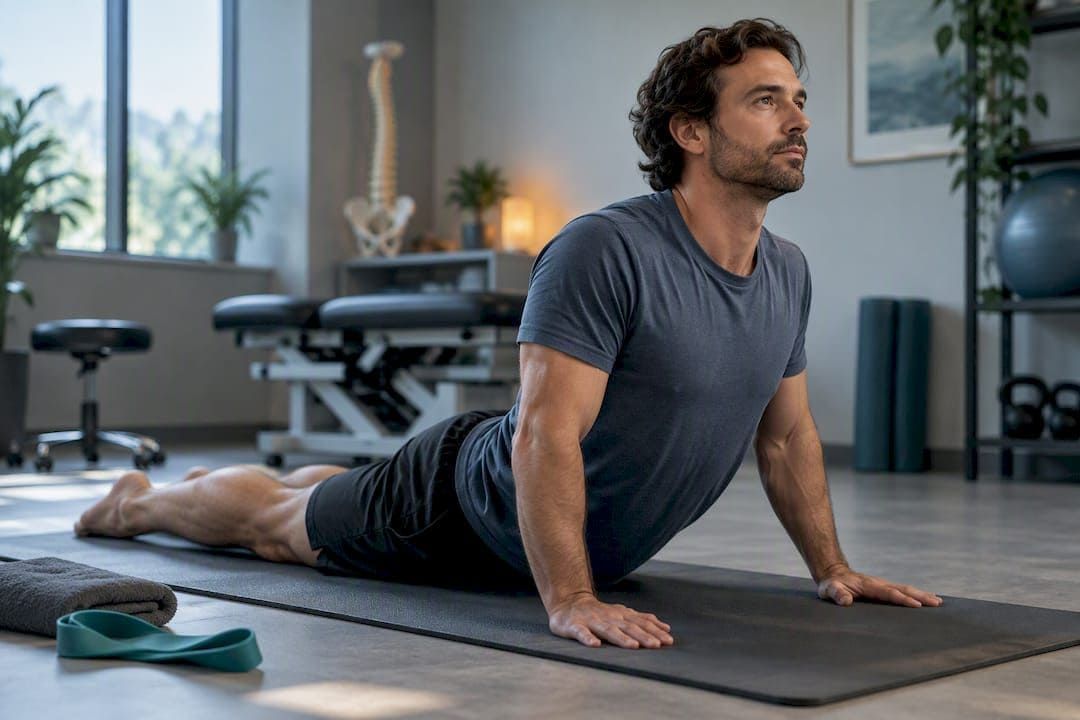
What Is Active Rehabilitation: Your Recovery Guide

Essential ChiroCare Blogger • June 2, 2026

What Is Active Rehabilitation: Your Recovery Guide

TL;DR:

  • Active rehabilitation is patient-led, involving guided, progressive exercises that promote neuromuscular control and strength. It outperforms passive treatments by fostering neuroplasticity, functional recovery, and lasting independence, as supported by recent research. Engaging in structured active programs with professional guidance accelerates healing and restores optimal movement after injury or chronic pain.

Most people assume recovery means rest. Ice it, take the medication, wait it out. That belief is not just wrong. It actively slows you down. What is active rehabilitation? It's the evidence-based answer to passive recovery thinking. Instead of waiting for your body to heal around you, active rehabilitation puts you at the center of your own recovery through guided, progressive movement. If you're dealing with an injury, chronic pain, or post-surgical stiffness, understanding this approach could be the difference between months of frustration and a real return to function.

what is active rehabilitation

Table of Contents

Key Takeaways

Point Details
Active rehab is patient-led You perform guided exercises rather than receiving passive treatments like massage alone.
Movement beats rest Modern evidence shows that movement is medicine for most injuries and chronic pain conditions.
Science strongly supports it An 88% return-to-work rate was achieved in active rehab groups versus 56% in controls in a 2025 clinical trial.
Techniques are layered Programs combine mobility work, strength training, neuromuscular control, and pain education progressively.
Professional guidance matters Working with trained clinicians keeps your progression safe and tailored to your specific condition.

What is active rehabilitation, and how it differs from passive care

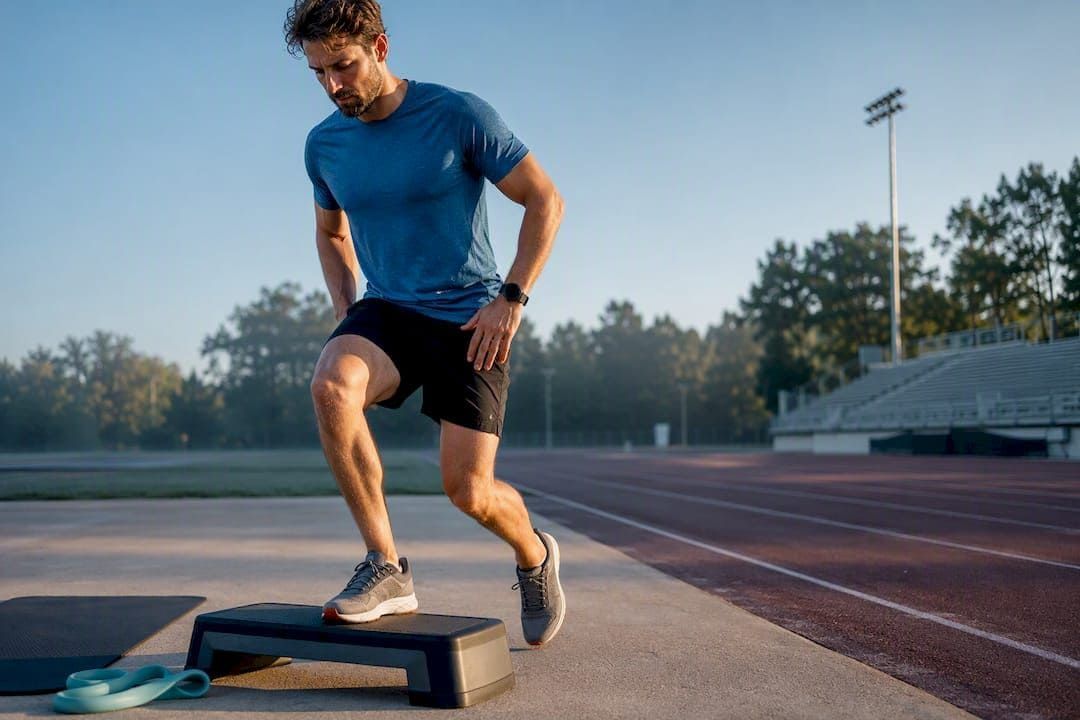
The active rehabilitation definition comes down to one concept: you are doing the work. A clinician guides, coaches, and programs your recovery, but the therapeutic input comes from your own body moving, loading, and adapting. That's the core distinction.

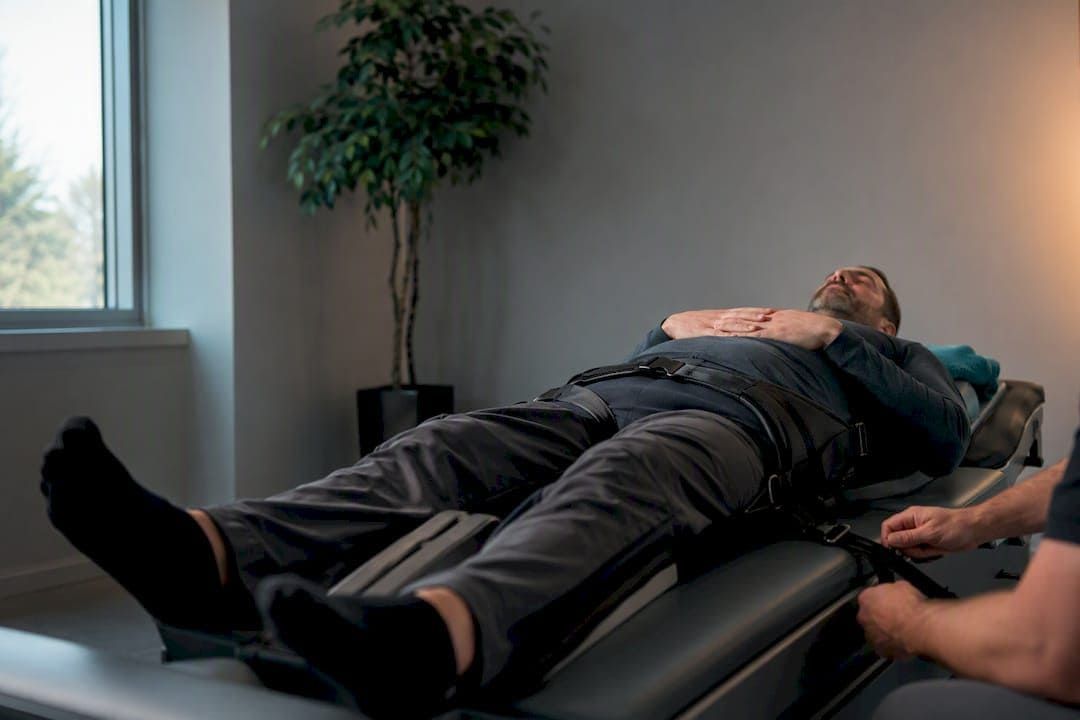
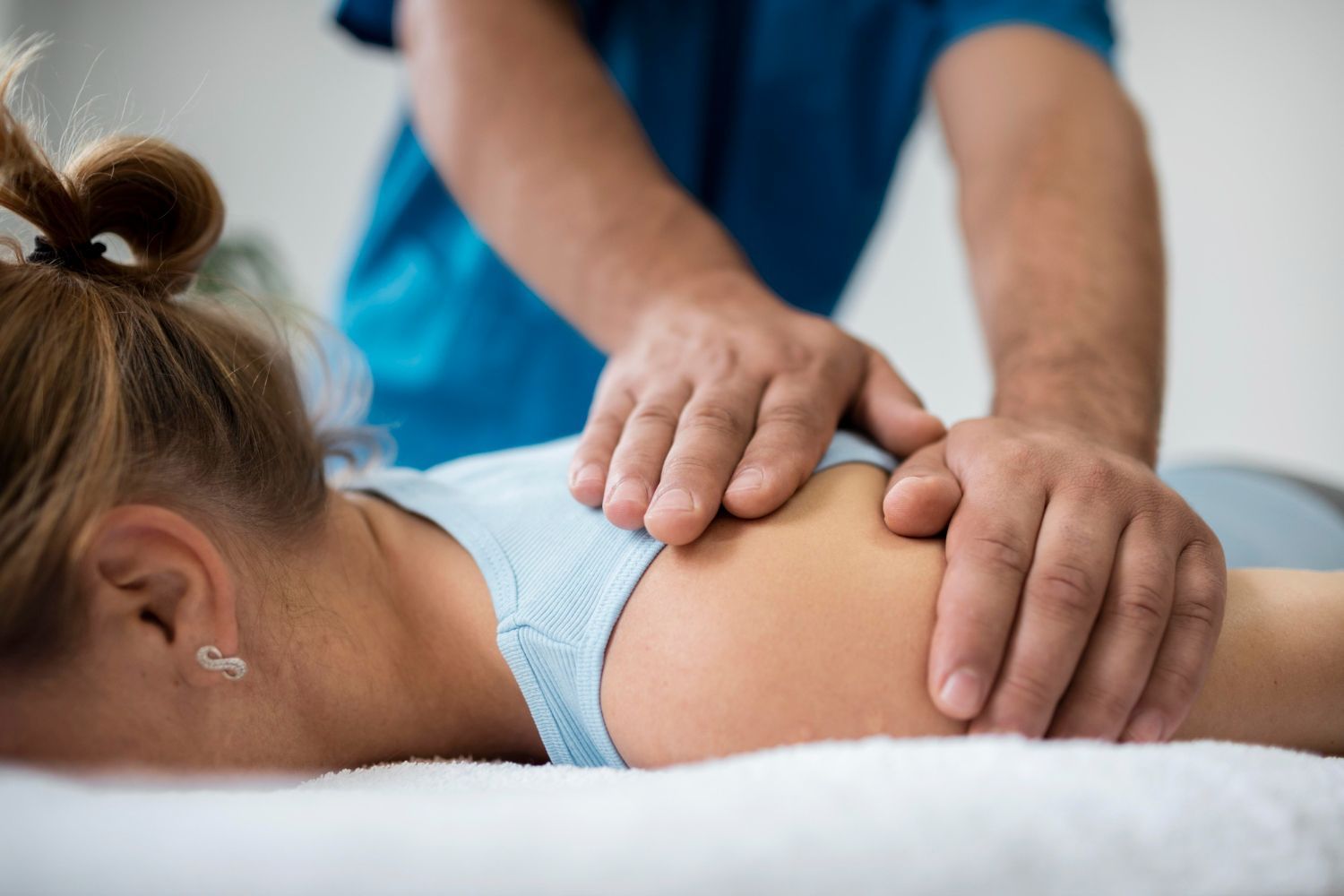
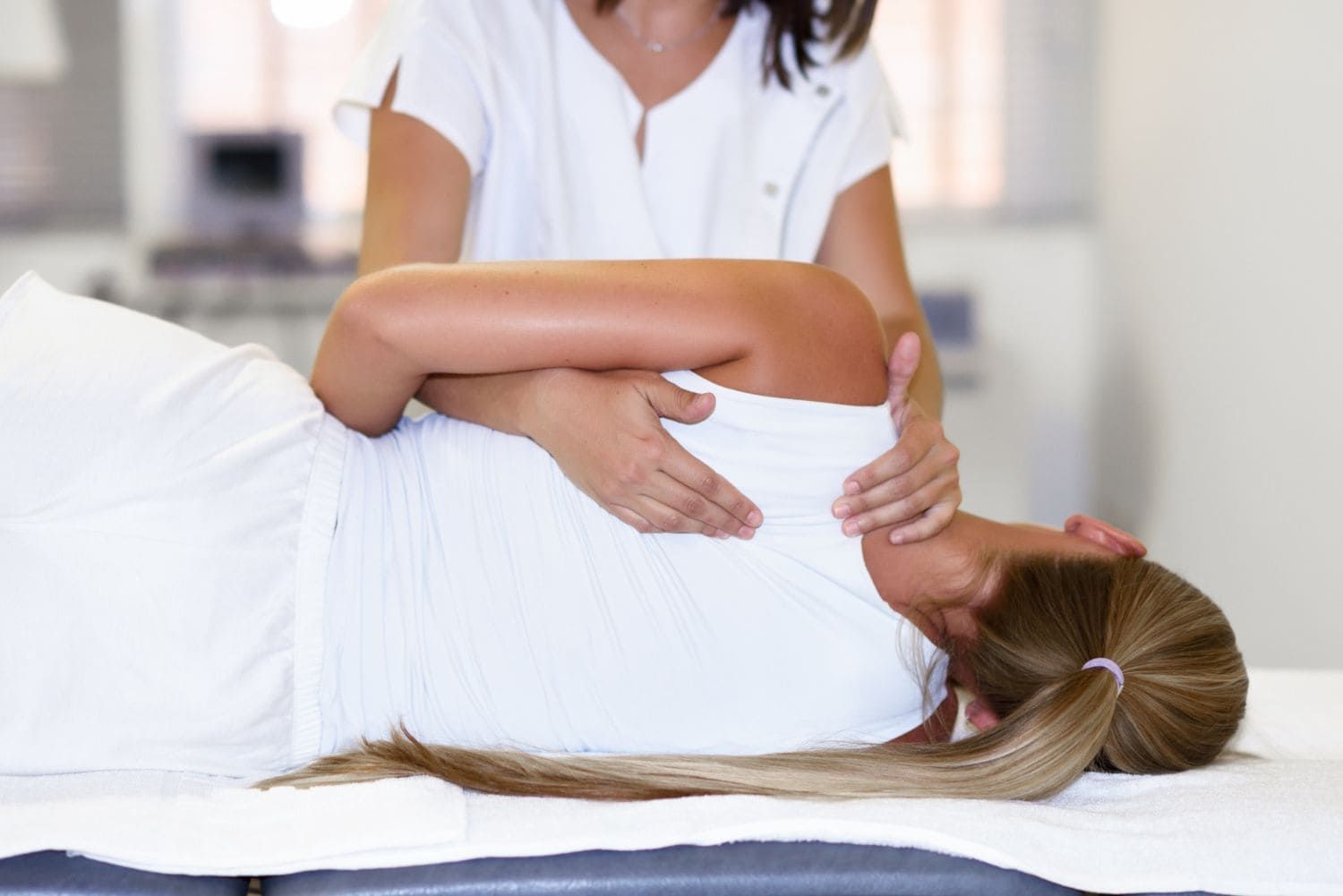
Passive rehabilitation, by contrast, is therapist-driven. Think of ultrasound therapy, electrical stimulation, massage, or hot and cold packs. These modalities are applied to you. They can reduce acute pain and prepare tissue for movement, but they do not build strength, restore motor control, or teach your nervous system to move confidently again. As research confirms, active therapy is foundational while passive therapy serves as an adjunct, not the primary driver of recovery.

Active rehabilitation involves:

  • Progressive exercises tailored to your current capacity and diagnosis
  • Neuromuscular engagement that retrains how your brain and muscles communicate
  • Patient education about pain, movement, and what your body can safely tolerate
  • Gradual loading that builds tissue resilience over time without pushing into harmful pain

The patient empowerment element is not a soft, feel-good addition. Patient empowerment through active participation is critical for sustained adherence and long-term recovery success. When you understand why you're doing each exercise and see measurable progress, you stay consistent. Consistency is what produces lasting outcomes.

Pro Tip: If your current treatment plan has you lying on a table for most of your session without performing any exercises yourself, ask your provider how active rehabilitation fits into your recovery.

What the research says about effectiveness

The science here is not ambiguous. Active rehabilitation consistently outperforms passive-only approaches across a wide range of conditions, and the 2025 literature makes this clearer than ever.

A 2025 nonrandomized clinical trial following patients after lumbar fusion surgery found that those placed in a structured rehabilitation pathway achieved an 88% return-to-work rate compared to just 56% in the control group. That is not a marginal difference. That is a life-changing gap in functional recovery.

Chronic pain patients show equally compelling results. An 8-week functional restoration program produced statistically significant reductions in depression, anxiety, and disability scores compared to conventional medical management, with all measures reaching p < 0.001. Pain is not purely physical, and active rehabilitation addresses the psychological dimensions too.

Condition Outcome Source
Post-lumbar fusion surgery 88% vs. 56% return-to-work rate 2025 clinical trial
Chronic pain (8-week program) Significant drop in depression, anxiety, and disability Functional restoration study
Chronic knee pain Better pain, function, and reduced fear of movement at 12 months Randomized controlled trial

A 12-month randomized controlled trial on chronic knee pain found that multimodal active physiotherapy combining pain neuroscience education, neuromuscular exercises, and manual therapies significantly outperformed conventional therapy in pain relief and functional outcomes. The results held at the full 12-month follow-up, which matters because short-term wins that fade are not the goal.

"Active exercises engage neuromuscular systems, promote neuroplasticity, and build self-efficacy leading to longer-lasting functional independence compared to passive interventions." — BTE Technologies, Therapy Spark

The neurological explanation is straightforward. When you perform active movement, your brain generates new motor patterns. This process, called neuroplasticity, creates lasting changes in how your nervous system coordinates movement. Passive treatments cannot replicate this. They treat symptoms. Active rehabilitation builds motor learning and cortical adaptations that carry forward into your daily life.

Common active rehabilitation techniques

Understanding what active rehabilitation involves means knowing the building blocks. Programs are not random collections of exercises. They are layered, purposeful, and built around your recovery stage.

Here is how a well-designed program typically progresses:

  1. Mobility and range of motion work. Early-stage exercises focus on restoring joint movement and reducing stiffness. This might mean gentle cervical rotations after a whiplash injury or hip circles following a hip replacement. The goal is to reestablish movement without overloading healing tissue.
  2. Neuromuscular control exercises. Before you add load, you need your nervous system firing correctly. Single-leg balance work, controlled trunk activation, and proprioceptive drills retrain the communication between your joints and your brain. These exercises prevent re-injury by restoring coordination, not just muscle bulk.
  3. Progressive strength training. Once basic control is established, resistance loading begins. This follows the principle of gradual progressive overload, where the demand placed on tissue increases incrementally. This is how you rebuild genuine strength without triggering setbacks. Learning about therapeutic exercise for pain recovery can help you understand how this phase is structured.
  4. Pain neuroscience education. This is one of the most underutilized techniques in rehabilitation. Teaching patients how pain works, why movement does not equal damage, and how fear-avoidance creates chronic disability is itself therapeutic. Studies show that addressing the cognitive side of pain dramatically improves outcomes, particularly for chronic conditions.
  5. Functional movement integration. The final phase connects isolated strength and control to the real-world tasks you need: lifting, bending, walking, sports-specific movement. This is where rehabilitation meets actual life.

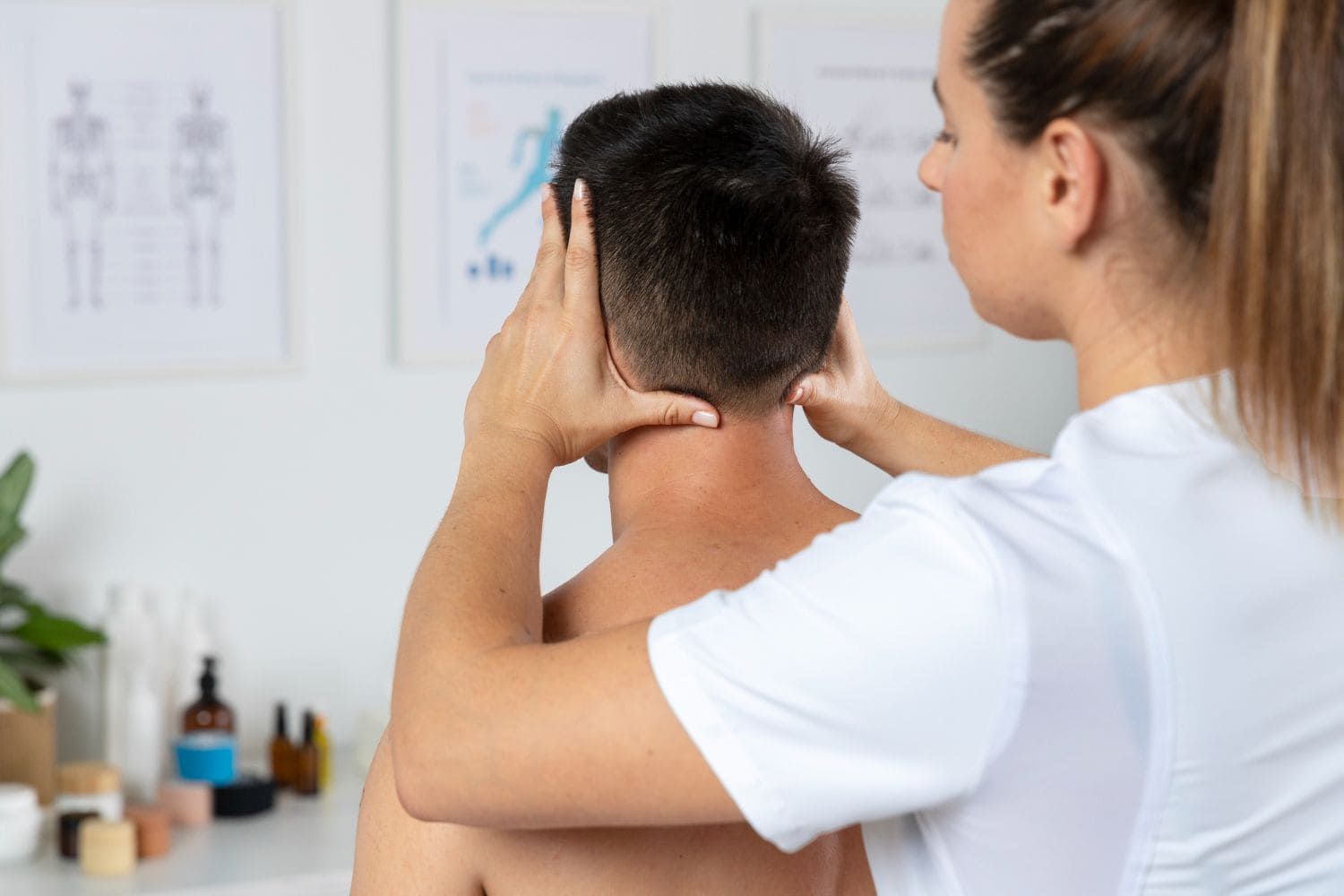
Pro Tip: Early in your program, some passive adjuncts like manual therapy or heat may help reduce pain enough to allow you to move. Accept these as preparation for active work, not as the treatment itself.

active rehabilitation program

How to engage with active rehab safely

Knowing the concept is one thing. Applying it during a painful or uncertain recovery is another. Here is what actually helps.

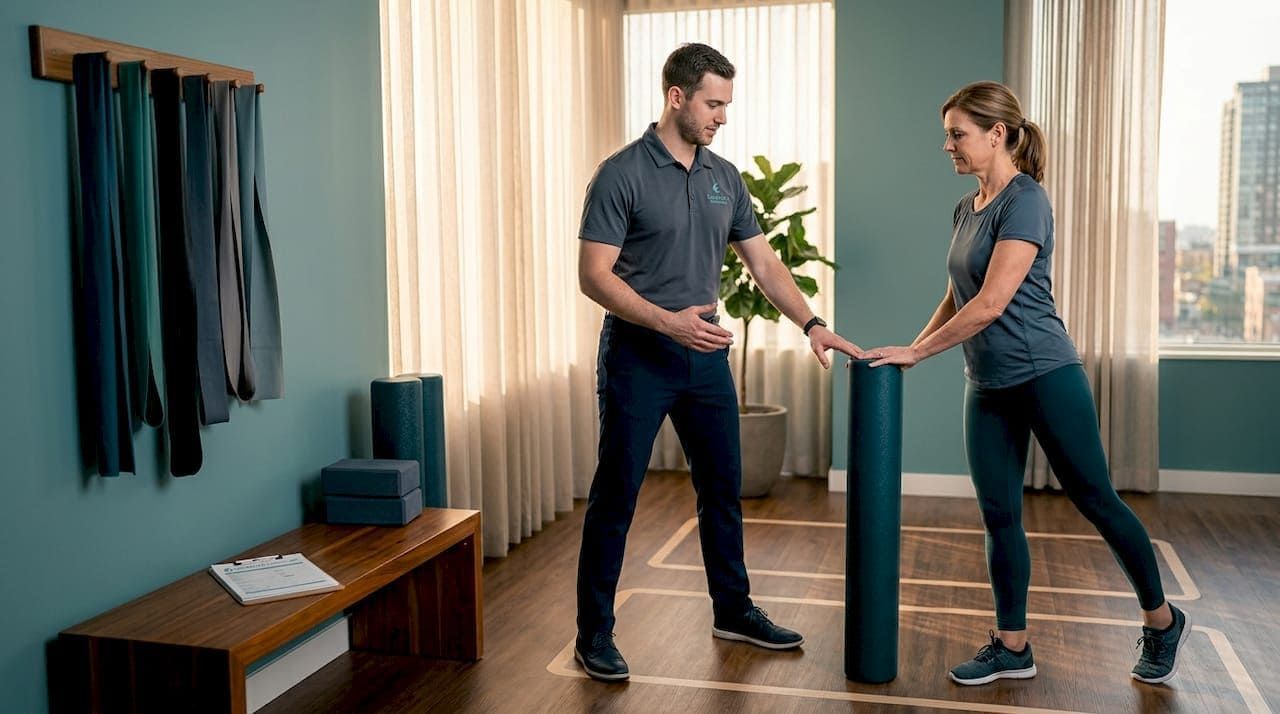
  • Work with a qualified provider. Active rehabilitation is not the same as exercising through pain on your own. A clinician assesses your baseline, identifies movement faults, and creates a program matched to your specific tissue tolerance. If you are in West Central Florida, providers who specialize in physical therapy exercises for pain relief can guide this process with precision.
  • Understand fear-avoidance and how to break it. After injury, it is natural to avoid movements that previously hurt. But graded exposure within your tolerance systematically reintroduces those movements, retraining both your tissue and your brain's threat response. Avoidance without guidance leads to deconditioning, which makes pain worse over time.
  • Set goals in terms of function, not just pain. "I want to walk two blocks without stopping" is a better goal than "I want my pain to be a two out of ten." Function-focused goals give you something to build toward and allow you to track real progress independent of daily pain fluctuations.
  • Track your progress week over week. Small, consistent gains are the signal that your program is working. Keep notes on what you can do this week versus last week. Progress is not linear, but the trend over weeks should move forward.
  • Recognize when passive care is a setup, not the solution. Manual therapy, chiropractic adjustments, and similar modalities can reduce pain and improve mobility enough to allow movement. They are most effective as preparation for active work, not as the endpoint. Understanding rehab after injury for long-term health helps clarify this distinction.

My take on what actually changes outcomes

I've worked alongside patients and clinicians long enough to see the pattern clearly. The people who struggle longest with injury recovery are almost never the ones with the worst initial diagnosis. They are the ones who were never taught that their body needs to be challenged, not protected indefinitely.

I've seen patients who spent years cycling through passive treatments, each providing temporary relief and zero lasting change. The moment they shifted to a structured active program, things moved. Not because the exercises were magic, but because their body finally received the right signal: you are capable of more than this.

What I find most telling is the psychology shift. When patients start doing the work themselves, they stop feeling like victims of their injury. That identity change matters enormously for adherence, for motivation, and ultimately for outcomes. The research on prolonged rest delaying recovery confirms what I've observed in real recovery stories over and over.

The misconception I push back on hardest is that pain during exercise means damage. It almost never does. What it usually means is that your nervous system is recalibrating. A good clinician teaches you to read that difference, and that education alone changes how patients engage with their own recovery. That shift, from fear to informed confidence, is where lasting recovery begins.

Ready to start your active recovery at Essentialchirocare

If this article has made one thing clear, it is that recovery is not something that happens to you while you wait. It happens because of what you do. At Essentialchirocare, the clinical team in West Central Florida builds personalized rehabilitation programs that integrate active techniques from the ground up. Whether you are recovering from a sports injury, dealing with chronic back pain, or working through post-accident stiffness, the approach is the same: guided progression, patient education, and real functional goals.

Facilities focused on active rehabilitation techniques consistently produce better outcomes and higher patient satisfaction than those relying on passive care alone. The Essentialchirocare team brings that philosophy to every treatment plan, backed by expert chiropractic care that addresses the root causes of pain rather than just the symptoms. Explore the options available for your recovery and take the first step toward moving well again.

FAQ

  • What is the active rehabilitation definition?

    Active rehabilitation is a patient-driven recovery approach that uses progressive, guided exercises to restore strength, function, and movement after injury or chronic pain. Unlike passive therapies, the patient performs the therapeutic work under clinical supervision.

  • Is active rehabilitation effective for chronic pain?

    Yes. An 8-week functional restoration program produced statistically significant reductions in depression, anxiety, and disability compared to conventional care, and a 12-month trial confirmed superior pain and function outcomes for active physiotherapy over standard treatment.

  • How does active rehabilitation work differently from passive rehab?

    Passive rehabilitation applies treatments to the patient, such as massage or electrical stimulation, while active rehabilitation has the patient perform exercises that build neuromuscular control, tissue resilience, and functional capacity over time.

  • What does active rehabilitation involve in a typical program?

    A typical program includes mobility exercises, neuromuscular control drills, progressive strength training, pain neuroscience education, and functional movement tasks, all progressed according to the patient's tolerance and recovery stage.

  • How long does active rehabilitation take to show results?

    Results vary by condition and severity, but structured programs often show measurable functional improvements within 6 to 8 weeks. A 2025 study on lumbar fusion patients showed significantly better return-to-work rates with active rehabilitation compared to standard care over a similar timeframe.

Recommended

how stress affects the spine
By Essential ChiroCare Blogger June 1, 2026
Discover how stress affects the spine and learn effective strategies to alleviate pain and improve your spinal health. Take control today!
migraine chiropractor Tampa
By Essential ChiroCare Blogger May 31, 2026
Learn how sunshine, sleep, and hydration habits can affect headaches, and how a migraine chiropractor in Tampa may help ease tension this summer.
back strain after moving
By Essential ChiroCare Blogger May 30, 2026
Lifting in the Tampa heat can strain your body. Learn when it’s time to see a back adjustment chiropractor in Sarasota for longer-lasting pain.
best practices in pain management
By Essential ChiroCare Blogger May 29, 2026
Discover the best practices in pain management to find effective relief. Learn evidence-based strategies for a healthier, pain-free life.
post accident care checklist
By Essential ChiroCare Blogger May 28, 2026
Streamline your healing with our essential post-accident care checklist. From legal steps to mental health tips, ensure a full recovery!
what is therapeutic massage
By Essential ChiroCare Blogger May 27, 2026
Discover what therapeutic massage is and how it can provide effective pain relief and promote healing. Transform your recovery today!
chiropractic benefits workflow
By Essential ChiroCare Blogger May 26, 2026
Discover the chiropractic benefits workflow for effective pain relief. Learn how structured care empowers your recovery journey. Start today!
what is chronic whiplash
By Essential ChiroCare Blogger May 25, 2026
Discover what chronic whiplash really means. This complete recovery guide unveils treatments and insights for lasting relief. Click to learn more!
post-accident therapy methods
By Essential ChiroCare Blogger May 24, 2026
Discover effective post-accident therapy methods that speed recovery and reduce pain. Regain your strength and confidence today!
self-care strategies for pain relief
By Essential ChiroCare Blogger May 23, 2026
Discover evidence-based self-care for pain strategies that improve your daily life, function, and sleep. Find real relief today!
Show More