
Why Physical Rehabilitation Matters for Pain Recovery
TL;DR:
- Physical rehabilitation restores movement, strength, and function after injury or illness through active, evidence-based therapy. Early rehab reduces long-term disability by preventing muscle loss, joint stiffness, and dependency. It benefits various conditions by promoting faster recovery, reducing opioid use, and addressing physical and psychological factors.
Physical rehabilitation is the process of restoring movement, strength, and function after injury, illness, or chronic pain. It is not a passive treatment. Rehab is an active, evidence-based discipline that addresses the root causes of physical decline rather than masking symptoms. For anyone living with acute or chronic pain, understanding why physical rehabilitation matters is the first step toward real recovery. The benefits of physical rehabilitation extend far beyond the clinic, touching every part of daily life, from getting out of bed without wincing to returning to the activities you love.

Why physical rehabilitation matters for preventing long-term disability
The most urgent reason to start rehab early is simple: delayed movement makes everything worse. Early physiotherapy reduces complications from prolonged immobility, preventing muscle loss and joint stiffness that compound over time. Every day spent inactive after an injury or surgery increases the risk of becoming dependent on caregivers for basic tasks.
The body responds to inactivity with a predictable and damaging sequence. Muscles weaken, joints stiffen, circulation slows, and the nervous system begins to interpret normal movement as threatening. Early movement interrupts this pain-guarding-stiffness cycle before it becomes entrenched. The goal in the first phase of rehab is not to build strength. It is to stop the downward spiral.
This principle applies even in the most severe medical settings. ICU physical rehabilitation is safe, reduces hospital stays, and lowers long-term disability in critically ill patients. Patients who receive early mobilization in intensive care units recover faster and experience fewer post-discharge complications than those who remain bedridden.
The physical rehabilitation advantages of starting early include:
- Preserved muscle mass: Muscles begin to atrophy within 24–48 hours of immobility. Early movement slows this process significantly.
- Reduced joint stiffness: Gentle range-of-motion exercises maintain cartilage health and prevent adhesions from forming.
- Faster functional independence: Patients who begin rehab early return to self-care tasks sooner, reducing caregiver burden.
- Lower risk of blood clots: Mobilization improves circulation and reduces deep vein thrombosis risk in post-surgical patients.
- Better mental health outcomes: Physical activity during recovery reduces anxiety and depression linked to prolonged illness.
Pro Tip: Consistency matters more than intensity in early rehab. Short, frequent sessions of gentle movement produce better outcomes than occasional intense efforts.
How rehabilitation aids recovery from chronic pain without medication
Chronic pain is not simply an injury that did not heal. It is a condition shaped by physical, psychological, and lifestyle factors working together. Chronic pain management succeeds when physical rehab is combined with multidisciplinary psychosocial and lifestyle interventions for sustained improvement. Treating only the physical component leaves the other drivers of pain untouched.
A well-designed rehab plan for chronic pain addresses the full picture. Physical activity is recommended for chronic pain management alongside non-pharmacological therapies such as mental health support, sleep management, and psychological therapies. This is not a soft approach. It is the approach supported by clinical guidelines.
The impact of physical therapy on opioid use is measurable and significant. Direct access to physical therapy reduces per-capita opioid pill volume by 15.4%. That figure represents real patients who found enough relief through rehab that they needed fewer or no opioids to function. For anyone concerned about medication dependence, that is a compelling reason to pursue long-term pain relief strategies through structured rehabilitation.
A comprehensive chronic pain rehab plan typically follows this progression:
- Assessment and baseline measurement: A clinician evaluates pain levels, movement limitations, sleep quality, and psychological factors before designing any program.
- Graded physical activity: Exercise intensity increases gradually, allowing the nervous system to recalibrate its pain response without triggering flare-ups.
- Cognitive behavioral therapy (CBT) integration: CBT addresses the thought patterns that amplify pain perception and reduce a patient's confidence in movement.
- Sleep and nutrition coaching: Poor sleep worsens pain sensitivity. Nutritional deficiencies impair tissue repair. Both are addressed as part of a complete plan.
- Self-management skill building: The end goal is independence. Patients learn to manage flare-ups, maintain activity, and recognize warning signs without constant clinical support.
Where does rehabilitation make the biggest difference?
Physical rehabilitation is not one-size-fits-all. The goals, methods, and timelines shift depending on the condition being treated. The importance of physical rehabilitation shows up differently across three major contexts.
| Rehabilitation context | Primary goals | Key methods | Measurable benefit |
|---|---|---|---|
| Musculoskeletal injury and post-surgery | Restore range of motion, rebuild strength, return to activity | Manual therapy, therapeutic exercise, physical therapy exercises | Faster return to work and daily function |
| Critical illness and ICU recovery | Prevent deconditioning, restore independence, reduce readmission | Early mobilization, breathing exercises, progressive resistance | Shorter hospital stays, lower disability rates |
| Cardiac rehabilitation | Reduce cardiovascular risk, improve endurance, support lifestyle change | Supervised aerobic exercise, education, stress management | Lower mortality and fewer adverse cardiac events |
Cardiac rehabilitation, including exercise and education, significantly improves outcomes after procedures like percutaneous coronary intervention by lowering mortality and adverse cardiac events. This is a context many people overlook when thinking about rehab. The heart responds to structured exercise just as muscles and joints do.
ICU rehabilitation must span across discharge points with coordinated, multidisciplinary care to optimize outcomes and reduce readmissions. A patient who improves in the ICU but receives no follow-up rehab after discharge often regresses. Continuity is not optional. It is what separates short-term improvement from lasting recovery.
Interdisciplinary teamwork drives results across all three contexts. Physiotherapists, chiropractors, psychologists, nutritionists, and physicians each address a different piece of the recovery puzzle. No single provider can cover all of it alone.
What does the physical rehabilitation process actually look like?
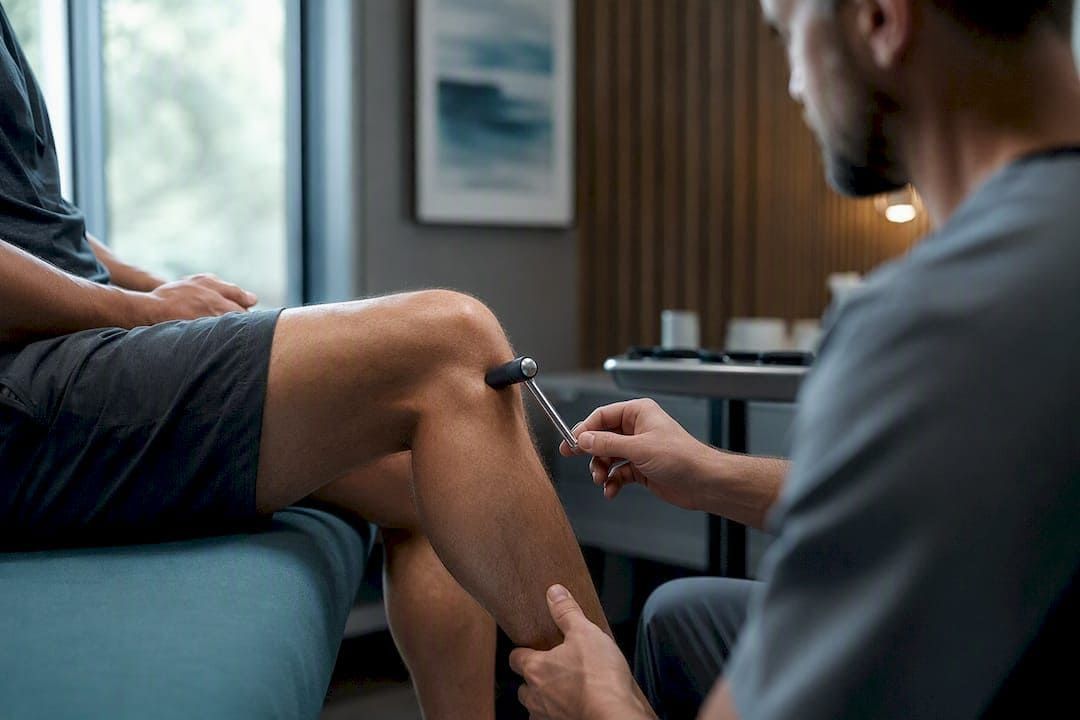
The rehab process begins with a thorough assessment, not a generic exercise sheet. A clinician evaluates your current movement capacity, pain triggers, functional goals, and any psychological factors affecting recovery. From that baseline, a personalized plan is built with short, medium, and long-term goals.
Common activities in a structured rehab program include:
- Range-of-motion exercises: Gentle movements that restore flexibility and reduce stiffness in affected joints.
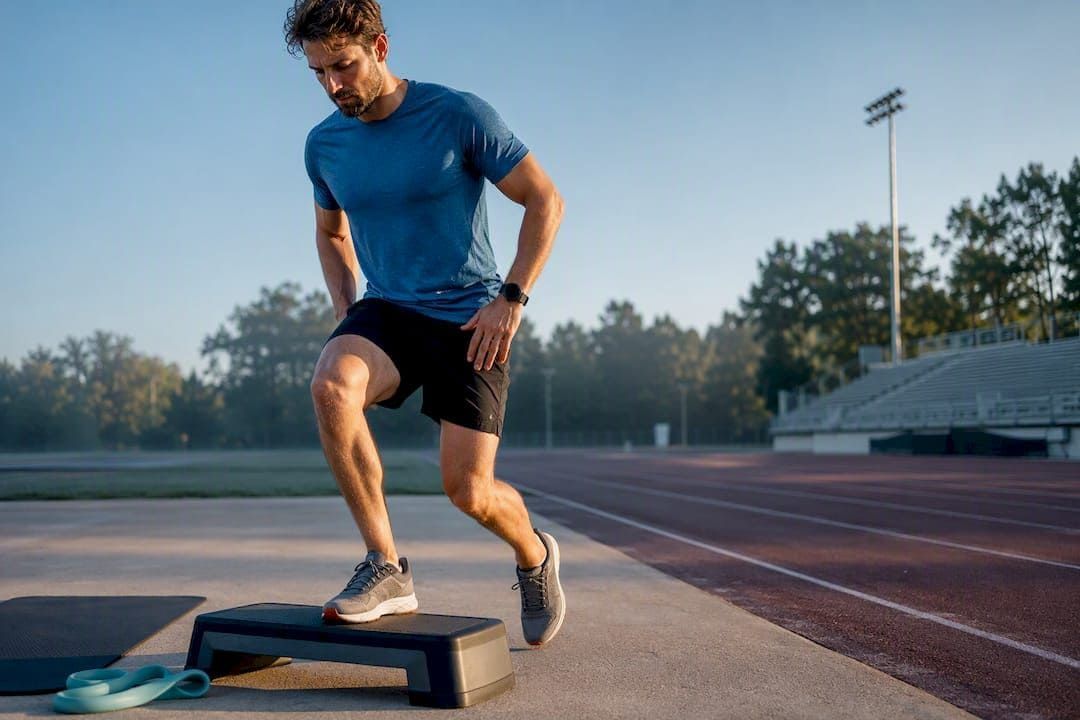
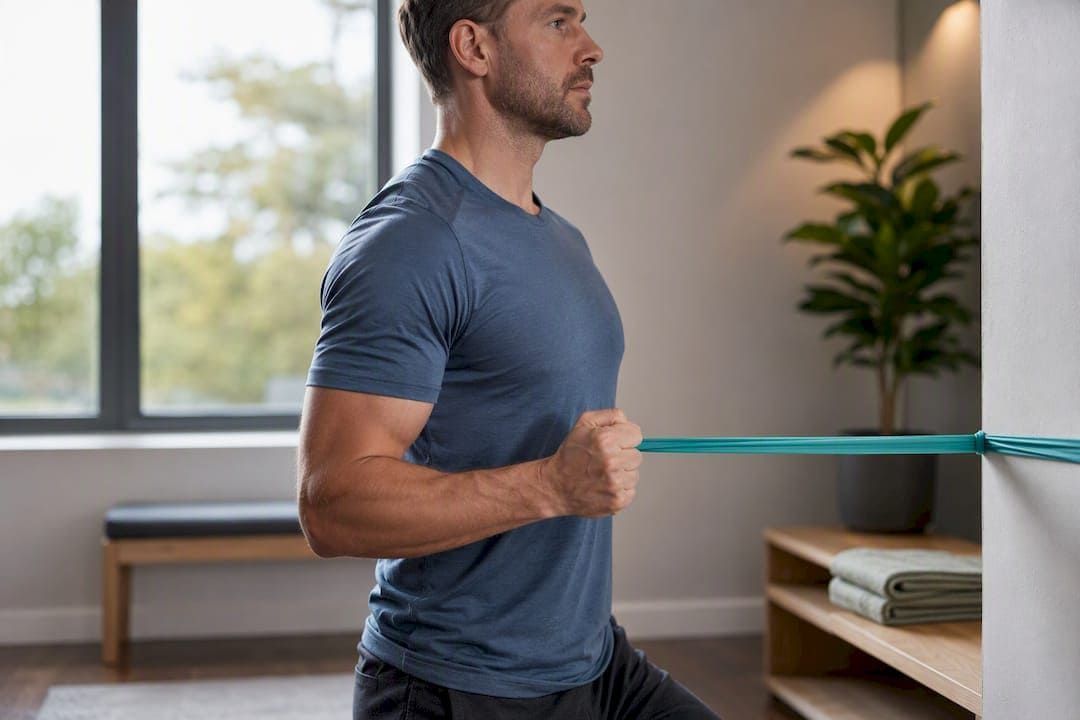
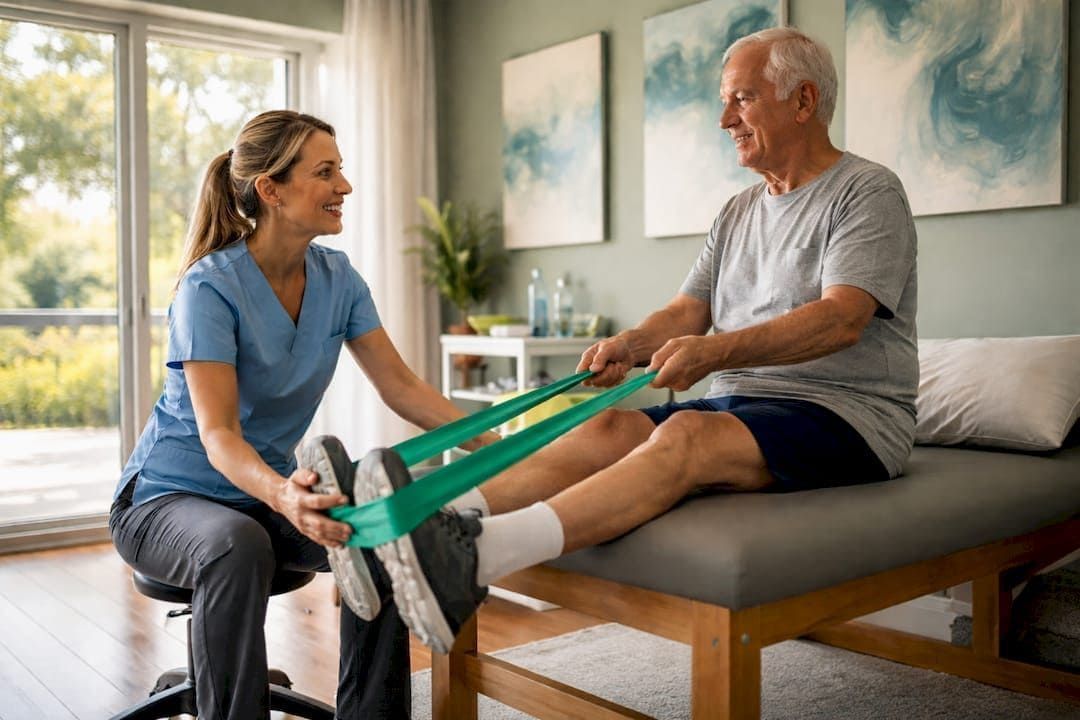
- Strengthening exercises: Progressive resistance work that rebuilds the muscles supporting injured or painful areas.
- Balance and coordination training: Especially important after neurological events, falls, or lower limb injuries.
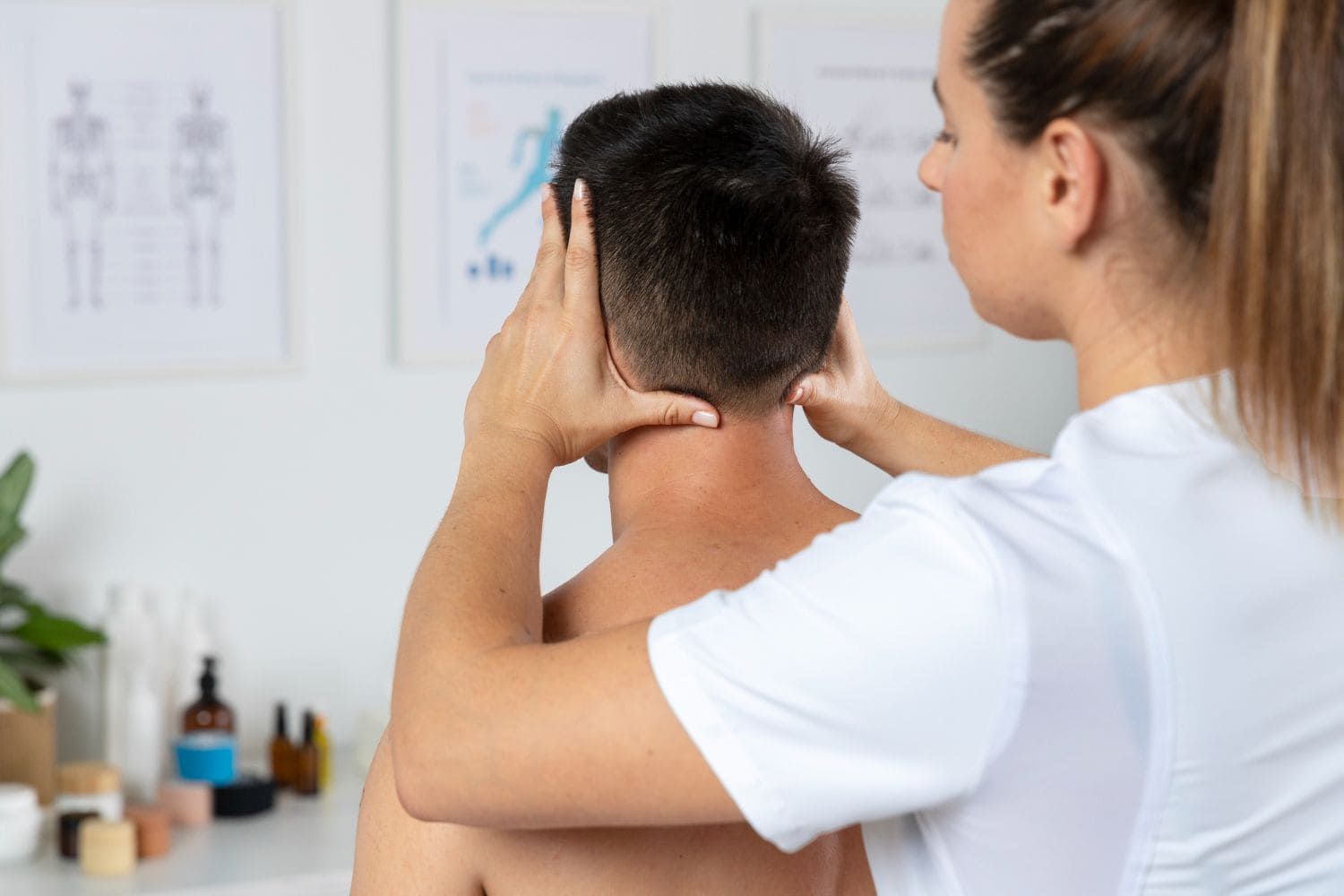
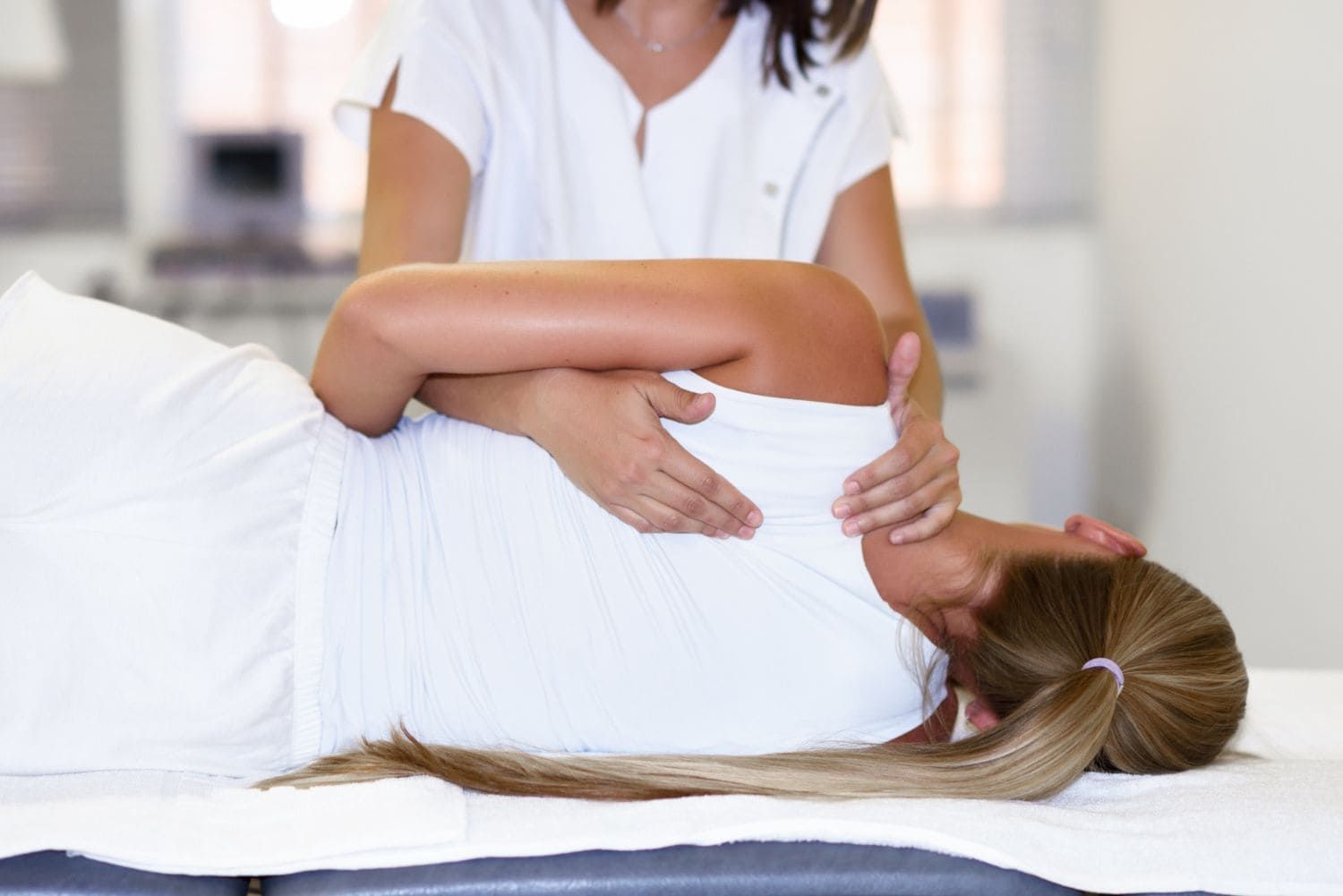
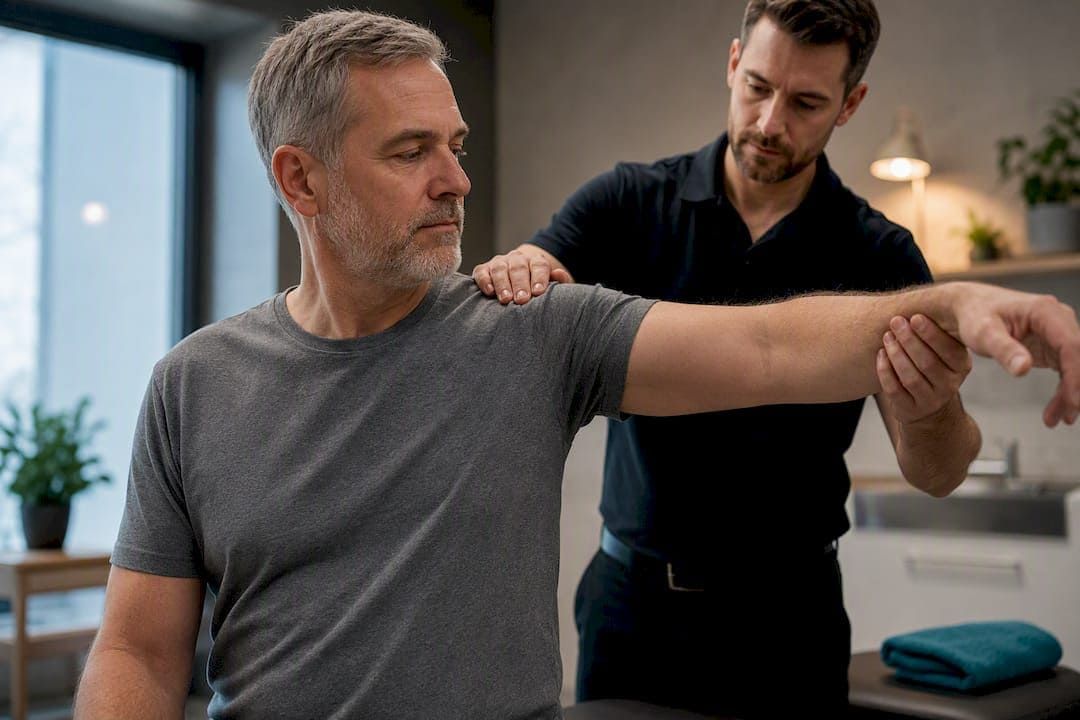
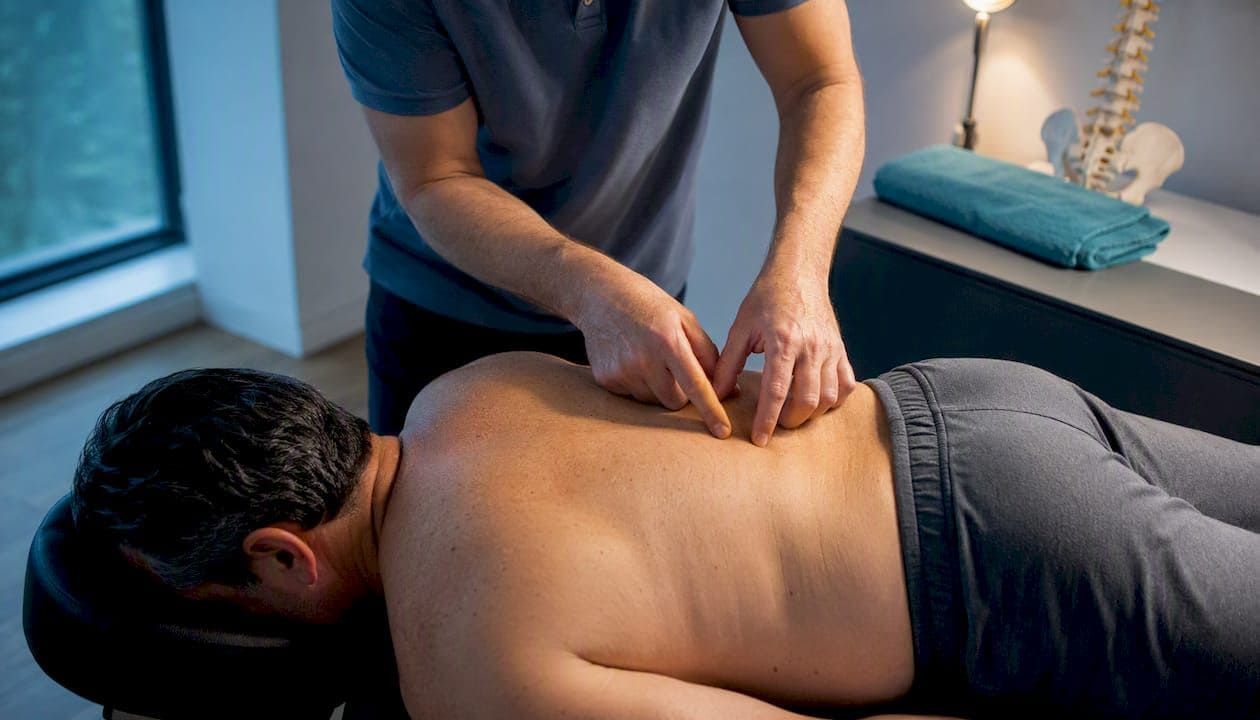
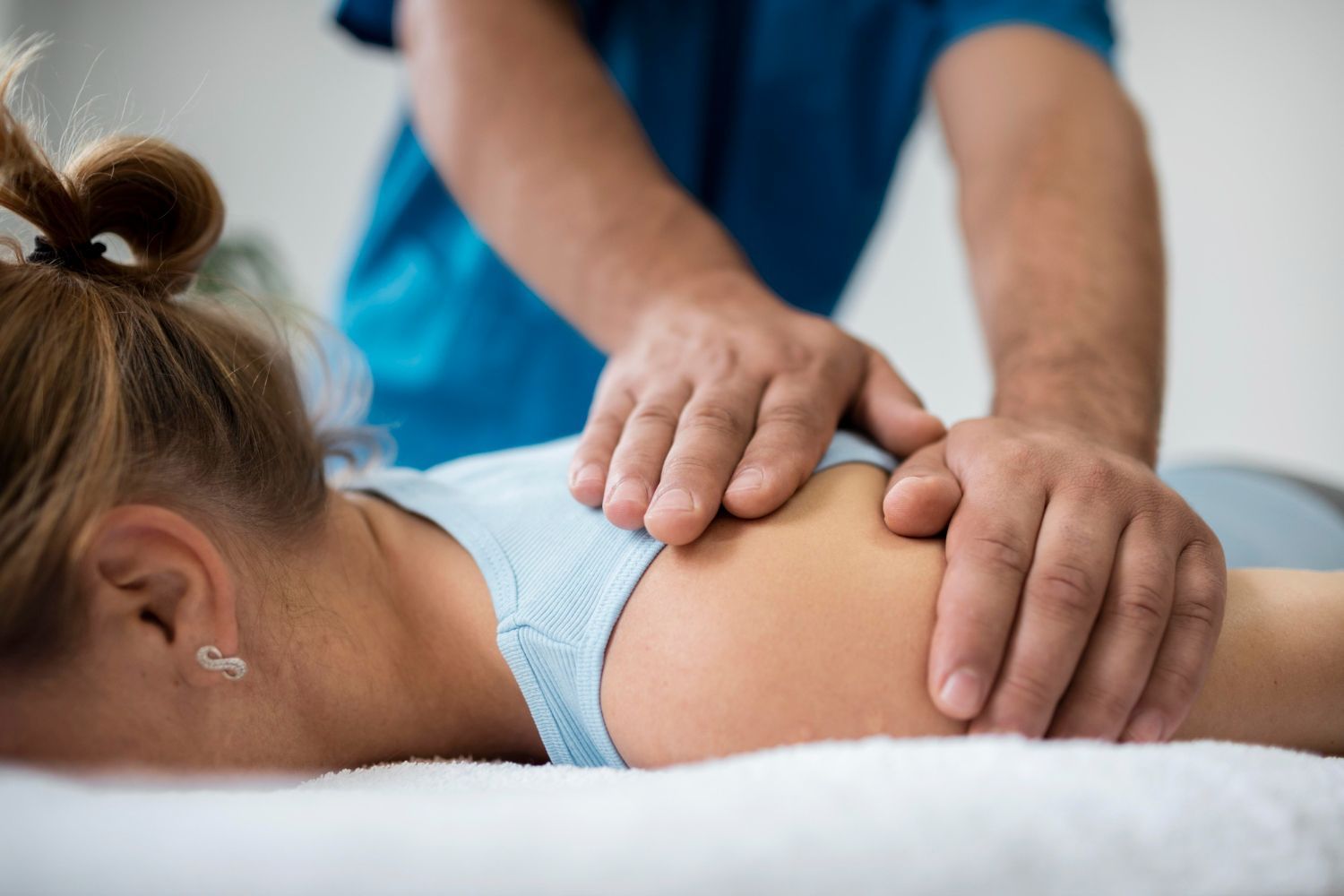
- Manual therapy: Hands-on techniques applied by a therapist to reduce pain and improve tissue mobility.
- Education and self-management training: Teaching patients to understand their condition and manage it between sessions.
Motivation and setting small milestones in rehabilitation enhance patient engagement and gradually improve independence and quality of life. Progress in rehab is rarely linear. There will be days that feel like setbacks. Recognizing small wins, such as walking an extra block or sleeping through the night without pain, keeps patients committed through the difficult stretches.
Mental health support is not a bonus feature in good rehab programs. It is a core component. Anxiety about re-injury, depression from prolonged pain, and fear of movement all slow physical recovery. Addressing these factors directly produces better physical outcomes.
Pro Tip: Set one specific, measurable goal for each week of rehab. "Walk to the mailbox without stopping" beats "try to move more" every time. Specificity builds momentum.

Key Takeaways
Physical rehabilitation restores function, prevents long-term disability, and reduces reliance on opioids when it begins early and follows a personalized, multidisciplinary plan.
| Point | Details |
|---|---|
| Start rehab early | Early movement prevents muscle loss, joint stiffness, and caregiver dependence after injury or illness. |
| Chronic pain needs more than exercise | Effective rehab combines graded activity with CBT, sleep management, and nutrition for lasting results. |
| Rehab reduces opioid use | Direct access to physical therapy cuts per-capita opioid pill volume by 15.4%, per published research. |
| Context shapes the approach | Musculoskeletal, cardiac, and critical illness rehab each require different goals, methods, and timelines. |
| Milestones drive motivation | Setting small, specific weekly goals keeps patients engaged and builds measurable momentum over time. |
The part most patients never hear about
I have seen patients arrive weeks or months after an injury, frustrated that rest did not fix them. Rest is not rehab. Rest stops the bleeding. Rehab rebuilds the structure. The difference between those two things is the difference between managing pain and actually recovering from it.
What strikes me most is how often patients underestimate the psychological side of recovery. Pain changes how the brain processes movement. A patient who has guarded a sore shoulder for three months does not just have a weak shoulder. They have a nervous system that has learned to treat that shoulder as dangerous. Physical exercises alone do not undo that. The rehab has to address the fear alongside the function.
The other thing I would push back on is the idea that rehab is only for serious injuries. The benefits of rehabilitation show up just as clearly in people managing years of low-grade back pain or post-COVID fatigue. You do not need a dramatic diagnosis to benefit from a structured, personalized recovery plan. You just need a starting point and a clinician who takes your goals seriously.
Physical rehab services at Essentialchirocare
Essentialchirocare serves patients across Tampa, Brandon, Sarasota, Lakeland, and Pinellas Park with physical rehab services designed to restore strength, mobility, and daily function. The clinic's approach pairs experienced therapists with personalized treatment plans built around your specific condition and goals.
Whether you are recovering from a sports injury, managing chronic back pain, or rebuilding after an accident, Essentialchirocare's multidisciplinary team addresses both the physical and functional sides of recovery. Chiropractic adjustments, manual therapy, and guided rehabilitation work together to get you moving again. Schedule an appointment online or visit any Essentialchirocare location to start your chiropractic care and rehabilitation plan today.
FAQ
What is physical rehabilitation?
Physical rehabilitation is a structured clinical process that restores movement, strength, and function after injury, illness, or chronic pain. It combines therapeutic exercise, manual therapy, and patient education to support lasting recovery.
How soon should rehabilitation begin after an injury?
Rehabilitation should begin as early as clinically safe, often within the first 24–48 hours after injury or surgery. Early physiotherapy reduces complications from immobility and speeds the return to functional independence.
Can physical therapy replace pain medication?
Physical therapy does not replace medication in every case, but research shows that direct access to physical therapy reduces per-capita opioid pill volume by 15.4%. For many patients with chronic pain, structured rehab reduces or eliminates the need for ongoing medication.
How long does a typical rehabilitation program last?
Program length depends on the condition, severity, and individual goals. Acute injuries may resolve in 6–12 weeks, while chronic pain or post-surgical recovery often requires longer, phased programs with ongoing self-management support.
Is physical rehabilitation only for physical injuries?
Physical rehabilitation addresses both physical and psychological factors in recovery. Effective programs for chronic pain integrate graded exercise with cognitive behavioral therapy, sleep management, and stress reduction for complete recovery.