How Stress Affects the Spine: What You Need to Know
How Stress Affects the Spine: What You Need to Know
TL;DR:
- Stress causes measurable physiological changes in spinal muscles and posture, leading to back pain without structural injury. Chronic stress sensitizes the nervous system, amplifying pain perception and creating a self-reinforcing cycle of tension and discomfort. Addressing both stress management and physical treatment is essential for lasting spinal health and pain relief.
Your back pain might not be purely physical. Understanding how stress affects the spine means recognizing that emotional tension creates measurable, documented changes in spinal muscles, posture, and nerve sensitivity. You're not imagining it. The tightness in your neck after a brutal workday, the low back ache that won't quit during a rough week, the stiffness that sets in when anxiety spikes — these are real physiological events, not psychological overreactions. This article breaks down exactly what's happening in your body when stress hits, what that means for your long-term spinal health, and what you can actually do about it.
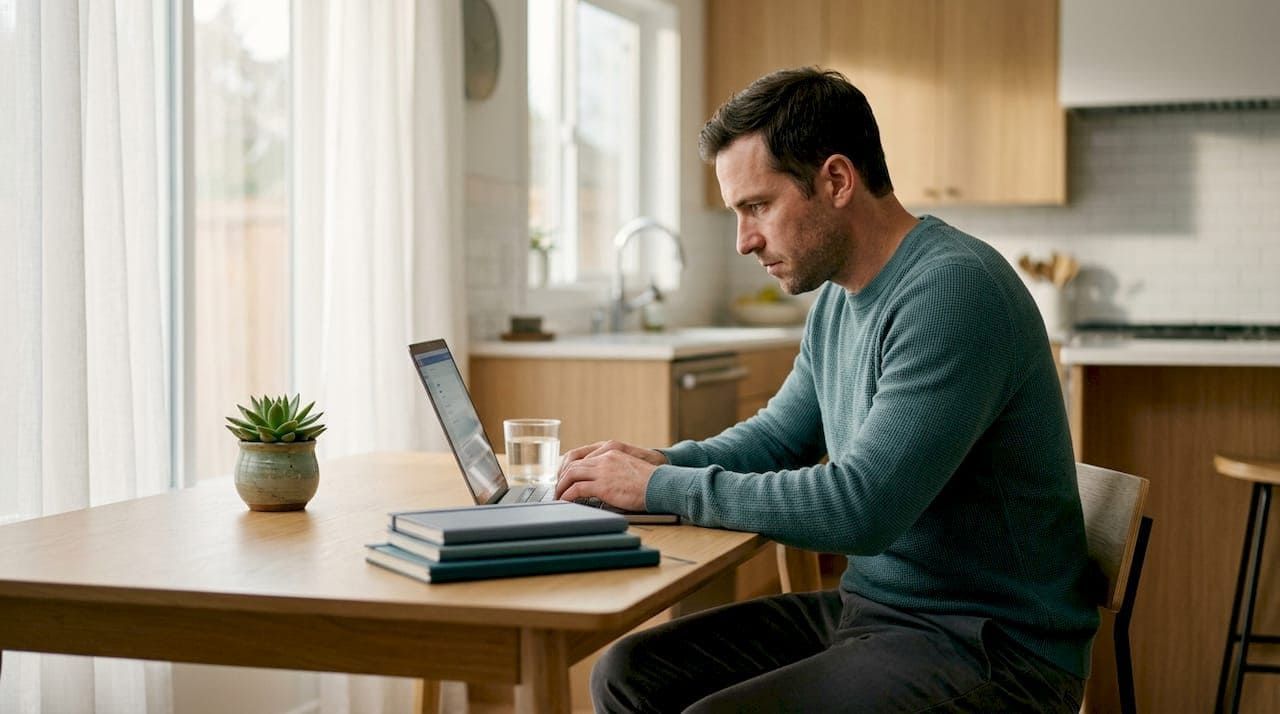
Table of Contents
- Key takeaways
- How stress affects the spine at a biological level
- How stress sensitizes your nervous system and amplifies pain
- Postural and behavioral consequences for spinal health
- Breaking the cycle: strategies that actually work
- Chronic stress, back pain, and mental health
- My perspective on treating the whole picture
- How Essentialchirocare can help you find lasting relief
- FAQ
Key takeaways
| Point | Details |
|---|---|
| Stress triggers real muscle tension | Stress hormones cause paraspinal muscles to contract, creating pain and stiffness with no structural injury. |
| Nervous system sensitization amplifies pain | Chronic stress lowers your pain threshold, making signals feel more intense even after tissue heals. |
| Poor posture multiplies spinal load | Stress-induced forward head posture adds up to 30 pounds of extra pressure on the cervical spine. |
| Pain and stress feed each other | Unmanaged stress worsens back pain, and ongoing pain increases stress, forming a self-reinforcing cycle. |
| Holistic treatment breaks the cycle | Chiropractic care, movement, and stress management together address the root cause, not just the symptoms. |
How stress affects the spine at a biological level
When your brain detects a threat, real or perceived, it floods your system with cortisol and adrenaline. These hormones tell your muscles to brace. That response made sense for early humans running from predators. For someone grinding through a stressful job or managing anxiety, it becomes a problem that never fully switches off.
The muscles most affected are the ones that support your spine directly. Your erector spinae runs along your entire back. Your trapezius spans the upper back and neck. Your quadratus lumborum anchors the lower back. When stress hits, all three contract and stay contracted. The result is the kind of low-grade ache and stiffness that feels constant but hard to explain.
Adrenaline also constricts blood vessels, cutting oxygen delivery to those already-tight muscles. When oxygen supply drops, lactic acid builds up. That's the burning, heavy sensation many people feel in their neck and lower back after a stressful stretch. It's the same chemical process that makes your legs burn during intense exercise, except here it's triggered by emotions, not exertion.
- Erector spinae: Runs along the full length of the spine; holds tension from both upper and lower stress
- Trapezius: Pulls the shoulders upward and forward; extremely reactive to psychological stress
- Quadratus lumborum: Deep lower back muscle; often the source of that "can't get comfortable" lumbar ache
Pro Tip: If you notice your shoulders creeping toward your ears throughout the day, that's your trapezius reacting to stress in real time. A deliberate shoulder roll and deep exhale can interrupt the contraction cycle before it sets in.
A striking 44% of U.S. adults report physical muscle tension directly caused by stress, with the neck, shoulders, and back as the primary sites. That number helps explain why back pain is one of the most common reasons people visit a doctor, even when imaging shows no structural damage.
How stress sensitizes your nervous system and amplifies pain
Here's where the stress impact on back pain gets more complex. When stress becomes chronic, the nervous system itself starts to change. This is called central sensitization. Your brain and spinal cord essentially recalibrate to interpret more signals as painful, even signals that wouldn't normally register that way.
Think of it like a car alarm that's been adjusted too sensitively. It goes off when a truck drives by, not just when someone breaks the window. Chronic stress triggers central sensitization that lowers the pain threshold, so minor physical sensations become amplified and normal spinal movement can feel threatening.
"Stress and back pain form a bidirectional cycle where muscle tension perpetuates pain and ongoing pain increases stress, keeping the nervous system hyperactive." — MSK Doctors
The cycle feeds itself. Stress increases pain perception. Pain increases anxiety. Anxiety amplifies stress. Each rotation tightens the loop. This explains why people with chronic back pain often feel worse during high-stress periods even when nothing has physically changed in their spine.
EMG research makes this even more concrete. Electromyography studies show that chronically stressed individuals maintain higher resting electrical activity in their paraspinal muscles. In other words, even when these patients feel calm or relaxed, their spinal muscles are still firing at an elevated baseline. They are guarding without knowing it.
Pro Tip: Body scan meditation takes about ten minutes and trains you to notice unconscious muscle tension before it compounds. Even five minutes before bed, working through your neck, shoulders, and lower back, can measurably reduce nighttime spinal tension.
Postural and behavioral consequences for spinal health
Stress doesn't just tighten muscles. It changes how you carry your body through the world, and those postural shifts stack up into real structural strain on the spine.
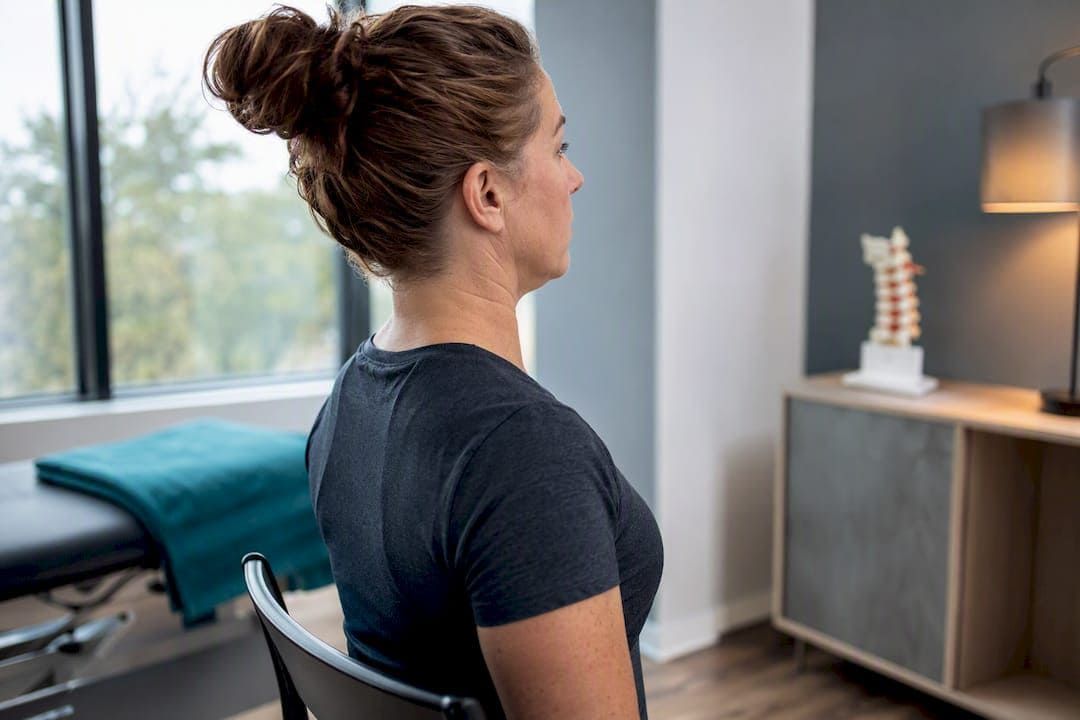
The most common is forward head posture. When you're stressed, anxious, or overwhelmed, you tend to round your shoulders and let your chin drift forward. This seems minor. It isn't. Stress-driven forward head posture shifts the head 2 to 3 inches forward and increases the load on the cervical spine by 20 to 30 pounds. The average adult head weighs about 10 to 12 pounds in a neutral position. Shift it forward and you're asking the cervical vertebrae and surrounding muscles to manage two to three times that load, all day long.
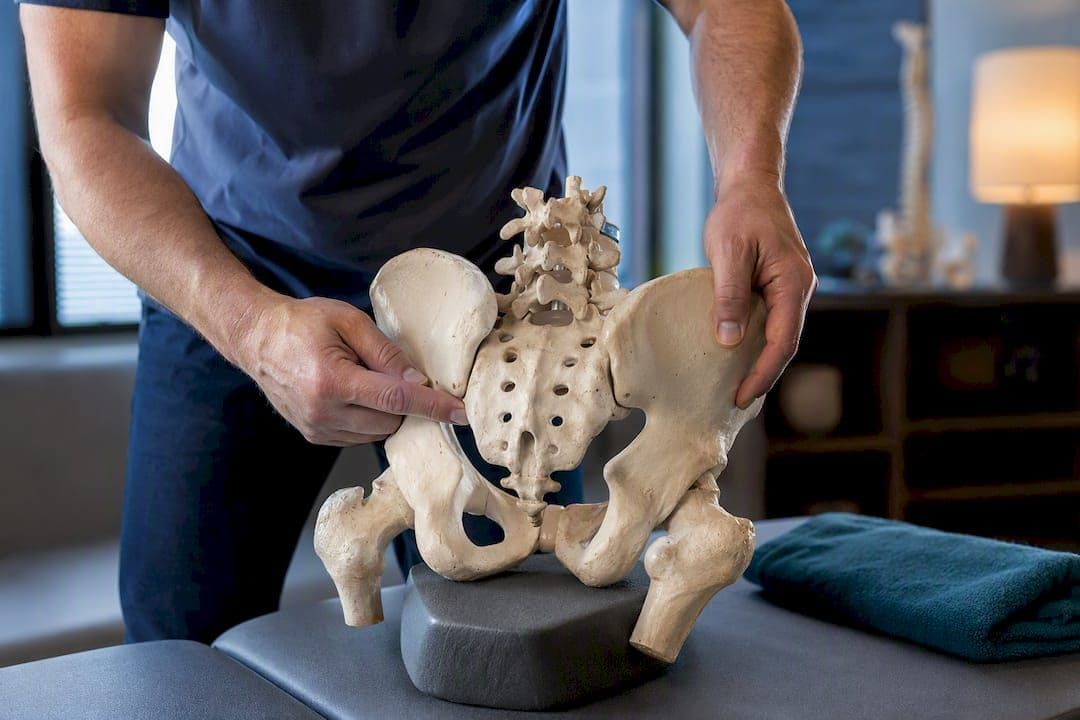
The lumbar spine bears its own burden. Stress reduces physical activity. People withdraw, sit more, move less. Increased sitting time raises pressure on the lumbar discs, especially at L4-L5 and L5-S1, which are the most commonly injured segments in the spine. Sedentary positioning also weakens the core muscles that normally take load off those discs.
| Postural change | Spinal region affected | Added load or risk |
|---|---|---|
| Forward head posture | Cervical spine (neck) | Up to 30 extra pounds of pressure |
| Rounded shoulders | Thoracic spine (mid-back) | Increased kyphosis and muscle strain |
| Posterior pelvic tilt from sitting | Lumbar spine (lower back) | Elevated disc pressure at L4-L5, L5-S1 |
| Reduced core activation | Full lumbar spine | Loss of natural stabilization |
- At your desk: Notice whether your head is directly over your shoulders or drifting forward. One adjustment changes the load on your cervical spine immediately.
- On your phone: Looking down at a screen is one of the fastest ways to reinforce the exact forward head posture that stress already promotes.
- While standing: Stress causes a subtle but real shift toward a slumped, collapsed posture. Standing taller is partly a biomechanical choice and partly a psychological one.

Breaking the cycle: strategies that actually work
The anxiety effects on spinal health won't resolve by treating either stress or back pain in isolation. You have to address both sides of the loop simultaneously. That's not a theory. It's what the research on holistic approaches to chronic pain consistently shows.
Here's what works:
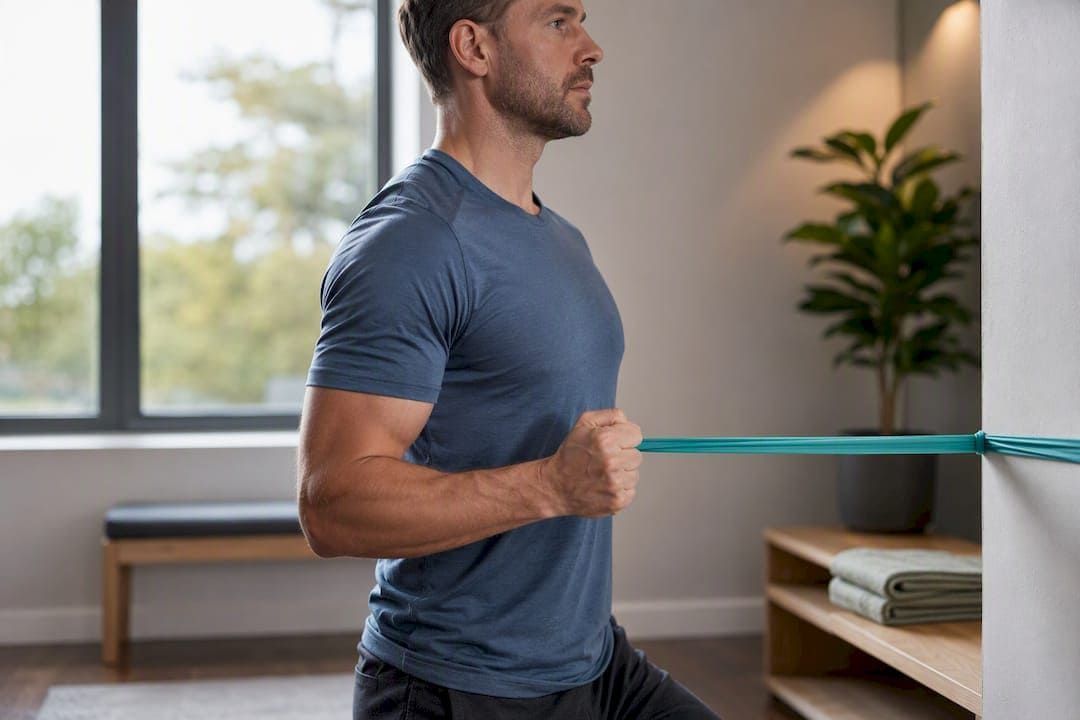
- Move early and often. Fear avoidance behaviors, where people stop moving because they're afraid of pain, dramatically increase the risk of chronic disability. The biology supports gentle, consistent movement as one of the most effective things you can do for a stressed, tense spine. Start with walking. Ten to fifteen minutes breaks the contraction cycle and improves circulation to the spinal muscles.
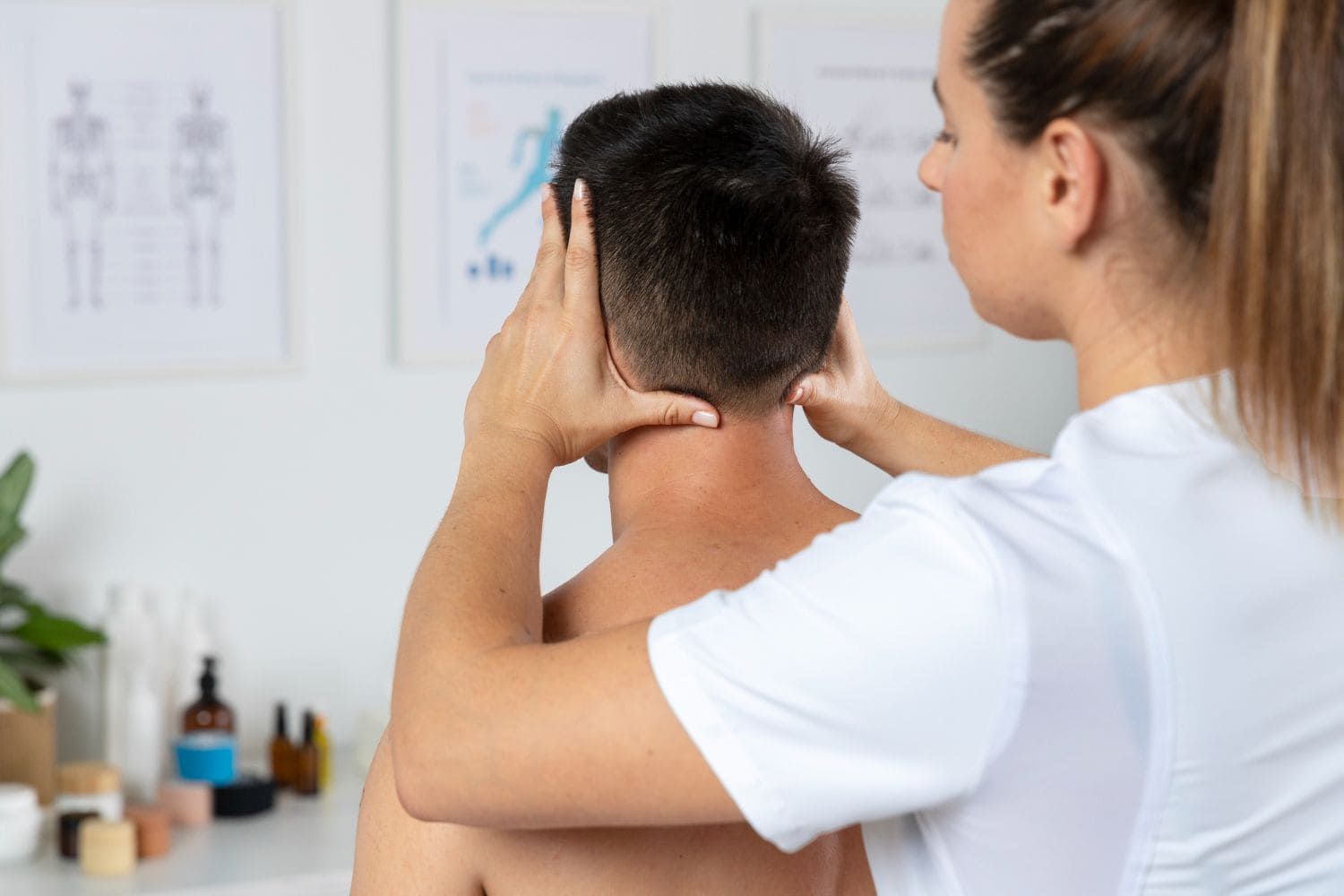
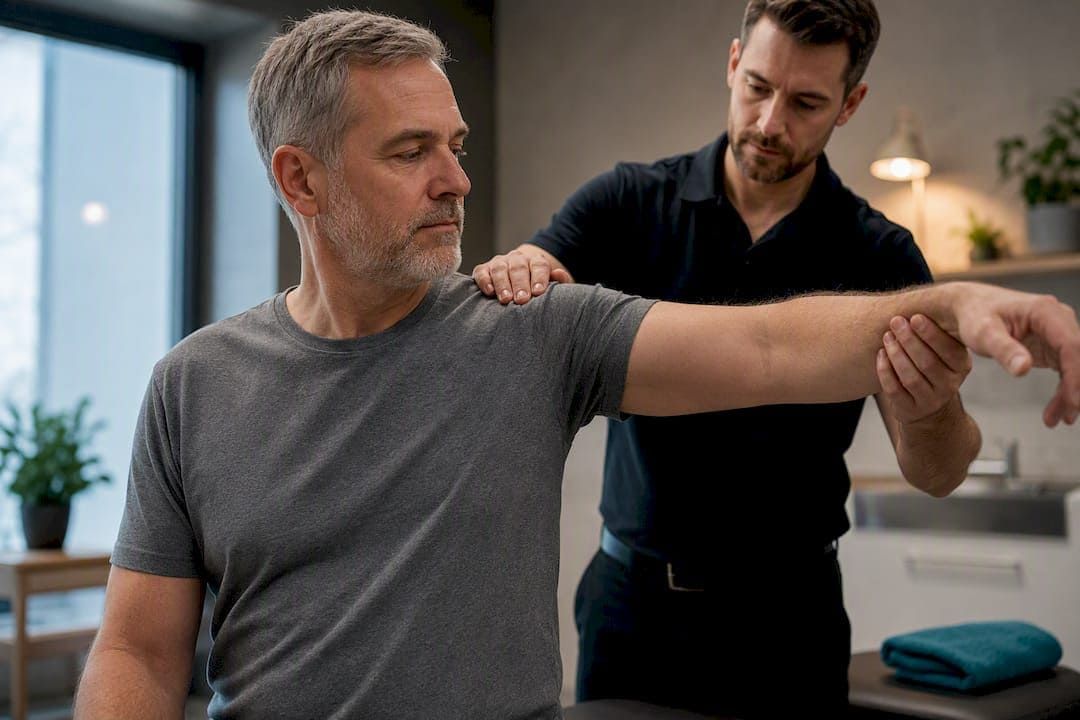
- Try chiropractic care and manual therapy. Chiropractic adjustments directly address the misalignment and joint restrictions that accumulate from chronic muscle tension. Manual therapy releases the tight fascial layers around the paraspinal muscles. Learning about natural back pain relief through chiropractic approaches gives you a framework for understanding why these treatments do more than temporarily reduce pain.
- Use controlled breathing as a nervous system tool. Slow, diaphragmatic breathing activates the parasympathetic nervous system, which is the biological opposite of the fight-or-flight response. Box breathing (four counts in, four counts hold, four counts out, four counts hold) done for five minutes actively lowers cortisol and begins releasing the sustained muscle contraction stress creates.
- Prioritize sleep hygiene. Your spinal discs rehydrate during sleep. Cortisol drops when you get adequate rest. Poor sleep is both a symptom of stress and a driver of increased pain sensitivity. Seven to nine hours is not a luxury for someone managing chronic stress and back pain. It's part of the treatment protocol.
- Correct your ergonomics with intention. A monitor at eye level, a lumbar-supported chair, and regular standing breaks aren't suggestions. They counteract the postural consequences of stress in real time. Many people find that fixing their workspace setup reduces back tension noticeably within a week, even before addressing the stress itself.
Pro Tip: If you can only make one change today, it's this: set a timer every 45 minutes to stand, take five deep breaths, and do a gentle neck retraction (chin tuck). This single habit interrupts both the postural and muscle tension patterns that stress drives throughout the workday.
The evidence strongly supports integrated, holistic pain management over sole reliance on medication. Treating the physical symptoms while ignoring the neurological and emotional drivers produces temporary relief at best.
Chronic stress, back pain, and mental health
The relationship between stress and spine health isn't a one-way street. Back pain and psychological distress reinforce each other. Anxiety and depression co-exist with chronic back pain at high rates, worsening disability and quality of life far beyond what either condition would cause alone.
This bidirectional dynamic matters because it changes what effective treatment looks like. If you only treat the spine and ignore the stress, the nervous system stays sensitized and the tension returns. If you only address the anxiety without treating the physical strain that's already accumulated, the ongoing pain signal keeps feeding the stress response.
- Untreated chronic back pain increases the risk of anxiety and depression, which then worsen pain tolerance
- People with both conditions are more likely to become disabled, miss work, and rely on medication
- The economic toll is enormous. Research shows chronic back disorders carry staggering productivity losses running into the hundreds of billions
- Addressing the stress component early shortens recovery time and reduces the chance of pain becoming chronic
Healthcare is shifting toward holistic models that integrate lifestyle and stress management with physical treatment. That shift reflects a growing clinical consensus: you can't separate the body from the mind when it comes to spinal health, and chiropractic pain reduction methods that account for both sides of the equation produce better outcomes.
My perspective on treating the whole picture
I've seen this pattern repeat itself more times than I can count: someone comes in with persistent back pain, imaging comes back clean, and they've already been told there's nothing structurally wrong. They're frustrated. And then we start talking about what their stress levels have looked like over the past year, and everything clicks.
The uncomfortable truth I've observed is that conventional treatment often stops at the physical finding. If the MRI doesn't show it, the assumption is that the pain is exaggerated or unexplained. But what I've learned is that the absence of structural damage doesn't mean the absence of a real problem. Central sensitization, sustained muscle guarding, and cortisol-driven blood vessel constriction are happening below the threshold of imaging.
What actually transforms outcomes is recognizing stress as a clinical factor, not a secondary concern. When patients address their sleep, their breathing, their posture habits, and their nervous system activation alongside chiropractic care, the results are different. Not just temporarily better. Actually different. The spine holds less tension between appointments. Pain episodes become shorter and less intense. People regain a sense of agency over their own recovery.
Symptom masking delays this. Pain medication that suppresses the signal without addressing the source keeps people locked in the loop longer. I've watched patients spend years cycling through treatments that addressed the spine and ignored the stress, or addressed the stress and ignored the spine. Neither half alone gets you out of the cycle.
The approach that actually works is one that treats the spine and the nervous system and the habits that drive tension. That's not complicated. But it does require honesty about how much stress is shaping the pain you're experiencing.
How Essentialchirocare can help you find lasting relief
If you've recognized yourself in this article, you're already ahead of where most people start. At Essentialchirocare, we treat spinal pain and stress-related tension as the connected problems they are. Our chiropractors work across multiple West Central Florida locations, including Tampa, Sarasota, Brandon, Lakeland, and Pinellas Park, delivering care designed to address root causes rather than temporarily quiet symptoms.
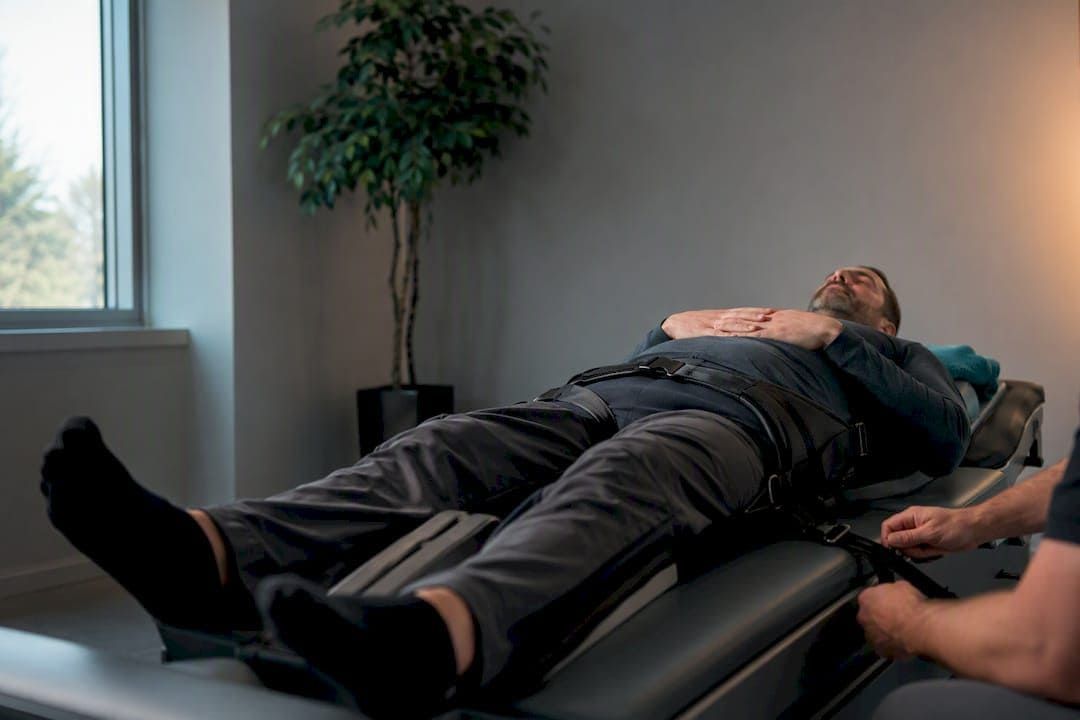
Our chiropractic care services directly target the joint restrictions and muscle tension that chronic stress creates in the spine. For patients with more significant disc involvement, our spinal decompression therapy provides targeted relief for the lumbar and cervical segments most burdened by stress-driven posture and inactivity. We also offer physical rehabilitation to rebuild the strength and movement patterns that stress erodes over time. Schedule your consultation today and start breaking the cycle.
FAQ
Can stress alone cause back pain with no injury?
Yes. Stress triggers real physiological events including sustained muscle contraction, reduced blood flow, and nervous system sensitization that produce genuine spinal pain without any structural damage or injury.
What part of the spine is most affected by stress?
The cervical spine (neck) and lumbar spine (lower back) are most commonly affected. The trapezius and erector spinae muscles in these regions are highly reactive to stress hormones like cortisol and adrenaline.
How does stress change posture and why does it matter?
Stress causes forward head posture and rounded shoulders, which shifts the head 2 to 3 inches forward and adds up to 30 extra pounds of load on the cervical spine, accelerating wear and increasing pain over time.
Can chiropractic care help with stress-related back pain?
Yes. Chiropractic adjustments address the joint restrictions and muscle tension that accumulate from chronic stress, while manual therapy releases the fascial tightness surrounding spinal muscles, reducing both pain and tension.
How do I know if my back pain is stress-related?
Key signs include pain that worsens during high-stress periods, no clear structural cause on imaging, tension concentrated in the neck and lower back, and pain that temporarily improves with relaxation or movement.
Recommended