The Role of Chiropractic Post-Surgery in Recovery
The Role of Chiropractic Post-Surgery in Recovery
TL;DR:
- Post-surgical chiropractic care involves low-force, controlled techniques to restore joint function and reduce pain after surgery. It is safest when timing, surgeon clearance, and patient monitoring guide treatment, focusing on adjacent segments and soft tissue work. Chiropractic care complements multidisciplinary recovery efforts by addressing secondary effects like scar tissue, movement dysfunctions, and nervous system imbalances.
Chiropractic care after surgery is defined as a structured, clinically adapted approach to restoring joint function, reducing pain, and correcting movement dysfunctions that surgery alone does not resolve. The role of chiropractic post-surgery goes well beyond pain relief. It addresses the compensatory patterns, scar tissue buildup, and nervous system disruptions that develop when the body adapts around a surgical site. The industry term for this practice is post-operative chiropractic rehabilitation, and it is gaining recognition in multidisciplinary recovery frameworks worldwide. When applied with proper timing and surgeon collaboration, post-surgical chiropractic care is both safe and clinically effective.
What chiropractic techniques are used safely after surgery?
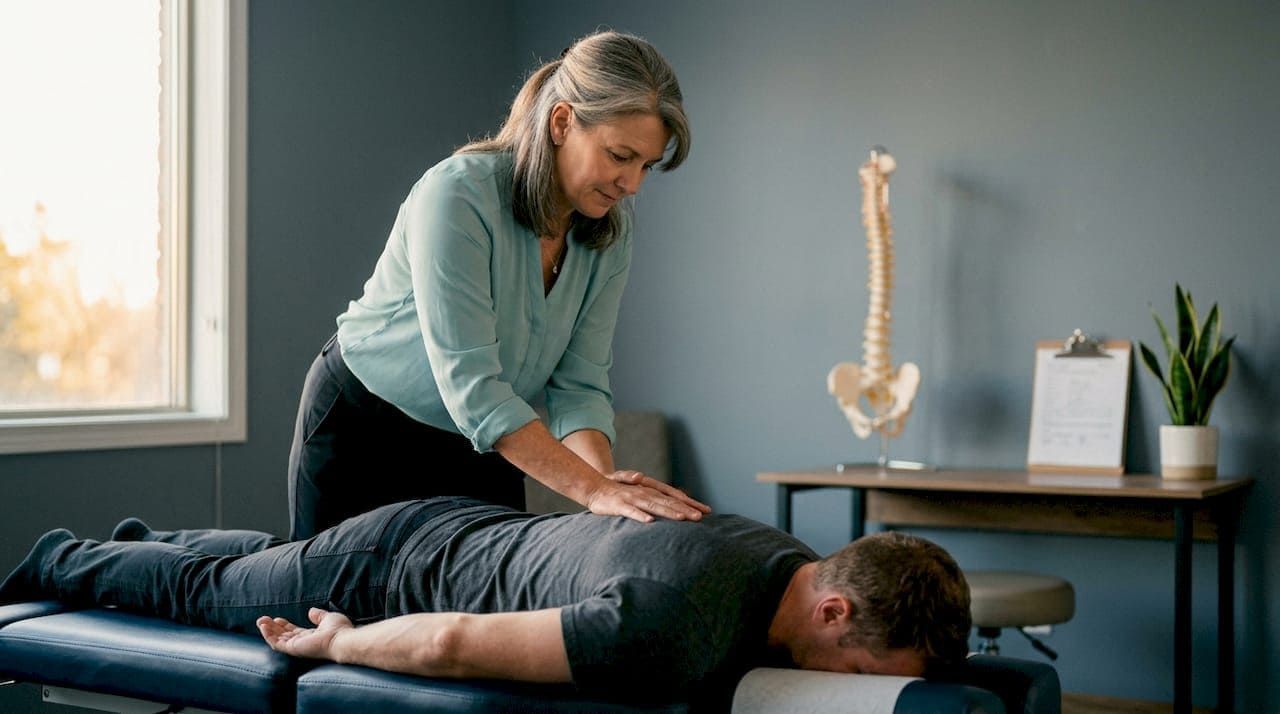
Post-surgical chiropractic care does not use the same techniques as standard chiropractic treatment. The approach shifts entirely toward low-force, controlled methods that respect healing tissues.
The most commonly used techniques include:
- Instrument-assisted adjustments: Devices like the Activator deliver precise, controlled force without high-velocity thrusts. Instrument-assisted techniques minimize stress on surgical hardware and surrounding tissues, making them a safer choice than manual high-velocity adjustments in the post-op period.
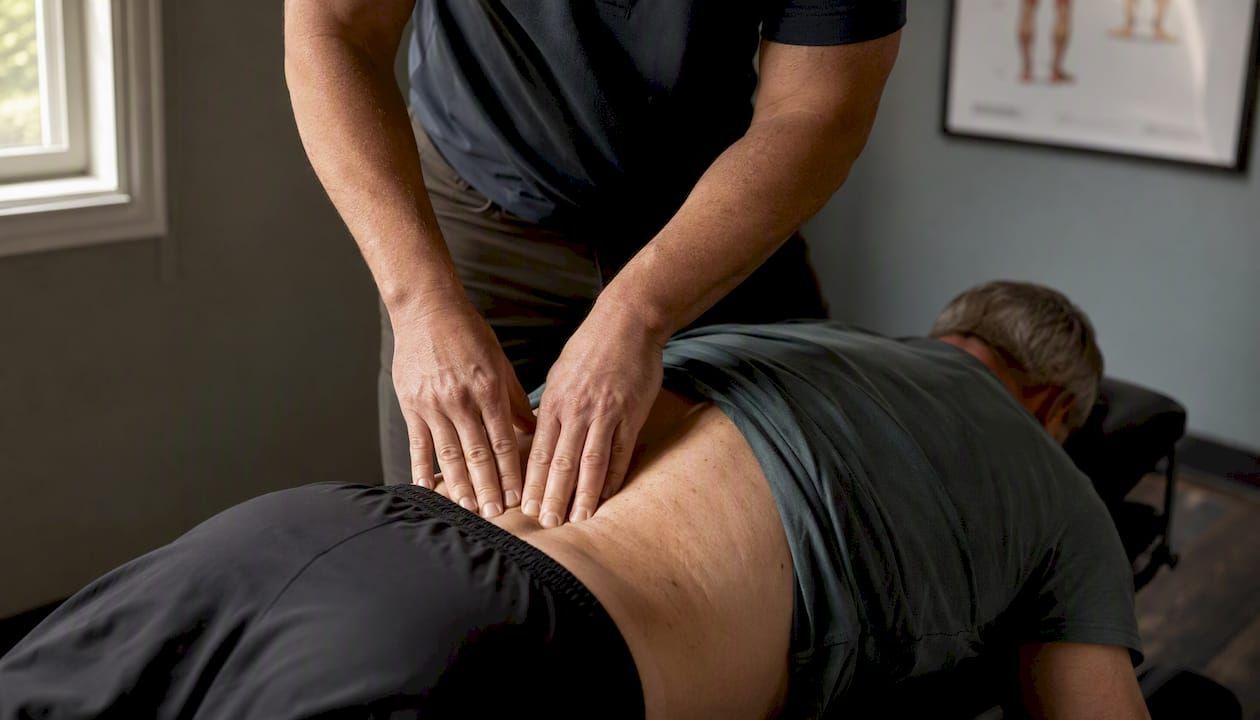
- Gentle joint mobilization: Slow, rhythmic movements applied to joints above and below the surgical site restore range of motion without loading the healing area directly.
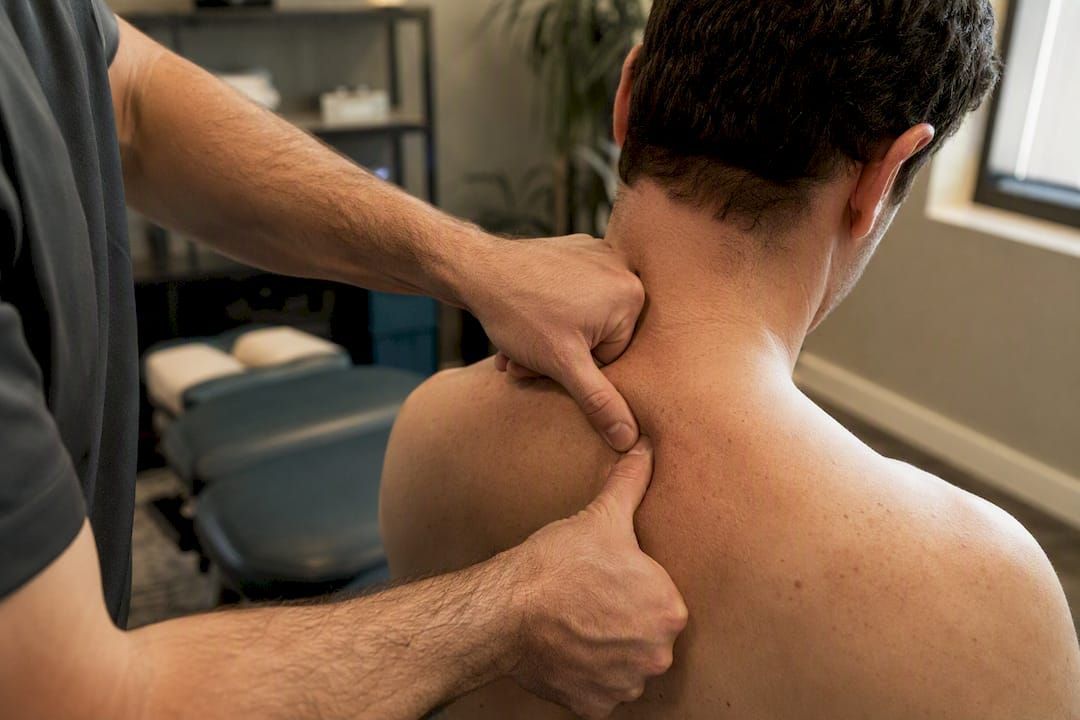
- Soft tissue therapy: Manual work on muscles, fascia, and connective tissue reduces tension that builds up when the body guards around a surgical wound.
- Scar tissue mobilization: Shockwave and laser therapies can reduce inflammation and promote tissue remodeling without invasive procedures, complementing hands-on chiropractic work.
- Adjacent segment treatment: Chiropractors target joints above and below surgical sites to address compensatory hypermobility and reduce the risk of accelerated degeneration in neighboring areas.
High-velocity, high-torque rotational movements are avoided near the surgical site, particularly in the early and middle stages of recovery. Precision low-force care adapts treatment to each healing stage rather than applying a one-size-fits-all protocol.
Pro Tip: Ask your chiropractor specifically which instrument or technique they plan to use near your surgical site. A qualified post-op chiropractor will name the tool and explain why it is appropriate for your healing stage.
When can you start chiropractic care after surgery?
Timing is the most critical variable in post-surgical chiropractic rehabilitation. Starting too early near a surgical site can disrupt healing. Starting too late can allow compensatory patterns to become permanent.
- Get surgeon clearance first. No chiropractic care should begin without written or verbal clearance from your operating surgeon. This is non-negotiable, regardless of the surgery type.
- Wait 3–6 months for major spinal surgeries. The recommended waiting period before chiropractic treatment near a spinal surgical site is 3 to 6 months. Care during this window typically focuses on adjacent areas only.
- Begin earlier for non-spinal surgeries. Joint replacements, abdominal surgeries, and orthopedic procedures on extremities often allow earlier chiropractic intervention. The focus shifts to altered biomechanics and compensatory movement patterns rather than the surgical site itself.
- Start with a full biomechanical assessment. Post-operative chiropractic care begins with movement evaluation, imaging review, and a thorough medical history before any treatment is applied.
- Increase intensity gradually. Treatment starts conservatively and progresses based on how the patient responds, not on a fixed schedule. Monitoring for increased pain or neurological symptoms guides every step.
A 2026 chart review confirmed no serious short-term adverse events after spinal manipulative therapy in patients with prior spinal surgery, with most patients treated approximately one year post-op. That finding supports a cautious, delayed approach rather than categorical avoidance.
How does chiropractic care address post-surgical challenges?
Surgery fixes a structural problem. It does not fix everything the body does in response to that problem. Chiropractic care targets the secondary effects that surgery leaves behind.
"Surgeries often leave muscle weakness, postural habits, and movement dysfunctions unaddressed. Chiropractic care helps correct these by recalibrating the nervous system, restoring normal joint movement, and reducing nerve irritation that drives chronic post-surgical discomfort."
The specific benefits of chiropractic treatment for recovery include:
- Improved mobility: Stiffness in operated joints and compensating areas responds well to gentle mobilization and soft tissue work. Patients recovering from spinal fusion, for example, often develop tightness in the thoracic spine that chiropractic care directly addresses.
- Scar tissue management: Untreated scar tissue restricts movement and can entrap nerves. Soft tissue mobilization and shockwave therapy break down adhesions and support proper tissue remodeling.
- Postural correction: Altered movement patterns develop when patients guard around a surgical site for weeks or months. Chiropractic rehabilitation identifies and corrects these patterns before they cause secondary injuries.
- Nervous system recalibration: Pain sensitization after surgery can persist long after tissues have healed. Restoring normal joint movement reduces nerve irritation and interrupts the sensitization cycle.
- Adjacent segment protection: After spinal fusion, the vertebrae above and below the fused level absorb extra load. Chiropractic adjustments at those segments manage load distribution and help preserve long-term surgical outcomes.
The importance of chiropractic after surgery becomes clearest in patients who complete their surgical recovery but still report persistent stiffness, aching, or limited function. These are the patients chiropractic care is specifically positioned to help.
What safety considerations apply to post-surgical chiropractic care?
Post-surgical chiropractic care requires a more cautious clinical framework than standard chiropractic treatment. The following comparison outlines the key differences between general chiropractic care and post-operative chiropractic care:
| Feature | General chiropractic care | Post-operative chiropractic care |
|---|---|---|
| Technique type | High-velocity manual adjustments | Low-force, instrument-assisted, or mobilization only |
| Treatment area | Full spine and joints | Adjacent segments; avoids surgical site early on |
| Imaging review | Optional | Required before treatment begins |
| Surgeon collaboration | Rarely needed | Standard protocol |
| Contraindications checked | Basic health history | Surgical hardware, infection risk, bone density, healing stage |
Clear contraindications exist for post-surgical chiropractic care. Treatment near a surgical site is not appropriate when surgery occurred fewer than 3 months prior, when infection is present or suspected, when surgical hardware is unstable, or when severe osteoporosis creates fracture risk. Neurological symptoms such as new numbness, weakness, or radiating pain require immediate referral back to the surgical team.
Pro Tip: Bring your surgical operative report and any post-op imaging to your first chiropractic appointment. A chiropractor who does not ask for this information before treating a post-surgical patient is not following best practice.
The safest clinical approach avoids both categorical refusal and uncritical routine application of chiropractic care after surgery. Clinical reasoning, individualized evaluation, and ongoing monitoring define the standard.

How does chiropractic fit into multidisciplinary post-surgical rehabilitation?
Chiropractic care is not a substitute for surgery or primary medical care. It functions as a complementary layer within a broader rehabilitation framework.
- Continuity of care: Chiropractors are integral to multidisciplinary rehabilitation teams, delivering continuous care across the recovery life course. This means chiropractic input can begin in the early post-op phase with soft tissue work and progress to joint mobilization as healing advances.
- Pain management collaboration: Working alongside physical therapists, orthopedic surgeons, and pain management specialists, chiropractors contribute a distinct skill set focused on joint mechanics and nervous system function.
- Patient education: Chiropractors teach patients about posture, movement mechanics, and activity modification. This education reduces the risk of re-injury and supports long-term function after the formal rehabilitation period ends.
- Functional assessment: Ongoing evaluation of movement quality, pain levels, and neurological status allows the care team to adjust the treatment plan in real time.
The chiropractic rehab role within a multidisciplinary team is particularly valuable for patients who plateau in physical therapy but have not returned to full function. Chiropractic care often addresses the joint-level restrictions and nervous system factors that exercise-based therapy alone does not resolve.
Key Takeaways
Post-surgical chiropractic rehabilitation is most effective when it combines surgeon clearance, low-force techniques, and ongoing monitoring within a multidisciplinary care framework.
| Point | Details |
|---|---|
| Timing matters most | Wait 3–6 months after major spinal surgery before treatment near the surgical site. |
| Techniques are adapted | Low-force and instrument-assisted methods replace high-velocity adjustments post-op. |
| Adjacent segments are the priority | Chiropractors treat areas above and below the surgical site to prevent compensatory damage. |
| Surgeon clearance is required | No post-surgical chiropractic care should begin without explicit clearance from the operating surgeon. |
| Multidisciplinary integration improves outcomes | Chiropractic care works best as part of a coordinated rehabilitation team, not in isolation. |
What I've learned about chiropractic care after surgery
Most patients I see who are recovering from surgery arrive with the same misconception: they believe chiropractic care is too aggressive for their post-op body. That fear is understandable. The image of a forceful spinal adjustment does not match what they feel ready for. What they do not realize is that post-operative chiropractic therapy looks almost nothing like what they are imagining.
The patients who benefit most are not the ones who wait until they feel ready. They are the ones who get clearance from their surgeon, come in early for a thorough evaluation, and commit to a gradual plan. The gentle work we do on adjacent segments and soft tissue in the first months after surgery sets the foundation for everything that follows.
The hardest part of this work is managing expectations honestly. Chiropractic care after surgery does not accelerate healing in a dramatic, visible way. What it does is prevent the secondary problems, the postural collapse, the scar tissue adhesions, the chronic nerve irritation, that quietly undermine a patient's long-term outcome. That prevention is invisible when it works. Patients only notice it when it is absent.
My advice: do not wait until you are struggling to seek chiropractic input. Ask your surgeon at your first post-op appointment whether chiropractic care is appropriate for your recovery. The answer, more often than not, is yes.
Chiropractic post-surgical care at Essentialchirocare
Recovering from surgery requires more than rest. Essentialchirocare provides post-surgical chiropractic care built around low-force techniques, thorough biomechanical evaluation, and direct collaboration with your surgical and medical team. Clinics across Tampa, Brandon, Sarasota, Lakeland, and Pinellas Park offer personalized recovery programs designed for your specific surgery type and healing stage.
Essentialchirocare's physical rehabilitation services complement chiropractic care with structured exercise and mobility programs that progress as you heal. Every treatment plan starts with a full review of your surgical history and imaging. If you are ready to move beyond the limits of your surgical recovery, Essentialchirocare is the next step.
FAQ
Is chiropractic care safe after back surgery?
No serious short-term adverse events were identified after spinal manipulative therapy in patients with prior spinal surgery when applied with proper clinical reasoning. Safety depends on technique selection, timing, and surgeon clearance.
How long after surgery can I see a chiropractor?
The standard recommendation is to wait 3–6 months after major spinal surgery before chiropractic treatment near the surgical site. Non-spinal surgeries may allow earlier intervention focused on compensatory areas.
What chiropractic techniques are used after surgery?
Post-surgical chiropractic care uses low-force and instrument-assisted adjustments, gentle joint mobilization, and soft tissue therapies. High-velocity manual adjustments near the surgical site are avoided during recovery.
Do I need surgeon approval before seeing a chiropractor post-op?
Yes. Surgeon clearance is a required step before beginning any chiropractic treatment after surgery. Your chiropractor should also review your operative report and post-surgical imaging before the first session.
Can chiropractic care help with pain that persists after surgery?
Chiropractic care addresses chronic pain sensitization by restoring normal joint movement and reducing nerve irritation, which can persist even after surgical tissues have fully healed.
Recommended