Tendonitis in Athletes: Causes, Symptoms and Recovery
TL;DR:
- Tendonitis in athletes is a degenerative condition called tendinopathy caused by overload and slow tissue adaptation. Proper management involves staged loading exercises over 3 to 6 months, not complete rest, to facilitate healing. Preventative strategies focus on gradual load increases, technique correction, and strength building to sustain long-term tendon health.
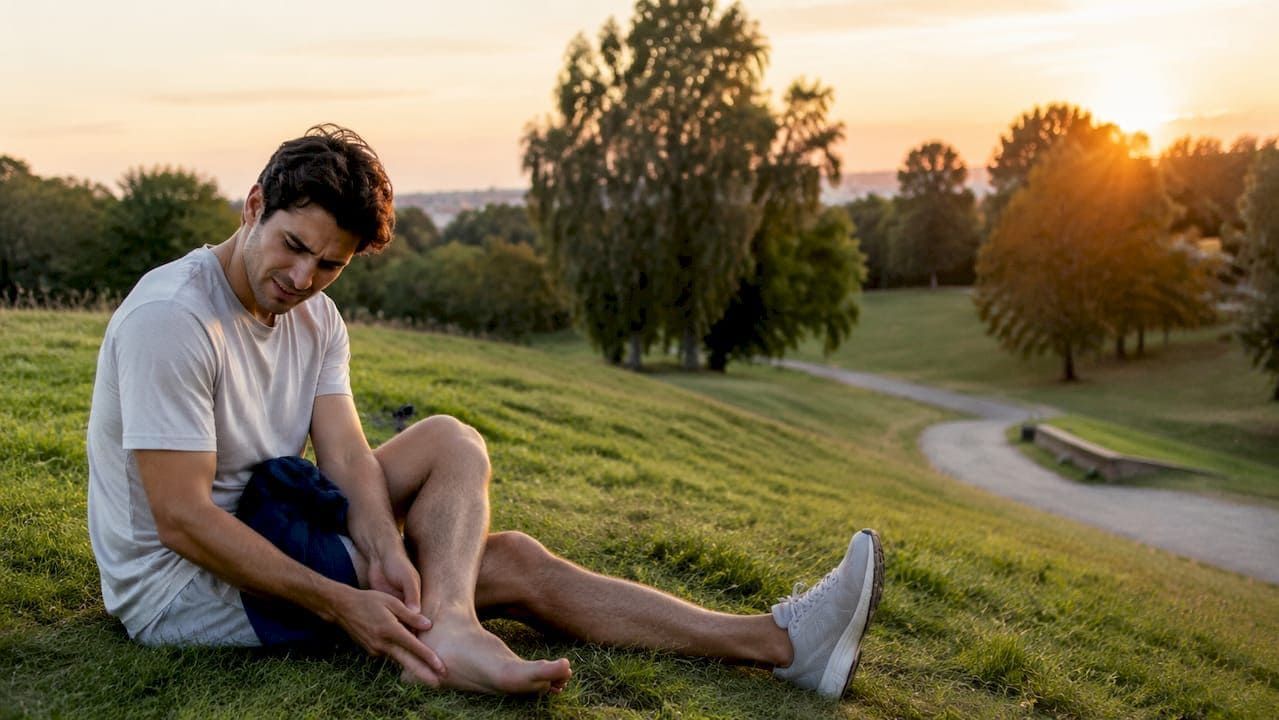
Tendonitis in athletes is defined as tendon pain caused by repetitive overload and progressive tissue degeneration, not simply acute inflammation. The term itself is technically outdated. Sports medicine now uses tendinopathy as the preferred clinical term, covering the full spectrum of tendon dysfunction from early irritation to structural breakdown. Understanding this distinction matters because it changes how you treat the condition. Athletes who chase inflammation with ice and rest alone often stay stuck in a cycle of flare-ups and setbacks. This article covers tendonitis in athletes: explained through current sports medicine research, from root causes and symptoms to evidence-based treatment and long-term prevention.

What causes tendonitis in athletes and which tendons are most affected?
Tendons fail when load exceeds their capacity to adapt. The most common driver is a rapid spike in training volume or intensity, a pattern sports medicine calls "too much, too soon." Tendons adapt more slowly than muscles, so when you ramp up mileage, add heavy lifting, or return from a break too aggressively, the tendon absorbs stress it cannot yet handle. Over time, that repeated overload triggers micro-damage and degenerative changes rather than clean healing.
The tendons most commonly affected in athletes include:
- Achilles tendon: Runners, basketball players, and soccer athletes are the primary victims. The Achilles absorbs roughly 6 to 8 times body weight during running, making it one of the most loaded structures in sport.
- Patellar tendon: Known as "jumper's knee," this affects volleyball players, sprinters, and weightlifters. Pain sits just below the kneecap and worsens with explosive movements.
- Rotator cuff tendons: Overhead athletes including swimmers, baseball pitchers, and tennis players develop rotator cuff tendinopathy from repetitive shoulder loading.
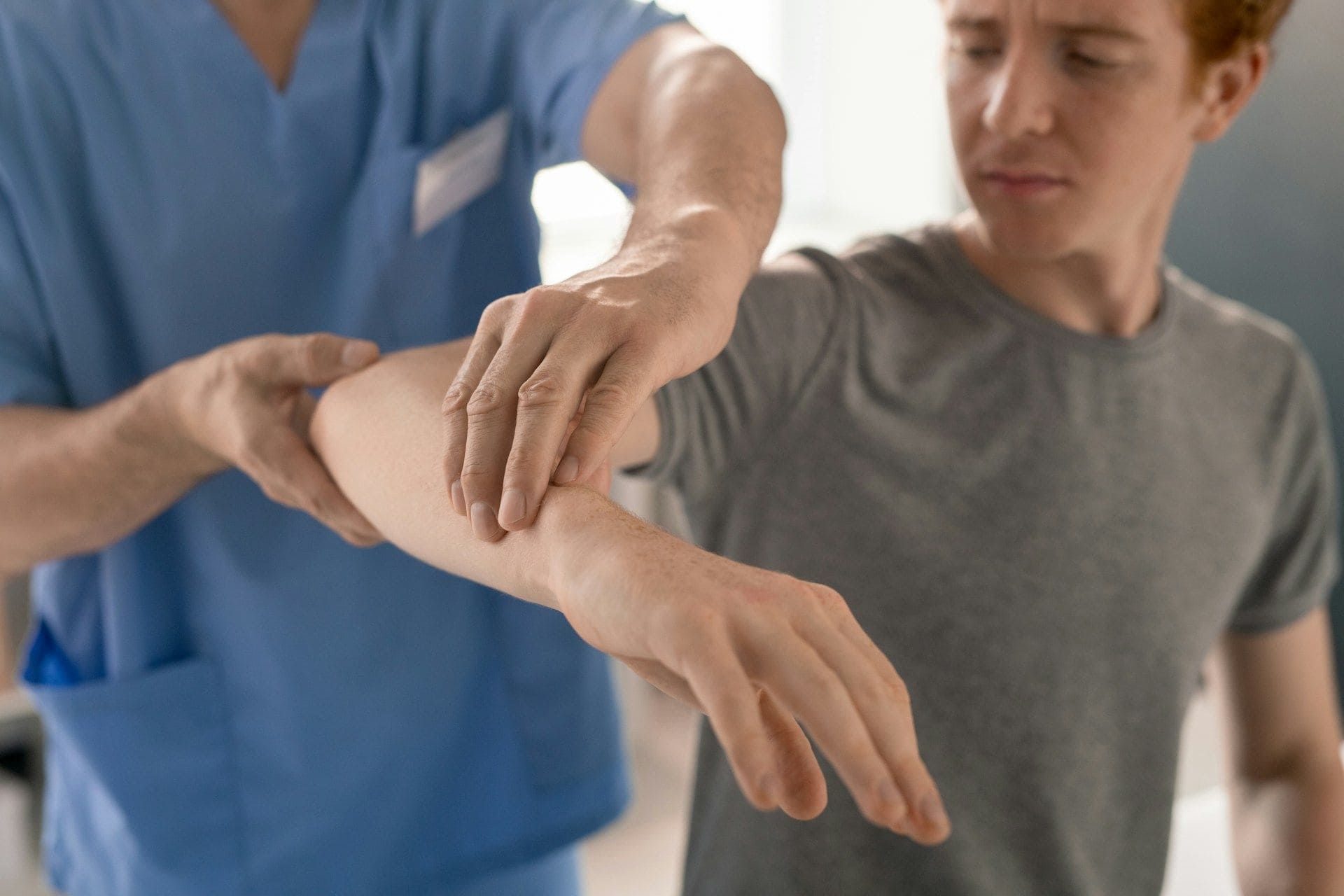
- Elbow tendons: Lateral epicondylitis (tennis elbow) and medial epicondylitis (golfer's elbow) affect racket sport athletes, climbers, and anyone performing repetitive grip or wrist extension.
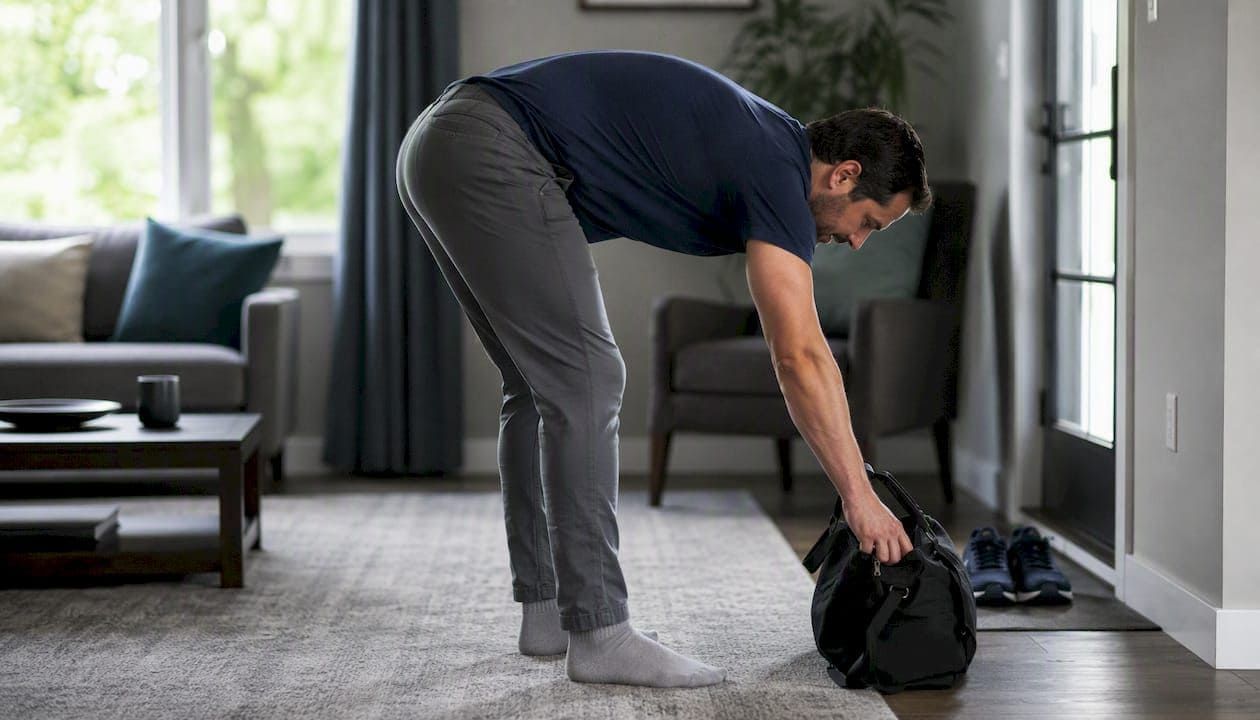
Contributing factors extend beyond training load. Age-related changes reduce tendon elasticity and collagen quality, making masters athletes more vulnerable. Poor biomechanics, such as excessive foot pronation or a forward head posture during lifting, shift load onto tendons in ways they were not designed to handle. Worn or inappropriate footwear removes shock absorption at the exact moment tendons need it most. Systemic health factors including obesity, diabetes, and certain medications like fluoroquinolone antibiotics also raise tendon injury risk. Understanding these overuse injury causes helps you identify which athletes are most exposed before pain even begins.
What are the symptoms and how is tendonitis diagnosed?
Athlete tendonitis symptoms follow a recognizable pattern that distinguishes them from acute muscle strains or joint injuries. The hallmark is activity-related pain that worsens with loading and eases with rest, at least in the early stages. As the condition progresses, pain can persist well after exercise and eventually interfere with daily activities like walking downstairs.
Common symptoms include:
- Localized tenderness directly over the tendon
- Morning stiffness that loosens after 10 to 20 minutes of movement (the "warm-up effect")
- Swelling or thickening along the tendon
- Pain that spikes at the start of exercise, temporarily reduces mid-session, then returns afterward
- A gradual increase in pain severity if training continues without modification
| Symptom | Acute tendinitis | Chronic tendinopathy |
|---|---|---|
| Pain onset | Sudden, after a specific event | Gradual, builds over weeks |
| Swelling | Visible, warm to touch | Thickening without heat |
| Morning stiffness | Mild | Pronounced |
| Response to activity | Worsens with any load | Warm-up effect present |
| Tissue changes | Inflammation | Degenerative collagen disorganization |
Diagnosis starts with a thorough physical exam. Clinicians use special tests like the Royal London Hospital Test for Achilles tendinopathy or the arc sign to identify mid-portion versus insertional pathology. Ultrasound is the first-line imaging choice because it shows tendon thickening, neovascularization, and structural changes in real time at low cost. MRI provides greater detail for complex cases or when a partial tear needs to be ruled out. Medical consensus now distinguishes acute tendinitis from chronic tendinopathy because the two conditions require different management strategies. Getting that diagnosis right early prevents months of misdirected treatment.
What are the evidence-based treatment options for athlete tendonitis?
The most important shift in treating tendon pain is moving away from complete rest. Prolonged rest deconditions tendons and reduces their load capacity, which sets athletes up for a boom-bust cycle of apparent recovery followed by rapid re-injury when training resumes. The evidence-based approach centers on progressive loading, staged carefully to match the tendon's current capacity.
Rehabilitation follows four structured phases:
- Isometric holds: Static contractions with no joint movement reduce pain quickly and maintain tendon stimulus. A wall sit held for 45 seconds or a calf raise held at the top position are standard starting points.
- Heavy slow resistance (HSR): Eccentric exercises with controlled tempos such as a 3-second lowering phase, a 1-second pause, and a 3-second lift stimulate collagen remodeling and rebuild tendon stiffness. This phase typically runs 8 to 12 weeks.
- Plyometrics and energy storage: Hopping, bounding, and sport-specific reactive drills train the tendon's spring-like function. This phase is skipped too often, leaving athletes unable to handle the explosive demands of their sport.
- Return to sport: Full training volume and intensity are reintroduced gradually, with ongoing load monitoring to prevent relapse.
Recovery from tendinopathy takes 3 to 6 months on average. That timeline surprises most athletes, but it reflects the slow biological rate of collagen remodeling rather than a failure of effort.
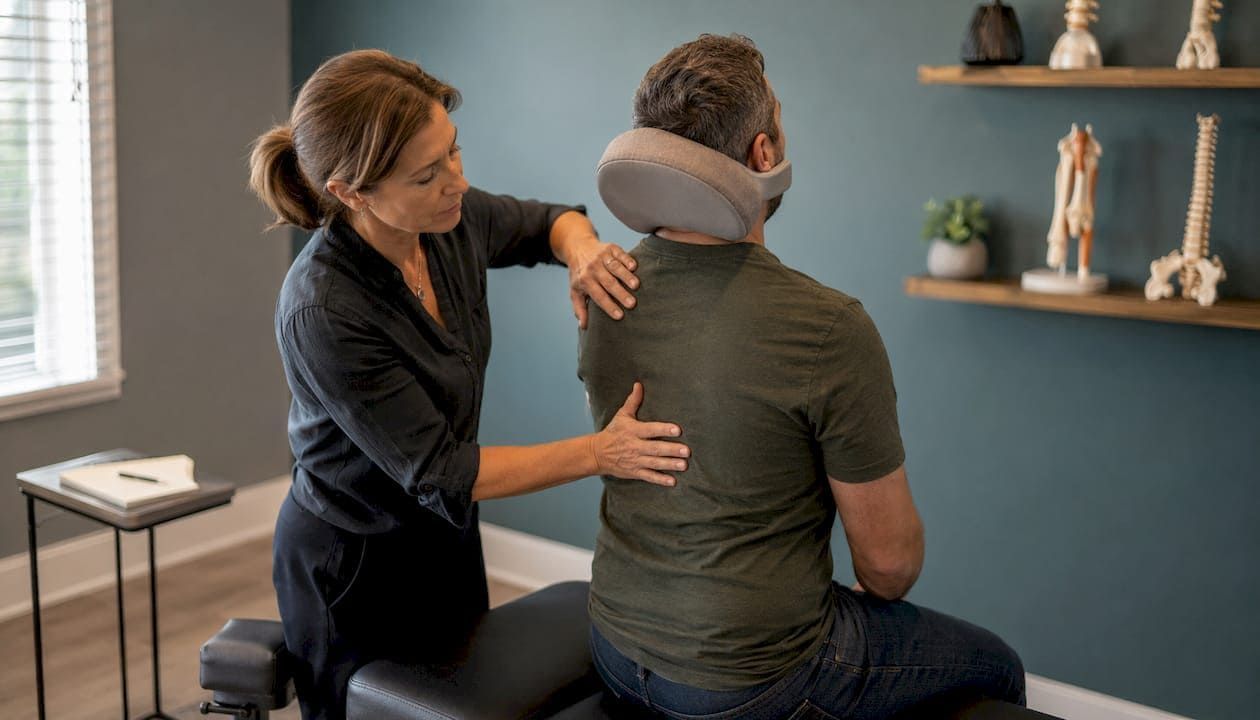
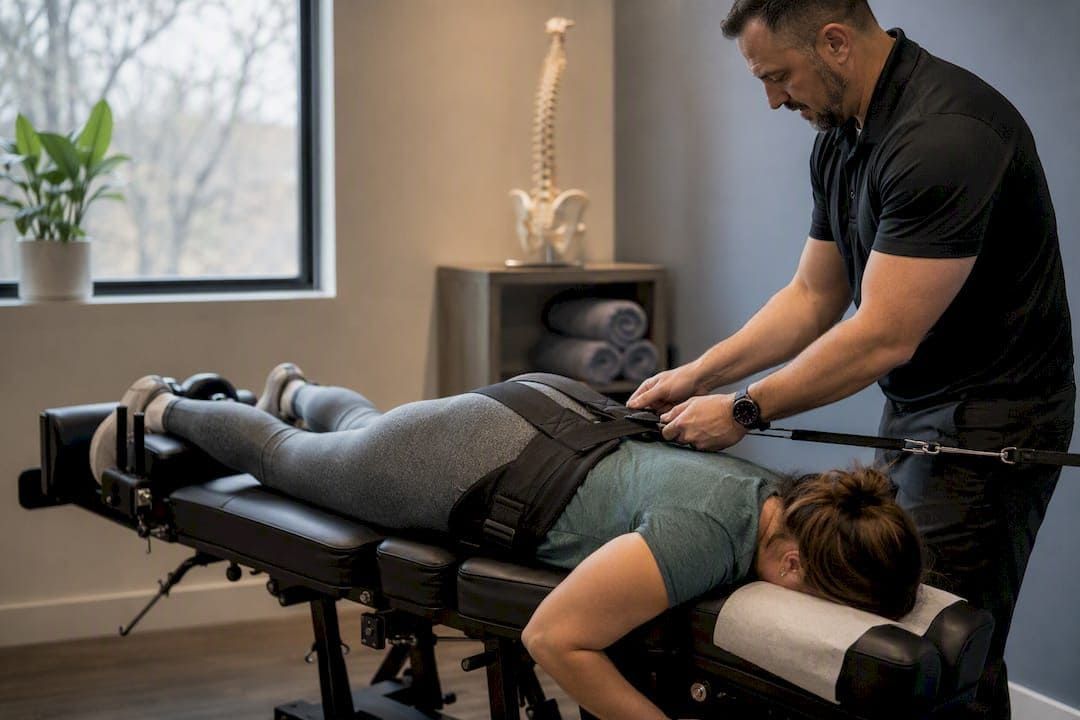
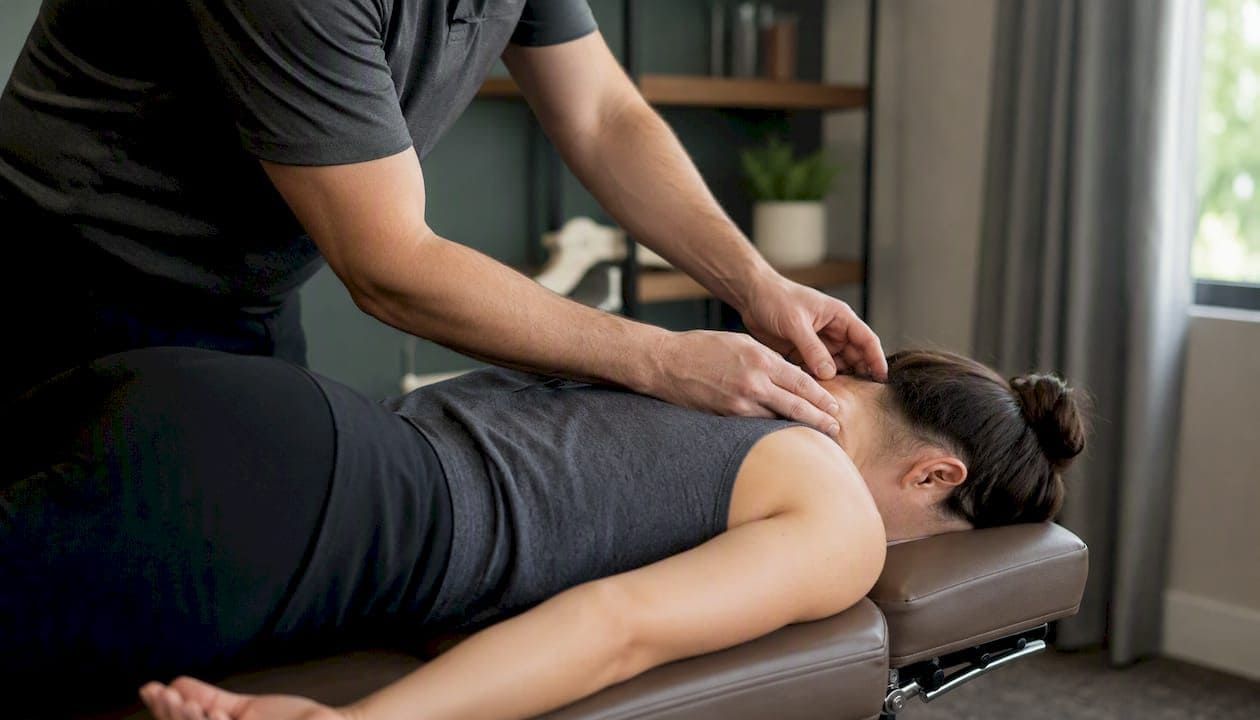
Regarding medications, NSAIDs like ibuprofen provide short-term pain relief but show no evidence of long-term benefit for the tendon itself. Their best use is reducing pain enough to allow participation in rehab exercises. Corticosteroid injections offer short-term relief but repeated injections weaken tendon tissue and raise rupture risk, so they are not a first-line treatment. Adjunct therapies including extracorporeal shockwave therapy (ESWT) and platelet-rich plasma (PRP) injections show promising results for chronic cases that do not respond to loading programs alone. Manual therapy techniques can also reduce pain and improve tissue mobility to support the loading program.
Pro Tip: Monitor your symptoms 24 hours after each session. If pain is at or below 3 out of 10 the next morning, your load is appropriate. If it spikes above 5 out of 10, reduce volume or intensity at your next session. This 24-hour pain response rule is one of the most practical tools in tendon rehab.
How can athletes prevent tendonitis and protect long-term tendon health?
Prevention is built on one principle: load management. Tendons thrive on consistent, gradual stress and break down under sudden spikes. The "10% rule" (increasing weekly training volume by no more than 10% at a time) is a widely used guideline in running and cycling that directly reduces tendon overload risk.
Practical prevention strategies include:
- Structured warm-up and cool-down: Dynamic warm-ups that include leg swings, hip circles, and band work prepare tendons for load. Static stretching after training maintains tissue length and reduces stiffness.
- Cross-training and muscle balance: Supplementing your primary sport with low-impact activities like swimming or cycling reduces cumulative tendon stress. Strengthening antagonist muscle groups prevents the imbalances that shift load onto vulnerable tendons.
- Technique and biomechanics review: A gait analysis for runners or a movement screen for strength athletes can identify the mechanical faults that silently overload tendons over hundreds of repetitions.
- Equipment checks: Replace running shoes every 300 to 500 miles. Use racket grip sizes and string tensions appropriate for your strength level. Small equipment changes remove significant tendon stress.
- Nutrition and recovery: Tendon health depends on whole-body factors including sleep quality, protein intake, and stress management. Collagen synthesis requires vitamin C, and adequate protein supports tissue repair. Chronic sleep deprivation slows healing at the cellular level.
Pro Tip: Add prehabilitation exercises like single-leg calf raises, Nordic hamstring curls, and external rotation band work to your weekly routine. These sports re-injury prevention exercises build tendon resilience before pain ever starts.
Preventing tendonitis in athletes is not about avoiding load. It is about building tendon capacity faster than you accumulate stress. Athletes who treat strength and conditioning as injury prevention rather than performance-only work stay healthier across longer careers.

Key takeaways
Tendonitis in athletes is a degenerative tendon condition requiring progressive loading, not rest, and takes 3 to 6 months of structured rehabilitation to resolve.
| Point | Details |
|---|---|
| Terminology matters | Tendinopathy is the accurate clinical term; it involves degeneration, not just inflammation. |
| Primary cause | Rapid training load spikes overload tendons before they can adapt. |
| Rehab over rest | Complete rest deconditions tendons; staged loading from isometrics to plyometrics drives recovery. |
| Recovery timeline | Most tendinopathies require 3 to 6 months of progressive rehab to fully resolve. |
| Prevention is load management | The 10% rule, prehab exercises, and technique corrections reduce tendon injury risk significantly. |
What I've learned treating tendon pain in active people
Most athletes I see arrive at the clinic having already tried two things: complete rest and anti-inflammatory medication. Neither worked, and they are frustrated. The honest truth is that tendons do not heal through inactivity. They heal through the right kind of stress applied at the right time.
The other pattern I notice consistently is that athletes treat pain as a binary signal. Either they push through it completely or they stop entirely. The research tells a different story. Tolerating manageable pain during rehab, specifically a 3 to 5 out of 10 level that does not worsen the next morning, is not only acceptable but often necessary for tendon adaptation. The athletes who recover fastest are the ones who learn to read their symptoms as feedback rather than warnings to stop.
I also think the mental side of tendon rehab is underestimated. Three to six months is a long time when you are used to training hard. The athletes who stay consistent with their loading programs, even when progress feels slow, are the ones who come back stronger and stay healthy. Rushing the plyometric phase because pain has reduced is the single most common reason I see relapses. Patience is not passive. It is the most active thing you can do for a tendon.
How Essentialchirocare supports tendon recovery for athletes
Athletes dealing with tendon pain need more than a diagnosis. They need a structured plan that matches their sport, their timeline, and their body.
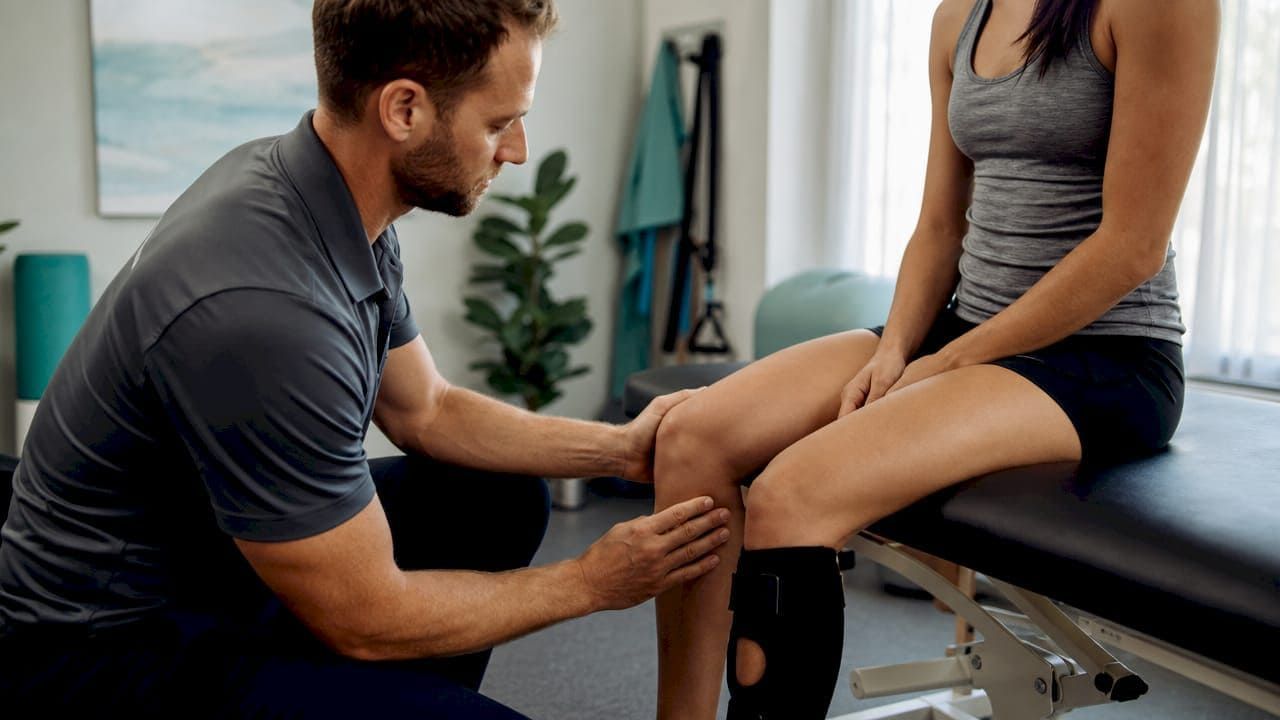
Essentialchirocare's team includes clinicians with sports team backgrounds who specialize in sports injury care and progressive rehabilitation. From manual therapy and soft tissue work to guided loading programs, the clinic builds recovery plans around where you are right now, not a generic protocol. The physical rehab services at Essentialchirocare are designed to restore tendon function, rebuild strength, and get you back to full training with a lower risk of re-injury. Locations across Tampa, Brandon, Sarasota, Lakeland, and Pinellas Park make expert care accessible across West Central Florida.
FAQ
What is the difference between tendonitis and tendinopathy?
Tendonitis refers to acute tendon inflammation, which is relatively rare. Tendinopathy is the broader clinical term covering chronic degenerative changes in tendon tissue, which accounts for most persistent tendon pain in athletes.
How long does tendonitis recovery take for athletes?
Recovery from tendinopathy takes 3 to 6 months on average with a structured progressive loading program. Athletes who attempt to return to sport too early significantly increase their risk of relapse.
Should athletes rest completely with tendonitis?
Complete rest is not recommended. Prolonged inactivity deconditions tendons and reduces their load capacity. Controlled, progressive loading through isometric and resistance exercises is the foundation of effective tendon rehabilitation.
What are the most common tendons affected in athletes?
The Achilles tendon, patellar tendon, rotator cuff tendons, and elbow tendons (lateral and medial epicondyle) are the most frequently affected structures in athletic populations, depending on sport and movement demands.
Can tendonitis lead to a tendon rupture?
Yes. Untreated chronic tendinopathy carries a real rupture risk. Achilles tendon rupture occurs at a rate of approximately 18 per 100,000 people annually in Western populations, with chronic tendinopathy as a major contributing factor. Early treatment significantly reduces this risk.