Preventative Wellness: Proactive Strategies for Chronic Pain
Preventative Wellness: Proactive Strategies for Chronic Pain
TL;DR:
- Preventative wellness aims to address health risks before symptoms appear to reduce long-term pain and costs.
- Personalized prevention plans are based on individual risk factors, assessments, and measurable goals.
- Combining manual therapy, exercise, and lifestyle changes is most effective for managing or preventing chronic pain.
Preventative Wellness: Proactive Strategies for Chronic Pain
Most people walk through a clinic door only after the pain becomes unbearable. That's the default setting in American healthcare, and it costs us dearly. Pain that could have been intercepted months earlier becomes a long, expensive, and frustrating recovery. Preventative wellness flips that model entirely. Instead of waiting for your body to send distress signals, it gives you a framework to stay ahead of problems before they take root. This guide breaks down exactly what preventative wellness means, what the evidence says about it, and how you can use it to manage or even stop chronic pain in its tracks.
Table of Contents
- Defining preventative wellness: Beyond symptom management
- How preventative wellness works: Risk assessment and targeted actions
- Preventative wellness for chronic pain: Evidence and strategies
- The nuances: Preventing complications and avoiding overtreatment
- Our take: Why preventative wellness is often misunderstood
- Next steps: Proactive care and expert support in West Central Florida
- Frequently asked questions
Key Takeaways
| Point | Details |
|---|---|
| Prevention matters | Proactive wellness keeps health issues from worsening, especially for chronic pain. |
| Personalized approach | Effective preventative strategies fit your unique risk factors and needs. |
| Evidence-backed practices | Multimodal, conservative care (manual therapy, exercise, lifestyle change) delivers best results. |
| Beyond symptom relief | Prevention includes managing complications and avoiding unnecessary treatments. |
| Local expert support | Chiropractic and holistic services in West Central Florida can guide your prevention plan. |
Defining preventative wellness: Beyond symptom management
Let's be honest about where most of us start. We wait. We notice stiffness, brush it off, compensate for it, and eventually end up dealing with something far more serious than what we started with. Preventative wellness is designed to interrupt that cycle before it starts.
Preventative wellness is the idea of proactively maintaining health to prevent illness, disease, or worsening of chronic conditions rather than waiting until symptoms appear. That definition from Merck sets an important baseline: it's not just about eating your vegetables or getting annual bloodwork. It's a structured, intentional approach to keeping your body functioning well before things go wrong.
In clinical settings, this concept is mapped to prevention across multiple defined levels, each targeting a different stage of health risk. Understanding these levels is key to seeing why preventative wellness is so much more than a buzzword.
The four levels of prevention:
- Primary prevention: Reducing the risk of disease or injury before it ever happens. Think ergonomic training, regular movement, and spinal health education.
- Secondary prevention: Early detection and screening so that problems caught early can be treated before they worsen. This includes things like posture assessments and functional movement screenings.
- Tertiary prevention: Managing an existing condition to minimize complications and prevent deterioration. If you already have chronic low back pain, tertiary prevention means keeping it from getting worse.
- Quaternary prevention: Protecting patients from over-medicalization, unnecessary interventions, or treatments that cause more harm than good.
Here's a side-by-side look at how preventative care stacks up against the typical symptom-based model:
| Factor | Preventative wellness | Symptom-based care |
|---|---|---|
| Timing | Before or during early risk | After symptoms appear |
| Focus | Root cause and risk reduction | Immediate symptom relief |
| Tools | Exercise, education, lifestyle, manual therapy | Medication, reactive treatment |
| Long-term cost | Generally lower | Often higher due to late-stage treatment |
| Patient role | Active and ongoing | Often passive |
"Reactive care treats the fire. Preventative care is the sprinkler system you install before the fire ever starts." The difference isn't just clinical. It's a fundamentally different relationship with your own health.
Practitioners who focus on family chiropractic wellness understand this well. From pediatric posture to adult mobility maintenance, proactive care across every life stage reflects exactly what this model of wellness is designed to accomplish. Interestingly, the same proactive thinking applies in other health contexts, including preventative vocal health for performers, where waiting for damage before intervening is equally costly.
How preventative wellness works: Risk assessment and targeted actions
Knowing what preventative wellness is matters. But knowing how it actually works in practice is where most people get lost. It's not a one-size-fits-all prescription. It's a personalized process built on careful risk assessment.
A practical preventative wellness model starts with risk assessment plus interventions aligned to a person's specific risk profile, including age, sex, genetics, lifestyle, physical environment, and social environment. That framework from CMS makes it clear: good prevention isn't generic. A 45-year-old with a desk job, family history of disc disease, and mild hip tightness needs a completely different plan than a 28-year-old athlete recovering from a hamstring pull.
Here's what a personalized approach actually looks like compared to a generic one:
| Element | Personalized wellness plan | One-size-fits-all approach |
|---|---|---|
| Risk factors considered | Age, lifestyle, genetics, history | General population averages |
| Interventions chosen | Targeted to individual risk | Standard recommendations |
| Timeline | Adjusted as risk changes | Fixed, calendar-based |
| Outcomes | More relevant and measurable | Often misses individual needs |
Building a solid prevention plan for chronic pain doesn't have to be complicated. Using a framework for personalized care, evidence and individual context both drive the decisions. Here are the key steps:
- Identify your personal risk factors. Start with a full health history review. Include past injuries, family history, occupation, activity level, and lifestyle habits.
- Get a functional assessment. A professional evaluation of your posture, gait, range of motion, and muscle balance pinpoints where weakness or dysfunction exists before it becomes pain.
- Set clear, measurable goals. Vague goals like "feeling better" don't work. Aim for specifics: reducing morning stiffness within six weeks, increasing hip mobility by a measurable degree, or reducing pain medication use.
- Build your intervention stack. Combine at least two to three strategies, such as spinal care, corrective exercise, and lifestyle adjustments.
- Schedule regular reassessments. Your body changes. Your plan should too. Reassess every 8 to 12 weeks and adjust based on results.
A good chiropractic care checklist can help you track what's in place and what gaps still need attention.
Pro Tip: Reviewing your prevention plan every few months isn't just maintenance. It's the single most overlooked strategy for actually keeping progress alive. Conditions change, life stressors shift, and what worked at month one may need a significant update by month four.
Preventative wellness for chronic pain: Evidence and strategies
Chronic pain isn't inevitable. That's one of the most important things to understand. For people already living with it, early prevention and ongoing self-management dramatically change the long-term picture.
For individuals with chronic pain, preventative wellness emphasizes risk-factor management, early intervention, and self-management through exercise, education, and lifestyle supports rather than relying only on symptom-based approaches. That means managing why you hurt, not just how much you hurt right now.
The strongest evidence for chronic pain prevention points toward a multimodal conservative approach, which means combining manual therapy, spinal manipulation, exercise rehabilitation, and patient education rather than relying on any single intervention. Why? Because chronic pain is rarely caused by one thing. It's a web of muscle imbalance, postural stress, nervous system sensitization, and lifestyle factors. A single medication or a single adjustment won't untangle that web on its own.
Cost-effectiveness data for conservative manual approaches varies by pain type and clinical setting, but the research consistently shows that getting ahead of chronic pain through conservative care delivers better outcomes at lower long-term costs compared to reactive, high-intervention approaches.
Daily preventative wellness actions for chronic pain:
- Move intentionally every day. Even 20 to 30 minutes of low-impact movement, such as walking or swimming, significantly reduces pain sensitivity over time.
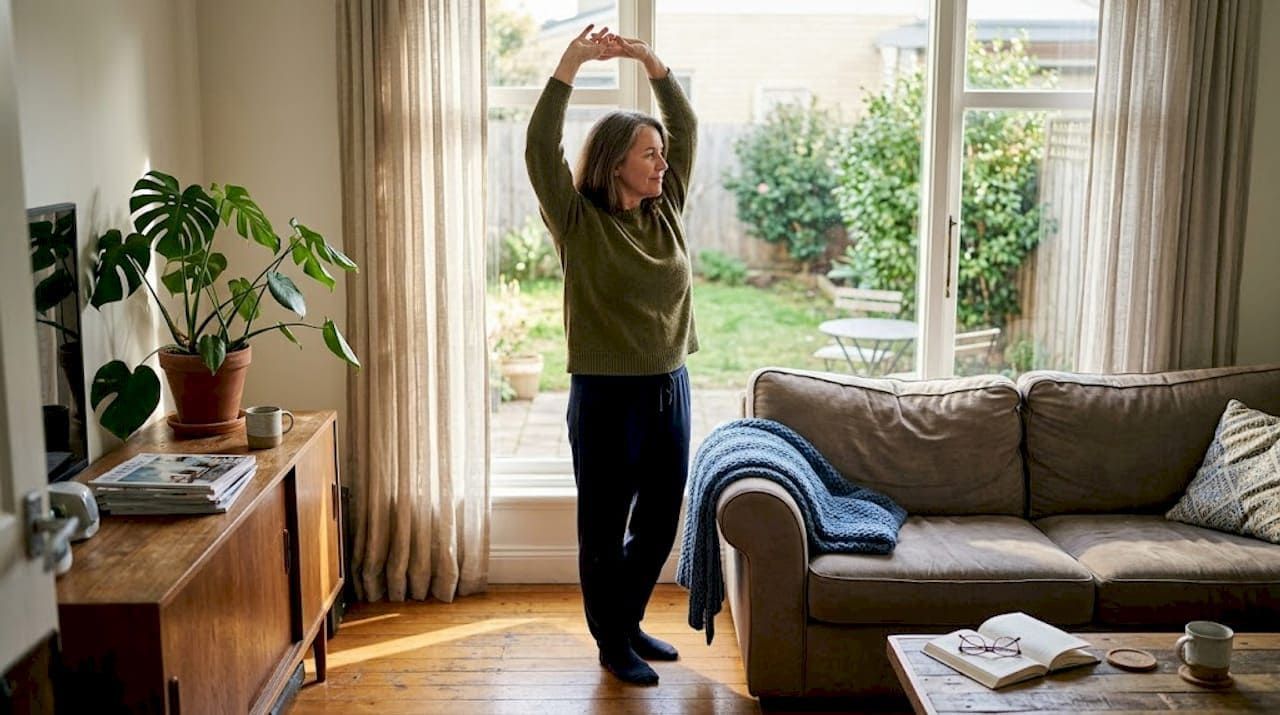
- Prioritize spinal hygiene. Practice daily stretching focused on the thoracic spine, hip flexors, and hamstrings. These areas are primary contributors to low back and neck pain.
- Manage stress actively. Chronic stress is a known amplifier of pain perception. Breathing exercises, mindfulness, and adequate sleep all reduce pain load.
- Track your triggers. Keep a simple pain journal to identify patterns tied to posture, activity, food, or sleep. Data beats guessing.
- Stay connected to your care team. Periodic check-ins with your chiropractor, physical therapist, or wellness provider keep your body on track even when you feel fine.
Exploring your holistic pain management options gives you a broader toolkit beyond just adjustments. And if you're wondering whether conservative approaches can really deliver lasting holistic pain relief, the answer backed by growing evidence is yes, when applied consistently and correctly.
Pro Tip: Don't wait until pain spikes to reach out to your provider. Scheduling a "maintenance" visit when you feel 80% fine rather than waiting until you feel 20% broken is exactly what preventative care looks like in action. The chiropractic benefits for pain extend well beyond crisis management.

The nuances: Preventing complications and avoiding overtreatment
Here's where preventative wellness gets more sophisticated, and honestly, where most health conversations stop too soon. Prevention isn't only about stopping new problems. It's also about managing existing ones wisely, and protecting yourself from care that does more harm than good.
Preventive care doesn't necessarily mean "no treatment." It can include managing existing chronic conditions to prevent complications (tertiary prevention) and, in some frameworks, preventing harm from unnecessary or excessive interventions (quaternary prevention). Both are just as important as primary prevention, especially for people already living with chronic pain.
Tertiary prevention in real life looks like this: you've been diagnosed with degenerative disc disease. You're not "preventing" the diagnosis anymore. Instead, your goal shifts to preventing flare-ups, avoiding spinal stenosis from progressing, and maintaining enough function to stay active and independent. That's a completely legitimate and critical form of prevention.
Quaternary prevention is less talked about but equally vital. It's about knowing when not to treat aggressively. Unnecessary imaging, overuse of opioid medications, redundant surgeries, or excessive passive treatments can all create new problems while masking the original ones.
Practical signs you may need tertiary or quaternary prevention:
- Your pain is well-managed but you're still scheduling reactive emergency visits rather than planned maintenance care.
- You've been prescribed multiple treatments with overlapping purposes and no clear coordination between providers.
- Your condition is stable but you're being pushed toward procedures that your clinical picture doesn't clearly support.
- Flare-ups are increasing in frequency even though you thought things were under control.
- You're relying primarily on medication without any behavioral, physical, or lifestyle component in your care plan.
"Prevention at its most sophisticated isn't just about what you start doing. It's about what you stop doing, what you avoid, and what you protect yourself from." That's the StatPearls framing of quaternary prevention in practice.
Knowing how to prevent worsening symptoms after an injury or with a chronic condition requires exactly this kind of nuanced thinking. Understanding the full range of chiropractic techniques for wellness can also help you and your provider make smarter decisions about what your care plan should actually include.
Our take: Why preventative wellness is often misunderstood
After years of working with patients across West Central Florida, one pattern stands out clearly. Most people don't skip preventative wellness because they don't care. They skip it because they genuinely don't feel sick yet, and waiting feels logical when nothing is obviously wrong.
That's the trap. Pain is a lagging indicator. By the time it shows up consistently, the underlying dysfunction has usually been building for months, sometimes years. True preventative wellness isn't a yearly physical or an occasional adjustment when things get tight. It's an ongoing commitment to understanding how your body moves, where your risks lie, and what specific strategies keep those risks in check.
The other common pitfall is assuming that any treatment equals preventative care. Not every adjustment, supplement, or wellness service is inherently preventative. What makes care preventative is the intent and evidence behind it. Is it targeted to your documented risk factors? Is it part of a coordinated plan with measurable goals? If the answer is no, it's reactive care wearing a preventative label.
Real preventative wellness is specific, proactive, and personal. It demands more from patients and providers alike, but the payoff is a body that works better, longer, with less disruption.
Next steps: Proactive care and expert support in West Central Florida
If everything you've read here resonates, the next move is simpler than you might think. You don't need a perfect plan before you start. You need a first step.
At Essential ChiroCare, our providers across Tampa, Brandon, Sarasota, Lakeland, and Pinellas Park specialize in exactly this kind of proactive, evidence-based, personalized care. Whether you're managing existing chronic pain or trying to stop problems before they start, our chiropractic care services and physical rehab services are built to meet you where you are. For those dealing with disc-related issues or nerve pain, our spinal decompression guide is a great place to see what targeted, conservative care looks like in action. Schedule a consultation and start building a plan that actually works for your body.
Frequently asked questions
What are the main levels of preventative wellness?
The main levels are primary (risk reduction before illness), secondary (early detection), tertiary (managing complications), and quaternary (preventing overtreatment). StatPearls outlines all four as distinct stages of a complete prevention framework.
How does preventative wellness help someone with chronic pain?
It reduces risk factors, encourages early intervention, and builds self-management skills through exercise, education, and lifestyle change. CMS preventive care guidance specifically highlights behavior and lifestyle modifications as central to effective prevention.
Is preventative wellness just about avoiding illness, or does it include treating existing conditions?
It includes managing existing chronic conditions to stop them from worsening, not just avoiding new illness. StatPearls explicitly includes tertiary and quaternary prevention as legitimate, important stages of the prevention model.
How personalized should preventative wellness plans be?
Plans should be tailored to each person's specific risk factors, including age, genetics, lifestyle, and physical environment. Merck's overview confirms that prevention goals must align with an individual's unique risk profile to be effective.
Can chiropractic care be part of preventative wellness?
Yes, chiropractic care combined with exercise and patient education is evidence-backed for both prevention and chronic pain management. Conservative manual therapy research supports its role as part of a coordinated, self-management-focused wellness plan.
Recommended