
Chiropractic in Crash Recovery: Your 2026 Guide
TL;DR:
- Getting evaluated within 72 hours after a car accident helps identify hidden injuries before they become chronic problems. Chiropractic care, including adjustments and rehabilitative exercises, improves mobility and reduces reliance on medication. Prompt assessment and proper documentation support faster recovery and stronger insurance claims.
Chiropractic care is one of the most effective early interventions after an auto accident, and the window that matters most is the first 72 hours. Adrenaline and acute inflammation mask injuries for up to three days, meaning you can walk away from a collision feeling fine and wake up two days later with neck pain, stiffness, or headaches that trace directly back to the crash. Getting evaluated before that window closes gives a chiropractor the chance to catch soft tissue damage, joint restrictions, and compensation patterns before they harden into chronic problems.
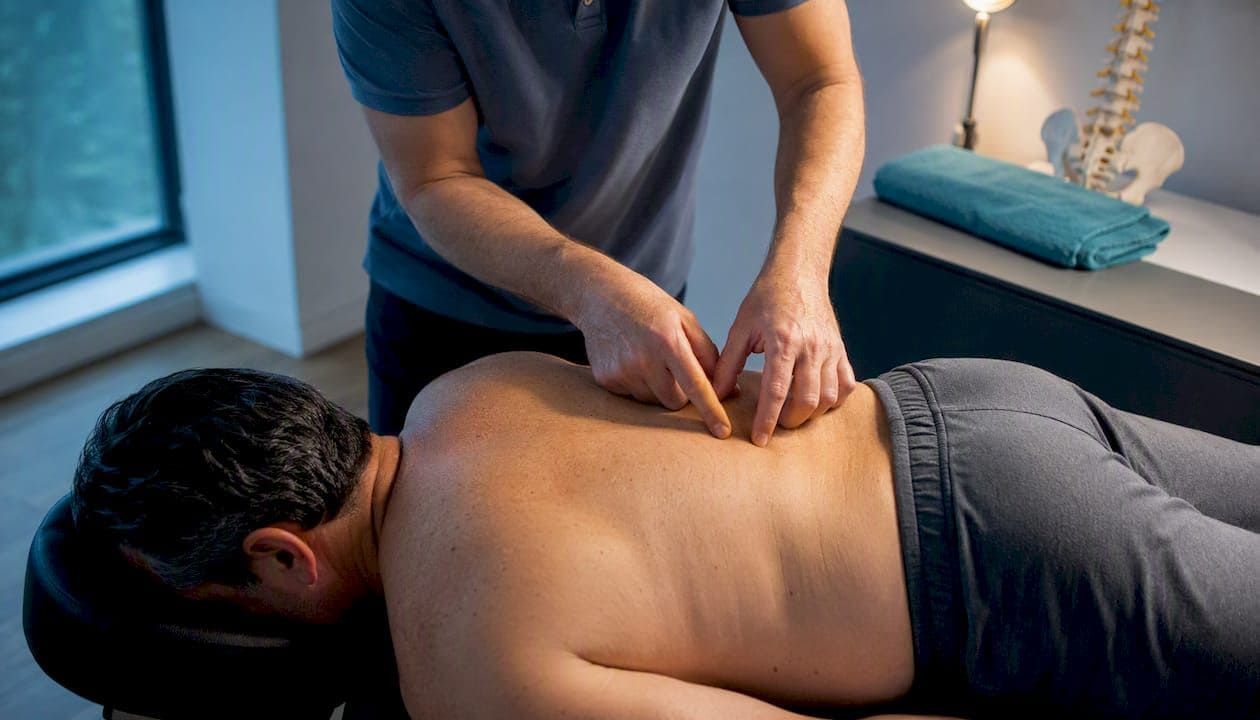
The role of chiropractic in crash recovery covers far more than pain relief. Spinal manipulation, soft tissue mobilization, and progressive rehabilitation exercises work together to restore mobility, reduce inflammation, and prevent scar tissue from forming in the wrong patterns. Research published in Chiropractic & Manual Therapies in 2026 supports chiropractic's place in multidisciplinary rehabilitation teams, and a 2026 cohort study found that patients with back injuries who initiated care with a chiropractor were less likely to experience prolonged disability compared to those who saw a primary care physician first.
- Seek evaluation within 72 hours, even without obvious pain
- Chiropractic is most appropriate for Whiplash-Associated Disorder (WAD) Grades I and II
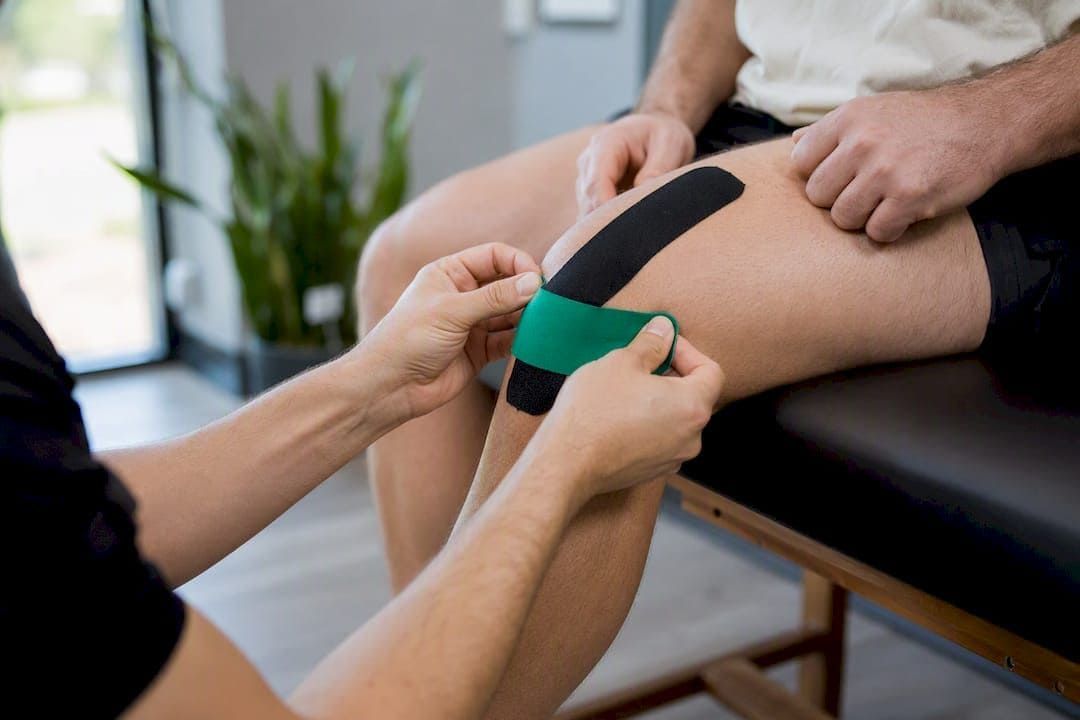
- Techniques include spinal adjustments, soft tissue work, and rehabilitative exercises
- Early care reduces scar tissue formation and movement compensations
- Thorough documentation supports insurance claims and legal processes

How chiropractic in crash recovery starts: timing and injury types
The 72-hour rule exists because your body's stress response actively hides damage. Once adrenaline fades and inflammation peaks, symptoms that were invisible on day one can become debilitating by day three. Seeing a chiropractor within that window lets the clinician assess joint motion, soft tissue integrity, and neurological signs before swelling obscures the picture.
Chiropractic care is appropriate for WAD Grades I and II, which cover soft tissue tenderness and musculoskeletal complaints without neurological deficits. These are the most common crash injuries: neck strain, lumbar sprain, thoracic dysfunction from seatbelt loading, and facet joint irritation.
- WAD Grade I: Neck pain or stiffness, no physical signs
- WAD Grade II: Musculoskeletal signs such as reduced range of motion and point tenderness
- Lumbar sprain/strain: Common in frontal and side-impact collisions
- Thoracic dysfunction: Rib and mid-back restrictions from the shoulder belt
- WAD Grade III or higher: Neurological signs present; requires co-management before chiropractic proceeds
- Contraindications: Fractures, ligamentous instability, active spinal cord injury, or vascular injury require medical clearance first
Why chiropractic benefits after accidents go beyond pain relief
Chiropractic adjustments reduce nerve pressure and muscle guarding, which improves circulation and helps flush inflammatory byproducts from injured tissues. That is why patients often report feeling less stiff and more mobile within a few visits, not just less painful at the injury site.
The drug-free nature of chiropractic care carries real clinical weight. Addressing pain at the source through spinal adjustments reduces reliance on opioids and long-term NSAID use, both of which carry significant side-effect profiles. Combining passive adjustments with active rehabilitation exercises builds neuromuscular control, which is what prevents the same injury from recurring.
Chiropractors also contribute meaningfully inside multidisciplinary rehabilitation teams. They perform comprehensive musculoskeletal assessments, deliver spinal and peripheral manipulation, prescribe exercise therapy, and serve as referral gatekeepers when a case exceeds conservative care. Essentialchirocare integrates manual therapy with physical rehab precisely because passive care alone does not build the strength needed for lasting recovery.
How chiropractic documentation supports your insurance claim
The gap between your accident and your first medical evaluation is one of the easiest things an insurance adjuster uses to deny a claim. A chiropractor who evaluates you within the first few days creates a dated, clinical record that directly links your injuries to the collision.
Thorough clinical documentation tracks symptom progression, functional limitations, and treatment response over time. Those records justify ongoing care, support Personal Injury Protection (PIP) claims, and provide the paper trail attorneys need for third-party liability settlements. Essentialchirocare maintains documentation standards aligned with American Chiropractic Association clinical guidelines, which matters whether your case resolves in 60 days or two years.
- Initial evaluation establishes the injury-to-crash link
- Progress notes track functional improvement and justify continued care
- Objective findings (range of motion, orthopedic tests) strengthen claim validity
- Delayed evaluation creates gaps insurers use to dispute causation
When you need a specialist alongside your chiropractor
Not every crash injury stays within chiropractic scope, and a good chiropractor will tell you that directly. WAD Grade III, which involves neurological signs such as diminished reflexes, dermatomal numbness, or radicular pain, requires co-management with an orthopedist or neurologist before manual therapy proceeds.
Disc herniations with active radiculopathy, symptoms that fail to improve after 6–8 weeks of conservative care, and any red-flag findings on imaging all indicate that a physiatrist or spine surgeon needs to be part of the picture. Fractures, ligamentous instability, and confirmed vertebral artery injury are absolute contraindications. Referring appropriately is not a limitation of chiropractic practice; it is the standard that separates evidence-based clinicians from those who treat everything the same way.
How Essentialchirocare supports crash recovery with specialized care
Essentialchirocare's doctors bring sports medicine backgrounds to auto injury cases, which means they assess movement quality and functional deficits, not just pain levels. That distinction matters when a crash leaves you with a shoulder compensation pattern that started as a neck injury.
Pro Tip: Ask your chiropractor to assess your full kinetic chain at the initial visit, not just the area that hurts. Crash injuries frequently create secondary compensations in the hips, thoracic spine, and shoulders that become their own pain sources if left unaddressed.
The clinic's approach combines targeted spinal adjustments, soft tissue therapy, and progressive rehab exercises into a single coordinated plan. Treatment protocols address whiplash, lumbar injuries, and joint dysfunction with specific techniques matched to injury grade and patient tolerance. Documentation practices align with clinical standards to support both recovery and insurance advocacy across all Essentialchirocare locations in Tampa, Brandon, Sarasota, Lakeland, and Pinellas Park.
What the patient experience actually looks like
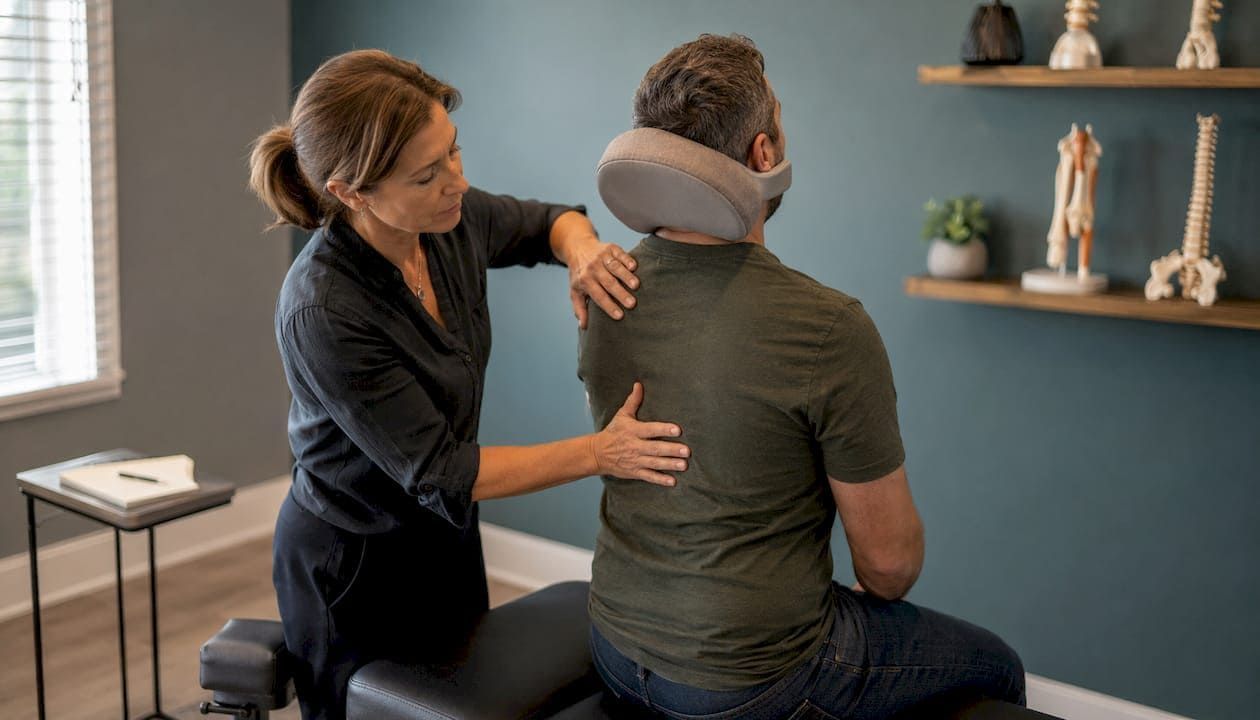
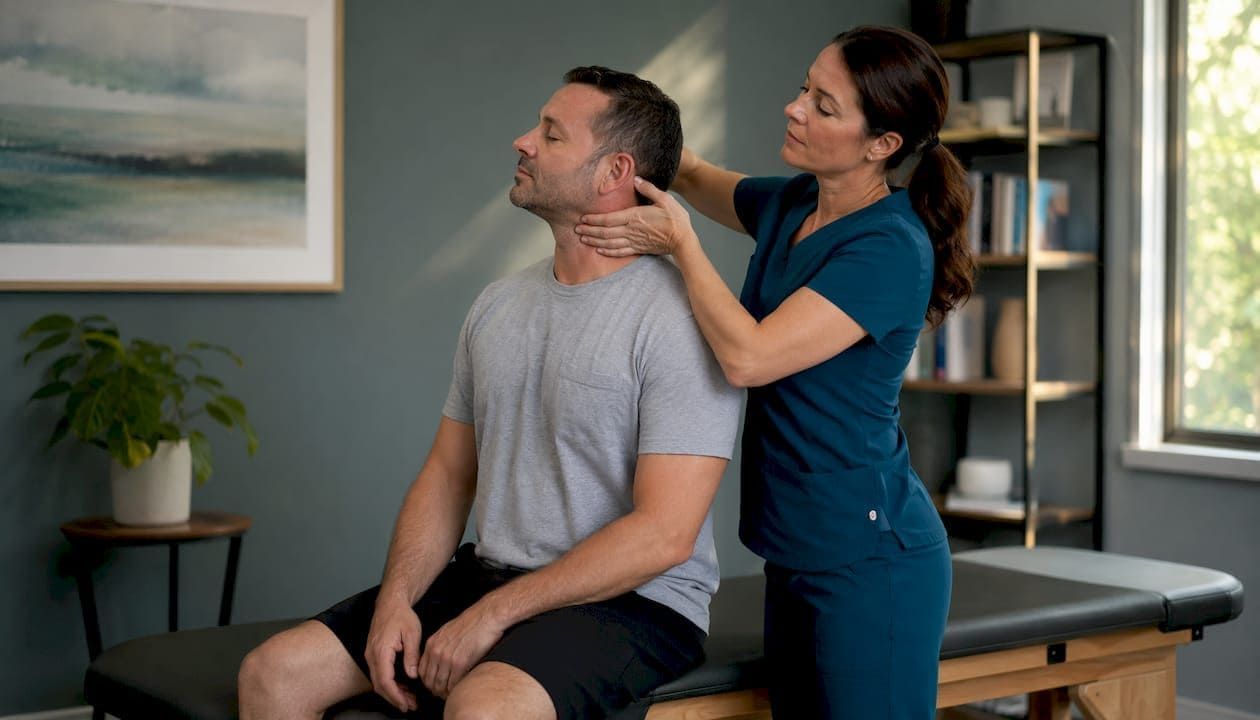
Your first visit will involve a detailed symptom inventory, range-of-motion testing, orthopedic and neurological screening, and palpation of the spine and soft tissues. The goal is to identify both what is injured and what is compensating for it. Many patients report meaningful relief within the first few visits as joint mobility improves and muscle guarding decreases.
Pain management through chiropractic is progressive. Early visits focus on reducing acute inflammation and restoring basic movement. As symptoms settle, the emphasis shifts to rebuilding strength and mobility through targeted exercises. Home care, including gentle range-of-motion drills and ice in the first 48–72 hours, reinforces in-office work between appointments.

How long does chiropractic care take after a crash?
Recovery timelines vary by injury severity, but general patterns hold. Mild cases, typically minor whiplash or soft tissue strain without disc involvement, often resolve within 4–8 weeks of consistent care. Moderate cases involving more significant whiplash or disc bulges without nerve compression usually require 6–12 weeks, with visit frequency tapering as function improves. Severe cases with disc herniations, nerve involvement, or pre-existing conditions can extend to 3–6 months and typically involve coordination with other providers.
The single strongest predictor of a longer recovery is delayed or undertreated acute injury. Patients who get evaluated and start care early consistently reach functional milestones faster than those who wait. Preparing your home environment for recovery can also reduce strain between visits and support the gains made in the clinic.
Risks and contraindications you should know
Chiropractic care after a crash is safe for the right patient and the right injury, but it is not universally appropriate. High-velocity manipulation is contraindicated when imaging shows fracture, ligamentous instability, or spinal cord compromise. Vertebral artery injury, though rare, is another absolute contraindication for cervical manipulation.
For patients with osteoporosis, active inflammatory arthritis, or anticoagulant use, chiropractors typically use low-force techniques or mobilization rather than traditional high-velocity adjustments. Mild post-treatment soreness for 24–48 hours is common and normal. Worsening neurological symptoms, new weakness, or bowel and bladder changes after treatment are red flags that require immediate medical evaluation.
How to choose the right chiropractor after a crash
Look for a chiropractor with documented experience in auto accident injuries, not just general musculoskeletal care. The clinical process should include a thorough intake, orthopedic and neurological testing, and a clear explanation of findings before any treatment begins. A chiropractor who skips the exam and goes straight to adjusting is a warning sign.
Ask specifically about their documentation practices and whether they coordinate with attorneys or insurance adjusters. Verify that they will refer you to a specialist if your case requires it. Clinics with sports medicine-trained doctors, like Essentialchirocare, tend to take a more functional, movement-based approach that serves crash patients better than pain-focused-only models.
Essentialchirocare: post-crash care built around your recovery
Recovering from a crash means more than waiting for the pain to fade. Essentialchirocare offers a concierge-style chiropractic model built specifically for auto accident patients across West Central Florida, combining early evaluation, targeted spinal care, and physical rehabilitation under one roof.
The doctors at Essentialchirocare bring sports medicine expertise to every injury assessment, which means your treatment plan addresses the full picture of how the crash affected your body, not just the spot that hurts most. Documentation is handled with the rigor your insurance claim requires, and co-management referrals are made whenever a case calls for specialist input. If you were in a crash and have not yet been evaluated, the time to act is now. Book your evaluation at Essentialchirocare and get a clear picture of what your body actually needs to heal.
Key Takeaways
Chiropractic care delivers the best outcomes after a crash when it starts within 72 hours, matches treatment to injury grade, and integrates documentation with active rehabilitation.
| Point | Details |
|---|---|
| 72-hour evaluation window | Adrenaline masks injuries; early assessment prevents chronic scar tissue and compensation patterns. |
| WAD Grade I/II fit best | Soft tissue and musculoskeletal injuries without neurological signs are the ideal candidates for chiropractic care. |
| Active rehab matters | Combining spinal adjustments with progressive exercises builds neuromuscular control and prevents recurrence. |
| Documentation protects you | Clinical records linking injuries to the crash are critical for PIP claims, third-party liability, and legal settlements. |
| Essentialchirocare | Offers sports medicine-trained doctors, injury-specific protocols, and insurance-ready documentation across West Central Florida. |