
Concussion Management Explained: Your Recovery Guide
TL;DR:
- Concussion management now emphasizes early, guided activity and brief rest, rather than prolonged bed rest.
- A multidisciplinary approach, including cervical spine and vestibular rehabilitation, enhances recovery, especially in persistent cases.
Concussion management is the evidence-based process of recognizing, treating, and rehabilitating a brain injury through structured protocols that balance brief initial rest with gradual, guided activity resumption. The field has shifted dramatically in recent years. The Amsterdam International Consensus Statement 2022 and tools like the SCAT6 and CRT6 now guide clinicians away from prolonged bed rest and toward early, supervised movement. The Buffalo Concussion Exercise Treatment Protocol demonstrates that early aerobic exercise can help adolescent athletes recover 5 to 6 days faster than standard rest alone. That single finding reframes everything most people believe about concussion care.

What are the key steps in concussion management?
Concussion management explained in its simplest form is a stepwise process: recognize, remove, assess, rest briefly, then rebuild. Each stage has a specific purpose, and skipping any one of them increases the risk of prolonged symptoms.
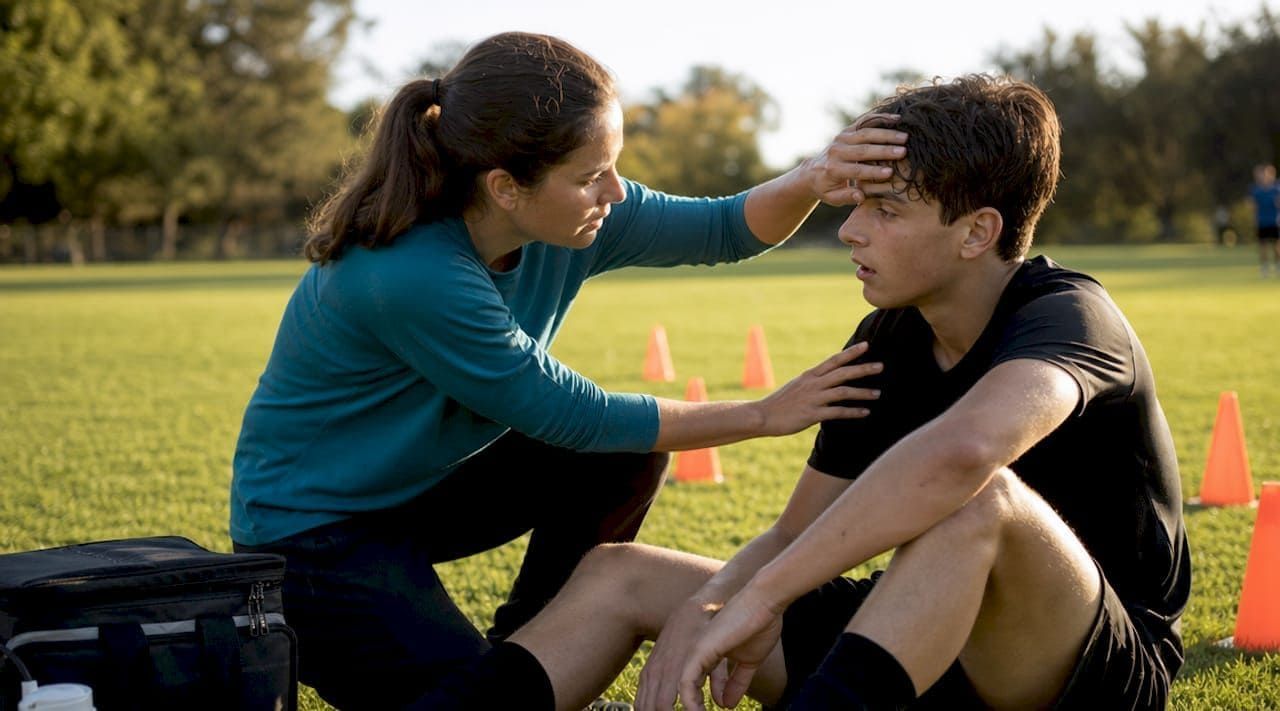
Step 1: Remove from activity immediately. The guiding principle in sports concussion protocols is "if in doubt, sit them out." Any athlete suspected of a concussion must leave the field and not return that day, regardless of how mild the symptoms appear.
Step 2: Conduct a sideline assessment. Trained personnel use the SCAT6 (Sport Concussion Assessment Tool 6) or the CRT6 (Concussion Recognition Tool 6) to evaluate orientation, memory, balance, and symptom severity. These tools do not diagnose a concussion but flag who needs immediate medical attention and who requires monitoring.
Step 3: Limit strict rest to 24 to 48 hours. Modern concussion guidelines recommend only a short window of physical and cognitive rest. After that window, light sub-threshold aerobic activity such as walking or stationary cycling begins, provided symptoms do not worsen significantly.
Step 4: Progress through the return-to-play protocol. The stepwise 5 to 6 stage protocol requires a minimum of 24 hours at each stage with no symptom increase before advancing. Collision sports require at least 14 to 21 symptom-free days before full contact resumes.
Step 5: Address return-to-learn. Students need school accommodations before they return to sport. Cognitive demands like reading, screen time, and testing can aggravate symptoms. Teachers and school counselors should be informed so workload adjustments can be made.
Step 6: Seek specialist evaluation when symptoms persist. If symptoms last beyond 10 to 14 days in adults or 4 weeks in children, a multidisciplinary specialist team should evaluate the patient for post-concussion syndrome or cervical spine involvement.
Pro Tip: Never return to contact activity on the same day as a suspected concussion. The risk of second-impact syndrome, a rare but potentially fatal condition from a second head injury before the first has healed, makes same-day return unacceptable at any level of sport.
Why is early, guided activity better than prolonged rest?
The old advice to lie in a dark room until all symptoms resolved is now outdated and harmful. Prolonged isolation and sensory deprivation do not accelerate brain healing. They create deconditioning, increase anxiety, and can actually extend symptom duration.
The modern understanding is built on a concept called sub-threshold exercise. You exercise at an intensity that does not provoke a significant worsening of symptoms. This level varies by individual and is often determined through a graded treadmill test. The physiological rationale is that light aerobic activity improves cerebral blood flow regulation, which is disrupted after a concussion.
Here is what the evidence now supports versus what it replaces:
- Old approach: Strict rest in a dark room until fully symptom-free, often lasting weeks
- New approach: 24 to 48 hours of relative rest, then progressive light activity guided by symptom response
- Old approach: Avoid all screens, reading, and social interaction
- New approach: Limit activities that significantly worsen symptoms, but do not eliminate cognitive engagement entirely
- Old approach: No exercise until cleared by a doctor weeks later
- New approach: Begin walking or light cycling within days under the "mild symptom increase" rule
The "mild symptom increase" rule means a brief, temporary rise in symptoms during activity is acceptable. A symptom score that returns to baseline within 30 minutes of stopping exercise is considered safe. A sharp or sustained increase signals you have exceeded your threshold and need to reduce intensity.
"You should never just stay in a dark room. Light activity aids recovery." — Dr. Chen, as cited by the American Medical Association
Sleep disturbances are a major driver of prolonged symptoms after concussion. Prioritizing sleep hygiene, limiting alcohol, and managing caffeine intake are practical steps that directly support brain healing and are often overlooked in standard recovery conversations.
How does multidisciplinary care support concussion management?
A concussion does not affect only the brain. Concussions trigger multi-system effects including digestive and hormonal system involvement, which is why recovery should address the whole person, not just the head.
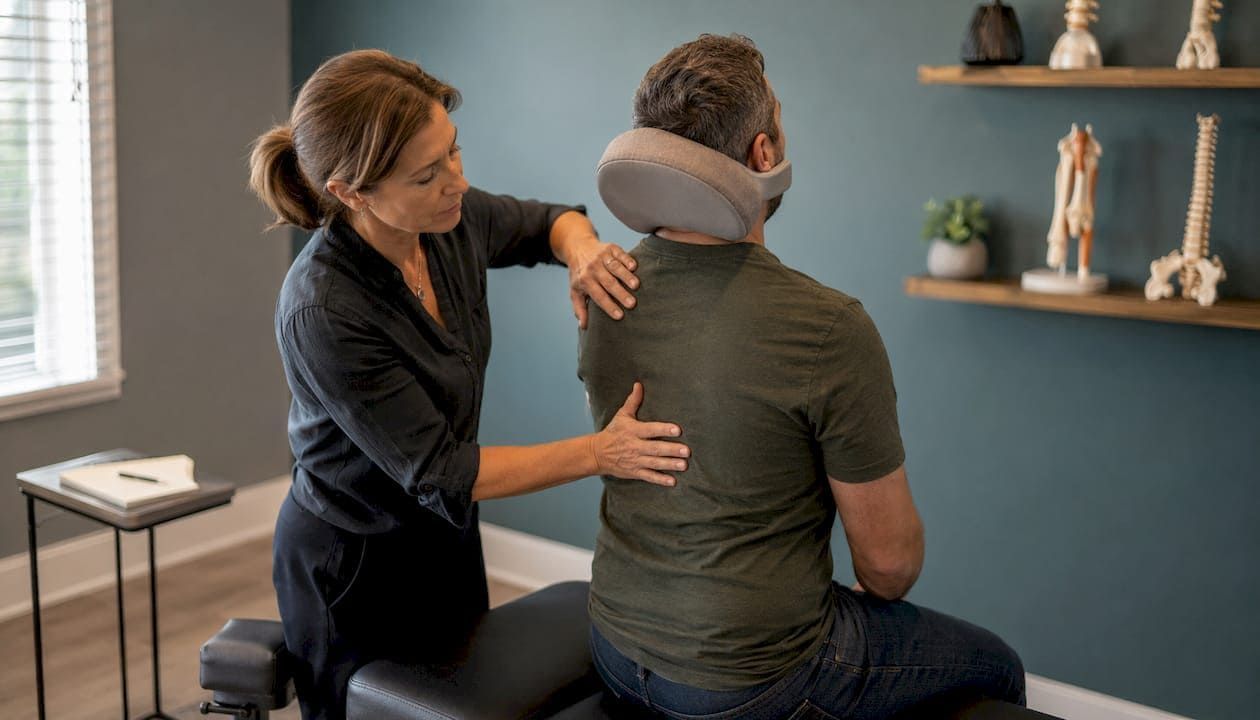
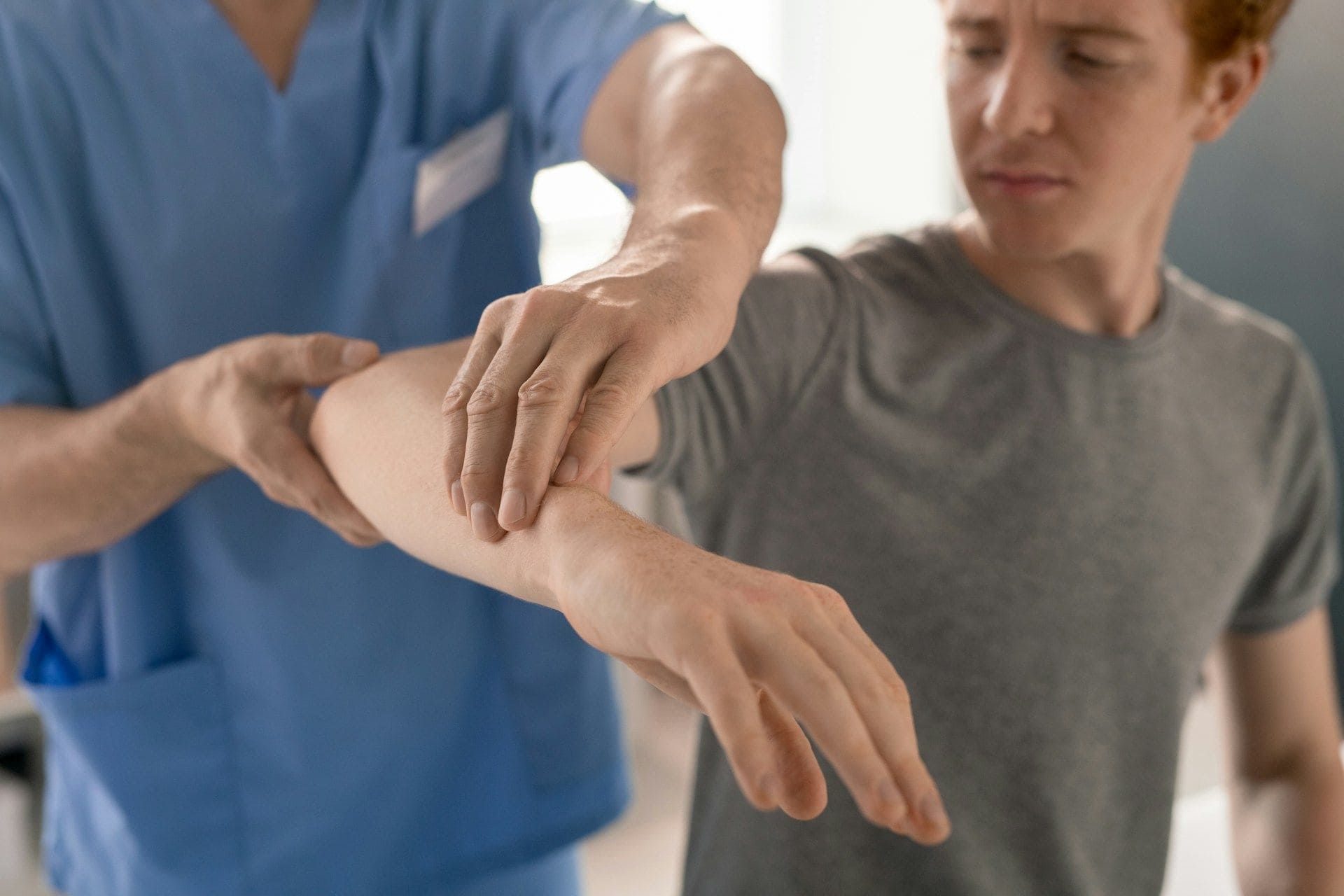
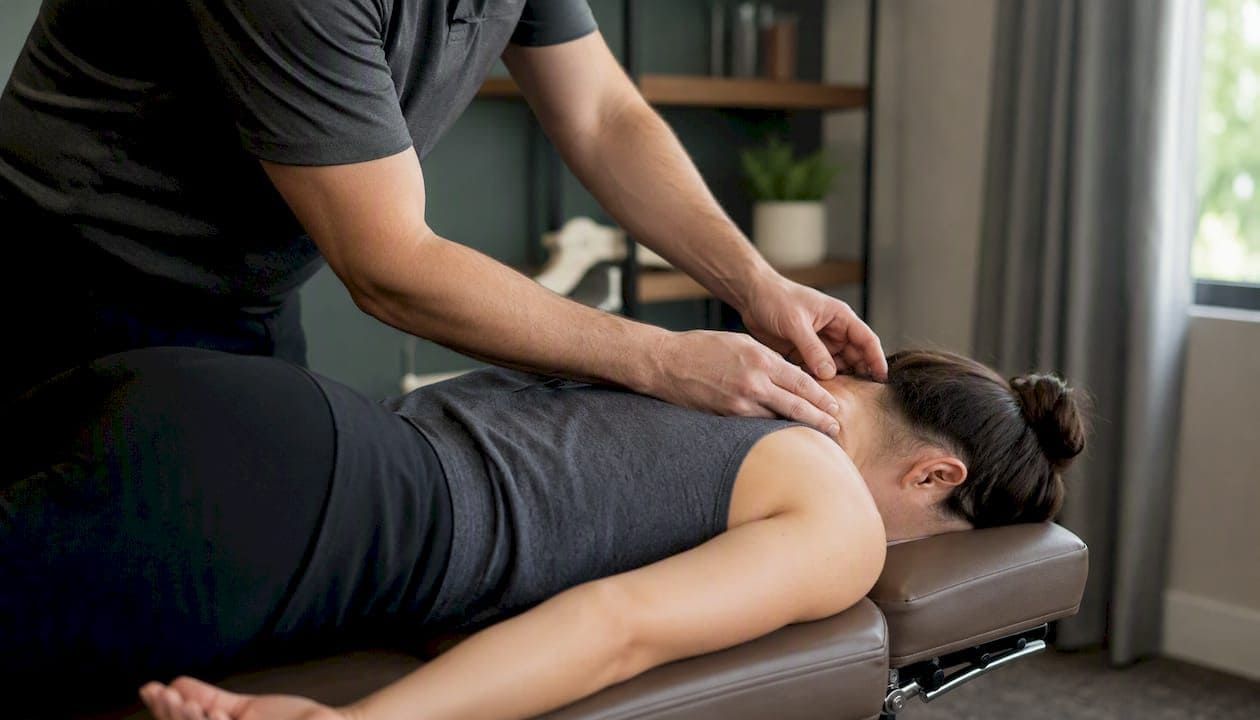
The most underappreciated component of concussion care is cervical spine rehabilitation. Most concussions involve a rapid acceleration-deceleration force that also strains the neck. Cervical muscle function and joint position sense are frequently disrupted, and untreated cervical injury is a primary driver of persistent headaches and dizziness that patients and clinicians often misattribute to the brain injury alone. Treating the neck is not optional in complex cases. It is central to recovery.
A well-structured multidisciplinary concussion program includes:
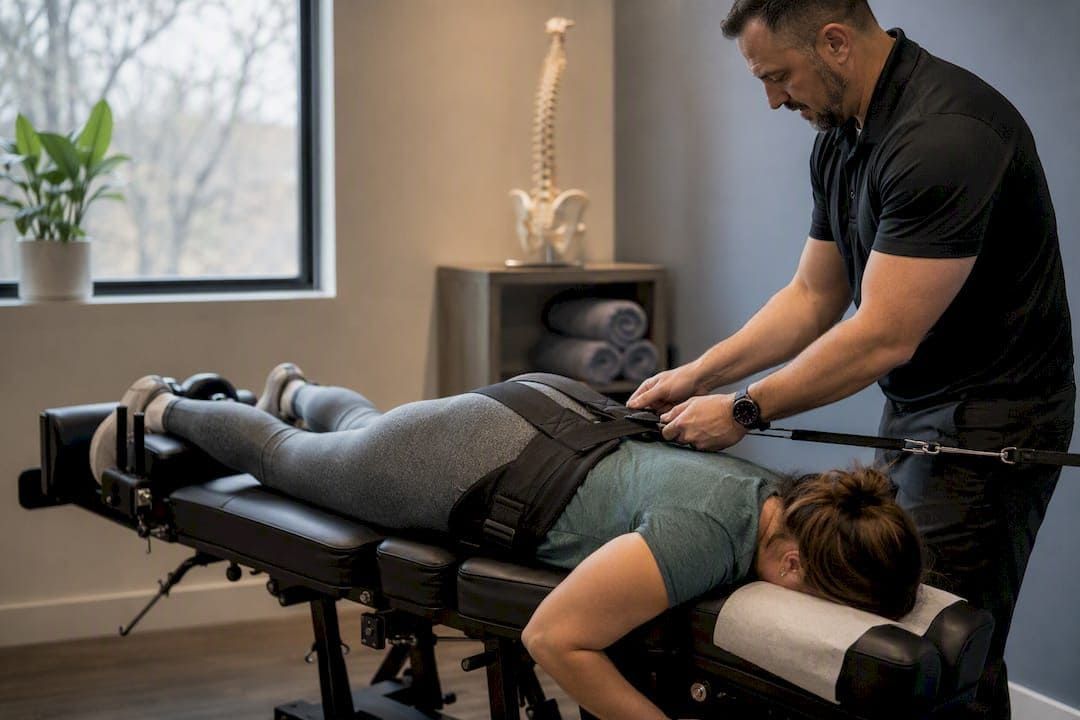
- Cervical spine rehabilitation: Manual therapy, targeted strengthening, and joint position sense retraining to address whiplash components
- Vestibular and oculomotor rehabilitation: Exercises that retrain balance and eye movement coordination, both of which are commonly disrupted after concussion
- Nutritional support: Anti-inflammatory foods, adequate hydration, and omega-3 fatty acid intake to reduce neuroinflammation and support tissue repair
- Psychological support: Cognitive behavioral therapy or counseling to address anxiety, depression, and the emotional burden of prolonged recovery
- Sleep optimization: Structured sleep schedules and behavioral strategies to address the sleep disruption that extends recovery timelines
Pro Tip: If you are still experiencing headaches, dizziness, or neck pain two weeks after a concussion, ask specifically for a cervical spine assessment. Many clinicians focus exclusively on the brain and miss the neck component entirely. A physical therapy evaluation after concussion can identify cervical dysfunction that standard neurological exams do not screen for.
The holistic recovery approach that integrates diet, manual neck rehab, and psychological therapy produces measurably better outcomes than rest alone, particularly in patients with symptoms lasting beyond two weeks.
What are the symptoms, risks, and timelines of concussion recovery?
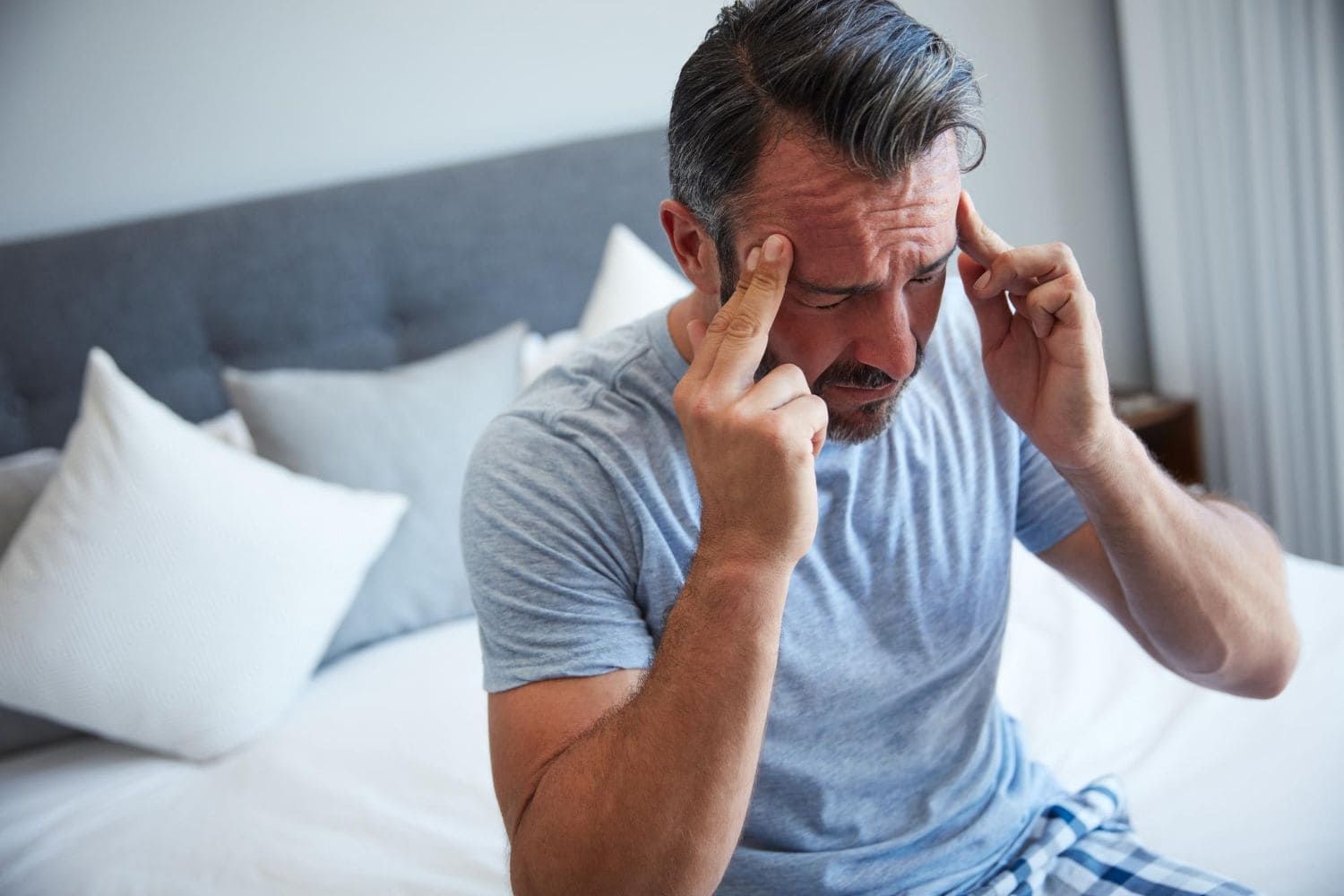
Concussion symptoms fall into four categories: physical, cognitive, emotional, and sleep-related. Understanding which category your symptoms fall into helps guide the right type of treatment.
| Symptom Category | Common Examples |
|---|---|
| Physical | Headache, dizziness, nausea, light sensitivity, noise sensitivity, blurred vision |
| Cognitive | Brain fog, difficulty concentrating, memory problems, slowed processing speed |
| Emotional | Irritability, anxiety, sadness, emotional lability |
| Sleep-related | Insomnia, sleeping too much, fatigue, difficulty falling asleep |
Most adults recover within 7 to 14 days with appropriate management. Children and adolescents typically take up to 4 weeks, partly because the developing brain is more vulnerable and partly because academic demands complicate cognitive rest. Athletes who return to play too early consistently show longer recovery times than those who follow structured protocols.
The risk of post-concussion syndrome is real and significant. Up to 20 to 30% of concussion patients develop symptoms lasting beyond the expected recovery window, and delayed specialist treatment is the strongest predictor of that outcome. Recognizing the signs of post-concussion syndrome early gives you the best chance of avoiding a prolonged recovery.
Red flags that require immediate emergency evaluation include:
- One pupil larger than the other
- Seizures or convulsions
- Repeated vomiting
- Worsening headache that does not respond to rest
- Loss of consciousness lasting more than one minute
- Slurred speech or inability to recognize familiar people
One distinction that catches many patients off guard: clinical symptom resolution does not mean the brain has healed. Physiological recovery lags behind symptom resolution by days to weeks. This is why physician clearance and neurocognitive testing are required before returning to contact sports, even when you feel completely normal. Feeling fine is not the same as being cleared.

Key takeaways
Effective concussion management requires early recognition, brief rest, and progressive guided activity rather than prolonged isolation, with multidisciplinary care for complex or persistent cases.
| Point | Details |
|---|---|
| Limit initial rest | Strict rest should last only 24 to 48 hours before introducing light, sub-threshold aerobic activity. |
| Follow the return-to-play stages | Progress through 5 to 6 stages with at least 24 hours per stage and no significant symptom increase. |
| Treat the cervical spine | Neck injury accompanies most concussions and drives persistent headaches and dizziness if left untreated. |
| Watch for post-concussion syndrome | Up to 30% of patients develop prolonged symptoms; early specialist evaluation is the strongest protective factor. |
| Clearance requires more than feeling better | Symptom resolution precedes physiological healing; neurocognitive testing and physician sign-off are required before contact sport return. |
The myth that keeps people stuck in recovery
The single most damaging piece of concussion advice still circulating in 2026 is "rest completely until you feel better." I have seen patients who followed that instruction for three and four weeks, lying in dark rooms, avoiding friends, skipping school, and wondering why they felt worse. The answer is that prolonged isolation is not treatment. It is the absence of treatment.
What actually moves recovery forward is structured, progressive engagement. That means walking the day after a concussion, not the week after. It means going back to school with accommodations, not waiting until you are symptom-free. It means having your neck assessed by a clinician who understands that whiplash and concussion frequently occur together and require separate treatment tracks.
The other misconception I push back on hard is the idea that concussion management is a waiting game. The time to first specialized intervention is the strongest predictor of whether a patient avoids post-concussion syndrome. That means the clock starts at injury, not at the point when symptoms become unbearable. Getting evaluated within the first 72 hours is not overcautious. It is the standard of care.
Individualize the plan. A 16-year-old soccer player, a 45-year-old office worker, and a 60-year-old recreational cyclist do not recover on the same timeline or with the same interventions. Anyone telling you concussion recovery is a one-size protocol has not treated enough concussions.
How Essentialchirocare supports your concussion recovery
Recovering from a concussion involves more than waiting out the symptoms. At Essentialchirocare, the clinical team addresses the full picture of concussion recovery, including cervical spine dysfunction, vestibular disruption, and musculoskeletal injury that standard urgent care visits routinely miss.
Essentialchirocare's chiropractic care services and physical rehabilitation programs are built for patients who need more than rest. Whether you are an athlete navigating return-to-play protocols or someone managing persistent post-concussion symptoms after a car accident, the team at Essentialchirocare creates individualized recovery plans that treat the neck, restore function, and get you back to full activity safely. Clinics are located across Tampa, Brandon, Sarasota, Lakeland, and Pinellas Park. Schedule your evaluation today.
FAQ
What is the first thing to do after a suspected concussion?
Remove the person from activity immediately and do not allow return to play that day. Use the CRT6 or SCAT6 for a sideline assessment and seek medical evaluation within 24 to 72 hours.
How long does concussion recovery take?
Most adults recover within 7 to 14 days with proper management. Children and adolescents may take up to 4 weeks, and up to 30% of patients develop post-concussion syndrome with symptoms lasting beyond the expected window.
Is it safe to sleep after a concussion?
Yes. Sleep is therapeutic after a concussion and supports brain healing. The outdated advice to keep someone awake after a head injury is not supported by current evidence unless there are red flag symptoms requiring emergency monitoring.
When can an athlete return to contact sports after a concussion?
Return to full contact requires completing a 5 to 6 stage stepwise protocol with at least 24 hours per stage, physician clearance, and a minimum of 14 to 21 symptom-free days for collision sports. Feeling better is not sufficient clearance on its own.
Does a concussion always involve loss of consciousness?
No. Loss of consciousness occurs in fewer than 10% of concussions. Most concussions involve confusion, disorientation, or brief memory gaps without any loss of consciousness, which is why many go unrecognized at the time of injury.