Physical therapy exercises for pain relief: proven methods
Finding the right physical therapy exercises can feel overwhelming when you're dealing with chronic pain or recovering from an injury. You want relief fast, but not every exercise works for every condition. This article introduces evidence-backed physical therapy exercises specifically effective for common pain areas like your lower back and knees. You'll discover targeted movements proven to strengthen muscles, reduce discomfort, and speed recovery, all relevant to patients across West Central Florida seeking holistic wellness and lasting pain relief.

Table of Contents
- How To Choose Effective Physical Therapy Exercises For Pain Relief
- Key Physical Therapy Exercises For Lower Back Pain
- Effective Exercises For Knee Rehabilitation And Post-ACL Recovery
- Comparing Physical Therapy Exercises: Which Is Right For Your Condition?
- Explore Comprehensive Chiropractic And Physical Rehab Services In West Central Florida
- FAQ
Key takeaways
| Point | Details |
|---|---|
| Targeted exercises relieve pain | Specific movements like isolated lumbar extension and core strengthening effectively reduce chronic low back and knee pain |
| Multimodal programs work best | Combining physical therapy exercises with manual therapy delivers superior recovery outcomes |
| Core strength reduces back pain | Planks, abdominal bracing, and stretching exercises strengthen your core and alleviate lower back discomfort |
| Professional guidance optimizes results | Personalized rehabilitation programs shaped by expert assessment maximize healing and prevent re-injury |
How to choose effective physical therapy exercises for pain relief
Selecting the right exercises starts with understanding your specific pain location and injury type. Lower back pain requires different movements than knee rehabilitation, so identifying your primary concern helps narrow your options. Look for exercises proven through research to strengthen the exact muscles affected by your condition and provide measurable pain relief.
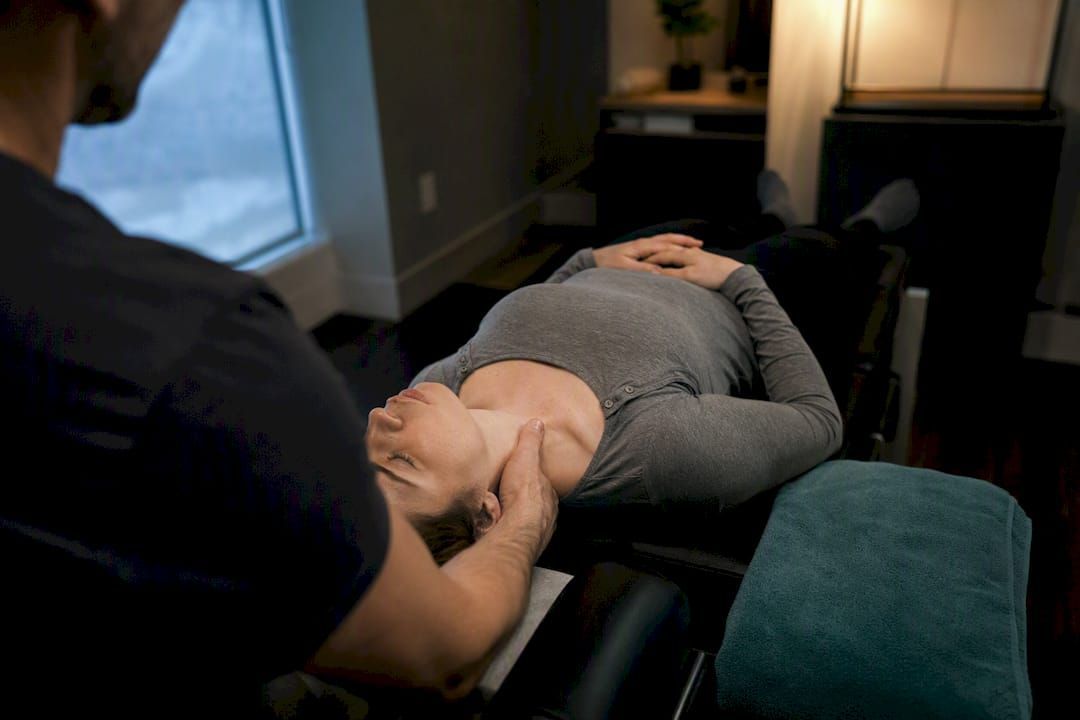
Multimodal programs combining exercise and manual therapy provide superior outcomes compared to exercise alone. This integrated approach addresses both muscle weakness and tissue restrictions that contribute to ongoing pain. Personalization matters tremendously because professional assessment reveals which exercises match your current strength level, pain tolerance, and recovery stage.
When evaluating exercises, consider these factors:
- Pain location and severity
- Current mobility limitations
- Equipment availability
- Time commitment required
- Progression potential as you improve
Monitor your body's response carefully during each session. Mild discomfort during stretching is normal, but sharp or shooting pain signals you should stop immediately. Effective exercises challenge your muscles without aggravating your injury.
Pro Tip: Start with gentle movements and gradually increase intensity as your pain decreases and strength builds, ensuring sustainable progress without setbacks.
Working with professionals who understand your condition ensures exercises target root causes rather than just symptoms. They can adjust techniques based on your progress and modify programs when certain movements don't feel right. This expert guidance prevents wasted effort on ineffective exercises and reduces your risk of re-injury during recovery.
Key physical therapy exercises for lower back pain
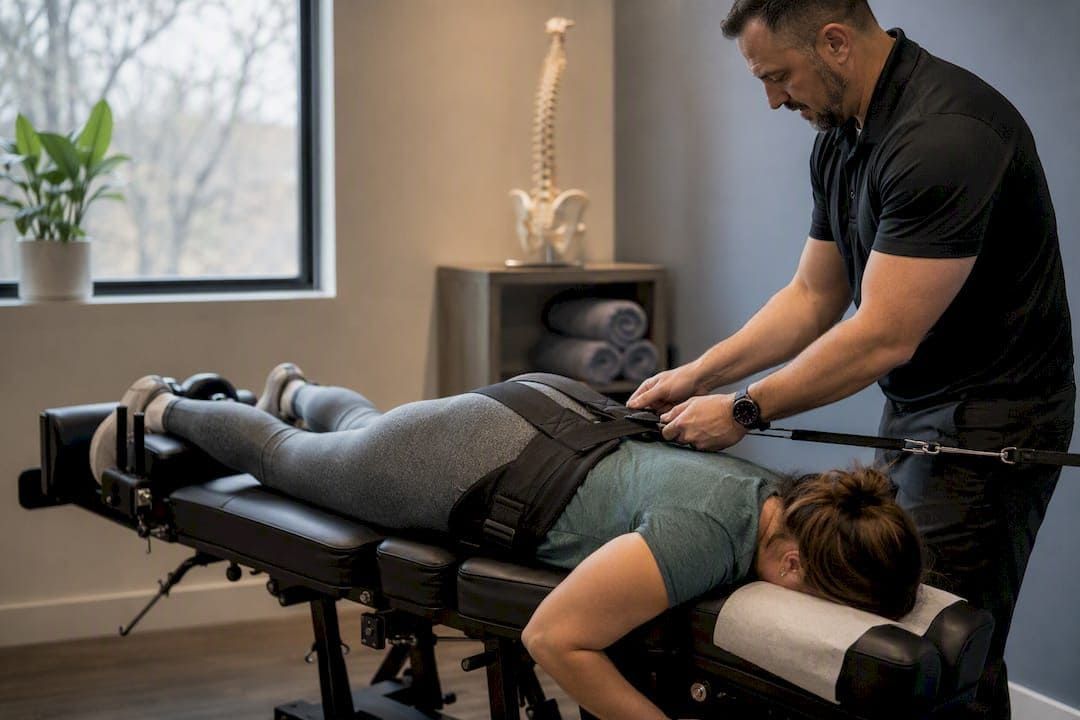
Isolated Lumbar Extension Resistance Exercise, known as ILEX, specifically targets paraspinal extensor muscles to reverse muscle deconditioning and reduce chronic low back pain. This machine-based training isolates your lower back muscles, preventing other muscle groups from compensating. The typical protocol involves two sessions weekly for 12 weeks, with resistance progressively increased as your strength improves.
Core strengthening movements complement ILEX by building overall trunk stability. Planks and abdominal bracing help relieve lower back pain by supporting your spine during daily activities. Here's how to perform essential core exercises:
- Planks: Hold your body straight from head to heels for 20 to 30 seconds, resting on forearms and toes
- Abdominal bracing: Tighten your core muscles while breathing normally, holding for 10 seconds
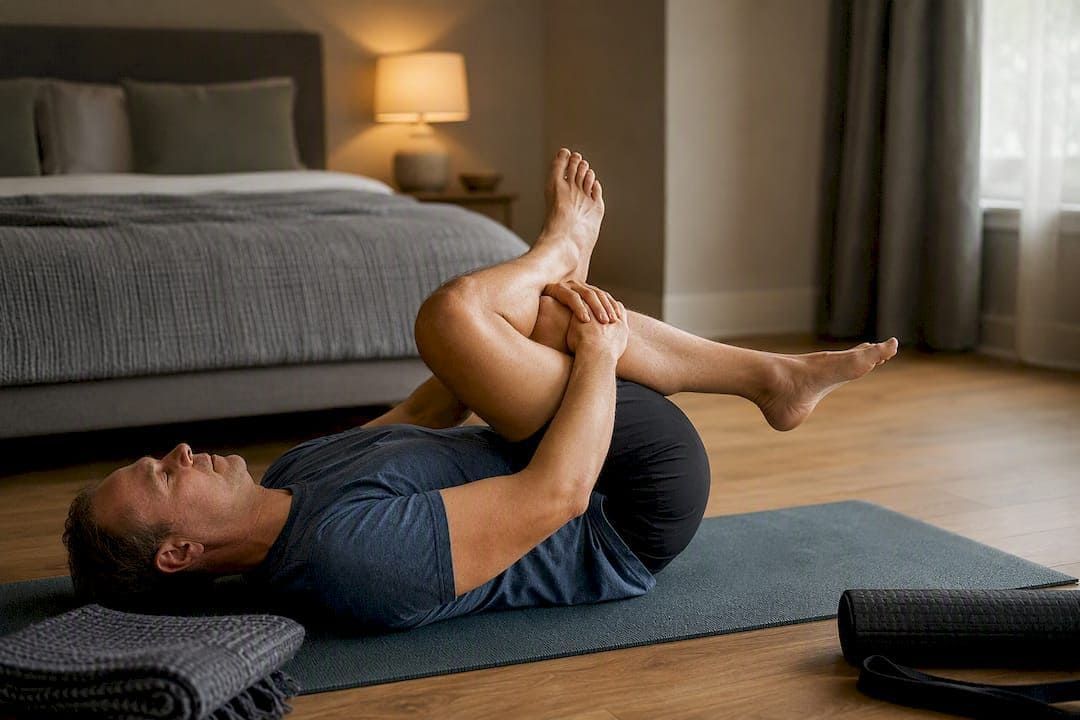
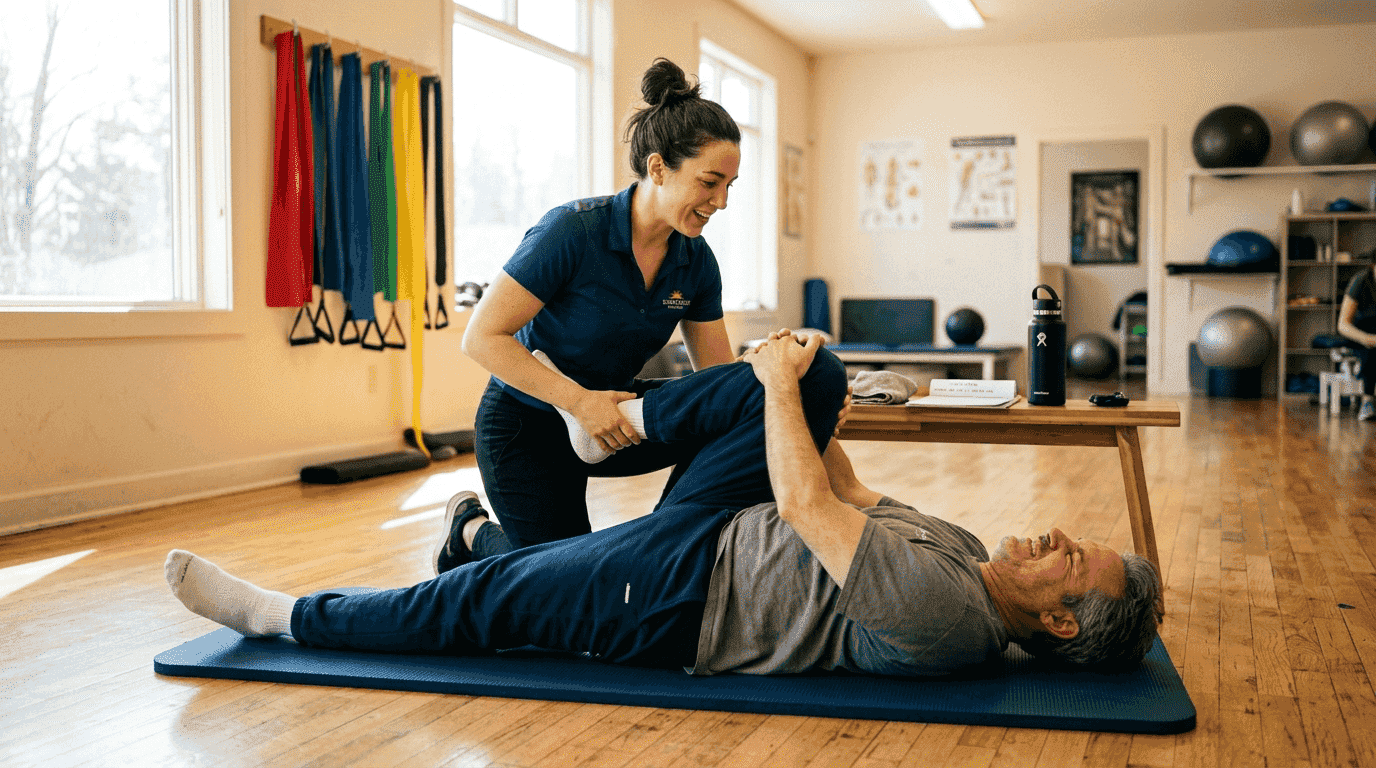
- Knees to chest: Lie on your back, pull one knee toward your chest, hold 15 to 30 seconds, then switch
- Hamstring stretches: Sit with one leg extended, reach toward your toes, hold 15 to 30 seconds
These exercises reverse muscle atrophy by rebuilding strength in weakened areas. Your paraspinal muscles often become deconditioned during periods of pain and inactivity, creating a cycle where weakness perpetuates discomfort. Consistent training breaks this cycle by restoring normal muscle function.
Start with shorter holds and fewer repetitions, gradually extending duration as your endurance increases. Never push through sharp pain, which indicates potential tissue damage rather than productive muscle fatigue. Mild burning or tiredness in working muscles is expected and healthy.
Pro Tip: Combining ILEX training with manual therapy sessions accelerates recovery by addressing both muscle weakness and joint restrictions simultaneously.
Benefits extend beyond pain reduction to include improved posture, better movement patterns, and decreased risk of future injury. Stronger core muscles protect your spine during lifting, bending, and twisting motions that previously triggered pain episodes.
Effective exercises for knee rehabilitation and post-ACL recovery
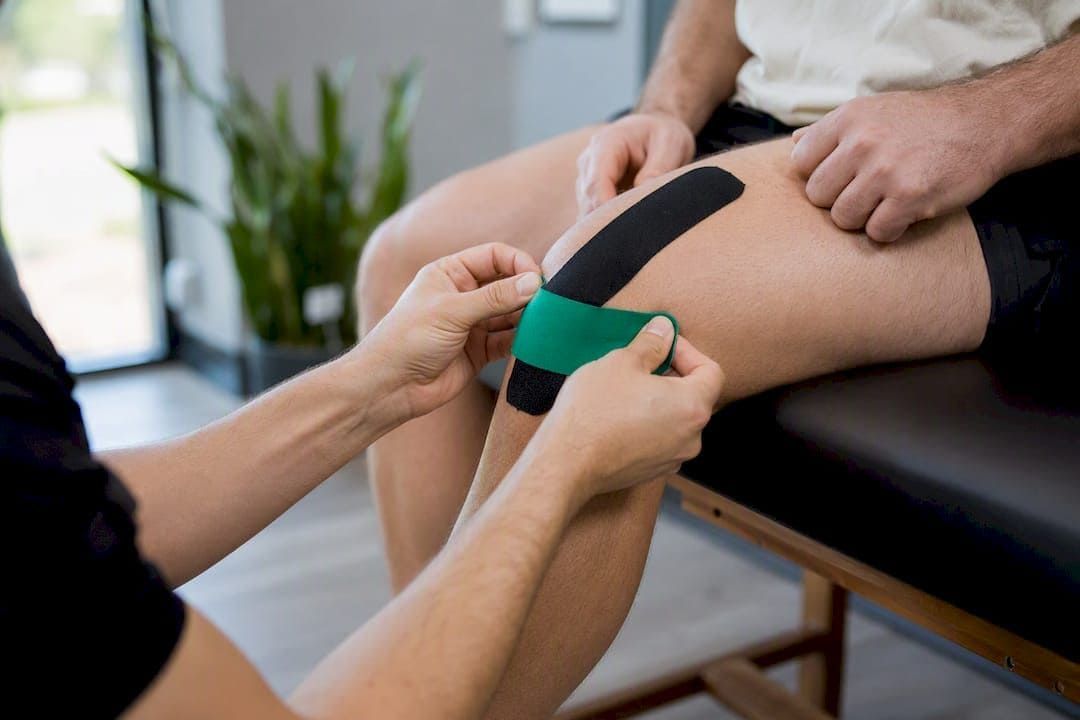
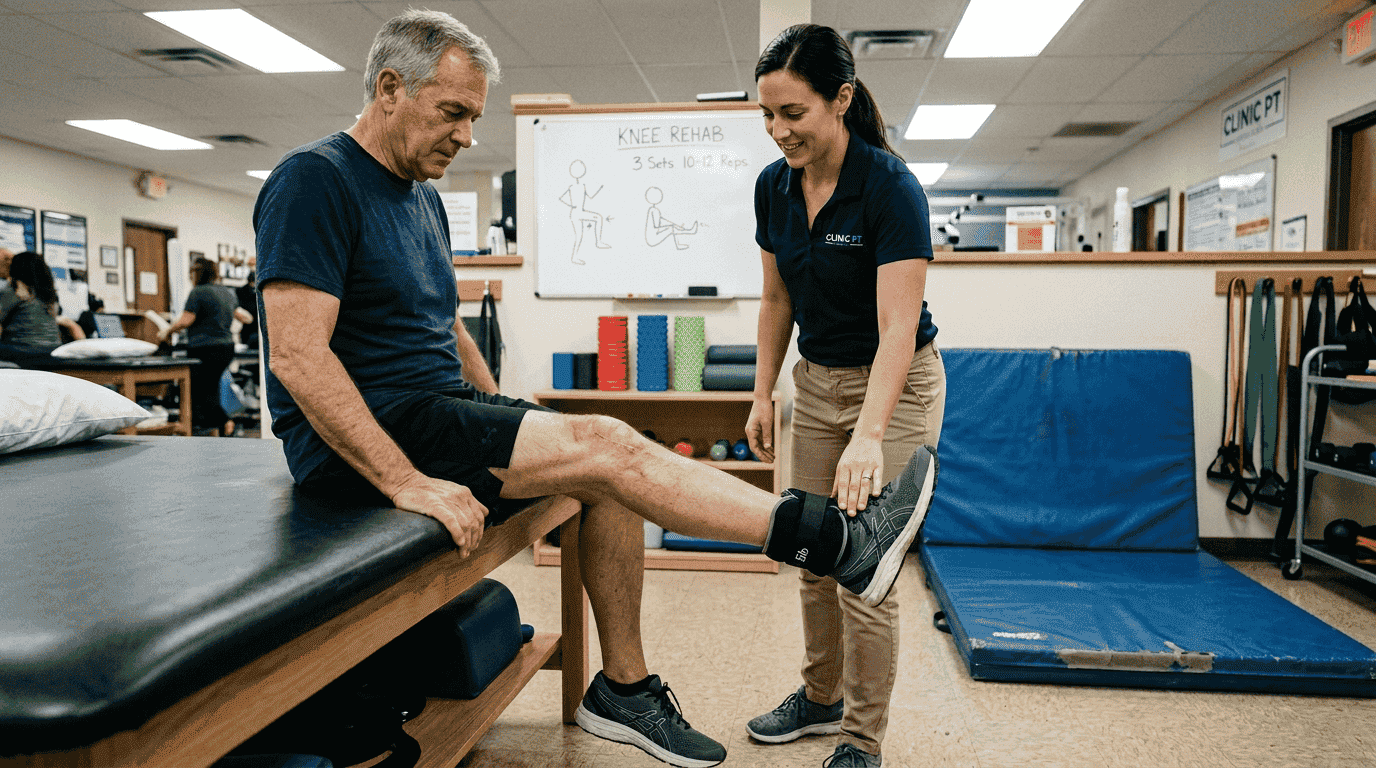
Functional Resistance Training using customized knee braces improves strength post-ACL reconstruction better than standard rehab alone. This approach uses specialized braces that provide adjustable resistance during leg movements, targeting quadriceps and hamstring muscles weakened by surgery and immobilization.
The typical eight-week protocol includes:
- Three sessions weekly
- Progressive resistance increases every two weeks
- Exercises like leg extensions, squats, and step-ups
- Supervised sessions ensuring proper form and safety
Strength gains from this method significantly exceed traditional rehabilitation outcomes. Your quadriceps and hamstrings regain muscle mass faster, restoring the strength balance between legs that surgery disrupts. This symmetry is crucial for returning to sports and preventing compensatory injuries.
Early inertial exercises restore post-ACL strength symmetry effectively by using rotational resistance that challenges muscles throughout their full range of motion. Inertial training devices create resistance during both the lifting and lowering phases, maximizing muscle activation.
| Rehab Method | Strength Gain | Time to Symmetry | Equipment Needed |
|---|---|---|---|
| Functional Resistance Training | 35 to 40 percent | 8 weeks | Custom knee brace |
| Standard Physical Therapy | 20 to 25 percent | 12 weeks | Basic gym equipment |
| Early Inertial Training | 30 to 35 percent | 10 weeks | Inertial resistance device |
Careful progression prevents re-injury during the vulnerable early recovery period. Your surgeon and physical therapist will determine when you're ready to advance from gentle range-of-motion exercises to resistance training. Pushing too hard too soon risks graft failure or new tissue damage.
Pro Tip: Consult physical rehab professionals to customize your post-surgery program based on your specific surgical technique, healing progress, and activity goals.
Monitoring your knee's response to each exercise helps identify which movements promote healing versus those that cause setbacks. Swelling, warmth, or increased pain after sessions indicates you've exceeded your current capacity and should reduce intensity.

Comparing physical therapy exercises: which is right for your condition?
Different exercises serve distinct purposes in your recovery journey. ILEX specifically targets chronic lower back pain by rebuilding deep spinal muscles, while functional resistance training focuses on restoring knee strength after surgery. Core exercises like planks benefit nearly everyone by improving overall stability and posture.
Exercise duration and equipment needs vary significantly:
- ILEX requires specialized machines found in clinical settings
- Functional knee training needs custom braces and supervision
- Core exercises use minimal equipment and work well at home
- Stretching routines require only a mat and comfortable space
Your rehab stage determines which exercises fit best. Early recovery emphasizes gentle range-of-motion work and light stretching. Middle stages introduce resistance training with careful progression. Advanced phases incorporate sport-specific movements and higher intensity challenges.
Ideal candidates for each exercise type:
- ILEX training: chronic lower back pain lasting over three months with muscle deconditioning
- Functional resistance training: post-ACL surgery patients cleared for strengthening exercises
- Core strengthening: anyone with lower back pain or seeking injury prevention
- Stretching routines: acute pain episodes or maintaining flexibility between strength sessions
Combining exercises with manual therapy improves outcomes by addressing soft tissue restrictions that limit your movement and strength gains. Tight muscles and stiff joints prevent proper exercise form, reducing effectiveness and increasing injury risk.
| Exercise Type | Primary Benefit | Best For | Session Length |
|---|---|---|---|
| ILEX | Spinal muscle rebuilding | Chronic low back pain | 20 to 30 minutes |
| Functional Resistance | Knee strength restoration | Post-ACL recovery | 45 to 60 minutes |
| Core Strengthening | Trunk stability | General back pain prevention | 15 to 20 minutes |
| Stretching | Flexibility and tension relief | Acute pain episodes | 10 to 15 minutes |
Consulting professionals ensures your program addresses your unique biomechanics, injury history, and recovery goals. They identify compensatory movement patterns you've developed and prescribe corrective exercises. This personalized approach prevents wasted time on movements that don't match your needs.
Pro Tip: Starting with gentle core exercises before advancing to resistance training optimizes rehab success by building foundational stability that supports more demanding movements.
Your pain severity guides intensity choices. Severe pain requires conservative approaches with emphasis on pain-free movement. Moderate discomfort allows progressive loading under supervision. Mild or resolved pain permits return to normal activities with continued maintenance exercises.
Explore comprehensive chiropractic and physical rehab services in West Central Florida
Now that you understand evidence-backed exercises for pain relief and recovery, accessing professional support helps you implement these techniques safely and effectively. West Central Florida clinics offer advanced, personalized programs that integrate the multimodal approaches discussed throughout this article.
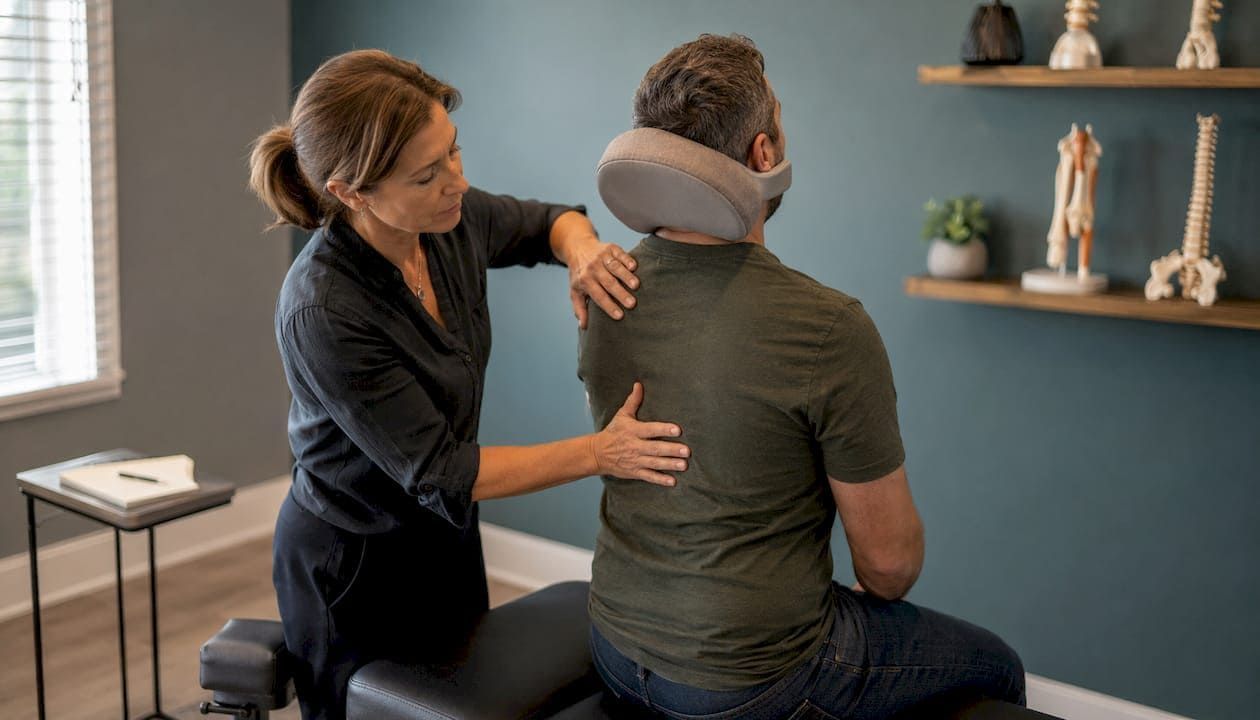
Comprehensive care combines chiropractic care , physical rehab, and manual therapy for holistic healing that addresses root causes rather than just symptoms. These services work together to restore proper joint function, rebuild muscle strength, and eliminate pain triggers.
Available services include:
- Personalized exercise programs tailored to your specific condition
- Hands-on manual therapy to release tight muscles and improve mobility
- Chiropractic adjustments restoring proper spinal alignment
- Injury rehabilitation for auto accidents, sports injuries, and chronic pain
Expert guidance ensures you perform exercises correctly, progress at the right pace, and avoid movements that could worsen your condition. Professional support maximizes your recovery speed while minimizing setbacks.
FAQ
What are some simple physical therapy exercises I can do at home?
Knees-to-chest stretches, hamstring stretches, and planks can be safely done at home for lower back pain relief. Lie on your back and gently pull one knee toward your chest, holding for 15 to 30 seconds before switching sides. For hamstrings, sit with one leg extended and reach toward your toes. Always listen to your body and avoid exercises that cause sharp pain, which signals potential harm rather than productive stretching.
How soon after surgery can I start physical therapy exercises?
Most protocols start exercises around six weeks after ACL surgery, though gentle range-of-motion work may begin earlier. Your surgeon determines the exact timeline based on your healing progress and surgical technique used. Exercise intensity and type progress gradually under professional supervision, starting with simple movements and advancing to resistance training as tissues heal. Never begin post-surgery exercises without explicit clearance from your medical team.
Can physical therapy exercises help with chronic pain management?
Consistent targeted exercises reverse muscle deconditioning and are effective for chronic low back pain by rebuilding strength in weakened areas. Targeted physical therapy exercises help rebuild muscle strength and reduce chronic pain when performed regularly over weeks or months. Combining exercise with manual therapy enhances pain relief and function by addressing both muscle weakness and soft tissue restrictions. Results typically appear within four to eight weeks of consistent practice.
Do I need special equipment for effective physical therapy exercises?
Many effective exercises require only your body weight and a comfortable mat. Planks, stretches, and basic core work need no equipment and provide significant benefits for pain relief and strength building. However, advanced techniques like ILEX training and functional resistance work do require specialized machines or braces found in clinical settings. Your specific condition and recovery stage determine whether home exercises suffice or professional equipment access is necessary.
Recommended