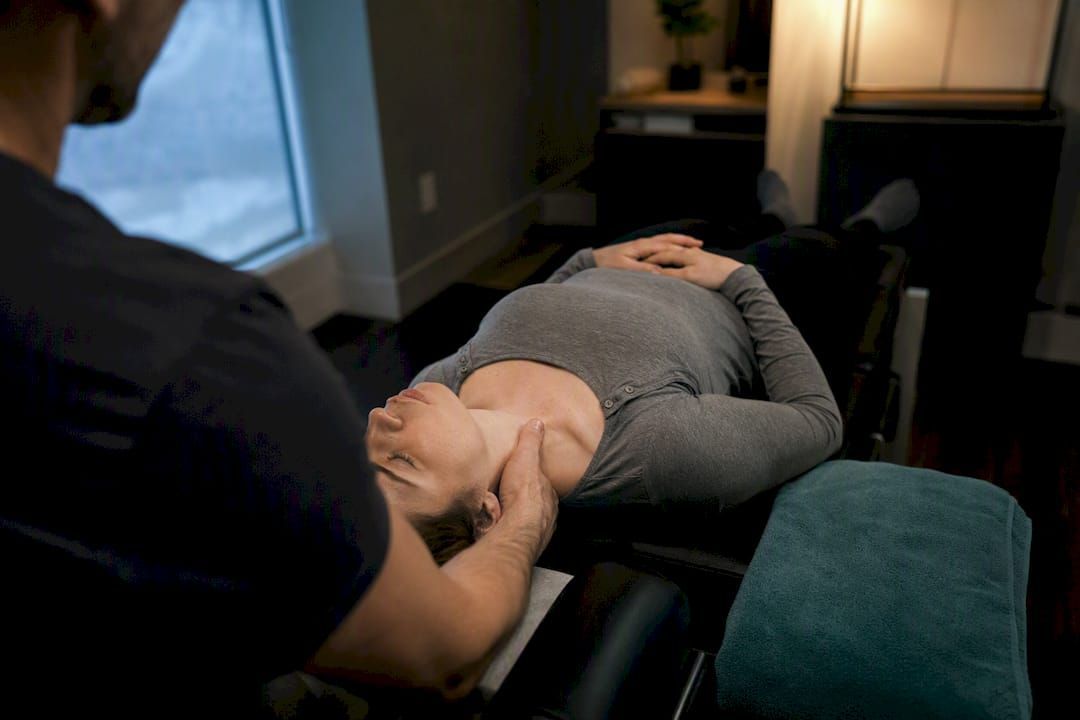
How chiropractic boosts athletic recovery in 2026
How chiropractic boosts athletic recovery in 2026
Athletes often dismiss chiropractic care as merely a solution for back pain, missing its profound impact on recovery and performance. Modern chiropractic treatment goes far beyond spinal adjustments, offering targeted therapies that reduce inflammation, restore mobility, and accelerate healing from sports injuries. For athletes in West Central Florida, understanding how chiropractic care integrates with comprehensive recovery protocols can mean the difference between prolonged downtime and rapid return to peak performance. This guide explores the science behind chiropractic's effectiveness, compares it with traditional therapies, and provides actionable strategies to optimize your athletic recovery journey.
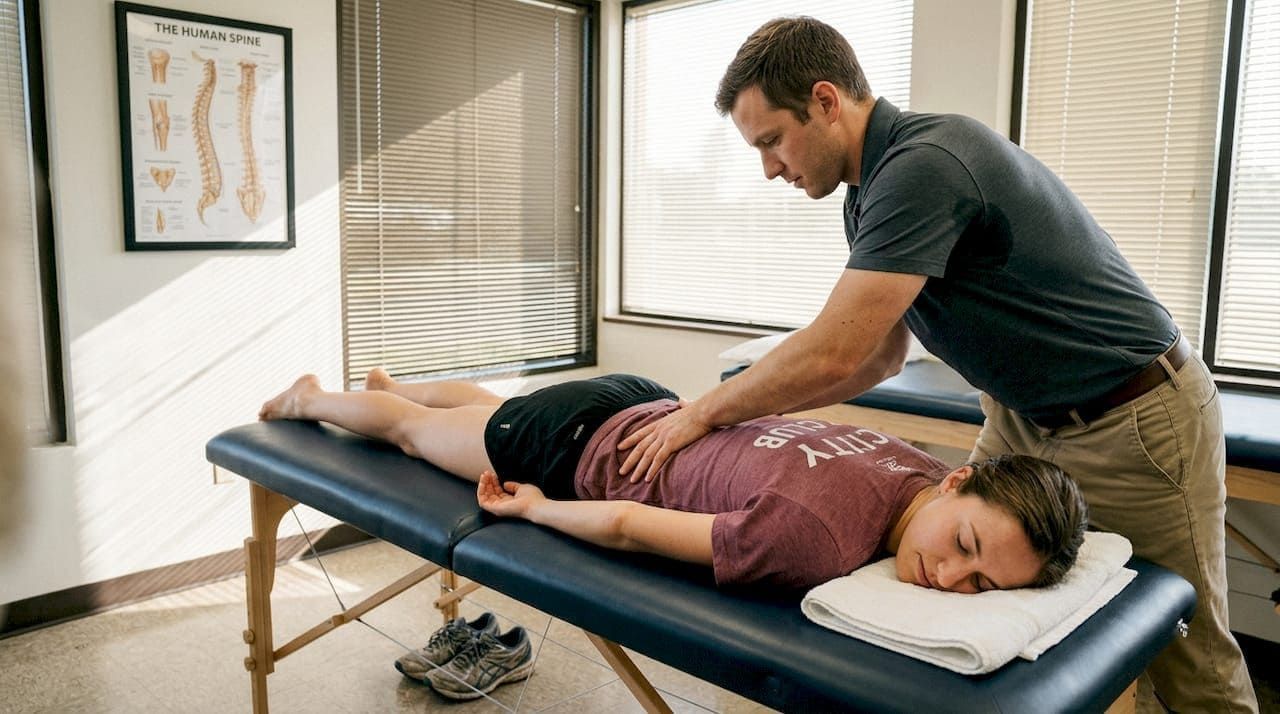
Table of Contents
Key takeaways
| Point | Details |
|---|---|
| Alignment restoration | Chiropractic adjustments correct spinal and joint misalignments, reducing mechanical stress and inflammation that slow recovery. |
| Evidence-based results | Clinical trials show chiropractic provides short-term pain relief comparable to physiotherapy with high patient satisfaction. |
| Holistic integration | Combining chiropractic with nutrition, stretching, and rehab exercises maximizes tissue repair and performance gains. |
| Safety profile | Research confirms no serious adverse events from chiropractic care, making it a safe non-invasive recovery option. |
| Performance enhancement | Athletes experience up to 15% improvements in range of motion and 10% strength gains following chiropractic treatment. |
How chiropractic care enhances athletic recovery
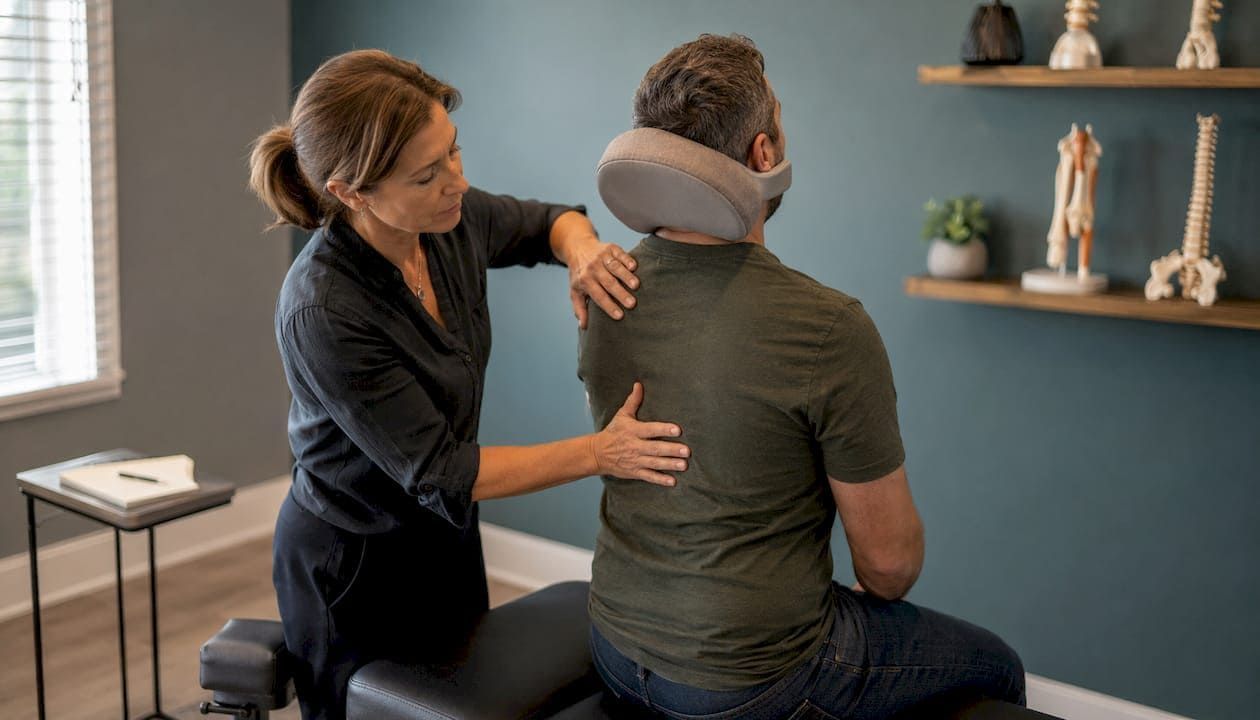
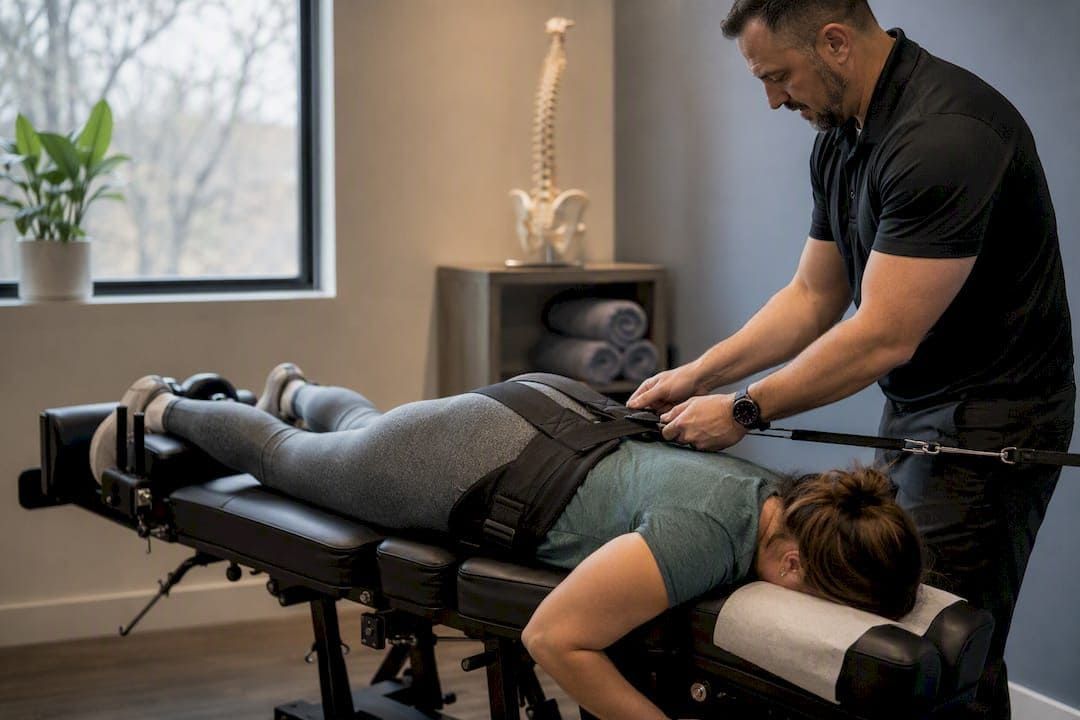
Chiropractic care accelerates athletic recovery through multiple biological mechanisms that address both immediate injury symptoms and underlying dysfunction. Spinal and joint adjustments form the foundation, restoring proper alignment that reduces mechanical stress on muscles, ligaments, and nerves. When vertebrae shift out of position during intense training or competition, they create compensatory movement patterns that strain surrounding tissues. Correcting these misalignments allows the body to distribute forces evenly, preventing secondary injuries and chronic pain development.
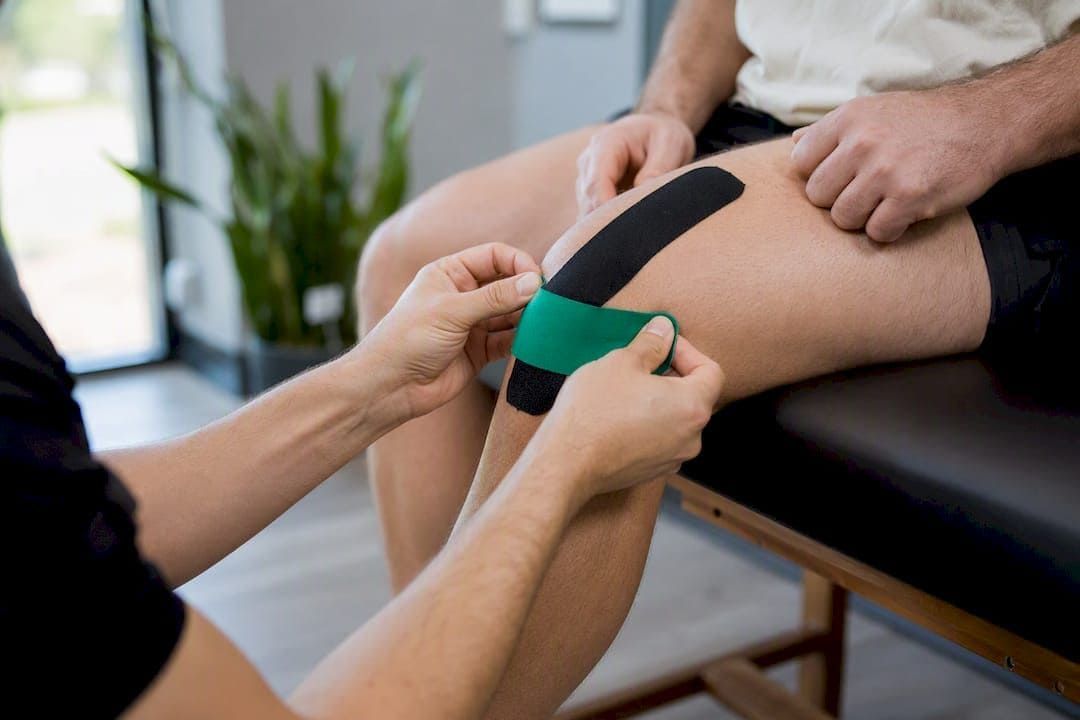
Soft tissue therapies complement structural adjustments by targeting muscles, tendons, and fascia directly. Techniques like myofascial release and instrument-assisted soft tissue mobilization break down adhesions and scar tissue that limit flexibility. These interventions reduce inflammation at the cellular level, lowering concentrations of pro-inflammatory cytokines that prolong healing time. Chiropractic adjustments reduce inflammation while improving circulation, which delivers oxygen and nutrients to damaged tissues more efficiently.
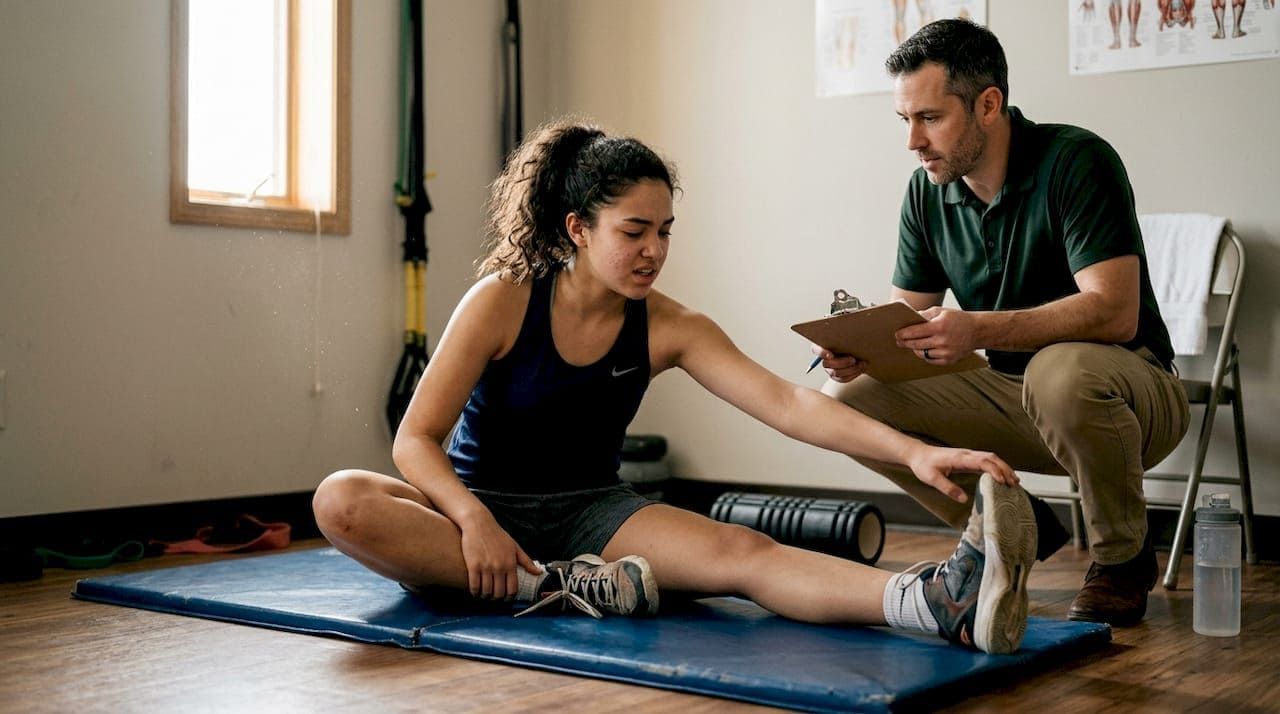
Rehabilitation exercises prescribed during chiropractic treatment enhance mobility and rebuild strength in weakened areas. Unlike passive therapies alone, active rehabilitation engages muscles through controlled movements that restore functional patterns. A chiropractor might prescribe specific stretches to lengthen tight hip flexors or resistance exercises to stabilize a previously injured shoulder. This approach prevents muscle atrophy during recovery and prepares athletes for safe return to sport.
Improved circulation represents another crucial benefit of chiropractic care for athletes. Adjustments stimulate blood flow to injured regions, accelerating the removal of metabolic waste products that accumulate after tissue damage. Enhanced circulation also supports lymphatic drainage, reducing swelling and promoting faster resolution of bruising. Athletes often notice decreased recovery time between training sessions when receiving regular chiropractic care.
Research demonstrates tangible performance improvements following chiropractic intervention. Studies show athletes can achieve up to 15% range of motion improvements and 10% strength gains after completing treatment protocols. These enhancements translate directly to competitive advantages, whether you need explosive power for sprinting or flexibility for gymnastics.
Pro Tip: Schedule chiropractic sessions 24 to 48 hours after intense training or competition when inflammation peaks. This timing maximizes the anti-inflammatory benefits of adjustments and soft tissue work, preventing minor strains from developing into chronic issues.
Understanding the role chiropractic plays in recovery helps athletes make informed decisions about their treatment plans. The combination of structural correction, soft tissue therapy, and active rehabilitation creates a comprehensive approach that addresses multiple recovery barriers simultaneously. This integrated method explains why many professional sports teams employ chiropractors as essential members of their medical staff.
Comparing chiropractic care with other recovery methods
Clinical research provides valuable context for evaluating chiropractic effectiveness against established therapies. Randomized controlled trials reveal that chiropractic provides short-term benefits for low back pain similar to physiotherapy and exercise interventions. These studies measure outcomes using standardized pain scales and disability questionnaires, showing small but meaningful improvements in both categories. The effect sizes, while modest, represent clinically significant changes that athletes notice in daily function and training capacity.
Physiotherapy and structured exercise programs achieve comparable results in head-to-head comparisons. A comprehensive review found no significant difference between spinal manipulative therapy and other active treatments for chronic low back pain. This equivalence suggests athletes can choose based on personal preference, treatment availability, and specific injury characteristics rather than assuming one approach universally outperforms others.
Patient satisfaction scores consistently favor chiropractic care despite equivalent clinical outcomes. Athletes report high approval ratings for chiropractic treatment, valuing the hands-on approach and individualized attention. This satisfaction extends beyond pain reduction to include perceived improvements in overall wellness and body awareness. The therapeutic relationship between chiropractor and patient appears to enhance treatment adherence and long-term engagement with recovery protocols.
Safety data strongly supports chiropractic as a low-risk intervention. Multiple systematic reviews report no serious adverse events associated with spinal manipulation when performed by licensed professionals. Minor side effects like temporary soreness or stiffness occur occasionally but resolve quickly without intervention. This safety profile makes chiropractic for sports injuries particularly attractive for athletes seeking drug-free pain management alternatives.
Methodological limitations in existing research create ongoing debates about optimal treatment protocols. Many studies lack adequate sample sizes or fail to control for placebo effects through proper blinding procedures. These flaws prevent definitive conclusions about long-term effectiveness and optimal treatment frequency. Despite these gaps, the consistent safety record and patient satisfaction support chiropractic as a viable recovery option worth considering.
| Treatment Method | Pain Reduction | Disability Improvement | Safety Profile | Patient Satisfaction |
|---|---|---|---|---|
| Chiropractic Care | Small short-term benefit | Small short-term benefit | No serious adverse events | High |
| Physiotherapy | Small short-term benefit | Small short-term benefit | No serious adverse events | Moderate to High |
| Exercise Therapy | Small short-term benefit | Small short-term benefit | Minimal risk | Moderate |
| Medication | Moderate short-term benefit | Limited disability impact | Potential side effects | Variable |
The evidence suggests athletes should view chiropractic sports injury recovery as one component within a multimodal treatment strategy. Combining chiropractic with other proven interventions likely produces superior outcomes compared to any single approach used in isolation. This integrated perspective aligns with current sports medicine best practices emphasizing personalized, evidence-informed care.
Optimizing your athletic recovery with chiropractic care
Maximizing recovery benefits requires strategic integration of chiropractic care within your broader training and wellness routine. Timing matters significantly, with early intervention for acute injuries producing better outcomes than delayed treatment. When you experience a strain, sprain, or joint dysfunction, scheduling chiropractic evaluation within the first week prevents compensation patterns from becoming entrenched. Early adjustments restore proper mechanics before your body adapts to dysfunctional movement, reducing total recovery time.
-
Establish baseline function through initial assessment measuring range of motion, strength, and pain levels. Document these metrics to track progress objectively throughout treatment. Most chiropractors perform orthopedic and neurological testing to identify specific restrictions requiring attention.
-
Combine adjustments with anti-inflammatory nutrition focusing on omega-3 fatty acids, antioxidants, and adequate protein intake. Foods like wild-caught salmon, leafy greens, and berries support tissue repair at the cellular level. Proper hydration enhances the circulation benefits gained from chiropractic manipulation.
-
Follow prescribed stretching protocols between chiropractic sessions to maintain mobility gains. Your chiropractor will demonstrate specific stretches targeting your injury pattern. Performing these exercises daily prevents tissues from tightening between appointments and accelerates overall recovery.
-
Incorporate rehabilitative exercises that rebuild strength in affected areas. Start with low-resistance movements focusing on proper form and gradually increase difficulty as function improves. This progressive loading prepares tissues for the demands of sport-specific training.
-
Monitor progress through regular reassessment every two to four weeks. Objective measurements reveal whether your current protocol produces desired results or requires adjustment. Athletes who track metrics consistently achieve better outcomes than those relying solely on subjective pain perception.
-
Communicate openly with your chiropractor about training demands, competition schedules, and any setbacks. This information allows for protocol modifications that accommodate your athletic calendar. For example, treatment intensity might increase during off-season preparation and decrease during competition phases.
Pro Tip: Elite athletes benefit from exploring advanced chiropractic techniques like functional neurology and sports-specific adjustments. These specialized approaches address the unique biomechanical demands of your sport, potentially accelerating return to peak performance.
Understanding the chiropractic injury rehab role within your overall recovery plan prevents unrealistic expectations. Chiropractic works best as part of a comprehensive strategy including proper rest, nutrition, and gradual return to activity. Athletes who adopt this holistic perspective experience fewer setbacks and maintain gains more effectively than those seeking quick fixes from any single intervention.
Consistency matters more than intensity when integrating chiropractic care. Regular sessions spaced appropriately for your injury severity and recovery stage produce better results than sporadic intensive treatment. Most acute injuries respond well to twice-weekly sessions initially, transitioning to weekly or biweekly maintenance as function improves. Chronic conditions may require longer treatment periods with gradual spacing of appointments as stability increases.
Explore expert chiropractic care in West Central Florida
Recovering from sports injuries demands specialized expertise that understands athletic performance demands. Essential ChiroCare delivers expert chiropractic care tailored specifically for athletes throughout West Central Florida. Our experienced doctors combine proven chiropractic adjustments with comprehensive physical rehab services to address both immediate pain relief and long-term performance optimization. Whether you're managing an acute injury or seeking preventative care, our holistic approach targets root causes rather than masking symptoms. With convenient locations across Tampa, Brandon, Sarasota, Lakeland, and Pinellas Park, accessing professional chiropractic treatment fits seamlessly into your training schedule. Schedule your consultation today to discover how personalized chiropractic care accelerates your recovery and enhances athletic performance.
FAQ
How does chiropractic care help reduce inflammation in athletes?
Chiropractic adjustments reduce pro-inflammatory cytokines at the cellular level, decreasing swelling and pain following injury. This biochemical change accelerates tissue healing by creating an environment conducive to repair rather than chronic inflammation. Soft tissue therapies further enhance this effect by improving circulation and lymphatic drainage, which removes inflammatory byproducts from injured areas more efficiently.
What makes chiropractic care safe compared to other treatments for sports injuries?
Chiropractic care offers a non-invasive, drug-free approach with minimal risk when performed by licensed professionals. Clinical reviews consistently report no serious adverse events associated with spinal manipulation, with only minor temporary soreness occurring occasionally. High patient satisfaction ratings among athletes reflect both the safety profile and perceived effectiveness of chiropractic treatment for sports-related injuries.
How should athletes integrate chiropractic care with other recovery strategies?
Chiropractic works best as part of a holistic recovery plan that includes proper nutrition, targeted stretching, and progressive rehabilitation exercises. Follow your chiropractor's recommendations for home exercises to maintain mobility gains between sessions. This integrated approach addresses multiple recovery barriers simultaneously, producing superior outcomes compared to any single intervention used in isolation, as explained in our guide on the chiropractic injury rehab role.
When should athletes start chiropractic care after sustaining a sports injury?
Begin chiropractic evaluation within the first week of injury for optimal results, particularly with acute musculoskeletal strains or joint dysfunction. Early intervention prevents compensation patterns from becoming entrenched and reduces overall recovery time. However, chiropractic care also benefits chronic injuries and ongoing performance optimization, making it valuable at any stage of your athletic career.
Can chiropractic care improve athletic performance beyond injury recovery?
Yes, regular chiropractic maintenance enhances performance by optimizing biomechanics, improving range of motion, and preventing minor dysfunctions from progressing to injuries. Athletes report better body awareness, reduced muscle tension, and improved recovery between training sessions with consistent chiropractic care. These benefits contribute to sustained peak performance throughout competitive seasons.
Recommended