Habits for Joint Longevity: Your Practical Lifespan Guide
Habits for Joint Longevity: Your Practical Lifespan Guide
TL;DR:
- Consistent strength training, daily low-impact movement, and maintaining a healthy weight can significantly delay joint deterioration. Adopting anti-inflammatory diets, practicing injury prevention, and ensuring proper sleep and hydration support long-term joint health. Starting these habits early and maintaining them gradually reduces the risk of osteoarthritis and joint failure.
The habits that most reliably preserve joint function are strength training two to three times per week, daily low-impact movement, weight management, an anti-inflammatory diet, adequate sleep, and consistent injury prevention mechanics. Start these early and maintain them consistently, and you can meaningfully delay or avoid the joint deterioration that sidelines so many people in their 50s, 60s, and beyond.
Here are the highest-impact habits, each with a one-line rationale:
- Strength train 2–3 times per week. Muscle absorbs load before it reaches cartilage, reducing wear on the joint surface itself.
- Move daily with low-impact cardio. Walking, cycling, and swimming keep synovial fluid circulating and cartilage nourished without hammering joint surfaces.
- Maintain a healthy body weight. Every pound lost removes roughly four pounds of pressure from your knees during everyday activities.
- Eat an anti-inflammatory dietary pattern. Mediterranean and DASH-style eating reduces the systemic inflammation that accelerates cartilage breakdown.
- Work on flexibility and balance 2–3 times per week. Stretching and single-leg stability work protect joints by improving movement quality and reducing fall risk.
- Warm up before activity and use correct mechanics. Proper lifting form and a five-minute warm-up protect cartilage and soft tissues from acute micro-damage.
- Sleep 7–9 hours and manage stress. Poor sleep raises inflammatory markers; chronic stress amplifies pain perception and slows tissue repair.
- Quit tobacco and limit alcohol. Smoking is linked to more severe joint pain and higher risk of inflammatory arthritis.
- Stay hydrated. Synovial fluid is mostly water; even mild dehydration thickens it and increases friction.
- Treat injuries early. Letting an acute sprain or strain linger without care is one of the fastest routes to chronic joint damage.
The 30-day starter plan later in this article shows you exactly how to layer these habits in safely, week by week.
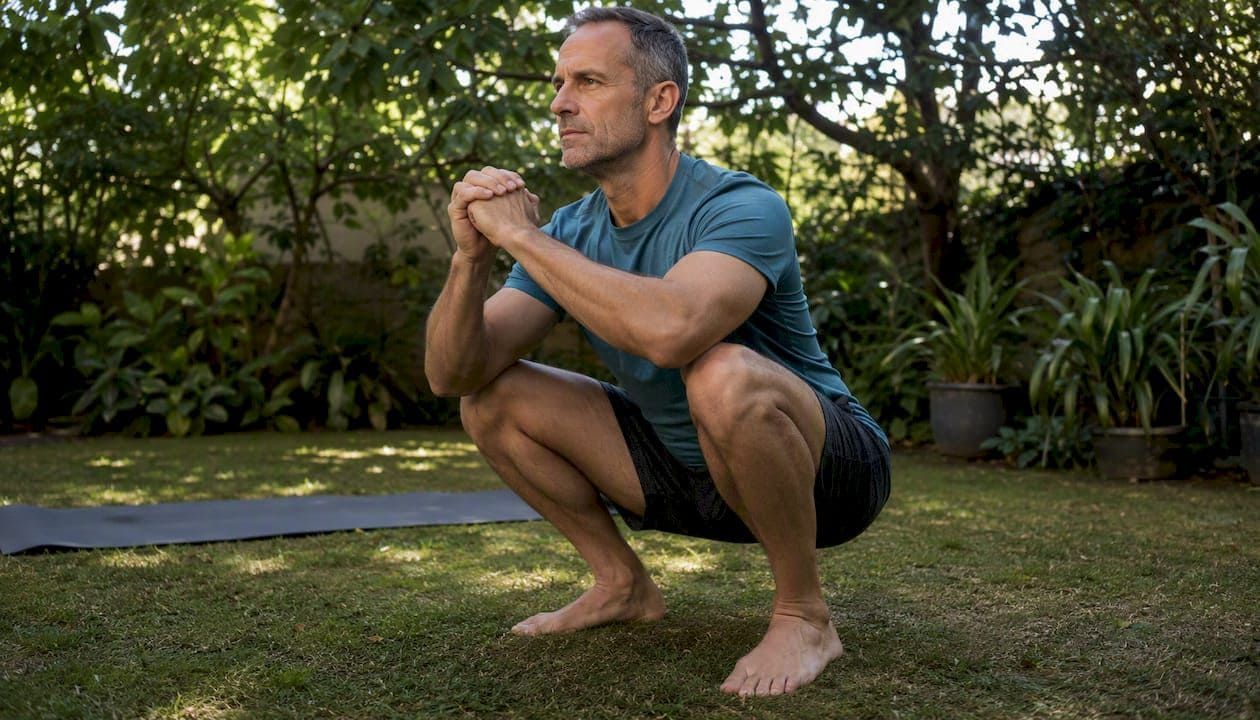
Table of Contents
- Why joints wear down — and why your habits change that
- 1. Strength training builds the muscle armor your joints need
- 2. Low-impact cardio keeps joints mobile without grinding them down
- 3. Flexibility and balance work preserves range of motion as you age
- 4. Managing your weight is one of the highest-leverage joint habits
- 5. Diet and supplements: what the evidence actually supports
- 6. Injury prevention starts before you ever feel pain
- 7. Sleep, stress, hydration, and the habits most people overlook
- 8. When to see a clinician and which one to choose
- 9. A practical 30-day plan to build these habits safely
- Key Takeaways
- The habit no one talks about enough
- Essentialchirocare supports your joint health goals in West Central Florida
- Authoritative sources and further reading
Why joints wear down — and why your habits change that
Cartilage has no blood supply of its own. It gets nutrients from synovial fluid, the viscous lubricant that fills each joint capsule, and that fluid only circulates when you move. Sit still for hours every day and cartilage slowly starves. Load it repeatedly with poor mechanics or excess body weight and it breaks down faster than it can self-repair. That is the core mechanical story behind osteoarthritis and joint degeneration.
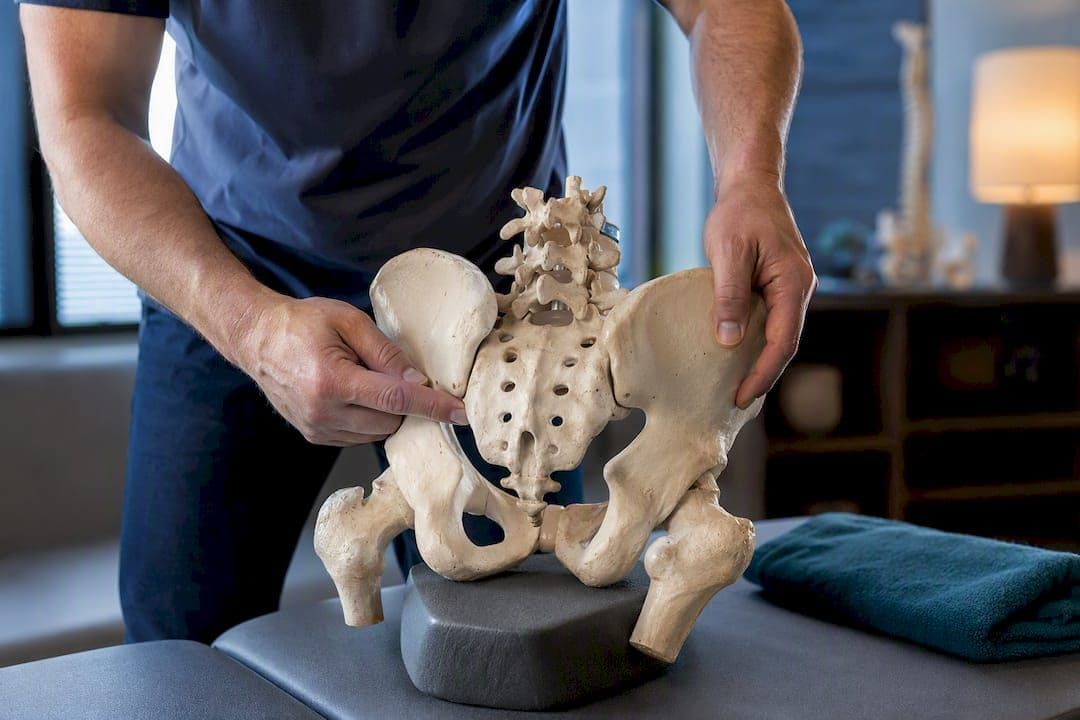
Muscle is the joint's first line of defense. Strong quadriceps, for example, absorb a significant portion of the compressive force that would otherwise pass directly through the knee. Weak muscles shift that load onto cartilage, menisci, and ligaments, none of which are designed to handle it alone. Biomechanics matter just as much: a hip that drops during a single-leg step, or a knee that caves inward during a squat, creates uneven pressure that wears one side of the joint faster than the other.
The weight-load relationship is more dramatic than most people realize. Losing even a modest amount of body weight produces a disproportionate reduction in knee stress. According to WebMD, every pound of body weight lost removes roughly four pounds of pressure from the knee during common activities. Lose ten pounds and your knees feel the equivalent of forty fewer pounds on every step.
Mayo Clinic experts note that cartilage loss is central to osteoarthritis, but proactive habits — strength training, weight management, injury prevention — can reduce the likelihood of progressive joint failure and delay or avoid joint replacement for many people. That is not a guarantee, but it is a strong argument for starting now rather than waiting for symptoms.
1. Strength training builds the muscle armor your joints need
Two to three strength sessions per week is the standard clinical recommendation, and the reasoning is straightforward: muscle is the shock absorber that stands between external load and your joint surfaces. Resistance training also stimulates bone remodeling, improves tendon stiffness (in a good way), and increases the load tolerance of the connective tissues surrounding each joint.
You do not need a gym. Bodyweight squats, step-ups, glute bridges, wall sits, and resistance-band rows all qualify. The key is progressive overload: gradually increasing resistance or repetitions over weeks so the tissues adapt rather than break down. Start with two sets of 10–12 reps at a comfortable resistance, rest 48 hours between sessions targeting the same muscle groups, and increase load only when the current level feels controlled and pain-free.
Pro Tip: Favor slow, controlled repetitions over fast, momentum-driven ones. A three-second lowering phase (eccentric) builds more tendon and muscle strength per rep and reduces the peak force that hits the joint at the bottom of the movement.
For people already experiencing stiffness or mild pain, physical therapy exercises designed for joint rehabilitation are a safer starting point than general gym programming.
2. Low-impact cardio keeps joints mobile without grinding them down
The cartilage in your knees and hips needs movement to stay healthy. Prolonged immobilization and sedentary behavior worsen stiffness and accelerate tissue deconditioning, which is why rest-as-default is the wrong answer for most joint pain. Low-impact cardio solves this: it circulates synovial fluid, maintains range of motion, and keeps surrounding muscles active without the repetitive impact of running or jumping.
Walking, cycling, swimming, water aerobics, and elliptical training are the workhorses here. Aim for most days of the week, even 20–30 minutes at a moderate pace. Swimming and pool walking are particularly useful for people with significant pain because buoyancy removes most of the gravitational load from joints while still allowing full movement.
| Exercise Type | Primary Purpose | Suggested Frequency | Best For |
|---|---|---|---|
| Resistance training | Build muscle, improve load tolerance | 2–3 times/week | All adults; essential as you age |
| Low-impact aerobic | Synovial fluid circulation, cardiovascular health | Most days (20–30 min) | Anyone with joint pain or impact sensitivity |
| Flexibility/stretching | Maintain range of motion, reduce stiffness | Daily or 2–3 times/week | Desk workers, post-injury recovery |
| Balance/proprioception | Reduce fall risk, improve joint stability | 2–3 times/week | Adults 50+, post-ankle or knee injury |
3. Flexibility and balance work preserves range of motion as you age
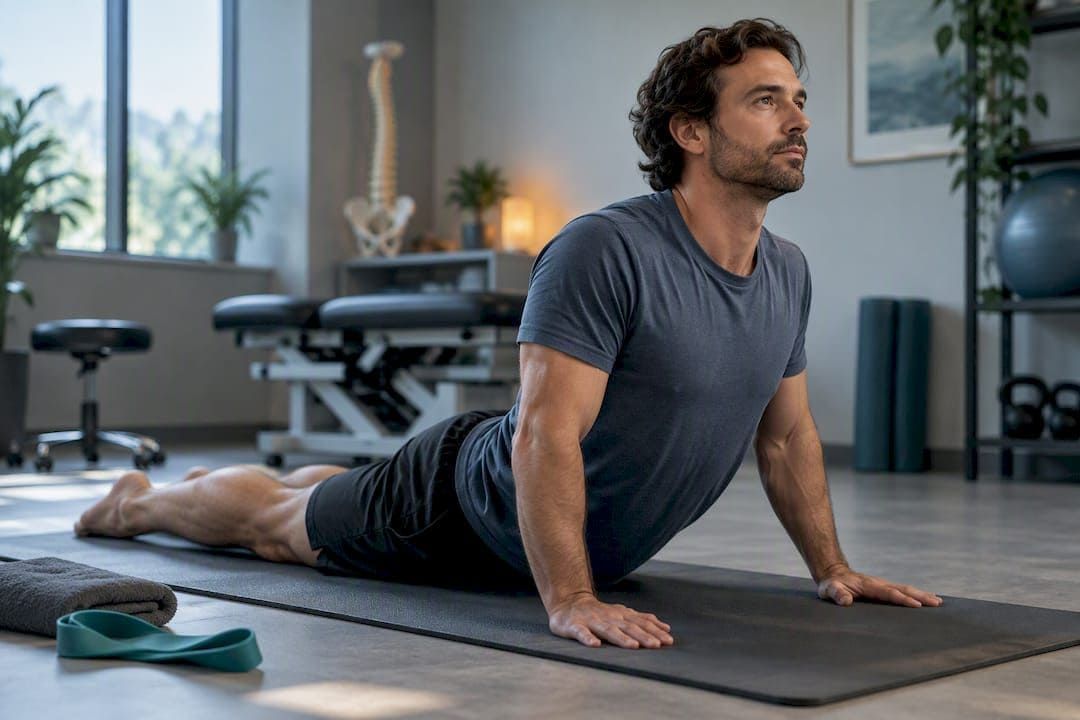
Stiffness is not inevitable with age, but it does become the default if you stop moving through full ranges of motion. Yoga, Pilates, and targeted stretching routines maintain the tissue extensibility that keeps joints tracking correctly. Tight hip flexors, for example, alter pelvic tilt and increase lumbar and knee stress during walking. Tight calves change ankle mechanics and shift load up the chain.
Balance training is the underrated half of this equation. Single-leg exercises like standing on one foot, single-leg deadlifts, and lateral band walks train the proprioceptive system, the network of sensors in muscles and joints that tells your brain where your body is in space. Better proprioception means faster reflexive muscle activation when you stumble, which is what prevents a misstep from becoming a torn ligament.
Two to three sessions per week of dedicated mobility and balance work is enough to produce measurable improvement within four to six weeks.
4. Managing your weight is one of the highest-leverage joint habits
Excess body weight stresses joints through two distinct pathways. The mechanical one is obvious: more mass means more compressive force on weight-bearing joints with every step. The metabolic pathway is less visible but equally real. Adipose tissue, particularly visceral fat, secretes pro-inflammatory cytokines that circulate systemically and contribute to the low-grade inflammation that drives cartilage breakdown in osteoarthritis.
Practical weight-management habits that actually stick:
- Prioritize protein at every meal. Protein increases satiety and preserves muscle mass during weight loss, which matters because losing muscle while losing fat worsens the joint-protection equation.
- Add fiber-rich vegetables and legumes. They fill volume without caloric density and support the gut microbiome, which influences systemic inflammation.
- Maintain consistent daily activity. Non-exercise movement (walking to errands, taking stairs) contributes meaningfully to total energy expenditure.
- Manage sleep and stress. Both cortisol dysregulation and sleep deprivation increase appetite hormones and make sustained weight loss harder.
- Avoid extreme caloric restriction. Rapid weight loss often includes muscle loss; a modest, sustained deficit of 300–500 calories per day is more protective of lean tissue.
Maintaining a healthy weight reduces pressure on knee joints and lowers both the risk and progression of knee osteoarthritis. If weight-related joint pain is already limiting your activity, it is a reasonable prompt to consult a clinician or registered dietitian for a supervised plan rather than going it alone.
5. Diet and supplements: what the evidence actually supports
No single food fixes a joint. What the research does support is a sustained dietary pattern that keeps systemic inflammation low. The Mediterranean and DASH dietary patterns consistently show associations with lower joint inflammation and may slow disease progression. Both emphasize whole grains, colorful produce, legumes, olive oil, fatty fish, and lean protein while limiting ultra-processed foods, refined carbohydrates, and excess red meat.
Hydration fits here too. Synovial fluid is largely water, and adequate daily fluid intake supports its viscosity and lubricating function. Eight to ten cups of water per day is a reasonable baseline for most adults, adjusted upward for exercise and heat.
Pro Tip: Pair protein with vitamin C at meals to support collagen synthesis. Try canned salmon with a side of roasted bell peppers, or Greek yogurt with strawberries. Both combinations deliver the amino acids and cofactors collagen production requires.
On supplements, the evidence is more nuanced:
| Supplement | Evidence Level | Notes |
|---|---|---|
| Omega-3 fatty acids (fish oil) | Supportive | Reduces inflammatory markers; potential benefit for joint inflammation |
| Vitamin D | Supportive | Important for bone health; deficiency is common; test before supplementing |
| Collagen peptides | Mixed | Some studies show modest benefit for joint comfort; not definitive |
| Glucosamine/chondroitin | Mixed | Results vary by individual; may help some people with knee OA |
Harvard Health notes that anti-inflammatory diets work best as long-term prevention strategies. Their ability to reverse established joint damage is less certain, which is the strongest argument for starting these habits before symptoms appear.

6. Injury prevention starts before you ever feel pain
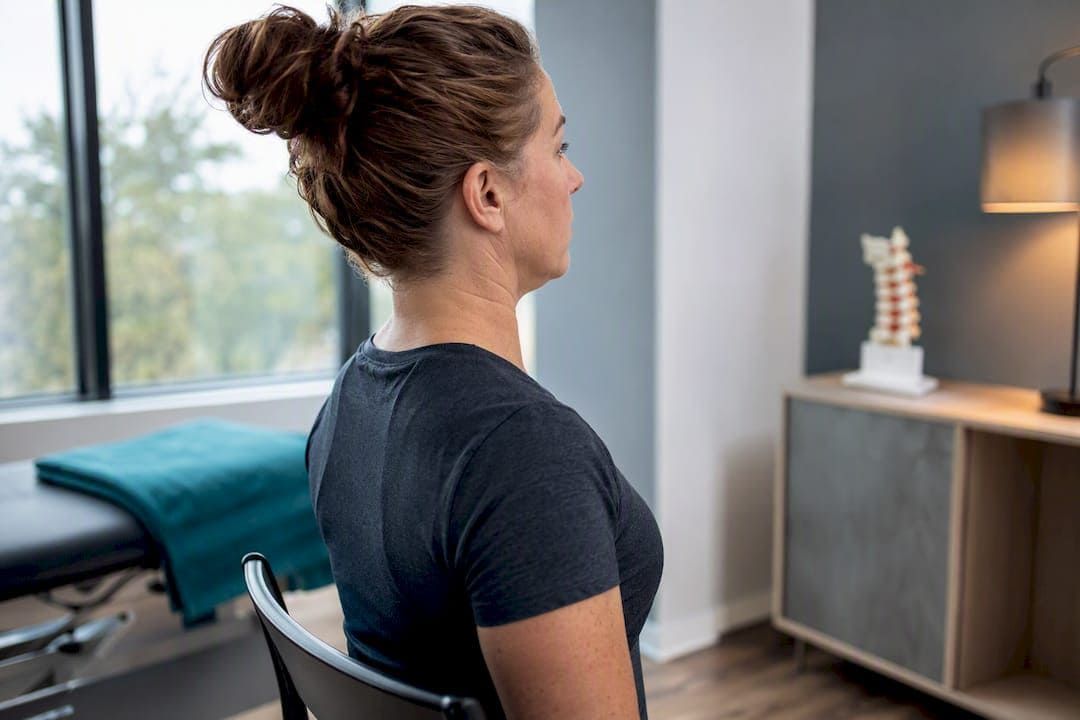
Most joint damage is not dramatic. It accumulates through thousands of small mechanical errors: lifting with a rounded back, landing with stiff knees, wearing worn-out shoes, sitting in a chair that forces your hips into a poor position for eight hours. Ergonomics, footwear, and workplace adjustments reduce these cumulative micro-stressors in ways that add up significantly over years.
A five-minute warm-up before any exercise session is non-negotiable. Light cardio (brisk walking, cycling at low resistance) raises tissue temperature, increases synovial fluid production, and primes the neuromuscular system. Cold, stiff cartilage and tendons are more vulnerable to acute injury than warm, pliable ones.
Movement mechanics checklist for daily life:
- Lifting: hinge at the hips, keep the load close to your body, brace your core before the pull.
- Stairs: lead with your stronger leg going up, your weaker leg going down; use the handrail when carrying loads.
- Sitting: keep hips at or slightly above knee height; avoid crossing legs for extended periods.
- Reaching overhead: step closer to the object rather than extending your spine laterally.
Pro Tip: Replace athletic footwear every 300–500 miles of use, not just when they look worn. The midsole compresses long before the upper shows visible wear, and a compressed midsole transfers significantly more impact force to your ankles, knees, and hips. If you pronate or supinate noticeably, a gait assessment at a running specialty store or with a physical therapist can identify whether an orthotic insert would help.
Red flags that need prompt evaluation: sudden severe swelling, a joint that locks or gives way, inability to bear weight, or pain that wakes you at night. Early treatment of injuries using RICE principles (rest, ice, compression, elevation) and early clinician assessment reduces the risk that an acute injury leads to long-term joint damage. See joint pain relief tools for assistive options during recovery.
7. Sleep, stress, hydration, and the habits most people overlook
Sleep is when the body repairs connective tissue. During deep sleep, growth hormone is released, inflammatory cytokines are cleared, and the cellular repair processes that maintain cartilage and tendons run at full capacity. Consistently sleeping fewer than seven hours is associated with higher levels of systemic inflammation and lower pain thresholds, meaning the same joint condition hurts more when you are sleep-deprived.
Chronic psychological stress follows a similar pathway. Elevated cortisol suppresses anti-inflammatory mechanisms and amplifies central pain sensitization, the process by which the nervous system becomes hypersensitive to pain signals. Stress management practices like diaphragmatic breathing, progressive muscle relaxation, and regular outdoor movement are not soft add-ons; they have measurable downstream effects on pain perception and tissue inflammation.
Smoking is associated with more severe joint pain and a higher risk of inflammatory arthritis. Heavy alcohol use impairs sleep quality, increases systemic inflammation, and interferes with the nutrient absorption that supports bone and connective tissue health. Quitting smoking and moderating alcohol are among the highest-return lifestyle changes for long-term joint health.
Small daily recovery habits worth building in: a ten-minute walk after prolonged sitting, alternating ice and heat for acute soreness (ice for the first 48–72 hours after an injury, heat for chronic stiffness), and at least one full rest day per week from structured exercise. Seasonal factors also affect joint comfort, particularly in humid climates like West Central Florida where temperature and barometric pressure shifts can increase stiffness.
8. When to see a clinician and which one to choose
Most joint discomfort responds well to the habits described in this article. But some presentations need professional evaluation, and delaying that assessment often makes the eventual treatment harder. Conservative care first-line is the standard approach for most joint conditions, with imaging and surgical referral reserved for cases that do not respond.
Red flags that warrant timely assessment:
- Severe acute swelling or bruising after an injury
- A joint that locks, clicks loudly, or gives way unpredictably
- Inability to bear weight or move the joint through its normal range
- Systemic symptoms alongside joint pain: fever, unexplained weight loss, rash, or morning stiffness lasting more than an hour
- Pain that is worsening despite several weeks of appropriate self-care
Clinician mapping:
| Clinician | What they typically address |
|---|---|
| Physical therapist | Exercise prescription, movement retraining, post-surgical rehab |
| Chiropractor | Spinal and peripheral joint mobility, manual therapy, rehabilitation |
| Primary care physician | Initial assessment, lab work, referral coordination |
| Orthopedic surgeon | Surgical evaluation, advanced imaging, fracture management |
| Rheumatologist | Inflammatory arthritis (RA, psoriatic, gout), disease-modifying therapy |
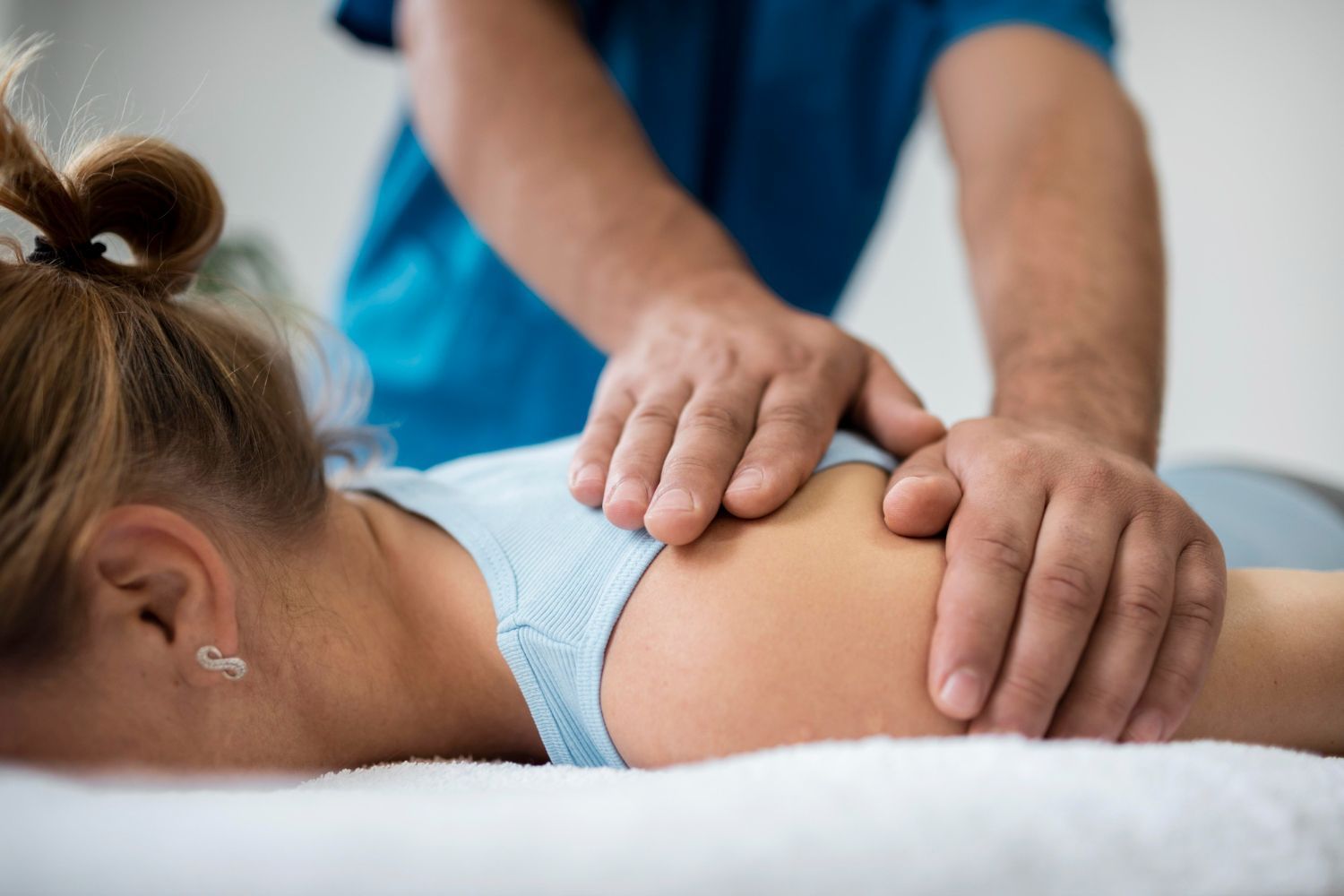
Essentialchirocare's team covers chiropractic adjustments, manual therapy, physical rehabilitation, and sports injury care, which addresses the majority of musculoskeletal joint presentations without requiring a surgical referral. For a broader look at causes and care pathways, see joint pain explained.
This article provides general health information, not medical advice. Consult a qualified clinician for diagnosis and treatment of any specific joint condition.
9. A practical 30-day plan to build these habits safely
The goal of this plan is not perfection. It is consistency at a level that your joints can adapt to without flaring. Each week adds one layer; the previous week's habits stay in place.
| Week | Daily Focus | Weekly Targets |
|---|---|---|
| Week 1 | 20-min walk + 10-min mobility routine | Move every day; establish a bedtime routine for 7–9 hrs sleep |
| Week 2 | Add 2 strength sessions (20–30 min each) | Bodyweight squats, glute bridges, rows; rest 48 hrs between sessions |
| Week 3 | Increase cardio to 30 min; add one balance drill | Single-leg stands, lateral band walks; swap one meal for a Mediterranean-style plate |
| Week 4 | Consolidate all habits; add a second balance session | Full week of all four pillars: strength, cardio, mobility, balance |
Numbered steps for a typical training week:
- Monday: 30-minute walk + 10-minute stretch
- Tuesday: Strength session (lower body focus: squats, bridges, step-ups)
- Wednesday: 30-minute swim or cycling + balance drills
- Thursday: Active recovery (gentle yoga or walking)
- Friday: Strength session (upper body and core: rows, push-ups, planks)
- Saturday: Longer walk or recreational activity
- Sunday: Full rest or light mobility work
For people with significant pain or limited mobility, chair-based strength exercises, pool walking, and recumbent cycling are direct substitutes for any land-based movement. Home exercise programs that complement clinical care are another practical option.
Pro Tip: Track one metric each week, not ten. Pick either steps, strength sessions completed, or sleep hours. A single tracked variable is far more likely to change behavior than a full wellness dashboard that becomes overwhelming by day five.
Safety callout: Pause the plan and seek professional assessment if you experience sharp joint pain during exercise (not muscle fatigue), swelling that does not resolve within 24 hours, or any of the red flags listed in Section 8.
Key Takeaways
Consistent, moderate habits built around strength, daily movement, weight management, and anti-inflammatory eating are the most reliable path to long-lasting joint health across every decade of life.
| Point | Details |
|---|---|
| Strength training is foundational | Two to three sessions per week builds the muscle that absorbs load before it reaches cartilage. |
| Weight loss has outsized mechanical impact | Every pound lost removes roughly four pounds of pressure from the knee during everyday activity. |
| Diet works best as prevention | Mediterranean and DASH patterns lower systemic inflammation; starting early matters more than starting perfectly. |
| Sleep and stress are not optional | Poor sleep raises inflammatory markers and amplifies pain perception, undermining every other joint habit. |
| Essentialchirocare supports the full picture | Chiropractic care, physical rehab, and tailored exercise plans at clinics across West Central Florida address joint health from multiple angles. |
The habit no one talks about enough
Most joint health content focuses on what to add: more exercise, better food, the right supplement. What gets less attention is the cost of inconsistency. Joints do not respond well to feast-or-famine training patterns where someone is sedentary for months, then suddenly trains hard for two weeks. The connective tissues around joints, particularly tendons and ligaments, adapt slowly compared to muscle. Muscle strength can increase noticeably in four to six weeks; tendon stiffness and cartilage adaptation take months. That mismatch is exactly where overuse injuries happen.
The people who maintain the best joint function into their 70s and 80s are rarely the ones who trained the hardest in their 30s. They are the ones who trained consistently, modified when something hurt, and treated early warning signs as information rather than inconveniences to push through. That mindset, more than any single exercise or supplement, is what long-lasting joint care actually looks like in practice.
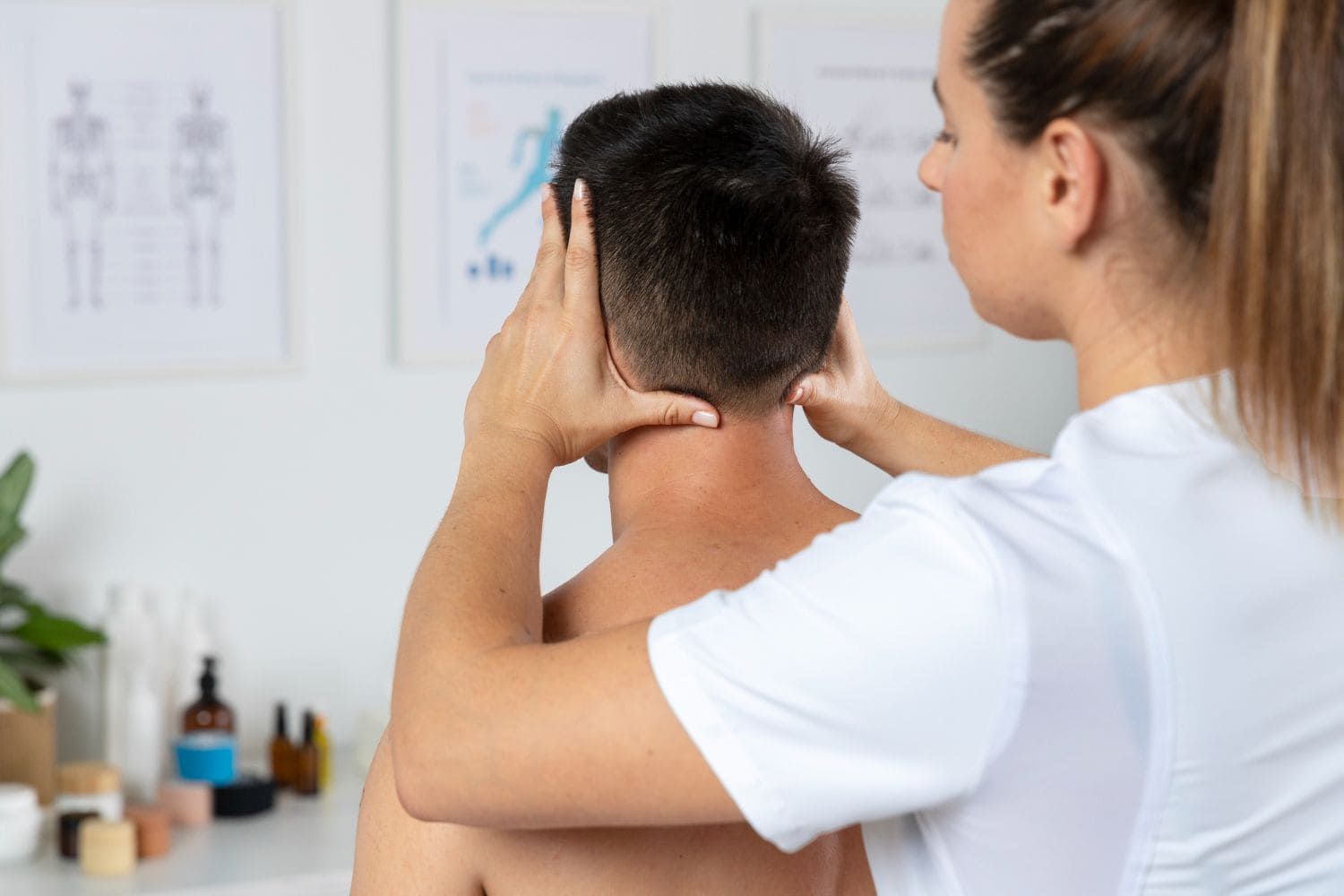
Chiropractic care and physical rehabilitation fit naturally into that framework because they address the movement quality and load distribution problems that habits alone cannot always correct. A tight hip capsule, a muscle imbalance from an old injury, or a gait pattern that has been compensating for years, these are the kinds of issues that respond to hands-on assessment and guided correction, not just more walking.
Essentialchirocare supports your joint health goals in West Central Florida
Persistent joint stiffness or pain that is limiting your activity deserves more than a generic exercise plan. Essentialchirocare offers chiropractic care and physical rehabilitation at clinics across Tampa, Brandon, Sarasota, Lakeland, and Pinellas Park, with personalized treatment plans that address the specific movement and load issues driving your symptoms.
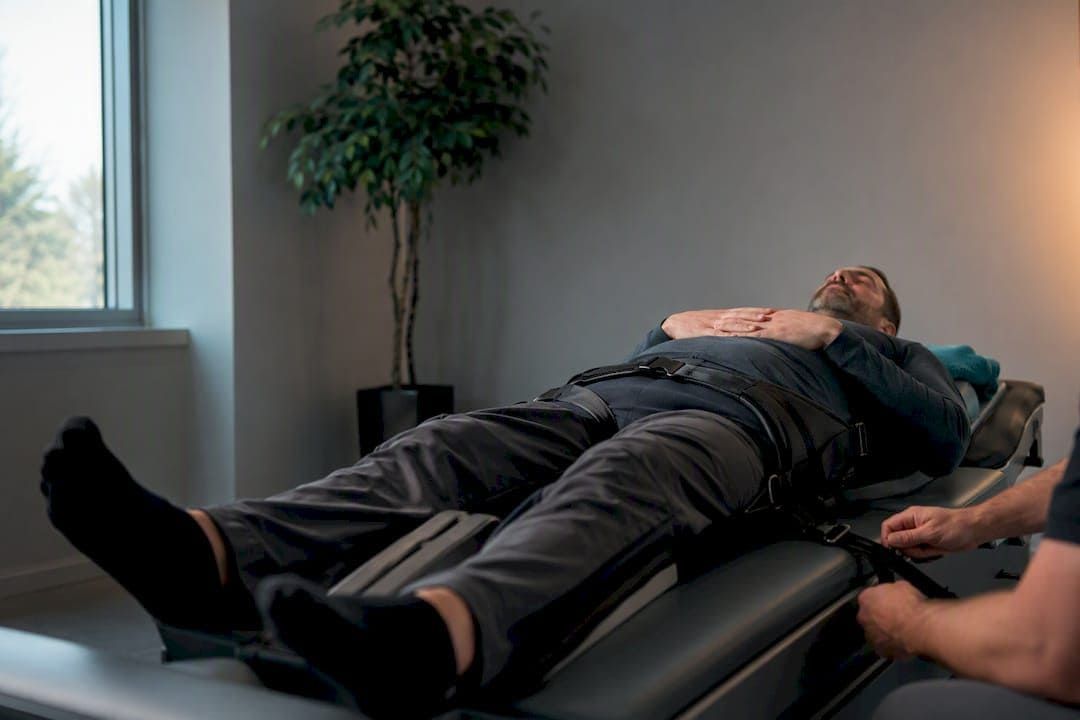
Services include chiropractic adjustments, manual therapy, spinal decompression, sports injury treatment, and supervised rehabilitation programs, all designed to restore function and support the kind of long-term joint health this article describes. Most major insurance plans are accepted, and online scheduling is available at all locations.
If you have been managing joint discomfort on your own and want a clinical assessment to identify what is actually driving it, booking an appointment is a practical next step. Visit Essentialchirocare's services page to find the location nearest you and schedule online.
Authoritative sources and further reading
The claims in this article draw on the following clinical and academic sources:
- Tips for healthy knees and joint protection — Arthritis Foundation: Practical joint protection guidance including weight management and load reduction.
- The ultimate arthritis diet — Arthritis Foundation: Evidence-based dietary pattern recommendations for reducing joint inflammation.
- Mayo Clinic expert tips on keeping joints healthy as you age: Expert guidance on conservative care, supplement evidence, and joint replacement prevention
- An anti-inflammatory diet may be good for your joints — Harvard Health: Nuanced look at dietary patterns as prevention versus treatment for joint conditions.
- Anti-inflammatory foods for arthritis and joint pain — Mass General Brigham: Dietitian-reviewed guidance on specific foods and their role in managing joint inflammation.
Recommended