Understanding Physical Rehabilitation: Your Recovery Guide

Essential ChiroCare Blogger • June 26, 2026

Understanding Physical Rehabilitation: Your Recovery Guide

TL;DR:

  • Physical rehabilitation is a structured, active process that restores movement, strength, and function after injury or illness. It involves four phases: assessment, pain control, strength rebuilding, and functional training, with patient motivation and clear goals being crucial for success. Coordinated multidisciplinary care and active patient participation significantly improve recovery outcomes and long-term quality of life.

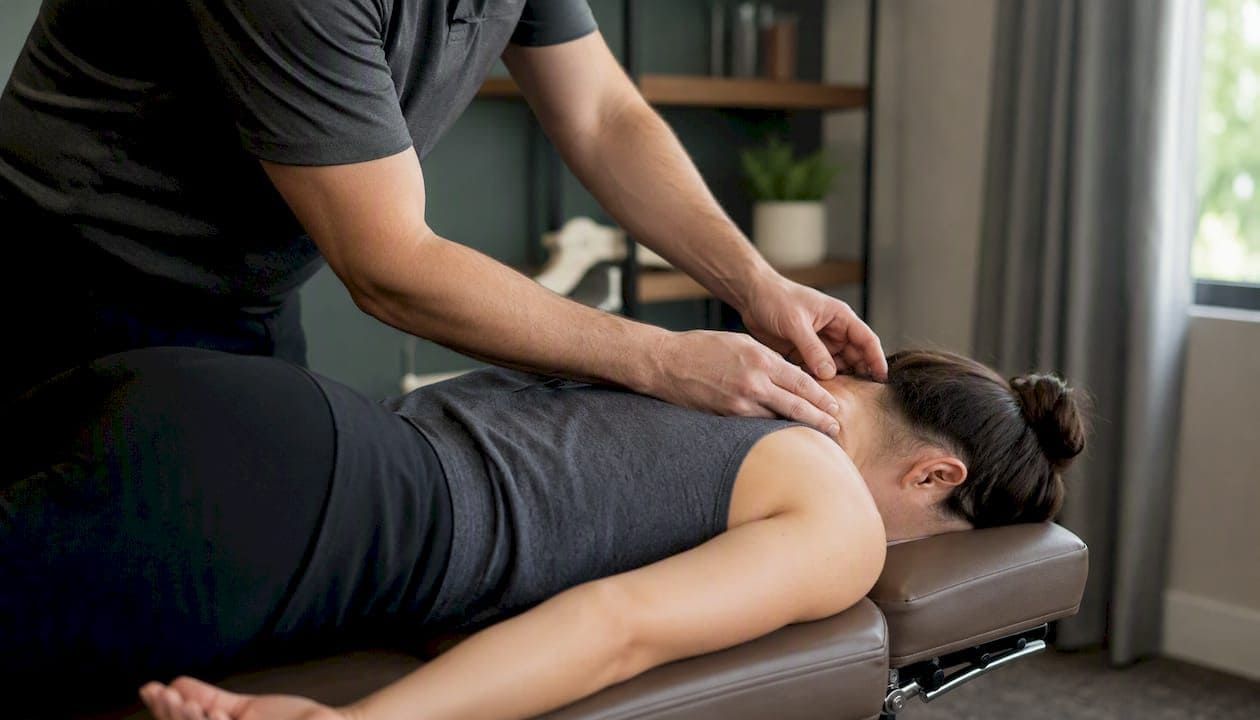
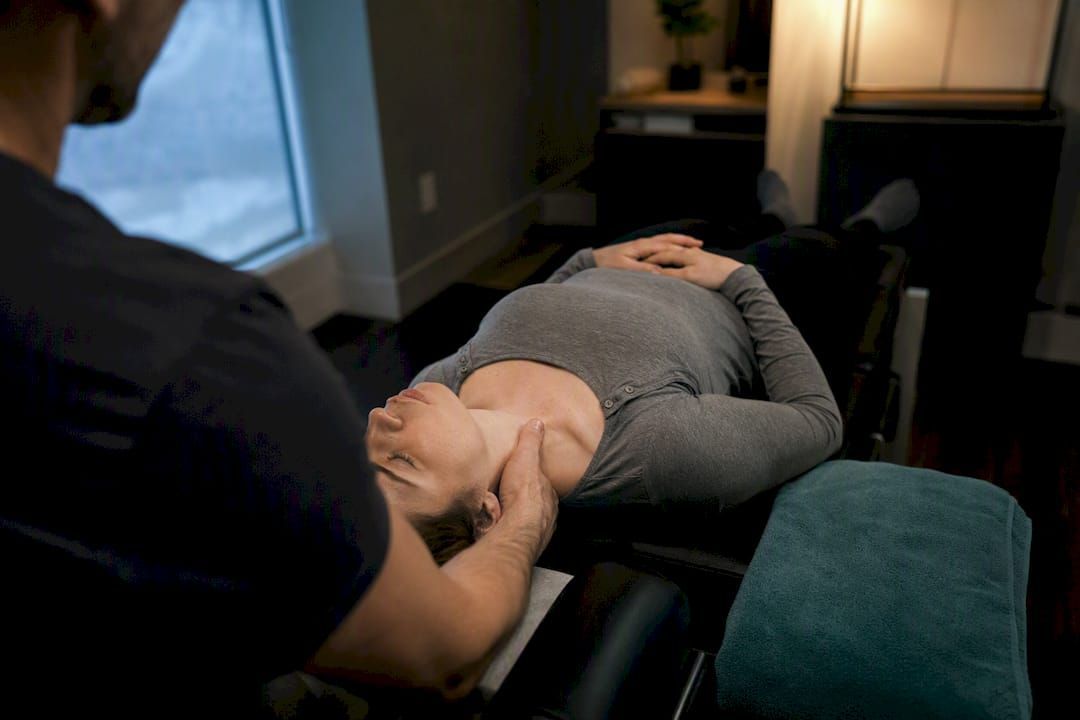
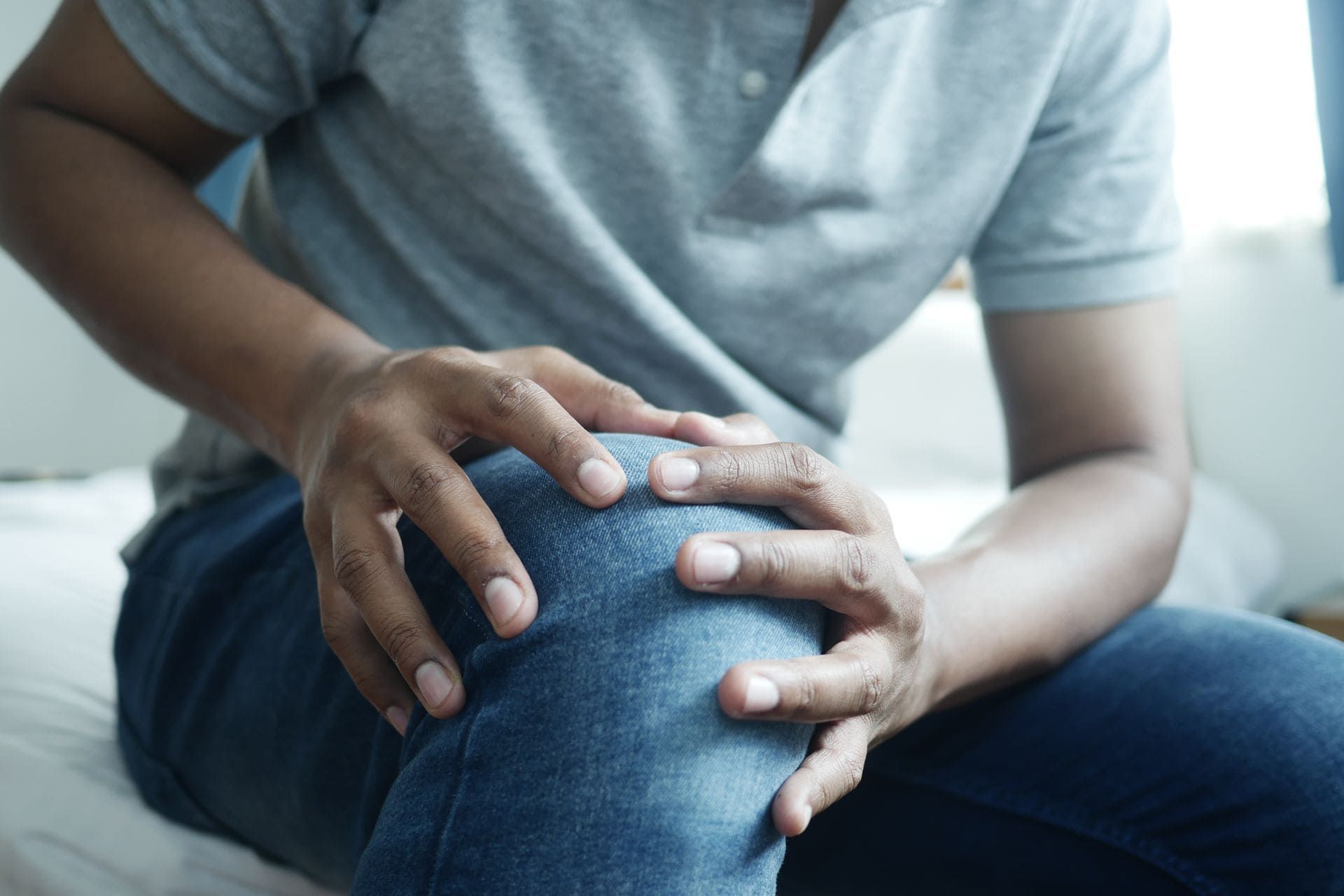
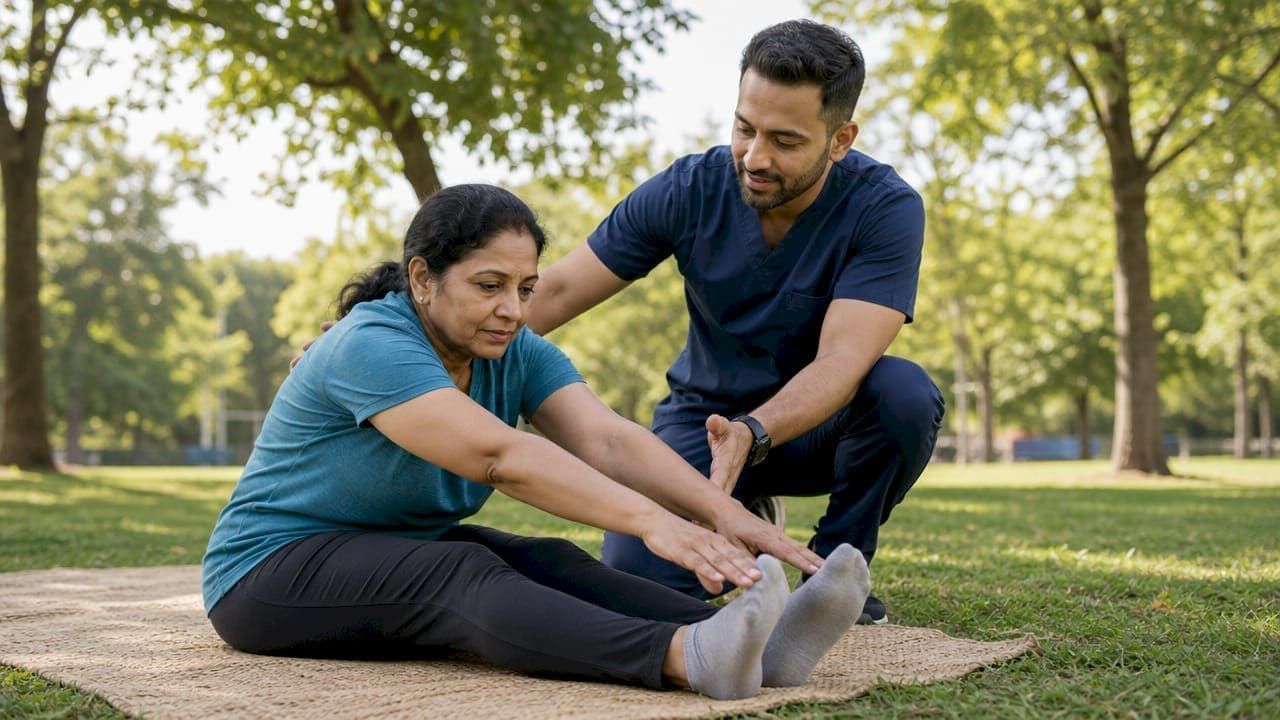
Physical rehabilitation is the systematic, clinician-directed process of restoring movement, strength, and function after injury, illness, surgery, or chronic pain. Known formally as physical medicine and rehabilitation (PM&R), it combines targeted exercise, manual therapy, and coordinated care to return patients to their highest possible level of independence. The process is not passive. Your active participation determines how fast and how fully you recover. Whether you are rebuilding after a torn ligament, managing sciatica, or recovering from a stroke, understanding physical rehabilitation gives you the tools to engage with your care team and accelerate results.

physical rehabilitation guide

What are the main stages of physical rehabilitation?

Physical rehabilitation follows a structured sequence. Skipping stages or rushing progression is the most common reason patients plateau or re-injure themselves.

The process typically unfolds in four phases:

  1. Assessment and goal setting. Initial assessments last 30 to 60 minutes and focus on reviewing your medical history, identifying functional deficits, and establishing measurable targets such as walking pain-free for 30 minutes or returning to sport within 10 weeks. Most patients expect treatment at this first session. They do not get it, and that surprises them. The session is entirely about data gathering, so arrive prepared with your full medical history and specific daily function goals.
  2. Pain and inflammation control. Modalities like ice, heat, ultrasound, and electrical stimulation reduce acute pain so that therapeutic exercise can begin safely. This phase may last days to weeks depending on injury severity.
  3. Range of motion and strength rebuilding. Once pain is managed, the focus shifts to restoring joint mobility and rebuilding the muscles that protect it. Exercises progress from passive stretching to active resistance training, always within tolerance.
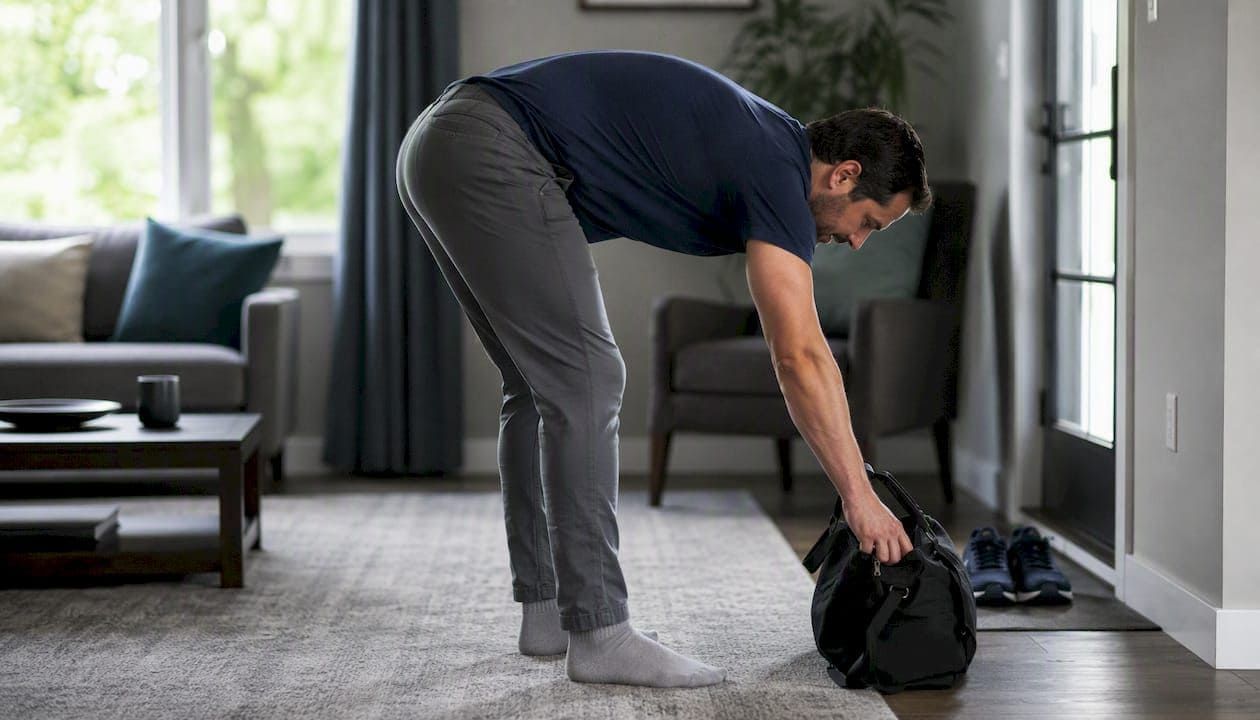
  4. Functional training and return to activity. The final phase replicates the demands of your daily life or sport. A construction worker practices lifting mechanics. A runner trains on a treadmill with progressive load. Discharge criteria are based on function, not just pain levels.

Pro Tip: Write down three specific activities you cannot currently do because of your injury. Bring that list to your first assessment. Therapists build better programs when goals are concrete rather than vague.

Timelines vary widely. A rotator cuff strain may resolve in six weeks. A total knee replacement typically requires three to six months of structured rehab. Neurological cases like stroke can benefit from aggressive therapy extending beyond six months for meaningful functional gains.

How do physical therapy, occupational therapy, and physiatry differ?

Patients frequently confuse these three disciplines. Each has a distinct focus, but the strongest outcomes come when all three work together.

PM&R physicians diagnose underlying causes of pain and coordinate the entire care team, ordering imaging, prescribing medications, and performing targeted procedures like nerve blocks. Physical therapists restore movement, strength, and flexibility through exercise and manual therapy techniques. Occupational therapists focus on fine motor skills and the daily living tasks that physical therapy does not address, such as dressing, cooking, or returning to desk work.

Discipline Primary focus Common tools
Physical therapy (PT) Movement, strength, flexibility Therapeutic exercise, manual therapy, modalities
Occupational therapy (OT) Daily living activities, fine motor skills Adaptive equipment, task-specific training
Physical medicine & rehab (PM&R) Diagnosis, care coordination, procedures Imaging, injections, referral management

Coordinated care among physiatrist, physical therapist, and occupational therapist sharing detailed referral information, including exercise limits and supervision requirements, produces safer and faster recovery than any single discipline working alone. This is why multidisciplinary clinics consistently outperform single-provider settings for complex orthopedic and neurological cases.

Telerehabilitation expands access for patients in rural areas or those with transportation barriers, but in-person care remains the benchmark for conditions requiring hands-on manual therapy. If your condition involves significant joint restriction or neurological involvement, prioritize in-person sessions.

What are the key benefits of physical rehabilitation?

The benefits of physical rehabilitation extend well beyond pain relief. Evidence supports its role across a wide range of conditions and patient populations.

  • Improved mobility and strength. Structured progressive exercise rebuilds the neuromuscular pathways that injury disrupts. Patients who complete full rehab programs consistently report better long-term strength than those who stop at pain resolution.
  • Reduced dependence on medication. Rehabilitation addresses the mechanical causes of pain rather than masking symptoms. Patients who engage in chiropractic injury rehab alongside physical therapy often reduce or eliminate reliance on anti-inflammatory drugs.
  • Faster recovery from surgery. Prehabilitation, meaning strengthening before a scheduled procedure, shortens post-operative recovery time. Patients who enter surgery with stronger surrounding musculature leave the hospital sooner.
  • Critical care recovery. Early mobilization in ICU patients once medically stable reduces ICU-acquired weakness, shortens mechanical ventilation time, decreases delirium, and cuts overall hospital stay. This finding has reshaped how intensive care units integrate rehabilitation specialists into daily rounds.
  • Stroke and neurological recovery. Aerobic exercise and task-specific physical therapy produce measurable functional gains in stroke survivors. Recovery concentrates in the first three to six months, but continued rehab beyond that window still yields improvement.
  • Long-term quality of life. Patients who maintain a home exercise program after formal discharge sustain their gains. Those who stop typically regress within six months, particularly after orthopedic procedures.

The importance of physical rehab becomes clearest when you look at what happens without it. Post-surgical patients who skip structured rehab develop scar tissue adhesions, muscle atrophy, and compensatory movement patterns that create secondary injuries months later.

How can patients optimize their physical rehabilitation?

The single most critical factor in successful rehabilitation is not the equipment, the modality, or even the therapist. Patient motivation and clear goal communication drive outcomes more than any other variable. That finding should shift how you approach every session.

Here is how to get the most from your program:

  • Communicate your goals specifically. Tell your therapist what you want to do, not just what hurts. "I want to return to recreational tennis" gives your care team a functional target. "My shoulder hurts" does not.
  • Follow the prescribed timeline strictly. Rehabilitation phases exist because tissue heals in stages. Loading a healing tendon too early does not speed recovery. It restarts the inflammatory cycle and adds weeks to your timeline.
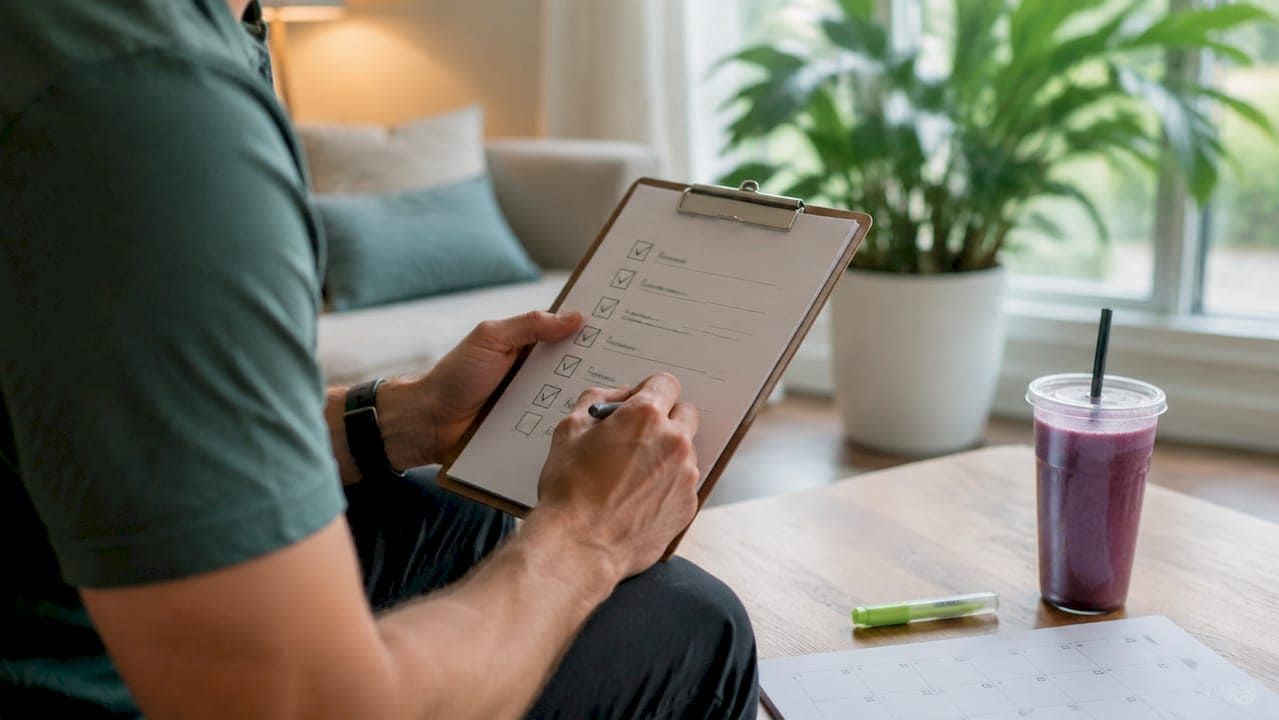
  • Track your progress between sessions. Keep a simple log of your home exercises, pain levels, and any new symptoms. Therapists make better adjustments when they have objective data rather than general impressions.
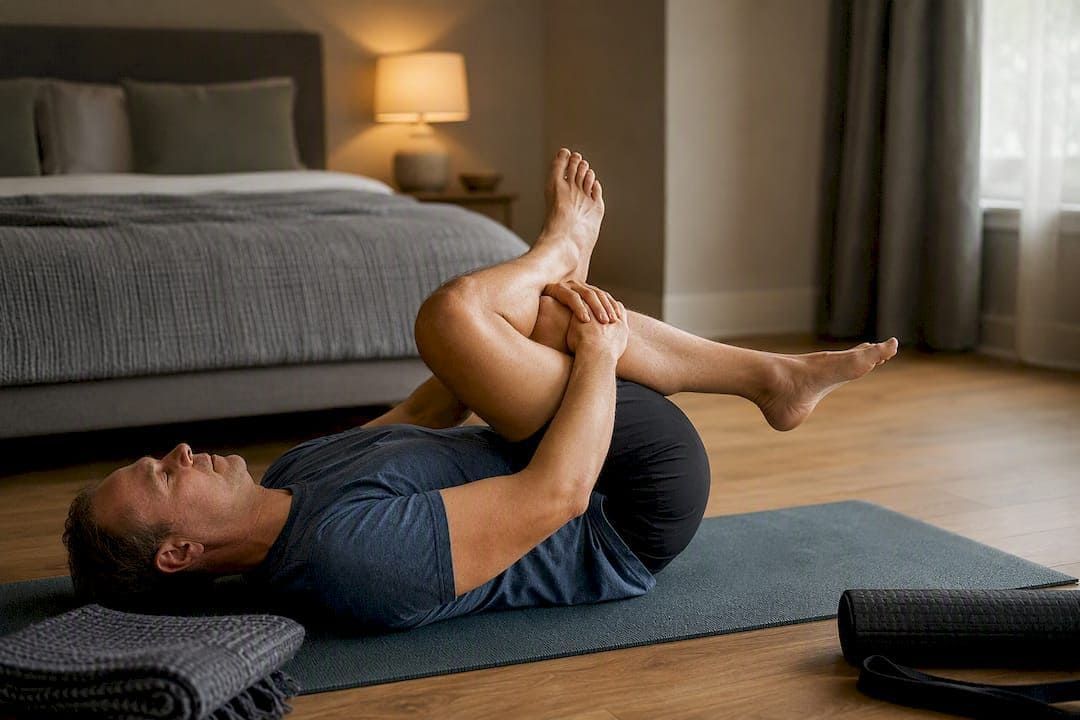
  • Do not skip home exercises. Clinical sessions typically occur two to three times per week. The work you do on the other four days determines whether you progress or stagnate. Home exercise compliance is the single biggest predictor of discharge outcomes.
  • Report pain that feels wrong. Sharp, shooting, or worsening pain during exercise is a signal, not a challenge to push through. Distinguish between productive discomfort (muscle fatigue, mild soreness) and warning pain (sharp, joint-level, or neurological).

Pro Tip: Set a recurring phone alarm for your home exercise sessions. Patients who schedule rehab exercises like appointments complete them at nearly twice the rate of those who rely on willpower alone.

Maintaining gains after discharge requires a permanent shift in how you use your body. The role of massage in injury recovery alongside ongoing exercise keeps soft tissue mobile and reduces the risk of re-injury. Think of post-discharge maintenance not as optional but as the final phase of your program.

physical rehabilitation program

Key takeaways

Physical rehabilitation succeeds when structured phases, coordinated multidisciplinary care, and active patient participation work together from the first assessment through long-term maintenance.

Point Details
Structured phases matter Rehabilitation follows four stages: assessment, pain control, strength rebuilding, and functional training.
Disciplines serve different roles PT restores movement, OT addresses daily tasks, and PM&R physicians coordinate diagnosis and care.
Early mobilization saves lives ICU patients who mobilize early experience shorter hospital stays and less acquired weakness.
Patient engagement drives outcomes Clear goal communication and home exercise compliance predict recovery success more than any single modality.
Maintenance prevents regression Patients who stop all activity after discharge typically lose functional gains within six months.

Why patient empowerment is the missing piece in most rehab plans

Most articles about physical rehabilitation focus on what clinicians do. That framing misses the point. After working with patients across a range of conditions, the pattern is consistent: the patients who recover fastest are not the ones with the best insurance or the most advanced equipment. They are the ones who show up prepared, ask specific questions, and treat their home exercise program as non-negotiable.

I have seen patients with severe orthopedic injuries outperform those with minor sprains simply because their engagement level was higher. Conversely, I have watched straightforward recoveries drag on for months because patients waited passively for the therapist to fix them.

The evolution of telerehabilitation is worth watching, but I remain convinced that for complex musculoskeletal and neurological cases, nothing replaces hands-on care. A video call cannot mobilize a stiff joint or assess tissue quality under load. Patients should push back if they are being routed to remote-only care for conditions that genuinely require manual intervention.

The most underused tool in rehabilitation is the patient's own voice. Advocate for a clear explanation of each exercise, a rationale for each phase, and a defined discharge target. Clinicians who cannot answer those questions clearly are not running a tight program. You deserve one.

Start your recovery with Essentialchirocare

If you are ready to move from understanding physical rehabilitation to actually experiencing it, Essentialchirocare offers structured physical rehab services across Tampa, Brandon, Sarasota, Lakeland, and Pinellas Park. Programs are built around your specific injury, goals, and timeline, not a generic protocol. The clinic's doctors bring sports team experience to every assessment, which means your care plan reflects real functional demands. Alongside rehabilitation, chiropractic care addresses the root causes of pain and restores spinal and joint mobility to support every phase of your recovery. Schedule your assessment online today and arrive with your goals written down.

FAQ

  • What is physical rehabilitation in simple terms?

    Physical rehabilitation is a structured program of exercises, manual therapy, and coordinated clinical care designed to restore movement, reduce pain, and improve function after injury, surgery, or illness. It is delivered by a team that may include physical therapists, occupational therapists, and PM&R physicians.

  • How long does a physical rehabilitation program take?

    Duration depends on the condition. Minor soft tissue injuries may resolve in four to six weeks, while post-surgical or neurological rehabilitation can require six months or longer. Stroke recovery benefits from therapy that continues well beyond the initial three to six month window.

  • What is the difference between physical therapy and physiatry?

    Physical therapy focuses on restoring movement and strength through exercise and hands-on techniques. Physiatry, or PM&R, is a medical specialty that diagnoses the root cause of pain, coordinates the full care team, and performs procedures like injections that physical therapists cannot.

  • How important is the home exercise program?

    Home exercises are not supplemental. They are the majority of your rehabilitation. Clinical sessions occur two to three times per week, but tissue adaptation happens continuously. Patients who complete their home program consistently recover faster and maintain gains longer after discharge.

  • Can chiropractic care be part of a rehabilitation program?

    Chiropractic care addresses spinal and joint alignment, which directly supports the movement goals of physical rehabilitation. Many patients combine chiropractic adjustments with physical therapy to resolve pain faster and restore full range of motion more effectively than either approach alone.

Recommended

why is posture important for health
By Essential ChiroCare Blogger June 25, 2026
Discover why posture matters for your health and longevity. Learn how aligning your body can enhance well-being, reduce pain, and promote longevity.
how to monitor pain signals
By Essential ChiroCare Blogger June 24, 2026
Discover how to monitor pain signals effectively for better relief. Transform your pain management with practical tools and techniques!
personalized treatment plans
By Essential ChiroCare Blogger June 23, 2026
Discover why personalized treatment plans deliver better pain relief by targeting individual needs, improving outcomes, and enhancing wellness.
common car accident injuries
By Essential ChiroCare Blogger June 22, 2026
Explore the different types of auto injuries, their symptoms, and effective treatment options to ensure a smooth recovery after an accident.
does flexibility prevent injuries
By Essential ChiroCare Blogger June 21, 2026
Discover why flexibility reduces injury and learn how it fits into a comprehensive strategy for safer, more effective movement. Read more!
best sleeping position for hip pain
By Essential ChiroCare Blogger June 20, 2026
Use simple changes to ease soreness, improve rest, and know when to see a hip pain chiropractor in Tampa for extra support at night. Read on!
spine adjustment Lakeland FL
By Essential ChiroCare Blogger June 19, 2026
Learn what to expect from a summer spine adjustment and how a spine adjustment chiropractor in Tampa can help ease tension during Florida’s hottest months.
chiropractor after car accident Tampa
By Essential ChiroCare Blogger June 18, 2026
Lingering soreness after a crash? Know when it's time to see an auto accident chiropractor in Tampa and avoid letting small issues build up.
family chiropractic care Tampa
By Essential ChiroCare Blogger June 17, 2026
Learn how a family chiropractor in Tampa can help support your summer routine by easing tension, improving mobility, and keeping movement smooth.
chronic pain management
By Essential ChiroCare Blogger June 16, 2026
Discover effective long-term pain relief strategies that integrate therapy, lifestyle changes, and support for lasting comfort and function.
Show More