Sports Injury Treatment Steps for Fast and Safe Recovery
Sports Injury Treatment Steps for Fast and Safe Recovery
A twisted ankle on a Clearwater trail or a sudden twinge during a Tampa pickup game can put even the most dedicated athletes on the sidelines. Sports injuries often strike when you least expect them, affecting muscles, bones, or soft tissues like sprains and strains. Knowing how to respond right away gives you the best shot at a full recovery. This guide shows you how to quickly assess your injury, apply immediate first aid , and set yourself up for expert care and faster healing.
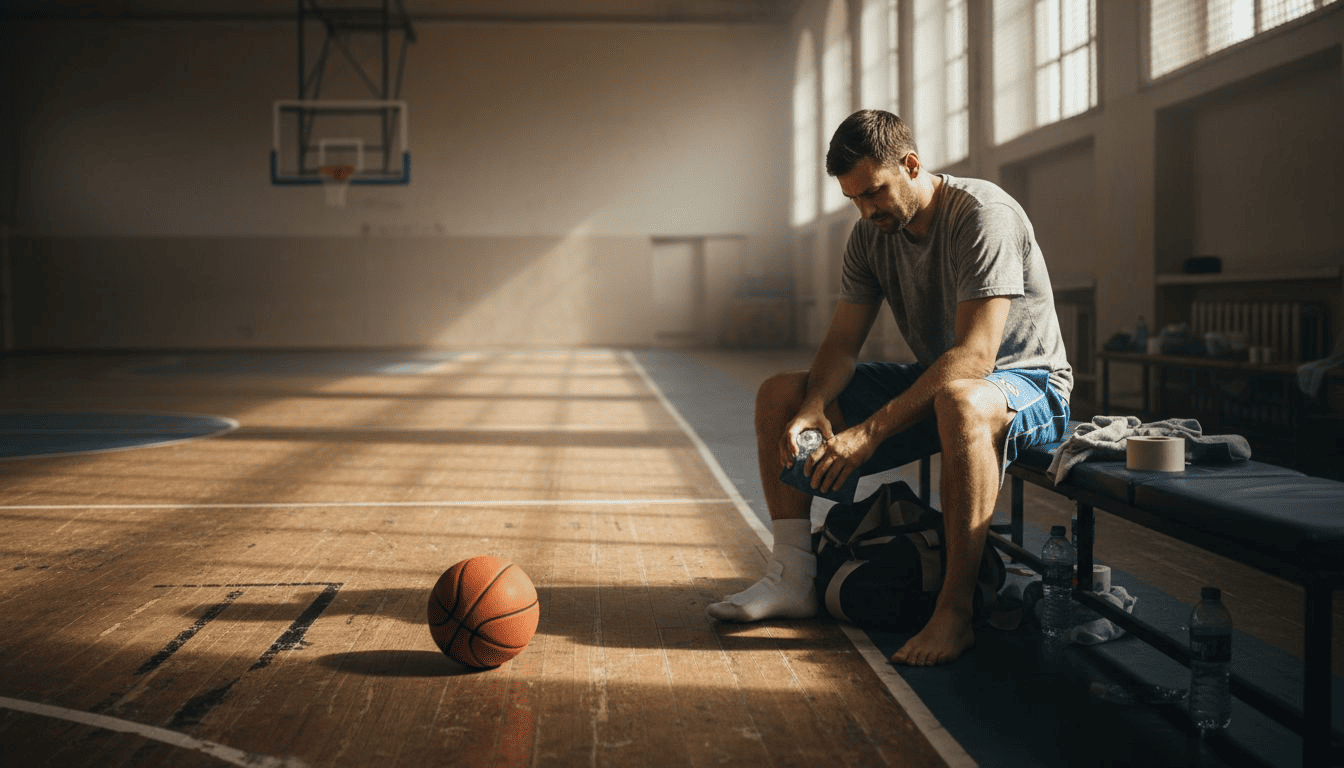
Table of Contents
Quick Summary
| Key Point | Explanation |
|---|---|
| 1. Assess Injury and Symptoms | Evaluate pain location, intensity, and visible signs like swelling right after the injury. Gathering accurate information is crucial for proper treatment. |
| 2. Apply Immediate First Aid | Rest, ice, compress, and elevate the injured area to reduce pain and swelling in the first crucial hours after the injury. |
| 3. Schedule Professional Evaluation | Seek expert diagnosis from a healthcare provider or sports medicine clinic, bringing initial assessment notes to guide your treatment plan. |
| 4. Begin Personalized Chiropractic Care | Work with a chiropractor to create a customized treatment plan that targets your specific injury and athletic goals for optimal recovery. |
| 5. Monitor Recovery and Adjust | Track pain levels and mobility weekly and communicate any changes to your chiropractor to adjust your treatment plan effectively as you heal. |
Step 1: Assess the Injury and Symptoms
Your first move after a sports injury is to stop what you’re doing and honestly evaluate what happened. Take a moment to identify where the pain is located, how intense it feels, and what movements made it worse. Sports injuries commonly occur during physical activities and can involve muscles, bones, or soft tissues like sprains, strains, and fractures. The key here is gathering accurate information about your injury right now, while the experience is fresh. This assessment becomes the foundation for everything that follows.
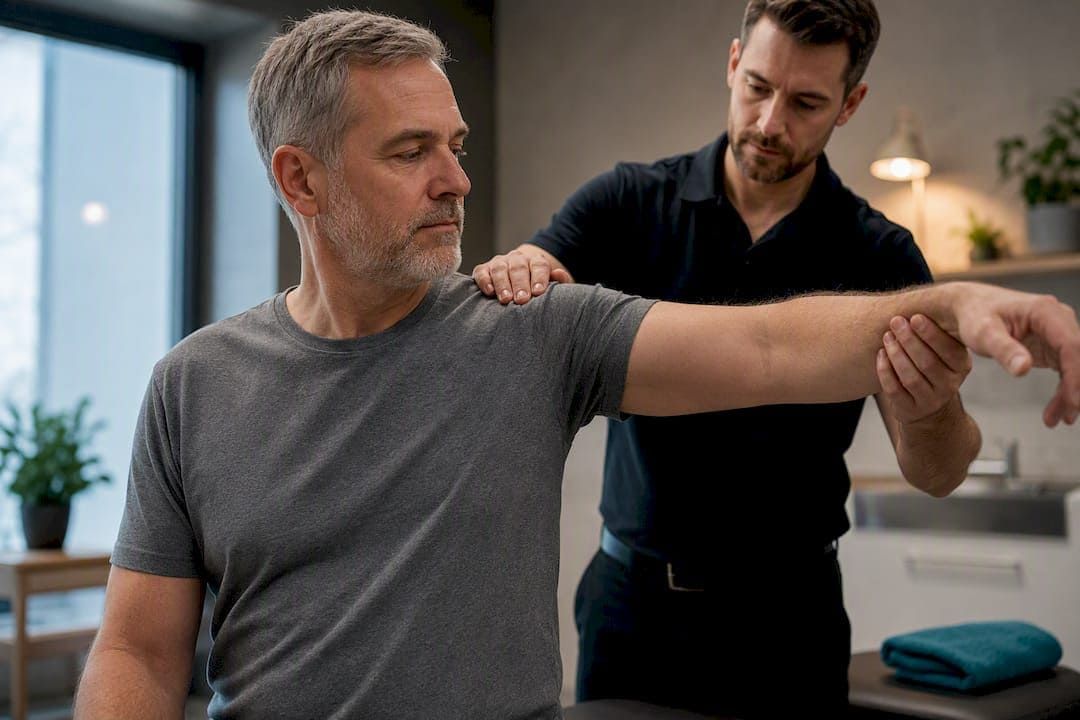
Start by examining the injured area carefully. Look for visible signs like swelling, bruising, or deformity compared to the uninjured side of your body. Gently touch around the injury site to pinpoint exactly where it hurts most. When healthcare providers assess injuries, they physically examine the area for swelling and tenderness to evaluate the extent of damage. Pay attention to whether the injury feels stable or unstable when you try moving it slightly. Can you bear weight on it, or does it give out? Does the pain feel sharp and immediate, or is it a dull ache? Write down these observations if you can. This information matters because it tells you whether you’re dealing with something minor that needs rest or something requiring immediate medical attention. If you experience severe pain, inability to move the injured area, numbness, significant swelling, or visible deformity, stop assessing and seek professional evaluation immediately. Athletes in West Central Florida know that getting the right diagnosis early prevents setbacks that could sideline you for months.
Here’s a reference table summarizing common sports injuries and typical symptoms to help guide your initial assessment:
| Injury Type | Likely Symptoms | Typical Causes |
|---|---|---|
| Sprain | Swelling, bruising, pain | Twisting or impact |
| Strain | Muscle tightness, spasms | Overstretch, overuse |
| Fracture | Severe pain, deformity | Direct blow, fall |
| Contusion | Tenderness, discoloration | Direct impact |
| Dislocation | Instability, deformity | Sudden force, collision |
Pro tip: Take a photo of any visible swelling or bruising immediately after injury to track changes over the next few hours, which helps you and your healthcare provider understand the severity and monitor your recovery progress.
Step 2: Apply Immediate First Aid Measures
The moments right after your injury occur are critical. What you do in the first few minutes can significantly reduce swelling, manage pain, and prevent the injury from getting worse. Your goal here is to protect the injured area and create the best conditions for healing to begin. Think of this as damage control that sets you up for faster recovery.
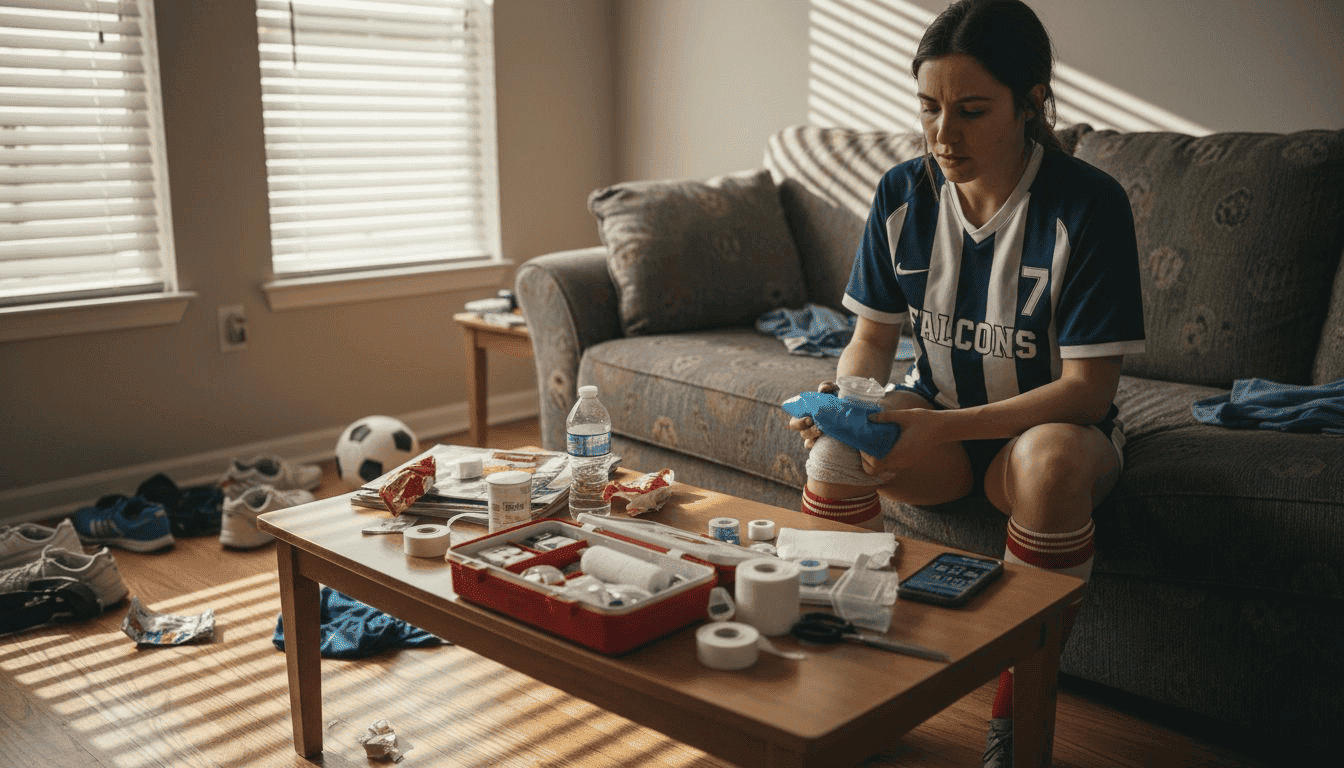
Start by getting to a safe location where you can stay still. Rest the injured area immediately and avoid any movements that cause pain or discomfort. Next, apply ice to the injured area for 15 to 20 minutes at a time, repeating this several times throughout the day, especially during the first 48 hours. Ice reduces inflammation and numbs pain, but avoid placing it directly on your skin by wrapping it in a cloth first. Once you’ve iced the area, wrap it with an elastic compression bandage to control swelling. The bandage should feel snug but not so tight that it cuts off circulation or causes numbness or tingling. Then elevate the injured limb above your heart level whenever possible. If you’re dealing with an ankle, prop your leg up on pillows while sitting or lying down. For a shoulder or arm injury, use a sling or pillow to keep it elevated. R.I.C.E. techniques work together to minimize swelling and pain in the critical early hours. Avoid any activities that aggravate your injury, and if symptoms worsen significantly, pain becomes unbearable, or you notice signs like inability to move the area or persistent numbness, seek medical evaluation right away. Athletes in West Central Florida often find that following these immediate steps helps them recover faster and avoid complications that could extend their time away from training.
To compare the benefits of immediate first aid actions, use the table below:
| First Aid Step | Benefit | Timing Recommendation |
|---|---|---|
| Rest | Prevents further injury | Immediately after injury |
| Ice | Reduces pain/swelling | 15-20 mins, repeat for 2 days |
| Compression | Limits swelling | Apply after icing |
| Elevation | Promotes drainage | Whenever possible |
Pro tip: Keep a reusable ice pack in your gym bag and set a timer on your phone for ice sessions so you stay consistent with 15 to 20 minute applications, which maximizes swelling reduction during those critical first 48 hours.
Step 3: Schedule a Professional Evaluation
You’ve assessed your injury and applied first aid, but now you need expert eyes on what’s actually going on. A professional evaluation gives you clarity on the severity of your injury, what structures are involved, and exactly what your recovery plan should look like. This step separates guesswork from a real diagnosis that guides your treatment decisions.
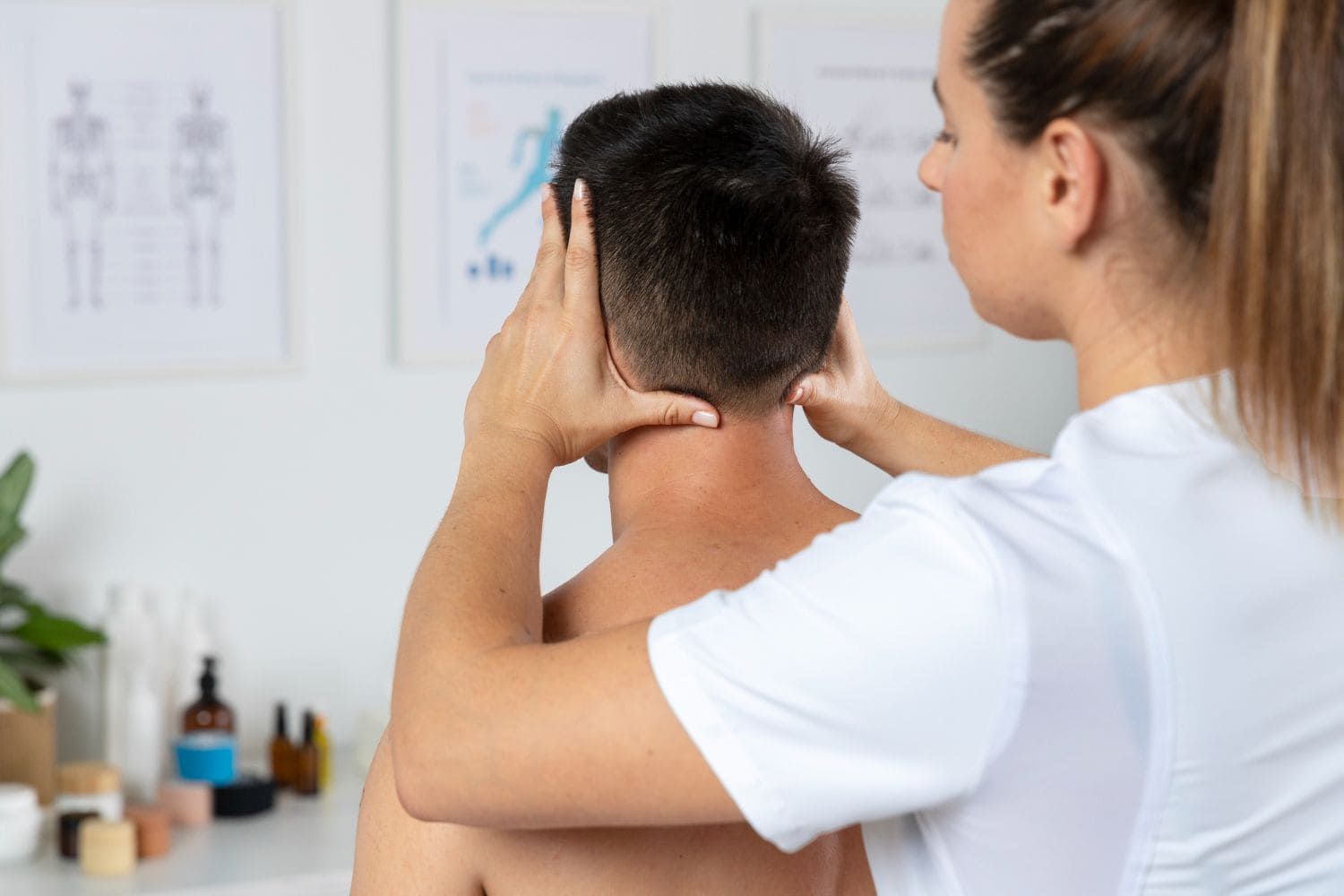
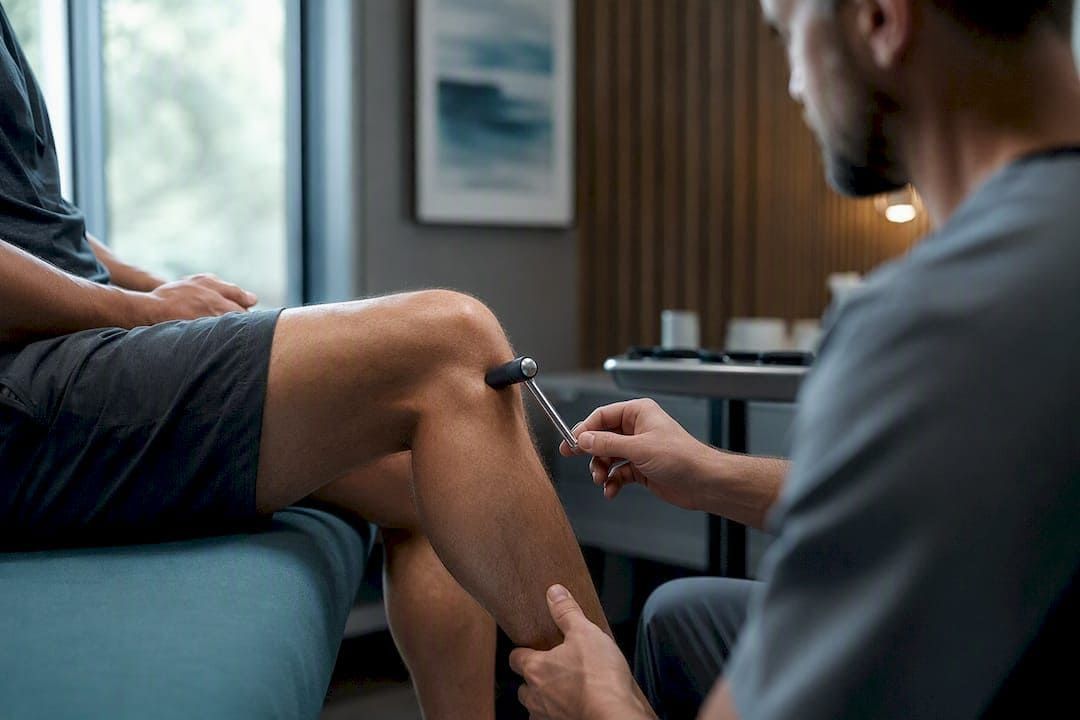
Contact your primary care provider or find a sports medicine clinic in your area to schedule an appointment. Many athletes in West Central Florida benefit from seeking care at specialized sports medicine facilities where multidisciplinary teams including sports medicine physicians and orthopedic surgeons work together to diagnose and treat injuries comprehensively. When you call to schedule, mention that you have a sports injury so they can prioritize your appointment and potentially allocate time for imaging if needed. Bring any information you gathered during your initial assessment, including notes about how the injury occurred, what movements cause pain, and any swelling or bruising patterns you’ve observed. During the evaluation, the healthcare provider will perform a physical examination, review your medical history, and may order imaging tests like X-rays or MRIs to rule out fractures or assess soft tissue damage. This thorough approach ensures nothing gets missed. If you’re unsure where to go, ask your regular doctor for a referral, contact local urgent care centers that handle sports injuries, or check if your gym or sports team has recommended providers. The sooner you get a professional evaluation, the sooner you can begin a targeted treatment plan tailored to your specific injury rather than following generic recovery advice. Don’t delay this step thinking rest alone will fix everything, because some injuries require specific interventions to heal properly and prevent chronic issues down the road.
Pro tip: Wear comfortable clothing to your appointment that allows easy access to the injured area, and bring your insurance card plus a list of any current medications or previous injuries to streamline the evaluation process.
Step 4: Begin Personalized Chiropractic Care
Your professional evaluation has given you a clear diagnosis. Now it’s time to start actual treatment with a chiropractor who understands your specific injury and athletic goals. Personalized chiropractic care addresses the root cause of your pain, not just the symptoms, which means you heal faster and stronger than generic treatment protocols could achieve.
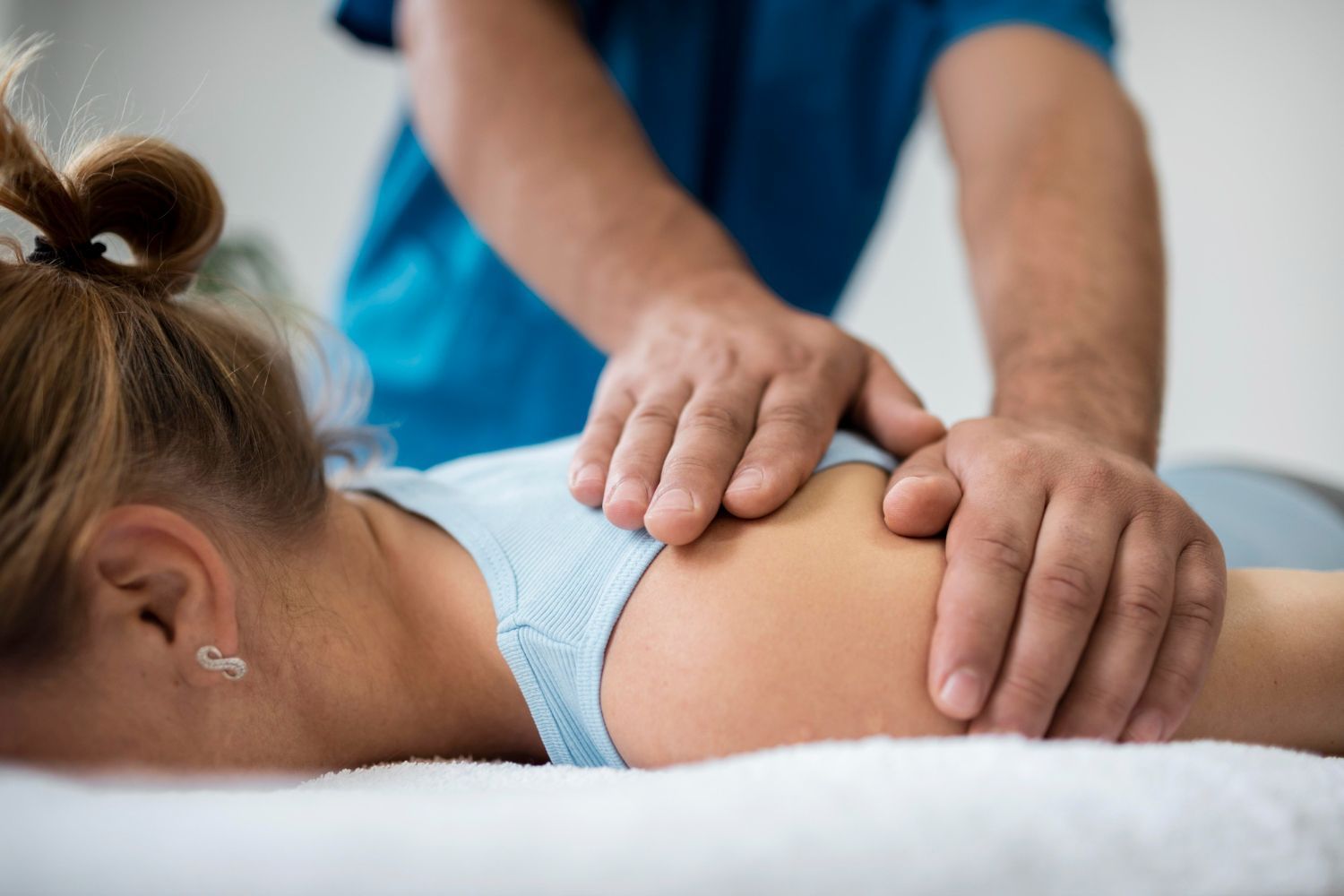
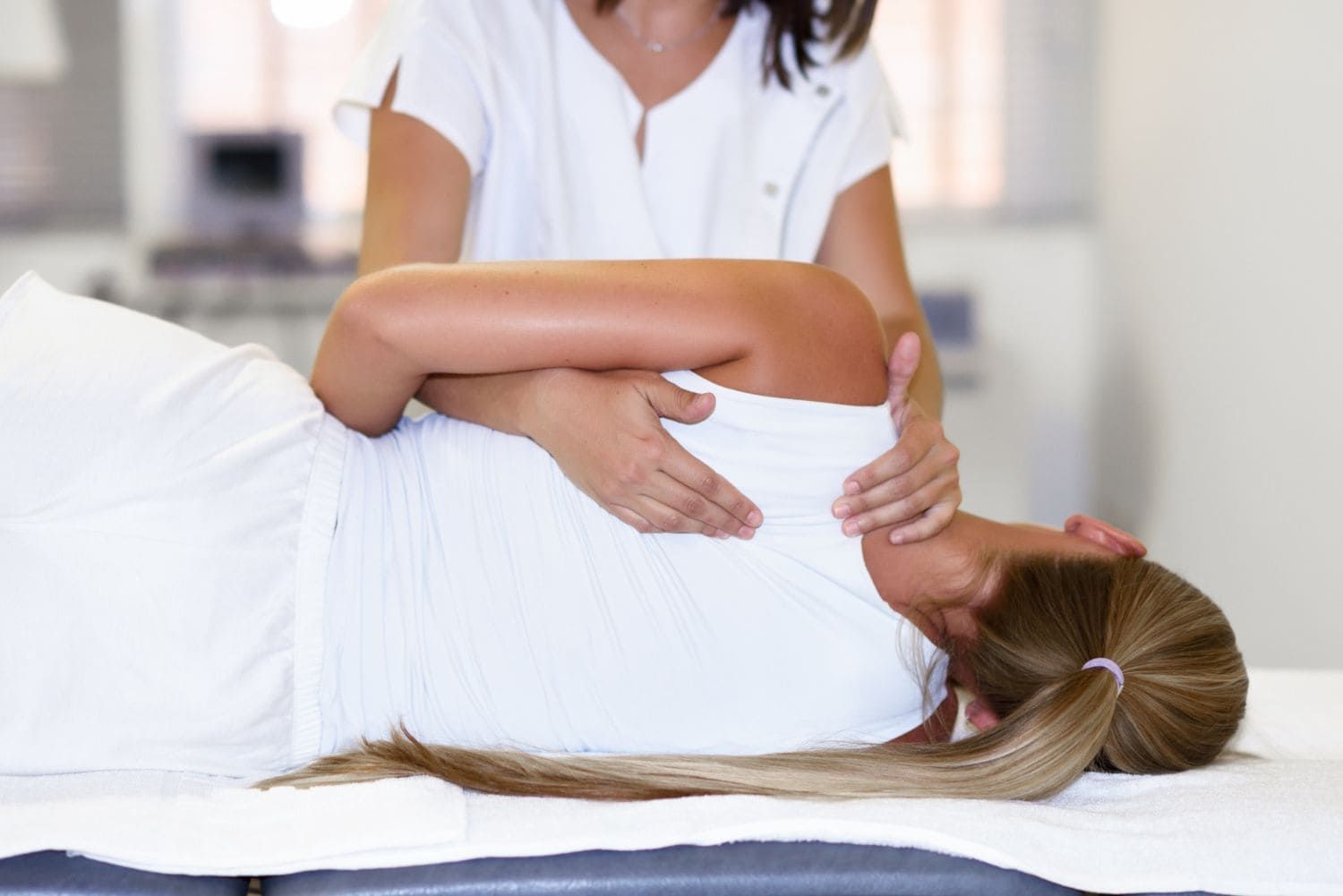
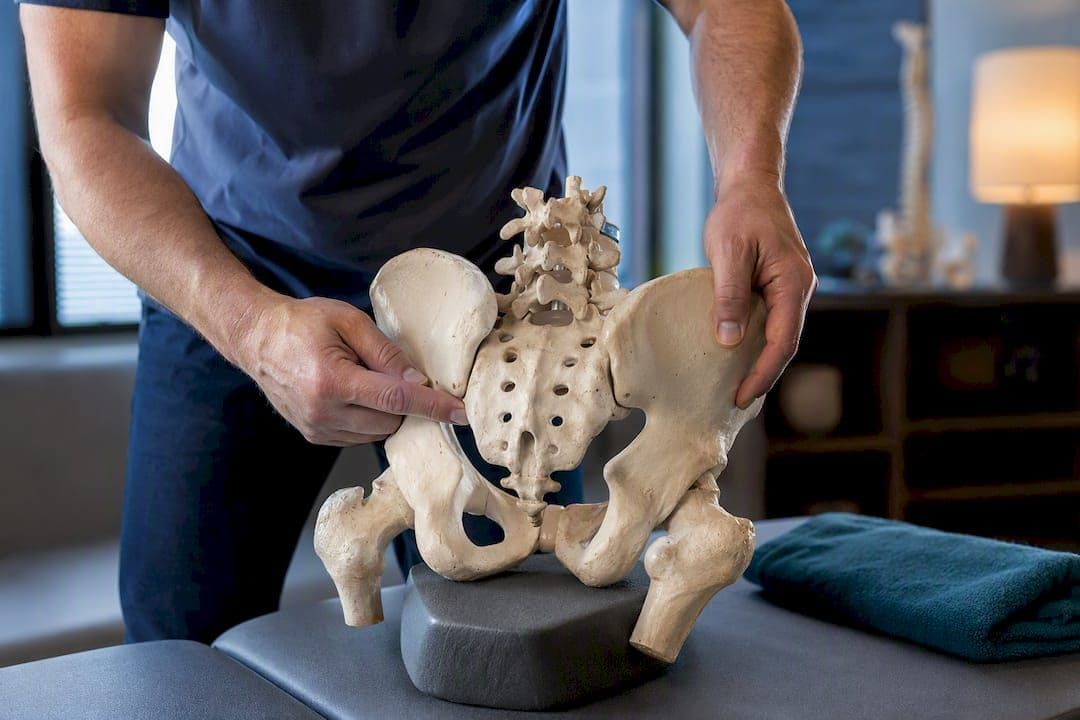
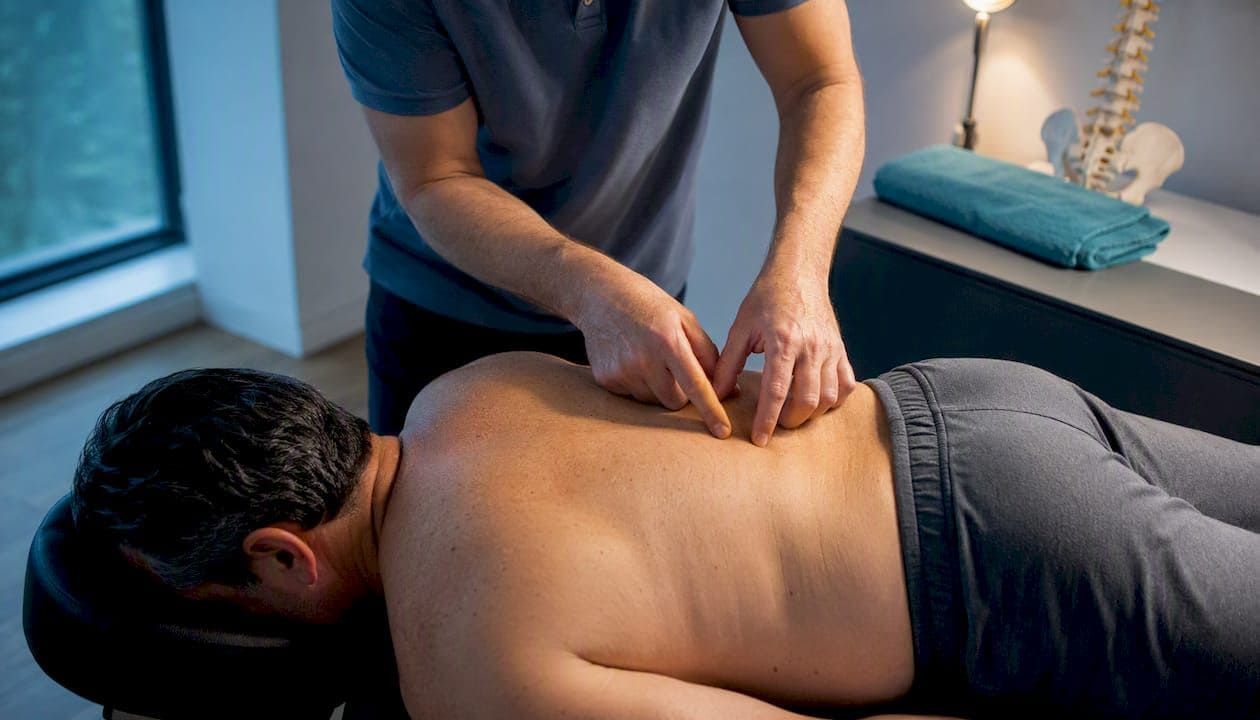
Work with your chiropractor to develop a customized treatment plan based on your diagnosis and recovery timeline. Chiropractic care involves manual therapy such as spinal manipulation designed to improve joint motion and reduce pain, but your plan may also include complementary approaches. Chiropractic adjustments use hands or instruments to manipulate joints and correct body alignment, often combined with exercises, soft tissue therapy, and nutritional guidance tailored to your injury. During your first appointments, your chiropractor will conduct a thorough history and physical examination to understand how your injury affects your movement patterns and daily life. This detailed assessment allows them to identify compensatory problems that might slow your recovery if left unaddressed. Ask your chiropractor to explain what they’re treating, why each treatment matters for your specific injury, and what results you should expect within specific timeframes. Athletes often benefit from asking essential questions to chiropractors to understand their care plan fully. Attend your scheduled appointments consistently because sporadic treatment won’t produce the results you’re looking for. Your chiropractor needs to see progression week by week to adjust your plan as you improve. In West Central Florida, many athletes find that starting chiropractic care immediately after diagnosis accelerates their return to peak performance compared to delaying treatment or trying to self-manage the injury.
Pro tip: Keep a simple log of your pain levels, range of motion improvements, and activity tolerance between appointments so you can discuss measurable progress with your chiropractor and stay motivated during recovery.
Step 5: Monitor Recovery Progress and Adjust
Recovery isn’t linear, and neither should your treatment plan be. Actively monitoring your progress allows you to celebrate real improvements, catch potential setbacks early, and make informed adjustments to your care strategy. This step transforms you from a passive patient into an engaged participant who drives their own recovery forward.
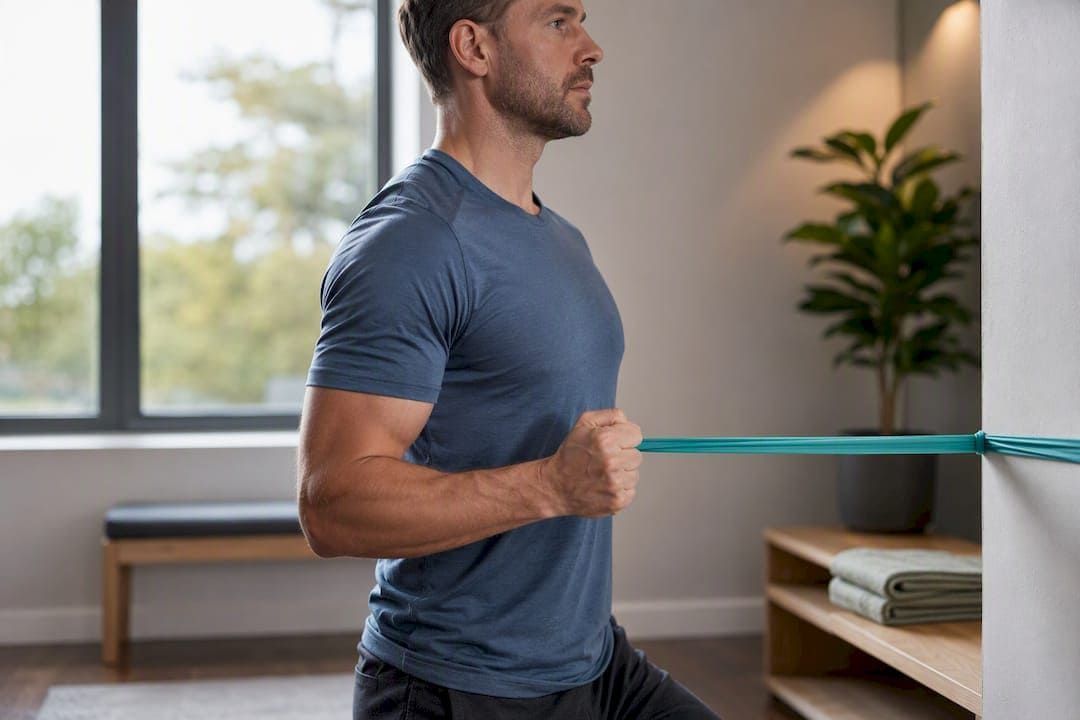
Start by establishing baseline measurements during your first week of treatment. Track your pain levels on a simple scale of one to ten, note your range of motion in the injured area, and observe which activities cause discomfort versus which feel manageable. Effective recovery monitoring includes assessment of swelling, pain levels, and functional ability as the injury heals. Keep these measurements consistent by checking them at the same time each day, ideally in the morning before activity. Write down what you observe in a notebook or phone app, including how your injury responds to treatment, whether swelling is decreasing, and if you can do more without pain each week. Over time, these small data points reveal clear trends that tell you whether your current treatment plan is working or needs adjustment. Share your observations with your chiropractor at every appointment because they use this information to fine-tune your care. Monitoring recovery involves allowing appropriate time for healing and adjusting treatment plans regularly to ensure safe progression. If you notice that swelling isn’t decreasing after two weeks, pain is getting worse instead of better, or you’re losing function rather than gaining it, communicate this immediately. Your chiropractor may need to modify your exercises, adjust compression techniques, change treatment frequency, or recommend imaging to rule out complications. Don’t assume that pushing harder or training through pain will speed recovery because it often leads to re-injury that sets you back months. Athletes in West Central Florida who stay consistent with monitoring and remain flexible with adjustments typically experience smoother recoveries and return to peak performance faster than those who stick rigidly to their original plan.
Pro tip: Take weekly photos of any visible swelling or bruising in consistent lighting and from the same angle so you have visual documentation of your healing progress to review with your chiropractor.
Take Control of Your Sports Injury Recovery Today
Sports injuries can bring intense pain, frustration, and uncertainty about your healing journey. You have already learned crucial steps like assessing your injury carefully, applying immediate first aid with R.I.C.E. techniques, and the importance of professional evaluation. Now imagine fast-tracking your recovery with expert chiropractic care that targets the root cause of your pain and personalized treatments crafted just for you.
At Essential ChiroCare, we specialize in comprehensive sports injury treatment and rehabilitation designed specifically for athletes and active individuals in West Central Florida. Our experienced chiropractors combine manual therapy, spinal adjustments, and physical rehabilitation to reduce pain, improve joint function, and restore your peak performance safely and effectively.
Don’t let a sports injury keep you sidelined longer than necessary. Experience a tailored approach that evolves with your recovery progress and helps prevent setbacks. Visit Essential ChiroCare now to schedule your professional evaluation and customized chiropractic care plan. Your fastest, safest return to the activities you love starts here.
Frequently Asked Questions
What should I do immediately after a sports injury?
To effectively manage a sports injury, stop activity right away and assess the pain’s location and intensity. Take detailed notes on your symptoms and apply the R.I.C.E. method—Rest, Ice, Compression, and Elevation—to minimize swelling and pain.
How can I tell if my sports injury requires medical attention?
Seek medical help if you experience severe pain, inability to move the injured area, significant swelling, or visible deformity. Getting professional evaluation early can prevent complications and ensure you receive appropriate care for your injury.
What types of injuries are common in sports, and what are their symptoms?
Common sports injuries include sprains, strains, fractures, contusions, and dislocations, each with specific symptoms like swelling, severe pain, or instability. Understanding these symptoms helps you assess the injury accurately and determine the appropriate next steps.
How can chiropractic care help in sports injury recovery?
Chiropractic care can address the root cause of your pain through customized treatment plans that include manual therapy, exercises, and nutritional guidance. Work closely with your chiropractor to create a plan tailored to your diagnosis, monitoring progress to optimize recovery.
How often should I monitor my recovery progress after a sports injury?
You should monitor your recovery progress daily, ideally noting pain levels, range of motion, and any changes in symptoms. This consistent tracking can help identify trends in your healing and inform your chiropractor about adjustments needed in your treatment plan.
What should I discuss with my chiropractor during appointments?
During appointments, discuss your pain levels, movement capabilities, and any changes in your symptoms. This information will allow your chiropractor to adjust your treatment plan and ensure a focused and effective recovery strategy.
Recommended
- Why Chiropractic for Sports Injuries Matters Most
- Personal Injury Recovery Steps for Fast Pain Relief
- Preventing Sports Re-Injury: Lakeland Chiropractic Tips
- Chiropractor Near Me: Sports Injury Rehab Experts
- Understanding Does Insurance Cover Sports Injuries? - Unparalleled Global Benefits
- Recovery Nutrition for Athletes: Enhancing Performance and Healing - Dietium