

Your Post-Accident Care Checklist for Full Recovery
TL;DR:
- Following an accident, immediate safety and thorough documentation are essential for effective recovery and legal protection. Seeking medical evaluation within 14 days preserves insurance benefits, and maintaining detailed injury records supports your health and claim. A phased rehabilitation approach that addresses mental health and carefully progresses restores full mobility and prevents setbacks.
After an accident, the hours and days that follow can feel chaotic. Pain, paperwork, phone calls, and uncertainty pile up fast. Having a clear post-accident care checklist cuts through that noise and gives you a structured path forward, whether you're dealing with a fender-bender or a serious collision. This guide covers every critical step: what to do at the scene, how to handle medical care and documentation, how to protect your mental health, and how to build a long-term rehab plan that actually works.

Table of Contents
- Key takeaways
- 1. Check for injuries and secure the scene
- 2. Collect information and document the scene
- 3. Seek medical evaluation right away
- 4. Build and maintain thorough documentation
- 5. Support your mental and emotional health
- 6. Follow through on all prescribed treatments
- 7. Plan your long-term rehabilitation carefully
- My honest take on what really matters after an accident
- Start your recovery with Essentialchirocare
- FAQ
Key takeaways
| Point | Details |
|---|---|
| Act within legal deadlines | Seek medical care within 14 days to preserve Florida PIP insurance benefits after a car accident. |
| Document everything immediately | Photos, symptom journals, and medical bills strengthen both your health outcomes and your legal claim. |
| Mental health matters equally | Emotional recovery is as critical as physical healing and should be addressed from day one. |
| Rehab is phased, not rushed | Recovery progresses through protection, restoration, and strengthening before you return to full activity. |
| Consistency protects your claim | Gaps in treatment give insurance companies grounds to reduce or deny your compensation. |
1. Check for injuries and secure the scene
Your very first priority after any collision is personal safety. Before anything else, assess yourself and any passengers for injuries. If you can move safely, turn on your hazard lights to warn other drivers and move away from active traffic if possible.
Call 911 immediately if anyone is injured, unconscious, or if vehicles are blocking a lane. Even if everyone seems fine, calling the police creates an official record. Ask for the report number before officers leave the scene. That number becomes a foundational piece of your post-accident procedure.
- Check yourself and passengers for visible injuries, bleeding, or difficulty breathing
- Move to a shoulder or sidewalk if it is safe to do so
- Turn on hazard lights and use road flares or cones if you have them
- Call 911 and request both police and medical assistance
- Do not move anyone who may have a neck or spinal injury unless there is immediate danger
Pro Tip: Keep a small emergency kit in your glove compartment that includes a phone charger, a disposable camera or extra memory card, a notepad, and a pen. When your phone battery dies at the worst moment, you'll still be able to document the scene.
2. Collect information and document the scene
Once the scene is secure, your job is to gather as much information as possible. This is the documentation phase of your emergency care checklist, and what you capture here directly affects your insurance claim and any legal proceedings later.
Exchange information with all other drivers involved. Get their full name, license number, insurance company, policy number, and contact details. If there are witnesses, ask for their names and phone numbers before they leave.
- Photograph all vehicles from multiple angles, including damage, license plates, and positions on the road
- Take wide shots showing the full scene, traffic signals, road signs, and any skid marks
- Record a short video narrating what you see while memory is fresh
- Note the time, weather, road conditions, and lighting
- Avoid making apologies or statements like "I didn't see you." Stick to facts only
Insurance companies will scrutinize any admission of fault, so keep your communication with other parties minimal and factual. This is one of the most overlooked post-collision care tips, and it costs people significantly later.
3. Seek medical evaluation right away
This is where many people make a costly mistake. You feel okay, adrenaline is still running high, so you decide to skip the ER and see how you feel tomorrow. Two weeks later, you're in serious pain and your insurance claim is in jeopardy.
Florida law requires that you seek medical treatment within 14 days of an accident to preserve your Personal Injury Protection (PIP) benefits. Miss that window and your insurer can legally deny coverage. For workplace injuries, reporting delays beyond 24 to 48 hours complicate treatment approval and can jeopardize your workers' compensation claim.
| Situation | Reporting Deadline | Risk of Missing It |
|---|---|---|
| Car accident (Florida PIP) | 14 days | Loss of insurance benefits |
| Workplace injury | 24 to 48 hours | Denied workers' comp claim |
| General injury claim | Varies by state | Weakened legal standing |
Getting evaluated quickly does more than protect your legal rights. It catches injuries that are not immediately obvious, including whiplash, soft tissue damage, and concussions. A chiropractor or physician can identify these before they worsen. Learn more about pain after accidents and what to expect in the days and weeks following a collision.
Pro Tip: Create an "injury file" on the day of your accident. Include a daily log of pain levels (scale of 1 to 10), symptoms, mood, sleep quality, and any medications taken. This record becomes critical evidence for both your healthcare team and your attorney.
4. Build and maintain thorough documentation
Your post-injury recovery checklist lives and dies on documentation. Think of your records as building a case, not just for a lawsuit, but for your own health team to understand the full picture of your recovery.
Experts recommend an injury file that tracks pain journaling, emotional states, and financial documentation from the beginning. This is not just a legal tool. It helps your doctors adjust your treatment as symptoms evolve.
- Keep copies of all medical bills, prescription receipts, and therapy invoices
- Save every piece of correspondence with insurance companies
- Log missed workdays and any income lost due to your injury
- Request copies of all official reports, including the police report and ER records
- Photograph bruising, swelling, or visible injuries weekly to show progression
Do not give recorded statements to insurance adjusters without speaking to an attorney first. Inconsistencies in your statements or gaps in treatment are two of the most common reasons insurers reduce or deny claims. Use a dedicated folder, physical or digital, to keep everything in one place.
Pro Tip: Use a free cloud storage service like Google Drive to scan and upload every document as you receive it. If your physical copies are ever lost, you still have everything accessible from your phone.

5. Support your mental and emotional health
Physical healing gets most of the attention after an accident. But anxiety, sleep disruption, and emotional distress are just as real and just as capable of slowing your recovery.
It is completely normal to feel on edge after a collision. Some people develop symptoms resembling PTSD, including intrusive thoughts about the accident, reluctance to drive, or heightened startle responses. Ignoring these symptoms does not make them go away. Addressing them early does.
Open communication about your emotional state helps manage anxiety and genuinely improves mental health outcomes during recovery. Talk to family, close friends, or a mental health professional. You do not need to be in crisis to benefit from that support.
- Establish a simple daily routine that includes both rest and gentle movement
- Monitor changes in your sleep and mood as indicators of recovery progress
- Limit excessive news or social media if it increases your stress levels
- Consider speaking with a counselor who specializes in trauma or accident recovery
- Track your emotional state in the same injury journal you use for physical symptoms
"Healing happens in both the body and the mind. Treating one without the other leaves the recovery incomplete." Patients who actively address emotional health alongside physical rehab consistently report faster overall recovery timelines.
Mental health support is not a luxury in your checklist for post-injury care. It is a clinical requirement for full healing. The Essentialchirocare team at multiple West Central Florida locations sees this pattern regularly, and it reinforces why a holistic approach matters.
6. Follow through on all prescribed treatments
One of the most damaging things you can do to your recovery, and your legal claim, is to start treatment and then stop going. Insurance companies track gaps in your medical appointments, and a two-week absence from care looks like evidence that you were not actually injured.
Follow every prescription your doctor gives you. Attend every scheduled appointment. If a treatment is not working or causes discomfort, tell your provider and adjust the plan. What you should not do is simply stop showing up.
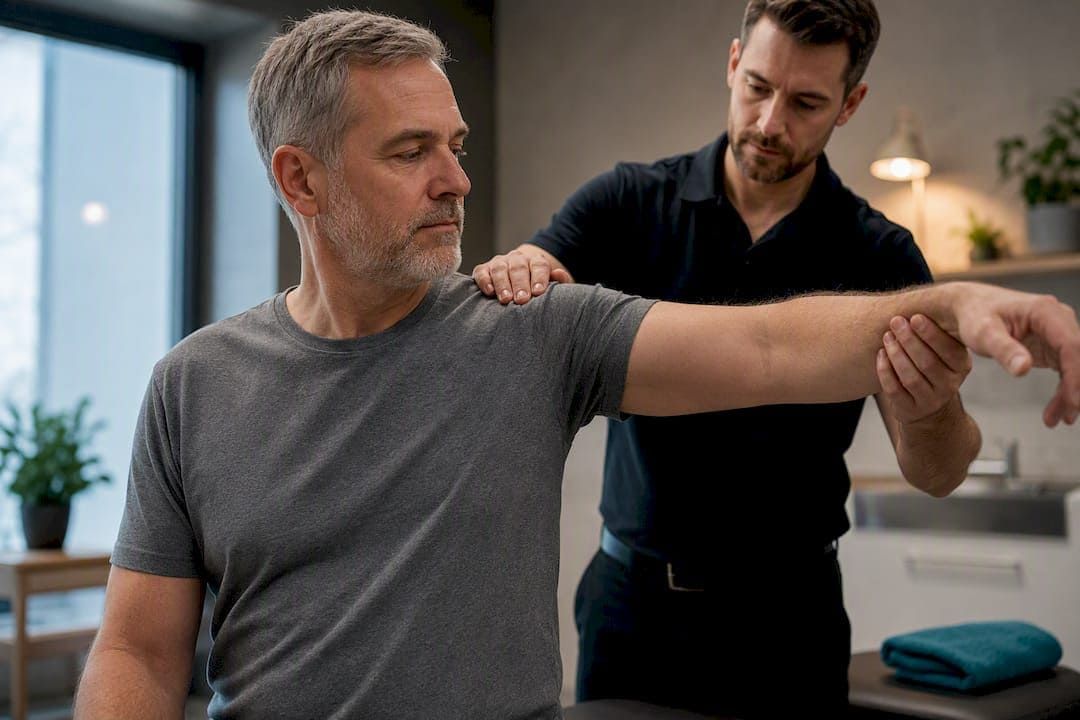
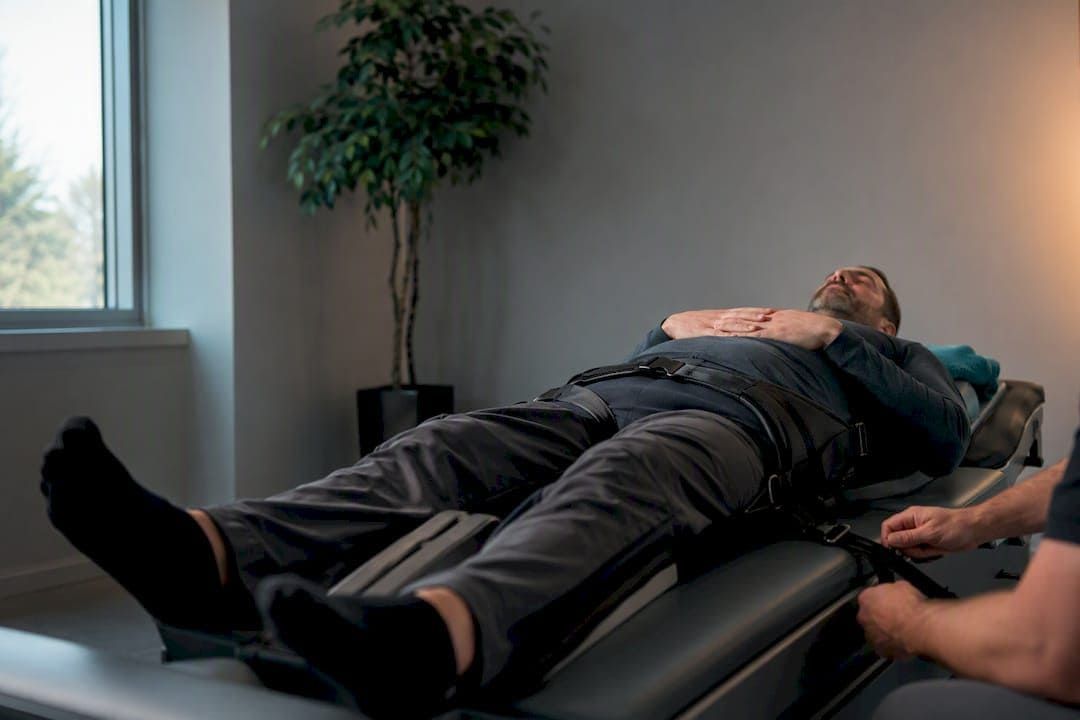
A personal injury rehabilitation guide can help you understand how different modalities, including chiropractic adjustments, physical therapy, and manual therapy, work together to address root causes rather than just surface symptoms. Chiropractic care in particular is highly effective for the kinds of soft tissue and spinal injuries that commonly result from accidents. Learn why chiropractic care after accidents is frequently the most direct path to pain relief and restored mobility.
7. Plan your long-term rehabilitation carefully
Returning to full activity too soon is one of the most predictable ways to set your recovery back by weeks or even months. A well-structured accident recovery guide prioritizes phased progression over rushing back to normal life.
Recovery should follow four phases : protect the injury, restore mobility, rebuild strength, and support mental health throughout. Each phase has its own goals, and skipping ahead based on how you feel on a good day is how re-injury happens.
Return-to-activity decisions should rely on objective markers, not calendar dates. Criteria like full pain-free range of motion, no swelling, and symmetrical strength are better guides than "it's been six weeks so I should be fine."
| Phase | Goal | Marker for Progression |
|---|---|---|
| Protect | Reduce inflammation, prevent further damage | Swelling decreases, pain at rest reduces |
| Restore | Regain range of motion and flexibility | Full pain-free movement restored |
| Rebuild | Strengthen surrounding muscles | Symmetrical strength, no compensatory movement |
| Return | Resume normal activity or sport | No pain under full load, cleared by provider |
A 3:1 loading microcycle is a practical framework many rehab specialists use. You build load for three weeks, then take one week at reduced intensity to consolidate gains and prevent setbacks. Clinicians recommend this approach specifically because it reduces the risk of symptom flare-ups that knock patients back to square one.
Pro Tip: Track your symptoms and activity levels daily during rehab. If pain spikes after a particular exercise, note it and bring it to your next appointment. This gives your provider actionable data instead of vague feedback like "I've been sore."
My honest take on what really matters after an accident
I've worked alongside patients navigating post-accident recovery for years, and the pattern I see most often is this: people handle the immediate steps reasonably well, then completely underinvest in everything that comes after. They go to the ER, they file the police report, and then they try to just push through the pain and get back to normal.
What I've learned is that the injury file and the mental health check-in are the two things people skip most, and they're the two things that cause the most damage long-term. Injury tracking does double duty: it helps your care team refine your treatment and it builds the documentation that protects your legal claim. Skipping it costs people money and months of recovery time.
I also want to say plainly that patience is not passive. Deliberately pacing your return to activity, showing up to every appointment, and phasing your rehabilitation properly is the most aggressive thing you can do for your recovery. The patients I've seen do best are the ones who treat their rehab like a job, not an inconvenience.
Early chiropractic intervention consistently makes a measurable difference. The sooner you get a proper structural assessment, the faster you identify the injuries that are quietly worsening under the surface.
Start your recovery with Essentialchirocare
If you are working through an accident injury and you want expert guidance from day one, Essentialchirocare is built for exactly this situation. With clinic locations across Tampa, Brandon, Sarasota, Lakeland, and Pinellas Park, the team specializes in post-accident chiropractic care, physical rehabilitation, and personalized recovery planning designed around your specific injuries and goals.
The chiropractic care team at Essentialchirocare works directly with accident patients to address whiplash, soft tissue damage, spinal misalignment, and pain patterns that standard ER visits often miss. For patients who need structured rebuilding of strength and mobility, the physical rehabilitation program delivers a phased, evidence-informed approach that coordinates with your broader medical team. Schedule your evaluation online or call the nearest location to take your first deliberate step toward full recovery.
FAQ
How soon should I see a doctor after a car accident?
See a doctor within 24 hours if possible, and no later than 14 days if you are in Florida and want to preserve your PIP insurance benefits. Even minor-seeming injuries can worsen without early evaluation.
What goes into a post-accident care checklist?
A complete post-accident care checklist covers scene safety, documentation, medical evaluation timing, injury file maintenance, insurance communication, mental health support, and a phased rehabilitation plan.
Can I handle my own insurance communication after an accident?
You can, but avoid giving recorded statements to adjusters before consulting an attorney. Insurance companies use inconsistencies in statements and gaps in treatment to reduce or deny claims.
How long does accident recovery typically take?
Recovery timelines vary widely by injury type and severity. Progression should be based on objective criteria like full pain-free motion and no swelling rather than a fixed number of weeks.
Is chiropractic care covered after a car accident?
In most cases, yes. Chiropractic treatment for accident injuries is typically covered under PIP insurance, health insurance, or as part of a personal injury settlement. Essentialchirocare can help you understand your coverage options at your initial evaluation.