

Best Practices in Pain Management: A Complete Guide

Essential ChiroCare Blogger • May 29, 2026

Best Practices in Pain Management: A Complete Guide

TL;DR:

  • Effective pain management relies on a personalized, multimodal approach that addresses physical, psychological, and social factors. Evidence-based therapies such as mind-body practices, physical and manual treatments, sleep optimization, and lifestyle changes improve outcomes and reduce reliance on opioids. Patients who actively participate and commit to an integrated plan tend to experience better long-term relief and functional recovery.

Pain is one of the most personal, complicated experiences a person can have. Two people with the same diagnosis can feel completely different levels of intensity, limitation, and distress. That's exactly why best practices in pain management have moved far beyond "take this pill and rest." Today's evidence-based approach combines physical treatment, lifestyle changes, mental health strategies, and careful medication use into something that actually works for the whole person. This guide walks you through what those best practices look like so you can ask better questions, make informed choices, and find real relief.

best practices in pain management

Table of Contents

Key Takeaways

Point Details
Use a multimodal approach Combining physical, psychological, and lifestyle therapies produces better outcomes than any single treatment.
Mind-body therapies work Mindfulness and CBT are clinically proven to reduce pain intensity and improve daily function.
Sleep is non-negotiable Poor sleep worsens pain sensitivity; fixing sleep hygiene is one of the fastest wins available.
Opioids carry serious risk Non-opioid and integrative options should be prioritized before considering opioid therapy.
Personalization matters most The best plan is built around your specific pain type, lifestyle, and goals.

1. Understand the criteria for effective pain management

Before you try anything, knowing what makes a pain management strategy worth trying saves you time, money, and frustration. Not every approach that sounds scientific actually holds up.

The most important shift in modern pain care is the biopsychosocial approach. This model recognizes that pain is not purely physical. Psychological factors like anxiety, depression, and fear, combined with social factors like isolation and work stress, directly affect how much pain you feel and how well you recover. Ignoring those layers and treating only the body rarely produces lasting relief.

Strong pain management practices share a few core traits:

  • Evidence-based grounding: The therapy has been tested in clinical research, not just reported anecdotally.
  • Safety profile: The approach minimizes serious side effects, particularly around opioid dependency risk.
  • Personalization: The plan reflects your specific condition, pain type, and daily life demands.
  • Patient involvement: You set the goals, not just the provider.
  • Multimodal design: Multiple therapies work together rather than relying on one magic fix.

Pro Tip: Before starting any new therapy, ask your provider two questions. "What does the research say about this for my condition?" and "How will we measure whether it's working?" Those two questions immediately separate evidence-based providers from guesswork.

2. Try mindfulness and mind-body therapies

Chronic pain often involves central sensitization , a process where the nervous system becomes hypersensitive and keeps amplifying pain signals even after the original injury has healed. That's why physical treatment alone frequently falls short. The brain itself needs retraining.

Mind-body therapies target exactly that. Mindfulness-Based Stress Reduction (MBSR) is one of the most studied options. A landmark randomized controlled trial published in JAMA Internal Medicine found that MBSR produced significant improvement in chronic low back pain compared to usual care. Participants reported less pain intensity and better day-to-day functioning after eight weeks.

Cognitive Behavioral Therapy (CBT) addresses pain catastrophizing, which is the tendency to expect the worst and feel helpless about pain. When you believe your pain is uncontrollable, your nervous system responds in kind. CBT teaches you to interrupt those thought patterns and respond differently.

Other tools in this category worth knowing:

  • Biofeedback: You monitor your own physiological responses (heart rate, muscle tension) and learn to control them.
  • Guided imagery: Mentally rehearsing calm or pain-free scenarios can reduce perceived intensity.
  • Meditation and breathwork: Slows the stress response that often amplifies pain perception.

"Chronic pain often involves brain circuits that perpetuate pain, requiring retraining therapies beyond physical treatment alone."

These aren't soft alternatives. They are specific, evidence-backed tools that change how your nervous system processes pain signals.

3. Prioritize physical and manual therapies

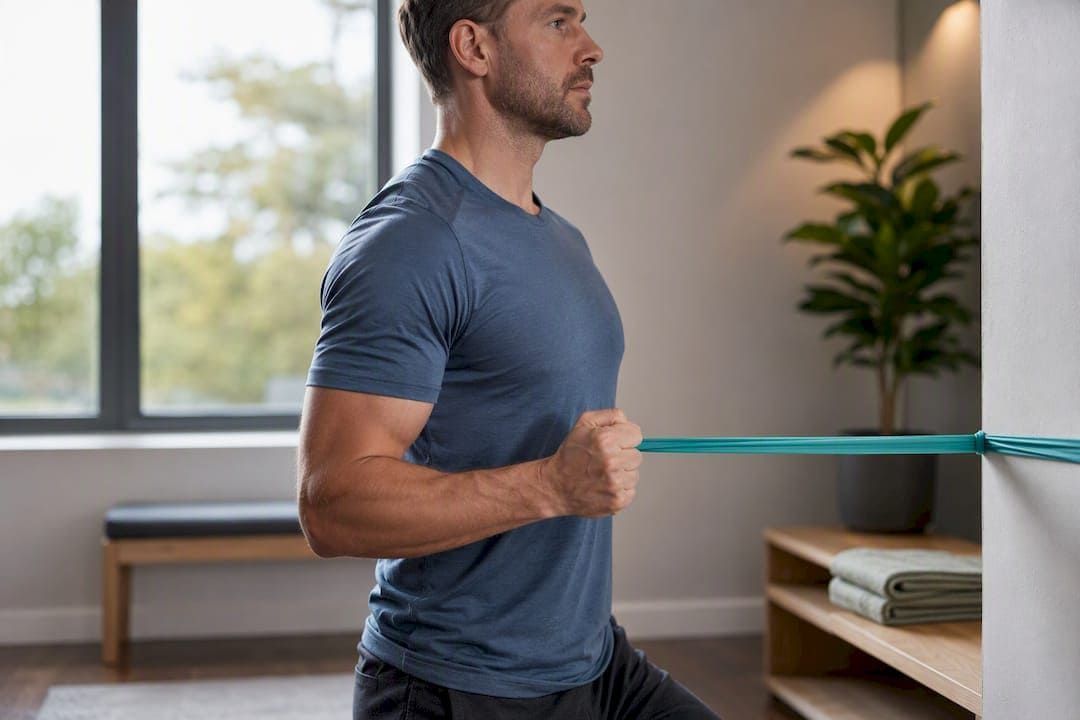
Movement and hands-on treatment are cornerstones of chronic pain treatment best practices. The instinct to rest and avoid activity is understandable, but extended inactivity usually makes pain worse by reducing strength, flexibility, and circulation.

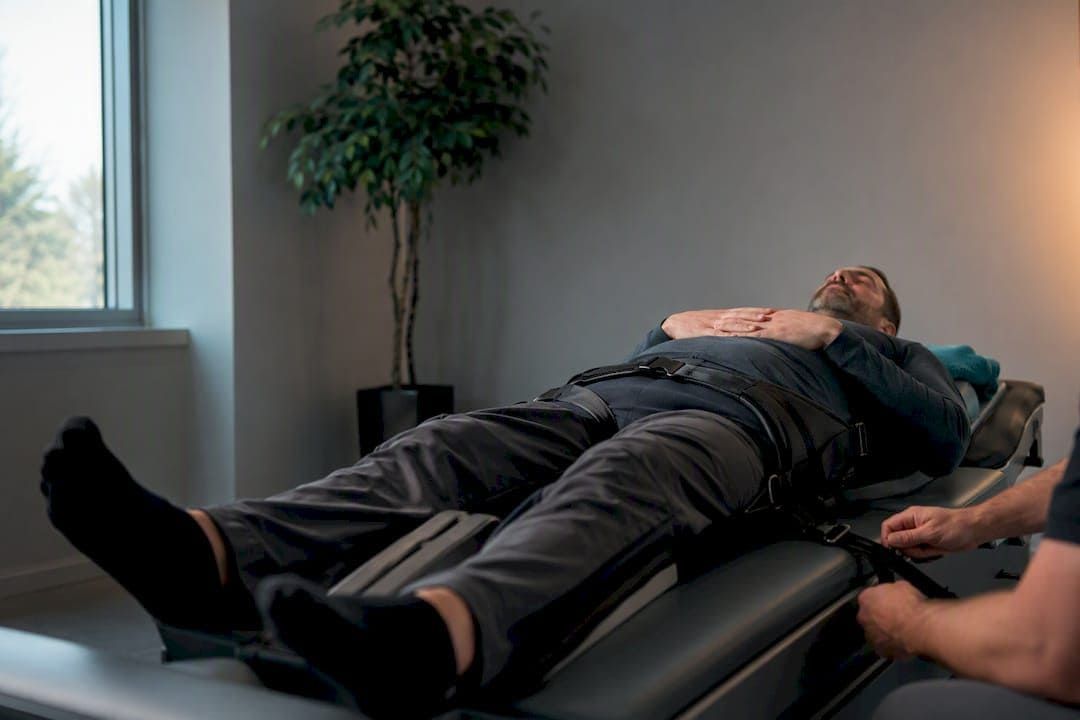
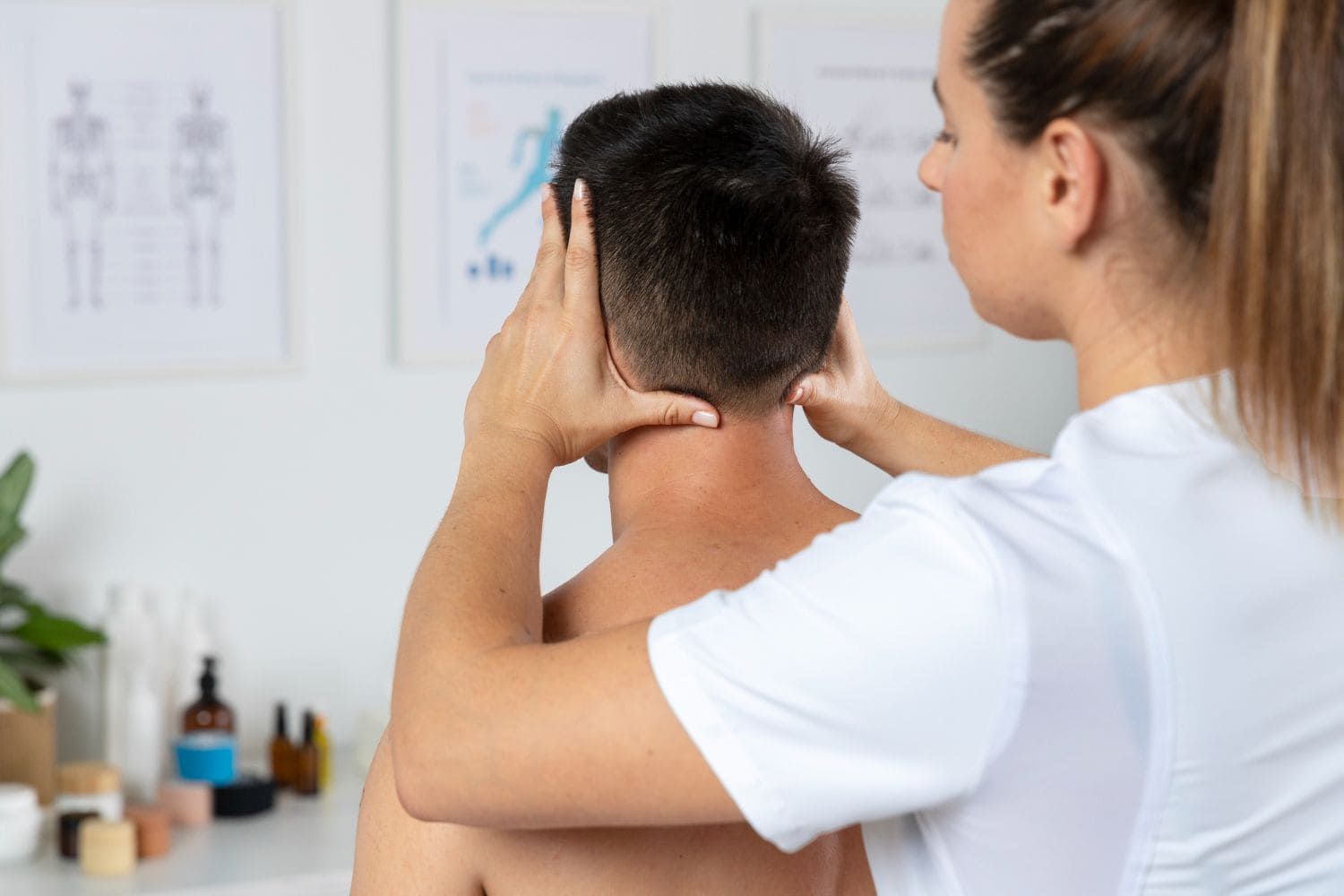
Physical therapy and chiropractic treatments consistently show effectiveness across multiple studies for musculoskeletal pain. Physical therapy in particular helps you rebuild strength around injured areas, correct movement patterns that cause strain, and gradually expand your tolerance for activity without flare-ups.

Here is how these therapies compare:

Therapy Best for Key benefit
Physical therapy Muscle weakness, mobility loss Rebuilds function and corrects movement
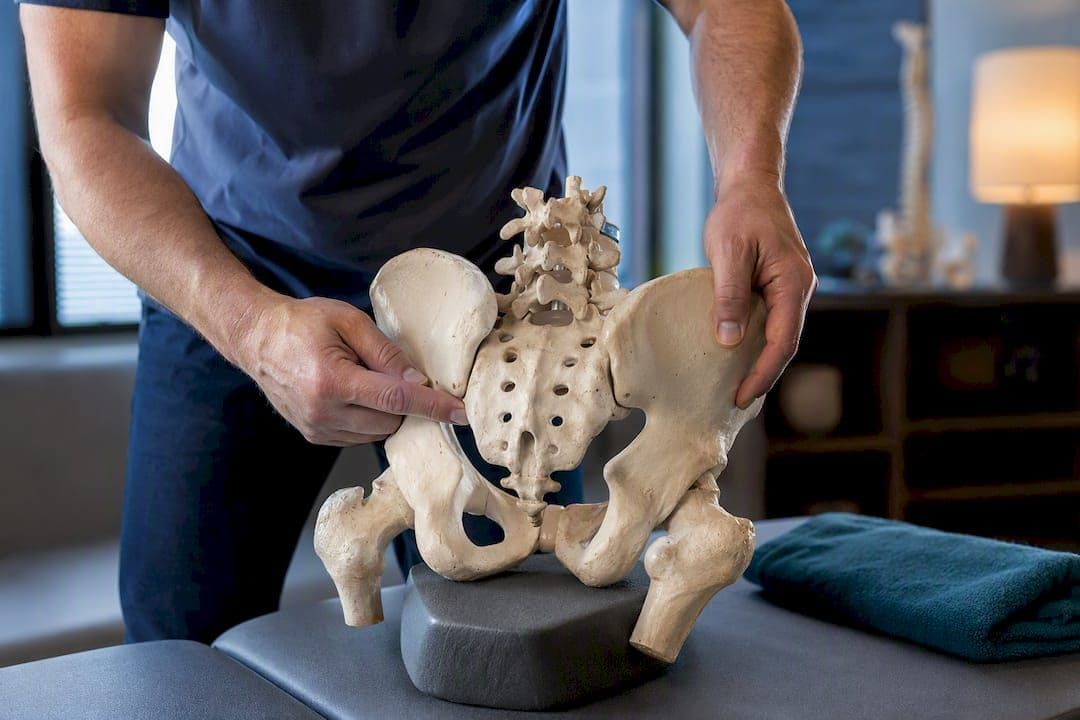
Chiropractic care Spinal and joint pain Reduces stiffness and restores alignment
Massage therapy Muscle tension, poor circulation Releases tightness and improves blood flow
Acupuncture Nerve and chronic pain Modulates pain pathways, widely supported by clinical guidelines

For acute injuries, timing matters. Experts recommend ice for the first 48 hours to manage swelling, followed by heat application for muscle tension relief once the acute phase has passed. Getting that sequence wrong prolongs recovery.

Pro Tip: When starting physical therapy or chiropractic care, communicate your pain triggers clearly. The more specific you are about what positions, movements, or times of day make it worse, the faster your provider can build a plan that won't set you back.

4. Apply evidence-based mind-body practices consistently

Consistency separates people who get results from those who don't. One yoga class or a single meditation session won't move the needle. The research behind integrative pain management shows that layering multiple therapies, both conventional and holistic, produces the best long-term outcomes. But it requires commitment to a routine.

Set realistic expectations. Most mind-body interventions show measurable results after six to eight weeks of regular practice. That's actually faster than many medications reach their therapeutic effect. Tracking your progress in a simple pain journal, noting intensity, sleep quality, and mood, helps you stay motivated and gives your provider useful data.

chronic pain management

5. Fix sleep first

This one surprises people. Sleep is not a passive recovery tool. It is an active, biologically critical process that directly regulates pain sensitivity. Research confirms a bidirectional relationship between sleep and pain: poor sleep worsens pain, and more pain disrupts sleep. You can't fully break that cycle with medication alone.

Practical sleep hygiene steps that genuinely work:

  1. Keep wake time consistent seven days a week, even on weekends.
  2. Reduce screen exposure 60 minutes before bed to protect melatonin production.
  3. Keep the bedroom cool (around 65 to 68°F) and dark.
  4. Avoid caffeine after noon if you have chronic pain, since your nervous system is already more reactive.
  5. Try progressive muscle relaxation at bedtime, tensing and releasing muscle groups from feet to shoulders.

Improving sleep quality lowers pain sensitivity and reduces inflammation markers, making every other treatment you're doing more effective at the same time.

6. Adopt an anti-inflammatory lifestyle

What you eat, how you manage stress, and who you spend time with all influence how much pain you feel. These aren't fringe ideas. They are part of holistic pain management methods supported by nutrition research and clinical guidelines.

An anti-inflammatory diet centers on:

  • Fatty fish, flaxseed, and walnuts for omega-3 fatty acids that reduce systemic inflammation.
  • Colorful vegetables and berries for antioxidants that protect tissues.
  • Olive oil over processed seed oils.
  • Limiting ultra-processed foods, refined sugar, and alcohol which all amplify inflammatory markers.

Stress management deserves equal attention. Chronic stress keeps cortisol elevated, which worsens inflammation and lowers pain tolerance. Social connection is not just emotional comfort either. Isolation measurably increases pain perception, while supportive relationships reduce it.

Pacing your activities, doing less on high-pain days without giving up entirely, prevents the boom-and-bust cycle that derails many people with chronic pain. Learn to spread effort across the day instead of pushing through and then crashing.

7. Use medications carefully and with coordination

Medications have a real place in pain control approaches. But they work best when they're part of a larger plan, not the whole strategy. Clinical guidelines strongly caution against opioid use as a primary or long-term solution, given the significant risks of dependence, tolerance, and addiction.

Non-opioid pharmacological options are much broader than most people realize:

  • NSAIDs (ibuprofen, naproxen) for inflammation-driven pain.
  • Topical analgesics like lidocaine or diclofenac for localized pain without systemic side effects.
  • Antidepressants like duloxetine, which have strong evidence for nerve pain.
  • Anticonvulsants like gabapentin for neuropathic conditions.
  • Muscle relaxants for acute spasm.

The key principle: medications should reduce pain enough to allow you to participate in physical therapy, sleep, and lifestyle changes. They are a bridge, not a destination. Coordinate with your prescriber regularly and never adjust doses without guidance.

What I've learned about pain management after years of watching patients recover

I've seen a clear pattern over and over: the patients who recover best aren't the ones who find the one perfect treatment. They're the ones who commit to the process, even when it's imperfect.

Most people come in expecting a fix. They want something done to them that makes the pain go away. The shift that changes everything is when a patient starts thinking like a co-author of their recovery instead of a passenger in it. That mental reframe, more than any single therapy, predicts who gets better.

What I think most articles get wrong is treating holistic pain management methods as optional add-ons to "real" medical treatment. The research doesn't support that hierarchy. Integrative approaches combining physical care with mind-body work and lifestyle changes consistently outperform single-track treatment in both pain reduction and quality of life.

My honest advice: stop waiting for a provider to tell you exactly what to do and start showing up to every appointment with notes, questions, and observations about what's working. Your data is the most valuable thing in the room.

Take the next step toward professional pain care

If you're ready to put these best practices into action with real clinical support, Essentialchirocare is built exactly for this. At Essentialchirocare, the approach isn't a generic protocol. It's a personalized plan combining chiropractic care with physical rehabilitation to address the root causes of your pain, not just the symptoms.

Whether you're dealing with chronic back pain, a recent sports injury, sciatica, or whiplash recovery, the team at Essentialchirocare has the clinical experience to build a treatment plan that actually fits your life. With multiple locations across Tampa, Brandon, Sarasota, Lakeland, and Pinellas Park, getting evaluated by a specialist is easier than you think. Their physical rehab services are designed to restore your strength, mobility, and confidence so you can return to the activities that matter most. Schedule online today and start with a real assessment.

FAQ

  • What are the best practices in pain management?

    Best practices in pain management combine evidence-based physical therapies, mind-body techniques, lifestyle changes, and careful medication use within a personalized, multimodal plan. The biopsychosocial model, which accounts for physical, psychological, and social factors, guides today's most effective approaches.

  • Is chiropractic care part of evidence-based pain management?

    Yes. Multiple clinical studies support chiropractic adjustments for musculoskeletal and spinal pain as effective, non-pharmacological treatment. It is widely recognized as a component of integrative, evidence-based pain care.

  • How does sleep affect chronic pain?

    Sleep and pain have a proven bidirectional relationship: poor sleep increases pain sensitivity and inflammation, while better sleep lowers both. Prioritizing sleep hygiene is one of the most direct ways to improve overall pain outcomes.

  • When should opioids be used for pain?

    Opioids should be considered only when non-opioid options have been thoroughly tried and within a carefully monitored, multidisciplinary care plan. Clinical guidelines caution against long-term opioid use due to significant dependence and addiction risks.

  • Can lifestyle changes actually reduce chronic pain?

    Yes. Anti-inflammatory nutrition, stress reduction, social connection, and consistent sleep hygiene all influence pain intensity and nervous system sensitivity. These changes work best when combined with physical therapy and other clinical treatments.

Recommended

post accident care checklist
By Essential ChiroCare Blogger May 28, 2026
Streamline your healing with our essential post-accident care checklist. From legal steps to mental health tips, ensure a full recovery!
what is therapeutic massage
By Essential ChiroCare Blogger May 27, 2026
Discover what therapeutic massage is and how it can provide effective pain relief and promote healing. Transform your recovery today!
chiropractic benefits workflow
By Essential ChiroCare Blogger May 26, 2026
Discover the chiropractic benefits workflow for effective pain relief. Learn how structured care empowers your recovery journey. Start today!
what is chronic whiplash
By Essential ChiroCare Blogger May 25, 2026
Discover what chronic whiplash really means. This complete recovery guide unveils treatments and insights for lasting relief. Click to learn more!
post-accident therapy methods
By Essential ChiroCare Blogger May 24, 2026
Discover effective post-accident therapy methods that speed recovery and reduce pain. Regain your strength and confidence today!
self-care strategies for pain relief
By Essential ChiroCare Blogger May 23, 2026
Discover evidence-based self-care for pain strategies that improve your daily life, function, and sleep. Find real relief today!
leg pain chiropractor Pinellas Park
By Essential ChiroCare Blogger May 22, 2026
Lingering soreness or tingling? See if it’s time to visit a chiropractor in Pinellas Park and learn how heat and posture changes may be making it worse.
spinal alignment for pain relief
By Essential ChiroCare Blogger May 21, 2026
Discover why spinal alignment matters for pain relief and wellness. Learn how to improve your spine health and enhance your quality of life.
chiropractor in Lakeland
By Essential ChiroCare Blogger May 20, 2026
Learn how working with a chiropractor in Lakeland can help ease stiffness, restore movement, and make post-crash rehab feel more manageable.
chronic joint pain relief
By Essential ChiroCare Blogger May 19, 2026
Discover effective holistic strategies for relieving chronic joint pain. This guide explains chronic joint pain and offers real solutions.
Show More