
What is therapeutic massage: pain relief and healing guide
TL;DR:
- Therapeutic massage is a clinically applied technique aimed at reducing pain, restoring movement, and supporting tissue healing. It involves intentional manipulation of muscles, fascia, tendons, and ligaments to produce measurable physiological changes like improved circulation and reduced inflammation. When combined with other treatments in an integrated care plan, it provides lasting relief for chronic pain conditions.
Most people assume massage is something you book at a resort before a long flight home. A nice treat. That assumption is costing a lot of people in West Central Florida real relief. What is therapeutic massage, exactly? It is a clinically applied technique designed to reduce pain, restore movement, and support tissue healing — not simply to relax you. When delivered by a licensed professional as part of a structured care plan, it can change how your body responds to chronic pain in ways that rest and medication alone often cannot.

Table of Contents
- What is therapeutic massage and how does it work?
- What to expect during a therapeutic massage session
- Therapeutic massage versus relaxation massage: key differences
- Benefits and limitations of therapeutic massage for pain relief
- How to prepare and care for yourself before and after massage
- The overlooked role of therapeutic massage in holistic pain management
- How Essential ChiroCare supports your pain relief journey with therapeutic massage and chiropractic care
- Frequently asked questions
What is therapeutic massage and how does it work?
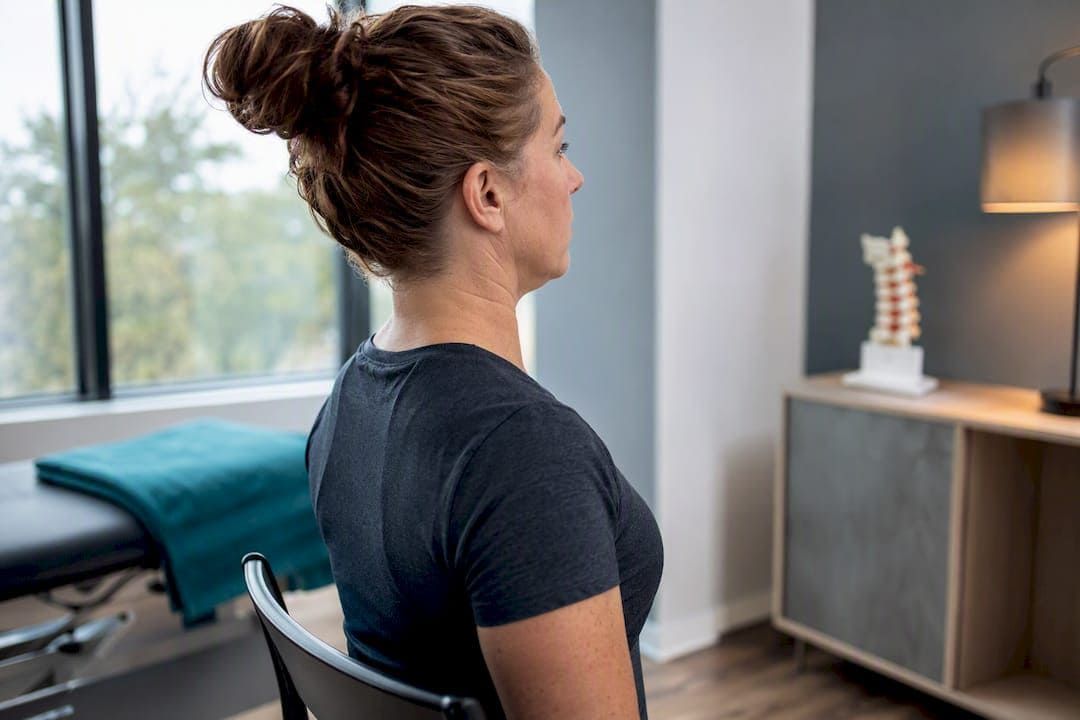
Therapeutic massage is skilled, intentional manipulation of the body's soft tissues: muscles, fascia (the connective tissue surrounding muscles), tendons, and ligaments. The goal is not comfort for its own sake. It is measurable physiological change, including reduced pain signaling, improved circulation, and accelerated tissue repair.
The core therapeutic massage techniques include effleurage (long gliding strokes), petrissage (kneading and lifting tissue), friction (concentrated circular pressure on one spot), and tapotement (rhythmic tapping). Each technique targets a different layer of tissue and a different outcome.
Here is how these techniques create real change in your body:
- Increased blood flow delivers oxygen and nutrients to damaged tissue, speeding repair
- Lymphatic drainage reduces localized swelling and inflammation around injured areas
- Myofascial release loosens dense, restricted fascia that limits movement and causes referred pain
- Trigger point therapy breaks up knotted muscle fibers that create radiating pain patterns
- Nervous system regulation shifts your body from a high-alert pain state toward a calmer, healing state
Evidence supports these outcomes. Therapeutic massage benefits are clearest for low-back pain, chronic neck pain, and short-term cancer-related pain relief, according to the National Center for Complementary and Integrative Health. This is not anecdotal. These are documented clinical outcomes.
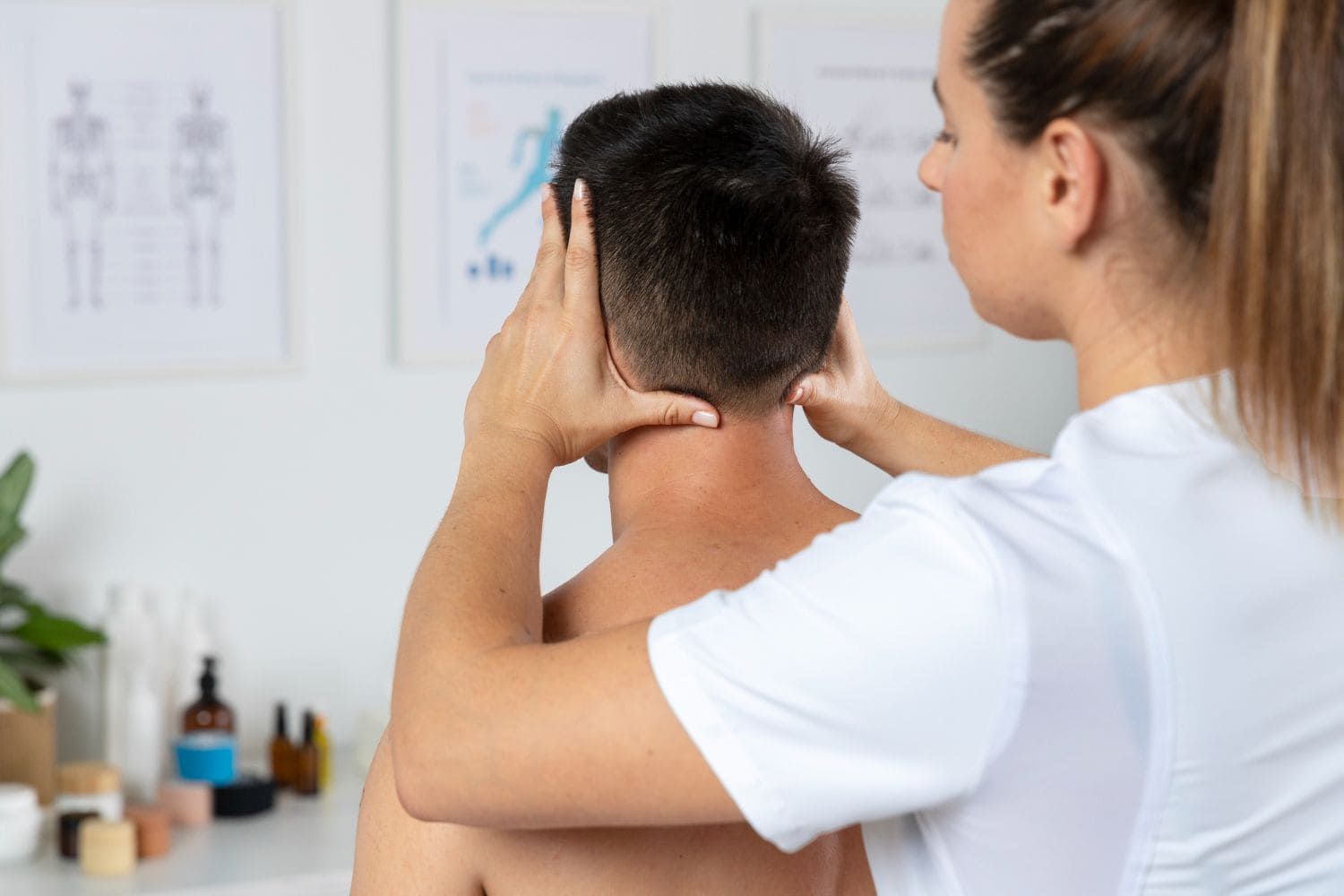
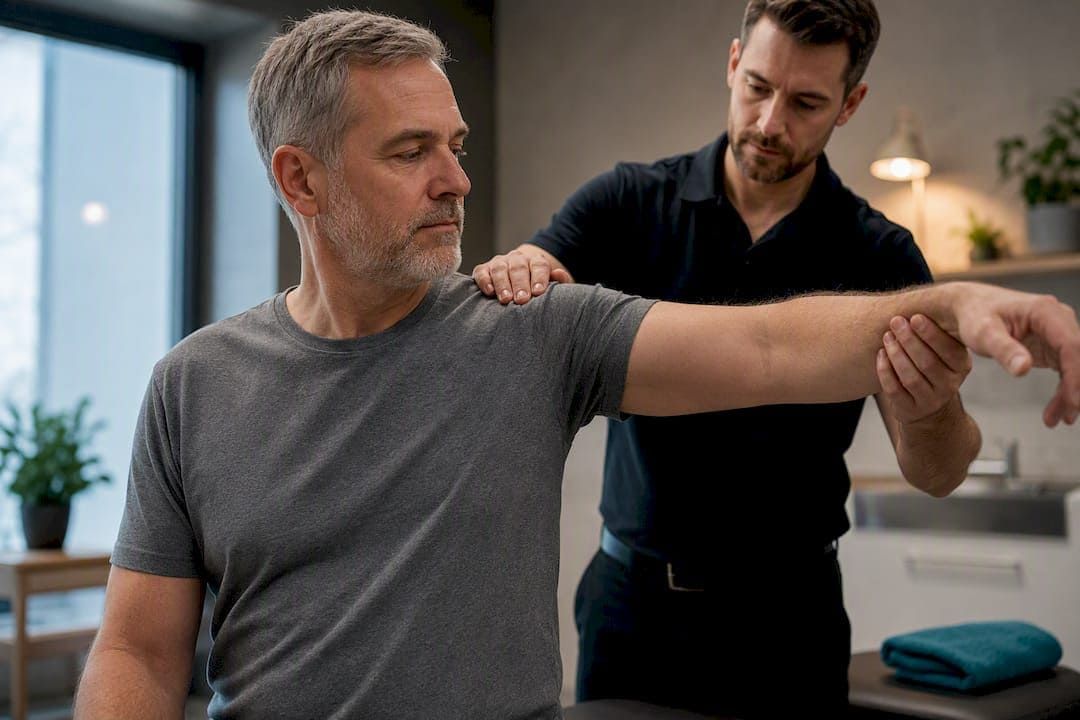
The key distinction from general touch is intent and training. A licensed therapist assesses your tissue before touching it, adjusts pressure based on what they feel, and tracks changes across sessions. That is clinical work, not a service amenity.
What to expect during a therapeutic massage session
Understanding the session process helps you know how therapeutic massage targets your needs effectively.
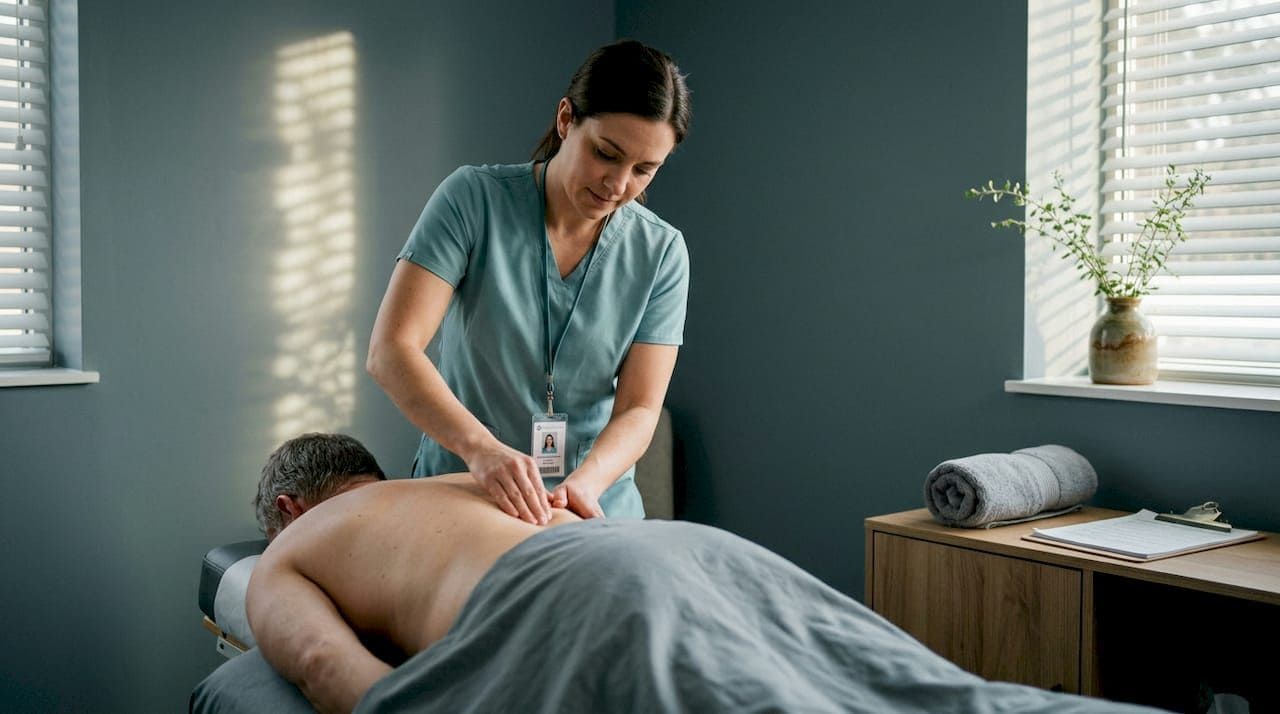
A lot of people skip therapeutic massage because they are unsure what happens in the room. Here is a clear picture of how a typical session unfolds:
- Health intake: Before any hands-on work, your therapist reviews your health history, current medications, and specific pain areas. This shapes every decision they make during treatment.
- Goal setting: You discuss your primary complaints. Is it lower back stiffness? A recurring shoulder knot? This determines the session's focus and length.
- Positioning and draping: You undress to your comfort level and lie on a padded table. Non-treated areas stay covered with a sheet or towel at all times.
- Assessment strokes: The therapist begins with lighter, broader strokes to warm the tissue and locate areas of restriction or tenderness.
- Focused therapeutic work: Pressure increases strategically. Trigger points, adhesions, and tight fascial planes get direct attention.
- Closing and communication: Sessions end with lighter strokes to flush treated tissue. Your therapist may recommend stretches or follow-up frequency.
Sessions typically last 30 to 90 minutes based on your health needs and the number of areas being treated. Shorter sessions work for isolated issues; chronic, multi-area pain often benefits from the full 90 minutes.
Pro Tip: Write down your three most painful or restricted areas before you arrive. Many people forget specifics once they are on the table, and your therapist can only work with what you tell them.
Clinical settings, like those inside a chiropractic clinic, differ from spa environments in one important way. Your manual therapy session is documented, tracked, and adjusted across visits as your condition changes. That continuity is what produces lasting results.
Therapeutic massage versus relaxation massage: key differences
Having seen what happens during sessions, let's compare therapeutic massage to more common spa-style massages.
The confusion between these two is understandable, but the differences are significant.
| Feature | Therapeutic massage | Relaxation massage |
|---|---|---|
| Primary goal | Pain relief and tissue healing | Stress reduction and comfort |
| Pressure level | Moderate to deep, focused | Light to moderate, full-body |
| Techniques used | Trigger point, myofascial release, friction | Effleurage, gentle kneading |
| Setting | Clinical or medical | Spa or resort |
| Session tracking | Documented across visits | Single-session experience |
| May cause discomfort | Yes, briefly during treatment | Rarely |
Therapeutic massage uses deeper, focused techniques aimed at medical pain relief, unlike the lighter, full-body strokes used in spa relaxation massage, according to licensed massage therapist Victoria Bodner at the Cleveland Clinic.
A few practical distinctions worth knowing:
- Therapeutic massage may produce post-treatment soreness lasting 24 to 48 hours; relaxation massage typically does not
- Therapeutic sessions often focus on one or two body regions rather than the entire body
- Your therapist may stop work on an area entirely if your pain signals worsen rather than respond
Pro Tip: If a therapist never asks about your pain levels or adjusts pressure based on your response, that is not therapeutic massage. Effective soft tissue therapy is a two-way conversation throughout the session.
Benefits and limitations of therapeutic massage for pain relief
Knowing the benefits helps you decide when and why to pursue therapeutic massage for your pain.
The evidence for therapeutic massage is real but specific. It works well for certain conditions and requires realistic expectations for others.
Documented benefits:
- Reduced low-back pain intensity and improved function over 4 to 6 weeks of consistent treatment
- Short-term neck pain relief, particularly for stiffness from postural strain or injury
- Decreased fibromyalgia symptoms including tenderness, fatigue, and sleep disruption
- Reduced cancer-related pain and anxiety during active treatment phases
- Improved range of motion in joints restricted by surrounding soft tissue tension
"Massage combined with exercise improves pain, function, and disability better than exercise alone in chronic low back pain." This finding from a 2020 systematic review by Sanei et al. underscores why massage works best when it is one layer in a broader care plan, not a standalone fix.
Realistic limitations:
- Benefits are often short-term unless combined with exercise, movement retraining, or chiropractic care
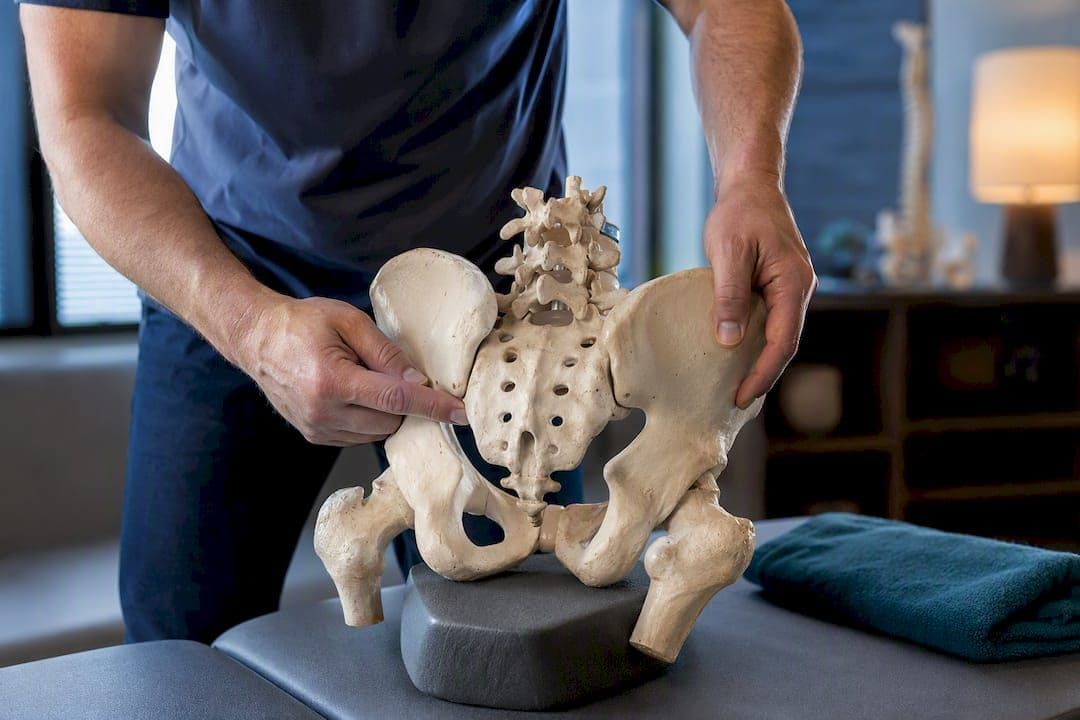
- Structural problems like herniated discs or joint degeneration require additional treatment beyond soft tissue work
- Massage for fibromyalgia and low-back pain shows the strongest evidence; other conditions need more study
- A single session rarely produces lasting change; chronic pain relief typically requires consistent, spaced treatment
The combination factor matters. Patients who pair massage with active rehabilitation see faster, more durable improvement than those using massage alone. That is not a marketing claim. That is what the research on chiropractic pain management consistently shows.

How to prepare and care for yourself before and after massage
To get the most from therapeutic massage, proper preparation and self-care are essential.
This is the part most people skip, and it directly affects how much benefit they get.
Before your session:
- Complete your health intake forms before arriving; most clinics send them digitally
- Note specific pain locations, intensity levels, and any recent changes in symptoms
- Avoid heavy meals within two hours of your appointment
- Wear or bring loose, comfortable clothing for after the session
- Arrive early to settle in; rushing to the table with a tense nervous system limits how your tissue responds
After your session:
- Drink water consistently for the rest of the day to support the fluid exchange triggered by deep tissue work
- Expect mild soreness for 24 to 48 hours after deeper work, especially in the first few sessions
- Avoid intense exercise for 12 to 24 hours post-treatment; your tissue needs time to consolidate the changes
- Apply gentle heat, not ice, to any sore areas unless your therapist recommends otherwise
- Note how your pain responds and report changes at your next session
Pro Tip: Keep a simple pain journal for the first few weeks of treatment. Rate your pain on a scale of 1 to 10 before and 48 hours after each session. This data helps your therapist adjust techniques faster than verbal memory alone.
For chronic pain, consistent massage in injury recovery works better than sporadic, high-intensity sessions. Weekly sessions over four to six weeks typically produce the kind of changes that start to hold between appointments.
The overlooked role of therapeutic massage in holistic pain management
Here is something the wellness industry rarely says out loud: massage works best when it is the smallest part of your care plan.
That sounds counterintuitive. But decades of treating patients with musculoskeletal pain reveals a clear pattern. Massage delivered in isolation produces temporary relief. Massage delivered as one layer inside a plan that includes chiropractic adjustments, corrective exercise, and postural retraining produces changes that carry forward. The tissue stays better between sessions. The pain returns less intensely.
The conventional healthcare model tends to separate passive therapies from active ones. Massage over here. Exercise over there. Chiropractic adjustments on a separate day. What actually happens in well-run integrated clinics is that these elements amplify each other. A chiropractic adjustment restores joint mechanics; massage releases the surrounding muscle guarding; corrective exercise locks in the new movement pattern. Remove any one of those layers and the effect shrinks.
Massage combined with exercise shows measurably more improvement than exercise alone, yet long-term evidence remains limited. That is the honest state of the research. What it tells us is not that massage is uncertain, but that it has not yet been studied long enough in integrated, multi-modal plans to document the full picture. Clinical experience in West Central Florida fills that gap every week.
Licensed massage therapists in Florida are required to complete accredited training programs and maintain continuing education. That means the person treating your chronic neck pain has specific, tested skills. The issue is rarely the quality of available care. It is the tendency to use massage as a one-off event rather than a consistent clinical tool inside a structured manual therapy plan.
If you have tried massage before and felt like the benefits disappeared within three days, this is likely why. One session is a sample. A plan is a treatment.
How Essential ChiroCare supports your pain relief journey with therapeutic massage and chiropractic care
If you have been living with low-back pain, neck stiffness, or a recurring injury in the Tampa Bay area, understanding what therapeutic massage is represents only the first step. The next step is connecting that knowledge to care that actually delivers.
Essential ChiroCare's licensed professionals bring therapeutic massage into a broader chiropractic care framework that addresses the structural and soft tissue causes of your pain together. With convenient clinic locations in Tampa, Brandon, Lakeland, and Pinellas Park, residents across West Central Florida have access to integrated care without driving across the state. Whether you are managing chronic back pain, recovering from a sports injury, or looking for chiropractic solutions for back pain that go beyond temporary fixes, the team at Essential ChiroCare builds personalized plans around your specific condition. Scheduling a consultation is how that plan starts.
Frequently asked questions
What conditions can therapeutic massage help with?
Therapeutic massage can help reduce pain and improve function for conditions like low-back pain, chronic neck pain, fibromyalgia, and some cancer-related symptoms. Evidence from NCCIH confirms these as the best-supported applications.
How long does a typical therapeutic massage session last?
Sessions usually last between 30 and 90 minutes, with longer sessions recommended for chronic pain affecting multiple areas. The Cleveland Clinic confirms that duration is tailored to individual health needs rather than a fixed standard.
Is therapeutic massage painful?
Therapeutic massage can involve deeper pressure and may cause brief tenderness, but therapists adjust techniques to avoid pain and maximize relief. The goal is productive discomfort, not pain; if something hurts sharply, tell your therapist immediately.
How should I prepare for a therapeutic massage session?
Arrive 10 to 15 minutes early to complete health intake forms, dress comfortably, and communicate any specific pain areas or pressure preferences before the session begins. Preparation guidance consistently shows that informed patients get more targeted, effective treatment.
How often should I get therapeutic massage for chronic pain?
Weekly sessions over 4 to 6 weeks are often recommended for optimal relief in chronic pain management as part of an integrated care plan. Spacing sessions too far apart, such as monthly, limits the cumulative tissue changes that produce lasting improvement.