Why rehab after injury matters for long-term health
Why rehab after injury matters for long-term health
TL;DR:
- Structured rehabilitation restores full body function, mental health, and reduces long-term costs.
- Multidisciplinary teams, including chiropractors, optimize recovery through coordinated care.
- Consistent follow-through and active participation are key to lasting injury recovery.
Most people assume that once the swelling goes down and the pain fades, they are on their way to full recovery. That assumption costs them months, sometimes years. Only 1 in 10 newly disabled people ever access structured rehabilitation, and the consequences of skipping it go far beyond lingering soreness. If you are recovering from a car accident, sports injury, or any trauma in West Central Florida, understanding why structured rehab matters could be the single most important decision you make for your long-term health and independence.
Table of Contents
- Why is rehab after injury essential?
- How structured rehab works: The multidisciplinary edge
- Chiropractic rehabilitation: Methods, benefits, and real results
- Comparing rehab approaches: What works best and for whom?
- Applying it to your journey: Steps for successful injury rehab
- The real difference: Why rehab commitment transforms outcomes
- Find expert help for your rehab journey
- Frequently asked questions
Key Takeaways
| Point | Details |
|---|---|
| Rehab prevents long-term pain | Structured rehab after injury reduces risk of chronic pain and complications. |
| Multidisciplinary care works best | Combining chiropractic with other therapies improves outcomes for most injuries. |
| Consistency is key to recovery | Commitment to your rehab plan leads to faster and more complete healing. |
| Chiropractic proven to aid recovery | Evidence shows chiropractic care enhances mobility and sustains results over time. |
Why is rehab after injury essential?
Rehabilitation is not just about reducing pain. It is about restoring the full range of what your body and mind can do. After an injury, your muscles weaken, your joints stiffen, and your nervous system adapts in ways that can create new problems if left unaddressed. Structured rehab interrupts that cycle before it becomes permanent.
The core benefits of rehabilitation cover more ground than most people realize:
- Physical restoration: Rebuilds strength, flexibility, and coordination lost during injury and recovery
- Mental health support: Reduces anxiety and depression that commonly follow trauma and prolonged pain
- Sensory function: Retrains balance and proprioception (your body's sense of where it is in space)
- Social reintegration: Helps you return to work, family life, and daily activities faster
- Economic value: Every dollar invested in rehab returns several in reduced long-term care costs and restored productivity
The data backs this up clearly. Rehabilitation restores function, prevents complications, and reduces the broader societal costs that come from untreated injuries. Beyond that, structured rehab expedites discharge, prevents hospital readmission, and boosts a person's ability to return to productive life.
"The goal of rehabilitation is not just recovery. It is optimization. Getting you back to the best version of your functioning life."
Yet despite all of this evidence, access to rehab remains shockingly low. Many injured adults in Florida either do not know where to start, assume rest is enough, or face barriers like cost and transportation. The result is preventable chronic pain, reduced independence, and repeated medical visits that could have been avoided.
Understanding the benefits of chiropractic in recovery is one way to expand your options. Chiropractic care, when integrated into a rehab plan, addresses alignment and biomechanical issues that standard rest simply cannot fix. Exploring chiropractic injury recovery options early in your recovery timeline can make a measurable difference in how fully and quickly you heal.
With the basics laid out, let's explore how rehab actually functions and who drives its success.
How structured rehab works: The multidisciplinary edge
Rehabilitation is not a single treatment. It is a coordinated process that moves through distinct phases, each designed to match where you are in your healing journey.
Here is how a typical rehab progression looks:
- Acute phase (inpatient or immediate care): Focuses on stabilizing the injury, managing pain, and preventing early complications
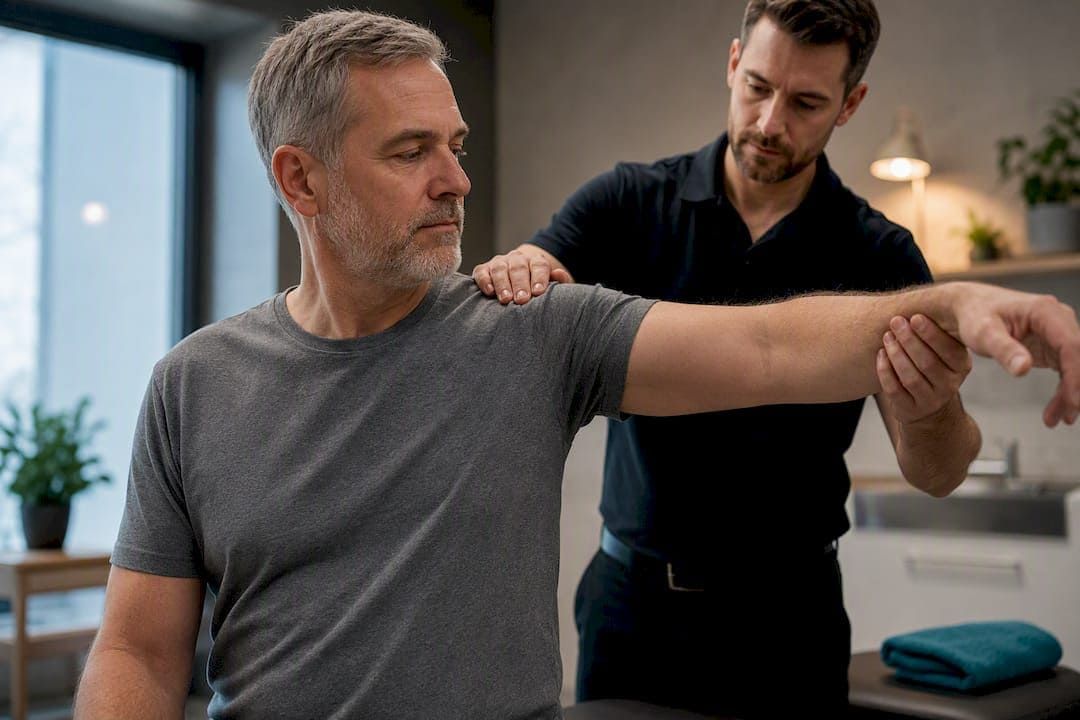
- Subacute phase: Introduces gentle movement, manual therapy, and early strengthening exercises
- Outpatient phase: Builds functional strength, mobility, and endurance through targeted programs
- Home care and maintenance: Sustains gains through self-managed exercises and periodic check-ins
Rehab involves multidisciplinary teams that typically include orthopedic specialists, physiotherapists, ergonomics consultants, and mental health professionals. Each brings a different lens to your recovery, and the coordination between them is what makes modern rehab so effective.
| Team member | Primary role in rehab |
|---|---|
| Orthopedic specialist | Diagnoses structural damage and guides surgical or non-surgical decisions |
| Physiotherapist | Restores movement, strength, and functional capacity |
| Chiropractor | Corrects spinal alignment, manages pain, and improves biomechanics |
| Mental health professional | Addresses trauma, anxiety, and motivation barriers |
| Ergonomics consultant | Adapts work and home environments to support recovery |
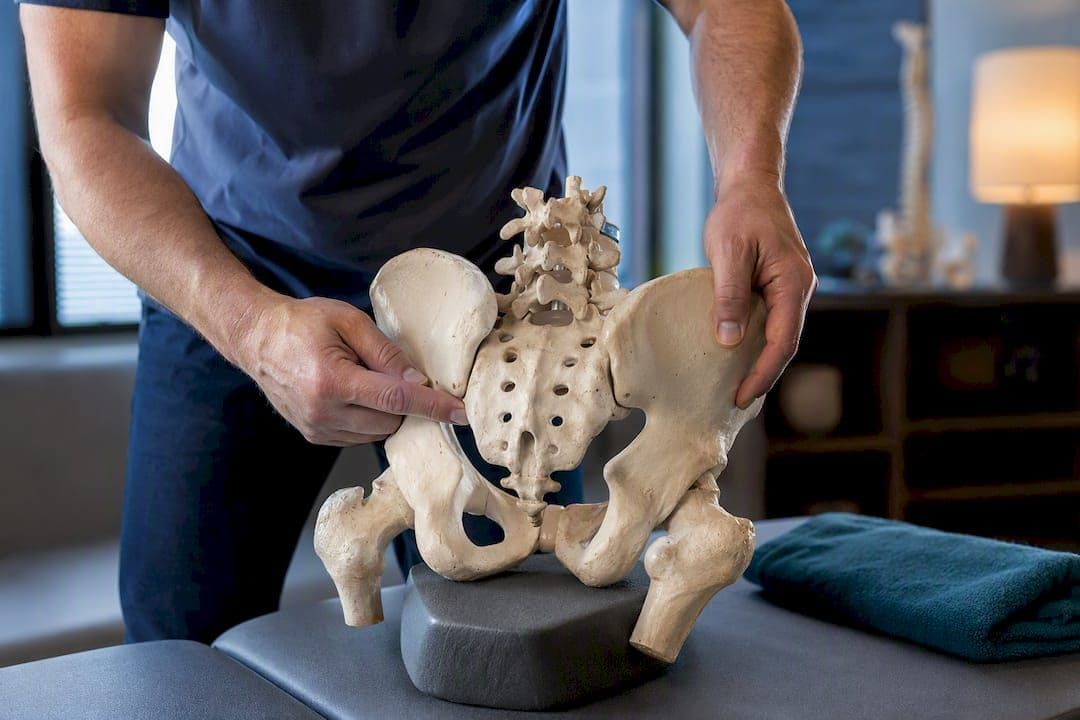
Chiropractors play a specific and valuable role in this team. They focus on the spine and nervous system, correcting alignment issues that affect how the entire body moves and heals. Learning more about chiropractic in rehab helps clarify how this fits alongside other therapies rather than replacing them.
Pro Tip: Ask your care team at your first appointment how each provider will communicate with the others. Coordinated teams produce faster, safer results than providers working in isolation.
If you are curious about specific methods, reviewing chiropractic rehab techniques gives you a practical sense of what to expect during treatment sessions.
Understanding the process is vital, but what techniques actually drive meaningful results for recovery?
Chiropractic rehabilitation: Methods, benefits, and real results
Chiropractic rehab is more than spinal adjustments. It is a structured approach to restoring how your body moves, manages load, and recovers from stress. The methods used depend on your injury type and phase of healing.
Common chiropractic rehab techniques include:
- Gentle spinal adjustments: Restore joint mobility and reduce nerve irritation
- Chiropractic Biophysics (CBP) traction: Corrects abnormal spinal curves using specialized positioning and force
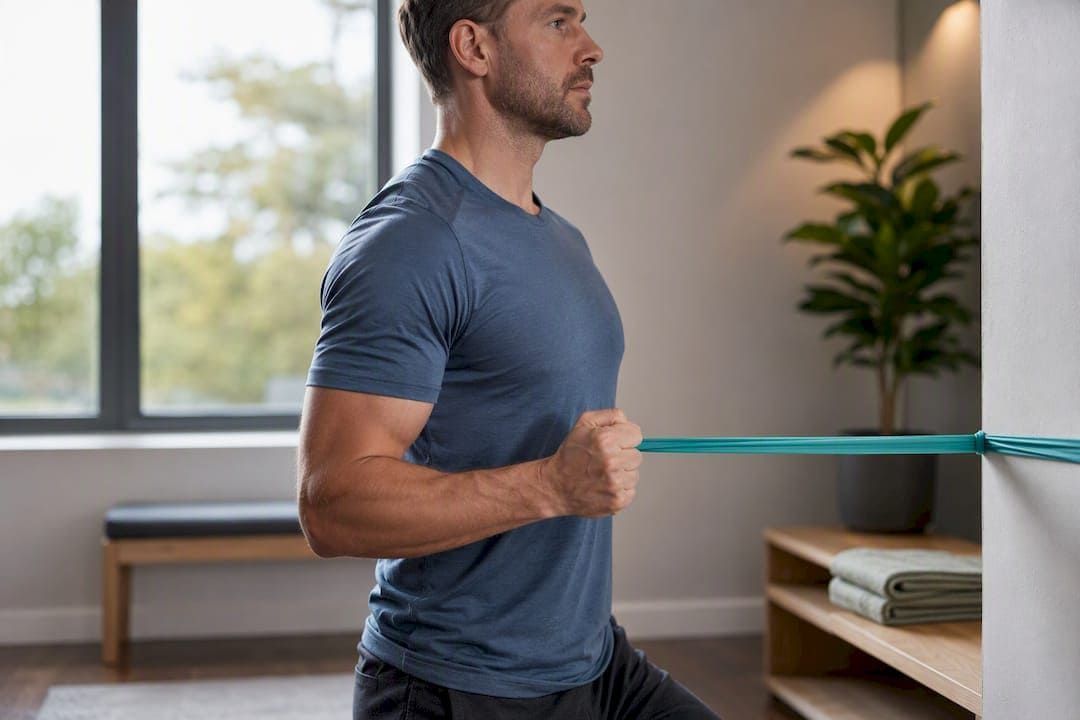
- Targeted therapeutic exercises: Rebuild the muscles that support injured areas
- Soft tissue therapies: Address muscle tension, scar tissue, and restricted fascia (connective tissue)
- Postural retraining: Teaches your body to move correctly to prevent re-injury
The numbers behind these methods are compelling. Chiropractic methodologies improve alignment, reduce pain, and enhance mobility, with CBP protocols showing cervical (neck) curve improvements of up to 21.8 degrees and sustained results at one-year follow-up.
| Outcome measure | Typical improvement with chiropractic rehab |
|---|---|
| Cervical curve correction | Up to 21.8 degrees with CBP |
| Pain reduction | Significant, sustained at 12 months |
| Functional mobility | Improved range of motion across treated regions |
| Patient-reported quality of life | Measurable gains in daily function |
A standard protocol often runs three sessions per week for eight weeks, combined with daily home exercises. This consistency is what separates patients who see lasting improvement from those who plateau early.
Chiropractic care complements physical therapy particularly well in resistant cases where standard PT alone has not produced full results. The combination addresses both structural and functional deficits simultaneously.
Pro Tip: Keep a simple daily log of your pain level and mobility during your first four weeks of chiropractic rehab. This data helps your provider adjust your plan faster and keeps you motivated when progress feels slow.
For more on restoring function with chiropractic, or if you are dealing with a sports-related injury, exploring chiropractic for sports injuries and the benefits of adjustments can help you understand what to expect.
Different recovery paths exist, so how do approaches like chiropractic compare with other options?
Comparing rehab approaches: What works best and for whom?
Not every rehab approach fits every injury. Understanding the differences helps you ask better questions and make smarter choices about your care.
| Approach | Best suited for | Key strength |
|---|---|---|
| Chiropractic care | Spinal, post-accident, and joint injuries | Alignment correction and pain management |
| Physical therapy | Strength deficits and functional movement | Progressive exercise and neuromuscular retraining |
| Functional Restoration Program | Chronic pain with psychological components | Combines physical and mental health treatment |
| Multidisciplinary care | Complex, polytrauma, or TBI cases | Coordinated team approach for full recovery |
Functional restoration programs outperform conventional management for chronic pain recovery, particularly in reducing anxiety and depression alongside physical symptoms. This matters because untreated psychological factors are one of the leading reasons people drop out of rehab early.
When it comes to long-term pain management, chiropractic and physiotherapy produce similar outcomes for chronic low back pain, with the strongest results coming from combined or multidisciplinary approaches.
Key takeaways for choosing your approach:
- Chiropractic excels when structural correction is the priority
- Physical therapy leads when rebuilding movement patterns and strength
- Combined care typically offers the best long-term cost-effectiveness
- Complex cases involving brain injury or multiple traumas need full multidisciplinary teams
Understanding the role of chiropractic in rehab within this broader landscape helps you see it as a tool that works best alongside other strategies, not in isolation. For sports-related trauma, sports injury chiropractic care offers targeted protocols. Pairing your physical rehab with smart nutrition for athletic recovery can also accelerate healing at the cellular level.
Now that you understand how options compare, here is how to put this knowledge into action.
Applying it to your journey: Steps for successful injury rehab
Knowing rehab matters is one thing. Building a plan you can actually follow through on is another. Here is a practical framework to guide your next steps.
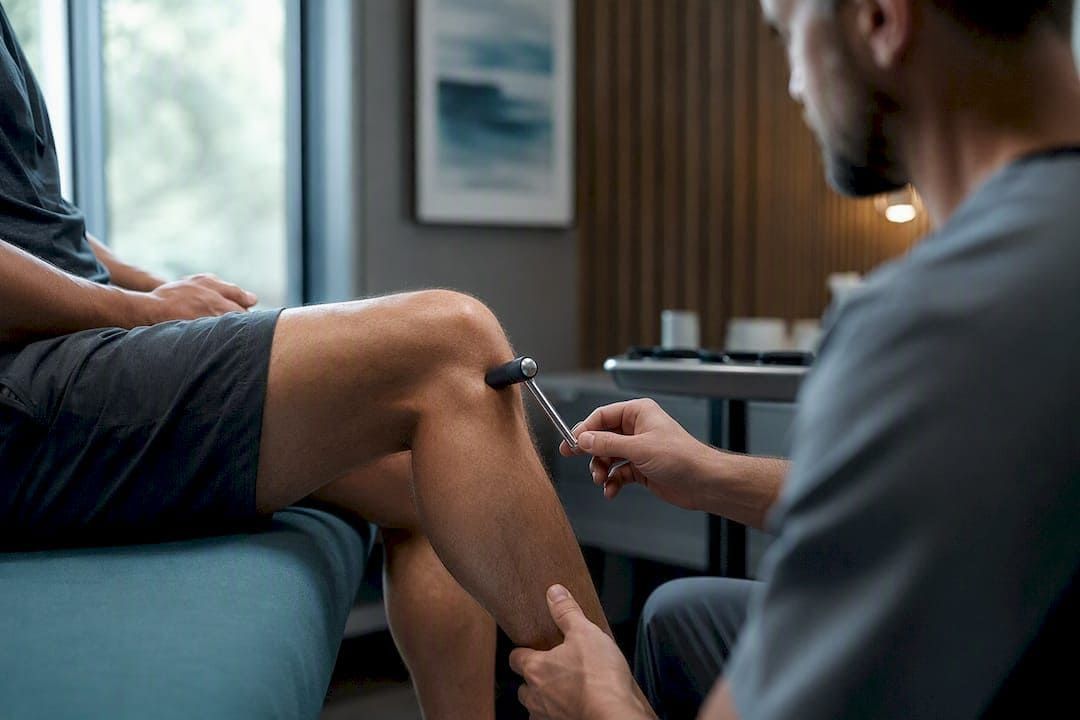
- Get a thorough assessment first: Work with a provider to understand the severity and type of your injury before committing to any single approach
- Build a team, not just a provider: Where possible, engage a chiropractor, physical therapist, and a mental health professional together
- Combine modalities: Chiropractic care works best when paired with exercise, patient education, and physical therapy
- Track three things weekly: Pain level, range of motion, and one daily function you want to improve (like walking a certain distance or sleeping through the night)
- Bring someone with you: Family members or close friends who understand your goals provide accountability and emotional support that speeds recovery
- Address mental health early: Do not wait until you feel stuck. Anxiety and discouragement are normal after injury, and early support prevents them from derailing your progress
Tailoring rehab to injury type and phase, including early psychological support, is essential for full reintegration and complication prevention. This is not optional for complex cases. It is standard best practice.
Pro Tip: Before your first appointment, write down your top three functional goals. Not "reduce pain" but specific ones, like "return to work" or "play with my kids without discomfort." Providers build better plans when they know what matters most to you.
For athletes or active adults, understanding chiropractic care for athletes provides additional context on how to maintain performance while healing.
Let's pull these lessons together with a deeper look at why some recovery journeys succeed while others struggle.
The real difference: Why rehab commitment transforms outcomes
Here is something most providers will not say out loud: the method matters less than the follow-through. We have seen patients with serious injuries recover fully because they showed up consistently and communicated openly with their care team. We have also seen people with minor injuries develop chronic pain simply because they stopped too soon.
The uncomfortable truth is that most rehab dropouts happen in the first few weeks, right before the real gains begin. Pain fades enough to feel "good enough," and motivation drops. But that early window is exactly when structural correction and neuromuscular retraining are doing their most important work.
Rehab optimizes health, productivity, and independence but only when patients stay engaged through the full course of care. Consistency, honest communication with your providers, and a willingness to adjust the plan when something is not working are the real drivers of lasting recovery.
Think of rehab not as treatment for pain but as an investment in your future capacity. The key role of chiropractic in that investment is structural: correcting the underlying issues that, if left unaddressed, quietly limit your function for years.
Find expert help for your rehab journey
If you are recovering from an accident or injury in West Central Florida, the path forward does not have to be confusing or overwhelming. The insights in this guide point to one clear truth: structured, personalized rehab with the right team behind you produces dramatically better outcomes than going it alone.
At Essential ChiroCare, we offer expert chiropractic care alongside individualized treatment plans designed around your specific injury, goals, and timeline. Our physical rehab services bring together the multidisciplinary approach that the evidence consistently supports. Whether you are dealing with whiplash, a sports injury, or post-accident pain, our experienced team is ready to build a plan that works for your life. Schedule a consultation today and take the first real step toward lasting recovery.
Frequently asked questions
What happens if I skip rehab after an injury?
Skipping rehab raises the risk of preventable complications, chronic pain, and delayed independence, often leading to longer recovery timelines and higher future medical costs.
How do chiropractic and physical therapy work together after injury?
Chiropractic complements PT by correcting structural alignment while physical therapy rebuilds strength and movement patterns, creating a more complete recovery than either approach alone.
Is chiropractic rehab effective for sports and car accident injuries?
Yes. Tailored chiropractic rehab has shown effectiveness for both sports injuries and post-accident recovery, including measurable improvements in spinal curvature and sustained pain relief at long-term follow-up.
What does a typical chiropractic rehab plan involve?
Most plans include gentle adjustments, spinal traction, targeted exercises, and home care routines. A standard CBP protocol runs three sessions per week for eight weeks and sustains improvement well beyond the treatment period.
Who needs multidisciplinary rehab after injury?
People with severe or complex injuries, including polytrauma or traumatic brain injury, benefit most from multidisciplinary rehab that addresses physical, psychological, and specialist needs together.
Recommended
- Role of Chiropractic in Injury Rehab & Mobility
- Why Chiropractic for Sports Injuries Matters Most
- Personal Injury Rehabilitation Guide for Holistic Recovery
- Chiropractor Near Me: Sports Injury Rehab Experts
- Recovery Nutrition for Athletes: Enhancing Performance and Healing - Dietium
- Legamento crociato anteriore: dalla lesione sportiva al recupero completo con le cure moderne | Dr. Umberto Celentano