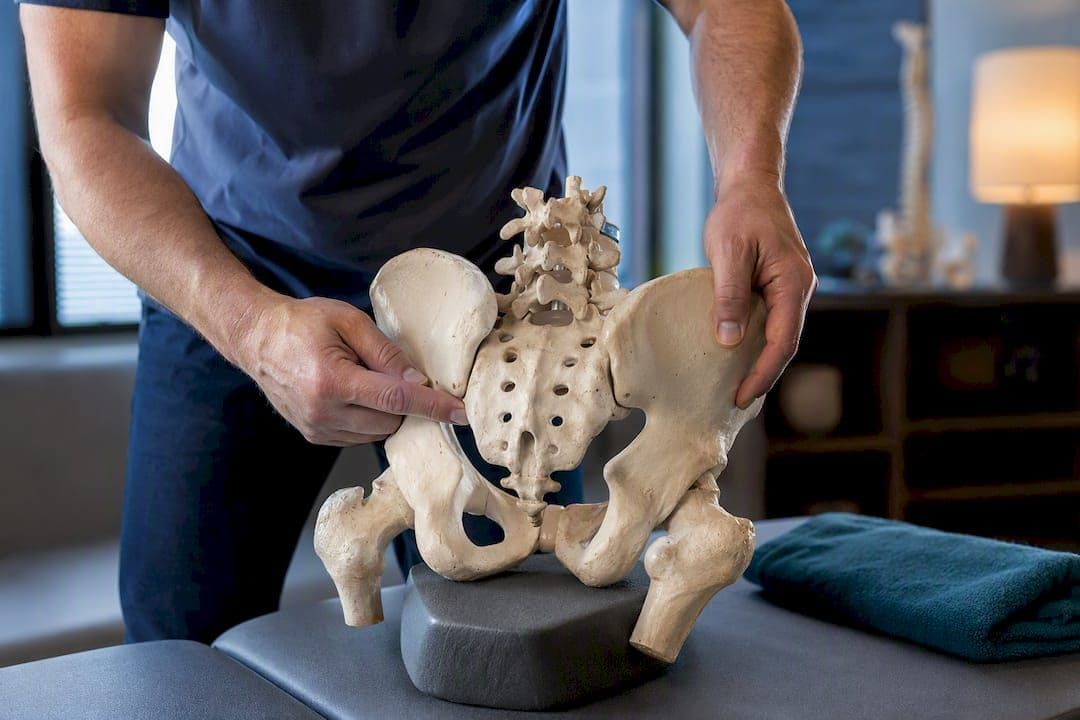
Chiropractic benefits workflow: your guide to pain relief
Chiropractic benefits workflow: your guide to pain relief
TL;DR:
- A structured chiropractic workflow enhances patient outcomes by ensuring targeted assessments, evidence-based treatment, and regular progress evaluations. This system-supported approach provides clarity, accountability, and consistency, leading to more reliable recovery and patient satisfaction. Implementing such workflows minimizes unnecessary treatments and optimizes long-term pain relief and functional improvement.
Persistent pain has a way of making every option feel overwhelming, and chiropractic care is no exception. If you've wondered whether it actually works, how many visits you'll need, or what happens during each appointment, you're asking the right questions. Understanding the chiropractic benefits workflow, from your first phone call to your final reassessment, removes the guesswork and puts you in control of your recovery. Whether you're dealing with a sports injury in Tampa, recovering from a car accident in Sarasota, or simply tired of chronic back pain in Lakeland, the process is more structured and transparent than most people expect.

Table of Contents
- Understanding the chiropractic benefits workflow: what you need
- Step-by-step execution of chiropractic care for pain relief and wellness
- Tracking progress and verification: ensuring effective chiropractic care
- Common challenges and safety considerations in chiropractic care
- The overlooked value of structured chiropractic workflows for consistent patient success
- Explore expert chiropractic care in West Central Florida for lasting benefits
- Frequently asked questions
Key Takeaways
| Point | Details |
|---|---|
| Structured workflow benefits | Following a defined chiropractic workflow ensures consistent, safe, and effective care outcomes. |
| Regular reassessments | Evaluations every 30 days or 10-12 visits track progress and guide ongoing treatment adjustments. |
| Evidence-based treatment | Spinal manipulation is recommended as a first-line treatment for many types of back pain by leading guidelines. |
| Patient involvement | Clear communication and education improve adherence and maximize treatment effectiveness. |
| Safety measures | Serious risks are rare, but recognizing warning signs and pre-visit screening are essential for safe care. |
Understanding the chiropractic benefits workflow: what you need
Modern chiropractic care is not a series of random adjustments. It follows a deliberate, evidence-guided sequence designed to identify your specific problem, track real changes, and adjust course when needed. A standard chiropractic workflow per Delphi consensus includes intelligent condition-specific intake, a targeted physical exam, a diagnosis-specific report, and scheduled reassessments every 30 days or 10 to 12 visits. That structure matters because it protects you from both under-treatment and unnecessary care.
The process begins well before you walk through the door. Most quality clinics now use digital intake forms that adapt to your specific complaint. If you report hip pain, the form asks different follow-up questions than it would for someone reporting headaches. This approach captures decision-ready information so your provider arrives at your first appointment already informed about your history, symptom timeline, and any red flags that need immediate attention.
After intake, a condition-specific exam focuses only on the tests that apply to your case. That targeted approach saves time and generates clinically useful data rather than a generic list of findings. It also leads directly to shared decision-making, where you and your provider agree on a diagnosis, realistic goals, and a care plan you both understand. Review our chiropractic care checklist to see what a well-structured first visit should include.
Here is how the key workflow steps typically unfold:
| Workflow step | Typical timeline | Purpose |
|---|---|---|
| Digital intake | Before visit 1 | Gather condition-specific history and symptom data |
| Physical exam | Visit 1 | Establish baseline measurements and diagnosis |
| Diagnosis-specific report | Visit 1 to 2 | Align provider and patient on goals and care plan |
| Active treatment phase | Weeks 1 to 12 | Pain relief, function restoration, rehabilitation |
| Formal reassessment | Every 30 days or 10 to 12 visits | Verify progress, adjust plan, justify ongoing care |
| Discharge or maintenance | Week 12 and beyond | Transition to self-management or preventive care |
Key elements a thorough first visit should address:
- Chief complaint and symptom timeline , including what makes it better or worse
- Relevant medical history , medications, and prior injuries
- Orthopedic and neurological tests specific to your condition
- Posture and range of motion measurements to serve as a baseline
- Imaging referral if indicated by exam findings
Step-by-step execution of chiropractic care for pain relief and wellness
Knowing what the workflow looks like on paper is one thing. Knowing what you will actually experience at each stage is another. Here is what the process typically looks like from visit one through long-term maintenance.
- Visit 1: Comprehensive evaluation. Your provider reviews your intake data, performs the targeted exam, and may begin spinal manipulation if no contraindications exist. Most patients notice some immediate relief, though the primary goal of this visit is accurate diagnosis.
- Weeks 1 to 4 (acute relief phase). Visits are usually more frequent, often two to three times per week. Spinal manipulation is recommended as a first-line non-pharmacologic treatment for acute, subacute, and chronic low back pain by American College of Physicians guidelines, alongside exercise and acupuncture. The goal here is reducing pain intensity so your body can begin healing.
- Weeks 4 to 12 (rehabilitation phase). Visit frequency often drops to once or twice weekly. Your provider introduces physical therapy exercises targeting strength, flexibility, and movement patterns that contributed to your injury. This is also when education on posture and daily habits becomes central to your appointments.
- Between visits. Home care is not optional. Patients who follow their at-home exercise programs consistently experience significantly better outcomes than those who treat appointments as their only intervention. Your provider should give you written instructions, not just verbal ones.
- Formal reassessment. Around visit 10 to 12, expect a structured re-evaluation that compares your current measurements against your baseline. This is the evidence checkpoint that determines whether your plan continues, changes, or wraps up.
- Maintenance phase. Some patients benefit from monthly visits to sustain mobility and catch issues before they escalate. Others are fully discharged with a self-care plan. This decision should be based on your data, not a default schedule. Explore acute pain relief tips to stay proactive between appointments.
Pro Tip: Post-adjustment soreness, similar to the feeling after a tough workout, is common and normal for 24 to 48 hours. Drink extra water, take a short walk, and avoid heavy exercise that day. If soreness lasts longer than two days or feels sharp rather than dull, call your provider before your next scheduled visit.
Tracking progress and verification: ensuring effective chiropractic care
One of the features that separates quality chiropractic care from inconsistent care is a formal, scheduled verification process. Re-examinations every 30 days or 10 to 12 visits use objective outcome measures like the Oswestry Disability Index to justify ongoing care and document progress. This matters for you because it keeps care accountable. It matters for your insurer because it creates documented evidence of clinical change.
A thorough re-exam includes:
- Updated symptom history , noting any changes since the last assessment
- Repeat physical measurements , including range of motion, strength, and pain scores
- Comparison against baseline to show objective improvement or plateau
- Revised care plan reflecting current findings and remaining goals
- Discharge criteria , clearly defined so care does not continue indefinitely
| Outcome measure | What it tracks | Threshold for meaningful change |
|---|---|---|
| Oswestry Disability Index | Low back pain and function | 10-point score reduction |
| Numeric Pain Rating Scale | Pain intensity (0 to 10) | 2-point reduction |
| Range of motion (degrees) | Spinal mobility | Return to normal or significant gain |
| Patient-specific functional scale | Self-reported daily task ability | 2-point improvement |
"Objective re-examinations are not just paperwork. They are the mechanism that ensures your provider is responding to your actual progress, not assumptions, and that your care plan remains clinically justified rather than habitual."
Pro Tip: Keep a brief daily symptom log between visits. Note pain levels at morning, mid-day, and evening, along with any activities that triggered changes. This gives your provider real data to work with during reassessments and often speeds up care decisions significantly. Learn more about the chiropractic role in injury rehab and how formal tracking supports recovery timelines.

Common challenges and safety considerations in chiropractic care
Even the best-structured workflow encounters practical obstacles. Knowing about them in advance means you handle them faster and with less frustration.
Post-treatment soreness is the most common concern. It is not a sign that something went wrong. It reflects normal tissue response to manipulation and mobilization. Hydration, light movement, and avoiding strenuous activity for 24 hours resolves it for most patients.
Insurance confusion derails many patients before care even begins. Verify your coverage before your first visit, not after. Ask specifically about visit limits, copay amounts, and whether a referral is required. If your plan does not cover chiropractic, many clinics offer cash rates or provide a superbill you can submit for partial reimbursement through your health savings account.
Serious adverse events from chiropractic care are genuinely rare. The risk of stroke from neck manipulation is approximately 1 in 5.85 million treatments. That said, you should know the warning signs.
Symptoms that require immediate medical attention and warrant stopping treatment:
- Sudden severe headache unlike any you have had before
- Dizziness, loss of balance, or difficulty walking
- Vision changes, double vision, or drooping eyelid
- Numbness or weakness in your arms or legs after cervical manipulation
- Difficulty swallowing or speaking clearly
"Open communication with your chiropractor is not optional. If something feels wrong during or after treatment, say so immediately. Quality providers welcome that feedback because it keeps care safe and responsive."
Pro Tip: Before your first appointment, photograph your insurance card front and back, write down your three most significant daily symptoms, and note how long each has been present. That preparation alone saves 15 minutes of intake time and ensures your provider has the context needed to build a useful care plan. Visit our resource on holistic chiropractic pain reduction for a broader look at complementary strategies.
The overlooked value of structured chiropractic workflows for consistent patient success
Here is what most chiropractic content glosses over: the quality of your outcomes is inseparable from the quality of the workflow your provider uses.
Two clinics can employ equally skilled chiropractors. One uses a system-supported workflow that captures condition-specific intake, flags red flags automatically, generates diagnosis-aligned reports, and schedules re-exams at predetermined intervals. The other relies on memory and habit. Quality initial exams and adherence to Delphi-consensus workflows ensure evidence-based, patient-centered care rather than guesswork or over-treatment. The difference in outcomes between those two clinics is not about adjustment technique. It is about the infrastructure behind the care.
Patients in the system-supported clinic receive consistent care regardless of how busy the day is or how experienced a particular provider is. They know what to expect at every stage. Their progress is tracked objectively, not based on how they feel on a good day. They are discharged when the data says they are ready, not when the schedule has a gap.
Patients in the memory-dependent clinic may still get good results. But they are also more likely to experience inconsistent visit quality, vague discharge criteria, and gaps between what was promised and what was delivered.
The practical takeaway for you as a patient is simple: ask your provider about their intake process, how they track progress, and what their discharge criteria look like. A provider confident in their workflow will answer those questions without hesitation. One who cannot answer them is relying on instinct, and your recovery deserves better than that. Our evidence-based chiropractic guide walks through how to evaluate whether a clinic meets that standard.
Explore expert chiropractic care in West Central Florida for lasting benefits
If you are ready to move from chronic pain to real function, the next step is finding a team that follows through on what this guide describes.
Essential ChiroCare serves patients across Tampa, Brandon, Sarasota, Lakeland, and Pinellas Park with expert chiropractic care built on structured, evidence-guided workflows. Our doctors have sports team backgrounds and treat everything from acute whiplash to long-term sciatica with personalized care plans and scheduled reassessments that keep your progress on track.
- Acute injury and accident recovery with documented treatment milestones
- Sports injury rehabilitation combining chiropractic adjustments with targeted exercise
- Chronic pain management using spinal decompression, manual therapy, and patient education
- Preventive wellness care for patients who want to stay ahead of problems rather than react to them
Schedule your first visit online and experience chiropractic care for pain relief that is designed around your outcome, not a generic protocol.
Frequently asked questions
What are the primary benefits of chiropractic care for chronic low back pain?
Spinal manipulative therapy provides clinically relevant short-term pain relief and functional improvement for chronic low back pain, supported by high-quality Cochrane review evidence, making it one of the most studied non-drug options available.
How often should reassessments happen during chiropractic treatment?
Re-assessments every 30 days or after 10 to 12 visits are the standard recommendation, giving providers objective evidence to justify continuing, modifying, or concluding care.
Is spinal manipulation recommended as a first-line treatment for back pain?
Yes. ACP guidelines recommend spinal manipulation as a first-line non-pharmacologic treatment for acute, subacute, and chronic low back pain, placing it alongside exercise and acupuncture as a preferred starting point before medication.
Are there risks associated with chiropractic neck manipulation?
The risk is extremely low. Stroke from neck manipulation occurs in roughly 1 in 5.85 million treatments, but patients should report any sudden headache, vision changes, or neurological symptoms to their provider immediately.
How does the chiropractic care workflow improve treatment outcomes?
A structured chiropractic workflow ensures consistent intake, targeted exams, clear care plans, scheduled reassessments, and patient education, all of which reduce clinical variation and give patients a predictable, accountable path to recovery.
Recommended