What Is Physical Medicine and How Does It Work?
What Is Physical Medicine and How Does It Work?
TL;DR:
- Physical medicine, or PM&R, is a medical specialty focused on restoring function and improving quality of life using non-invasive treatments. Physiatrists lead multidisciplinary teams to develop personalized plans that address physical, mental, and social aspects of recovery. It offers a comprehensive approach often overlooked, emphasizing functional maximization over symptom relief.
Most people hear "physical medicine" and picture a gym full of exercise equipment or a physical therapist counting reps. That assumption misses the full picture by a wide margin. Physical medicine, formally known as physical medicine and rehabilitation, or PM&R, is a complete medical specialty with its own physicians, diagnostic tools, and treatment systems. If you are dealing with chronic pain, recovering from a stroke, managing a spinal injury, or just trying to understand your care options, knowing what physical medicine actually covers could change how you approach your recovery entirely.

Table of Contents
- Key takeaways
- What is physical medicine and rehabilitation?
- Core treatment methods in physical medicine
- Real benefits of physical medicine for patients
- Physical medicine, physical rehabilitation, and physical therapy
- How to apply physical medicine for your health
- My take on physical medicine's underrated role in healthcare
- Experience better recovery with Essentialchirocare
- FAQ
Key takeaways
| Point | Details |
|---|---|
| PM&R is a medical specialty | Physical medicine is physician-led care focused on restoring function, not just reducing pain. |
| Physiatrists lead the team | These are medical doctors who diagnose, plan treatment, and coordinate rehabilitation across disciplines. |
| Non-surgical by design | Physical medicine prioritizes non-invasive and minimally invasive options before considering surgery. |
| Whole-patient focus | Mental health, social environment, and lifestyle factors all factor into physical medicine treatment plans. |
| Distinct from physical therapy | Physical therapy is one tool within physical medicine, not a substitute for the broader specialty. |
What is physical medicine and rehabilitation?
Physical medicine and rehabilitation is a medical specialty focused on diagnosing and treating conditions that affect how a person moves, functions, and lives. The formal definition of physical medicine centers on restoring physical function and improving quality of life using methods that do not require surgery. PM&R was officially recognized as a medical specialty in the United States in 1947, though its principles had been practiced for decades before that formal designation.
The conditions treated under this specialty span three broad categories:
- Musculoskeletal conditions: Back pain, arthritis, sports injuries, and joint disorders
- Neurological conditions: Stroke, spinal cord injury, traumatic brain injury, and multiple sclerosis
- Cardiopulmonary conditions: Recovery following heart attack, pulmonary disease management, and deconditioning
The physician at the center of physical medicine is called a physiatrist. Physiatrists are medical doctors who complete medical school followed by a residency specifically in PM&R. They are trained to assess complex functional impairments, order and interpret diagnostic tests, and design treatment plans that may involve multiple types of care providers working together. This multidisciplinary model sets physical medicine apart from single-provider care models. You might see a physiatrist in a hospital rehabilitation unit, an outpatient clinic, a nursing facility, or even in the community.
| Setting | Common patient scenarios |
|---|---|
| Hospital inpatient rehab | Post-stroke recovery, spinal cord injury, major orthopedic surgery |
| Outpatient clinic | Chronic back pain, sports injuries, nerve conditions |
| Long-term care facility | Elderly patients with complex functional limitations |
| Community-based programs | Work injury rehabilitation, return-to-sport programs |
Core treatment methods in physical medicine
Understanding how physical medicine works starts with recognizing what physiatrists actually do day to day. Their work is not limited to prescribing exercise. Physiatrists lead rehabilitation teams and manage complex interventions including medication management, electrodiagnostic testing such as electromyography (EMG) and nerve conduction studies, and targeted injections that address root causes of pain rather than masking symptoms.
Physical medicine treatment options typically include:
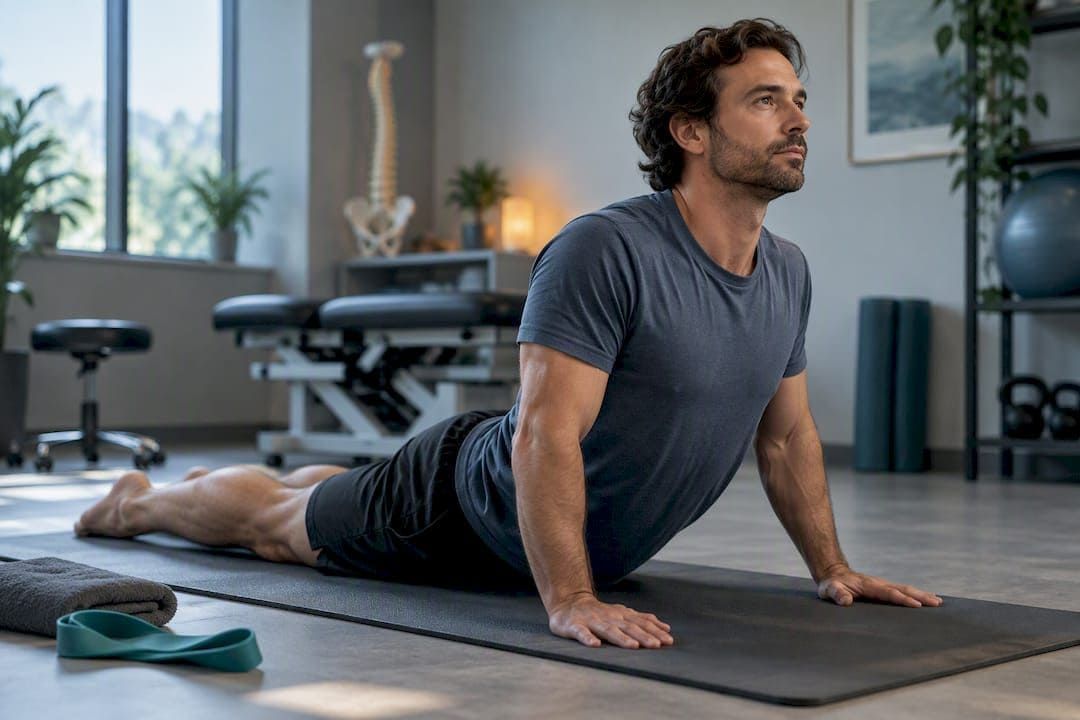
- Therapeutic exercise programs tailored to the patient's specific impairment and functional goals
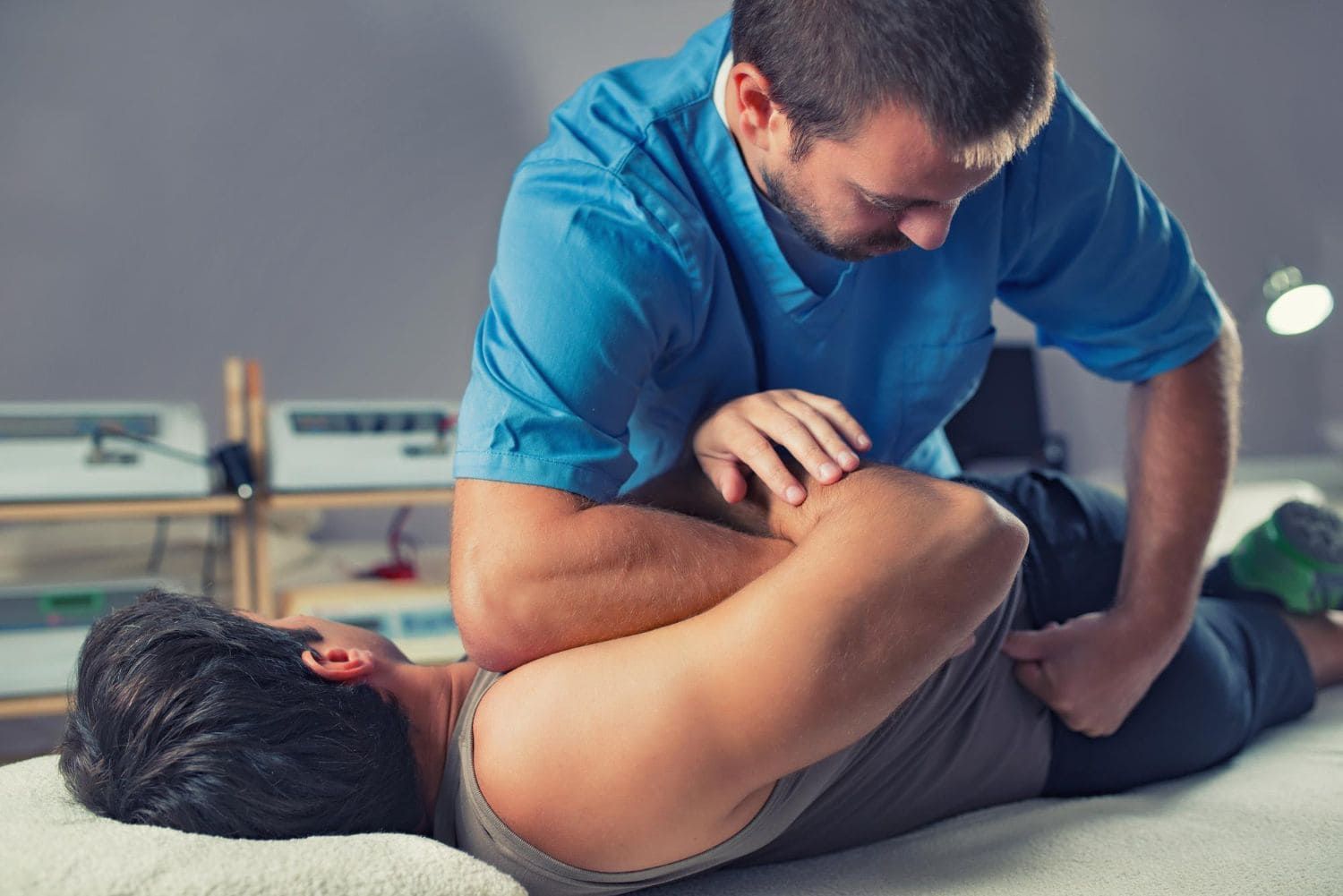
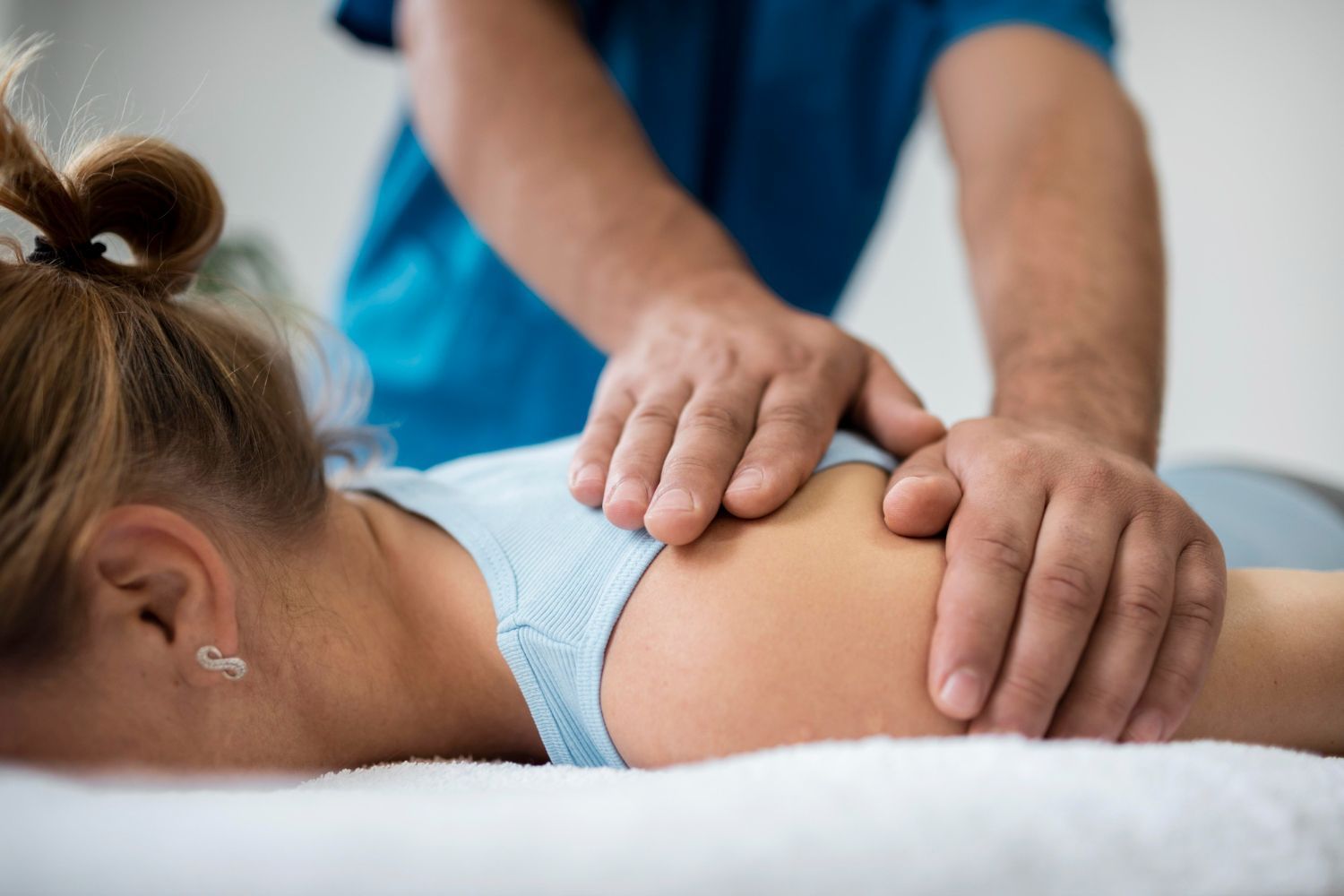
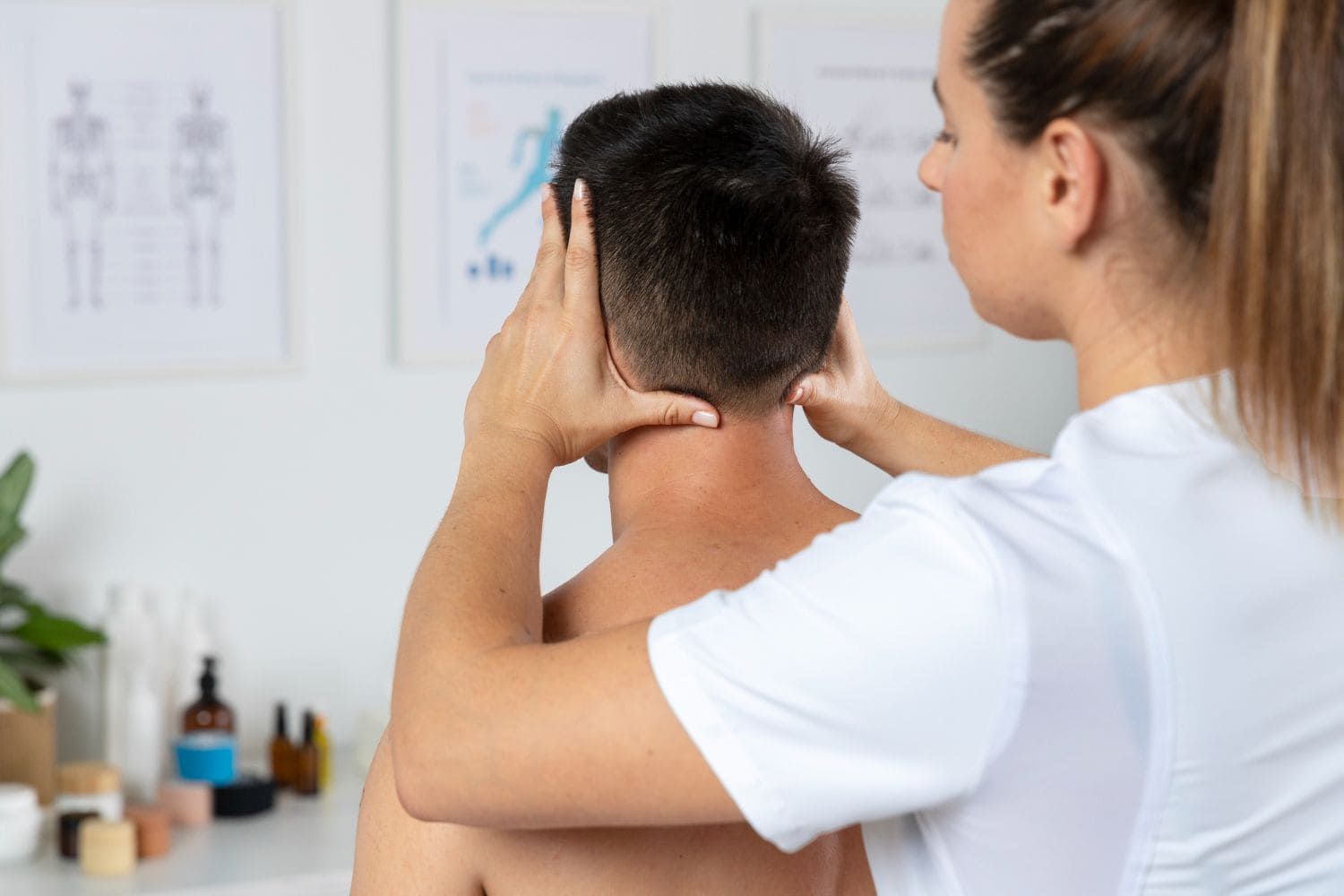
- Manual therapy and massage to address soft tissue dysfunction and improve mobility
- Ultrasound and electrical stimulation to reduce inflammation and support tissue healing
- Orthotics and prosthetics for structural support or limb replacement
- Occupational therapy coordination to help patients regain daily living skills
- Speech therapy when conditions affect swallowing or communication
The coordination piece is where physical medicine separates itself from a standard doctor's visit. A physiatrist does not just hand you a prescription and send you on your way. They assemble and oversee a team. That team might include physical therapists, occupational therapists, speech therapists, social workers, and psychologists. Each specialist operates within their scope, and the physiatrist ensures the plan stays coherent and adapts as the patient progresses.
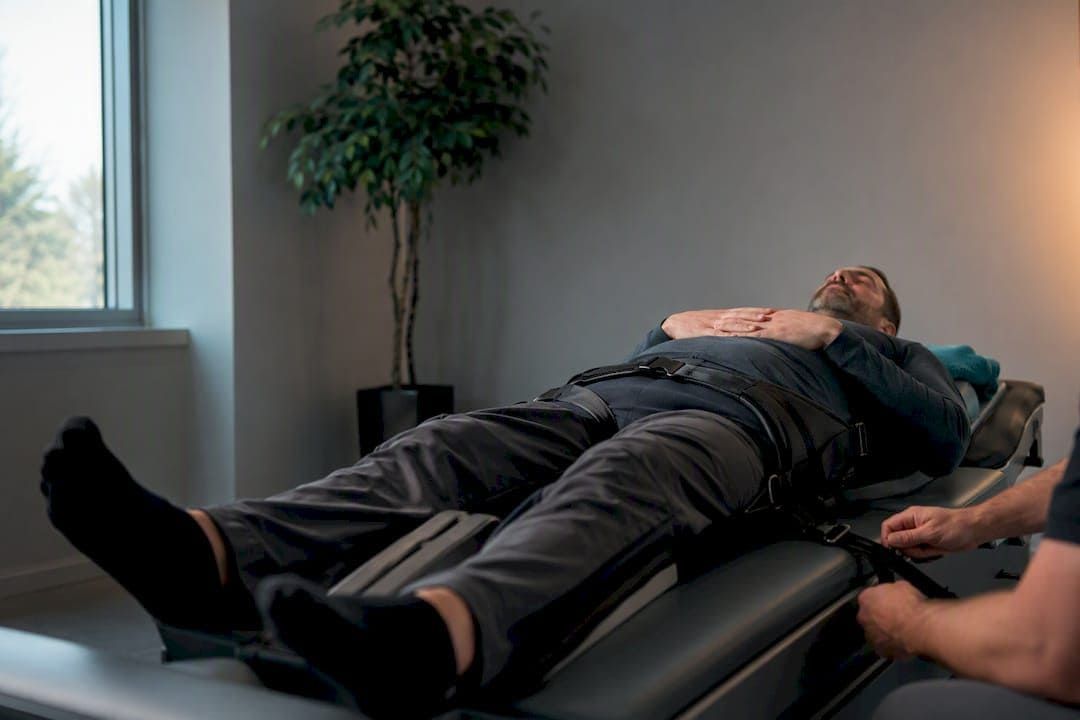
Physical rehabilitation involves regaining function lost due to injury, illness, or surgery through a structured combination of exercises, manual techniques, thermal therapies, and electrotherapy. All of these modalities can exist within a physical medicine treatment plan, but the physiatrist determines which are appropriate and in what sequence.
Pro Tip: If you are recovering from an injury and feel like your care is fragmented or you are not improving at the rate you expected, asking your primary care doctor for a referral to a physiatrist can open the door to a more coordinated recovery plan.
Real benefits of physical medicine for patients
The benefits of physical medicine go well beyond pain reduction. PM&R is specifically designed to optimize function within whatever limitations a patient has. That is a meaningful distinction. Rather than chasing a perfect outcome, physiatrists work to maximize what is possible for that specific person in their specific circumstances.
"PM&R physicians are often called the 'best-kept secret in medicine' because they focus on the whole patient, including social and mental well-being alongside physical recovery." — Good Shepherd Rehabilitation
That holistic framing matters because physical impairment rarely exists in isolation. A patient recovering from a spinal cord injury is also managing fear, uncertainty about independence, and potential financial stress. A stroke survivor might struggle with depression alongside motor deficits. Physical medicine physicians are trained to assess and address the mental, social, and environmental factors that shape recovery, not just the physical symptoms.
The outcomes research backs this up. Lack of physical activity carries an all-cause mortality risk comparable to smoking or obesity, while structured physical activity programs increase life expectancy by approximately three years. Physical medicine creates the clinical infrastructure to get patients moving safely and effectively, even when their condition makes standard exercise programs inappropriate or dangerous.
For someone with chronic pain, early intervention through physical medicine can prevent the kind of long-term disability that results from untreated or poorly managed conditions. Arthritis patients who receive physiatric care often maintain independence and mobility far longer than those who only receive medication management. Stroke survivors in structured rehabilitation programs regain motor function at significantly higher rates than those without coordinated care.
Patient motivation and socioeconomic factors strongly influence rehabilitation progress, and patients with unmanaged mood disturbances tend to face slower recovery timelines. This is exactly why physical medicine evaluation includes a review of social support systems, home environment, and psychological wellbeing alongside the clinical assessment.

Physical medicine, physical rehabilitation, and physical therapy
These three terms get used interchangeably, and that causes real confusion for patients trying to navigate their care. They are related but distinct.
Physical therapy is a clinical discipline focused on improving mobility and function through therapeutic exercise, manual techniques, and movement retraining. Physical therapists are not physicians. They typically work on execution within a plan, not on diagnosing the underlying condition or coordinating across multiple disciplines.
Physical rehabilitation is a broader concept referring to any structured recovery program aimed at restoring function after injury, illness, or surgery. It is often led or overseen by a physical medicine physician. Physical therapy and physical medicine are complementary but differ in scope, with physical medicine providing the diagnosis, oversight, and comprehensive treatment planning that makes rehabilitation effective.
Physical medicine (physiatry) is the medical specialty that encompasses both. The physiatrist diagnoses, plans, coordinates, and monitors.
| Aspect | Physical therapy | Physical rehabilitation | Physical medicine |
|---|---|---|---|
| Provider type | Licensed therapist | Multi-disciplinary team | Medical doctor (physiatrist) |
| Primary focus | Movement and function | Functional recovery | Diagnosis, treatment planning |
| Scope | Execution of exercise/manual therapy | Broader recovery programs | Full medical oversight |
| Typical interventions | Exercise, manual therapy, modalities | Exercise, modalities, counseling | Injections, diagnostics, team coordination |
| Patient goals | Regain movement and strength | Restore daily function | Optimize overall function and quality of life |
Understanding this distinction helps you ask better questions. If you need guidance on speeding recovery through exercise-based care, physical therapy delivers that. If you need someone to oversee your entire recovery and make medical decisions about your treatment plan, that is the physiatrist's role.
How to apply physical medicine for your health
Knowing the theory is useful. Knowing when and how to engage with physical medicine in your own life is more useful. Here is a practical framework for thinking through when physical medicine applies to you.
- Recognize the signs you need physiatric evaluation. Persistent pain lasting more than six to eight weeks, functional limitations affecting your daily life, a recent major injury or surgery, or a neurological event such as a stroke are all strong indicators that a physiatrist's evaluation would be valuable.
- Expect a thorough initial assessment. A physiatric evaluation covers your medical history, functional status, pain patterns, diagnostic imaging, and an assessment of your home and social environment. The recovery process is heavily influenced by your home environment and support systems, and a good physiatrist will factor that into the plan.
- Engage actively in your rehabilitation plan. Physical medicine is not a passive treatment. You will have homework, goals, and milestones. Patients who engage with their plan consistently make faster progress than those who treat appointments as the full extent of their effort.
- Discuss non-invasive options before agreeing to surgery. One of the core commitments of physical medicine is exhausting non-invasive treatment options before recommending surgical intervention. If a provider is pushing surgery quickly, a physiatric second opinion is worth getting.
- Build your support system intentionally. Research shows that social support accelerates recovery. Family members, friends, and even online communities of patients with similar conditions can make a measurable difference in outcomes.
Pro Tip: Before your first physiatric appointment, write down every activity you struggle to perform because of your condition. Physiatrists prioritize functional goals, so the more specific you are about what you want to do again, the more targeted your treatment plan will be.
My take on physical medicine's underrated role in healthcare
I have spent years looking at how patients navigate pain and recovery, and one pattern stands out every time. Physical medicine is consistently the option people find last instead of first. Patients cycle through pain medications, specialist consultations, and sometimes even surgeries before someone finally refers them to a physiatrist. By then, months or years of function have been lost.
What I find genuinely interesting about physiatry is its refusal to treat the body as a collection of isolated parts. I have seen patients whose depression was actively undermining their physical recovery, and whose physiatrist caught that and adjusted the plan accordingly. That kind of integrated thinking is rare in a healthcare system that tends to route every problem to a single-specialty solution.
The holistic patient-centered ethos of physical medicine is not marketing language. It is a clinical framework that actually changes outcomes. The challenge is awareness. Most people still do not know that physiatrists exist as a separate specialty, let alone that they can access one without waiting for a surgical referral that never comes.
If I had one piece of advice for anyone managing pain or recovering from an injury, it would be this: do not assume that your only options are the ones already on the table. Physical medicine has a broader toolkit than most patients realize, and it often applies exactly where other approaches have fallen short.
Experience better recovery with Essentialchirocare
At Essentialchirocare, we apply the principles of physical medicine every day through personalized, non-invasive care designed for people across West Central Florida dealing with pain, injury, and functional limitations. Our team combines chiropractic care with physical rehabilitation services to create coordinated treatment plans that actually address the root cause of your condition, not just the symptoms. Whether you are recovering from a sports injury, managing chronic back pain, or rebuilding strength after an accident, our physical rehab services offer a structured path back to the function and quality of life you are looking for. Book your evaluation online today at any of our locations in Tampa, Brandon, Sarasota, Lakeland, or Pinellas Park.
FAQ
What is physical medicine used for?
Physical medicine, or PM&R, is used to treat conditions affecting movement, function, and quality of life. Common applications include recovery from stroke, spinal cord injury, sports injuries, chronic pain, and post-surgical rehabilitation.
How is a physiatrist different from a physical therapist?
A physiatrist is a medical doctor who diagnoses conditions, manages medications, performs procedures, and coordinates care teams. A physical therapist is a licensed clinician who carries out specific therapeutic exercises and manual treatments within that broader plan.
What is physical rehabilitation in simple terms?
Physical rehabilitation is a structured recovery process designed to restore function lost due to injury, illness, or surgery. It typically involves exercise, manual therapy, and other modalities guided by a physician or rehabilitation team.
When should you see a physical medicine doctor?
You should consider seeing a physiatrist if you have persistent pain lasting more than six to eight weeks, a recent neurological event, a serious injury, or functional limitations that are affecting your daily life and have not improved with standard care.
Does physical medicine involve surgery?
Physical medicine is specifically oriented around non-surgical and minimally invasive approaches. Physiatrists may use targeted injections and diagnostic procedures, but their goal is to restore function without surgery whenever possible.
Recommended