

The Chiropractic Lifestyle Change Process Explained
TL;DR:
- Adjusting at a chiropractic clinic provides immediate relief, but lasting results depend on supporting habits.
- A comprehensive assessment and targeted lifestyle changes in movement, nutrition, posture, and stress are essential for sustained wellness.
Getting adjusted at a chiropractic clinic can bring real, immediate relief. But without the right habits supporting your spine between visits, that relief often fades faster than it should. The chiropractic lifestyle change process is what separates people who feel better for three days from people who feel better for years. This article breaks down every phase of that process, from your first assessment to the daily habits that lock in lasting results, so you can approach your chiropractic wellness journey with a clear plan and realistic expectations.

Table of Contents
- Key Takeaways
- Understanding the chiropractic lifestyle change process
- Core lifestyle areas that amplify chiropractic results
- How to build chiropractic lifestyle habits step by step
- Monitoring progress and adjusting your approach
- My honest take on what actually makes this work
- Ready to start your chiropractic wellness journey with expert support?
- FAQ
Key Takeaways
| Point | Details |
|---|---|
| Assessment comes first | Your chiropractor maps your spinal and nervous system needs before recommending any lifestyle changes. |
| Small habits compound fast | Incremental adjustments to movement, nutrition, and posture multiply the results of every adjustment. |
| Progress needs tracking | Regular reassessments let you and your provider refine the approach based on what is actually working. |
| Tools bridge intention and action | Ergonomic aids, stretching apps, and posture reminders help you stay consistent between visits. |
| Long-term goals drive commitment | Shifting focus from pain relief to lasting wellness keeps you motivated after initial symptoms ease. |
Understanding the chiropractic lifestyle change process
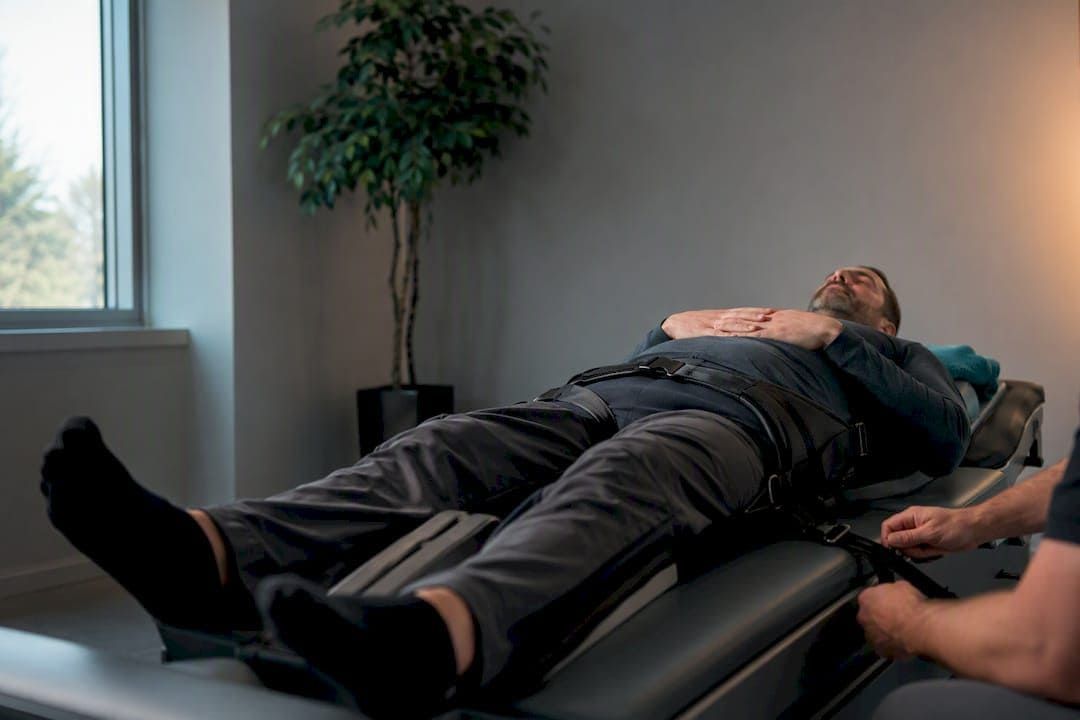
Before a single lifestyle recommendation makes sense, your chiropractor needs a clear picture of what is happening in your body. That starts with an initial chiropractic assessment that typically covers health history, digital posture analysis, orthopedic testing, and motion X-rays. These sessions generally run 30 to 60 minutes because there is no shortcut to understanding how your spine is actually functioning.
Most people walk into that first appointment expecting a quick crack and a pamphlet. What they get instead is something closer to a diagnostic interview. The questions your provider asks about how you sit at work, how you sleep, whether you have recurring headaches, or where exactly pain radiates are not small talk. That information shapes everything that follows.
Here is what a thorough initial assessment typically includes:
- Health history review: Current symptoms, past injuries, surgeries, and medications that may influence spinal health
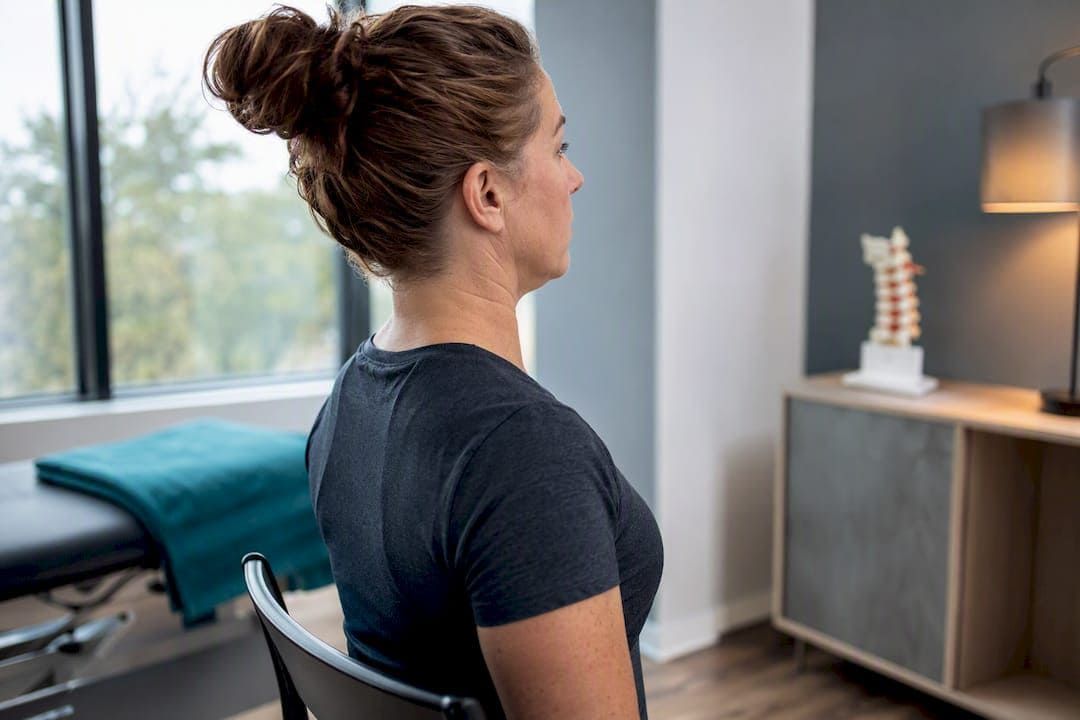
- Posture analysis: Digital mapping of how your body holds itself while standing, seated, and moving
- Range of motion testing: Where your spine moves freely and where it does not
- Neurological screening: Reflexes, sensation, and muscle strength to assess nerve involvement
- Orthopedic and motion testing: Stress tests that identify joint dysfunction and disc issues
- Imaging when needed: X-rays or referrals for MRI to confirm structural concerns
| Assessment tool | What it reveals |
|---|---|
| Digital posture analysis | Imbalances in head position, shoulder height, and pelvic tilt |
| Orthopedic testing | Joint function, disc health, and ligament stress |
| Motion X-ray | How vertebrae move relative to each other under load |
| Neurological screening | Nerve compression, reflex deficits, and muscle weakness |
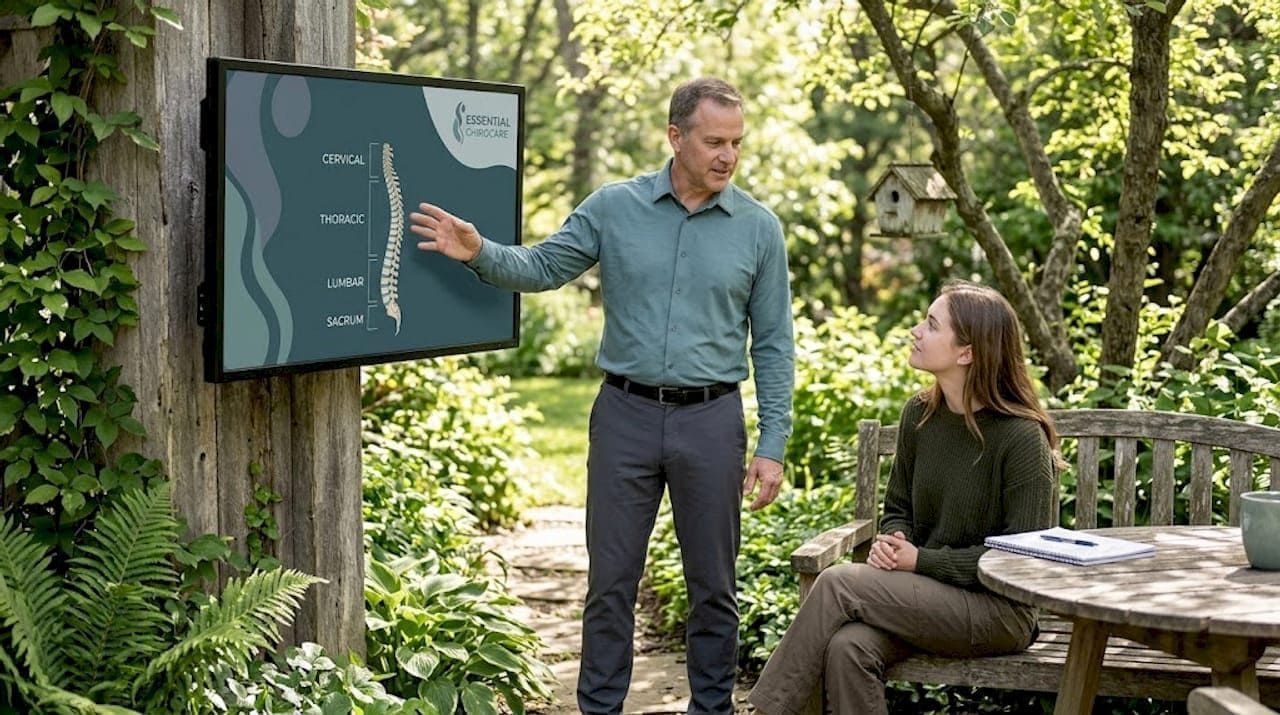
Personalized chiropractic education integrated throughout care supports informed decision-making and leads to sustainable lifestyle changes. When you understand why a disc is unhappy or why your hip flexors are pulling your pelvis forward, you are far more likely to follow through on the recommended changes.
Pro Tip: Write down your three most disruptive daily symptoms before your first appointment. Specific descriptions like "sharp pain after 20 minutes of sitting" give your chiropractor much more to work with than "my back hurts."
Core lifestyle areas that amplify chiropractic results
Getting adjusted is the catalyst. Your daily habits are the fuel. Chiropractors emphasize lifestyle changes such as posture correction, ergonomic workspaces, nutrition, and stress management because those factors determine how well your body holds an adjustment. Skipping them is like getting your car aligned and then immediately driving over potholes at speed.
Here are the four core domains of lifestyle adjustment with chiropractic care, and why each one matters:
- Movement and exercise. Low-impact activities like walking, swimming, and yoga support spinal stability without overloading irritated joints. A combination of regular adjustments and exercise significantly supports pain management and creates conditions for lasting health improvements. Your provider will likely recommend specific core-strengthening exercises to protect your lumbar spine, along with flexibility work targeting your hips and thoracic region. These are not optional extras. They are part of the treatment.
- Nutrition and hydration. Intervertebral discs have no direct blood supply. They absorb nutrients through movement and hydration. Eating an anti-inflammatory diet rich in omega-3 fatty acids, leafy greens, and lean proteins directly supports disc health and tissue repair. Chronic dehydration, on the other hand, shrinks disc height and accelerates degeneration. Aim for at least half your body weight in ounces of water daily.
- Posture and ergonomics. Most adults spend more than eight hours per day in positions that compress the cervical spine and round the lumbar curve. A monitor at eye level, a chair with genuine lumbar support, and a habit of standing every 45 minutes can dramatically reduce the strain your spine accumulates between adjustments. Ergonomic modifications are not just for office workers. They apply to how you drive, how you sleep, and how you carry groceries.
- Stress management. Chronic stress raises cortisol, which drives inflammation and increases muscle tension, especially in the upper traps and neck. Techniques like diaphragmatic breathing, progressive muscle relaxation, and even 10-minute daily walks measurably reduce that tension. Patients who address stress as part of their care often report faster progress in pain reduction than those who focus only on physical adjustments.
Pro Tip: Start with whichever of these four domains feels least overwhelming. Building one solid habit gives you the confidence and structure to add the next. You do not need to overhaul everything at once.
How to build chiropractic lifestyle habits step by step
Knowing what to change is different from knowing how to change it. The gap between those two things is where most people stall. Here is a practical sequence for making the chiropractic lifestyle change process stick:
- Start smaller than feels necessary. If your chiropractor recommends 30 minutes of walking daily, start with 10. Research consistently shows that incremental challenges to mobility promote muscle engagement, balance, and spinal strength. Small wins build momentum without triggering the overwhelm that kills new habits.
- Set a specific implementation time. "I will do my stretches" fails. "I will do my stretches at 7:15 AM before I shower" works. Attaching new habits to existing anchors dramatically increases follow-through.
- Use tools that reduce friction. Ergonomic aids and digital tools help bridge the gap between good intentions and consistent behavior. A lumbar roll costs less than a single co-pay. A posture reminder app costs nothing. These are not luxuries. They are part of the infrastructure that makes your home exercise routine actually happen.
- Anticipate the common obstacles. Time pressure is the most frequently cited barrier. The fix is brevity, not motivation. A six-minute stretching sequence done daily beats a 45-minute routine done occasionally. Pain flare-ups are the second major obstacle. Flares do not mean your plan is failing. They are often part of the healing process and a signal to communicate with your provider.
- Track what you actually do. A simple notebook, a phone note, or a habit app works. Tracking progress and adapting as you go is how you distinguish which habits are contributing to improvement and which ones you can safely drop or modify.
Practical tools worth considering include:
- A lumbar support cushion for your car and office chair
- A standing desk converter or adjustable monitor arm
- A foam roller for thoracic spine mobility
- A hydration tracking app or marked water bottle
- A stretching or yoga app with chiropractor-approved routines

Monitoring progress and adjusting your approach
Most people feel some improvement within the first few weeks of consistent care and lifestyle changes. But knowing what to watch for, and what to do with that information, is what separates short-term relief from a lasting wellness transformation. Integrative models combining chiropractic care with behavior coaching help prevent rebound effects and create sustainable physiological change.
Signs your chiropractic lifestyle habits are working:
- Pain intensity drops even on days you do not get adjusted
- Your range of motion increases noticeably (you can turn your head further, bend without bracing)
- Energy levels improve, often because your nervous system is functioning with less interference
- You sleep more deeply and wake with less stiffness
- Flare-ups become less frequent and resolve faster when they do occur
Pro Tip: Rate your pain, sleep quality, and energy on a 1-to-10 scale every Sunday. One minute of tracking per week creates a data pattern that helps your chiropractor make better decisions at every reassessment.
| Progress marker | How to measure it | Reassessment interval |
|---|---|---|
| Pain levels | Daily self-rating on a 0-10 scale | Every 2-4 weeks with provider |
| Range of motion | Compare to baseline assessment | Every 4-6 weeks |
| Functional capacity | Tasks you could not do that you now can | Ongoing, logged weekly |
| Sleep and energy | Subjective weekly rating | Monthly |
Patients who apply adjusted habits consistently report longer-lasting relief and measurably better wellness outcomes. When your results plateau, that is not a sign to give up. It is a signal to reassess with your provider and shift the focus from symptom management to performance, whether that means better athletic output, improved posture, or simply carrying groceries without wincing.
Holistic pain relief approaches that combine adjustments with behavioral coaching consistently outperform adjustment-only care when tracked over six months or more.
My honest take on what actually makes this work
I have followed the progress of dozens of people through the chiropractic lifestyle change process, and the difference between those who thrive and those who cycle back to square one almost always comes down to one thing: whether they stop seeing their chiropractor as a repair shop.
When someone shows up only when the pain gets unbearable, they are managing a crisis. When they commit to the lifestyle piece, they are building a different body. I have seen people with years of chronic low back pain genuinely turn a corner, not because they found a miracle adjustment, but because they finally got serious about their sleep position, their hydration, and their core work.
The misconception I encounter most is that lifestyle changes are what you do after you feel better. That thinking has it exactly backwards. The changes are what create the condition for feeling better. Patients often experience faster and more complete recovery when they gently push through initial discomfort with guidance, rather than waiting for a pain-free green light that may not come until they do the work.
The other thing I want to be direct about: setbacks are normal and they are not proof of failure. A flare-up three months in does not erase three months of progress. It is data. Use it with your provider. The holistic health changes that last are the ones built on consistency, not perfection.
Ready to start your chiropractic wellness journey with expert support?
At Essentialchirocare, personalized care goes well beyond the adjustment table. Every patient receives a treatment plan built around their specific spinal findings, lifestyle demands, and health goals, whether that means overcoming pain through chiropractic adjustments, rebuilding strength through physical rehabilitation, or learning the daily habits that keep pain from returning.
The team at Essentialchirocare serves patients across Tampa, Brandon, Sarasota, Lakeland, and Pinellas Park, with providers who bring sports medicine expertise and a root-cause mindset to every visit. Explore expert chiropractic care and pain relief services to see how an integrated approach can move you from managing symptoms to building genuine, lasting wellness. Scheduling a consultation is the first step toward understanding what your body actually needs.
FAQ
What is the chiropractic lifestyle change process?
The chiropractic lifestyle change process is the structured approach of combining spinal adjustments with targeted daily habits, including exercise, nutrition, ergonomics, and stress management, to achieve lasting pain relief and better overall health rather than temporary fixes.
How long before I see results from chiropractic lifestyle changes?
Most patients notice measurable improvements in pain, mobility, and energy within a few weeks of consistent care and habit integration, though full results from sustained chiropractic lifestyle habits typically develop over two to three months.
What lifestyle changes do chiropractors most commonly recommend?
Chiropractors most often recommend posture correction, ergonomic adjustments at work, anti-inflammatory nutrition, adequate hydration, low-impact exercise, and stress reduction techniques to support and extend the benefits of spinal adjustments.
Can I do this process while managing chronic pain?
Yes. The chiropractic lifestyle change process is specifically designed to address chronic pain conditions by targeting root causes rather than symptoms. Starting small and working within your current tolerance is the standard approach, not a compromise.
How often should I visit my chiropractor during lifestyle integration?
Frequency depends on your condition and goals, but most patients benefit from visits every one to two weeks during the active phase of lifestyle integration, with reassessments every four to six weeks to track progress and refine the plan.