


How to Identify Sciatica: Symptoms and Warning Signs

Essential ChiroCare Blogger • June 4, 2026

How to Identify Sciatica: Symptoms and Warning Signs

TL;DR:

  • Many people mistake sciatica for general back pain, but it primarily involves radiating leg pain from nerve irritation. Proper diagnosis relies on symptom patterns, physical exam, and neurological tests to distinguish it from other conditions. Urgent care is required if there are bladder, bowel, or saddle numbness symptoms indicating cauda equina syndrome.

That sharp pain shooting down your leg might not be a pulled muscle. Millions of people deal with lower back and leg pain and assume it is just muscle soreness, but sciatica has a very specific fingerprint. Knowing how to identify sciatica accurately means you can stop guessing, start getting the right care, and avoid treatments that target the wrong problem entirely. This guide breaks down exactly what sciatica feels like, how it differs from general back pain, what doctors look for during an exam, and when your symptoms require urgent attention.

how to identify sciatica

Table of Contents

Key takeaways

Point Details
Leg pain is the main signal Sciatica causes radiating leg pain, not just lower back pain, often reaching past the knee.
Nerve symptoms confirm the pattern Tingling, numbness, and leg weakness alongside pain strongly suggest sciatica over muscle strain.
No single test is definitive Clinicians combine symptom history, physical exam, and neurological findings to reach a diagnosis.
Red flags need immediate care Bladder or bowel changes, saddle numbness, or bilateral leg weakness require emergency evaluation.
Early action prevents progression Documenting symptoms and consulting a provider early leads to faster, more targeted treatment.

How to identify sciatica: the nerve root origin

Most people think of sciatica as back pain. It is not. At its core, sciatica is a nerve problem, and understanding that changes everything about how you recognize it.

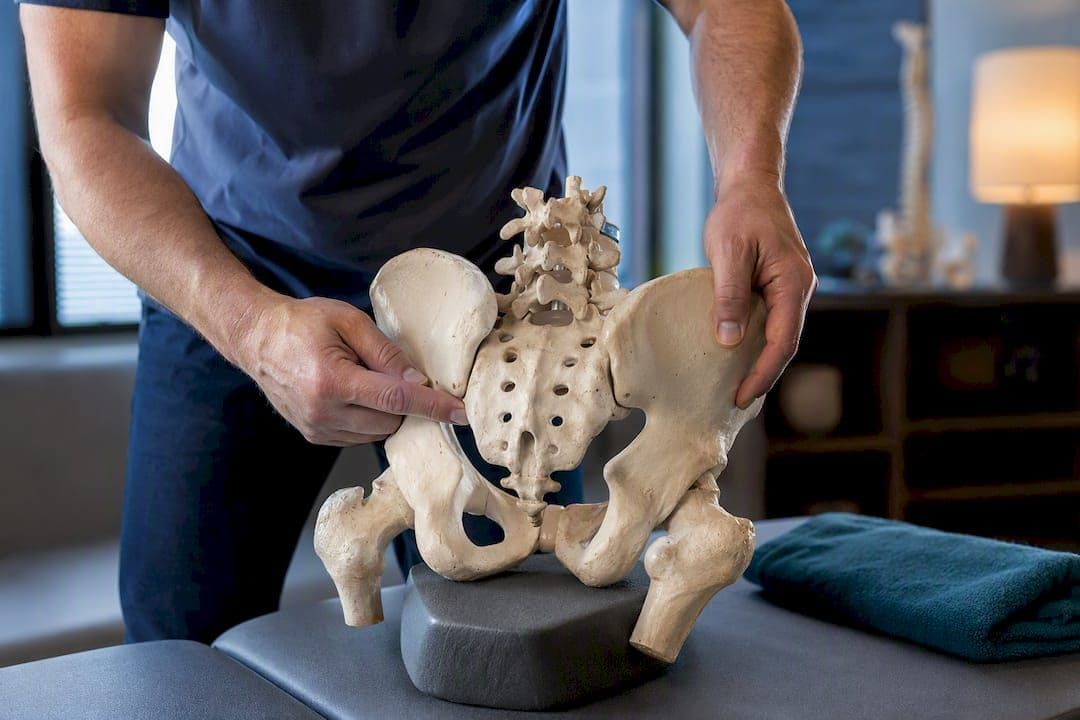
Sciatica results from irritation or compression of one or more nerve roots in the lower spine, specifically the L4, L5, and S1 levels. Those nerve roots merge to form the sciatic nerve, which is the longest and widest nerve in the human body. It runs from your lower back through your buttock, down the back of your thigh, past your knee, and all the way into your foot and toes.

When one of those nerve roots gets pinched, the pain, tingling, or weakness does not stay at the source. It travels down the nerve's entire path. That radiating pattern is what separates sciatica from a muscle strain or a disc problem without nerve involvement.

Here is what makes sciatica distinct from general back conditions:

  • Origin point: Pain starts in the low back or deep in the buttock, not across the whole back
  • Direction of travel: Symptoms move downward into the leg, often reaching below the knee and into the foot
  • Type of sensation: Nerve-related burning, electric, or shooting pain rather than a dull ache
  • One-sided presentation: Sciatica almost always affects one leg at a time, not both equally

Pro Tip: If your leg pain is worse than your back pain, that asymmetry is one of the clearest early signals of sciatica rather than a generalized back issue.

The leg-dominant radiating pattern is what clinicians use to triage suspected sciatica and distinguish it from other causes of leg pain like hamstring strain or hip pathology. A hamstring strain hurts when you stretch the muscle. Sciatica follows a specific nerve road map down your leg regardless of what muscle you are using.

Common signs and symptoms of sciatica

Sciatica pain identification comes down to recognizing a cluster of symptoms, not just one. Rarely does a single sensation tell the whole story.

The hallmark symptom is a sharp, burning pain that runs from your lower back or buttock down the back of one leg. Symptoms often extend into the foot and toes, and they can range from a dull throb to an electric jolt. Many people describe it as feeling like a hot wire running down their leg.

Alongside that pain, you may notice:

  • Tingling or "pins and needles" in the thigh, calf, or foot
  • Numbness in patches along the back of the leg
  • Muscle weakness when trying to lift the foot, flex the knee, or push off while walking
  • Pain that worsens when you sneeze, cough, sit for long periods, or make sudden movements
  • Relief when lying flat , particularly with the hips slightly flexed

One fact that surprises most people: back pain is usually less severe than leg pain in sciatica. If your back aches mildly but your leg burns or feels numb, that profile fits sciatica much more closely than a muscle injury.

Equally important is what is not sciatica. Back pain alone without leg symptoms is unlikely to be sciatica. If you have intense back pain but nothing travels into your leg, hip, or foot, the source is probably a different structure like a muscle, joint, or disc without nerve compression.

The leg-dominant symptom pattern also helps you distinguish sciatica from other conditions that cause leg discomfort. Peripheral vascular disease creates leg cramping tied to walking distance. Hip arthritis creates groin and hip pain with movement. Neither follows the nerve map that sciatica does.

Medical assessment and tests to diagnose sciatica

If you suspect sciatica, a clinician will use a combination of tools to assess it. There is no blood test or single scan that confirms sciatica outright. Diagnosis relies on symptom history combined with a physical exam , and that combination is what builds confidence in the diagnosis.

Here is the typical sequence a clinician follows:

  1. Symptom history: When did the pain start? Does it travel into your leg? What makes it better or worse? These questions are not filler. They are the core of sciatica diagnosis.
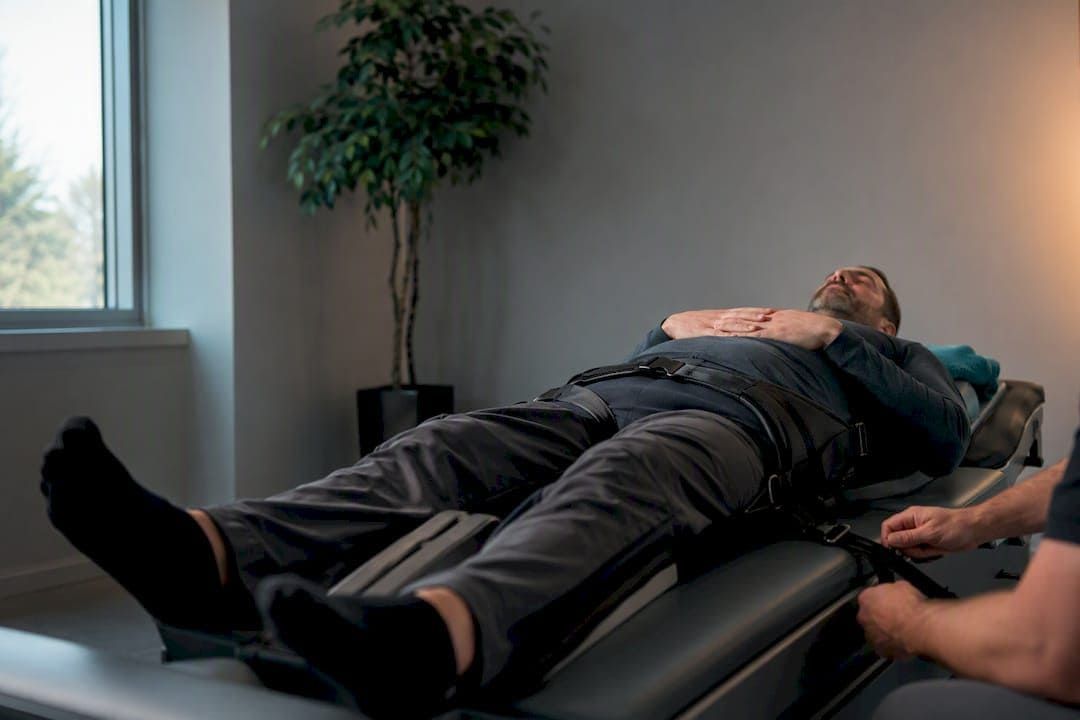
  2. Straight-leg raise (SLR) test: You lie flat while the clinician raises your leg with the knee straight. The test is positive when it reproduces your leg pain at less than 60 degrees of hip flexion. The SLR detects over 90% of radiculopathies caused by disc herniation, though it is better at detecting the problem than ruling other things out.
  3. Neurological exam: The clinician checks sensation, reflexes, and muscle strength in your legs and feet. Changes in your knee or ankle reflex, patches of numbness, or weakness in foot flexion all point toward specific nerve root involvement.
  4. Imaging: X-rays and MRIs are generally used to rule out other causes or confirm findings before surgery, not as a first-line diagnosis tool. Importantly, a normal neurologic exam does not rule out sciatica. Some patients have significant nerve irritation with minimal exam findings.

Assessment method What it tells you Limitation
Symptom history Identifies pain pattern and nerve distribution Relies on patient accuracy
Straight-leg raise test Detects nerve root irritation High sensitivity, low specificity
Neurological exam Identifies reflex, strength, sensation deficits Can appear normal even with sciatica
MRI or X-ray Shows structural cause like disc herniation Does not confirm sciatica alone

Pro Tip: Write down your symptoms before your appointment, including what makes the pain better or worse, where it travels, and how long it has lasted. Clinicians rely heavily on this detail, and patients who arrive prepared get more precise assessments.

signs of sciatica

Red flags that require urgent attention

Most sciatica is uncomfortable but not dangerous. There is, however, a serious condition called cauda equina syndrome that can develop when nerve compression becomes severe enough to affect the bundle of nerves at the base of the spinal cord. This is a neurosurgical emergency, and recognizing it early can prevent permanent damage.

Watch for these red flag symptoms:

  • Bladder dysfunction: Inability to urinate or, conversely, losing bladder control without warning
  • Bowel dysfunction: Loss of bowel control or inability to have a bowel movement
  • Saddle anesthesia: Numbness or tingling in the inner thighs, genitals, or the area that would contact a saddle
  • Bilateral leg weakness: Weakness or heaviness in both legs at the same time, not just one
  • Rapid worsening: Neurological symptoms that are deteriorating quickly over hours

Cauda equina syndrome is rare but serious , and delayed treatment significantly increases the risk of permanent loss of bladder, bowel, or sexual function. If you experience any combination of the symptoms above, do not wait for a scheduled appointment.

If you have bladder or bowel changes alongside leg pain or saddle numbness, go to an emergency room immediately. Hours matter with cauda equina syndrome.

It is also worth knowing that pain alone, even severe pain, is not typically a surgical emergency. The red flags above are specifically about neurological function, not pain intensity. A pain level of 10 out of 10 with normal bladder and bowel function is not the same emergency as milder pain paired with urinary retention.

When and how to seek care for sciatica

Once you have a working picture of your symptoms, the next step is deciding what to do about them. The answer depends on how severe and how persistent your symptoms are.

Seek care promptly if you notice:

  • Leg pain that has lasted more than four to six weeks without improvement
  • Symptoms that are getting worse rather than staying stable
  • Weakness in your leg that is affecting your ability to walk normally
  • Pain severe enough to interfere with sleep or daily function
  • Any of the red flag symptoms listed above

Documenting your symptoms before your appointment is one of the most practical steps you can take. Note when the pain started, which leg is affected, what movements trigger it, and whether anything relieves it. Include any recent changes in medication or activity and your full health history.

From there, clinical pathways for sciatica typically follow a progression. Most people start with conservative care including rest modification, anti-inflammatory medication, and guided movement. Physical therapy and chiropractic care often come next, targeting the mechanical causes of nerve compression through spinal decompression and manual therapy. Specialist referral is reserved for cases that do not improve or that involve significant neurological deficits.

One thing worth understanding about this process: most sciatica resolves within 12 weeks with the right care. That timeline is not a reason to delay treatment. Getting evaluated early means identifying the specific nerve root involved, selecting the most targeted approach, and avoiding the mistake of treating general back pain when the actual issue is nerve compression. If you want more detail on how to distinguish the two, this overview of sciatica causes is a useful starting point before your first appointment.

My take on what most people get wrong about sciatica

I have seen a lot of people arrive frustrated after weeks of treating back pain that never got better. In almost every case, the missing piece was the same: nobody had taken a close look at the leg symptoms.

In my experience, the biggest mistake people make is chasing the back pain. They get massages, they stretch their lumbar muscles, they take general pain relievers. None of it touches the actual problem because the problem is a compressed nerve root, not a tight muscle. When I ask where the pain actually hurts the most , the answer is almost always "down my leg." That answer is the diagnosis waiting to happen.

What I have also learned is that the emotional weight of uncertainty makes sciatica worse in a very real way. Not knowing what is causing that electric shooting pain down your leg is genuinely frightening. Patients who understand what is happening feel more in control, and that changes how they engage with treatment.

The other thing I want to be honest about: standard treatment is often too passive. Telling someone to rest and take ibuprofen for six weeks works for some people, but for a lot of patients, that approach lets the underlying mechanical problem compound. Early, targeted care including chiropractic adjustments and physical rehabilitation creates better outcomes in my observation than waiting it out alone.

Listen to your body when it sends signals beyond ordinary soreness. A nerve in distress communicates differently than a tired muscle. Trust that difference, document it, and get in front of someone who will actually examine the full picture.

Pain relief for sciatica at Essentialchirocare

If the symptoms in this article sound familiar, you do not have to figure out next steps alone. At Essentialchirocare, the clinical team specializes in treating the root cause of sciatica rather than managing symptoms in isolation.

Patients across Tampa, Brandon, Sarasota, Lakeland, and Pinellas Park have access to a full range of care options specifically designed for nerve-related pain. These include chiropractic care for spinal alignment and nerve decompression, hands-on physical rehabilitation to restore strength and mobility, and manual therapy tailored to the specific nerve root involved. The doctors at Essentialchirocare bring sports medicine backgrounds to every case, which means they are trained to assess movement patterns and neurological function together, not separately. You can schedule online, review service options, and connect with a provider at a location near you. The sooner you get an accurate picture of what is happening, the sooner you can start moving without pain.

FAQ

  • What are the main symptoms that identify sciatica?

    Sciatica causes a sharp or burning pain that travels from the lower back or buttock down one leg, often reaching below the knee. Tingling, numbness, and leg weakness frequently accompany the pain, and symptoms typically worsen with sneezing, coughing, or prolonged sitting.

  • How is sciatica different from regular back pain?

    Sciatica is defined by leg-dominant symptoms that follow the path of the sciatic nerve. Back pain without any radiating leg symptoms is unlikely to be sciatica, as the nerve involvement is what creates the characteristic downward spread of pain.

  • What is the straight-leg raise test and what does it show?

    The straight-leg raise test involves lifting the patient's extended leg while they lie flat. Reproduction of leg pain below 60 degrees of hip flexion is considered a positive result and suggests nerve root irritation consistent with sciatica.

  • When should I go to the emergency room for sciatica symptoms?

    Go to the emergency room immediately if you experience bladder or bowel dysfunction, numbness in the saddle area, or weakness in both legs simultaneously. These are signs of cauda equina syndrome, which is a medical emergency requiring urgent evaluation.

  • Can a normal MRI or physical exam rule out sciatica?

    No. A normal neurological exam or normal imaging does not exclude sciatica. Symptom history is the most important diagnostic tool, and many patients have confirmed sciatica despite unremarkable imaging findings.

Recommended

holistic chiropractor Brandon FL
By Essential ChiroCare Blogger June 3, 2026
Learn how a holistic chiropractor in Tampa supports full-body wellness with care that fits Brandon’s hot, humid summers and daily movement needs.
what is active rehabilitation
By Essential ChiroCare Blogger June 2, 2026
Discover what active rehabilitation is and how it transforms your recovery. Embrace evidence-based movement for faster healing today!
how stress affects the spine
By Essential ChiroCare Blogger June 1, 2026
Discover how stress affects the spine and learn effective strategies to alleviate pain and improve your spinal health. Take control today!
migraine chiropractor Tampa
By Essential ChiroCare Blogger May 31, 2026
Learn how sunshine, sleep, and hydration habits can affect headaches, and how a migraine chiropractor in Tampa may help ease tension this summer.
back strain after moving
By Essential ChiroCare Blogger May 30, 2026
Lifting in the Tampa heat can strain your body. Learn when it’s time to see a back adjustment chiropractor in Sarasota for longer-lasting pain.
best practices in pain management
By Essential ChiroCare Blogger May 29, 2026
Discover the best practices in pain management to find effective relief. Learn evidence-based strategies for a healthier, pain-free life.
post accident care checklist
By Essential ChiroCare Blogger May 28, 2026
Streamline your healing with our essential post-accident care checklist. From legal steps to mental health tips, ensure a full recovery!
what is therapeutic massage
By Essential ChiroCare Blogger May 27, 2026
Discover what therapeutic massage is and how it can provide effective pain relief and promote healing. Transform your recovery today!
chiropractic benefits workflow
By Essential ChiroCare Blogger May 26, 2026
Discover the chiropractic benefits workflow for effective pain relief. Learn how structured care empowers your recovery journey. Start today!
what is chronic whiplash
By Essential ChiroCare Blogger May 25, 2026
Discover what chronic whiplash really means. This complete recovery guide unveils treatments and insights for lasting relief. Click to learn more!
Show More