
Types of Chiropractic Therapies: Your 2026 Guide
TL;DR:
- Chiropractic therapy offers various manual, instrument-assisted, and soft tissue techniques to treat musculoskeletal issues. Most chiropractors use the Diversified Technique, which accounts for about 70% of patient visits, but alternative methods like Activator or SOT are gentler options. Combining different therapies tailored to each patient improves long-term outcomes and safety, especially for sensitive or elderly individuals.
Chiropractic therapy is defined as a system of manual and instrument-assisted treatments targeting the musculoskeletal system to reduce pain, restore movement, and support overall wellness. The types of chiropractic therapies available today span far beyond a single spinal crack. The Diversified Technique is used by 96% of chiropractors and accounts for roughly 70% of all patient visits, making it the most widely practiced method in the field. Techniques like the Gonstead method, Activator Method, and Flexion-Distraction each serve distinct patient needs. Modern chiropractic care integrates multiple modalities, and understanding your options puts you in a stronger position to choose the right path forward.

1. What are the most common manual chiropractic adjustment techniques?
Manual chiropractic adjustments are the foundation of spinal care. They involve a practitioner applying controlled force to specific joints to correct alignment, reduce nerve irritation, and restore range of motion.
The Diversified Technique
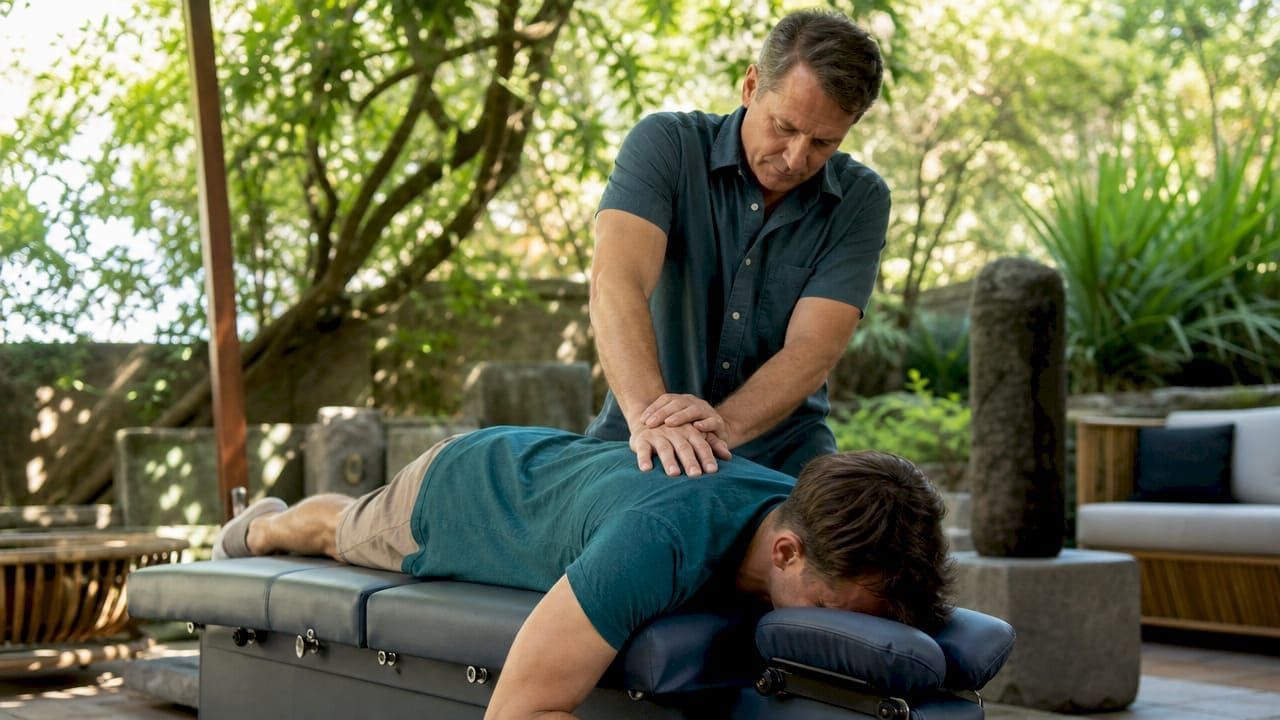
The Diversified Technique is the most widely used chiropractic treatment technique in clinical practice. It uses a high-velocity, low-amplitude thrust applied by hand to a specific spinal segment. The technique produces the familiar audible "pop," which is simply gas releasing from the joint capsule. Patients with general back pain, neck stiffness, and joint restrictions respond well to this method.
The Gonstead Technique
The Gonstead Technique is one of the most precise manual approaches in chiropractic care. Practitioners use X-rays, a nervoscope (a heat-sensing instrument), and detailed postural analysis before making any adjustment. This level of diagnostic rigor makes Gonstead particularly effective for patients with complex spinal issues or those who have not responded to other methods. Activator Methods are used by 62.8% of chiropractors, while Gonstead is practiced by 58.5%, reflecting how specialized these techniques remain.
The Thompson Drop-Table Technique
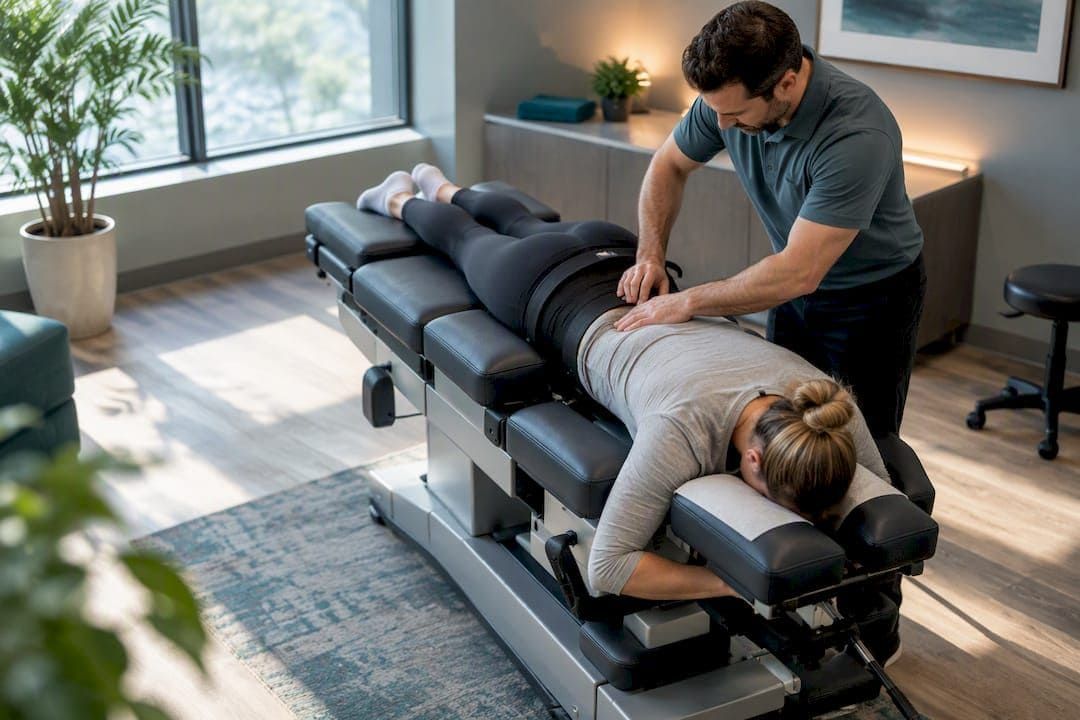
The Thompson Drop-Table Technique uses a segmented table with sections that drop slightly as the chiropractor applies a thrust. The drop reduces the force needed, making the adjustment gentler than a standard Diversified thrust. This method works well for patients with hip imbalances, leg length discrepancies, and lower back pain.
| Technique | Primary Method | Best For | Force Level |
|---|---|---|---|
| Diversified | High-velocity thrust | General back and neck pain | High |
| Gonstead | X-ray guided, precise thrust | Complex spinal conditions | High |
| Thompson Drop-Table | Drop-assisted thrust | Hip and lower back issues | Moderate |
Pro Tip: Ask your chiropractor whether they use X-ray analysis before your first adjustment. Gonstead practitioners typically require imaging, which can reveal structural issues that change the entire treatment approach.
2. How do instrument-assisted and specialized chiropractic methods work?
Instrument-assisted techniques deliver precise, controlled force without the manual thrust used in Diversified or Gonstead adjustments. These methods are quieter, gentler, and often preferred by patients who feel anxious about manual manipulation.
The Activator Method
The Activator Method uses a small, spring-loaded handheld device to deliver a quick, low-force impulse to a specific joint or vertebra. Non-thrust techniques like the Activator produce no popping sounds and are popular among elderly patients and those with acute sensitivity. The device allows the chiropractor to target a single joint with accuracy that is difficult to replicate by hand alone.
Flexion-Distraction Therapy
Flexion-Distraction is a non-thrusting technique performed on a specialized table that gently stretches and flexes the spine. It is the primary chiropractic method for treating disc herniations, spinal stenosis, and sciatica. Flexion-Distraction is often more effective and preferred in acute injury cases than traditional high-force adjustments. Patients with disc-related leg pain frequently report significant relief after a series of sessions.
Sacro-Occipital Technique (SOT)
The Sacro-Occipital Technique uses soft wedge-shaped blocks placed under the pelvis to allow gravity and the patient's own body weight to correct sacral and pelvic alignment. No thrusting is involved. SOT is particularly useful for patients with chronic pelvic instability or those who cannot tolerate any manual force.
Gentler methods are the right choice in these situations:
- Elderly patients with reduced bone density
- Patients in acute pain who cannot tolerate high-force contact
- Individuals with osteoporosis or recent fractures
- Patients with high anxiety around manual manipulation
- Post-surgical cases where spinal hardware is present
Pro Tip: Choosing the right technique depends entirely on your condition and tolerance. Tell your chiropractor about any past surgeries, fractures, or anxiety about adjustments before your first session. That information directly shapes which method is safest for you.
3. What role do soft tissue therapies play in chiropractic treatment?
Soft tissue therapies address the muscles, tendons, ligaments, and fascia surrounding the spine and joints. Adjustments correct bone and joint position, but soft tissue work releases the tension that pulls everything back out of alignment.
Myofascial Release
Myofascial release applies sustained pressure to the connective tissue (fascia) to release restrictions and restore normal movement. Tight fascia limits joint mobility and contributes to chronic pain patterns. This technique is slow and deliberate, often lasting several minutes on a single area.
Trigger Point Therapy
Trigger point therapy targets specific knots within muscle tissue that refer pain to other areas of the body. A trigger point in the upper trapezius, for example, commonly causes headaches. Direct pressure held on the trigger point causes it to release, reducing both local and referred pain.
Instrument-Assisted Soft Tissue Mobilization (IASTM)
IASTM uses stainless steel tools to detect and break down scar tissue and fascial adhesions. It is widely used for sports injuries, tendinopathies, and post-surgical scar tissue. Soft tissue therapies are integrated in 72% of chiropractic clinics as of 2024, reflecting how central these methods have become to modern care.
Patients who benefit most from soft tissue therapies include:
- Athletes recovering from muscle strains or overuse injuries
- Office workers with chronic neck and shoulder tension
- Patients with scar tissue from prior surgeries
- Individuals with fibromyalgia or widespread muscle pain
- Anyone whose spinal adjustments are not holding between visits
Pro Tip: If your adjustments feel like they "wear off" within a day or two, ask about adding soft tissue work to your plan. Tight muscles and restricted fascia are often what pull the spine back out of alignment.

4. How do chiropractors customize treatment using multiple therapy types?
The chiropractic profession divides practitioners into two broad categories: "straights" and "mixers." Straights focus exclusively on spinal adjustments. Mixers combine adjustments with soft tissue therapy, rehabilitative exercises, and physiotherapy modalities.
85% of chiropractors follow the mixer model today. That number reflects a profession-wide shift toward multimodal care, driven by clinical evidence that combined approaches produce better outcomes than adjustments alone. Patients treated with multimodal chiropractic care consistently show greater long-term mobility and pain relief than those receiving spinal manipulation only.
What happens at your first chiropractic visit
Initial consultations typically last 30–60 minutes and include a full health history, postural assessment, range-of-motion testing, and often X-rays. The chiropractor uses this information to build a treatment plan before any hands-on care begins. That plan specifies which techniques will be used, in what order, and how frequently.
Practitioners typically master 3–5 core techniques out of more than 130 available, tailoring their approach to each patient's biomechanical profile. A sports injury patient and a 70-year-old with spinal stenosis will receive entirely different plans from the same chiropractor.
| Therapy Type | Primary Application | Key Benefit | Best Patient Profile |
|---|---|---|---|
| Diversified Adjustment | General spinal correction | Fast, broad joint mobilization | Adults with back or neck pain |
| Flexion-Distraction | Disc herniations, stenosis | Gentle decompression | Acute or disc-related pain |
| Activator Method | Precise low-force correction | No audible pop, minimal discomfort | Elderly or anxious patients |
| Myofascial Release | Fascial restrictions | Improved mobility and tissue health | Chronic tension, post-injury |
| Rehabilitative Exercise | Strength and stability | Long-term structural support | All patients in maintenance care |
The benefits of chiropractic methods compound when therapies are layered. A patient receiving Gonstead adjustments alongside trigger point therapy and targeted core exercises will typically hold their corrections longer and experience fewer relapses than one receiving adjustments alone.
Key Takeaways
The most effective chiropractic care combines specific adjustment techniques with soft tissue therapy and rehabilitative exercises, tailored to each patient's condition and tolerance.
| Point | Details |
|---|---|
| Diversified is the most used technique | 96% of chiropractors use it, covering roughly 70% of all patient visits. |
| Instrument-assisted methods suit sensitive patients | Activator and SOT produce no popping sounds and work well for elderly or anxious patients. |
| Soft tissue work prevents relapse | 72% of clinics integrate soft tissue therapies to support and sustain spinal adjustments. |
| Most chiropractors are mixers | 85% combine spinal adjustments with soft tissue, rehab, and physiotherapy modalities. |
| Customization starts at the first visit | Initial consultations last 30–60 minutes and include diagnostics before any treatment begins. |
What I've learned about picking the right chiropractic technique
Patients often arrive expecting a loud pop and leave disappointed when they don't get one. That expectation is one of the most persistent misconceptions in chiropractic care. Some of the most effective adjustments I've seen produce no sound at all. The Activator Method and SOT deliver real, measurable results without any audible release. Equating the pop with effectiveness is like judging a surgeon by how loud the incision sounds.
The other thing I've noticed is that practitioners who try to master every available technique often deliver mediocre results across the board. The most successful chiropractors focus on 3–5 techniques they know deeply, not 20 they know superficially. Depth beats breadth every time in clinical practice.
What actually moves the needle for patients is the combination of a well-chosen adjustment technique, consistent soft tissue work, and exercises that reinforce the correction between visits. When patients understand why each part of their plan exists, they follow through. And when they follow through, they get better faster and stay better longer. Patient education is not a soft skill. It is a clinical tool.
Chiropractic care at Essentialchirocare: built around your condition
Essentialchirocare serves patients across Tampa, Brandon, Sarasota, Lakeland, and Pinellas Park with personalized chiropractic care designed around each patient's specific condition, history, and goals. Every treatment plan starts with a thorough evaluation before any hands-on therapy begins.
The clinic's doctors bring backgrounds in sports medicine and rehabilitation, which means they are equipped to select from the full range of manual, instrument-assisted, and soft tissue techniques. Whether you are managing a disc herniation, recovering from a sports injury, or addressing chronic back pain, Essentialchirocare builds a plan that matches your needs. You can schedule a consultation online and get a clear picture of which therapies are right for you before your first visit.
FAQ
What is the most common type of chiropractic therapy?
The Diversified Technique is the most common chiropractic therapy, used by 96% of chiropractors and applied in roughly 70% of patient visits. It uses a high-velocity, low-amplitude manual thrust to correct spinal joint alignment.
Do all chiropractic adjustments make a popping sound?
No. Techniques like the Activator Method and Sacro-Occipital Technique produce no audible sound and are just as clinically effective as manual thrusting methods for the right patient.
How do chiropractors decide which technique to use?
Chiropractors select techniques based on a patient's health history, diagnostic findings, pain level, and physical tolerance. Initial consultations typically last 30–60 minutes and include range-of-motion testing and often X-rays before any treatment begins.
What are the benefits of combining chiropractic methods?
Combining spinal adjustments with soft tissue therapy and rehabilitative exercises produces better long-term outcomes than adjustments alone. Clinical experts recommend multimodal chiropractic care for sustained mobility and pain relief.
Is chiropractic care safe for elderly patients?
Yes. Low-force techniques like the Activator Method and Flexion-Distraction are specifically suited for elderly patients or those with reduced bone density, delivering effective care without the force levels used in standard manual adjustments.