Chiropractic and Aging Well: A Practical Guide for Older Adults
Chiropractic and Aging Well: A Practical Guide for Older Adults
TL;DR:
- Chiropractic care can improve mobility, reduce pain, and support balance in older adults as part of a comprehensive aging-well plan. It addresses common functional issues through gentle manual therapy, therapeutic exercise, and patient education, but requires proper screening for safety. Combining chiropractic with medical and physical activity strategies helps maintain independence and safety for the aging population.
Chiropractic care can be an effective non-drug component of an aging-well plan for many older adults when it's integrated with medical care and regular exercise. The people who benefit most are those dealing with spine-related pain, stiffness, and mobility loss — not every older adult needs it, but for the right candidate, it addresses several of the most common functional complaints at once.
Quick summary:
- Mobility and pain: Spinal manipulation, joint mobilization, and therapeutic exercise can reduce musculoskeletal pain and improve range of motion in older adults.
- Balance support: Multimodal chiropractic care targets several modifiable fall-risk factors, though systematic reviews find limited high-quality evidence that it directly reduces fall rates.
- Non-drug pain management: Chiropractic offers a meaningful alternative or complement to analgesics, which carry higher risks in older patients.
- Realistic limits: Chiropractic does not reverse osteoarthritis, and evidence for some outcomes remains thin. It works best as part of a broader care team.
- Safety first: Anyone with recent unexplained weight loss, progressive neurologic deficits, severe osteoporosis, or a cancer history should get medical clearance before starting spinal manipulation.
By 2030, nearly 20% of U.S. residents will be 65 or older. Demand for musculoskeletal services that keep people functional and independent is only going to grow. If you're planning your aging-well strategy, a consultation with a chiropractor experienced in geriatric care is worth considering — especially if pain or stiffness is already limiting what you can do.

Table of Contents
- How does chiropractic care preserve and restore mobility in later life?
- Can chiropractic care support balance and lower your fall risk?
- What non-drug pain-management options do chiropractors use for older adults?
- How chiropractic care improves posture, reduces stiffness, and increases daily comfort
- How does chiropractic care support joint health beyond the spine?
- How nervous-system function affects movement quality and what chiropractic does about it
- How often do older adults typically receive chiropractic care?
- Safety, screening, and contraindications: who needs extra caution?
- What does a typical chiropractic visit look like for an older adult?
- How do you coordinate chiropractic care with your primary care team?
- How do you set realistic goals and know when to reassess?
- A practical daily and weekly checklist to support aging well with chiropractic care
- What does the evidence say, and how does Essentialchirocare apply it?
- Key Takeaways
- What working with older patients has taught me about what actually matters
- Essentialchirocare offers older adults a structured path to better function
- Useful sources and further reading
How does chiropractic care preserve and restore mobility in later life?
Mobility is the currency of independence. The ability to climb stairs without gripping the railing, carry groceries from the car, or rise from a chair without pushing off the armrests — these aren't small things. Lose them, and the downstream effects on confidence, social engagement, and overall health compound quickly.
Chiropractic care addresses mobility through several overlapping mechanisms:
- Spinal manipulation restores segmental motion at restricted vertebral joints, reducing the stiffness that limits bending, turning, and reaching.
- Joint mobilization uses lower-force, oscillatory movements to improve range of motion in both spinal and peripheral joints without the cavitation associated with high-velocity adjustments.
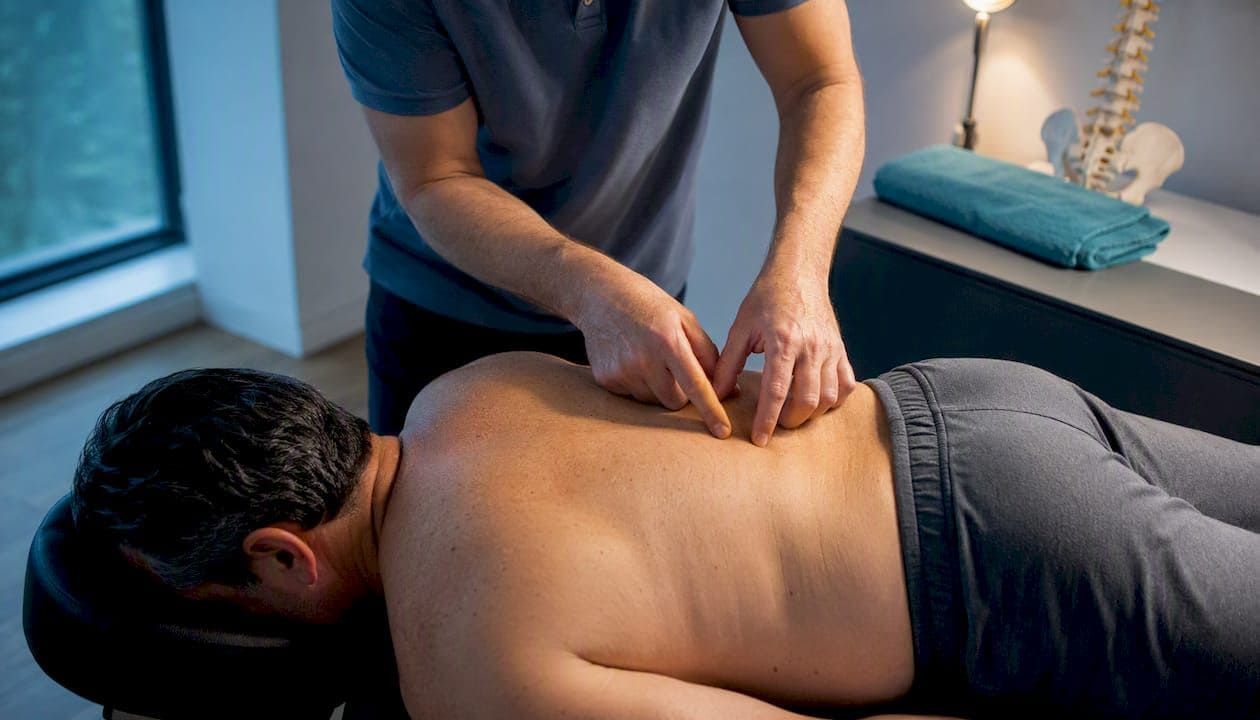
- Soft-tissue therapy (myofascial release, trigger-point work) reduces muscle guarding and fascial restriction that often accompany chronic joint stiffness.
- Therapeutic exercise builds the strength and neuromuscular control needed to sustain mobility gains between visits.
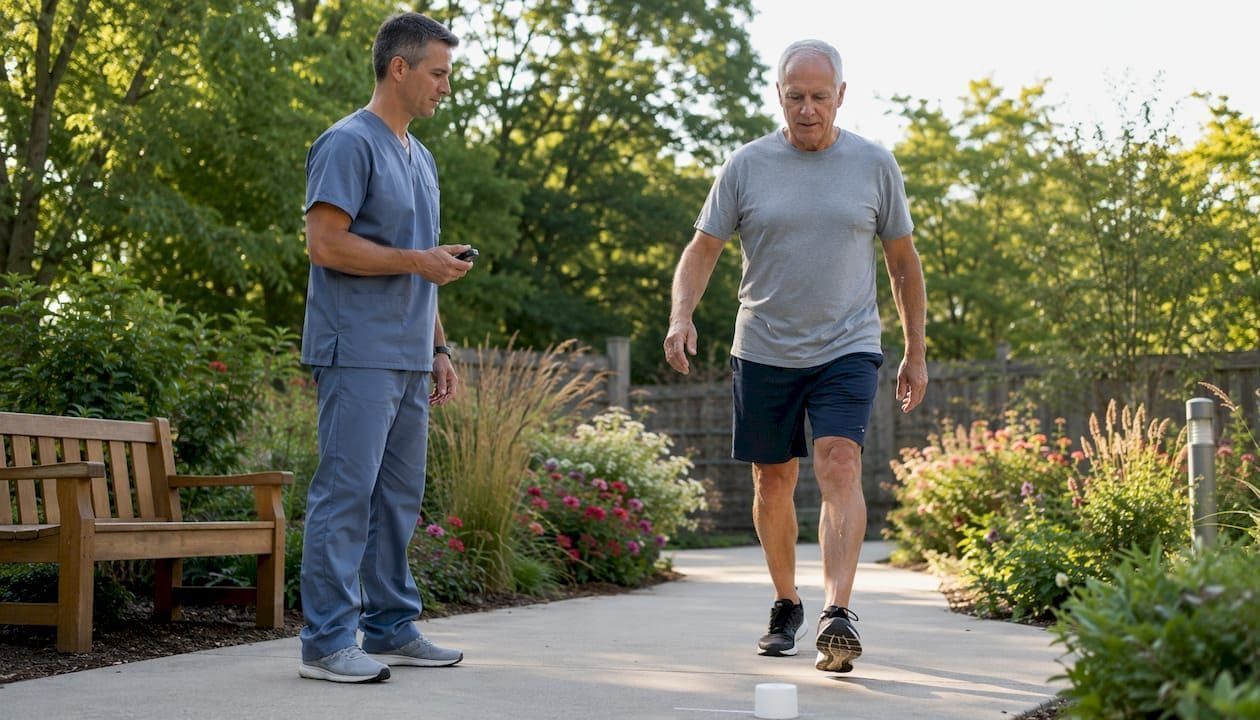
Clinicians typically measure progress with objective tools: goniometric range-of-motion testing, the Timed Up-and-Go (TUG) test, and the 30-second sit-to-stand. A realistic short-term goal might be improving TUG time by two seconds over six weeks, or adding four reps to a 30-second sit-to-stand. Those numbers translate directly to safer stair-climbing and reduced fall risk.
Pro Tip: Before your first visit, write down three specific physical tasks that have become harder in the past year. Bring that list. Concrete functional goals give your chiropractor a measurable target and give you a way to track whether care is working.
When mobility changes rapidly, involves one side of the body, or comes with numbness, weakness, or bladder changes, that's a red flag requiring medical evaluation before any manual therapy begins.
Can chiropractic care support balance and lower your fall risk?
Falls are the leading cause of injury-related death among adults 65 and older in the United States, according to the CDC. Chiropractic care doesn't eliminate that risk, but it can address several of the modifiable factors that contribute to it.
The pathways are plausible and clinically logical:
- Reducing spinal and lower-extremity pain improves gait mechanics. When it hurts to push off the floor, people shorten their stride and lose the heel-toe pattern that stabilizes walking.
- Improving joint mobility in hips and ankles increases step clearance, which matters on uneven surfaces and stairs.
- Proprioceptive input from manual therapy may help recalibrate the sensorimotor system, which degrades with age and contributes to postural sway.
- Exercise programs targeting hip abductors, ankle dorsiflexors, and core stability directly address the muscle groups most involved in balance recovery.
- Home-hazard counseling and fall-risk education give patients practical environmental modifications they can act on immediately.
That said, systematic reviews on chiropractic care for fall prevention find the mechanistic rationale promising but the direct clinical evidence limited. Few large, adequately powered trials have measured actual fall rates as a primary outcome. The honest answer is: chiropractic likely helps with the inputs to balance, but whether that translates to fewer falls in a statistically meaningful way hasn't been proven at scale yet.
Pro Tip: Ask your chiropractor to administer the Timed Up-and-Go test at your first visit and again every four to six weeks. A score above 12 seconds is associated with increased fall risk. Tracking it gives you a concrete number to improve, not just a vague sense of "feeling steadier."
Clinicians should screen for fall history, medication side effects (particularly sedatives, antihypertensives, and diuretics), and vision changes. When fall risk is high, a formal fall-prevention program such as the CDC's STEADI initiative may be the appropriate referral alongside chiropractic care.
What non-drug pain-management options do chiropractors use for older adults?
Older adults face a real pharmacological problem. Many analgesics that work well in younger patients carry elevated risks in aging bodies: NSAIDs increase gastrointestinal bleeding and cardiovascular risk, opioids accelerate cognitive decline and fall risk, and muscle relaxants cause sedation. Chiropractic care offers a meaningful non-drug alternative.
Common modalities used in older adult care include:
- Spinal manipulation and mobilization: The core chiropractic intervention. Cleveland Clinic describes it as a licensed manual therapy that can reduce pain, improve range of motion, and complement traditional medical care.
- Soft-tissue therapy: Myofascial release, instrument-assisted soft-tissue mobilization, and trigger-point therapy for muscle-driven pain.
- Therapeutic exercise: Prescribed movement to address the underlying mechanical contributors to pain.
- Acupuncture: Increasingly offered by chiropractors as an adjunct for chronic pain management.
- Patient education: Understanding pain mechanisms reduces fear-avoidance behavior, which is itself a driver of chronic pain.
Evidence for spine-related pain is the strongest. For osteoarthritis symptom management, chiropractic care shows benefit for pain and function, though it does not alter the underlying joint degeneration. Outcomes are typically measured with numeric rating scales (NRS) for pain and condition-specific function tools.
Safety considerations are non-negotiable for this population. Patients on anticoagulants (warfarin, apixaban, rivaroxaban) require modified techniques. Severe osteoporosis changes which interventions are appropriate. Any new onset of back pain in an older adult with a cancer history needs imaging before manual therapy. Chiropractors trained in geriatric care know to screen for these factors at intake.
Surveys reported in peer-reviewed commentary note that more than 90% of chiropractors provide nutritional advice and most recommend therapeutic exercise — a scope that positions them well to address the lifestyle contributors to chronic pain alongside hands-on treatment and integrate at-home wellness programs for enhanced patient support.
How chiropractic care improves posture, reduces stiffness, and increases daily comfort
Two of the most common postural changes in older adults are thoracic kyphosis (the forward rounding of the upper back) and forward head posture. Neither is purely cosmetic. Thoracic kyphosis shifts the center of gravity forward, increasing fall risk and compressing the lungs. Forward head posture adds mechanical load to the cervical spine and contributes to chronic neck and shoulder pain.
Chiropractic interventions for posture and stiffness typically include:
- Manual correction: Thoracic mobilization and manipulation to restore extension range of motion in the upper back.
- Soft-tissue release: Addressing the shortened pectoral muscles and hip flexors that reinforce poor posture.
- Mobility exercises: Daily thoracic extension over a foam roller, chin tucks, and hip flexor stretches that patients can do at home.
- Ergonomic advice: Adjustments to chair height, monitor position, and sleeping posture that reduce cumulative mechanical stress.
A few things you can start today without a clinic visit: set a phone alarm every 45 minutes to stand and do five thoracic extensions against a wall. When sitting, keep your feet flat on the floor and your hips slightly higher than your knees. These aren't cures, but they interrupt the postural patterns that compound over years.
Pro Tip: Take a side-profile photo of yourself standing naturally. Compare it every eight weeks during care. Postural change is gradual and easy to miss in the mirror, but a photo makes progress visible and keeps motivation high.
Rapid postural worsening, new onset of neurologic symptoms (arm weakness, hand numbness), or difficulty swallowing associated with neck changes all warrant medical evaluation before continuing manual therapy.
How does chiropractic care support joint health beyond the spine?
The spine gets most of the attention, but chiropractors regularly treat peripheral joints: hips, knees, shoulders, ankles, and wrists. For older adults, this matters because osteoarthritis affects these joints as commonly as the spine, and the functional consequences are just as significant.
What chiropractors can realistically offer for peripheral joint health:
- Joint mobilization: Low-force techniques to improve range of motion and reduce pain in arthritic joints.
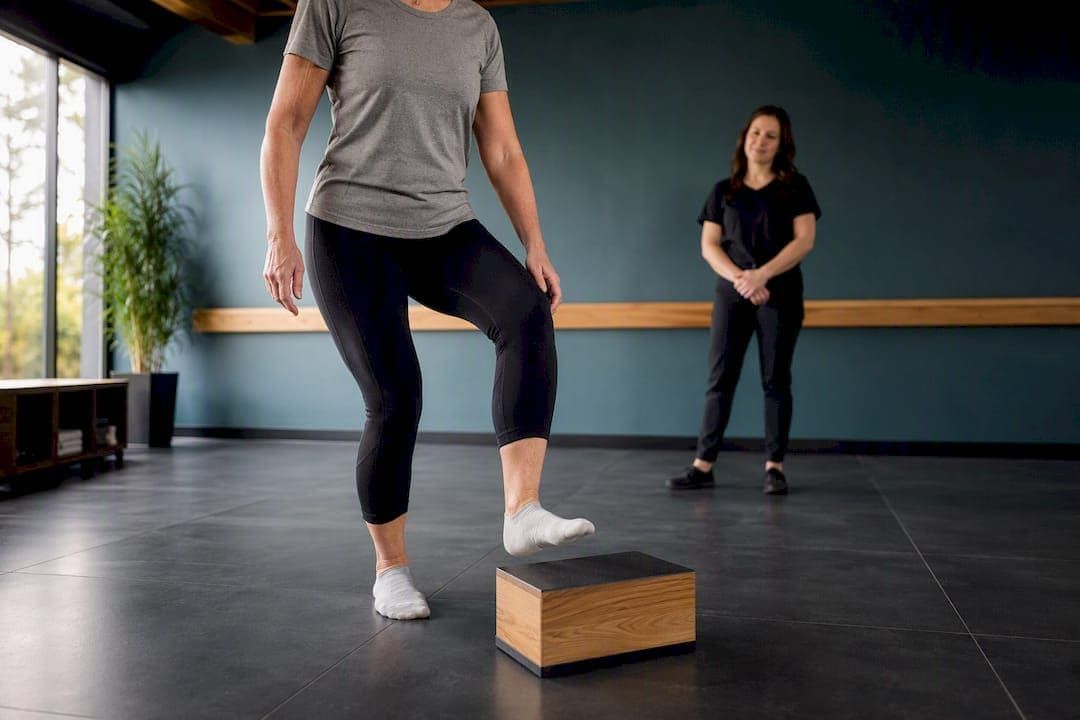
- Exercise prescription: Staged progressions that build strength around a compromised joint without overloading it. For a knee with moderate osteoarthritis, this might start with seated leg presses and progress to step-ups over several weeks.
- Offloading strategies: Gait retraining, footwear advice, and activity modification to reduce compressive load on affected joints.
- Weight management counseling: Every pound of body weight adds roughly four pounds of force across the knee joint during walking. Chiropractors can support weight management through nutritional guidance and exercise programming.
The evidence is clear on one point: chiropractic care manages osteoarthritis symptoms but does not reverse structural joint degeneration. Realistic goals are reduced pain, improved function, and maintained independence — not a new joint. A consensus update on best practices for chiropractic care of older adults found that manipulation and mobilization contribute to positive outcomes beyond pain reduction when combined with exercise and education.
When joint pain is severe, rapidly worsening, accompanied by significant swelling, or unresponsive to conservative care after a reasonable trial, referral to orthopedics or rheumatology is appropriate. Diagnostic imaging (X-ray, MRI) may be needed to rule out fracture, inflammatory arthritis, or surgical candidacy before continuing manual therapy.
How nervous-system function affects movement quality and what chiropractic does about it
Proprioception — the body's sense of its own position in space — degrades with age. Mechanoreceptors in joint capsules, muscles, and tendons send less accurate signals to the brain, and the brain's processing of those signals slows. The result is subtly impaired movement: a slightly unsteady gait, slower postural corrections, and reduced confidence on uneven ground.
Chiropractic care targets this system in several ways:
- Manual therapy stimulates mechanoreceptors in spinal joints and surrounding soft tissue, potentially improving the quality and speed of proprioceptive input to the central nervous system.
- Targeted exercise (single-leg balance, perturbation training, gait drills) trains the neuromuscular system to respond faster and more accurately to balance challenges.
- Pain reduction itself improves movement quality. Chronic pain alters motor patterns as the nervous system routes movement around painful areas. Reducing pain allows more efficient, natural movement to return.
- Patient education addresses fear-avoidance, which is a learned behavioral response to pain that restricts movement and accelerates functional decline.
A practical example: an older adult with chronic low back pain often develops a shortened, shuffling gait to avoid pain at push-off. After a course of spinal manipulation and targeted exercise, gait speed and stride length typically improve — not because the spine is "fixed," but because pain is reduced and the neuromuscular system is no longer compensating around it.
How often do older adults typically receive chiropractic care?
Care frequency in chiropractic follows a phased model, and understanding the phases helps set realistic expectations about time and cost.
- Initial phase (weeks 1–4): Assessment, diagnosis, and short-term symptom relief. Visits are typically two to three times per week. The goal is reducing pain and identifying the functional deficits driving the problem.
- Corrective phase (weeks 4–12): Regular visits (one to two per week) focused on restoring function, building strength, and addressing the underlying mechanical contributors. This is where therapeutic exercise becomes central.
- Maintenance phase (ongoing): Less frequent visits (monthly or every six to eight weeks) aimed at preventing recurrence and preserving the gains made during active care. This phase has a distinct clinical intent from wellness care.
It's worth understanding the distinction. Maintenance care is secondary or tertiary prevention — it's for someone who has improved and wants to stay that way. Wellness care is primary prevention for someone who is currently asymptomatic and wants to optimize function. Both are legitimate goals; they just have different clinical rationales.
For acute low back pain, a typical course might be eight to twelve visits over six to eight weeks. For an older adult managing chronic stiffness and mobility maintenance, monthly visits combined with a home exercise program is a common long-term model.
Clinicians use objective measures to guide frequency decisions. The Timed Up-and-Go, 30-second sit-to-stand, and patient-reported outcome measures (like the Oswestry Disability Index or PROMIS scales) provide data points that justify continuing, reducing, or stopping care. If there's no meaningful improvement after four to six weeks of consistent treatment, the plan needs to change.
Safety, screening, and contraindications: who needs extra caution?
Chiropractic care is generally safe for older adults when delivered by a trained clinician who screens appropriately. The key word is "screens." Not every older adult is a candidate for high-velocity spinal manipulation, and a good chiropractor will tell you that directly.
Red flags that require medical workup before manual therapy:
- Recent unexplained weight loss (possible malignancy)
- Progressive neurologic deficits (weakness, sensory loss, bladder or bowel changes)
- Severe or worsening pain at rest or at night
- Known or suspected severe osteoporosis (particularly with recent fracture)
- Cancer history, especially with bone involvement
- Anticoagulation therapy without medical clearance for manual therapy
- Acute inflammatory arthritis flare
Screening checklist items used in clinical practice:
- Falls history in the past 12 months (number, circumstances, injuries)
- Bone health status (DEXA scan results, fracture history)
- Current medication list (anticoagulants, corticosteroids, sedatives, antihypertensives)
- Gait and balance assessment (TUG, single-leg stance)
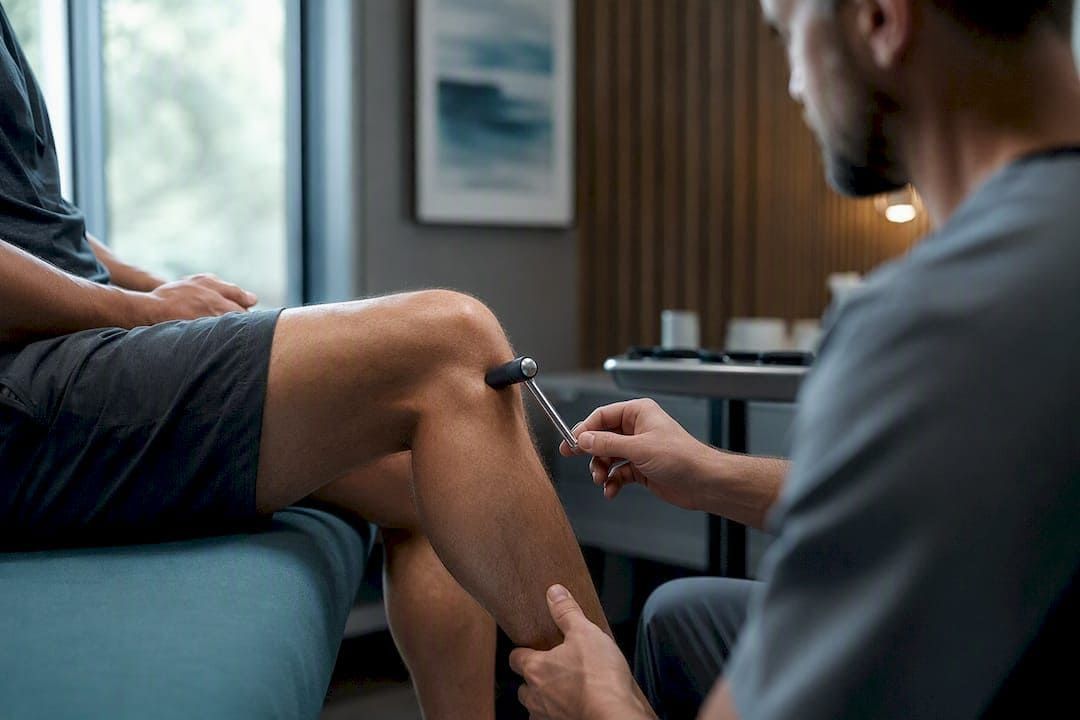
- Neurologic screen (reflexes, sensation, strength)
- Cardiovascular history (vertebrobasilar insufficiency screening for cervical manipulation)
For patients with frailty or low bone density, chiropractors modify their approach significantly. High-velocity manipulation may be replaced with low-force mobilization, drop-table techniques, or instrument-assisted adjusting. Soft-tissue work and exercise become the primary tools. The goal is the same; the method adapts to the patient.
Pro Tip: Bring your complete medication list to your first visit, including over-the-counter supplements. Blood thinners, corticosteroids, and even high-dose fish oil affect bleeding risk and tissue fragility. Your chiropractor needs this information to choose the safest techniques.
When a patient is on anticoagulation therapy or has complex multimorbidity, direct communication with the primary care provider before beginning or continuing manipulation is best practice, not optional.
What does a typical chiropractic visit look like for an older adult?
Knowing what to expect removes the anxiety from a first appointment. Here's how a well-structured visit typically flows:
- Intake and medical history: Comprehensive review of current complaints, medical history, medications, prior imaging, and surgical history. Falls history and functional goals are documented here.
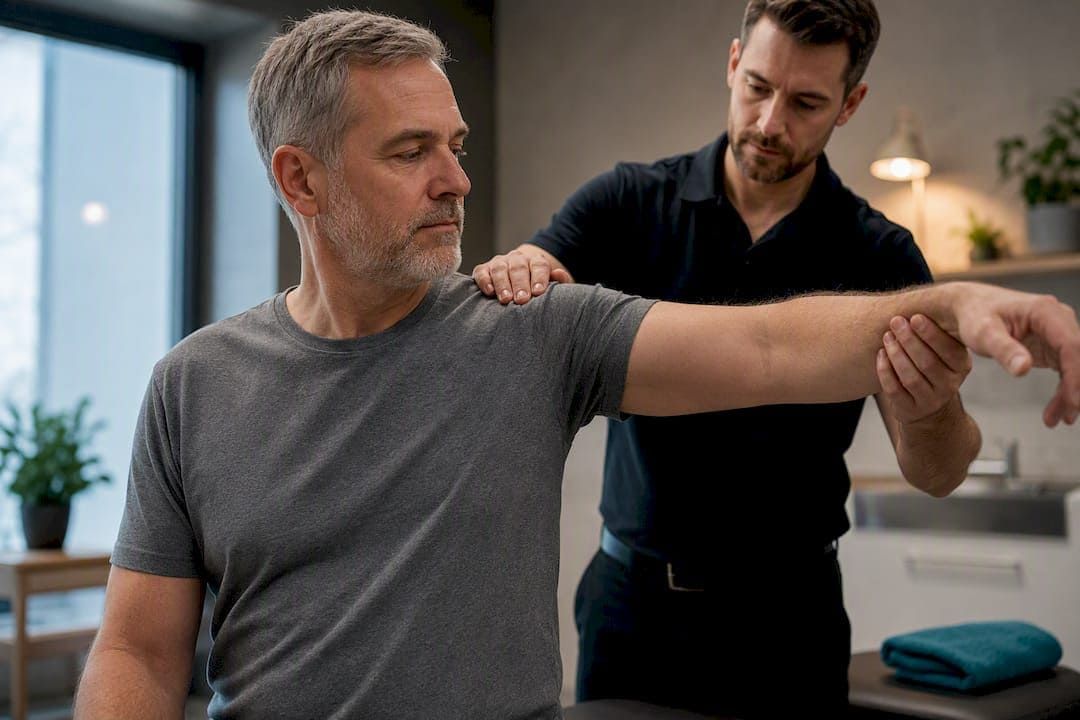
- Focused musculoskeletal and neurologic exam: Palpation of the spine and relevant joints, range-of-motion testing, orthopedic tests (straight leg raise, Spurling's for cervical), and a brief neurologic screen (reflexes, sensation, strength).
- Functional tests: Timed Up-and-Go, 30-second sit-to-stand, and gait observation. These establish the baseline that all future progress is measured against.
- Treatment plan discussion: The clinician explains findings, proposes a care plan with specific goals and a timeline, and gets the patient's input. Shared decision-making here is not a formality — it affects compliance and outcomes.
- Treatment: Typically 15–25 minutes of hands-on care. For older adults, this often combines gentle spinal mobilization or manipulation, soft-tissue work, and one or two targeted exercises performed in the clinic.
- Home program: A written or app-based set of exercises and postural cues to perform between visits. This is where most of the long-term change happens. Supporting chiropractic care at home between visits is one of the strongest predictors of a good outcome.
Time allocation varies, but a first visit typically runs 45–60 minutes. Follow-up visits are usually 20–30 minutes. Patient goals are documented in measurable terms (e.g., "improve TUG from 14 seconds to under 12 seconds in 8 weeks") and reviewed at each reassessment.
How do you coordinate chiropractic care with your primary care team?
Chiropractic care works best as part of a team, not in isolation. For older adults managing multiple conditions, coordination between the chiropractor, primary care provider (PCP), physical therapist, and any relevant specialists isn't just good practice — it directly affects safety and outcomes.
Practical coordination looks like this:
- Share functional measures with your PCP. Bring your TUG scores, sit-to-stand results, and pain ratings to medical appointments. This gives your doctor objective data on how you're progressing.
- Give your chiropractor permission to contact your PCP. A signed release allows direct communication about red-flag findings, medication concerns, or co-management questions. This is especially important when neurologic signs are present.
- Keep an up-to-date medication list. Carry it to every appointment with every provider. Medication changes affect what manual therapy is safe.
- Share prior imaging. X-rays, MRIs, and DEXA scans from other providers give the chiropractor critical structural information that changes treatment decisions.
Chiropractors frequently act as first-contact providers for musculoskeletal complaints in older adults and, in cases of multimorbidity, co-manage with other clinicians after a thorough assessment. Common co-management scenarios include persistent neurologic signs (shared care with neurology or spine surgery), complicated polypharmacy (coordination with the prescribing physician), and surgical candidates (referral to orthopedics with continued conservative care while awaiting evaluation).
Chiropractors also have more time per visit than most primary-care appointments allow. That extended contact supports fall-prevention counseling, lifestyle coaching, and health education — roles that positioning papers in geriatric chiropractic identify as a genuine clinical advantage.
How do you set realistic goals and know when to reassess?
Vague goals produce vague results. "I want to feel better" is not a clinical target. "I want to improve my 30-second sit-to-stand from 8 reps to 12 reps in 8 weeks" is. The difference matters because it tells both you and your clinician exactly when the plan is working and when it needs to change.
Useful goal templates for older adults:
- Pain: Reduce average daily pain NRS from 6/10 to 3/10 within six weeks.
- Function: Complete a grocery store trip without stopping to rest within eight weeks.
- Balance: Reduce TUG time from 14 seconds to under 12 seconds in six weeks.
- Strength: Add four reps to 30-second sit-to-stand within eight weeks.
Short-term improvements (pain reduction, reduced stiffness) often appear within the first two to four weeks. Functional gains (improved gait, better balance, increased strength) typically take six to twelve weeks of consistent care and home exercise. Structural adaptations take longer still.
Reassessment triggers that signal a plan change:
- No meaningful improvement in pain or function after four to six weeks of consistent treatment
- Worsening neurologic signs at any point
- New red flags (unexplained weight loss, new fracture, progressive weakness)
- Patient goals have shifted (e.g., from pain relief to performance maintenance)
- Plateau in objective measures after a reasonable corrective phase
When care has achieved its goals, transitioning to a home exercise program with periodic check-ins is often the right move. Continuing high-frequency visits indefinitely without measurable goals is not evidence-based practice.
A practical daily and weekly checklist to support aging well with chiropractic care
Chiropractic visits are one part of the picture. What you do between appointments determines how much of the progress sticks. The injury prevention and wellness checklist from Essentialchirocare covers this in detail, but here's the core framework:
Daily habits:
- 5–10 minute morning mobility warm-up (thoracic extensions, hip circles, ankle rotations)
- Postural check every 45–60 minutes if you sit for work or leisure
- Hydration: aim for consistent fluid intake throughout the day, not just when thirsty
- Sleep hygiene: a supportive mattress and pillow position affect spinal recovery overnight
- Review any new symptoms before your next visit — don't wait if something feels wrong
Weekly habits:
- Two to three sessions of progressive balance and strength exercises (single-leg stance, step-ups, resistance band work)
- Walk through your home and identify fall hazards: loose rugs, poor lighting, items on the floor
- Track one functional metric (sit-to-stand reps, walking distance, stair comfort) to monitor your own progress
Dos and don'ts:
- Do gradually increase exercise load; don't jump to high-intensity activity after a period of inactivity
- Do take short movement breaks; don't sit for more than 60 minutes without standing
- Do use handrails on stairs; don't rush through environments with uneven surfaces
Contact your chiropractor between visits if:
- You experience a sharp new symptom (sudden severe pain, new numbness or weakness)
- You have a fall, even a minor one
- Your medications change, especially if a new blood thinner or corticosteroid is added
- You notice rapid postural change or new difficulty with a previously manageable task
What does the evidence say, and how does Essentialchirocare apply it?
Chiropractic is one of the most frequently used complementary care types by older adults in the U.S. Longitudinal research reports annual prevalence rates of 4.1%–5.4% and a 15-year cumulative utilization of about 14.6% among older adults. That's a substantial portion of the population already voting with their feet.
The evidence base is strongest for spine-related pain and function. A multidisciplinary consensus update found that spinal manipulation and mobilization contribute to positive outcomes beyond pain reduction when combined with exercise and education. For fall prevention specifically, the mechanistic rationale is sound but direct evidence of reduced fall rates remains limited, as noted in systematic reviews. For osteoarthritis, the evidence supports symptom management but not structural modification.
| Evidence Area | Strength of Evidence | Practical Takeaway |
|---|---|---|
| Spine-related pain and function | Moderate to strong | Manipulation + exercise is a well-supported first-line option |
| Osteoarthritis symptom management | Moderate | Expect pain and function improvement, not joint restoration |
| Balance and fall-risk factor reduction | Promising but limited | Addresses modifiable inputs; direct fall-rate evidence is thin |
| Neurologic function and gait | Emerging | Mechanistic rationale is solid; large trials are lacking |
A biopsychosocial model — integrating physical treatment with behavior change and mental-health awareness — improves outcomes in older patients and is recommended for chiropractic practice. This is the framework Essentialchirocare applies.
At Essentialchirocare, the workflow for older adults follows a structured sequence: comprehensive intake screening (medical history, medications, imaging, falls history), functional baseline testing (TUG, sit-to-stand, ROM), individualized multimodal treatment (chiropractic adjustments, manual therapy, therapeutic exercise, spinal decompression where indicated, and patient education), and outcome tracking at defined reassessment intervals. Coordination with PCPs and specialists is built into the process, not an afterthought.
Key Takeaways
Chiropractic care offers older adults a non-drug path to better mobility, reduced pain, and improved balance when delivered as part of a multimodal, medically coordinated plan.
| Point | Details |
|---|---|
| Utilization is high | Annual prevalence among older U.S. adults is 4.1%–5.4%, with 15-year cumulative utilization around 14.6%. |
| Multimodal care works best | Combining manipulation, exercise, and education produces better outcomes than any single modality alone. |
| Balance evidence has limits | Chiropractic addresses modifiable fall-risk factors, but direct evidence of reduced fall rates remains limited. |
| Safety screening is required | Red flags (severe osteoporosis, cancer history, progressive neurologic signs) must be ruled out before manipulation. |
| Essentialchirocare's approach | Essentialchirocare uses structured screening, multimodal treatment, and outcome tracking to build individualized plans for older adults across West Central Florida. |
What working with older patients has taught me about what actually matters
There's a version of this conversation that focuses almost entirely on the adjustment — the pop, the crack, the immediate relief. That's the part patients often remember. But after working with older adults, the adjustment is rarely what makes the difference over six months.
What actually moves the needle is the combination: getting the joint moving again, yes, but then immediately building the strength and movement habits that keep it moving. An older adult who leaves every visit with a clear, written home program and understands why they're doing each exercise will outperform someone who gets excellent hands-on care but does nothing between appointments. Every time.
The other thing worth saying plainly: shared decision-making is not a formality for this population. Older adults often come in having been told by well-meaning family members or previous providers what they "should" do. The most productive first conversation is the one where you ask what they want to be able to do — not what their MRI shows, not what their pain score is, but what activity or task they've given up that they want back. That answer shapes everything: the goals, the frequency, the exercise selection, the definition of success.
The evidence supports chiropractic care for older adults. But the evidence also shows that outcomes are better when care is individualized, when patients are active participants, and when the chiropractor is working alongside the rest of the healthcare team rather than in a silo. That's not a controversial position. It's just what the data shows, and it's what good clinical practice looks like.
Essentialchirocare offers older adults a structured path to better function
Older adults dealing with pain, stiffness, or declining mobility don't need a generic wellness program. They need a clinician who screens carefully, builds a plan around their specific functional goals, and tracks progress with real measurements.
Essentialchirocare's clinics across Tampa, Brandon, Sarasota, Lakeland, and Pinellas Park offer exactly that. The services most relevant to aging well include chiropractic adjustments for pain and mobility, physical rehabilitation to rebuild strength and function, manual therapy for soft-tissue and joint work, and spinal decompression for chronic disc-related pain. Each patient gets a multimodal plan built around their intake screening, functional baseline, and stated goals — not a one-size approach.
If you're ready to find out whether chiropractic care belongs in your aging-well plan, book an initial evaluation at Essentialchirocare's West Central Florida locations. Bring your medication list, any recent imaging, and a short list of the physical tasks you want to get back. That's the most productive first appointment you can have.
Useful sources and further reading
The sources below are the most useful for readers who want to go deeper on the evidence or explore specific topics covered in this article.
- The role of chiropractic care in older adults (PMC): The foundational utilization and clinical overview paper. Covers annual prevalence rates, multimodal care components, and the 2030 population projection. Start here for the big picture.
- Best Practices for Chiropractic Care for Older Adults: Systematic Review and Consensus Update (PubMed): The most comprehensive evidence-based guideline for chiropractic care of older adults. Covers safety, manipulation standards, and the recommendation that DCs advise on exercise.
- Systematic review of chiropractic care for fall prevention (Springer): Honest assessment of the evidence gaps. Essential reading for understanding what chiropractic can and cannot claim about fall reduction.
- Chiropractic as a primary care intervention for musculoskeletal health (PMC): Covers the chiropractor's role in health promotion, extended patient education time, and fall-prevention counseling.
- Maintenance care distinctions in chiropractic practice (PMC): Explains the clinical difference between maintenance care (secondary prevention) and wellness care (primary prevention) — useful for understanding care frequency decisions.
- Chiropractic Adjustment: Cleveland Clinic: Clear, patient-facing explanation of what an adjustment is and what it can do. Good resource to share with family members who are unfamiliar with chiropractic care.
- Older Adults and Balance Problems: National Institute on Aging: Primary source on balance changes with aging and fall-prevention strategies. Complements the chiropractic evidence with broader context.
| Statistic | Figure | Source |
|---|---|---|
| Annual chiropractic use, older U.S. adults | 4.1%–5.4% | PMC3306193 |
| 15-year cumulative utilization | 14.6% | PMC3306193 |
| U.S. population 65+ by 2030 | Nearly 20% | PMC3306193 |
| Chiropractors providing nutritional advice | More than 90% | PMC3306193 |
This article provides general health information and is not a substitute for professional medical or chiropractic advice. Confirm whether chiropractic care is appropriate for your specific situation with your primary care provider or a licensed chiropractor.
Recommended