
Long-Term Pain Relief Strategies That Actually Work
TL;DR:
- Multimodal, evidence-based management combines physical therapy, psychological support, and lifestyle changes to achieve long-term pain relief.
- A multidisciplinary team seeks to restore function by addressing nervous system dysregulation, not just pain symptoms, improving overall well-being.
Long-term pain relief strategies are multimodal, evidence-based methods that combine physical therapy, psychological support, and lifestyle changes to reduce chronic pain and restore function. Chronic pain, defined clinically as pain lasting more than three months, affects tens of millions of American adults and rarely responds to a single treatment. The most effective chronic pain management strategies address the nervous system, the body, and the mind simultaneously. This article draws on 2026 clinical guidelines, CDC recommendations for non-opioid care, and current research to give you a clear, practical framework for lasting relief.

1. Why multidisciplinary care is the gold standard for long-term pain relief
Multimodal management is the gold standard for chronic pain, integrating physical therapy, Cognitive Behavioral Therapy (CBT), and lifestyle changes to improve daily function rather than chasing pain intensity alone. A single-provider, single-treatment approach consistently underperforms because chronic pain is rarely one-dimensional. It involves sensitized nerve pathways, altered movement patterns, disrupted sleep, and psychological stress, all feeding each other.
A multidisciplinary team typically includes a primary care physician, a physical therapist, a psychologist or pain counselor, and sometimes a pharmacist or dietitian. Their shared goal is not just symptom reduction. It is restoring your ability to work, move, sleep, and engage socially.
"Chronic pain is best understood as a nervous system dysregulation issue, not simply ongoing tissue damage. Shifting focus to functional improvement, rather than eliminating all pain, produces better long-term outcomes."
Key benefits of integrated care models include:
- Reduced reliance on opioids and high-dose medications
- Improved physical function and return to daily activities
- Lower rates of depression and anxiety linked to persistent pain
- Better patient education about pain neurobiology , which reduces fear and avoidance behaviors
Pain clinics in major hospital systems across Florida and nationally now operate on this coordinated model. If you are managing chronic back pain, sciatica, or joint pain, a team-based plan gives you more tools than any single specialist can offer alone.
2. Graded exercise and activity pacing for sustainable relief
Graded exercise starting at roughly 33% capacity with gradual increases reduces pain sensitivity and prevents the flare-ups that derail long-term progress. This approach directly counters the "boom-and-bust" cycle, where you push hard on a good day and pay for it with days of increased pain afterward. Starting low and building slowly is not a sign of weakness. It is the clinically recommended path to building real tolerance.
Effective exercise types for chronic pain include:
- Aerobic exercise (walking, cycling, swimming): Reduces central sensitization and improves mood through endorphin release.
- Aquatic therapy : Warm water reduces joint load, making movement accessible for people with severe pain or arthritis.
- Yoga and tai chi : Both combine gentle movement with breath control, improving flexibility, balance, and stress regulation simultaneously.
- Resistance training : Builds the muscular support around painful joints, reducing mechanical stress over time.
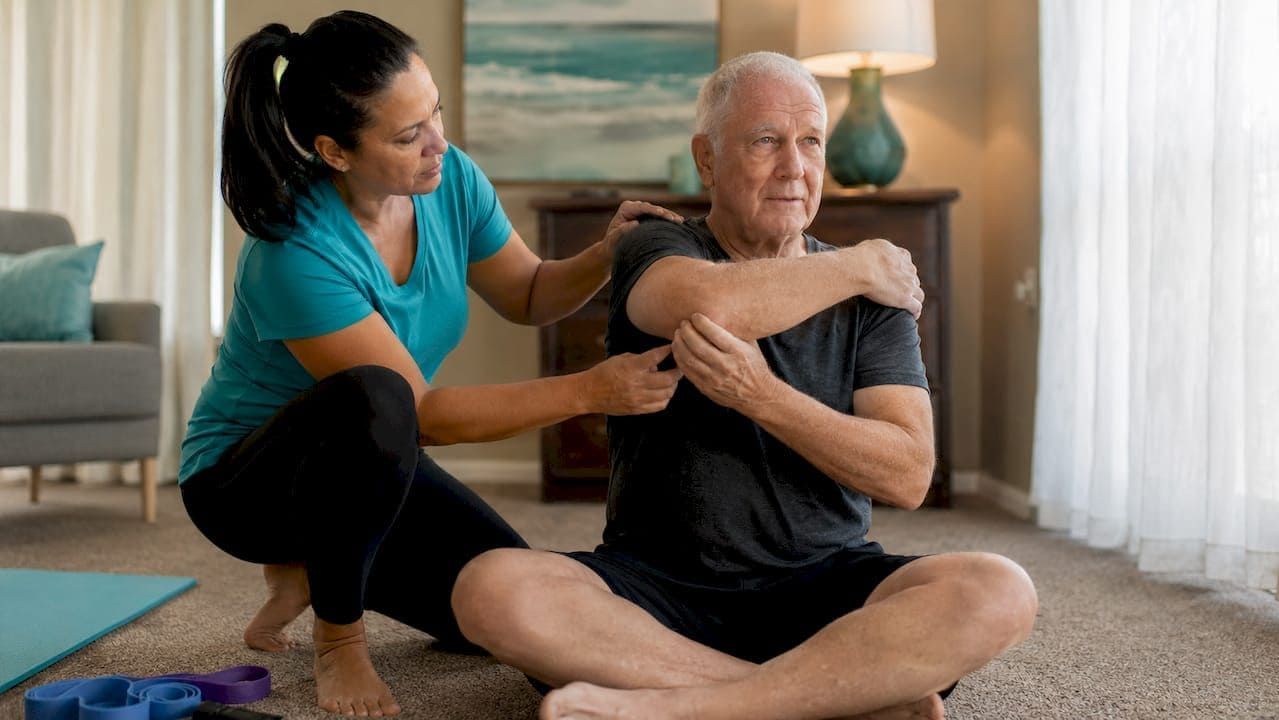
Explore therapeutic exercise guidance to understand how pacing principles apply to your specific condition. The key is consistency over intensity. Three short sessions per week outperform one exhausting session every few days.
Pro Tip: Set a "comfort ceiling" for each session. Stop at 70% of what you feel you could do. This leaves a buffer that prevents post-exercise flare-ups and keeps you on track for the next session.
3. Pharmacological treatments: what works and what to watch
Medications play a supporting role in long-term pain management, not a starring one. First-line options include acetaminophen (paracetamol) for mild to moderate pain, NSAIDs such as ibuprofen or naproxen for inflammatory pain, and low-dose antidepressants like amitriptyline or duloxetine for neuropathic pain conditions. Topical treatments, including lidocaine patches and diclofenac gel, offer localized relief with fewer systemic side effects.
Long-term opioid use for chronic non-cancer pain frequently worsens outcomes through tolerance, physical dependence, and opioid-induced hyperalgesia, a paradoxical condition where the medication itself amplifies pain sensitivity. This is why current CDC guidelines and 2026 clinical frameworks recommend opioids only when other treatments have failed, at the lowest effective dose, and with a clear tapering plan.
Medication review frameworks help clinicians identify harmful polypharmacy and guide safe deprescribing. Ask your doctor for a formal medication review if you are taking three or more pain-related drugs. Key questions to raise include:
- Which medications are still producing measurable benefit?
- Are any drugs interacting in ways that worsen fatigue or cognition?
- Is there a plan to taper any opioid or sedative medications?
- What non-pharmacological alternatives can replace or reduce current doses?
Medications work best when they create a window of reduced pain that allows you to engage fully in physical therapy and psychological treatment. They are a tool, not a destination.
4. CBT, ACT, and mindfulness for nervous system recalibration
CBT and Acceptance and Commitment Therapy (ACT) provide neuroscience-based coping strategies that recalibrate nervous system sensitivity and reduce catastrophizing, delivering a 20 to 30 percent reduction in pain intensity alongside measurable mood improvement. This is not about convincing yourself the pain is not real. It is about changing how your brain processes and amplifies pain signals, which is a physiological shift, not a philosophical one.
Mindfulness-Based Stress Reduction (MBSR), developed at the University of Massachusetts Medical School, uses structured meditation and body-scan practices to reduce the emotional reactivity that amplifies chronic pain. Participants in MBSR programs consistently report lower pain scores and better quality of life after eight weeks of practice.
Diaphragmatic breathing deactivates the fight-or-flight response, one of the primary drivers of chronic pain flare-ups and muscle tension. Practicing slow, belly-focused breathing for five minutes twice daily measurably lowers cortisol and reduces muscle guarding around painful areas.
Pro Tip: Use the 4-7-8 breathing method during a pain flare: inhale for 4 counts, hold for 7, exhale for 8. This activates the parasympathetic nervous system within 60 seconds and interrupts the stress-pain feedback loop.
Psychological therapies also address pain-related fear and avoidance. When you understand the neurobiology of pain, including why a sensitized nervous system produces pain without ongoing tissue damage, you become a more active and effective participant in your own recovery.

5. Lifestyle changes that reduce inflammation and support recovery
An anti-inflammatory diet combined with consistent sleep hygiene reduces systemic inflammation and supports the physical and psychological therapies you are already using. These are not optional add-ons. They are the foundation that determines how well everything else works.
| Lifestyle factor | What to do | Why it matters |
|---|---|---|
| Anti-inflammatory nutrition | Prioritize omega-3 rich foods (salmon, walnuts, flaxseed), leafy greens, and berries | Reduces cytokine-driven inflammation that amplifies nerve sensitivity |
| Sleep hygiene | Maintain consistent sleep and wake times; avoid screens 60 minutes before bed | Poor sleep lowers pain thresholds and increases next-day pain intensity |
| Social engagement | Maintain regular contact with friends, family, or support groups | Social isolation worsens depression and increases pain catastrophizing |
| Stress management | Daily mindfulness, nature walks, or creative activities | Chronic stress elevates cortisol, which directly increases pain sensitivity |
Gradual integration works better than overhauling everything at once. Pick one column from the table above and commit to it for two weeks before adding another. Small, sustained changes compound over months into meaningful pain reduction. For a broader look at holistic pain relief approaches , including how nutrition and movement interact with chiropractic care, the Essentialchirocare blog covers these connections in practical detail.
Key takeaways
Effective long-term pain relief requires combining physical therapy, psychological treatment, medication management, and lifestyle changes because no single intervention addresses the full complexity of chronic pain.
| Point | Details |
|---|---|
| Multidisciplinary care wins | Integrated teams addressing body, mind, and lifestyle outperform single-provider treatment for chronic pain. |
| Start exercise at 33% capacity | Graded activity prevents boom-and-bust cycles and builds sustainable pain tolerance over weeks and months. |
| Opioids carry long-term risks | Long-term opioid use can worsen pain sensitivity; regular medication reviews and tapering plans are recommended. |
| CBT and mindfulness change pain processing | Psychological therapies produce a 20 to 30 percent reduction in pain intensity by recalibrating nervous system responses. |
| Lifestyle factors are non-negotiable | Anti-inflammatory nutrition, quality sleep, and social connection directly reduce the inflammation and stress that amplify pain. |
What I've learned from watching patients commit to the long game
Most people arrive at a pain management plan hoping for a fix. What actually works is a shift in identity: from someone managing a condition to someone actively building a life that supports less pain. That distinction sounds subtle, but it changes everything about how you show up to each therapy session, each meal, each night of sleep.
The patients I have seen make the most progress are not the ones who found the perfect medication or the perfect exercise. They are the ones who accepted that chronic pain management is a practice, not a prescription. They combined graded movement with CBT, cleaned up their sleep, reduced inflammatory foods, and kept showing up even when progress felt slow.
One pattern I find consistently underappreciated: pain education itself is therapeutic. When you understand that your nervous system has become sensitized, not that your body is broken beyond repair, fear drops. And when fear drops, avoidance drops. And when avoidance drops, function improves. Resources like the Explain Pain framework, developed by researchers David Butler and Lorimer Moseley, have formalized this insight into a teachable curriculum that clinicians now use worldwide.
The uncomfortable truth is that there is no shortcut. But there is a clear path. It runs through movement, mindset, medication review, and daily habits. Every piece reinforces the others. Start with one, and the rest become easier.
How Essentialchirocare supports your pain relief journey
If you are ready to move from managing pain day-to-day to building a real long-term plan, Essentialchirocare's clinics across Tampa, Brandon, Sarasota, Lakeland, and Pinellas Park offer exactly the kind of integrated, root-cause care this article describes.
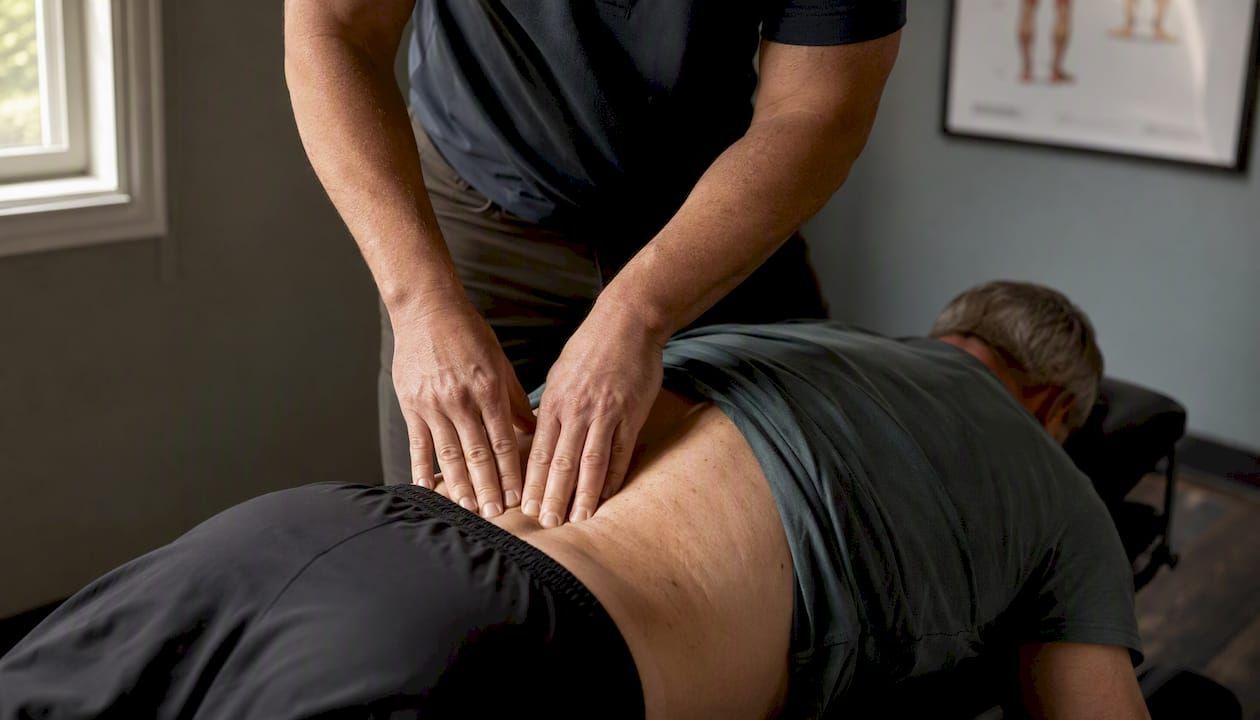
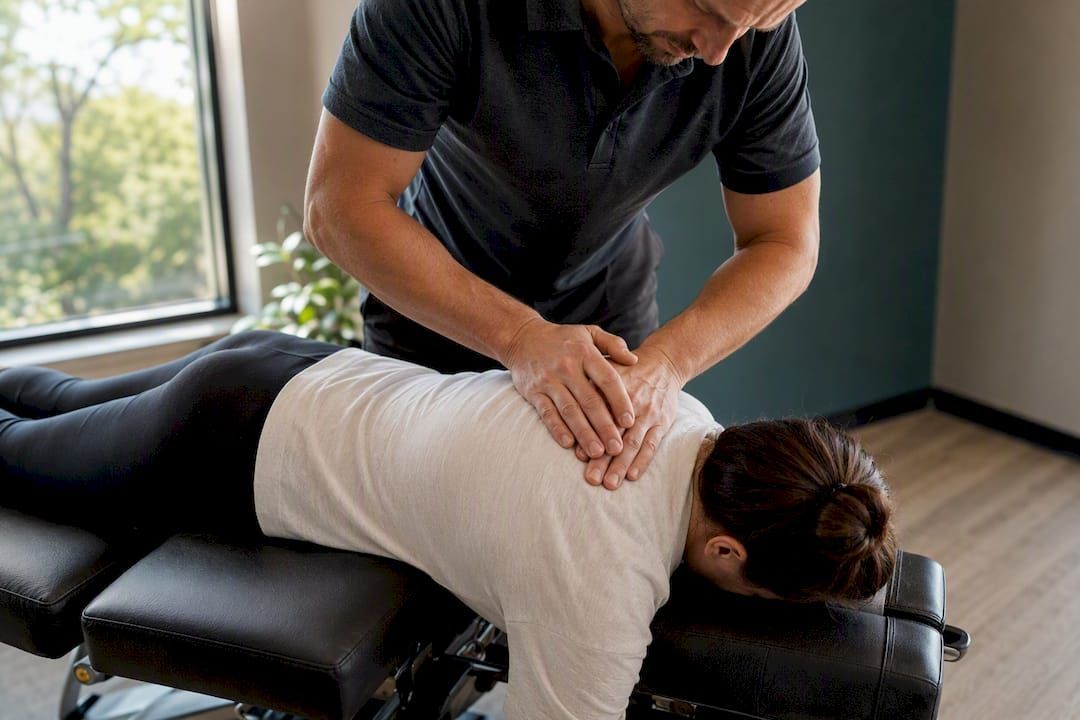
Essentialchirocare's chiropractic care services address spinal alignment, nerve compression, and joint mobility, the physical foundations that make every other therapy more effective. Their physical rehab programs build the strength and movement patterns that protect you from future flare-ups. Experienced doctors with sports medicine backgrounds create personalized treatment plans, not generic protocols. Schedule online or call your nearest location to start a plan built around your specific pain, your goals, and your life.
FAQ
What are the most effective long-term pain relief strategies?
The most effective strategies combine graded exercise, Cognitive Behavioral Therapy (CBT) or ACT, medication review, and lifestyle changes including anti-inflammatory nutrition and sleep hygiene. Multidisciplinary care teams consistently produce better outcomes than any single treatment approach.
How does graded exercise help with chronic pain?
Graded exercise, starting at roughly 33% of perceived capacity and increasing gradually, reduces central sensitization and prevents the boom-and-bust flare cycles that worsen chronic pain over time. Aerobic exercise, aquatic therapy, yoga, and tai chi are all well-supported options.
Are opioids a good long-term solution for chronic pain?
Current clinical guidelines advise against long-term opioid use for chronic non-cancer pain because tolerance, dependence, and opioid-induced hyperalgesia frequently worsen outcomes. Non-opioid medications, physical therapy, and psychological treatments are recommended as first-line approaches.
Can mindfulness and CBT actually reduce physical pain?
Yes. CBT and Mindfulness-Based Stress Reduction (MBSR) produce a 20 to 30 percent reduction in pain intensity by recalibrating how the nervous system processes and amplifies pain signals. These are not placebo effects. They reflect measurable changes in brain activity and stress hormone levels.
What lifestyle changes have the biggest impact on chronic pain?
An anti-inflammatory diet rich in omega-3 fatty acids and antioxidants, consistent sleep routines, and regular social engagement each reduce the systemic inflammation and psychological stress that amplify chronic pain. These changes work best when combined with physical and psychological therapies rather than used in isolation.