

Why Natural Pain Relief Outperforms Drugs for Good
TL;DR:
- Natural pain relief restores the body's healing processes and often outperforms drugs for chronic pain management. It works by addressing inflammation and structural issues over time, providing lasting benefits with fewer side effects. Combining natural methods with lower doses of pharmaceuticals can improve outcomes and reduce health risks.
Natural pain relief is defined as any therapeutic approach that reduces pain by restoring the body's own healing processes rather than chemically blocking pain signals. This distinction explains why natural pain relief outperforms drugs for many adults managing chronic or musculoskeletal pain. Pharmaceuticals like NSAIDs and opioids suppress symptoms fast, but they leave the underlying tissue damage, inflammation, or structural misalignment untouched. Methods like chiropractic care, curcumin supplementation, physical therapy, and mind-body techniques treat the source. The result is not just less pain. It is a body that functions better over time.

What does the science say about natural pain relief vs. drugs?
The clinical evidence for natural remedies for pain is stronger than most patients expect. A controlled trial found that standardized curcumin at 1,500 mg per day matched ibuprofen at 1,200 mg per day for reducing knee osteoarthritis pain over four weeks, with significantly fewer gastrointestinal side effects. That result matters because gastrointestinal damage is one of the most common reasons patients stop NSAID therapy.
Research on melatonin adds another layer. A University of Sydney study found that melatonin reduces chronic musculoskeletal pain by 9–10 points on a 0–100 scale, comparable to NSAIDs and opioids, using doses of 3–10 mg at bedtime. That is a meaningful reduction achieved without the addiction risk or organ stress associated with opioid therapy.
Combination approaches show the most consistent results. A clinical trial found that combining 1 g curcuminoid complex with 100 mg diclofenac daily improved knee osteoarthritis pain and quality of life more than medication alone, while also reducing the need for rescue analgesics and stomach-protecting H2 blockers. The takeaway is clear: natural compounds do not just substitute for drugs. They can make drugs work better at lower doses.
What the data shows at a glance
| Natural method | Comparator drug | Key finding |
|---|---|---|
| Curcumin 1,500 mg/day | Ibuprofen 1,200 mg/day | Equal pain reduction, fewer GI side effects |
| Melatonin 3–10 mg at bedtime | NSAIDs and opioids | 9–10 point pain reduction on 0–100 scale |
| Curcumin + diclofenac combination | Diclofenac alone | Better outcomes, fewer rescue analgesics needed |
The pattern across these trials is consistent. Natural compounds match or enhance pharmaceutical results while reducing the side effect burden that causes patients to quit treatment early.
How do natural methods work differently from drugs?
Pharmaceuticals like NSAIDs block COX enzymes, cutting off pain signals within minutes. That speed is genuinely useful in acute situations. The problem is that blocking a signal does not fix what triggered it. Physical therapy rebuilds movement patterns and strength that reduce chronic strain, which is the opposite of masking symptoms.
Natural compounds work upstream. Curcumin modulates NF-κB, COX-2, TNF-α, and IL-6 pathways over weeks rather than minutes. These are the molecular switches that drive chronic inflammation. Turning them down gradually produces lasting change rather than temporary relief.
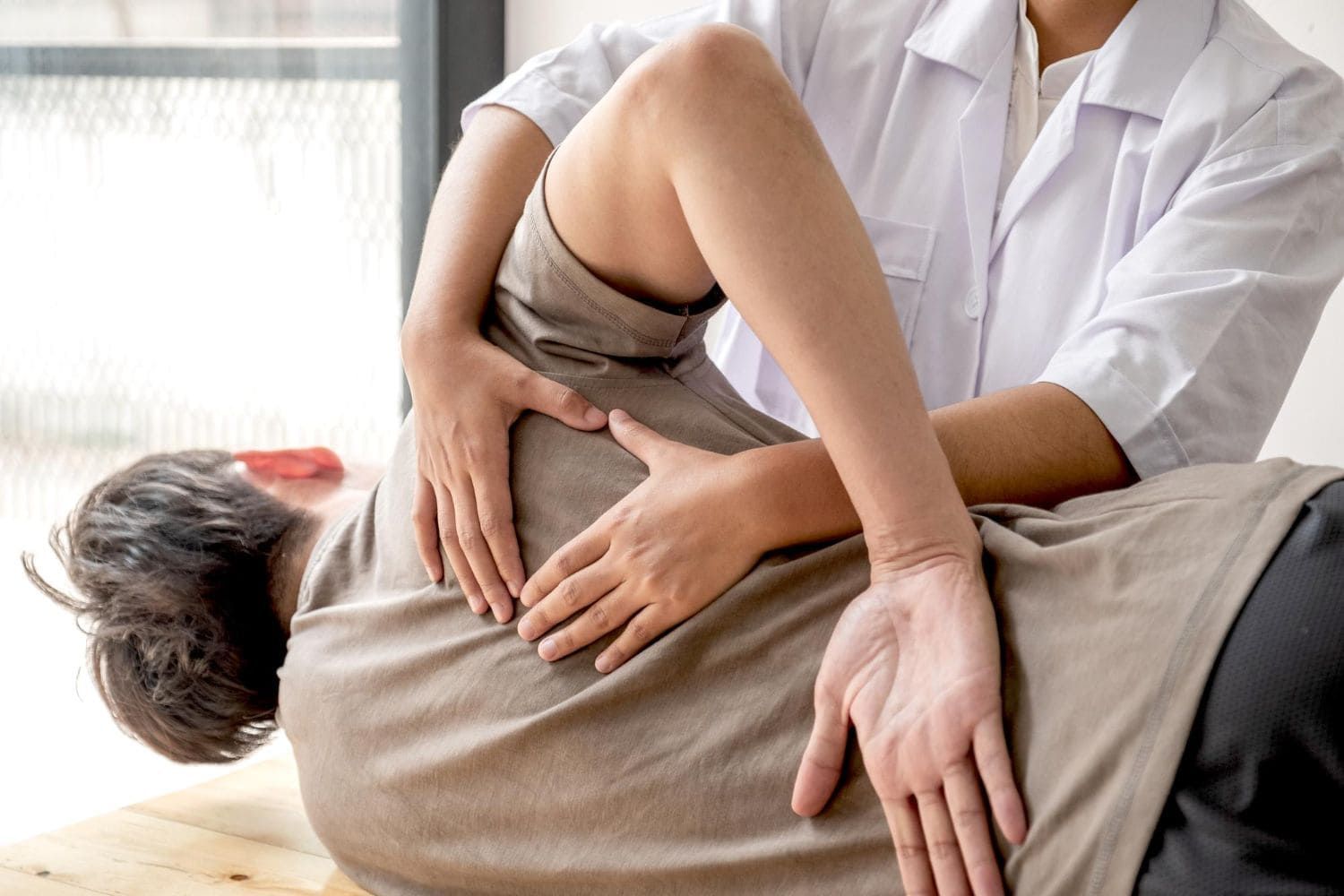
Chiropractic adjustments follow the same logic. Correcting spinal misalignment restores nerve function and circulation to affected tissues. The body can then repair damage that pain medication would simply have muted. This is why natural pain management focuses on restoring tissue integrity at the source rather than at the nerve ending.
The biological difference comes down to this:
- NSAIDs and opioids: Block downstream pain signals fast. Do not address tissue damage, structural problems, or chronic inflammation drivers.
- Curcumin and herbal anti-inflammatories: Modulate multiple inflammatory pathways. Require consistent use over 8–12 weeks for full effect.
- Chiropractic care and physical therapy: Correct structural causes. Restore circulation and nerve function. Build lasting resilience.
- Mind-body techniques: Rewire pain perception at the cognitive level. Benefits persist after formal treatment ends.
Pro Tip: If you start a natural supplement like curcumin and feel no change in the first two weeks, that is normal. The 8–12 week window is when clinical trials measure meaningful results. Stopping early is the most common reason natural approaches appear to fail.
What are the real advantages and limits of natural pain relief?
The primary advantage of natural pain relief alternatives to drugs is the safety profile. Natural strategies carry little to no side effect risk compared to the gastrointestinal damage, cardiovascular risk, and addiction potential associated with long-term NSAID or opioid use. For adults managing chronic pain over months or years, that difference is not minor. It is the difference between a sustainable plan and one that creates new medical problems.
Patient adherence is also higher. Patient satisfaction and intention to continue treatment is greater for natural and complementary approaches than for drug-only protocols. Patients who feel better without side effects stay with their treatment. Patients who experience nausea, dependency, or cognitive fog often stop, which leaves their pain unmanaged.
The honest limitation is speed. Natural methods are not the right first response to a broken bone, a kidney stone, or a severe acute injury. Fast pharmaceutical pain control has a legitimate role in those situations. The error most patients make is applying the acute-pain logic to chronic pain, where the drug's speed advantage disappears and its side effects accumulate.
When to use each approach
| Pain type | Natural methods | Pharmaceutical drugs |
|---|---|---|
| Chronic musculoskeletal pain | First-line choice | Reduce or phase out with guidance |
| Osteoarthritis | Curcumin, chiropractic, PT | Combine at lower doses if needed |
| Post-surgical acute pain | Supportive role | Appropriate short-term use |
| Sports injuries | Chiropractic, rehab, movement | Short-term anti-inflammatories if severe |
Mind-body methods like cognitive behavioral therapy for chronic pain (CBT-CP) and mindfulness meditation deserve specific mention. These techniques teach active coping skills that continue reducing pain perception after formal treatment ends. That is a durable outcome no pill produces.
Pro Tip: Ask your provider about reducing your NSAID dose while adding curcumin. The combination approach has clinical support and may let you get the same pain control with less drug exposure.

What practical strategies actually work for natural pain relief?
Adults who get the best results from natural pain management combine several methods rather than relying on a single one. Synergistic combinations of therapeutic movement with bioavailability-enhanced natural compounds yield superior outcomes over isolated agents in chronic pain management. Here is how to build that combination effectively:
- Choose standardized herbal supplements. Not all natural formulations are equal. Clinical effectiveness depends on standardized extracts and proper dosing. For curcumin, use a product with piperine (black pepper extract) to enhance absorption. The clinically effective dose is 1,000–1,500 mg per day.
- Add therapeutic movement. Physical therapy and structured exercise promote endorphin release, reduce inflammatory markers, and rebuild the muscular support that protects joints. Even 20–30 minutes of guided movement three times per week produces measurable changes in chronic pain patients.
- Schedule chiropractic adjustments. Chiropractic care corrects the structural causes of musculoskeletal pain. Chiropractic adjustments for pain relief address nerve compression, joint restriction, and postural imbalances that no supplement can fix. Essentialchirocare's clinicians in Tampa, Brandon, Sarasota, Lakeland, and Pinellas Park specialize in exactly this kind of structural assessment.
- Practice mindfulness or CBT-CP. Pain has a cognitive component. Mindfulness and CBT-CP reduce the brain's amplification of pain signals. The skills learned during treatment continue working after sessions end, which is a compounding benefit drugs cannot replicate.
- Check for herb-drug interactions before starting. Standardized herbals require healthcare provider consultation, especially if you take blood thinners or have surgery scheduled. Some formulations require a washout period of up to two weeks before elective procedures.
Pro Tip: Track your pain on a 0–10 scale weekly from day one. Natural methods produce gradual change that is easy to miss without a record. Most patients who keep a log notice meaningful improvement by week six, even when they feel skeptical at week three.
Key Takeaways
Natural pain relief outperforms drugs for chronic pain because it restores the body's healing capacity rather than suppressing signals that indicate damage still present.
| Point | Details |
|---|---|
| Curcumin matches ibuprofen | 1,500 mg/day of standardized curcumin equals ibuprofen's pain reduction with fewer side effects. |
| Melatonin rivals opioids | 3–10 mg at bedtime reduces chronic musculoskeletal pain by 9–10 points on a 100-point scale. |
| Combination therapy wins | Pairing natural compounds with lower drug doses improves outcomes and reduces adverse effects. |
| Natural methods need time | Consistent use over 8–12 weeks is required before judging effectiveness. |
| Safety drives adherence | Patients stay with natural approaches longer because side effects are minimal compared to pharmaceuticals. |
Why I think we've been asking the wrong question about pain
The debate is usually framed as "natural vs. drugs," as if patients must choose a side. That framing misses the point entirely. What I've observed working with chronic pain patients is that the real question is: what does this person's body need to heal, and what is getting in the way?
Drugs answer a different question. They ask: how do we make this person feel less pain right now? That is a useful question in an emergency room. It is the wrong question for someone who has had lower back pain for three years.
What changes outcomes is rebuilding function. Patients who commit to long-term pain relief strategies that include movement, structural correction, and targeted supplementation report something drug-only patients rarely describe: they feel capable again. Not just less painful. Actually capable of doing things they had stopped doing.
The timeline is the hardest part to sell. Patients are conditioned to expect relief in hours. Natural healing works in weeks. The ones who understand that upfront and track their progress consistently are the ones who succeed. The ones who quit at week two because "it isn't working" are the ones who cycle back to medications that never solved the problem.
My honest recommendation: use pharmaceuticals for what they are genuinely good at, which is short-term acute pain control. Then build a natural plan for everything else, with professional guidance, realistic timelines, and the willingness to stay consistent.
Natural pain relief at Essentialchirocare
Essentialchirocare's clinics across West Central Florida offer chiropractic care and physical rehab as the foundation of drug-free pain management. Every treatment plan is built around the structural and physiological causes of your pain, not a generic protocol.
Whether you are managing chronic back pain, recovering from a sports injury, or looking to reduce your reliance on NSAIDs, Essentialchirocare's doctors build personalized plans that combine chiropractic adjustments, physical rehabilitation, and lifestyle guidance. Clinics are located in Tampa, Brandon, Sarasota, Lakeland, and Pinellas Park, with online scheduling available. If you are ready to address the cause of your pain rather than the signal, Essentialchirocare is the place to start.
FAQ
Is natural pain relief as effective as prescription drugs?
For chronic musculoskeletal pain, natural methods like curcumin and chiropractic care match or exceed pharmaceutical outcomes in clinical trials, with fewer side effects and better long-term adherence.
How long does natural pain relief take to work?
Most natural compounds and therapies require 8–12 weeks of consistent use before producing their full effect. Tracking pain weekly helps patients recognize gradual improvement that is easy to miss.
Can I combine natural remedies with my current medication?
Combination approaches often outperform either method alone, but herb-drug interactions are real. Always consult your healthcare provider, especially if you take blood thinners or have surgery planned.
What is the best natural remedy for joint pain?
Standardized curcumin at 1,000–1,500 mg per day with piperine has the strongest clinical evidence for joint pain, matched by chiropractic adjustments for structural causes of joint dysfunction.
Are natural pain relief methods safe for long-term use?
Natural strategies carry significantly lower risks of addiction, gastrointestinal damage, and organ stress compared to long-term NSAID or opioid use, making them the preferred choice for sustained chronic pain management.