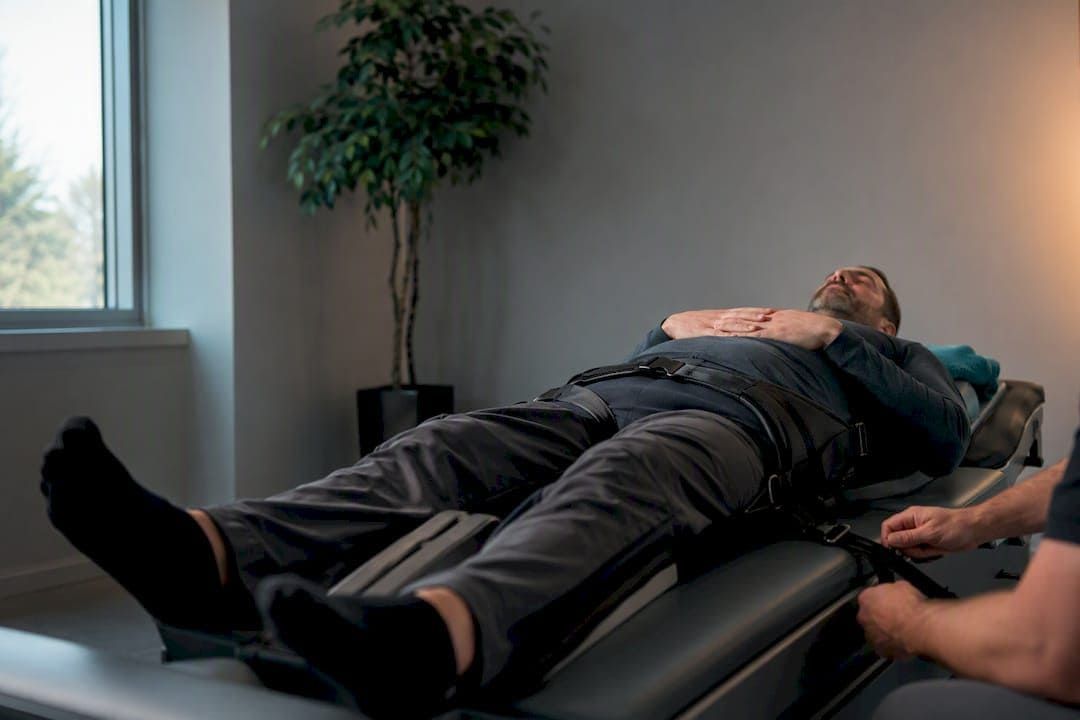



Post-Accident Recovery Steps: Your 2026 Action Plan

Essential ChiroCare Blogger • July 22, 2026

Post-Accident Recovery Steps: Your 2026 Action Plan

TL;DR:

  • Seeking medical evaluation within 24 to 72 hours after an accident is crucial, as adrenaline masks injuries and early documentation protects your insurance claim.
  • Tracking physical and emotional symptoms daily helps build a strong legal record and prevents long-term complications.

Post-accident recovery steps are a structured sequence of actions designed to address physical healing, emotional wellbeing, and legal protection after a collision. Most patients underestimate how quickly the recovery window opens. Seeking medical evaluation within 24–72 hours is the single most time-sensitive decision you will make. Skipping that window does not just slow healing. It can cost you your insurance claim. This guide walks you through every critical phase of the accident recovery process, from the first minutes after impact through active rehabilitation and mental health support.

first steps after a car accident

1. What to do in the first hours after a crash

The first hour after an accident sets the foundation for everything that follows. Your physical safety comes first, then documentation, then communication.

Step 1: Secure the scene. Call 911 if anyone is injured or if vehicles block traffic. Move to a safe location only if you can do so without worsening any injury.

Step 2: Document everything. Photograph vehicle damage, road conditions, traffic signs, skid marks, and any visible injuries. Take wide shots and close-ups. Time-stamped photos carry weight with insurers.

Step 3: Exchange information. Collect the other driver's name, license number, insurance details, and vehicle registration. Do not admit fault or apologize, even casually. Any statement can be used against your claim.

Step 4: Contact your insurer. Notify your own insurance company the same day. The claim investigation process typically begins within the first two weeks, and early reporting protects your position.

Step 5: Get the police report number. Officers file reports that become key evidence. Ask for the report number before you leave the scene.

Pro Tip: Witnesses leave quickly after a crash. Ask bystanders for their name and phone number before emergency responders arrive and the crowd disperses. A single witness can resolve a disputed liability claim.

2. Why you need a medical evaluation within 24–72 hours

Adrenaline is a powerful masking agent. You can walk away from a serious collision feeling fine, only to wake up the next morning unable to turn your neck. Adrenaline and shock routinely mask injuries like whiplash, soft tissue tears, and internal trauma in the hours immediately after impact.

A professional medical evaluation does two things at once. It identifies injuries you cannot feel yet, and it creates an objective clinical record that links your injuries to the accident. Without that record, insurers can argue your injuries came from a pre-existing condition or a separate event.

Key reasons to get evaluated immediately:

  • Whiplash often produces no pain for 24–48 hours, then becomes severely limiting
  • Soft tissue injuries do not show on standard X-rays and require clinical examination to document
  • Concussion symptoms can be subtle and delayed, including mood changes and sleep disruption
  • Delayed care gives insurers grounds to deny your claim by breaking the chain of causation

Initial feelings after an accident are not reliable predictors of injury severity. An early objective baseline is the only way to accurately track your recovery progress over time.

3. Managing pain and tracking symptoms in the first weeks

The early recovery phase runs from the day of the accident through roughly the first four weeks. This period is where most patients either set themselves up for full recovery or accidentally create conditions for chronic pain.

The RICE protocol (Rest, Ice, Compression, Elevation) remains useful for acute soft tissue injuries in the first 48–72 hours. After that window, continued rest without movement can actually slow healing. NSAIDs like ibuprofen reduce inflammation but may interfere with tissue repair if used too aggressively in the first week. Ask your provider about the right balance for your specific injury.

Starting early chiropractic or physical therapy within the first two weeks prevents scar tissue from forming in a disorganized pattern. Scar tissue that sets without guided movement creates stiffness and pain that can persist for years.

Track these daily changes in a written log:

  • Sleep quality and duration
  • Pain location, intensity (scale of 1–10), and triggers
  • Headache frequency and severity
  • Work tolerance and concentration
  • Mood, anxiety levels, and emotional changes

Pro Tip: Daily functional impact documentation in the first one to two weeks is critical evidence for pain and suffering claims. A simple phone note with timestamps is legally admissible and far more credible than memory alone.

"The goal in early recovery is not just pain reduction. It is preserving function and preventing the body from adapting to injury in ways that create long-term limitation. Every day of guided movement matters."

This is also the phase to begin addressing emotional symptoms. Anxiety, irritability, and sleep disruption are common in the first weeks and deserve the same documentation as physical symptoms.

4. Active rehabilitation: rebuilding strength and function

Active rehabilitation typically begins between weeks two and twelve, depending on injury severity. This phase is where recovery either accelerates or stalls, and the difference usually comes down to whether you have professional guidance.

The core principle of this phase is graded loading. You progressively increase the physical demand on injured tissues to stimulate healing without re-injury. This is not something to self-manage. Physical therapists and chiropractors trained in post-injury rehabilitation design programs that match your current capacity and advance systematically.

Key goals of active rehabilitation:

  1. Break down disorganized scar tissue through targeted manual therapy and movement
  2. Restore joint range of motion with mobilization techniques specific to your injury pattern
  3. Rebuild neuromuscular control so the injured area functions correctly under load
  4. Address compensatory movement patterns that develop when you protect a painful area

Multi-specialty teams combining physical therapy and chiropractic care produce better functional outcomes than either discipline alone. The two approaches address different tissue types and movement systems, making them complementary rather than redundant.

Recovery phase Typical timeframe Primary focus
Immediate evaluation 0–72 hours Diagnosis, documentation, pain control
Early recovery Days 1–28 Inflammation management, gentle mobilization
Active rehabilitation Weeks 2–12 Strength, range of motion, function
Ongoing maintenance Months 3 and beyond Chronic pain prevention, full return to activity

Continuing care beyond the point of pain relief is one of the most overlooked steps in the accident recovery process. Pain disappearing does not mean the tissue is fully healed or the movement pattern is restored. Stopping care too early is the most common reason patients return with chronic symptoms six months later.

what to do after a car accident injury

5. Recognizing and documenting mental health impacts

Mental and emotional effects of accidents are frequently the last thing patients think to document and the first thing insurers challenge. Anxiety, PTSD, and depression often appear weeks after the accident, well after the initial physical symptoms have been addressed.

Common emotional symptoms to watch for:

  • Persistent anxiety about driving or riding in vehicles
  • Intrusive memories or flashbacks of the crash
  • Difficulty concentrating or making decisions
  • Irritability, mood swings, or emotional numbness
  • Sleep disturbances not explained by physical pain

Document these symptoms the same way you document physical ones. Date, describe, and note how they affect your daily function. This record supports both your clinical care and any legal claim for emotional damages. Trauma symptoms in adults can be subtle and are often mistaken for stress or fatigue.

"The mental and emotional effects of accidents are often overlooked but are crucial for full recovery and for building a complete legal record. Treating only the physical injury leaves half the damage unaddressed."

Therapy options include cognitive behavioral therapy (CBT), which has strong evidence for post-trauma anxiety and PTSD. Evidence-based PTSD management strategies in 2026 include EMDR, somatic therapies, and structured exposure work. Self-care practices like consistent sleep schedules, reduced caffeine, and daily physical activity support emotional recovery alongside formal therapy.

One legal point most patients miss: do not sign any settlement before reaching Maximum Medical Improvement. Emotional symptoms can worsen or evolve over months. Signing early closes the door on any future adjustments if your condition changes.

Key takeaways

Structured, time-sensitive action in the first 72 hours after an accident determines the quality of both your physical recovery and your legal outcome.

Point Details
Seek care within 72 hours Adrenaline masks injuries; early evaluation creates the clinical record that protects your claim.
Document everything immediately Photos, witness contacts, and daily symptom logs are your strongest evidence for insurance and legal purposes.
Start therapy early Beginning chiropractic or physical therapy within two weeks prevents chronic scar tissue and joint stiffness.
Track emotional symptoms Anxiety and PTSD appear weeks after the crash; document them the same way you document physical pain.
Do not settle too soon Wait until Maximum Medical Improvement before signing any settlement to protect against worsening symptoms.

What I've learned about recovery that most guides skip

Most accident recovery articles tell you to see a doctor and rest. That advice is incomplete, and in some cases it is actively harmful.

The patients I see struggle most are the ones who waited. They felt okay for a few days, assumed they were fine, and then woke up two weeks later with neck pain that had already started laying down scar tissue. By that point, recovery takes twice as long and requires twice the effort. The 72-hour window is not a suggestion. It is a clinical and legal deadline.

The second thing most guides miss is the mental health piece. Physical pain gets attention because it is visible and measurable. Emotional symptoms get dismissed as stress. But anxiety about driving, sleep disruption, and mood changes are real injuries with real consequences for your quality of life and your legal claim. I always tell patients: if you would write it in your pain log, write it in your emotional log too.

The third insight is about knowing whether to see a chiropractor or physical therapist first. The answer depends on your specific injury pattern. Whiplash and spinal misalignment respond well to chiropractic care early. Muscle weakness and movement dysfunction often need physical therapy. The best outcomes come from using both, coordinated by providers who communicate with each other.

Recovery is not passive. The patients who heal fastest are the ones who show up, ask questions, track their symptoms, and push back when something does not feel right. That proactive posture is not optional. It is the treatment.

Essentialchirocare's approach to accident recovery

Recovering from an accident requires more than rest. It requires a care team that understands the full picture of injury, from spinal misalignment to soft tissue damage to the emotional weight of trauma.

Essentialchirocare serves patients across Tampa, Brandon, Sarasota, Lakeland, and Pinellas Park with personalized chiropractic care built around your specific injury and recovery timeline. The clinic's concierge model means your treatment plan adjusts as you progress, not just at your first appointment. Experienced doctors with sports team backgrounds bring a functional, performance-focused lens to post-accident chiropractic care and physical rehabilitation. If you were in an accident and have not yet been evaluated, the window to protect your health and your claim is still open.

FAQ

  • How soon should I see a doctor after a car accident?

    See a doctor within 24–72 hours of the accident, even if you feel fine. Adrenaline commonly masks injuries like whiplash and soft tissue damage, and delayed care can result in denied insurance claims.

  • What does the accident recovery process typically look like?

    Recovery follows three phases: immediate evaluation in the first 72 hours, early recovery through the first four weeks, and active rehabilitation from weeks two through twelve. Chronic pain prevention often requires care beyond that initial window.

  • Can I recover from an accident without physical therapy?

    Minor injuries may resolve without formal therapy, but moderate to severe injuries benefit significantly from early physical therapy or chiropractic care. Skipping professional guidance increases the risk of scar tissue buildup and long-term joint stiffness.

  • How do I document mental health symptoms after an accident?

    Keep a dated written log describing emotional changes such as anxiety, sleep disruption, and mood shifts, noting how each affects your daily function. This record supports both your clinical treatment and any legal claim for emotional damages.

  • When is it safe to sign an insurance settlement?

    Wait until you reach Maximum Medical Improvement before signing any settlement. Signing early can prevent future claim adjustments if your physical or emotional symptoms worsen after the agreement is finalized.

Recommended

neck injury after car accident
By Essential ChiroCare Blogger July 21, 2026
Discover why neck pain follows car accidents. Learn about whiplash, symptoms, recovery, and how to get better faster after a crash.
chiropractor for personal injury
By Essential ChiroCare Blogger July 20, 2026
Discover the role of chiropractic in personal injury cases. Learn how it aids recovery, supports legal claims, and enhances treatment outcomes.
chiropractor near me for muscle pain
By Essential ChiroCare Blogger July 19, 2026
Discover how a muscle pain chiropractor in Sarasota can identify causes, ease soreness, and support recovery with holistic care and treatment plans.
muscle pain chiropractor Sarasota
By Essential ChiroCare Blogger July 18, 2026
Learn how a muscle pain chiropractor in Sarasota evaluates muscle vs nerve pain, what signs matter, and treatment options for relief and recovery.
safe walking guide after accident
By Essential ChiroCare Blogger July 17, 2026
Explore our safe walking guide after accident to rebuild mobility. Learn essential techniques for recovery and regain your strength with confidence.
chiropractic family wellness
By Essential ChiroCare Blogger July 16, 2026
Discover the role of chiropractic in family wellness, enhancing immune function and overall health for every family member. Learn more today!
when to see a doctor after an accident
By Essential ChiroCare Blogger July 15, 2026
Discover why early treatment after an accident matters for your recovery and legal protection. Act fast to safeguard your health and rights.
mobility in athletic health
By Essential ChiroCare Blogger July 14, 2026
Discover the crucial role of mobility in athletic health. Improve performance, reduce injury risk, and recover faster with our 2026 guide.
chiropractor for back pain Sarasota
By Essential ChiroCare Blogger July 13, 2026
Find safe relief for seasonal aches with a back adjustment chiropractor in Sarasota, plus posture, hydration, and recovery tips for summer activities.
pregnancy back pain relief
By Essential ChiroCare Blogger July 12, 2026
Discover safe stretches and sleep tips for prenatal back pain, plus when a prenatal chiropractor in Tampa may help you feel better fast.
Show More