

Joint pain explained: causes, treatment, and holistic relief
TL;DR:
- Joint pain can stem from various causes like arthritis, injuries, or infections, and is treatable with early intervention.
- Holistic chiropractic care targets the root cause through adjustments, soft tissue therapy, and lifestyle guidance.
- Long-term relief relies on active participation and addressing mechanical and lifestyle factors, not just symptom suppression.
Joint pain is one of the most common reasons adults in West Central Florida seek medical care, yet it's one of the most misunderstood. Many people assume that aching knees or stiff hips are just part of getting older. That's rarely the whole story. Joint pain is discomfort affecting one or more joints, caused by conditions like arthritis, injuries, infections, and more. The good news is that most causes are treatable, especially when you catch them early and address the root problem. This guide breaks down what joint pain actually is, why it happens, and how holistic chiropractic care can offer lasting relief for adults, athletes, and those recovering from injuries.

Table of Contents
- What is joint pain and what causes it?
- How joint pain affects adults, athletes, and injury recovery
- Conventional joint pain treatments versus holistic chiropractic care
- How holistic chiropractic treats joint pain at the source
- Why joint pain relief is about more than just reducing symptoms
- Find real joint pain relief with holistic chiropractic
- Frequently asked questions
Key Takeaways
| Point | Details |
|---|---|
| Joint pain is treatable | Most joint pain stems from causes that respond well to targeted therapies, not just aging. |
| Holistic care addresses root causes | Combining adjustments, rehab, and lifestyle strategies offers deeper and longer-lasting relief than painkillers alone. |
| Not all treatments fit all | The most effective approach depends on the pain's underlying cause and each person's unique needs. |
| Early intervention helps recovery | Prompt, professional care can speed healing, reduce complications, and improve quality of life. |
What is joint pain and what causes it?
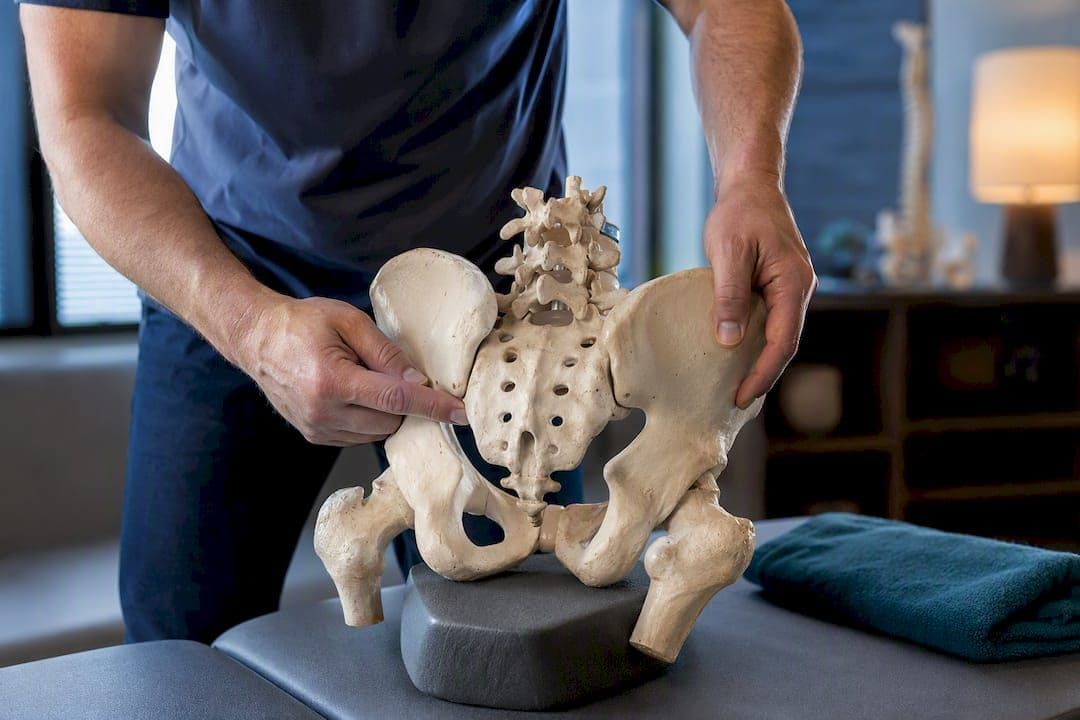
A joint is any place in your body where two bones meet. Your knees, hips, shoulders, and ankles are all joints, and each one is surrounded by cartilage, fluid, ligaments, and tendons that keep movement smooth and pain-free. When any of those structures become damaged, inflamed, or worn down, you feel it.
Joint pain's causes include arthritis, gout, bursitis, injuries, and infections. That list is broader than most people expect. Osteoarthritis is the most common form, where cartilage gradually breaks down. Rheumatoid arthritis is an autoimmune condition where the body attacks its own joint tissue. Gout causes sudden, severe pain from uric acid crystal buildup, often in the big toe. Bursitis inflames the fluid-filled sacs that cushion joints. Injuries like sprains, fractures, and torn ligaments can cause immediate or delayed pain.
Symptoms vary widely but often include:
- Stiffness , especially in the morning or after sitting still
- Swelling or warmth around the joint
- Tenderness when you press on the area
- Reduced range of motion that limits everyday tasks
- Grating or clicking sensations during movement
| Cause | Common symptoms |
|---|---|
| Osteoarthritis | Stiffness, dull ache, reduced motion |
| Rheumatoid arthritis | Swelling, warmth, fatigue |
| Gout | Sudden severe pain, redness |
| Bursitis | Localized tenderness, swelling |
| Injury or trauma | Sharp pain, bruising, instability |
| Infection | Fever, warmth, rapid swelling |
Understanding chiropractic for joint pain starts with recognizing which cause you're dealing with. Treating osteoarthritis looks very different from treating a post-injury flare-up, and that distinction matters enormously for your recovery.
How joint pain affects adults, athletes, and injury recovery
Understanding what causes joint pain paves the way for recognizing how it affects different people in very different ways.
For everyday adults, joint pain often shows up as a slow erosion of normal life. Climbing stairs becomes a project. Carrying groceries feels risky. Morning stiffness lingers well past breakfast. These limitations don't just hurt physically. They chip away at independence and mood over time.
For athletes, the stakes are higher and the timeline is compressed. A sore knee doesn't just hurt; it affects your split-second decisions, your training volume, and your competitive edge. Overuse injuries are especially common in runners, cyclists, and team sport athletes who repeat the same joint-loading movements hundreds of times per session. Post-traumatic arthritis often develops after joint trauma, especially in knees, hips, and ankles, and it can sideline athletes for months or permanently alter their movement patterns.
For people recovering from accidents or injuries, joint pain adds another layer of complexity to an already difficult process. Healing timelines stretch when inflammation persists, and compensating for one painful joint often creates new problems in adjacent areas.
Common issues by group:
- Everyday adults: Morning stiffness, pain during chores, difficulty with stairs or walking long distances
- Athletes: Flare-ups after training, reduced power output, instability during lateral movements
- Injury recovery patients: Persistent swelling, limited work function, fear of re-injury
Exploring your chiropractic role in injury rehab early can make a significant difference. The longer joint dysfunction goes unaddressed, the more the surrounding muscles, tendons, and nerves adapt to the problem, and not in helpful ways. If you're unsure where to start, reviewing your injury recovery options is a smart first move.
Pro Tip: Don't wait for pain to become unbearable before seeking care. Early intervention consistently produces better outcomes and shorter recovery times than waiting until the joint is severely compromised.
Conventional joint pain treatments versus holistic chiropractic care
With joint pain's broad impact covered, it's important to consider how treatment options compare, including holistic approaches that address the whole picture.
Conventional treatments typically include:
- NSAIDs (ibuprofen, naproxen): Reduce inflammation and pain short-term but carry GI and cardiovascular risks with prolonged use.
- Steroid injections: Offer fast relief for severe flare-ups but can weaken cartilage over time with repeated use.
- Surgery: Appropriate for severe structural damage but involves recovery time, anesthesia risks, and significant cost.
- Physical therapy: Builds strength and mobility but is often prescribed without addressing spinal or joint alignment.
Holistic chiropractic care takes a different route. It combines manual joint adjustments, soft tissue therapy, corrective exercises, and lifestyle guidance to address why the joint is dysfunctional, not just how much it hurts. The goal is restoring proper mechanics so the body can heal itself more effectively.
| Factor | Conventional treatment | Holistic chiropractic |
|---|---|---|
| Primary approach | Symptom suppression | Root-cause correction |
| Main tools | Drugs, injections, surgery | Adjustments, rehab, lifestyle |
| Side effects | GI issues, tissue damage | Mild soreness, rare complications |
| Long-term results | Variable | Focused on sustained function |
| Cost | Often high | Generally lower |
| Patient role | Passive | Active participant |
Spinal manipulative therapy yields mild pain reduction and improved function, though it works best as part of a broader conservative care plan. Importantly, non-drug methods like chiropractic and physical therapy are now recommended as first-line options by major clinical guidelines.
Exploring holistic pain relief options gives you a clearer picture of what's available beyond the prescription pad. For those interested in lasting holistic wellness , the research increasingly supports integrating chiropractic into your long-term health strategy.
Pro Tip: If your current treatment only reduces pain temporarily without improving how your joint moves, that's a sign you may be managing symptoms rather than solving the problem.

How holistic chiropractic treats joint pain at the source
Let's explore how holistic chiropractic care directly addresses joint pain and why more patients in West Central Florida are choosing it.
Holistic chiropractic uses spinal and extremity manipulation, soft tissue therapy, stretching, and rehab to target immobility, inflammation, and root causes. That's a meaningful distinction from simply icing a sore knee and calling it a day.
A typical holistic chiropractic approach follows these steps:
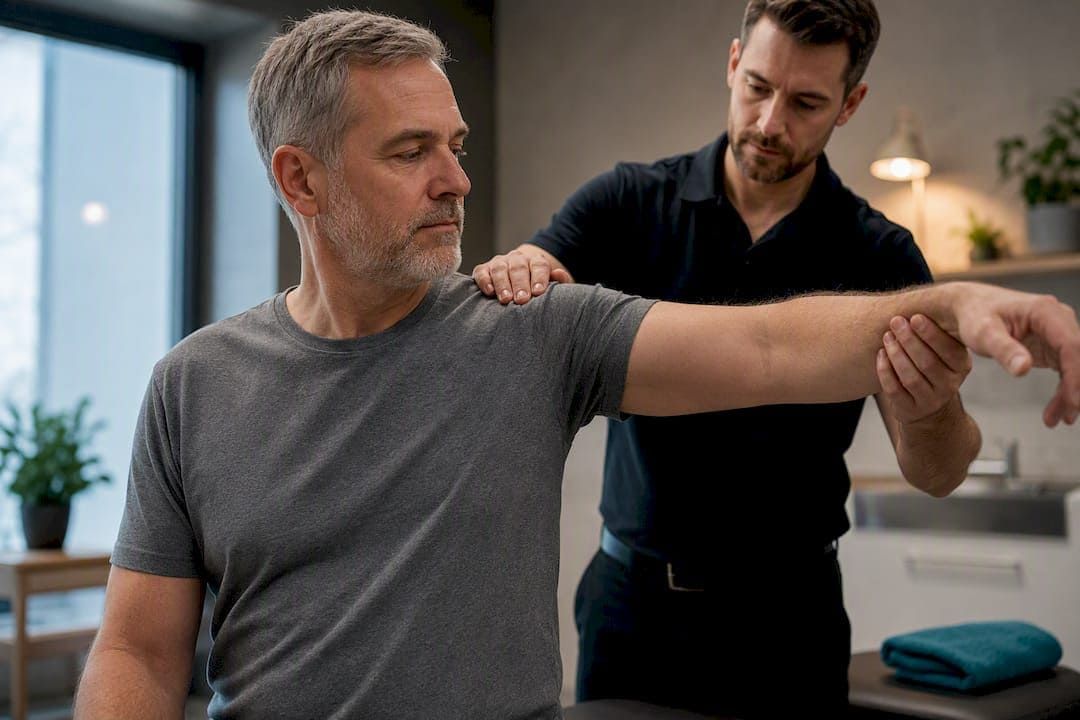
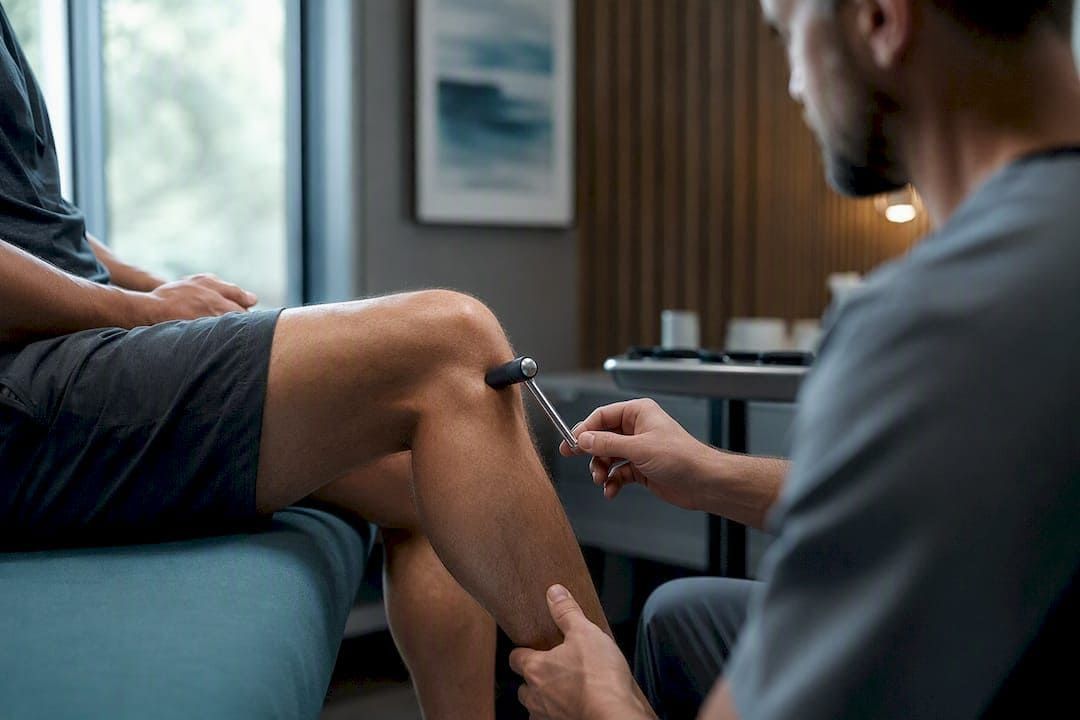
- Comprehensive evaluation: Postural analysis, range of motion testing, orthopedic and neurological assessments
- Spinal and extremity adjustments: Restore proper joint mechanics and reduce nerve interference
- Soft tissue therapy: Release muscle tension, break up scar tissue, and improve circulation
- Corrective exercise: Strengthen the muscles supporting the affected joint to prevent recurrence
- Lifestyle and ergonomic guidance: Address daily habits that contribute to joint stress
The biomechanical logic is straightforward. When a joint loses its normal range of motion, surrounding muscles compensate, posture shifts, and wear patterns become uneven. Adjustments interrupt that cycle by restoring movement and reducing the neurological pain signals that keep the area guarded and tense.
Rare serious risks exist, but mobilization is preferred over high-velocity adjustments in inflamed or infected joints, and mild soreness after treatment is the most common side effect. Knowing when chiropractic is appropriate matters. It works well for athletes managing overuse injuries, adults with osteoarthritis, and post-injury patients rebuilding function. It's not the right fit for joints with active infection or fractures.
Pro Tip: Always start with a thorough evaluation before any hands-on treatment. A good clinician will identify contraindications and tailor every technique to your specific condition.
Learning about chiropractic techniques for pain relief helps you ask better questions at your first appointment. For a broader view, integrated joint pain care that combines chiropractic with physical rehab consistently produces stronger outcomes than either approach alone. The chiropractic benefits for joint pain go well beyond temporary comfort.
Why joint pain relief is about more than just reducing symptoms
Here's something we see repeatedly in practice: patients who rely only on painkillers or passive treatments feel better for a while, then find themselves right back where they started. Sometimes worse. That cycle is frustrating, and it's also preventable.
The uncomfortable truth is that pain relief and actual healing are not the same thing. A joint can feel less painful while still moving poorly, loading unevenly, and breaking down faster than it should. Masking that signal with medication doesn't fix the mechanical problem underneath.
The best outcomes we observe come from treating the structural source of dysfunction and then empowering patients to maintain that improvement through movement, strengthening, and smarter daily habits. That means active participation, not passive treatment. It also means addressing posture, workload, footwear, sleep position, and activity patterns alongside the hands-on care.
For athletes and injury recovery patients especially, lasting results with holistic care depend on building a foundation that holds up under real-world demands. Anyone can feel better lying on a table. The goal is feeling better when you're back on the field, at your desk, or chasing your kids around the yard.
If you're still searching for the right approach, push for comprehensive care. Ask your provider what they're doing to address the cause, not just the symptom.
Find real joint pain relief with holistic chiropractic
If you're ready to address your joint pain's true source, here's how you can start your path to relief in West Central Florida.
At Essential ChiroCare, we combine evidence-based chiropractic care services with hands-on physical rehab for recovery to create personalized treatment plans that go beyond temporary fixes. Whether you're managing chronic joint pain, recovering from an accident, or dealing with a sports injury, our experienced team evaluates your full picture before recommending any treatment. We serve patients across Tampa, Brandon, Sarasota, Lakeland, and Pinellas Park. Book a consultation today and find out what's actually driving your pain.
Frequently asked questions
When should I see a chiropractor for joint pain?
Seek chiropractic care if pain, stiffness, or instability isn't improving with rest, or if it's limiting your daily activities or athletic performance. Early intervention consistently prevents joint pain from becoming a chronic, harder-to-treat condition.
Is chiropractic care safe for all types of joint pain?
Chiropractic care is generally safe, but HVLA adjustments should be avoided in inflamed or infected joints. Your provider will assess your condition and use gentler mobilization techniques when needed.
How does holistic chiropractic differ from conventional joint pain treatments?
Holistic chiropractic addresses root causes and pairs manual therapy with rehab exercises, while conventional care often focuses on pain relief alone. Non-drug options like chiropractic are now prioritized in major clinical guidelines as a first-line approach.
What are common risks or side effects of chiropractic joint pain treatment?
Mild soreness after treatment is the most common side effect and typically resolves within a day or two. Serious complications are rare when care is properly matched to your condition.
Title or Question
Absolutely. Tailored chiropractic adjustments and rehab exercises help restore joint mobility and reduce inflammation, which is especially valuable for athletes managing overuse injuries or recovering from trauma.
Recommended