Gentle Yoga for Pain Relief: A Practical Guide
TL;DR:
- Gentle yoga for pain relief is an evidence-based practice that retrains the nervous system through slow movement and mindful breathing. It is recommended as a first-line treatment for chronic low back pain by the American College of Physicians and requires only basic props and a quiet space. Consistent short sessions focusing on safe range and proper modifications help improve function and reduce pain over time.
Gentle yoga for pain relief is a structured, evidence-informed practice that combines slow movement, breath awareness, and mindful body attention to reduce chronic and acute pain. The American College of Physicians recommends yoga as a first-line, nonpharmacologic treatment for chronic low back pain, placing it alongside exercise, tai chi, and mindfulness-based therapy. Yoga therapy for pain works not by eliminating discomfort instantly, but by retraining the nervous system through consistent, patient practice. The result is a gradual shift in how your body and brain process pain signals over time.

What do you need to start gentle yoga for pain relief?
The barrier to starting is lower than most people expect. You do not need a studio membership, special clothing, or prior yoga experience. What you do need is the right setup to practice safely.
Essential props and equipment
- Yoga mat: A non-slip mat at least 68 inches long provides a stable, cushioned surface for floor-based poses.
- Blankets or folded towels: These support the knees, hips, and lower back in seated or reclined positions.
- Yoga blocks: Foam or cork blocks bring the floor closer to you, reducing strain in standing and seated stretches.
- Bolster or firm pillow: A bolster supports the spine in restorative poses like supported backbends, which are central to gentle yoga routines.
- Chair: A sturdy, armless chair allows you to practice seated or standing poses with added stability.
Setting up your space
Your environment matters as much as your equipment. Choose a quiet, flat surface with enough room to extend your arms and legs fully. Dim lighting and minimal noise reduce sensory distraction and support the relaxation response. A consistent location also trains your brain to associate that space with calm, which reinforces the mind-body benefits over time.
Pro Tip: Set your phone to Do Not Disturb before each session. Interruptions spike cortisol, which directly counteracts the nervous system calming that makes gentle yoga effective for pain.
The right mindset before you begin
VA-based gentle yoga protocols use a choice-based, trauma-informed approach. This means you are always in control. You can skip a pose, rest in Child's Pose, or modify any movement without judgment. Pain thresholds matter here. Mild discomfort at a 1–3 out of 10 on a pain scale is generally acceptable. Sharp, shooting, or worsening pain is a signal to stop.
| Setup Element | Why It Matters |
|---|---|
| Non-slip yoga mat | Prevents falls and supports safe floor transitions |
| Blocks and blankets | Reduce joint strain and allow deeper relaxation |
| Quiet, flat space | Supports nervous system regulation during practice |
| Choice-based mindset | Builds confidence and reduces fear-avoidance behaviors |
How to practice pain relief yoga poses step by step
A well-structured session does more than stretch muscles. It teaches your nervous system that movement is safe. Yoga acts as a neural retraining tool, shifting pain perception through repeated, mindful practice rather than delivering a one-time fix.
Session structure: 15–30 minutes is enough
Short sessions are not a compromise. VA protocols specifically recommend 15–30 minute sessions for chronic pain patients, starting conservatively and increasing only when the body responds well. Longer sessions early on increase the risk of post-practice flare-ups.
A practical session flows in three phases:
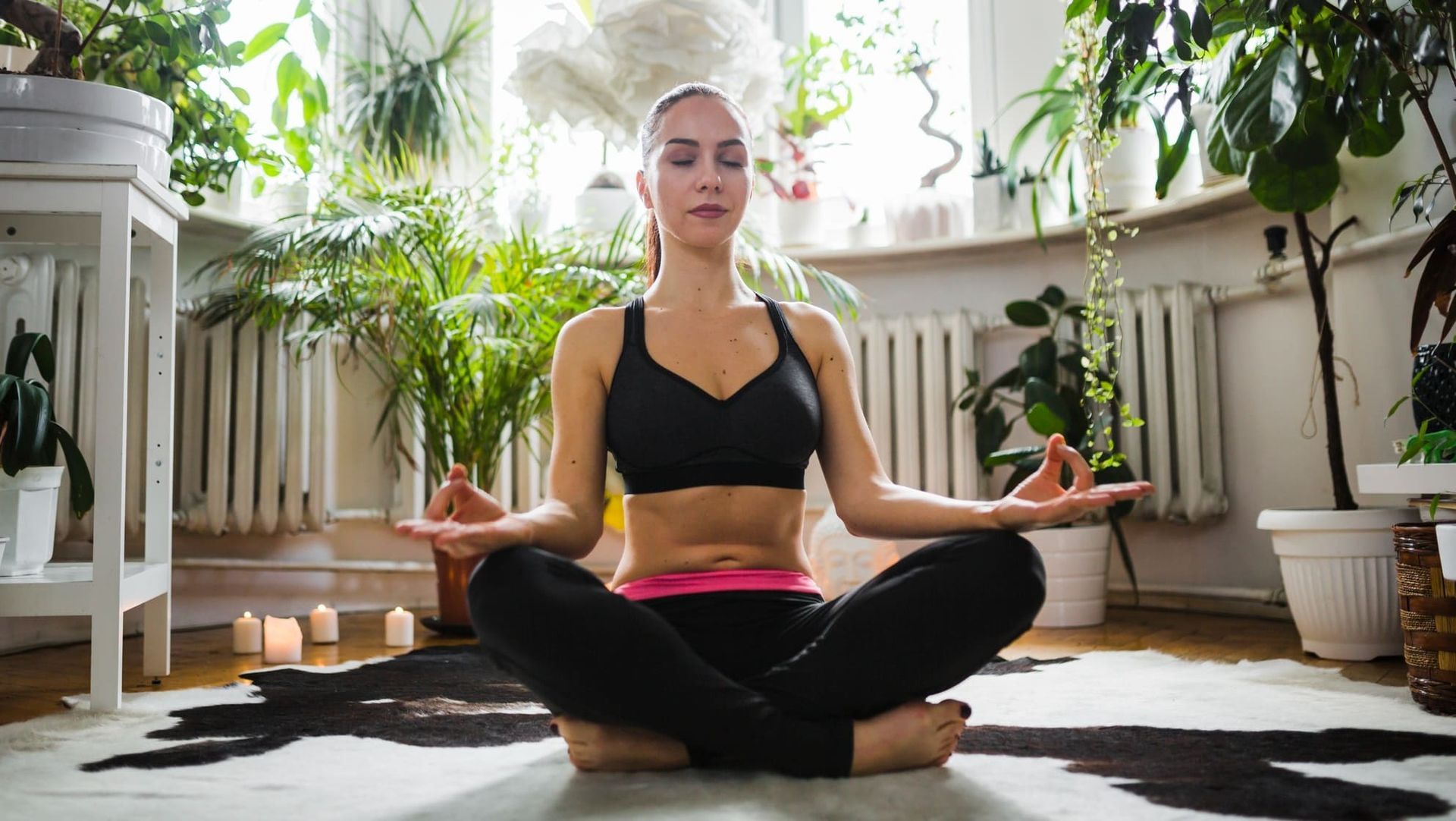
- Breath awareness (3–5 minutes): Sit or lie comfortably. Breathe in through the nose for four counts, out for six. This activates the parasympathetic nervous system and reduces baseline muscle tension before any movement begins.
- Gentle movement sequence (10–20 minutes): Move through modified poses in a logical order, from floor-based to seated or standing. Coordinate each movement with your breath. Inhale to lengthen, exhale to release.
- Rest and integration (3–5 minutes): End in Savasana or a supported reclined position. This phase consolidates the nervous system changes from the session and is not optional.
Key pain relief yoga poses with modifications
Supported Knees-to-Chest (Apanasana): Lie on your back and draw both knees toward your chest. Hold the shins, not the knees. This gently decompresses the lumbar spine and is safe for most back conditions. Hold for 5–8 breaths.
Cat-Cow on Hands and Knees: Move between spinal flexion and extension in sync with your breath. If wrist pain is present, perform this on fists or forearms. This pose improves spinal mobility without loading the discs heavily.
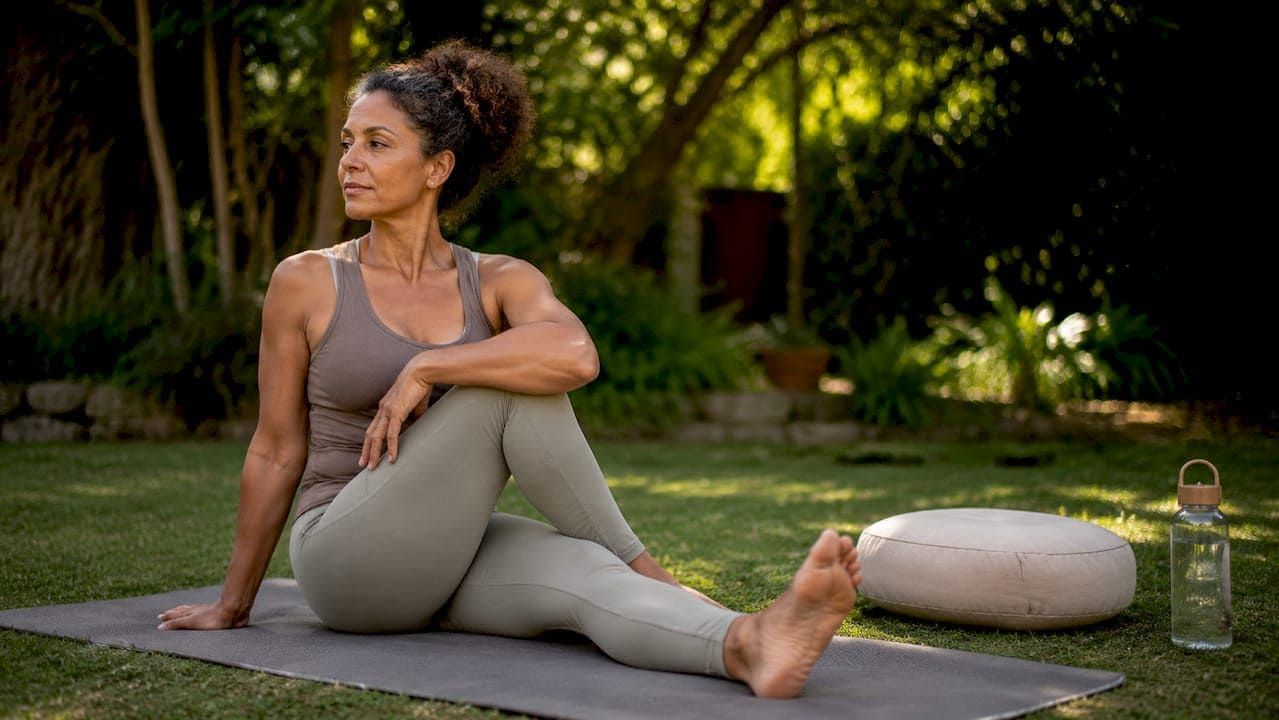
Reclined Spinal Twist: Lie on your back, draw one knee to the chest, and let it fall to the opposite side while keeping both shoulders grounded. Use a folded blanket under the knee to reduce rotation depth. This is one of the most effective gentle yoga stretches for thoracic and lumbar tension.
Legs Up the Wall (Viparita Karani): Sit sideways against a wall, then swing your legs up. This passive inversion reduces lower limb swelling, calms the nervous system, and requires zero muscular effort. It is particularly useful after a long day on your feet.
Supported Bridge Pose: Place a yoga block under the sacrum at its lowest height. This is a supported backbend that opens the hip flexors and reduces lumbar compression without active muscular effort.
The key principle across all of these is range selection over pose achievement. Move to 70–80% of your available range, not to the end of it. Props exist to make that range accessible without strain.
Pro Tip: If a pose increases your pain above a 3 out of 10, do not push through it. Back off to 50% of the range and try again. Progress in gentle yoga is measured in weeks, not sessions.
How do you monitor pain and modify practice safely?
Safe practice is not passive. It requires active attention to how your body responds during and after each session. The goal is to find the edge of comfortable movement, not to push past it.
"The aim is not to eliminate all sensation, but to distinguish between productive discomfort and harmful pain. Mild muscle awareness is expected. Sharp, radiating, or worsening pain is not." — VA Whole Health Program guidance on yoga for chronic pain
Condition-specific cautions
Not every pose suits every condition. Certain movements are contraindicated for specific back conditions:
- Disc herniation: Avoid deep forward folds and loaded spinal twists. Neutral spine positions and gentle extensions are generally safer.
- Spinal stenosis: Avoid deep backbends and extension-heavy poses. Gentle flexion and supported forward bends tend to reduce symptoms.
- Osteoporosis: Avoid loaded spinal flexion, deep twists, and any pose that compresses the vertebrae. Focus on standing balance work and gentle extension.
- Fibromyalgia: A 2026 narrative review found 31.4% improvement on the Fibromyalgia Impact Questionnaire after an 8-week gentle yoga program. This confirms that yoga is a safe adjunct, but session intensity must stay low to avoid triggering flares.
When to stop and seek medical advice
Stop your session immediately if you experience sharp or shooting pain, numbness or tingling in the arms or legs, sudden dizziness, or chest tightness. These are not yoga-related sensations. They are warning signs that require medical evaluation. For readers managing complex or multi-site pain, reviewing evidence-based pain management practices before starting a yoga program provides useful clinical context.
Adverse effects from clinical yoga programs are generally uncommon and mild. The most frequent injuries involve headstands and deep inversions, which are not part of any gentle yoga protocol. This means the risk profile for gentle, modified practice is low when basic safety rules are followed.
What are the most common challenges with yoga for chronic pain?
Progress in yoga for chronic pain is not linear. Most people experience good days and bad days, and the temptation to do more on good days is one of the most common mistakes.
- Overexertion on low-pain days: Doing too much when you feel good often triggers a flare the next day. Pacing means keeping sessions consistent regardless of how you feel in the moment.
- Expecting quick results: Mind-body practices require gradual skill development. The nervous system changes that reduce pain perception take weeks to months of consistent practice to develop.
- Fear-avoidance behaviors: Avoiding movement because of anticipated pain actually reinforces pain pathways. Breath-coordinated movement within a comfortable range is the most effective way to reduce this pattern.
- Skipping rest poses: Savasana and Child's Pose are not breaks from yoga. They are part of the therapeutic dose. Skipping them reduces the nervous system benefit of the session.
- Comparing progress to others: Gentle yoga for stress relief and pain management is personal. Your baseline, your condition, and your nervous system are unique. Comparison creates frustration and undermines adherence.
Pro Tip: Track your pain level before and after each session using a simple 0–10 scale. Over 4–6 weeks, patterns emerge that show you which poses and session lengths work best for your body.
A 2026 meta-analysis confirmed that yoga improves physical function and emotional wellbeing in chronic low back pain patients, even when pain reduction scores are similar to general exercise. This means the benefits extend well beyond pain numbers. Mood, mobility, and confidence all improve with consistent practice. Pairing yoga with self-care strategies for chronic pain accelerates these gains.
Key takeaways
Gentle yoga for pain relief works because it trains the nervous system, builds safe movement habits, and improves function over time through consistent, modified practice.
| Point | Details |
|---|---|
| ACP-endorsed first-line therapy | Yoga is recommended by the American College of Physicians for chronic low back pain before medication. |
| Short sessions reduce flare risk | VA protocols recommend 15–30 minute sessions to build tolerance without triggering post-practice pain. |
| Range selection beats pose achievement | Moving at 70–80% of available range with props protects joints and sends safe signals to the nervous system. |
| Condition-specific modifications matter | Disc herniation, stenosis, and osteoporosis each require specific pose adjustments to avoid injury. |
| Consistency outperforms intensity | Neural retraining through yoga takes weeks of regular practice, not a single session. |

Why gentle yoga rewards patience more than effort
I have worked with enough people managing chronic pain to say this plainly: the ones who make the most progress are rarely the ones who push hardest. They are the ones who show up consistently, keep their sessions short, and treat rest poses with the same respect as active movement.
What surprises most people is how much the breath matters. Not as a relaxation trick, but as a genuine signal to the nervous system that the body is safe. When you move in sync with your breath, you are not just stretching a muscle. You are sending a message to a pain-sensitized nervous system that movement is not a threat. That message, repeated over weeks, is what actually changes pain.
I also think the clinical framing of yoga as "exercise" misses something. Yoga for back pain relief is not about building strength or burning calories. It is about restoring a relationship between your brain and your body that chronic pain has disrupted. That takes time, and it takes gentleness. The preventative wellness approach to chronic pain aligns with this thinking: sustainable relief comes from building habits, not from one-time interventions.
The most common mistake I see is treating a good day as permission to do more. It is not. A good day is confirmation that your current approach is working. Stay the course.
How chiropractic care supports your yoga practice
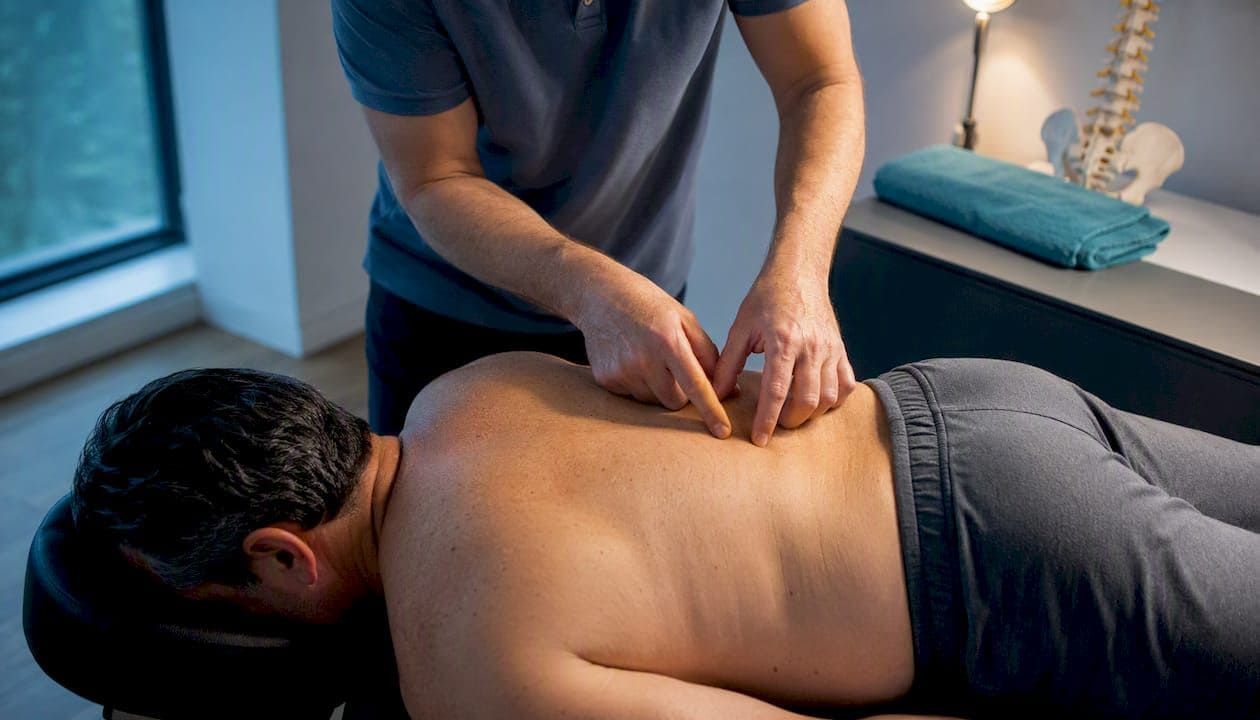
Gentle yoga builds mobility and nervous system resilience, but some pain sources need more direct structural attention. Chiropractic care addresses joint restrictions, spinal alignment, and soft tissue dysfunction that yoga alone cannot resolve.
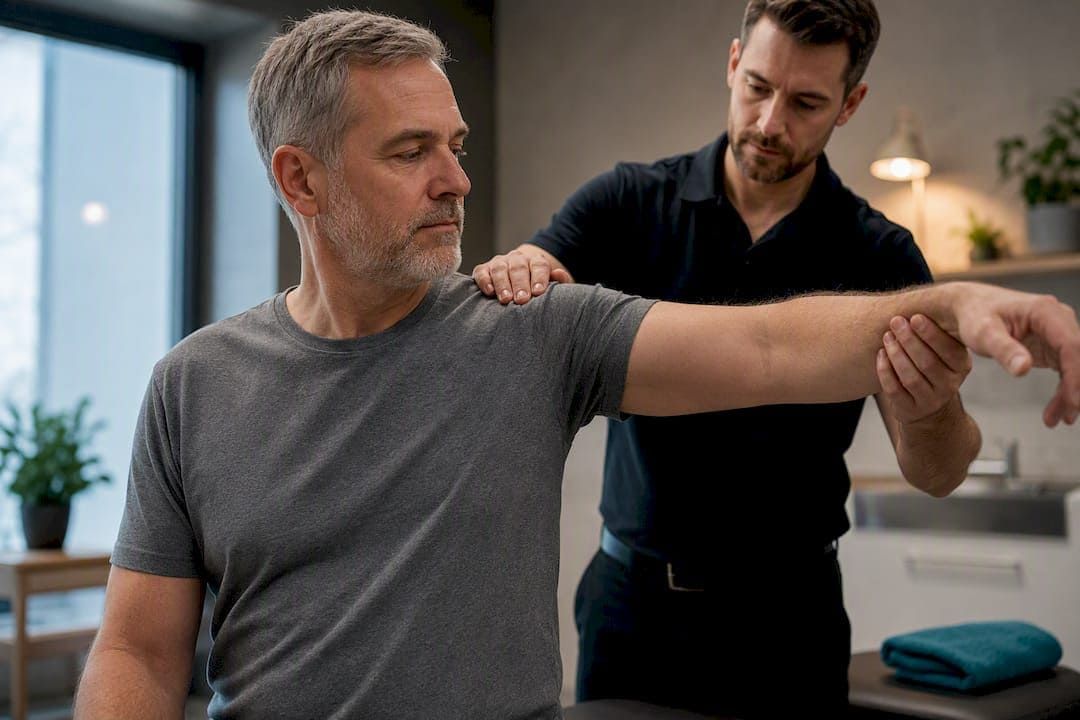
At Essentialchirocare, the clinical team across Tampa, Brandon, Sarasota, Lakeland, and Pinellas Park combines chiropractic adjustments with physical rehabilitation to create personalized plans for chronic and acute pain. If your pain is limiting your ability to practice yoga safely, or if you have hit a plateau in your progress, a chiropractic evaluation can identify the structural factors holding you back. Essentialchirocare also offers physical rehab services that complement yoga-based recovery, helping you build strength and mobility in a supervised setting. Schedule a consultation to find out what a combined approach can do for your pain.
FAQ
What is gentle yoga for pain relief?
Gentle yoga for pain relief is a modified yoga practice that uses slow movements, breath coordination, and supportive props to reduce chronic or acute pain. The American College of Physicians recognizes it as a first-line nonpharmacologic treatment for chronic low back pain.
How long before gentle yoga reduces pain?
Neural retraining through consistent yoga practice takes weeks to months, not days. VA guidance emphasizes gradual skill development and patience, with meaningful improvements typically emerging after 4–8 weeks of regular sessions.
Is gentle yoga safe for disc herniation or osteoporosis?
Yes, with specific modifications. Deep forward folds and loaded twists are avoided for disc herniation, while loaded spinal flexion and deep twists are contraindicated for osteoporosis. A choice-based, prop-supported approach keeps practice safe for both conditions.
How often should i practice yoga for chronic pain?
Three to five short sessions per week of 15–30 minutes each is the standard recommendation from VA-based chronic pain protocols. Consistency matters more than session length or frequency.
Can gentle yoga help with fibromyalgia?
Yes. A 2026 narrative review found a 31.4% improvement on the Fibromyalgia Impact Questionnaire after an 8-week gentle yoga program. Yoga is most effective as an adjunct to standard care, not a replacement for it.