Chiropractic for Sciatica – Holistic Pain Relief Explained
Chiropractic for Sciatica – Holistic Pain Relief Explained
Back pain that shoots into your leg can stop your day in its tracks, leaving basic movements like standing or walking a real challenge. For many in West Central Florida, sciatica pain turns daily routines into obstacles, but relief is closer than you think. Understanding the truth about sciatic nerve compression and the myths around treatment empowers you to choose safe, effective chiropractic care for genuine comfort and improved mobility.
Table of Contents
Key Takeaways
| Point | Details |
|---|---|
| Understanding Sciatica | Sciatica is a symptom caused by compression or irritation of the sciatic nerve, not a standalone condition. Identifying the underlying cause is crucial for effective treatment. |
| Debunking Common Myths | Many misconceptions exist, such as the necessity of surgery or complete bed rest; conservative treatments like exercise are often more effective. |
| Chiropractic Benefits | Chiropractic adjustments address the root causes of sciatica by realigning the spine, relieving pressure on the sciatic nerve, and promoting natural healing. |
| Comparative Effectiveness | Chiropractic care typically offers comparable or superior pain relief to traditional methods while being non-invasive and more cost-effective. |
Sciatica Pain Defined and Common Myths
Sciatica isn’t actually a disease or condition on its own. It’s a symptom that develops when the sciatic nerve gets compressed or irritated. This nerve is the longest in your body, running from your lower back through your hips and down each leg. When something presses on it, you get radiating pain, numbness, tingling, or weakness along the pathway.
The pain typically starts in your lower back or buttock and travels down one leg. Most people in West Central Florida who experience sciatica describe it as a sharp, burning sensation or a dull ache that makes sitting, walking, or bending uncomfortable. Inflammation or compression of the lumbosacral nerve roots causes these symptoms, and understanding the difference between sciatica and its underlying causes matters more than you might think.
Common causes include herniated discs (when the cushion between vertebrae bulges out), spinal stenosis (narrowing of the spinal canal), and spondylolisthesis (when one vertebra slides forward). But here’s what most people get wrong: sciatica describes where the pain occurs, not what created it. Treating sciatica means addressing the root cause, not just masking the symptoms.
Here’s a summary of common sciatica causes and typical symptoms:
| Cause | Typical Symptom Pattern | Aggravating Movements |
|---|---|---|
| Herniated Disc | Sharp, shooting pain down leg | Twisting, bending, lifting |
| Spinal Stenosis | Dull ache, worsens standing | Prolonged standing, walking |
| Piriformis Syndrome | Deep buttock discomfort | Sitting, crossing legs |
| Spondylolisthesis | Lower back and leg pain | Extension, heavy lifting |
The myths surrounding sciatica run deep. Many believe you need surgery to fix it. That’s false. Others swear by complete bed rest. Wrong again. Updated clinical guidelines emphasize conservative approaches like exercise and manual therapy as the first line of treatment. Most cases resolve without surgery when treated properly.
Another persistent myth is that sciatica always means permanent damage. In reality, symptoms vary widely in severity and duration. Someone might experience mild discomfort for days, while another person deals with sharp pain for weeks. The good news for locals seeking relief here in West Central Florida is that chiropractic care, combined with physical therapy and lifestyle adjustments, addresses these underlying causes effectively.
Pro tip: When you first experience sciatica symptoms, avoid prolonged bed rest and instead focus on gentle movement and proper spinal alignment, which chiropractic care specializes in.
Types of Sciatica and Chiropractic Approaches
Sciatica doesn’t come in one flavor. The underlying cause determines what type you’re dealing with, and that directly impacts how your chiropractor treats it. Understanding these differences matters because a treatment plan tailored to your specific sciatica is far more effective than a generic approach.
Disc herniation sciatica occurs when a spinal disc’s inner material bulges outward and presses on the nerve root. You might feel sharp, shooting pain that worsens with certain movements. Spinal stenosis sciatica develops when the canal surrounding your spinal cord narrows, compressing the sciatic nerve. This type often causes pain that improves when you bend forward. Piriformis syndrome happens when the piriformis muscle in your buttock compresses the nerve, creating deep, aching discomfort.
Spinal manipulative therapy represents the core of chiropractic treatment for sciatica. Your chiropractor applies controlled force to misaligned vertebrae, restoring proper spinal positioning and relieving nerve compression. Different sciatica types require adjusted techniques. For disc herniation, your doctor might use gentle mobilization rather than aggressive manipulation. For stenosis, specific adjustments focus on decompression. Chiropractic interventions typically aim to reduce inflammation and restore normal nerve function.
Beyond spinal manipulation, chiropractors in West Central Florida combine multiple approaches for better results. Soft tissue therapy addresses tight muscles aggravating the nerve. Traction therapy gently pulls vertebrae apart, creating space for nerve relief. Therapeutic exercises strengthen supporting muscles, preventing recurrence. This multimodal strategy works because it tackles both the immediate pain and the underlying dysfunction.
The evidence strongly supports this tailored approach. When your chiropractor identifies your specific sciatica type, they can select techniques with proven effectiveness for that particular condition. You’re not getting a cookie-cutter treatment. You’re getting a precision plan.
Pro tip: During your first visit, clearly describe your pain location and what movements make it better or worse, helping your chiropractor pinpoint your sciatica type for the most effective treatment strategy.
How Chiropractic Adjustments Relieve Sciatica
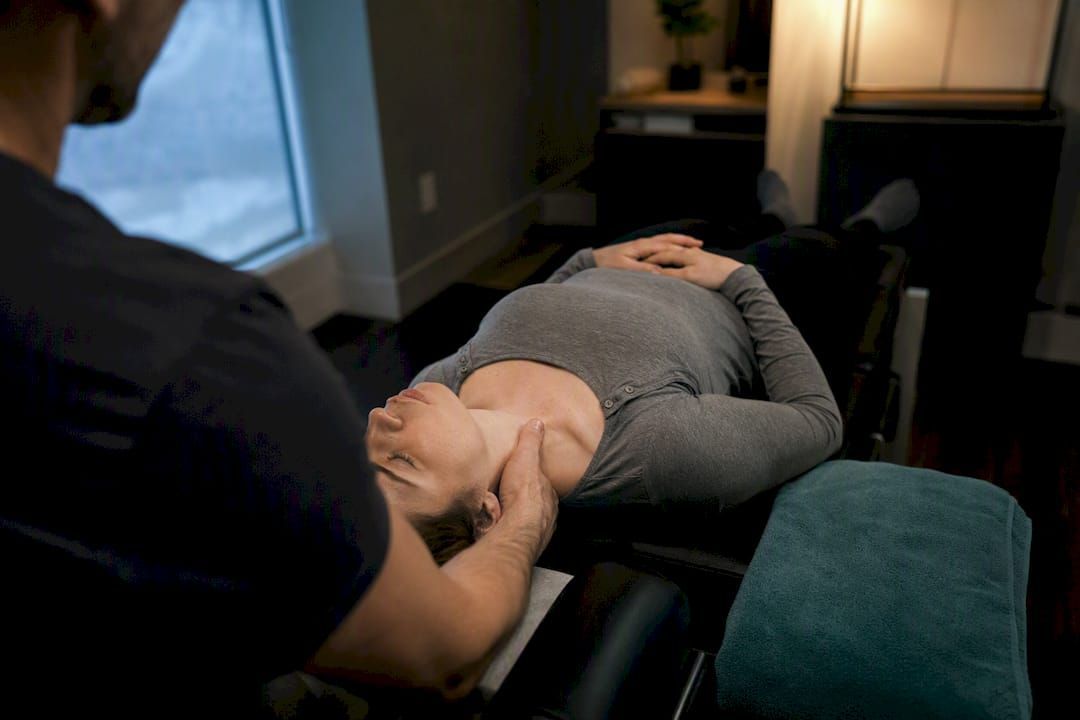
When a chiropractor adjusts your spine for sciatica, they’re working to fix the underlying mechanical problem causing your pain. A chiropractic adjustment realigns vertebrae that have shifted out of position, removing pressure from the sciatic nerve root. This isn’t just about cracking your back. It’s precise correction aimed at restoring normal spinal mechanics.
The adjustment process works through several mechanisms. Spinal manipulative therapy realigns vertebrae and reduces nerve root compression, which immediately relieves the irritation causing your pain. When vertebrae are misaligned, they restrict joint movement and press on nerve tissue. Your chiropractor applies controlled force to restore proper alignment and restore mobility.
Beyond the immediate realignment, adjustments trigger your body’s natural healing response. Chiropractic spinal manipulation decreases inflammation and promotes healing processes in the affected area. Reduced inflammation means less swelling around the nerve, less pressure, and less pain. Your body begins recovering from the underlying dysfunction rather than just masking symptoms temporarily.
What makes chiropractic adjustments particularly effective for West Central Florida residents is that they address root causes instead of just treating symptoms. You don’t just take pain medication and hope it goes away. You get the structural problem fixed. When combined with therapeutic exercises and soft tissue work, adjustments create lasting relief instead of temporary comfort.
You’ll typically notice improvement within a few sessions, though your chiropractor designs a personalized treatment plan based on your specific condition. Some cases resolve quickly. Others require ongoing care as tissues heal and strengthen. The clinical evidence supporting this approach is strong, showing that adjustments provide both symptom relief and functional improvement without surgery or medication dependency.
Pro tip: Arrive at your adjustment appointment with a relaxed spine by avoiding strenuous activity beforehand, allowing your chiropractor to work more effectively and reducing post-adjustment soreness.

Risks, Safety, and Expected Outcomes
Chiropractic care for sciatica is remarkably safe. This doesn’t mean there are zero side effects, but serious complications are genuinely rare. Understanding what to expect helps you make an informed decision about treatment. Most people experience relief without encountering any significant problems.
Mild side effects occur fairly commonly after adjustments. You might feel soreness or stiffness similar to post-workout muscle fatigue. Some patients report mild headaches. The good news is that these effects typically resolve within 24 hours. Your chiropractor screens for risk factors during your initial evaluation to prevent complications before they start.
Serious adverse events from chiropractic care are exceptionally uncommon. Research estimates serious complications occur between 1 in 20,000 to 1 in millions of treatments. Compare this to other treatment options. Chiropractic manipulation reduces opioid related adverse events compared to standard medical care, meaning you avoid the significant risks associated with pain medications.
Your chiropractor uses careful patient screening to minimize any potential risks. They review your medical history, perform physical examinations, and may order imaging if needed. Pre-existing conditions like severe osteoporosis or certain spinal conditions require modified treatment approaches. This screening process is how your doctor ensures your safety before beginning care.
Expect gradual improvement rather than overnight transformation. Most people notice meaningful relief within two to four weeks of consistent treatment. Some experience dramatic improvement sooner. Others require longer care as tissues heal and function improves. Your chiropractor creates a timeline based on your specific condition. Long-term outcomes are excellent, with patients reporting sustained pain relief and improved function without requiring ongoing medication or surgery.
Pro tip: Report any pre-existing health conditions, medications, or previous spinal injuries during your initial consultation so your chiropractor can customize your treatment plan for maximum safety and effectiveness.
Comparing Chiropractic Care to Other Treatments
When you’re dealing with sciatica, you have options. Pain medication, physical therapy, injections, and surgery all exist as alternatives. But how does chiropractic care stack up against these conventional approaches? The answer matters for your wallet and your long-term health.
Medication treats symptoms but not causes. Anti-inflammatory drugs and pain relievers provide temporary relief while the underlying structural problem remains. You might feel better for a few hours, but the pain returns when the medication wears off. Over time, relying on medication carries risks of dependency and side effects. Surgery is invasive, expensive, and carries its own complications. Not everyone needs or benefits from going under the knife.
Physical therapy helps many people, and chiropractors often recommend it as part of comprehensive care. However, physical therapy alone without addressing spinal alignment has limitations. You’re strengthening muscles around a misaligned spine, which is like putting a bandage on a broken bone. The real breakthrough happens when you combine physical therapy with chiropractic adjustments that restore proper spinal mechanics.
Chiropractic spinal manipulation offers comparable or superior pain reduction compared to traditional medical treatments for sciatica. Research shows chiropractic care delivers better results while costing less. Patients report higher satisfaction with chiropractic treatment because they address root causes rather than just managing pain symptoms.
The cost difference is significant. A course of chiropractic treatment costs a fraction of what you’d spend on imaging, medications, injections, or surgery. Most insurance plans cover chiropractic care, making it accessible for West Central Florida residents seeking affordable relief.
The following table compares chiropractic care with other sciatica treatment options:
| Treatment Type | Addresses Root Cause | Invasiveness | Risk of Complications |
|---|---|---|---|
| Chiropractic Adjustment | Yes | Non-invasive | Very low |
| Physical Therapy | Partially | Non-invasive | Low |
| Medication | No | Non-invasive | Moderate (side effects) |
| Surgery | Yes | Invasive | Higher (infection, etc.) |
| Injections | No | Minimally | Moderate (temporary relief) |
Best of all, many patients benefit most from multimodal treatment combining chiropractic adjustments, physical therapy, and lifestyle modifications. This integrated approach works because it tackles the problem from multiple angles simultaneously.
Pro tip: Ask your chiropractor about complementary therapies they recommend alongside adjustments, such as therapeutic exercises or ergonomic modifications, to accelerate your recovery timeline.
Discover Lasting Relief from Sciatica with Essential ChiroCare
If you are struggling with sharp or burning pain radiating from your lower back down your leg you are not alone. Sciatica caused by nerve compression can make simple movements painful and disrupt your daily life. Instead of relying on temporary fixes like medication or rest consider a holistic approach that targets the root cause. At Essential ChiroCare in West Central Florida we specialize in precision chiropractic adjustments combined with therapeutic exercises and manual therapy to restore spinal alignment and reduce inflammation.
Take control of your pain today by choosing a personalized treatment plan designed specifically for your sciatica type. Early chiropractic care can bring quick and lasting improvement without invasive surgery or risky medications. Visit Essential ChiroCare to schedule your first consultation and start moving toward a pain free future now. Our experienced team is ready to help you regain comfort and mobility with proven holistic techniques.
Frequently Asked Questions
What is sciatica and how can chiropractic care help?
Sciatica is a symptom indicating irritation or compression of the sciatic nerve, typically causing pain, numbness, or tingling down one leg. Chiropractic care addresses the root causes of sciatica by realigning the spine and reducing nerve compression, providing holistic pain relief.
What are common causes of sciatica?
Common causes of sciatica include herniated discs, spinal stenosis, spondylolisthesis, and piriformis syndrome. Understanding the underlying cause is essential for effective treatment.
How long does it take to see improvement from chiropractic adjustments for sciatica?
Most patients begin to notice improvements within two to four weeks of consistent chiropractic treatment, though some may experience relief sooner, while others may require longer care.
Are there any risks associated with chiropractic care for sciatica?
Chiropractic care is generally safe, with mild side effects like soreness or stiffness being the most common. Serious complications are rare, especially with proper patient screening and assessment.
Recommended
- Why Holistic Pain Relief Matters for Lasting Wellness
- Sciatica Relief: Top Non-Surgical Chiropractic Treatments
- Effective Sciatica Treatment | Relieve Pain
- Chiropractic Techniques: Improving Pain and Wellness
- Top 6 Best Affordable Therapy Services in 2026 - ReviveHealthTherapy
- Do You Need a Pain Management Alternative?