7 Essential Tips for Spinal Health and Lasting Relief
7 Essential Tips for Spinal Health and Lasting Relief
Back pain and stiff joints can turn ordinary tasks into uncomfortable challenges. You might notice your posture slipping during long hours at a desk or feel tension build up after a day on your feet. Ignoring these warning signs leads to bigger problems like chronic discomfort or reduced mobility. The good news is you do not have to make drastic changes to protect your spine or support your musculoskeletal health. Even simple adjustments and daily habits can make a lasting difference. This list reveals practical strategies to maintain strong spinal alignment, reduce pain, and stay active for years to come. Get ready to discover smart tweaks and easy routines that keep your back—and your body—in top condition.

Table of Contents
- 1. Maintain Proper Posture Throughout The Day
- 2. Incorporate Regular Stretching And Movement
- 3. Practice Safe Lifting Techniques
- 4. Choose Supportive Footwear For Alignment
- 5. Stay Hydrated To Nourish Spinal Discs
- 6. Get Quality Sleep With A Supportive Mattress
- 7. Schedule Regular Chiropractic Check-Ups
Quick Summary
| Takeaway | Explanation |
|---|---|
| 1. Maintain Proper Posture Daily | Good posture supports spinal health, reduces strain on muscles, and prevents chronic pain. Check alignment regularly throughout the day. |
| 2. Incorporate Stretching into Your Routine | Gentle stretching enhances flexibility, reduces muscle tension, and supports mobility. Aim for a daily 10-minute stretching session. |
| 3. Use Safe Lifting Techniques | Lifting correctly minimizes the risk of injury. Use your legs, keep the load close, and avoid twisting. |
| 4. Choose Supportive Footwear | Proper shoes enhance alignment, balance, and posture. Look for adequate arch support and cushioning to protect your spine. |
| 5. Stay Hydrated for Spinal Health | Drinking enough water nourishes spinal discs, helping maintain flexibility and prevent degeneration. Aim for 8-12 glasses daily. |
1. Maintain Proper Posture Throughout the Day
Your spine is the foundation of your physical well-being, and maintaining proper posture isn’t just about looking confident—it’s about protecting your long-term health. Good posture means keeping your body aligned so that your spine maintains its natural curves without unnecessary strain or compression.
Proper posture involves strategic positioning of your body during both movement and rest. When you sit, stand, or walk with correct alignment, you reduce unnecessary stress on your muscles, ligaments, and joints. Maintaining natural spine alignment helps prevent chronic pain, improves breathing, and supports overall musculoskeletal health.
To implement good posture, start by becoming aware of your body positioning. When sitting, keep your feet flat on the floor, back straight, and shoulders relaxed. While standing, distribute your weight evenly between both feet, keep your head balanced directly over your shoulders, and engage your core muscles slightly to support your spine.
Core strength plays a critical role in maintaining good posture. Regular exercises that target your abdominal and back muscles can help you hold proper alignment more naturally. Consider incorporating planks, bridges, and gentle back extensions into your fitness routine to build the muscular support needed for consistent good posture.
Warning Signs of Poor Posture:
- Persistent neck or back pain
- Frequent headaches
- Muscle fatigue
- Reduced flexibility
- Uneven shoulder or hip alignment
Pro Tip: Set hourly reminders on your phone or computer to do a quick posture check and make necessary adjustments to your body alignment.
2. Incorporate Regular Stretching and Movement
Movement is medicine for your spine, and strategic stretching can be a powerful tool in maintaining long term spinal health. Consistent, gentle stretching helps relax tense muscles, improve circulation, and create a foundation for better overall mobility.
Stretching reduces compressive forces on your spine while simultaneously strengthening the muscles that support your body’s core structure. By engaging in regular stretching routines, you can prevent muscle stiffness, enhance flexibility, and significantly reduce the risk of potential injuries.
Focus on the ‘big three’ exercises that specifically target spinal stability: curl-ups, side planks, and bird-dog movements. These exercises strengthen critical muscle groups that support your spine, improve core strength, and help maintain proper alignment. Start with fewer repetitions and gradually build up your endurance.
Key Stretching Benefits:
- Reduces muscle tension
- Improves range of motion
- Enhances blood circulation
- Prevents muscle degeneration
- Supports better posture
When stretching, always listen to your body. Move slowly, breathe deeply, and stop if you experience pain. Aim to incorporate stretching into your daily routine, focusing on gentle movements that feel comfortable and supportive.
Pro Tip: Dedicate just 10 minutes each morning to gentle stretching, creating a consistent routine that supports your spine and overall physical wellness.
3. Practice Safe Lifting Techniques
Learning proper lifting techniques is crucial for protecting your spine from unnecessary strain and potential injury. The way you lift objects can significantly impact your long term musculoskeletal health, making it essential to understand the biomechanics of safe movement.
Lifting with proper biomechanics involves more than just avoiding pain it is about protecting your body’s core structural support system. When you lift incorrectly, you place excessive stress on your lumbar spine, increasing the risk of muscle strain, disc herniation, and long term chronic pain.
Key Safe Lifting Guidelines:
- Keep the load close to your body
- Bend your knees, not your back
- Use leg muscles to generate lifting power
- Maintain a straight, neutral spine
- Avoid twisting while lifting
- Test the weight before lifting
When approaching an object to lift, position yourself close to the load with feet shoulder width apart. Squat down by bending your knees, keeping your back straight. Engage your core muscles, grip the object firmly, and lift by straightening your legs while maintaining a vertical spine. This technique distributes weight across your stronger leg muscles rather than placing stress on your vulnerable back muscles.
Warning Signs to Stop Lifting:
- Sharp or shooting pain
- Feeling unstable
- Object feels too heavy
- Awkward or unbalanced load
Pro Tip: Always ask for help or use mechanical lifting assistance when dealing with objects that exceed 50 pounds or feel uncomfortable to manage alone.

4. Choose Supportive Footwear for Alignment
Your feet are the foundation of your body’s movement, and choosing the right footwear can make a tremendous difference in your overall spinal health and alignment. What many people do not realize is that the shoes you wear directly impact your posture, balance, and potential for muscle and joint strain.
Proper footwear supports foot mechanics by providing essential shock absorption and maintaining correct body alignment. Different activities require specific shoe characteristics to protect your body from unnecessary stress.
Key Footwear Selection Criteria:
- Adequate arch support
- Cushioned heel and sole
- Appropriate width for foot shape
- Stable and balanced design
- Flexible yet supportive material
- Comfortable fit without pinching
When shopping for shoes, prioritize comfort and function over fashion. Walking shoes should have soft flexible soles with angled heels to absorb impact, while running shoes require thicker lighter soles designed to handle greater force. For daily wear, look for shoes that maintain your natural foot position and support your body’s biomechanical movement patterns.
Pay special attention to your specific needs. People with flat feet, high arches, or previous injuries might require additional orthotic support or specialized footwear designed for their unique foot structure.
Pro Tip: Replace your primary walking or work shoes every 6 to 8 months, or sooner if you notice uneven wear that could negatively impact your body’s alignment.
5. Stay Hydrated to Nourish Spinal Discs
Your spine relies on water more than you might realize. Just like plants need moisture to stay healthy, your spinal discs require consistent hydration to maintain their flexibility, shock absorption, and overall structural integrity.
Proper hydration supports disc nutrition by ensuring that these critical cushioning structures remain supple and functional. Spinal discs are composed of soft tissue that depends on water to maintain their height, resilience, and ability to distribute weight effectively.
Hydration Benefits for Spinal Health:
- Maintains disc flexibility
- Reduces risk of disc degeneration
- Supports shock absorption
- Prevents muscle cramps
- Enhances overall mobility
- Improves nutrient transportation
Aim to drink approximately 8 to 12 eight-ounce glasses of water daily. Your water intake needs may increase during exercise, warm weather, or when consuming a high-fiber diet. Pay attention to your body signals and drink water consistently throughout the day, not just when you feel thirsty.
Additional strategies to support disc hydration include regular exercise to improve circulation, maintaining good posture, and performing gentle stretching routines that encourage fluid movement within the spinal structure.
Pro Tip: Keep a large water bottle with measurement markers at your workspace or carry a reusable bottle to track and consistently meet your daily hydration goals.
6. Get Quality Sleep With a Supportive Mattress
Your mattress is more than just a place to rest it is a critical tool for maintaining spinal health and preventing chronic pain. The right sleeping surface can make a significant difference in how you feel when you wake up each morning.
Medium-firm mattresses provide optimal support by maintaining proper spinal alignment while preventing unnecessary joint strain. Not all mattresses are created equal, and finding the right balance between comfort and support is key to protecting your spine.
Key Mattress Selection Considerations:
- Supports natural spinal curves
- Distributes body weight evenly
- Prevents excessive sinking or twisting
- Reduces pressure on joints
- Promotes comfortable sleep positions
- Adapts to individual body shape
When selecting a mattress, consider your sleeping position and personal comfort preferences. Back and side sleepers often benefit most from medium-firm surfaces that provide consistent support. Experiment with different mattress types and take advantage of trial periods offered by manufacturers.
Additional sleep positioning strategies can enhance spinal support. For side sleepers, place a pillow between your knees to maintain hip alignment. Back sleepers can use a small pillow under their knees to reduce lower back pressure.
Pro Tip: Rotate your mattress every 3 to 6 months to ensure even wear and maintain consistent support for your spine.
7. Schedule Regular Chiropractic Check-Ups
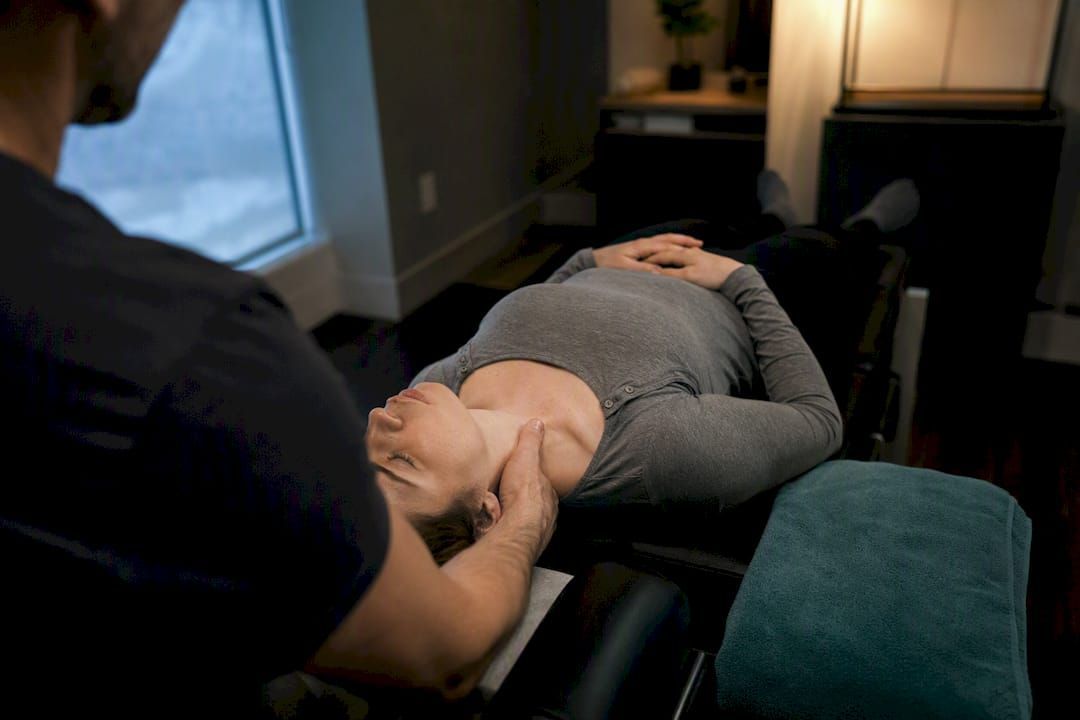
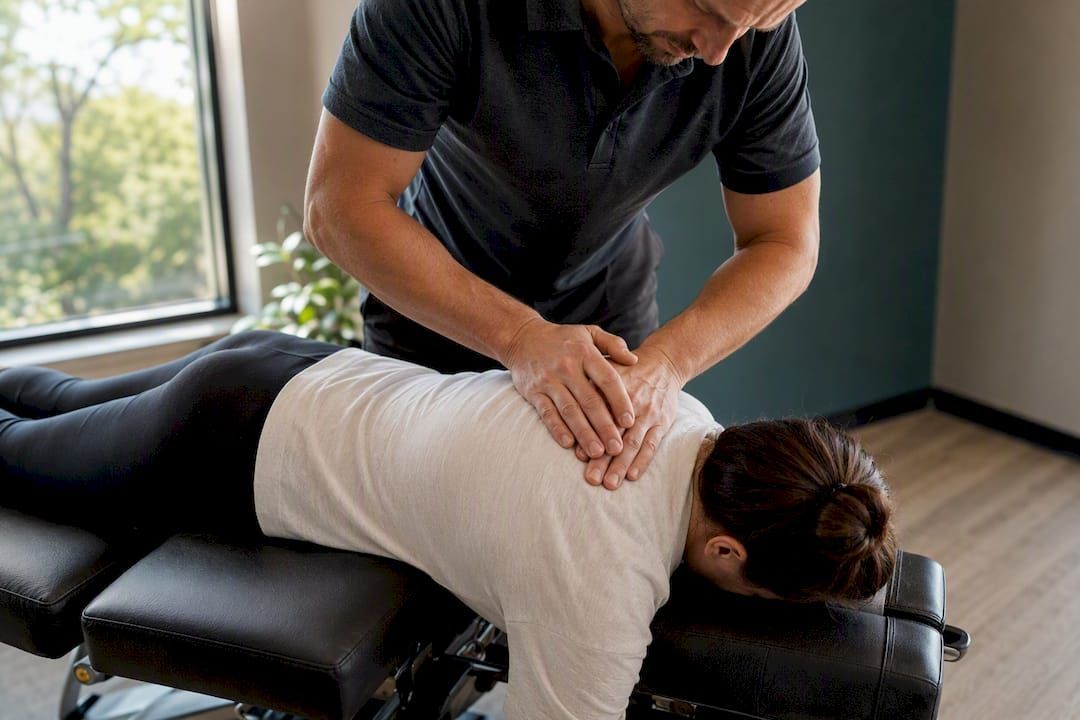
Preventative care is the cornerstone of maintaining long term spinal health, and regular chiropractic check-ups are a powerful way to stay ahead of potential musculoskeletal issues. Think of these visits as routine maintenance for your body, similar to how you would service a car to prevent major breakdowns.
Chiropractic treatments improve spinal motion and joint function through comprehensive evaluations and targeted spinal manipulations. These professional assessments can help detect potential problems before they develop into chronic conditions, providing a proactive approach to your overall wellness.
Benefits of Regular Chiropractic Check-Ups:
- Early detection of musculoskeletal issues
- Improved joint mobility
- Reduced risk of chronic pain
- Personalized lifestyle and exercise guidance
- Noninvasive pain management
- Enhanced overall body function
Most healthcare professionals recommend scheduling chiropractic check-ups every 3 to 6 months, depending on your individual health needs. During these visits, comprehensive chiropractic care can include spinal adjustments, posture analysis, muscle testing, and personalized wellness recommendations.
Pay attention to your body signals. If you experience recurring pain, reduced mobility, or postural changes, these are clear indicators that you should schedule a professional chiropractic assessment.
Pro Tip: Maintain a health journal tracking your pain levels, mobility, and physical activities to provide your chiropractor with comprehensive insights during your check-ups.
Below is a comprehensive table summarizing the article, which details strategies for maintaining spinal health and overall wellness.
| Topic | Key Insights | Benefits |
|---|---|---|
| Maintain Proper Posture | Adopt correct posture during sitting, standing, and moving; strengthen core muscles with targeted exercises. | Prevents chronic pain, improves breathing, and supports musculoskeletal health. |
| Incorporate Stretching | Engage in consistent, gentle stretching routines targeting flexibility and mobility. | Reduces muscle tension, enhances circulation, and supports spinal stability. |
| Practice Safe Lifting | Use techniques such as bending knees and maintaining a straight spine while lifting objects. | Avoids lumbar strain and reduces risk of injury. |
| Choose Supportive Footwear | Select shoes with proper arch support and cushioning. Replace worn footwear promptly. | Enhances body alignment and minimizes joint strain. |
| Stay Hydrated | Drink sufficient water daily to maintain disk hydration and spinal flexibility. | Improves nutrient transportation, enhances mobility, and reduces degeneration risk. |
| Quality Sleep | Utilize medium-firm mattresses and strategic sleep posture for optimal support. | Promotes spinal alignment, reduces joint strain, and supports restorative sleep. |
| Chiropractic Check-Ups | Schedule regular professional assessments for preventative care. | Detects musculoskeletal issues early and improves overall body function. |
Take Control of Your Spinal Health with Expert Chiropractic Care
Maintaining proper posture, incorporating regular stretching, and practicing safe lifting are vital steps to protect your spine from chronic pain and fatigue. If you struggle with persistent back or neck discomfort, uneven alignment, or want to enhance your spinal wellness, professional support can make all the difference. At Essential ChiroCare, our experienced doctors offer personalized treatment plans designed to address root causes of pain and improve spinal function through chiropractic adjustments, physical rehabilitation, and manual therapy.
Don’t wait until discomfort becomes debilitating. Visit Essential ChiroCare to schedule your comprehensive chiropractic check-up today. Discover how our holistic approach and specialized care in West Central Florida can help you regain mobility, reduce pain, and achieve lasting spinal health. Your journey to wellness starts with one simple step.
Frequently Asked Questions
How can I maintain proper posture throughout the day?
Maintaining proper posture involves keeping your spine aligned and body positioned correctly whether sitting, standing, or moving. Start by being mindful of your body alignment, keeping your feet flat and back straight while sitting and distributing your weight evenly while standing.
What stretching exercises should I incorporate for better spinal health?
Incorporate stretching exercises such as curl-ups, side planks, and bird-dog movements to improve spinal stability and flexibility. Aim to dedicate just 10 minutes each morning to this routine to enhance your core strength and reduce muscle tension.
What are safe lifting techniques to protect my spine?
To protect your spine when lifting, always keep the load close to your body and bend your knees instead of your back while lifting. Remember to engage your core and maintain a straight spine, and avoid twisting your body during the lift by practicing these techniques consistently.
How can choosing the right footwear improve my spinal health?
Choosing supportive footwear helps maintain proper body alignment and reduce muscle strain, thus promoting better spinal health. Look for shoes with adequate arch support and cushioning, and prioritize comfort to support your natural foot mechanics.
How much water should I drink to support my spinal discs?
Aim to drink approximately 8 to 12 eight-ounce glasses of water daily to keep your spinal discs hydrated and functional. Monitor your intake and ensure you drink consistently throughout the day to support your spinal health effectively.
Why are regular chiropractic check-ups important for spinal health?
Regular chiropractic check-ups can help detect musculoskeletal issues early and improve joint mobility, contributing to long-term spinal health. Schedule visits every 3 to 6 months to receive personalized advice and maintain optimal body function.
Recommended