Sometimes, the real pain from a
car accident doesn’t show up until weeks later. You might feel fine at first, just a little shaken or sore, and then everything seems back to normal. But then, out of nowhere, the aches begin. A stiff neck, headaches you didn’t expect, or maybe trouble sleeping that just doesn’t make sense. These can all be signs of whiplash, and the delay often catches people by surprise.
If you’ve had an accident in
Brandon and these symptoms start creeping in, it's time to pay attention. There's a difference between everyday soreness and something deeper that needs support. A whiplash chiropractor in
Tampa may be able to help you understand what’s happening. Let’s walk through some delayed signs of whiplash that are easy to overlook but matter more than you might think.
Why Whiplash Symptoms Don’t Show Up Right Away
Right after an accident, your body reacts quickly. Adrenaline kicks in, and your system focuses on getting through the moment. That can mask early signs of injury. You may feel shaken but not in pain, which can lead to thinking everything is okay.
Then comes the shift. Over the next few days and even weeks, the hidden impact surfaces. Soft tissues in the neck and back, muscles, ligaments, and tendons, can start to react and swell. As they tighten or stretch, the strain becomes more noticeable.
Here's why the delay happens:
- The stress response blocks pain signals right after impact
- Microtears in muscles or ligaments can take time to swell and cause soreness
- Normal movements like turning your head or sitting at a desk can aggravate hidden injuries
That’s why it’s common for someone to feel totally fine right after an accident and then start noticing pain days, or even weeks, later.
Neck Stiffness and Limited Movement Weeks Later
You might not feel anything strange for a while. But then one morning, turning your head feels off. It might not hurt sharply, but there’s stiffness. Or maybe it takes more effort to look over your shoulder.
This kind of small change can be easy to brush off. Life gets busy, and a sore neck might feel like something that will go away on its own. But if basic movement gets harder, it’s often tied to tissue damage from whiplash.
Some signs to notice include:
- A tight or pulling feeling along one side of the neck
- Trouble turning your head fully when driving or talking to someone
- Feeling tenderness at the base of the skull or along the upper back
It’s not always a sharp pain. More often, it feels like your neck just will not move the way it used to. That change is worth watching.
Headaches That Start After the Shock Wears Off
Unexpected headaches showing up a few weeks after an accident can take you off guard. You might not even connect them to the crash at first. They just seem to come out of nowhere, especially in the morning or late afternoon.
These kinds of headaches often have a specific rhythm. They start behind the eyes or at the back of the head. The pain starts soft but can grow as the day goes on or creep in after looking at a screen for too long.
They may look like:
- Soft, aching pain at the base of the skull that slowly builds
- A heavy feeling behind the eyes or across the forehead
- Headaches that come more often or last longer than usual
Having more headaches after an accident is not something to push through. It might be your body’s way of signaling leftover tension or alignment issues that need attention.
Tiredness, Irritability, and Trouble Sleeping
Not every sign of whiplash is about physical pain. After an accident, even weeks later, you might notice your mood shifting or feel more tired than usual. At first, it could just seem like a busy schedule. But if rest doesn’t help and little things start to bother you more, hidden tension might be the reason.
Whiplash can disrupt sleep without warning. A stiff neck or sore upper back might keep you from getting comfortable. Tossing and turning every night adds up quickly.
Here are a few things to look out for:
- Waking up feeling groggy or still tired, even after enough sleep
- Snapping at things that normally wouldn’t bother you
- Trouble falling asleep or staying asleep because of nagging discomfort
This shift in energy and mood can slowly chip away at your day-to-day routine. You might not trace it back to the accident, but the timing matters.
When to Look Into Care for Delayed Symptoms
Sometimes, discomfort doesn’t go away with time. Instead, it starts affecting how you drive, sleep, work, or even sit. That’s when help makes a real difference.
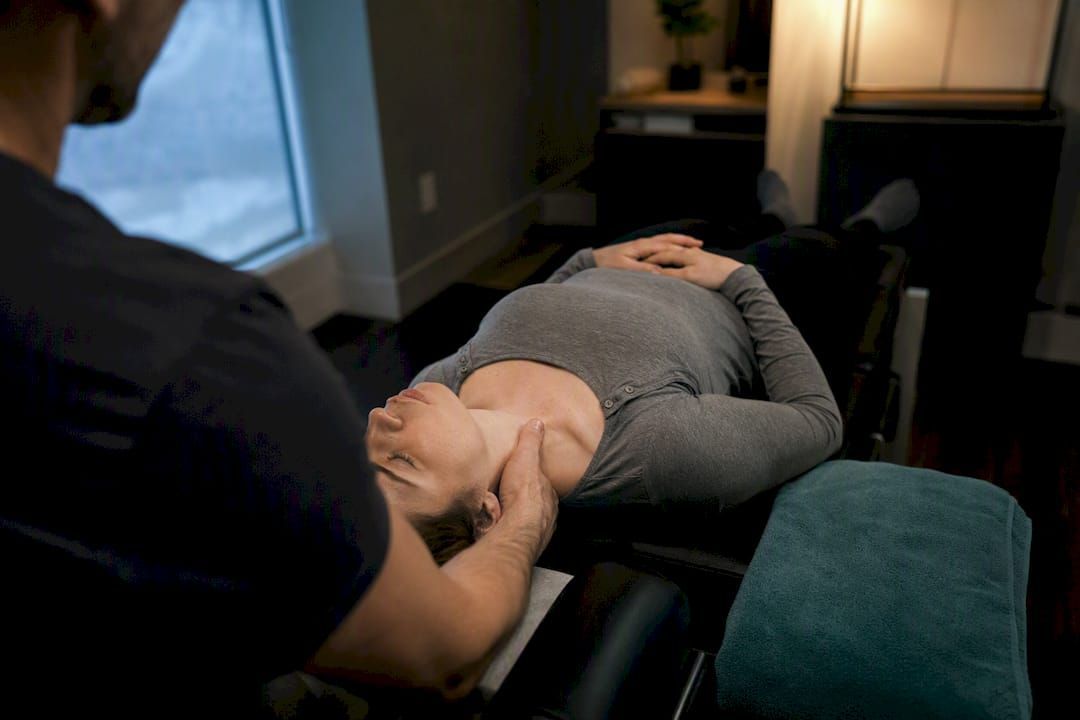
If symptoms don’t improve or new ones keep showing up, it’s smart to check in with someone who works specifically with accident-related pain. A whiplash chiropractor in Tampa may focus on building a deeper understanding of how that kind of injury plays out over time.
Care often focuses on:
- Easing tight muscles in the neck, shoulders, and upper back
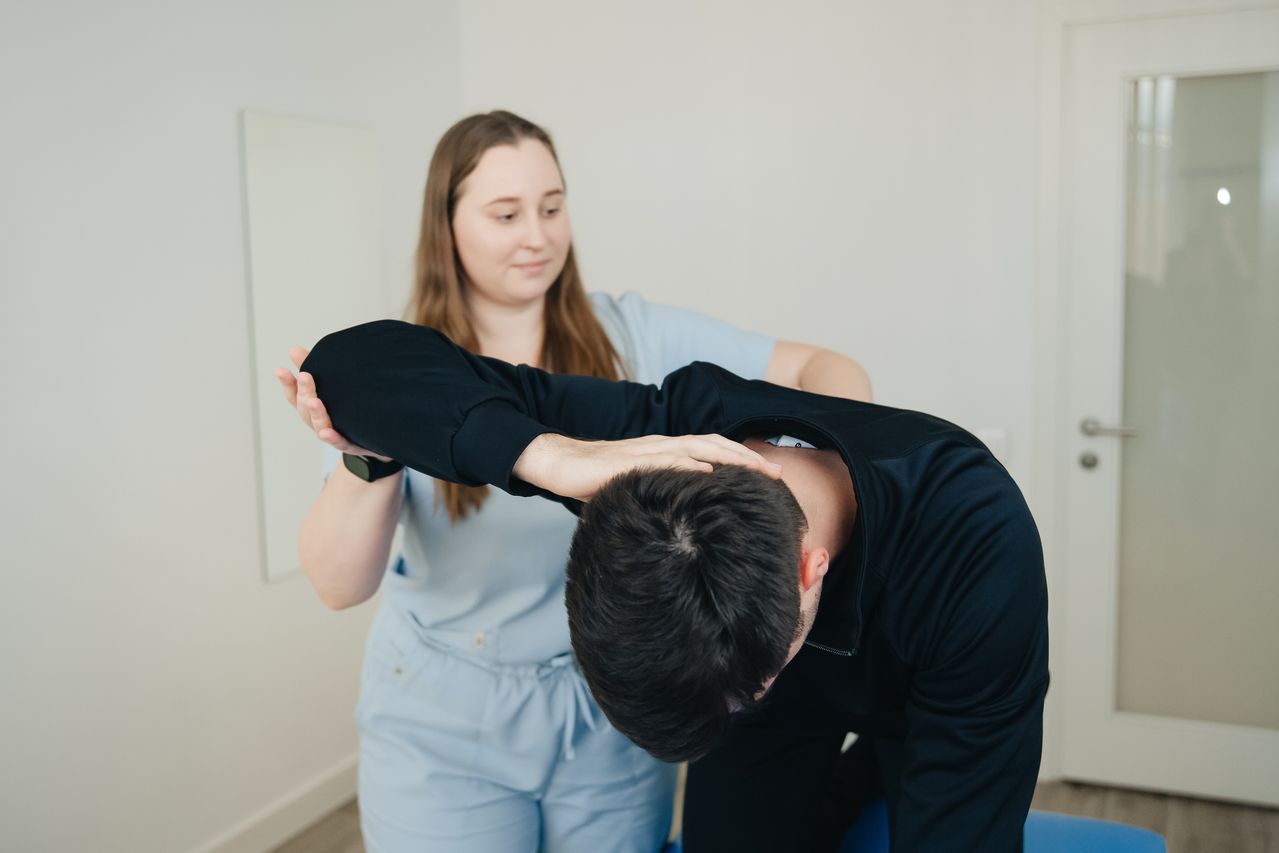
- Helping restore range of motion safely
- Guiding movement without making pain worse
You don’t have to wait for things to get unbearable. If your body feels off and it started after an accident, that’s enough reason to ask questions and look for support.
What Happens Next Doesn’t Have to Hurt
We’ve seen just how delayed whiplash symptoms can sneak in long after an accident. What begins as a minor ache or small movement change can slowly affect everything from sleep to work. That’s why small signs shouldn’t be ignored.
The body has its own rhythm, and sometimes it takes a few weeks for deeper pain to show up. Watching those patterns closely and checking in early can help prevent bigger problems later. Whether it’s headaches, stiffness, or low energy that just will not quit, those changes matter. Recovery doesn’t have to wait for a major symptom. Sometimes, the quiet signs say the most.
Struggling with neck pain, headaches, or trouble sleeping weeks after an accident in Brandon may mean your spine is still trying to recover. Those subtle symptoms can indicate deeper tension that needs closer attention. Working with a
whiplash chiropractor in Tampa gives us the chance to explore what is affecting your comfort and how small changes can help everyday life feel smoother. At
Essential ChiroCare, we focus on restoring natural movement and helping you feel more at ease throughout the day.
Contact us to
schedule a visit and get started.