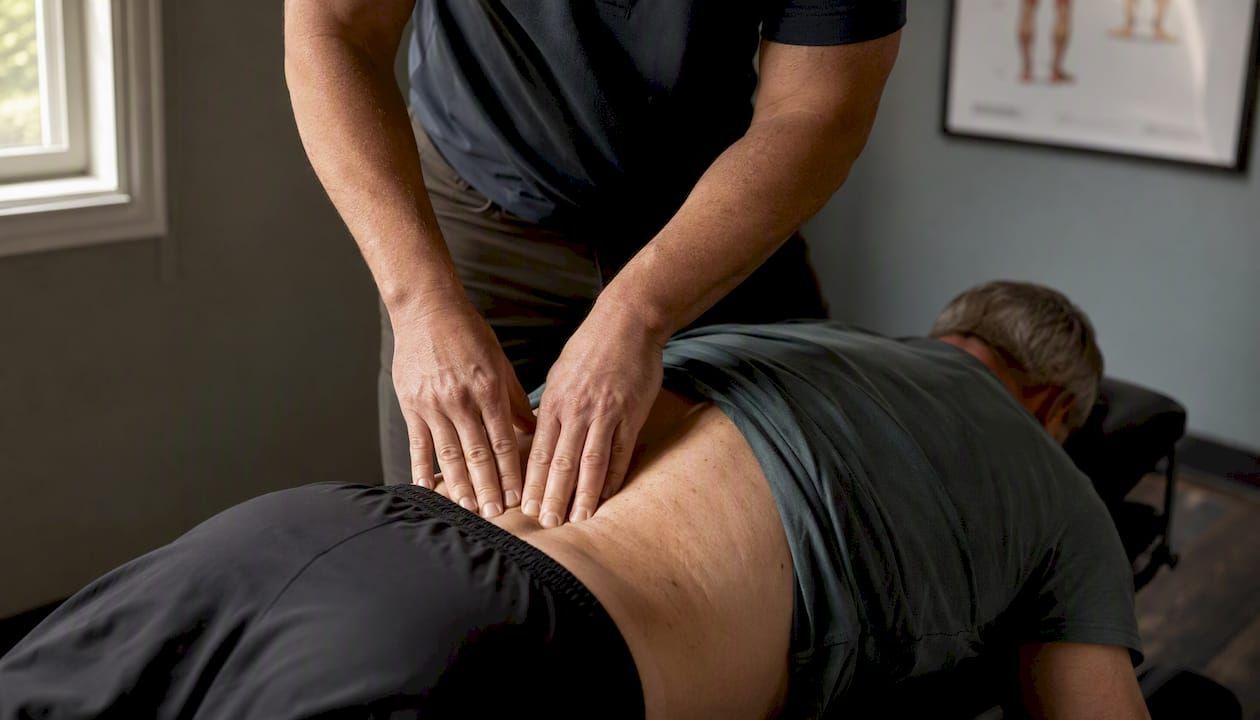
Whiplash Causes, Symptoms & Recovery: Expert Guide
Whiplash Causes, Symptoms & Recovery: Expert Guide
TL;DR:
- Whiplash can occur even in minor collisions with a delta-V of 4 mph.
- Symptoms often develop 24 to 72 hours post-injury, making early evaluation crucial.
- Personalized, holistic treatment starting promptly improves recovery and prevents chronic pain.
You don't need a high-speed crash to get whiplash. Even minor collisions at a speed difference as small as 4 mph can snap your neck into that dangerous forward-and-back motion. Most people assume they'd know immediately if they had whiplash, but symptoms often appear 24 to 72 hours after an accident, which means thousands of people in West Central Florida walk away from fender-benders thinking they're fine when they're not. This guide breaks down exactly what causes whiplash, how to recognize it, what keeps some people in pain for months, and which treatment options actually produce lasting recovery.

Table of Contents
- Understanding whiplash: The science behind the injury
- Common causes of whiplash beyond car accidents
- Symptoms and diagnosis: When to seek help
- Why whiplash becomes chronic: Factors beyond the injury
- Treatment pathways: From acute care to holistic recovery
- Why expert evaluation and holistic care matter more than quick fixes
- Connect with expert chiropractic care for your whiplash recovery
- Frequently asked questions
Key Takeaways
| Point | Details |
|---|---|
| Low-speed risk | Whiplash can occur even in slow collisions or falls, not just high-impact accidents. |
| Multiple triggers | Sports, workplace incidents, and physical violence may cause whiplash, so stay alert in everyday life. |
| Symptoms may be delayed | Pain and stiffness can appear hours or days later, making early assessment essential. |
| Chronicity factors | Psychological and physical elements both influence whether whiplash becomes a long-term problem. |
| Comprehensive treatment | A holistic recovery plan with chiropractic, rehab, and self-care offers the best chance for lasting wellness. |
Understanding whiplash: The science behind the injury
Whiplash is not just a sore neck. It's a rapid, forced movement of the cervical spine (the section of your spine in your neck) that stresses muscles, ligaments, discs, and nerves beyond their normal range. The injury happens in milliseconds, faster than your muscles can react to protect you.
The key physics concept here is inertia. When a vehicle is struck from behind, your torso accelerates forward with the car seat, but your head momentarily stays behind. This creates a violent S-curve in your neck, compressing the lower vertebrae and stretching the upper ones simultaneously. The result is tissue damage that can range from mild muscle strain to disc herniation.
What surprises most people is that delta-V, not speed, is the real risk factor. Delta-V is the change in velocity during a collision. A vehicle going 5 mph that is struck and rapidly accelerated to 9 mph has a delta-V of 4 mph, which is enough to cause real injury. Understanding how whiplash occurs helps explain why so many people are caught off guard.
The Quebec Task Force developed the standard medical grading scale for whiplash severity:
| Grade | Description |
|---|---|
| 0 | No neck symptoms or physical signs |
| 1 | Neck pain, stiffness, or tenderness only |
| 2 | Neck symptoms plus musculoskeletal signs |
| 3 | Neck symptoms plus neurological signs |
| 4 | Fracture or dislocation present |
Most people experience Grade 1 or 2 whiplash after a typical rear-end collision. However, even Grade 1 injuries can become problematic without proper care. Common injury types after accidents often include:
- Strained or torn neck muscles
- Stretched or torn ligaments
- Herniated or bulging cervical discs
- Nerve root irritation or compression
- Temporomandibular joint (jaw) dysfunction
Pro Tip: Don't skip an evaluation just because the crash seemed minor. The mechanism of injury matters far more than the size of the dent on your bumper. Florida roads, especially around Tampa and Brandon, see plenty of low-speed fender-benders that result in real injuries.
Neck and shoulder injuries are particularly common because the muscles in that region absorb most of the force during the whiplash motion.
Common causes of whiplash beyond car accidents
With the mechanics covered, it's worth knowing that whiplash is not exclusive to the highway. Sudden, forceful movements in many other settings can produce the same type of cervical spine injury.
Sports are a major source of whiplash outside the car. Football tackles, hockey collisions, gymnastics landings, and even heading a soccer ball can create that dangerous rapid neck motion. Diving into shallow water is another underappreciated risk. These scenarios are especially relevant here in West Central Florida, where year-round outdoor activity is part of daily life.
Workplace accidents also generate more whiplash cases than most people realize. Slips and falls on wet surfaces, falling from ladders, or being struck by heavy equipment can all produce the same rapid cervical motion as a car crash. Construction workers, warehouse staff, and even office workers who trip and fall forward are at risk.
Amusement parks add a fun but real risk. Roller coasters with sharp directional changes and bumper car attractions can generate enough force to strain neck tissue, particularly in riders with pre-existing stiffness.
Physical violence is another cause. Assault involving a blow to the head, or incidents involving forceful shaking, can produce severe whiplash with neurological involvement.
Here's a quick comparison of common triggers:
| Cause | Severity Potential | Likelihood | Distinguishing Feature |
|---|---|---|---|
| Rear-end car collision | Moderate to high | Very common | Classic S-curve mechanism |
| Sports impact | Low to moderate | Common | Often underreported |
| Workplace fall | Moderate | Less common | High variability |
| Amusement ride | Low to moderate | Uncommon | Repeated motion risk |
| Physical assault | Moderate to severe | Uncommon | Neurological risk higher |
Common non-collision whiplash scenarios include:
- Contact sports without proper protective gear
- Falls where the head snaps forward upon impact
- Horseback riding accidents
- Water sports collisions
- Assault or domestic violence incidents
If you've experienced any of these situations and are feeling neck pain or headaches, reviewing auto accident injuries as a reference point can help you identify overlapping symptoms, even when a car wasn't involved.
Symptoms and diagnosis: When to seek help
Recognizing symptoms is what turns awareness into action. Whiplash produces both physical and neurological symptoms, and the tricky part is that they don't always appear immediately.
Physical symptoms typically include:
- Neck pain and stiffness, often worse with movement
- Shoulder and upper back tightness
- Headaches originating at the base of the skull
- Jaw pain or difficulty chewing
- Fatigue and sleep disruption
Neurological symptoms can include dizziness, ringing in the ears, blurred vision, difficulty concentrating, and memory issues. These are signs that the nervous system is involved and should not be dismissed as stress.
The most important thing to understand about diagnosis is the Grade 0 to 4 scale, developed by the Quebec Task Force. Grading helps determine which imaging and treatment pathway is appropriate. A Grade 3 case, for example, requires nerve function testing that a Grade 1 case might not.
"Whiplash symptoms may not peak for 24 to 72 hours after an injury. Feeling okay right after a crash does not mean you are uninjured."
Imaging tools like X-rays rule out fractures, while MRI scans detect soft tissue damage that standard X-rays miss entirely. However, many Grade 1 and 2 injuries show no abnormalities on imaging at all, which is why expert clinical evaluation is essential. Getting your shoulder and neck checked promptly is far better than waiting to see if symptoms resolve on their own.
Reading up on whiplash recovery basics gives you a realistic picture of what the recovery timeline can look like and which warning signs warrant immediate attention.

Why whiplash becomes chronic: Factors beyond the injury
For many, symptoms resolve within weeks. But for a significant portion of patients, pain lingers for months or even years. This is called chronic whiplash, and understanding why it happens is key to preventing it.
Research shows that chronicity involves both ongoing tissue damage and psychosocial factors, and the debate between these two pathways is ongoing in medical research. What's clear is that both matter.
Statistic to know: Studies suggest that up to 50% of people who experience whiplash report some level of ongoing symptoms one year after injury. About 10% develop severe chronic pain.
Psychosocial contributors include:
- Anxiety and depression following the accident
- Fear-avoidance behavior (avoiding movement out of fear of pain)
- Poor social support during recovery
- Prior history of neck pain or headaches
- High baseline stress levels before the injury
Fear avoidance is particularly damaging. When a person avoids movement because they fear it will hurt, muscles weaken, joints stiffen, and the nervous system becomes hypersensitive to pain signals. This cycle makes recovery dramatically harder over time.
Pro Tip: Movement, done carefully and with guidance, is one of the most effective tools against chronic whiplash. Stillness feels protective but often deepens the problem.
Learning about psychological factors in recovery helps clarify why addressing your mindset is not optional. It is a clinical necessity. Pairing that awareness with physical therapy for whiplash creates the strongest possible foundation for avoiding chronic pain.
Early intervention, meaning care that starts within the first few days of injury, consistently produces better outcomes. Waiting weeks before seeking help gives inflammation, scar tissue, and compensatory muscle patterns time to set in.
Treatment pathways: From acute care to holistic recovery
Now that you understand the risk of chronicity, let's look at what a real recovery plan looks like, from the first 48 hours all the way through long-term wellness.
Immediate steps (first 48 to 72 hours):
- Apply ice wrapped in a cloth for 15 to 20 minutes every few hours to reduce swelling
- Rest but avoid complete immobility, gentle range-of-motion movements help
- Avoid heavy lifting or activities that strain the neck
- Document your symptoms for medical and insurance purposes
- Contact a healthcare provider if any neurological symptoms appear
After the acute phase, evidence-based treatment strategies shift toward restoring full function and preventing chronic pain from taking hold. This is where chiropractic care and physical therapy become central.
Chiropractic adjustments restore proper alignment and joint mobility in the cervical spine. When vertebrae are misaligned after a whiplash injury, surrounding nerves and muscles are under constant stress. Gentle, targeted whiplash treatment options can relieve that pressure efficiently without medication.
Physical therapy addresses muscle strength, coordination, and posture. These factors protect the injured area and rebuild the functional capacity you need for everyday life.
Holistic recovery elements that accelerate healing include:
- Anti-inflammatory nutrition (omega-3 rich foods, reduced processed sugar)
- Stress management through breathing exercises or mindfulness
- Consistent quality sleep, which is when tissue repair happens
- Hydration to support disc and joint health
Reviewing chiropractic services for post-accident recovery gives you a practical sense of what treatment sessions actually involve. Understanding your post-accident care options is equally important before committing to a single approach. For those interested in avoiding pharmaceuticals, exploring natural recovery steps can complement clinical care effectively. If you're also working through an insurance or legal process, knowing the injury case workflow helps you stay organized.
Why expert evaluation and holistic care matter more than quick fixes
Here's something most articles won't tell you directly: a generic treatment plan is one of the biggest reasons people end up with chronic whiplash. Grabbing a muscle relaxant, resting for a week, and assuming you're healed is a pattern we see regularly at Essential ChiroCare. It rarely works.
Every whiplash injury involves a unique combination of joint dysfunction, muscle imbalance, and nervous system response. What works for one person may actively delay another's recovery. This is why personalized evaluation is not a luxury. It is the foundation of actual healing.
West Central Florida's active population, people who surf, cycle, play recreational sports, and spend long hours in the car navigating I-4 and the Selmon Expressway, has specific demands on the cervical spine. A recovery plan that doesn't account for your lifestyle and physical baseline is incomplete by definition.
We believe that addressing the mind and body together, through expert chiropractic adjustment, targeted rehab, and honest patient education, is not just better care. It's the only kind of care that reliably produces lasting results.
Connect with expert chiropractic care for your whiplash recovery
Everything covered in this guide points to one clear truth: whiplash recovery works best when it's personalized, prompt, and holistic. Reading about it is a great first step, but the next one is getting in front of a provider who can actually assess your specific injury.
At Essential ChiroCare, our doctors bring real clinical depth to every whiplash case, from acute pain to long-term recovery planning. Our chiropractic care services and physical rehab specialists work together to build a recovery plan that fits your body, your lifestyle, and your goals. With clinics across Tampa, Brandon, Sarasota, Lakeland, and Pinellas Park, all chiropractic services are close to home. Schedule your evaluation today and start moving toward real, lasting relief.
Frequently asked questions
Can whiplash occur in low-speed crashes?
Yes, even collisions with as little as a 4 mph speed difference can cause whiplash injuries because delta-V, not absolute speed, drives the injury mechanism.
What are the signs that whiplash may be developing into a chronic problem?
Persistent neck pain beyond six weeks, ongoing headaches, anxiety, and psychosocial changes post-injury are all warning signs that whiplash is moving toward a chronic pattern.
Is whiplash only caused by car accidents?
No, non-car whiplash triggers include sports impacts, workplace falls, amusement rides, and physical assaults, all of which can produce the same cervical spine injury.
How soon should I seek care after a whiplash injury?
Ideally within a few days of the injury. The Quebec Task Force grading system confirms that early diagnosis and care lead to significantly better outcomes than delayed treatment.
What treatments are available for whiplash?
Effective options include chiropractic adjustments, physical therapy, self-care like ice and gentle movement, and holistic rehabilitation strategies that address both the physical and neurological aspects of recovery.
Recommended
- Whiplash Recovery Tips for Sarasota Residents
- Whiplash Treatment | Expert Pain Relief & Recovery
- How Physical Therapy Can Help You Recover From Whiplash
- Chiropractors and Whiplash – Why an Adjustment May Be Needed After Your Car Accident
- 6 Common Types of Slip and Fall Injuries Explained
- Basketball Injuries and Prevention: Complete Guide – Hoop Mentality