Role of Massage in Injury Recovery: Therapy & Healing
TL;DR:
- Massage accelerates injury recovery by increasing blood flow, reducing swelling, and improving range of motion.
- Techniques should match recovery stages, from gentle lymphatic drainage in acute phases to deep tissue work during rehabilitation.
- Integrated, consistent massage alongside other treatments shortens recovery time and enhances overall outcomes.
Rest feels like the obvious answer when you're nursing a sprained ankle from a weekend soccer game or dealing with whiplash after a fender bender on I-275. But rest alone rarely tells the whole story. Massage therapy aids recovery by increasing blood flow, reducing delayed onset muscle soreness, and improving range of motion in ways that passive rest simply cannot replicate. For adults in West Central Florida managing sports injuries or accident-related pain, understanding how massage fits into a real recovery plan can mean the difference between weeks of lingering discomfort and a faster, more complete return to the activities you love.

Table of Contents
- Why massage matters in injury recovery
- Types of massage techniques and their effects
- What the latest science says: Evidence and limitations
- How to integrate massage into your recovery plan
- Why our experience shows massage is underutilized—and what actually works
- Next steps: Recover faster with holistic care
- Frequently asked questions
Key Takeaways
| Point | Details |
|---|---|
| Massage boosts healing | Therapeutic massage increases blood flow and reduces pain to support faster recovery. |
| Right technique matters | Different massage modalities are used depending on injury stage and type for optimal results. |
| Evidence is promising | Studies show significant pain relief and faster recovery, though outcomes may vary for performance. |
| Integrate with care | Massage works best when combined with physical rehab, chiropractic, or holistic treatment plans. |
Why massage matters in injury recovery
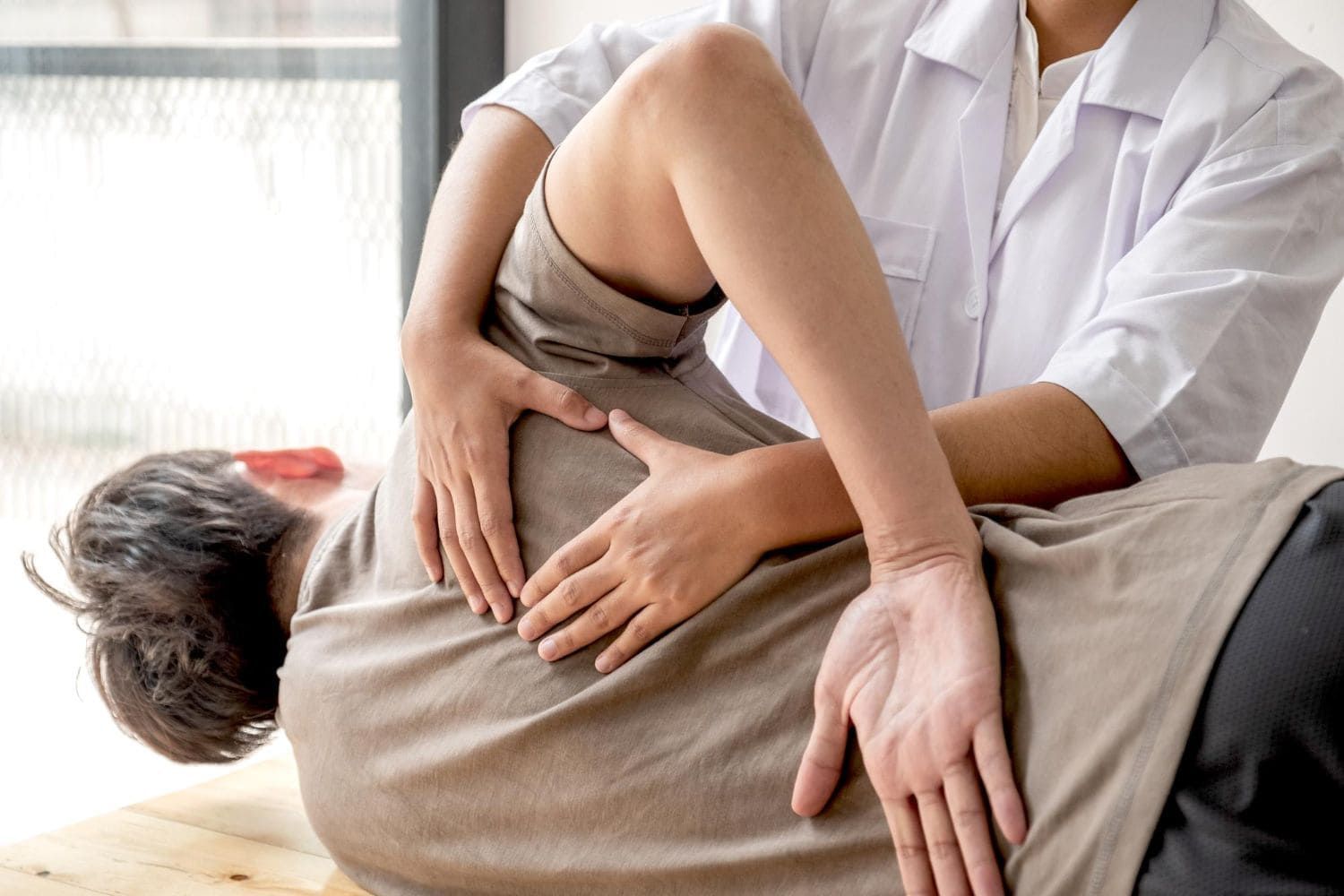
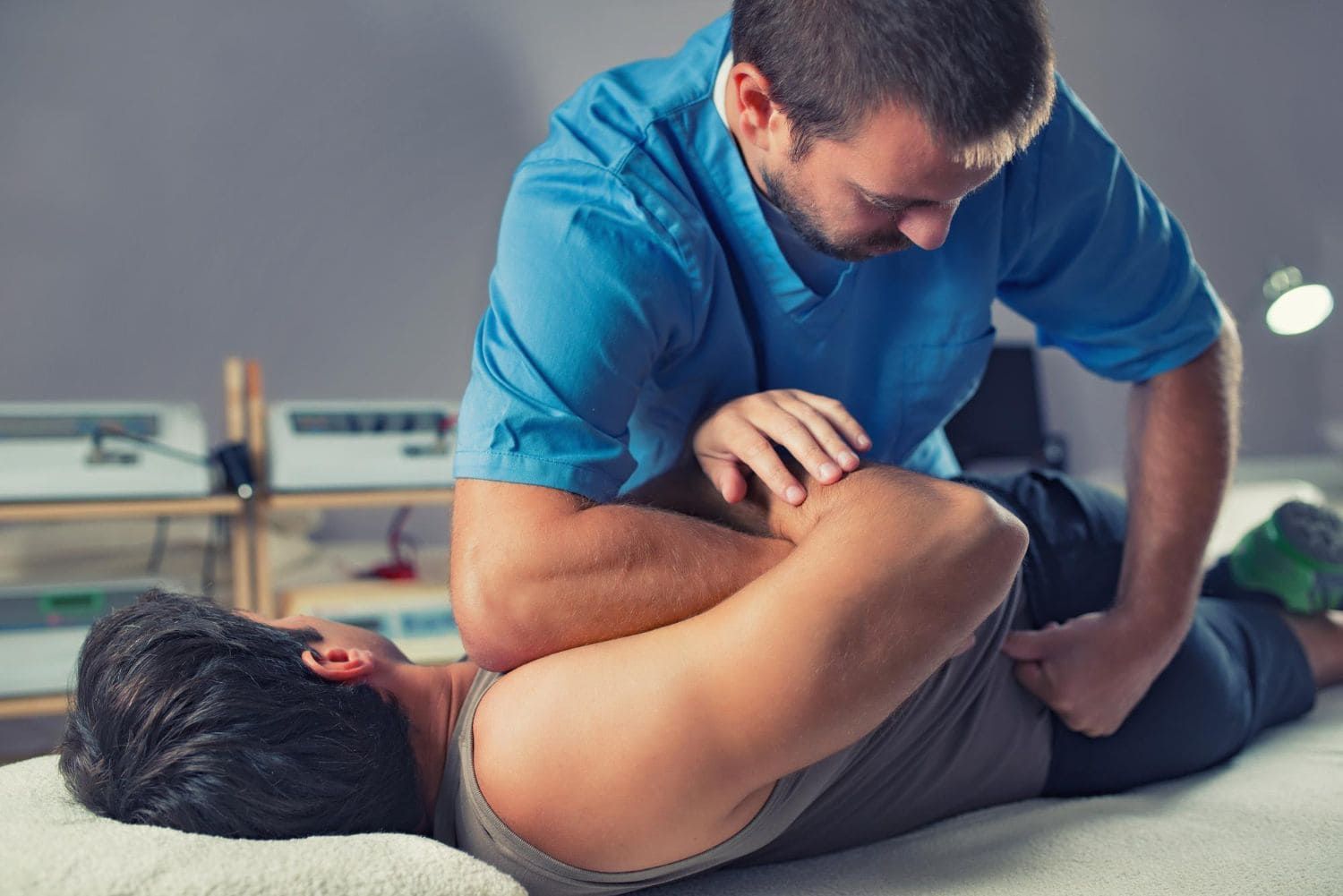
Most people think of massage as a luxury, something you book at a spa to unwind after a stressful week. In the context of injury recovery, that framing does a disservice to what massage actually accomplishes at a physiological level. When soft tissue is damaged, the body responds with inflammation, fluid buildup, and restricted circulation. Massage directly addresses all three of those responses.
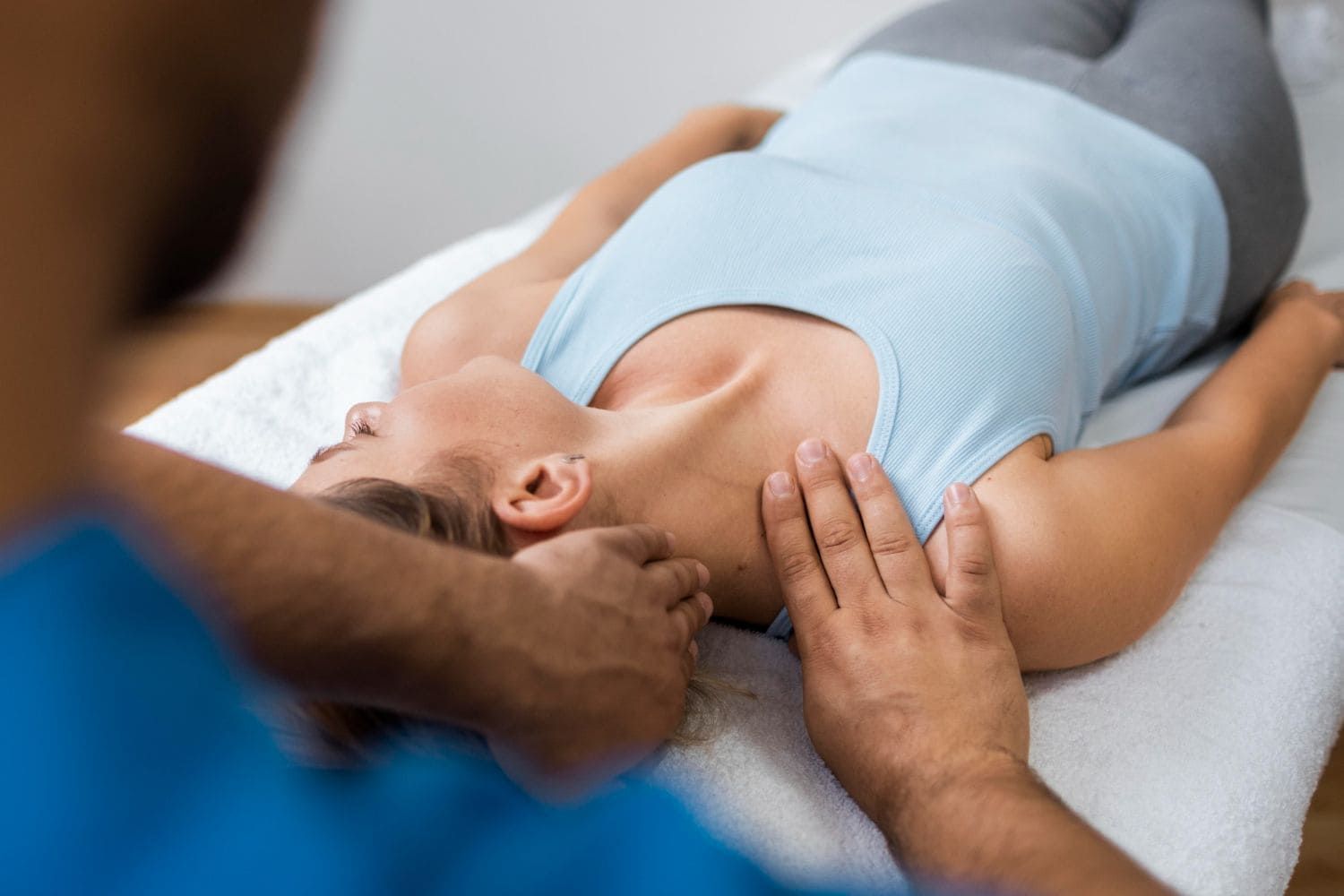
Here is what happens when a trained therapist works on an injured area:
- Increased circulation: Mechanical pressure moves blood and lymphatic fluid through congested tissue, delivering oxygen and nutrients that accelerate cellular repair.
- Reduced swelling: Lymphatic drainage techniques move excess fluid away from the injury site, decreasing pressure and pain.
- Lactic acid clearance: Massage helps flush metabolic waste products like lactic acid from muscle tissue, which is a major contributor to post-injury soreness.
- Improved range of motion: Loosening tight fascia and muscle fibers restores movement patterns that pain and guarding tend to restrict.
- Neurological calming: Therapeutic touch activates the parasympathetic nervous system, reducing the stress response that can amplify pain perception.
The research backs this up. Massage increases blood flow, reduces DOMS, and improves range of motion across multiple injury types. And in Florida specifically, this is not a fringe approach. Up to 81% of adults with musculoskeletal pain seek licensed holistic therapists, reflecting just how mainstream and trusted this form of care has become.
"Massage is not a passive treatment. It is an active intervention that changes the tissue environment, giving the body better conditions to heal itself."
For those navigating holistic injury recovery or working through auto injury recovery , massage is often one of the first evidence-supported tools a provider will recommend alongside chiropractic and physical rehab.
Types of massage techniques and their effects
Not all massage is created equal, and the technique your therapist chooses should match exactly where you are in the healing process. Using the wrong approach at the wrong time can slow recovery or even cause harm. Here is a breakdown of the most common modalities used in injury care.
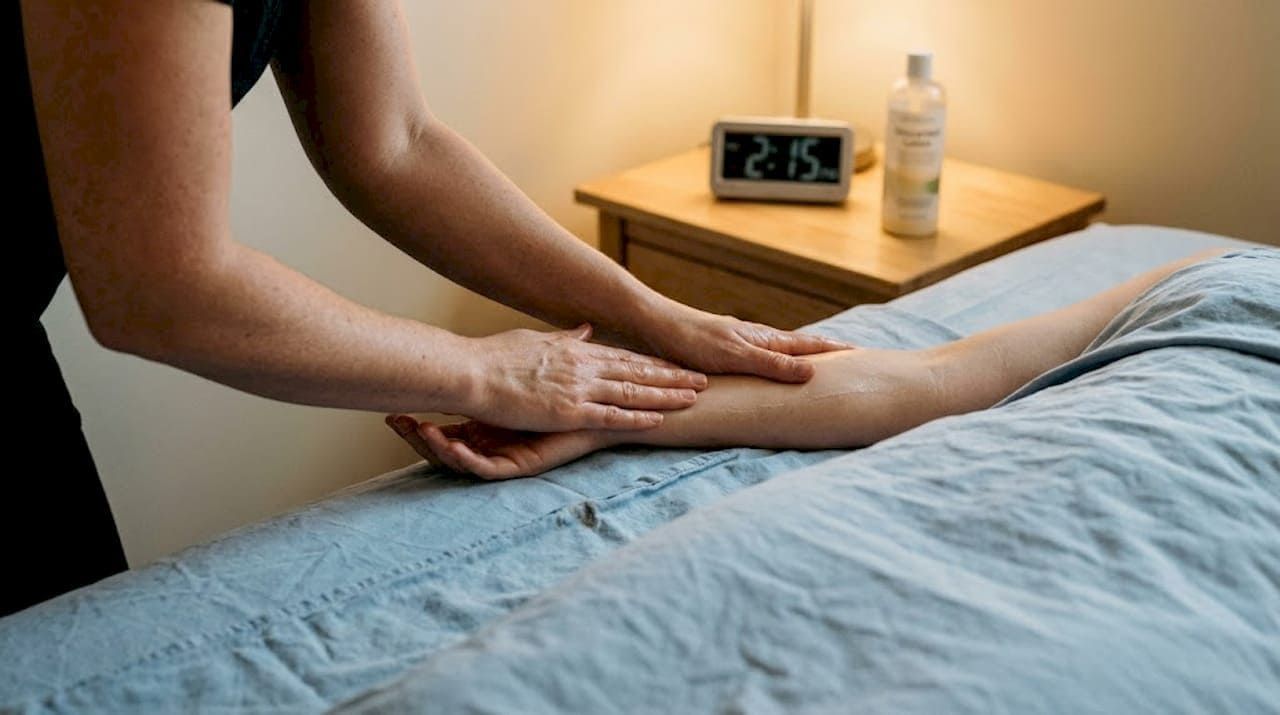
Effleurage involves long, gliding strokes that warm up tissue, promote circulation, and prepare the area for deeper work. It is typically used at the start and end of a session. Petrissage uses kneading and compression to work deeper into muscle bellies, releasing tension and improving flexibility. Tapotement refers to rhythmic tapping or percussion that stimulates nerve endings and increases local blood flow. Friction applies concentrated pressure across muscle fibers to break down adhesions and scar tissue. Deep tissue massage targets the deeper layers of muscle and connective tissue, making it effective for chronic tightness and old injuries.
Techniques like effleurage, petrissage, tapotement, and friction each serve a distinct purpose in the recovery timeline. And deep tissue massage specifically improves recovery, performance, and flexibility when applied at the right stage.
Pro Tip: Never request deep tissue massage immediately after an acute injury. In the first 72 hours, aggressive pressure can increase inflammation and worsen swelling. Ask for gentle lymphatic drainage instead.
Here is how technique selection maps to recovery stage:
- Acute phase (0 to 72 hours): Gentle lymphatic drainage only. Goal is to reduce swelling and calm the nervous system without stressing damaged tissue.
- Subacute phase (3 to 21 days): Light effleurage and petrissage to restore circulation and begin softening restricted tissue.
- Rehabilitation phase (3 weeks onward): Friction, deep tissue, and targeted myofascial release to restore full function and address scar tissue.
| Technique | Best for | Phase |
|---|---|---|
| Effleurage | Circulation, warm-up | All phases |
| Petrissage | Muscle tension, flexibility | Subacute, rehab |
| Friction | Scar tissue, adhesions | Rehab |
| Deep tissue | Chronic tightness, performance | Rehab only |
| Lymphatic drainage | Swelling, acute inflammation | Acute phase |
Understanding manual therapy benefits and how they complement massage gives you a stronger foundation for recovery. You can also explore athlete recovery techniques that combine multiple modalities for faster results.
What the latest science says: Evidence and limitations
The evidence for massage in injury recovery is encouraging, but it is not without nuance. Knowing what the research actually supports helps you set realistic expectations and have better conversations with your care team.
Randomized controlled trials provide moderate evidence for massage efficacy , particularly for pain reduction and recovery time. However, performance gains like strength or power output are less consistent across studies. Case series show clear benefit for symptom relief, but less certainty when it comes to functional outcomes or chronic pain management.
For DOMS specifically, a systematic review found Class III evidence supporting massage for reducing soreness at 24 hours post-exercise, though results are mixed when compared directly to other recovery interventions like ice or compression.
The empirical benchmarks are still meaningful. Studies report 30% less DOMS and 25% faster recovery in some populations, though researchers note the need for standardized protocols before drawing universal conclusions.
| Benefit | Evidence strength | Notes |
|---|---|---|
| Pain reduction | Moderate to strong | Consistent across injury types |
| DOMS reduction | Moderate | Best within 24 to 48 hours post-injury |
| Flexibility gains | Moderate | Improved with repeated sessions |
| Functional recovery | Mixed | Less consistent in RCTs |
| Chronic pain relief | Low to moderate | Varies significantly by condition |
Here are the key limitations to keep in mind:
- Study populations vary widely, making it hard to generalize results.
- Many trials use short treatment windows that do not reflect real-world care.
- Therapist skill and technique consistency affect outcomes significantly.
- Massage for neck pain specifically shows low certainty of benefit in some Cochrane reviews.
For a fuller picture of how massage fits alongside chiropractic in injury rehab , or to understand the distinctions between manual therapy vs massage , it helps to consult a provider who can evaluate your specific situation.

How to integrate massage into your recovery plan
Knowing massage works is one thing. Knowing how to use it correctly within your own recovery timeline is where most people get stuck. Here is a practical framework for West Central Florida adults navigating injury care.
Step-by-step integration:
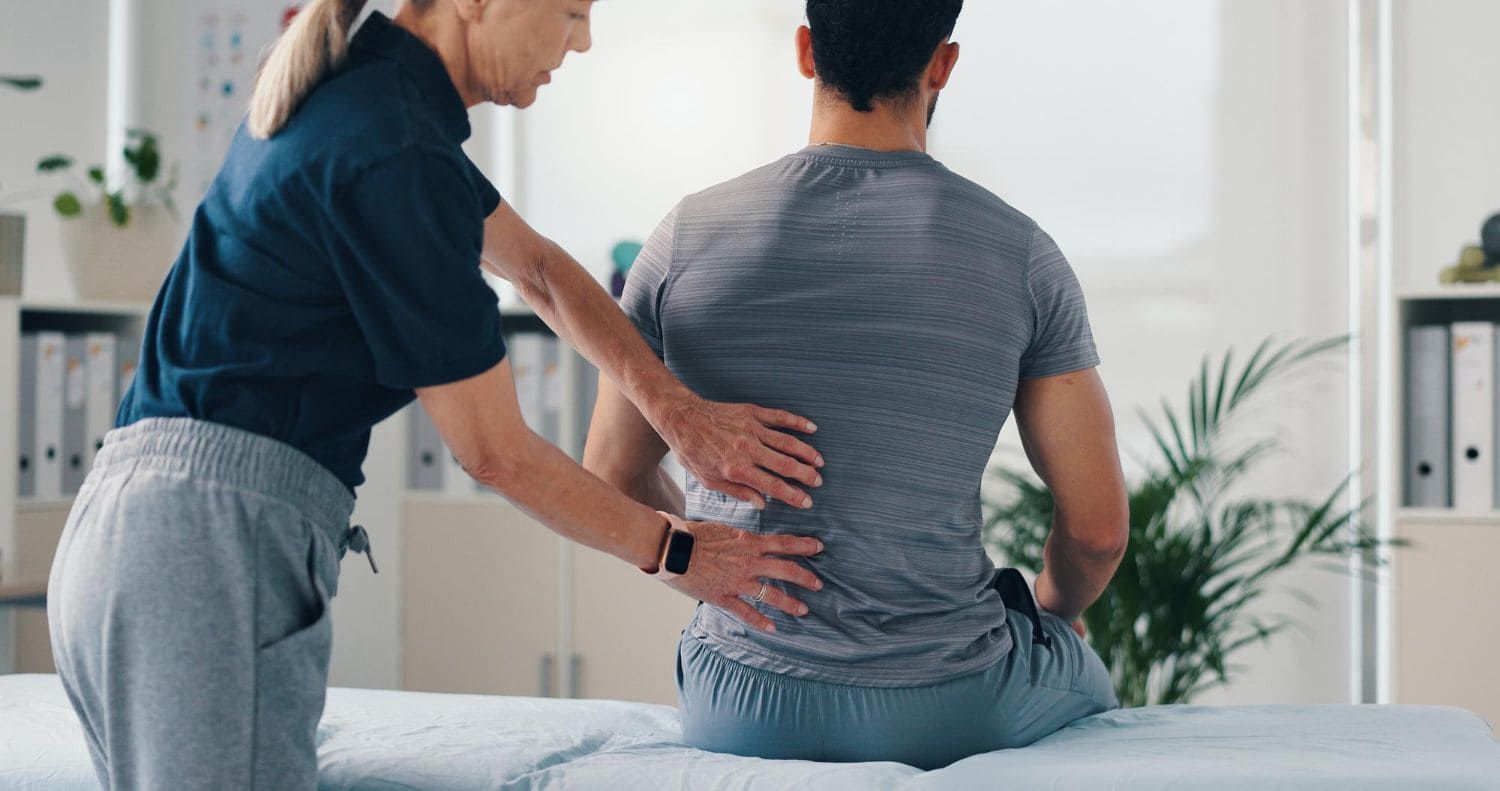
- Get a diagnosis first. Before booking any massage, confirm the nature and severity of your injury with a chiropractor or physician. Some conditions require imaging before hands-on care begins.
- Start gentle in the acute phase. In the first 72 hours, avoid aggressive massage to prevent increased edema. Gentle lymphatic drainage is appropriate and helpful.
- Schedule post-exercise or post-treatment sessions. Research shows post-exercise massage within 2 hours is optimal. Pre-exercise massage can temporarily reduce strength output, so timing matters.
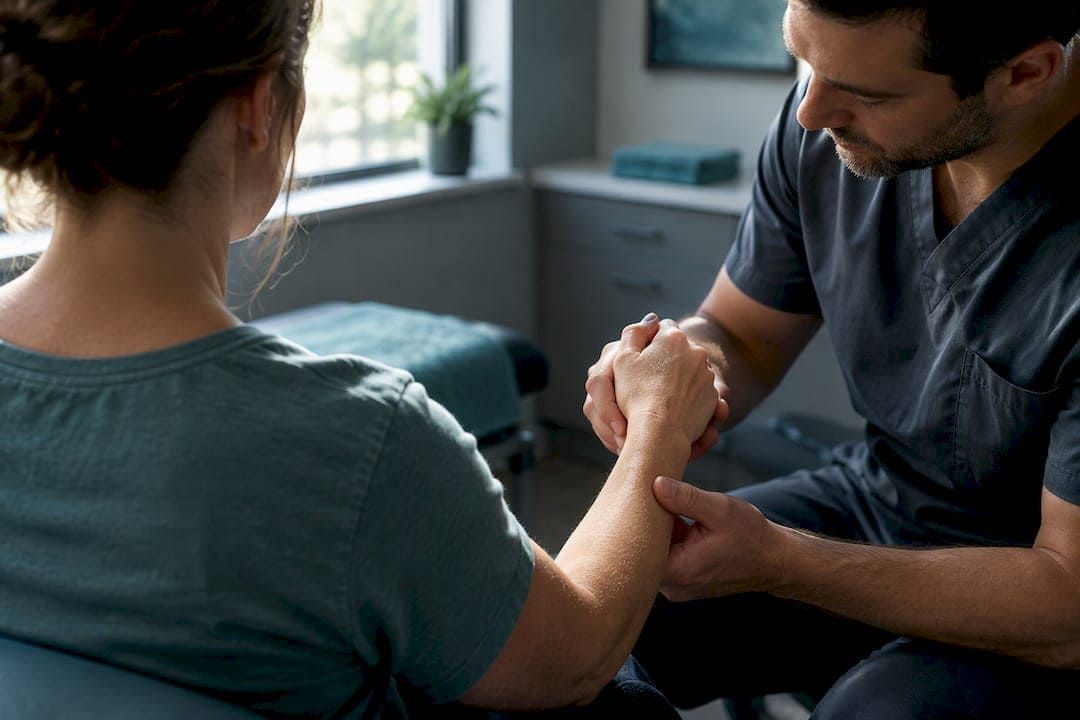
- Coordinate with your other providers. Share session notes between your massage therapist, chiropractor, and physical therapist so everyone is working toward the same goals.
- Progress the intensity gradually. Move from lymphatic drainage to effleurage to deeper work as your tissue heals and your provider gives the green light.
Pro Tip: Always tell your massage therapist exactly where you feel pain, what makes it worse, and how your body responded after the last session. This feedback loop is what separates effective bodywork from generic treatment.
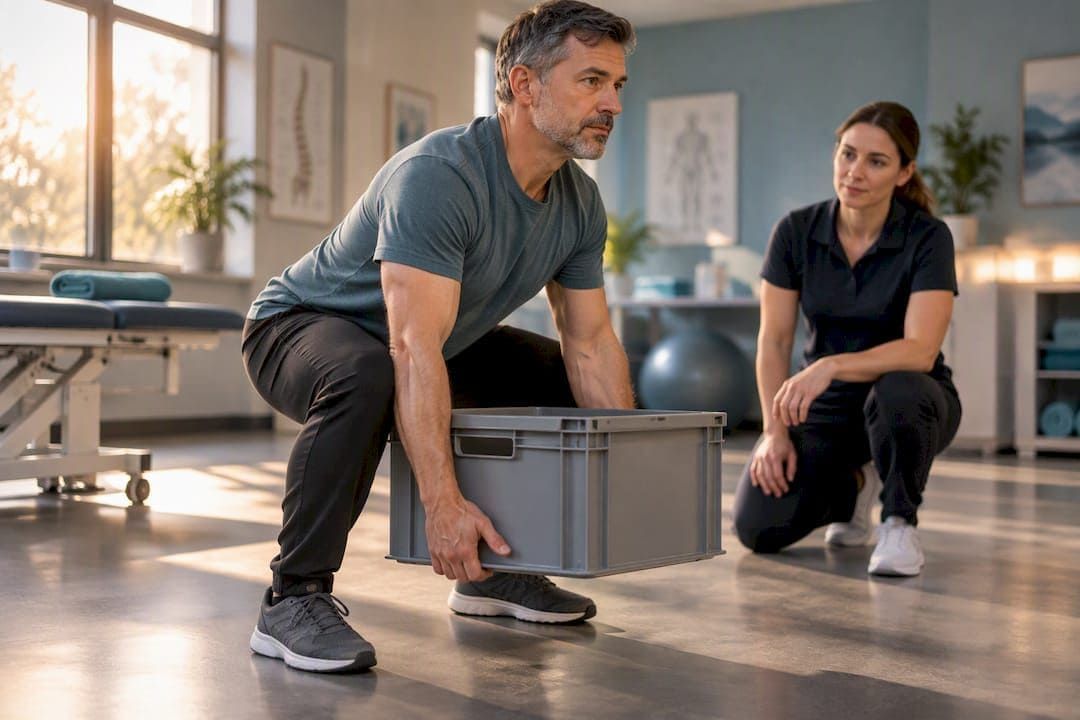
Signs you are ready for deeper work include reduced acute tenderness, improved range of motion without sharp pain, and no active swelling at the injury site. For sports injury recovery tips and guidance on restoring functional movement , working with a team that coordinates massage and chiropractic care gives you the best foundation.
Bullet points for finding the right therapist in West Central Florida:
- Look for a Florida-licensed massage therapist with specific training in sports or orthopedic massage.
- Ask whether they have experience working alongside chiropractors or physical therapists.
- Confirm they perform an intake assessment before the first session.
- Avoid any provider who skips the health history conversation or pushes deep work immediately.
Why our experience shows massage is underutilized—and what actually works
Here is something most injury recovery guides will not tell you: the majority of people who come to us for care have been using massage as a reward, not a tool. They book a session when pain becomes unbearable, not as a consistent part of a structured plan. That timing issue alone costs weeks of recovery.
Massage works best when it is intentional and coordinated. We have seen patients with similar injuries recover in dramatically different timeframes, and the difference almost always comes down to whether bodywork was integrated early and consistently alongside chiropractic adjustments and physical rehab. Waiting too long to add massage allows scar tissue to form and movement patterns to compensate, both of which are harder to reverse later.
The other thing most people miss is communication. A massage therapist who does not know you had a cortisone injection last week, or that your chiropractor just started working on your lumbar spine, cannot make the best decisions about pressure and technique. Coordinated care through full-spectrum recovery approaches is not just a nice idea. It is what actually moves the needle.
Next steps: Recover faster with holistic care
If this guide has clarified how massage fits into real injury recovery, the next step is putting that knowledge to work with providers who understand the full picture.
At Essential ChiroCare, we combine physical rehabilitation solutions with sports injury treatment and chiropractic pain relief to create personalized recovery plans for adults across Tampa, Brandon, Sarasota, Lakeland, and Pinellas Park. Whether you are dealing with a fresh sports injury or lingering pain from an accident, our team coordinates every element of your care so nothing falls through the cracks. Schedule a consultation today and find out exactly where massage fits in your recovery timeline.
Frequently asked questions
How soon after an injury should I get a massage?
In the first 72 hours after an injury, only gentle lymphatic massage is appropriate. Avoid aggressive massage during the acute phase to prevent increased swelling and tissue damage.
Does massage therapy speed up recovery after a sports injury?
Yes. Studies report 30% less soreness and 25% faster recovery in some populations, though individual results depend on injury type and treatment consistency.
Is massage therapy better than physical therapy for injury recovery?
Neither replaces the other. Massage reduces pain and soreness while DOMS reduction at 24 hours is well-supported, but physical therapy builds the strength and mobility needed for lasting function.
Can massage help with chronic pain after an accident?
Massage can ease ongoing pain, but evidence for neck pain and some chronic conditions is low certainty, meaning results vary significantly from person to person.
Is it safe to combine massage with chiropractic care?
Absolutely. Combining both is safe and often more effective than either alone. Up to 81% of MSK pain sufferers in Florida already seek integrated holistic care, reflecting strong community trust in this combined approach.
Recommended
- Role of Chiropractic in Injury Rehab & Mobility
- Chiropractic Injury Recovery: Restoring Function Safely
- Role of Chiropractic in Recovery – Key Benefits Explained
- Discover the Key Differences: Manual Therapy vs Massage
- The Therapist's Role in Healing: Approaches and Growth with Dr Stephen Oreski & Associates.