
7 Acute Pain Relief Tips: Evidence-Based Chiropractic Solutions
TL;DR:
- Evidence-based chiropractic care focuses on addressing the root biomechanical sources of acute pain.
- Manual therapy and therapeutic exercises enhance recovery by restoring movement and strengthening support muscles.
- Realistic recovery involves ongoing lifestyle adjustments and partner-based treatment, not quick fixes.
Sudden pain from a car accident, a sports injury, or a flare-up of an old problem can stop you cold. One moment you're fine, and the next you're searching online for anything that promises fast relief. The problem is that the internet is flooded with advice, and most of it either oversimplifies the issue or pushes solutions that only mask symptoms. What you actually need are evidence-based strategies that address the real source of your pain. This article walks you through 7 proven acute pain relief tips with a holistic chiropractic focus, so you can make smarter decisions about your recovery right now.

Table of Contents
- How to evaluate acute pain relief options
- 1. Chiropractic spinal manipulative therapy (SMT): Fast-track neck and back pain recovery
- 2. Manual therapy: Soften tissues and mobilize joints
- 3. Therapeutic exercises: Active steps to restore movement
- 4. Lifestyle changes for sustainable relief
- What most pain relief lists miss: Short-term wins vs lasting results
- Get expert, holistic chiropractic care for your acute pain
- Frequently asked questions
Key Takeaways
| Point | Details |
|---|---|
| Evidence-based relief | Chiropractic spinal and manual therapies offer rapid, research-backed acute pain reduction. |
| Active participation matters | Therapeutic exercises and daily habits are vital for preventing pain recurrence. |
| Short-term vs long-term | Most therapies deliver the greatest benefit within the first few weeks, but ongoing lifestyle changes ensure results last. |
| Holistic is best | Combining adjustments, manual therapy, and lifestyle changes improves pain and mobility more than any single approach. |
How to evaluate acute pain relief options
Before you try any pain relief approach, it helps to know what separates a genuinely useful therapy from a temporary distraction. Four criteria matter most: safety , speed of relief , root-cause focus , and holistic impact . A treatment that numbs pain without fixing the underlying problem is like silencing a smoke alarm without putting out the fire.
Here's how to spot evidence-backed therapies:
- Look for clinical studies published in peer-reviewed journals or cited by reputable organizations like the American Chiropractic Association.
- Check for root-cause targeting. Does the therapy address why you're in pain, or just how much it hurts right now?
- Consider the full picture. Does the approach account for your lifestyle, stress levels, and movement habits?
- Avoid 'quick fix' promises. If a product or technique guarantees overnight results with zero effort, be skeptical.
What makes chiropractic care stand out is its focus on the biomechanical source of pain. Chiropractic care for acute pain targets root biomechanical issues through manual therapy, spinal adjustments, soft tissue manipulation, therapeutic exercises, and lifestyle modifications while also addressing physical and psychosocial factors. That's a meaningful difference from simply taking a painkiller.
For a broader look at your options, holistic pain management options can help you compare approaches side by side.
Pro Tip: Keep a simple symptom journal for the first two weeks of any new treatment. Note pain levels morning and evening, what activities triggered discomfort, and how you slept. This gives your provider real data to refine your care plan.
1. Chiropractic spinal manipulative therapy (SMT): Fast-track neck and back pain recovery
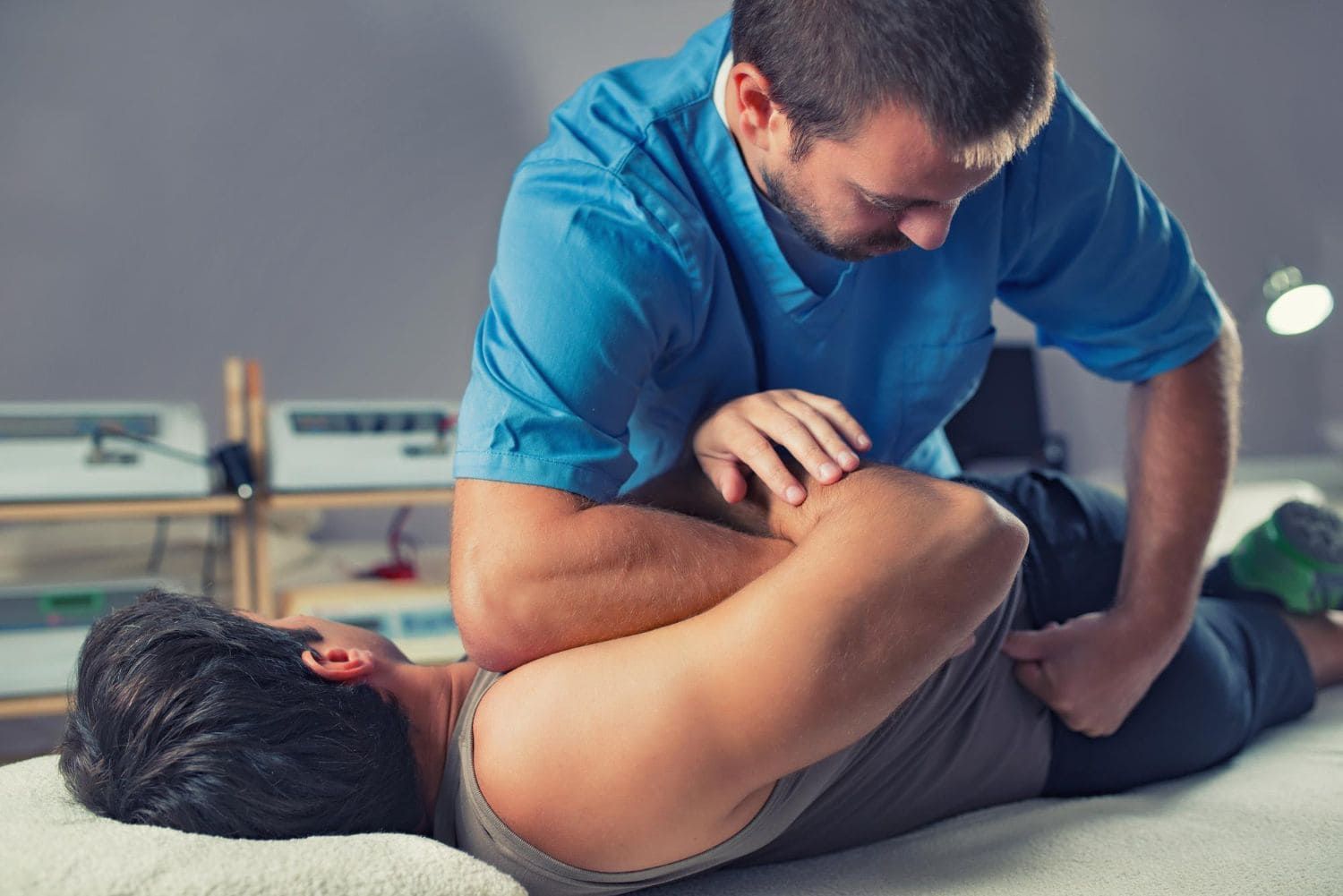
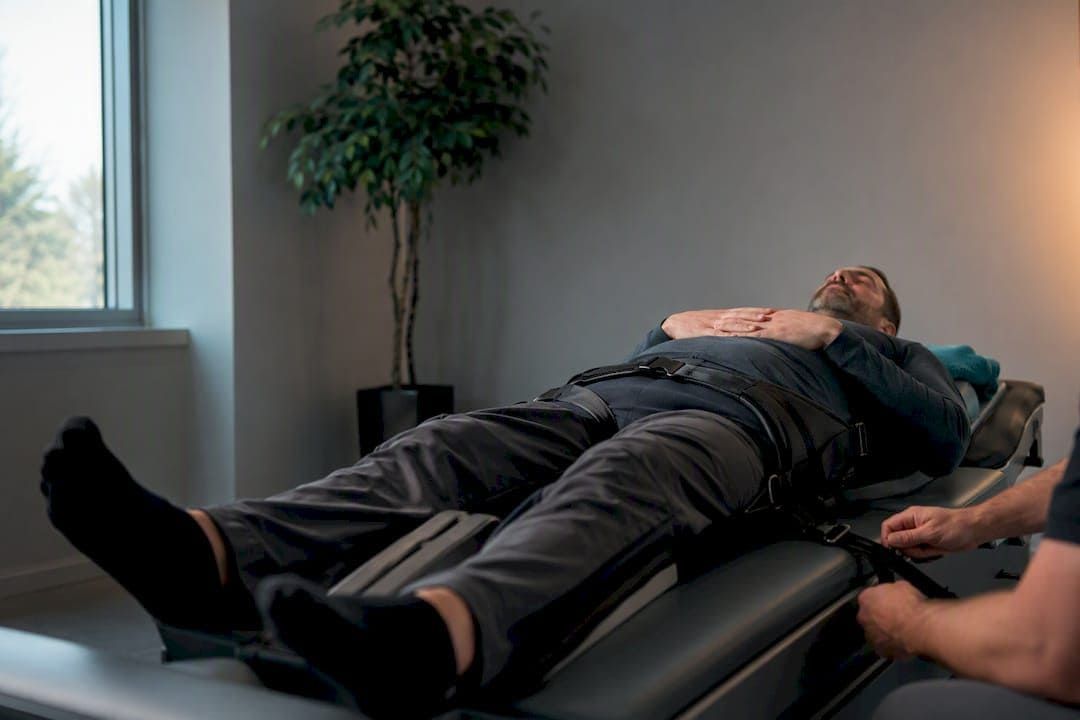
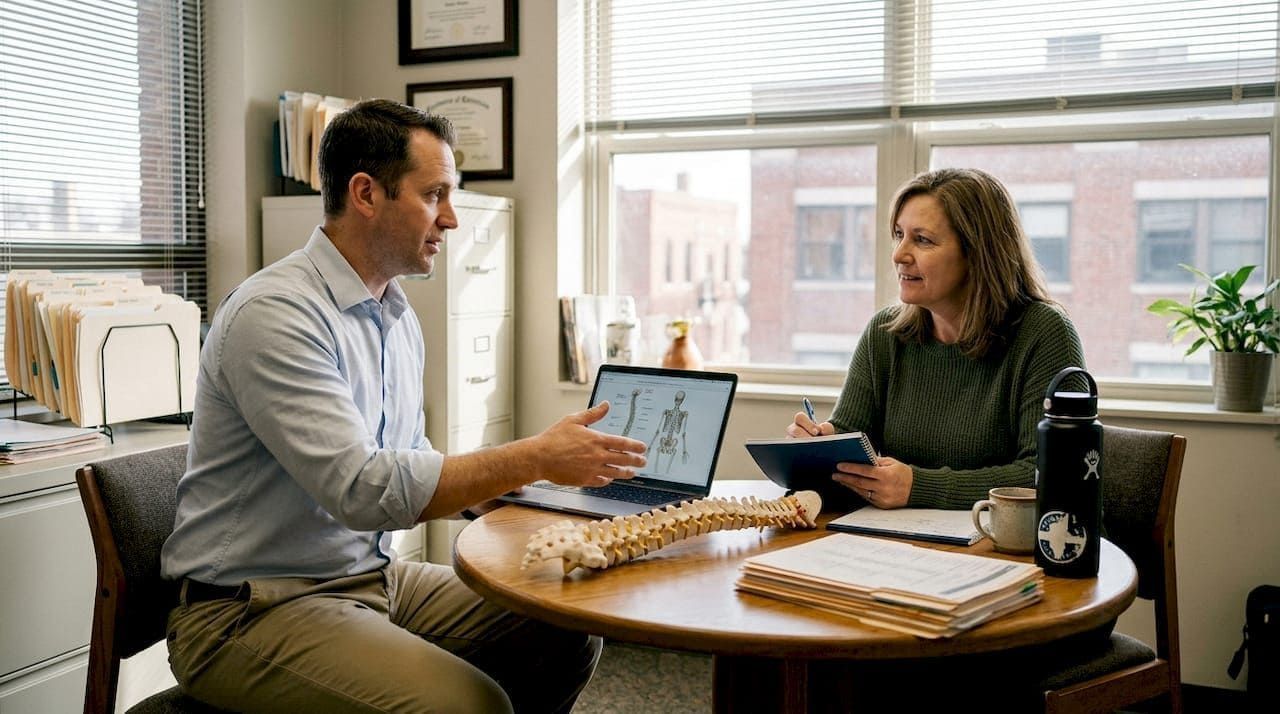
Spinal manipulative therapy, or SMT, is the cornerstone of chiropractic care and one of the most studied manual interventions for acute pain. If you've ever heard a chiropractor described as someone who "cracks backs," that's a simplified version of what SMT actually involves. It's a precise, controlled force applied to specific spinal joints to restore movement and reduce nerve irritation.
Recent research backs this up with numbers. A 2025 meta-analysis found that SMT reduces acute neck pain intensity by a mean difference of 1.53 on a standard pain scale, improves cervical range of motion, and decreases disability scores by 6.20 compared to control groups, with no serious adverse events reported. That's a meaningful, measurable result.
Key highlights from the research:
- Pain scores drop noticeably within the first one to two visits.
- Cervical range of motion improves alongside pain reduction.
- Disability scores fall significantly compared to untreated or minimally treated groups.
- The safety profile is strong, with no serious side effects documented in recent trials.
"Chiropractic SMT is most effective for acute presentations. The earlier you start, the better your short-term outcomes tend to be."
Typically, your chiropractor will schedule SMT two to three times per week at the start of care. Most patients notice a difference within the first couple of visits. That said, SMT works best for acute situations. For chronic, long-standing pain, the picture is more nuanced, which is why understanding the best chiropractic treatments for your specific condition matters.
2. Manual therapy: Soften tissues and mobilize joints
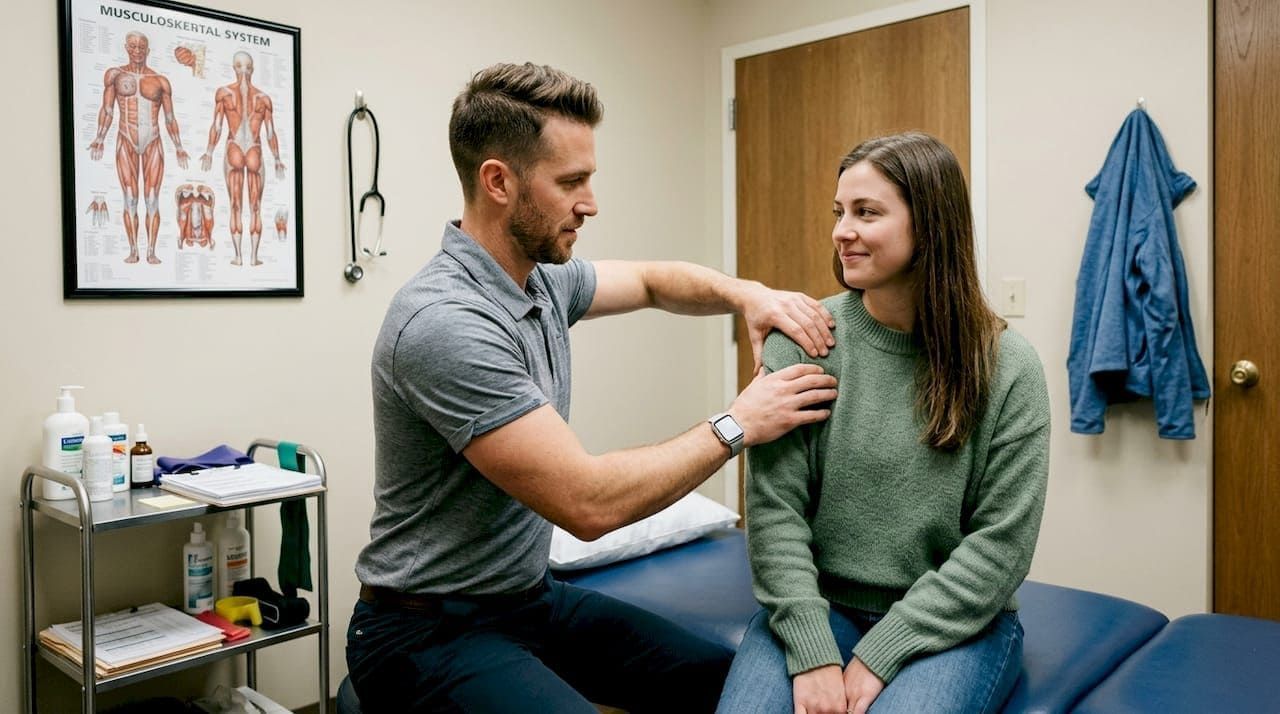
While SMT targets spinal joints directly, manual therapy focuses on the muscles, connective tissue, and surrounding structures that often contribute to pain just as much as the spine itself. Think of SMT and manual therapy as two sides of the same coin.
Manual therapy covers a wide spectrum of hands-on techniques:
- Trigger point release: Firm, sustained pressure on tight muscle knots that refer pain to other areas.
- Myofascial release: Slow, sustained stretching of the connective tissue layer (fascia) that wraps around muscles.
- Passive joint mobilization: Gentle, rhythmic movement of a joint through its natural range without the high-velocity force of SMT.
- Soft tissue manipulation: Broad strokes and targeted pressure to reduce muscle guarding and improve circulation.
Manual therapy works especially well for acute muscle spasms, tension headaches, and joint stiffness following an injury. It's commonly used as part of a multimodal approach, meaning your provider combines it with SMT and exercise for faster, more complete recovery. The manual therapy overview at Essential ChiroCare explains how these techniques are applied in practice.
As noted in research on chiropractic care for acute pain , soft tissue manipulation is a core component of holistic chiropractic treatment, not an add-on.
Pro Tip: Ask your chiropractor specifically whether you need manual therapy, therapeutic massage, or both. They serve different purposes, and knowing the difference helps you advocate for the right care.

3. Therapeutic exercises: Active steps to restore movement
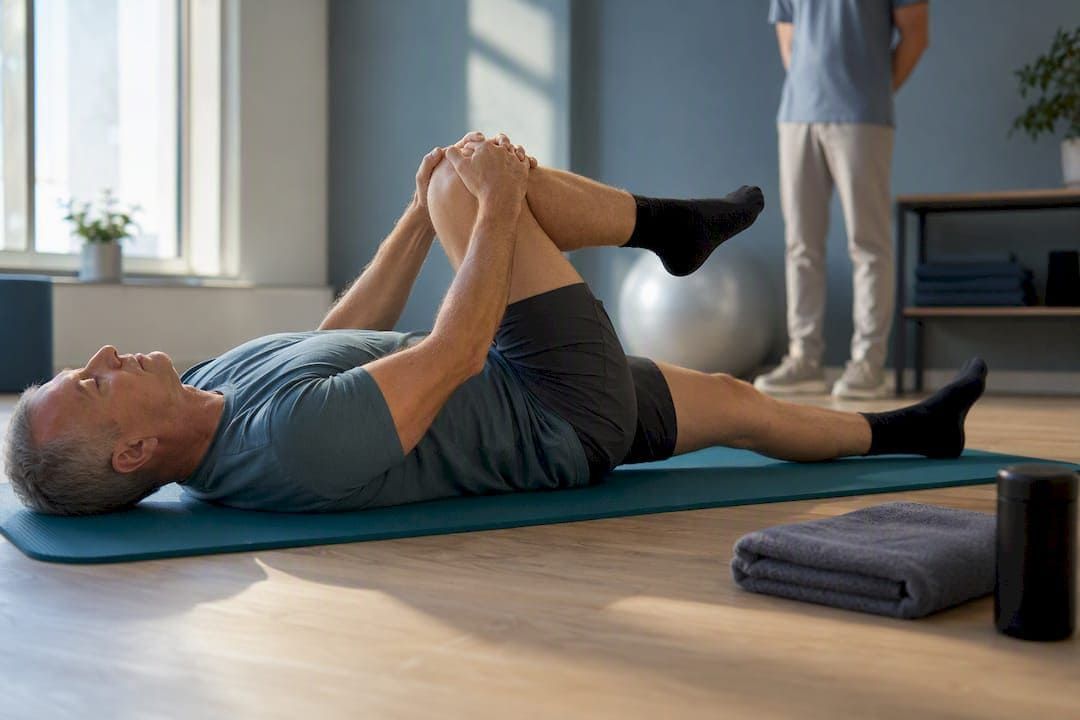
Here's something most people get wrong about recovering from acute pain: rest is not the answer. Complete rest can actually slow healing, cause muscle loss, and increase your risk of long-term disability. Active recovery, guided by your chiropractor, is what moves the needle.
Therapeutic exercises prescribed as part of a chiropractic plan are designed to restore movement safely, strengthen the muscles that support injured areas, and prevent re-injury. According to research on therapeutic exercises within holistic chiropractic care, this active component is essential for lasting results, not optional.
A typical progression looks like this:
- Gentle range-of-motion exercises. These are the first step, designed to keep joints moving without aggravating inflammation.
- Core stabilization work. Building deep abdominal and back muscle strength creates a natural brace around the spine.
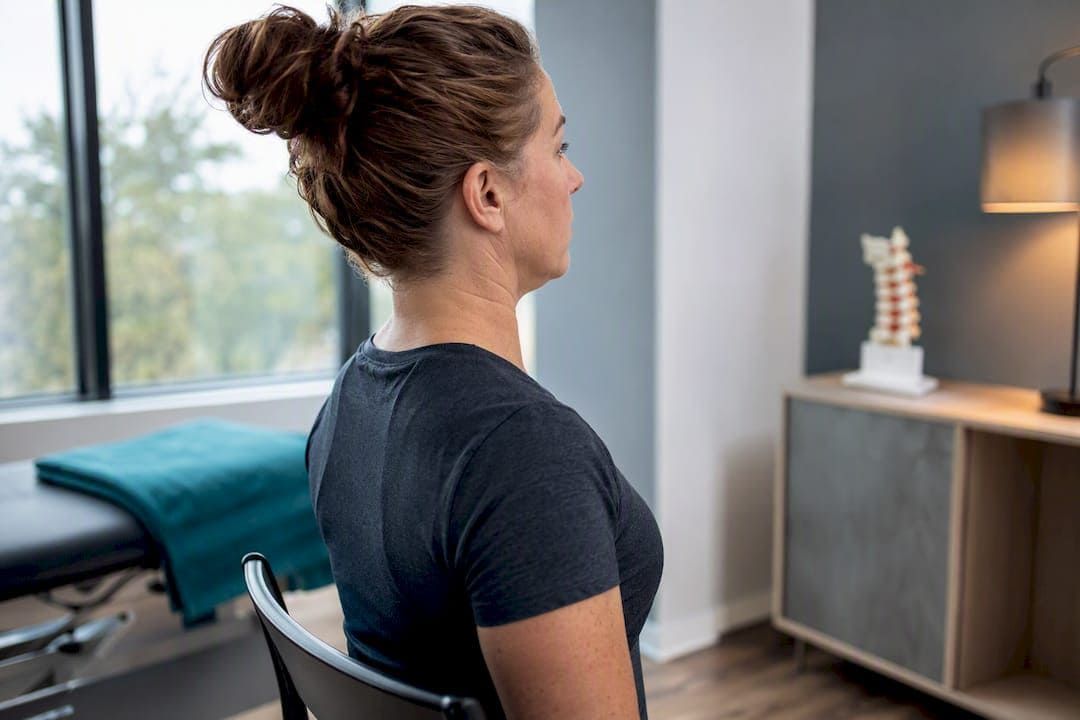
- Posture correction drills. Poor posture is both a cause and a result of pain. Targeted drills retrain your body's default position.
- Functional movement patterns. As you improve, exercises mimic real-life activities like bending, lifting, and reaching to prepare you for daily demands.
Your chiropractor will build a plan specific to your injury and fitness level. You can explore chiropractor-recommended exercises to get a sense of what this looks like in practice.
4. Lifestyle changes for sustainable relief
Hands-on care and exercise do the heavy lifting, but your daily habits either reinforce or undermine all of that work. Lifestyle changes are often the missing piece that separates people who recover fully from those who keep cycling back into pain.
Common pain triggers and practical fixes:
| Trigger | Impact | Simple fix |
|---|---|---|
| Poor posture at a desk | Increases spinal load by up to 40% | Set a timer to stand every 30 minutes |
| Poor sleep position | Strains neck and lower back overnight | Use a supportive pillow aligned with your spine |
| Chronic stress | Raises muscle tension and pain sensitivity | Add 10 minutes of breathing or light walking daily |
| Sedentary lifestyle | Weakens stabilizing muscles | Take short movement breaks throughout the day |
Research on chiropractic care for acute pain confirms that addressing psychosocial factors like stress and sleep alongside physical treatment produces better outcomes. Pain is not purely mechanical.
Top 3 habits to start this week:
- Hydrate consistently. Spinal discs are largely water. Dehydration reduces their ability to absorb shock.
- Move every hour. Even a two-minute walk resets muscle tension and circulation.
- Prioritize seven to nine hours of sleep. Tissue repair happens during sleep, not during waking hours.
For a deeper look at how daily choices connect to recovery, holistic pain solutions and why holistic pain relief works are worth reading.
What most pain relief lists miss: Short-term wins vs lasting results
Most articles about acute pain relief stop at the tips. Here's what they don't tell you.
Chiropractic SMT can produce noticeable relief within the first one to two visits, and initial care is typically scheduled two to three times per week. But modest short-term gains compared to physical therapy or exercise-based approaches are the realistic benchmark, not dramatic, permanent cures after a single session. The Cochrane Review on chiropractic interventions notes small effect sizes and comparable outcomes to other conservative therapies, though chiropractic care is often more cost-effective in certain presentations.
What does this mean for you as a patient in West Central Florida? It means you should walk into your first appointment with realistic expectations. You will likely feel better quickly. That's real and worth pursuing. But the work of building a resilient, pain-resistant body takes weeks, not days. Providers who promise otherwise are not being honest with you.
The patients who get the most out of chiropractic care are those who treat it as a partnership. They do their exercises, they adjust their habits, and they communicate openly with their chiropractor vs physical therapist about what's working. That's the real secret.
Get expert, holistic chiropractic care for your acute pain
If you're dealing with sudden pain from an injury or a flare-up that's disrupting your life, you don't have to figure it out alone.
At Essential ChiroCare, our chiropractic pain relief experts across Tampa, Brandon, Sarasota, Lakeland, and Pinellas Park specialize in exactly the kind of personalized, evidence-based care described in this article. From spinal manipulative therapy and pain-relieving manual therapy to therapeutic exercise programs and lifestyle coaching, every treatment plan is built around your specific condition and goals. Booking is easy online, and our experienced doctors bring real sports medicine and injury recovery backgrounds to every patient visit. Take the next step toward feeling like yourself again.
Frequently asked questions
How quickly can I expect relief from chiropractic treatment for acute pain?
Many patients report noticeable improvement after the first or second session, with acute relief often occurring within the first two visits when care is scheduled two to three times per week initially.
Is chiropractic care safe for acute neck and back pain?
Yes. Recent studies confirm that SMT is effective and safe for acute neck and back pain, with no greater risk of adverse events compared to other conservative care options.
Does combining manual therapy with chiropractic adjustments help more?
In most cases, yes. Multimodal care combining manual therapy and spinal adjustments tends to produce better short-term outcomes for acute pain and neck disability than either approach used alone.
Are chiropractic results better than physical therapy for acute pain?
Short-term improvements are similar between the two. However, no long-term superiority has been established for either approach, and the Cochrane Review notes that chiropractic care is comparable to other conservative therapies overall.
Recommended