

Auto Accident Recovery Checklist: Steps for Effective Healing

Essential ChiroCare Blogger • April 29, 2026

Auto Accident Recovery Checklist: Steps for Effective Healing

TL;DR:

  • Immediate actions include checking injuries, documenting the scene, and seeking medical evaluation within 72 hours.
  • Early chiropractic assessment helps detect hidden injuries and supports faster recovery.
  • Personalized, adaptable recovery plans with consistent monitoring lead to better long-term results.

The moments after a car accident are disorienting. Pain, paperwork, insurance calls, and medical decisions hit you all at once, and it's easy to miss critical steps that protect both your health and your legal rights. A structured recovery checklist changes that. Instead of guessing what to do next, you follow a clear sequence that covers immediate safety actions, medical evaluations, chiropractic care, and long-term rehabilitation. This guide walks you through every stage, from the scene of the crash to building a personalized healing plan, so you can recover faster and more completely.

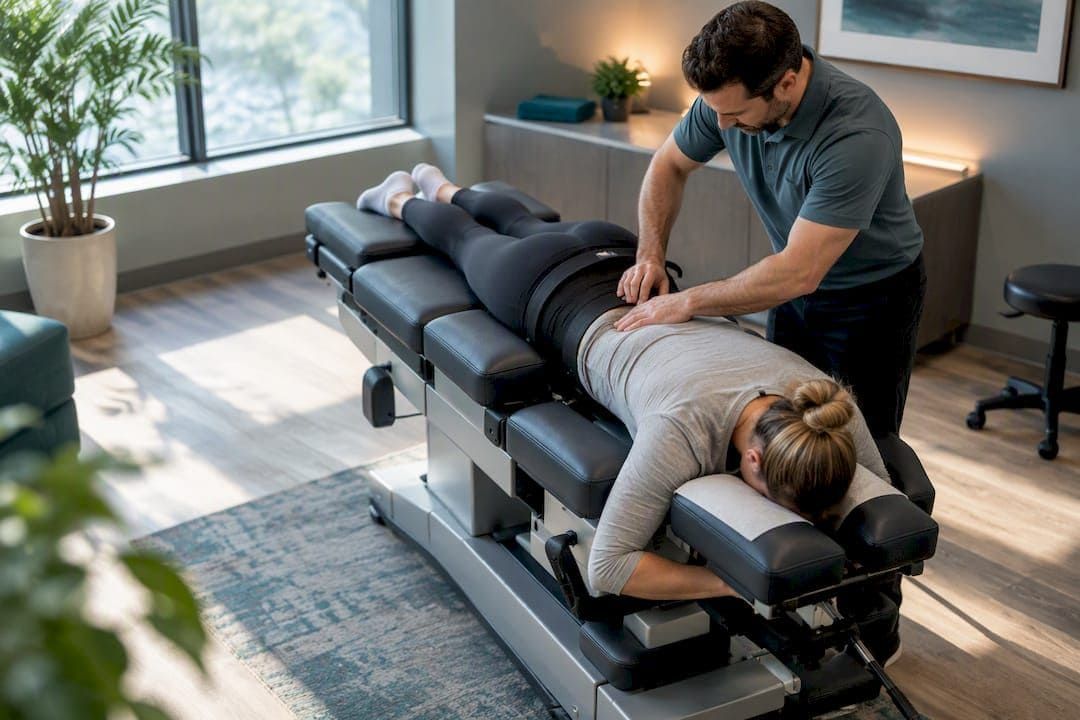
car accident recovery steps

Table of Contents

Key Takeaways

Point Details
Start recovery immediately Quick, organized steps after an accident lead to better outcomes and smoother insurance processes.
Identify hidden injuries Common auto accident injuries like whiplash can be delayed, so early evaluation is critical.
Chiropractic care benefits Seeing a chiropractor soon after an accident supports pain relief, healing, and proper documentation.
Tailor your plan Personalize your rehabilitation with integrative care and track progress weekly for best results.
Stay proactive Keep updating your checklist and communicate with your providers to ensure steady recovery.

Immediate steps to take after an auto accident

Now that you know why a checklist matters, let's look at the very first steps you should take right after a crash. The first 24 to 72 hours are the most critical window for your safety, documentation, and medical protection.

  1. Check yourself and others for injuries. Don't assume you're fine because you feel okay. Adrenaline masks pain. Call 911 immediately if anyone is hurt, even if the injuries seem minor.
  2. Move to safety if possible. If the vehicles are drivable and it's safe, move them out of traffic. Turn on hazard lights.
  3. Document everything at the scene. Photograph all vehicles, damage, license plates, road conditions, traffic signs, and any visible injuries. Get names and contact details from witnesses.
  4. File a police report. Even for minor accidents, a police report creates an official record that protects you later.
  5. Report the accident to your insurance company. Do this as soon as possible. Delays can complicate your claim.
  6. Seek medical evaluation within 72 hours. Documenting and seeking timely care is crucial for both your health and any future legal or insurance claim. Even if you feel fine, get checked.

Pro Tip: Start a recovery folder right now, either a physical binder or a digital folder on your phone. Keep every accident photo, police report, insurance correspondence, medical receipt, and doctor's note in one place. This habit saves enormous stress later.

The goal of these first steps isn't just legal protection. It's making sure nothing slips through the cracks during a chaotic time.

Understanding common auto accident injuries

Once the initial steps are handled, it's key to understand what types of injuries might be present, even if not obvious at first. Many accident injuries don't show up immediately, which is exactly why early professional evaluation matters.

Soft tissue injuries like whiplash and back pain are among the most common results of auto collisions. But the list goes further than most people expect.

Injury Common symptoms Recommended action
Whiplash Neck stiffness, headaches, shoulder pain Chiropractic evaluation within 72 hours
Soft tissue sprain Swelling, tenderness, limited range of motion Ice, rest, and professional assessment
Concussion Dizziness, confusion, light sensitivity ER or urgent care immediately
Herniated disc Radiating arm or leg pain, numbness MRI and chiropractic or orthopedic consult
Lower back strain Aching, stiffness, pain with movement Chiropractic and physical therapy

Some symptoms are easy to dismiss in the first few days. Watch for these less obvious warning signs:

  • Mild headaches that seem like stress
  • Fatigue or difficulty concentrating
  • Tingling or numbness in hands or feet
  • Jaw pain or difficulty chewing
  • Emotional changes like irritability or anxiety

Studies on injury case outcomes consistently show that a significant percentage of accident patients develop symptoms days or even weeks after the collision, long after they assumed they were unharmed.

Accurate diagnosis shapes everything that follows. Without knowing exactly what's injured, your treatment plan becomes guesswork. That's why professional evaluation isn't optional, it's the foundation of effective recovery.

Scheduling medical and chiropractic evaluations

Identifying injuries is just the beginning. Next, you'll need to prioritize your medical evaluation appointments for a solid recovery plan. The order in which you schedule these visits matters more than most people realize.

  1. Urgent care or emergency room (Day 1). If you have any severe symptoms, go immediately. This rules out fractures, internal injuries, and serious head trauma.
  2. Primary care physician (Within 48 hours). Your family doctor can order imaging, refer specialists, and begin documenting your injuries for insurance purposes.
  3. Chiropractor (Within 72 hours). Timely chiropractic care can significantly reduce pain and long-term complications after an accident. Chiropractors specialize in the spine and soft tissue injuries that standard medical exams often miss.
  4. Specialist referrals (As needed). Neurologists, orthopedic surgeons, or physical therapists may be added based on your diagnosis.

Here's something most people don't know: a large percentage of accident-related spinal and soft tissue injuries go undetected in standard emergency room visits because ERs focus on life-threatening conditions. Chiropractic evaluation fills that gap. Pain after a car accident often points to misalignments and muscle injuries that respond well to targeted chiropractic treatment.

Your medical records from every visit serve a dual purpose. They guide your treatment and they document your injuries for your insurance claim or any potential legal action. Missing appointments or delaying care creates gaps in that record, which can be used against you.

Even minor symptoms deserve professional review. A stiff neck that feels like tension could be early-stage whiplash. Getting it evaluated early means catching it before it becomes a chronic condition.

Building a personalized recovery and rehabilitation plan

After scheduling your evaluations, you'll want to assemble a plan tailored to your needs. A generic recovery timeline won't account for your specific injuries, lifestyle, or healing pace.

Approach Focus Session frequency Typical outcomes
Chiropractic care Spinal alignment, nerve function 2 to 3 times per week initially Reduced pain, restored mobility
General medical care Medication, imaging, referrals As needed Symptom management
Physical therapy Strength, flexibility, function 2 to 3 times per week Functional recovery, injury prevention
Holistic care Whole-body healing, stress reduction Ongoing Improved sleep, reduced tension

Combining chiropractic, physical therapy, and holistic practices leads to better outcomes in accident rehabilitation than any single approach alone. Think of your recovery plan as a team effort.

Core components of a strong recovery plan include:

  • Chiropractic adjustments to restore spinal alignment and reduce nerve irritation
  • Physical therapy exercises to rebuild strength and prevent re-injury
  • Home exercise routines assigned by your care team
  • Anti-inflammatory nutrition to support tissue repair
  • Consistent sleep habits because most healing happens overnight

Track your progress weekly. Note pain levels, range of motion, sleep quality, and mood. This data helps your care team adjust your plan as you improve. Explore chiropractic services in West Central Florida to find the right combination of treatments for your situation.

Watch for these red flags during recovery:

  • Pain that gets worse instead of better after two weeks
  • New symptoms appearing after initial improvement
  • Numbness, weakness, or loss of bladder or bowel control
  • Significant mood changes or sleep disruption

Pro Tip: Consider adding massage therapy or mindfulness-based stress reduction to your plan. Tension-related pain, especially in the neck and shoulders after whiplash, responds well to both. Many patients find that benefits of accident chiropractors extend well beyond spinal adjustments when paired with these complementary approaches.

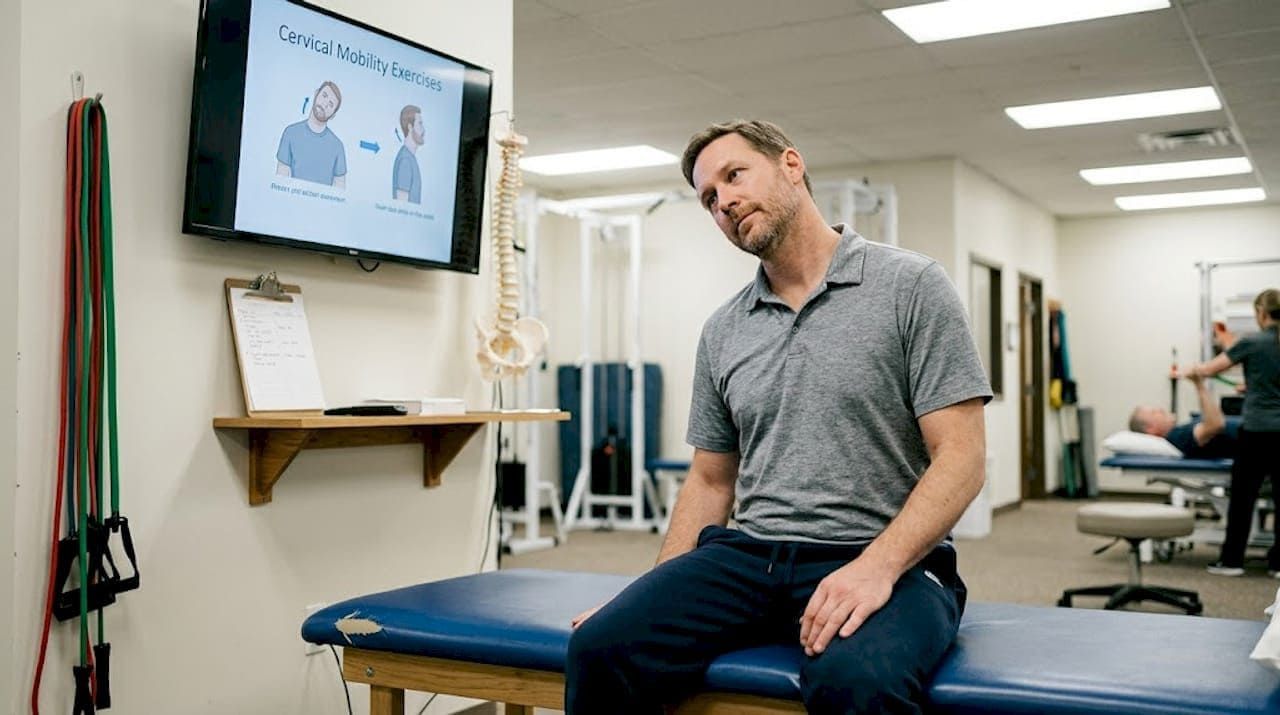
what to do after a car accident injury

Following through: Monitoring progress and modifying your checklist

With your plan in motion, staying attentive to your progress and making tweaks is essential for a full recovery. A checklist is only useful if you keep using it.

Keep a simple recovery log. It doesn't need to be elaborate. A notebook or phone app works fine. Record your daily pain level on a scale of 1 to 10, any new symptoms, how well you slept, and whether you completed your home exercises. Over time, patterns emerge that help both you and your providers make smarter decisions.

Continuous medical follow-up reduces the risk of chronic pain or recurrent injury after accidents. Missing appointments is one of the most common reasons recoveries stall.

These situations should prompt a return visit to your provider sooner than scheduled:

  • Pain that spikes after a period of improvement
  • New areas of pain or discomfort you haven't reported
  • Headaches that increase in frequency or intensity
  • Difficulty performing daily tasks that were getting easier
  • Emotional symptoms like depression or anxiety worsening

Communication with your care team is a skill worth developing. Come to appointments with specific updates, not just "I feel about the same." Tell them what activities trigger pain, what helps, and what's changed since your last visit. This specificity leads to faster adjustments in your treatment.

Reading real recovery stories from other West Central Florida patients can also help you set realistic expectations and stay motivated. And don't forget to check in on why chiropractic after accidents remains one of the most evidence-supported paths to lasting recovery.

Pro Tip: Update your recovery checklist every week. Cross off completed steps, add new ones based on your provider's guidance, and note what's working. This keeps your recovery active rather than passive.

Why a one-size-fits-all checklist often fails after an auto accident

Having covered the major steps and tools, let's challenge the idea that any checklist can fit every situation. We've seen patients follow standard recovery advice perfectly and still plateau weeks into treatment, not because the advice was wrong, but because it wasn't theirs.

Your accident was specific. Your body is specific. A rear-end collision at 30 mph affects a 25-year-old athlete very differently than it affects a 55-year-old with prior back issues. Generic checklists don't account for that. They give you a starting point, not a finish line.

Listening to your symptoms is more reliable than following a rigid timeline. If your neck still hurts at week four, that's information. It means your plan needs adjusting, not that you're failing. Holistic, whole-person care produces better results precisely because it treats you as a complete person, not a collection of injured parts.

Lasting relief from chiropractic care comes from providers who ask about your sleep, stress, diet, and daily movement, not just your pain score. That's the kind of care that actually sticks. Use any checklist as a guide, then adapt it constantly based on what your body is telling you.

Get personalized support for your auto accident recovery

If you're ready to get hands-on support for your recovery, consider these local options. Professional guidance from trained auto injury specialists ensures you don't miss hidden injuries, document your case properly, and heal at the fastest pace your body allows.

At Essential ChiroCare , our team of experienced chiropractors and rehabilitation specialists works with auto accident patients across Tampa, Brandon, Sarasota, Lakeland, and Pinellas Park. We build individualized recovery plans that combine chiropractic care with physical rehabilitation for real, lasting results. Schedule your evaluation today and take the first step toward a recovery plan that actually fits your life.

Frequently asked questions

  • What should I do immediately after an auto accident?

    Check for injuries, call 911 if needed, collect all accident details, and see a medical provider within 72 hours. Documenting and reporting after an accident is necessary to protect your health and your legal rights.

  • How soon should I see a chiropractor after a car accident?

    Aim to see a chiropractor within 72 hours of the accident to identify injuries early and build a proper documentation trail. Chiropractic evaluation is crucial right after an accident, even when symptoms feel mild.

  • What injuries often go unnoticed after car accidents?

    Whiplash, soft tissue strains, and mild concussions frequently have delayed symptoms and are missed without a professional exam. Soft tissue injuries are easy to overlook after accidents because initial pain may feel minor.

  • How do I know if my recovery plan is working?

    Track your symptoms weekly, keep all scheduled appointments, and adjust your checklist if pain or mobility aren't improving. Ongoing follow-up ensures optimal post-accident recovery and reduces the risk of long-term complications.

Recommended

what is acute pain
By Essential ChiroCare Blogger April 28, 2026
Understand acute pain causes, risks of ignoring it, and how chiropractic and holistic care in West Central Florida can speed your recovery and prevent chronic pain.
spinal alignment for pain relief
By Essential ChiroCare Blogger April 27, 2026
Learn what spinal alignment really means, how misalignment causes pain, and what chiropractic care can do to restore your movement and comfort.
massage therapy for injury recovery
By Essential ChiroCare Blogger April 26, 2026
Discover how massage therapy aids injury recovery, reduces pain by 30%, and accelerates healing for West Central Florida adults recovering from sports injuries or accidents.
gardening back pain relief
By Essential ChiroCare Blogger April 25, 2026
Learn how to protect your back while gardening and when it’s time to see a back pain chiropractor in Tampa for aches that won’t go away. Read on!
kids chiropractor Tampa FL
By Essential ChiroCare Blogger April 24, 2026
Learn how to spot posture changes, discomfort, and movement imbalances early with help from a pediatric chiropractor in Tampa. Read on to know more!
acute pain relief chiropractic
By Essential ChiroCare Blogger April 23, 2026
Discover 7 evidence-based acute pain relief tips with a holistic chiropractic focus. Learn which therapies work fastest and why root-cause care gets lasting results.
whiplash treatment after car accident
By Essential ChiroCare Blogger April 22, 2026
Discover what research reveals about whiplash recovery timelines, why 20-50% have lasting symptoms, and how holistic chiropractic care in West Central Florida can help.
step-by-step chiropractic rehab
By Essential ChiroCare Blogger April 21, 2026
Follow a proven step-by-step chiropractic rehab plan across four phases to recover from pain or injury and achieve lasting results in West Central Florida.
sports chiropractor near Pinellas Park
By Essential ChiroCare Blogger April 20, 2026
Learn what to look for when choosing a sports chiropractor in Tampa and how local climate, recovery goals, and comfort all play a role in finding the right fit.
migraine chiropractor Tampa
By Essential ChiroCare Blogger April 19, 2026
Learn how seasonal weather and allergens may trigger headaches, and how a migraine chiropractor in Tampa could help support your comfort this spring.
Show More