Athletic Overuse Injuries: Risks, Causes & Prevention
Athletic Overuse Injuries: Risks, Causes & Prevention
TL;DR:
- Overuse injuries develop gradually from repetitive microtrauma caused by poor mechanics, overloading, and insufficient recovery.
- Risk factors include early specialization, high training volume, biomechanics issues, and lack of variation in activity.
- Prevention involves gradual load increase, proper technique, cross-training, recovery, and early professional assessment.
Overuse injuries sideline far more athletes than dramatic collisions or sudden accidents ever will. 68.5% of pickleball players reported a 12-month injury, with chronic overuse cases accounting for the most serious complaints. Yet most active people chalk up nagging pain as normal soreness and keep pushing through. That mindset is exactly how a minor stress reaction becomes a stress fracture, or how tendinitis turns into a months-long setback. In this article, we'll break down what overuse injuries actually are, which athletes face the highest risk, and what you can do right now to train smarter and stay healthy.
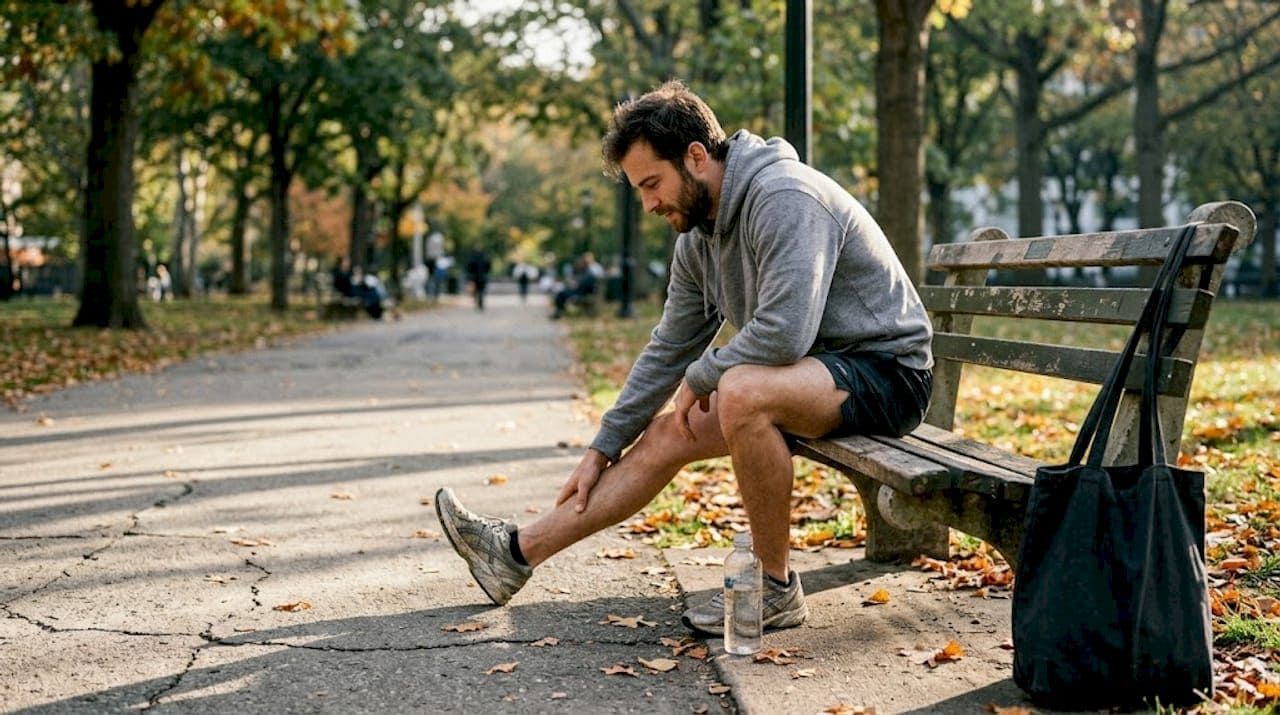
Table of Contents
- What are athletic overuse injuries?
- Key causes and biomechanical factors behind overuse injuries
- Who is most at risk? Prevalence, risk factors, and real data
- Effective prevention and management strategies for athletes
- The misunderstood realities of overuse injuries: What most athletes miss
- Explore expert support for injury prevention and recovery
- Frequently asked questions
Key Takeaways
| Point | Details |
|---|---|
| Overuse injury definition | These are persistent issues caused by repetitive stress rather than sudden trauma. |
| Multiple risk factors exist | Training errors, age, specialization, and technique all impact an athlete's likelihood of injury. |
| Prevention is possible | Careful planning, rest, and proper mechanics greatly reduce your risk of overuse injuries. |
| Expert help matters | Professional assessment and individualized rehabilitation speed up safe recovery and help prevent recurrence. |
What are athletic overuse injuries?
An overuse injury is not the result of one bad moment. It builds slowly, quietly, and often without any obvious warning until it's already a real problem. Unlike acute injuries such as a sprained ankle from a bad landing or a broken bone from a collision, overuse injuries stem from repetitive microtrauma caused by training errors, improper technique, or excessive loading without enough recovery time in between.
Think of it like bending a paperclip back and forth. One bend does nothing. But repeat that motion enough times and the metal fatigues and snaps. Your tendons, bones, and muscles work the same way.
Common overuse injuries include:
- Tendinitis (inflammation of a tendon, often in the Achilles, elbow, or rotator cuff)
- Stress fractures (tiny cracks in bone from repeated impact, common in runners and gymnasts)
- Shin splints (pain along the shinbone from repeated lower-leg stress)
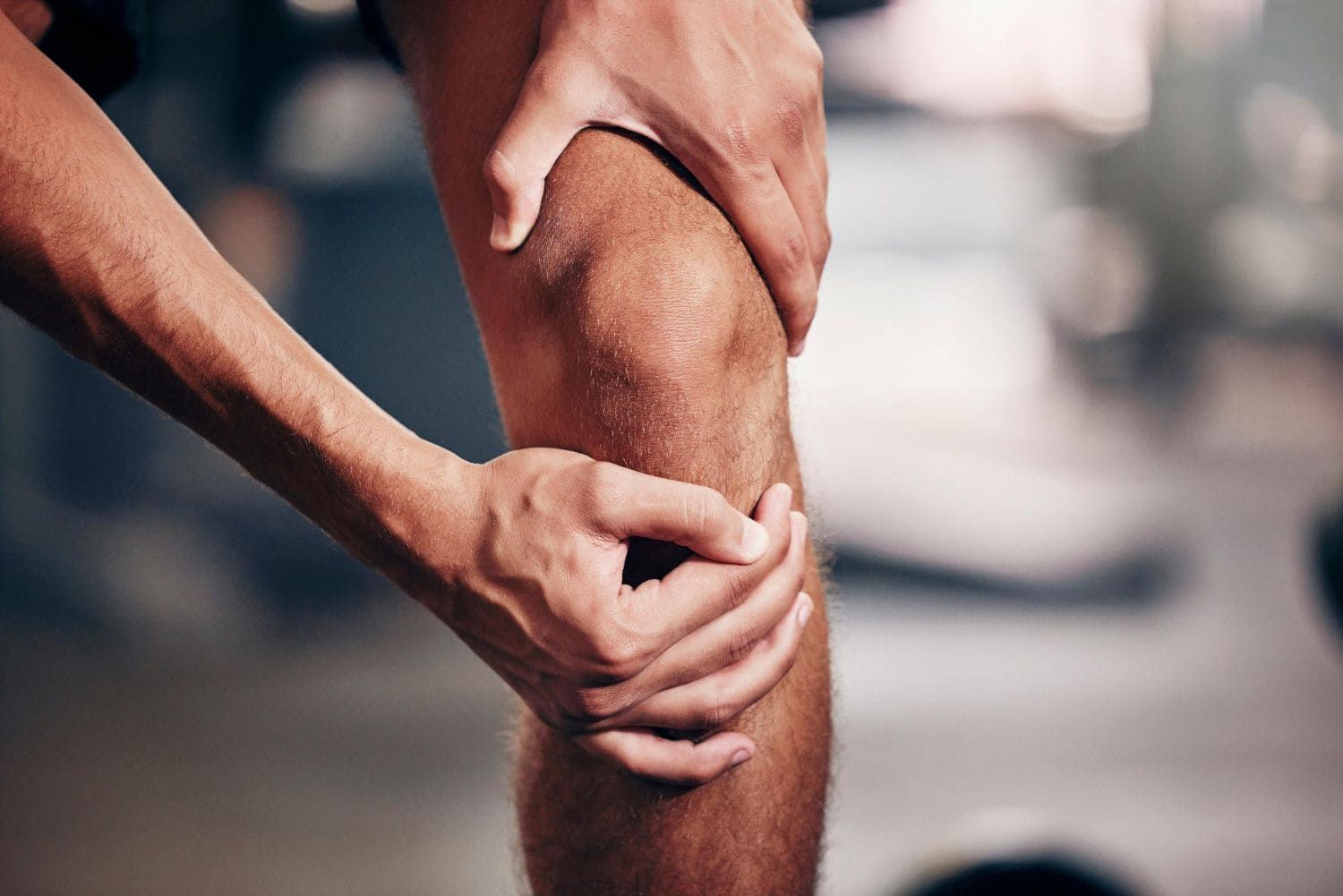
- Patellofemoral syndrome (knee pain from repetitive bending and loading)
- Iliotibial band syndrome (lateral knee and hip pain frequent in cyclists and runners)
One of the biggest misconceptions we see in active people is that discomfort during or after training is just "normal soreness" that should be pushed through. That thinking delays treatment and turns manageable issues into significant injuries. There is a real difference between muscle fatigue after a hard workout and persistent, localized pain that lingers days after activity stops.
Here's a quick comparison to help you tell the two apart:
| Feature | Acute injury | Overuse injury |
|---|---|---|
| Onset | Sudden, identifiable moment | Gradual, builds over time |
| Cause | Single traumatic event | Repetitive stress and loading |
| Pain location | Often broad or diffuse at first | Specific, localized |
| Initial swelling | Usually immediate | May appear slowly |
| Recovery approach | RICE, then rehab | Load management, mechanics correction |
"Pain that worsens during activity but eases with rest — then returns again the next session — is one of the clearest early signals of an overuse injury developing."
If you want a broader look at how these fit into the overall picture, the types of sports injuries framework is a helpful reference for understanding what you might be dealing with.
Key causes and biomechanical factors behind overuse injuries
Knowing what an overuse injury is matters, but understanding why it happens is what actually helps you avoid one. The causes are rarely just "too much exercise." More often, it's a combination of how you move, how fast you progress, and how little you vary your training.
The most common contributing causes include:
- Increasing training volume or intensity too quickly (the classic "too much, too soon" mistake)
- Repeating the same movement patterns daily without variation or rest
- Poor technique that shifts load onto vulnerable structures
- Worn or inappropriate footwear and equipment
- Inadequate warm-up and cool-down routines
- Muscle imbalances that force compensatory movement
Biomechanics, meaning how your body moves and distributes force during activity, plays a huge role. Biomechanical factors like poor form, excessive joint loading, and mechanical fatigue from repetitive stress are directly linked to overuse injury development. A tennis player with excessive shoulder internal rotation during their serve, for example, stresses the rotator cuff in a way that quietly accumulates damage over hundreds of practice sessions.
Runners are another clear example. Overstriding places the foot too far ahead of the center of mass at contact, creating a braking force that hammers the knee and shin with every stride. Multiply that by thousands of steps per run, and you have a recipe for stress fractures or shin splints.
| Sport | Common biomechanical error | Resulting overuse injury |
|---|---|---|
| Running | Overstriding, pelvic drop | Shin splints, stress fractures |
| Tennis | Excessive shoulder internal rotation | Rotator cuff tendinitis |
| Swimming | Dropped elbow during pull | Shoulder impingement |
| Cycling | Saddle height too low | Patellofemoral syndrome |
| Baseball | Arm fatigue with poor mechanics | Medial elbow stress |
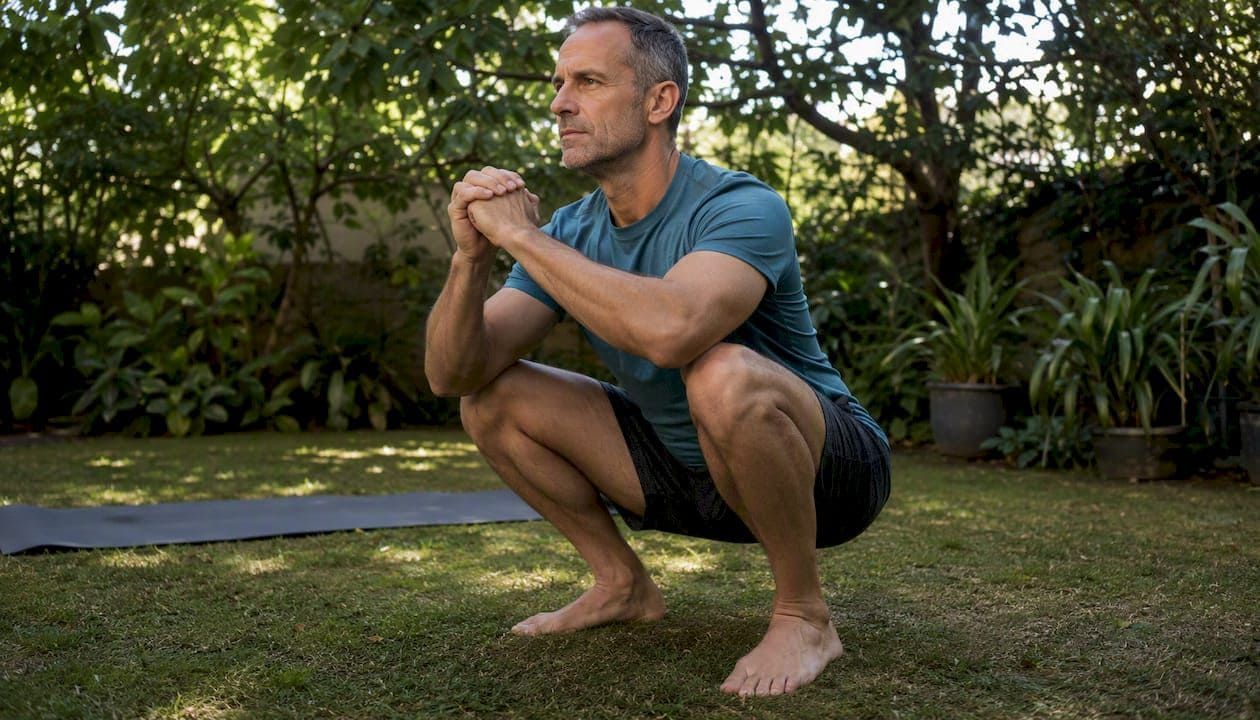
Pro Tip: Video your own movement. Even a slow-motion phone clip of your running gait or throwing motion can reveal mechanical errors that feel perfectly normal to you but are loading joints in risky ways.
Fixing these movement patterns early is central to preventing sports re-injury. And when an injury has already occurred, understanding its mechanical origin is the foundation of chiropractic in sports injury recovery.
Who is most at risk? Prevalence, risk factors, and real data
Here's where the data gets genuinely interesting, and often surprises athletes who assume overuse injuries only happen to elite competitors training at extreme volumes.
Risk factors for overuse injuries include early sport specialization, high training volume and monotony, female sex in certain sports, and reaching peak height velocity during adolescence. Adolescents going through growth spurts are particularly vulnerable because bones lengthen faster than surrounding tendons and muscles can adapt, creating a window of elevated risk.
High-risk groups to be aware of:
- Adolescents specializing in a single sport before age 14
- Recreational athletes who ramp up training volume for events like 5Ks or triathlons
- High-frequency players in court sports (tennis, pickleball, racquetball)
- Female athletes in sports emphasizing repetitive impact or aesthetic demands
- Adults returning to sport after a long break
One finding that surprises many people: pickleball, West Central Florida's fastest-growing sport, shows males and novice players at higher injury risk despite the sport's reputation as low-impact. Older age does not protect against overuse when someone is new to a movement pattern their body has not adapted to.
The research also challenges the assumption that injury definitions are straightforward. "Overuse" means different things across studies, making direct comparisons tricky. Some studies count any reported complaint; others only record time-loss injuries. This matters because a sore Achilles that keeps you off the court for two days may not appear in traditional injury statistics, yet it is an early signal that should not be ignored.
Pro Tip: Track your training load weekly. Spikes larger than a 10% increase in volume from one week to the next are consistently associated with elevated injury risk across endurance and team sports alike.
Athletes preparing for spring seasons should also pay close attention. Knee injuries in spring sports are a well-documented risk, especially when athletes return from off-season with high motivation but undertrained tissue.
Effective prevention and management strategies for athletes
Prevention is not complicated, but it does require intention. Most overuse injuries are predictable and avoidable when you apply consistent, evidence-informed habits.
A practical step-by-step framework:
- Manage your load progression. Follow the 10% rule as a baseline: increase weekly training volume by no more than 10% at a time. This applies to mileage, court time, or lift weight.
- Prioritize recovery days. Rest is not wasted time. It's when tissue adaptation actually happens. Skipping recovery consistently is one of the fastest paths to overuse breakdown.
- Cross-train intentionally. Vary your movement demands across the week. A runner who swims or cycles on off days reduces the repetitive loading on any single tissue group.
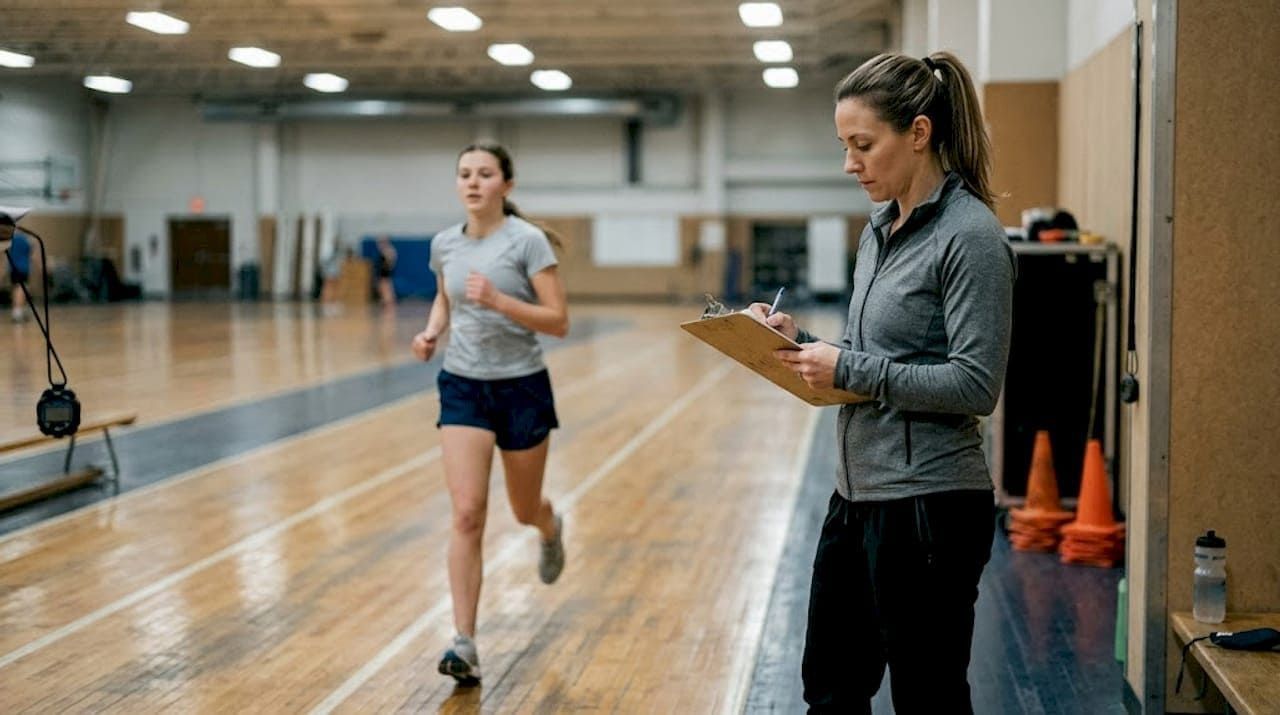
- Get a movement assessment. 3D motion capture and inverse dynamics analysis gives clinicians precise data on joint loads during sport-specific movements, identifying mechanical risk before injury occurs.
- Distinguish discomfort from warning signs. Load management over rapid progression should guide every training decision. Not every ache is an injury, but persistent, localized pain that changes your movement deserves immediate attention.
- Seek professional evaluation early. A stress reaction caught early can be managed with load reduction. Left alone, it becomes a stress fracture requiring weeks of non-weight-bearing rest.
Early intervention is where outcomes diverge most dramatically. The athletes who address warning signs within the first one to two weeks tend to recover in a fraction of the time compared to those who train through it for months.
For more practical guidance on building safer training habits, sports injury prevention tips and chiropractic recovery and performance strategies are great places to continue learning.
Pro Tip: Multisport participation, especially in youth athletes, is one of the most protective factors against overuse injuries. Encouraging young athletes to play multiple sports through their teenage years reduces the repetitive loading that drives early specialization injuries.
The misunderstood realities of overuse injuries: What most athletes miss
Conventional advice tells athletes to "just rest more" when pain shows up. That guidance is well-intentioned but dangerously incomplete. Rest alone, without addressing the mechanical issue that caused the injury, leads to the same problem returning within weeks of resuming activity.
The other oversimplification we see constantly is equating high training load with high injury risk. The research is far less clean than that. Some studies link heavy load to injury while others show no significant effect, which tells us that load magnitude, quality of movement, and recovery capacity all interact in complex ways that generic protocols cannot address.
The most important thing to understand: two athletes can train identical volumes and one gets hurt while the other thrives. The difference usually lives in mechanics, tissue quality, sleep, nutrition, and stress, not just how many miles they ran or how many serves they hit.
The encouraging news is that long-term outcomes in overuse injuries are often very positive when injuries are properly managed. Most people recover full function and return to their sport. What separates them from those who stay injured is getting individualized care through chiropractic in injury rehab rather than waiting for the problem to resolve on its own.
Explore expert support for injury prevention and recovery
If overuse pain has been slowing you down, or if you want to make sure it never does, expert evaluation makes a real difference in West Central Florida.
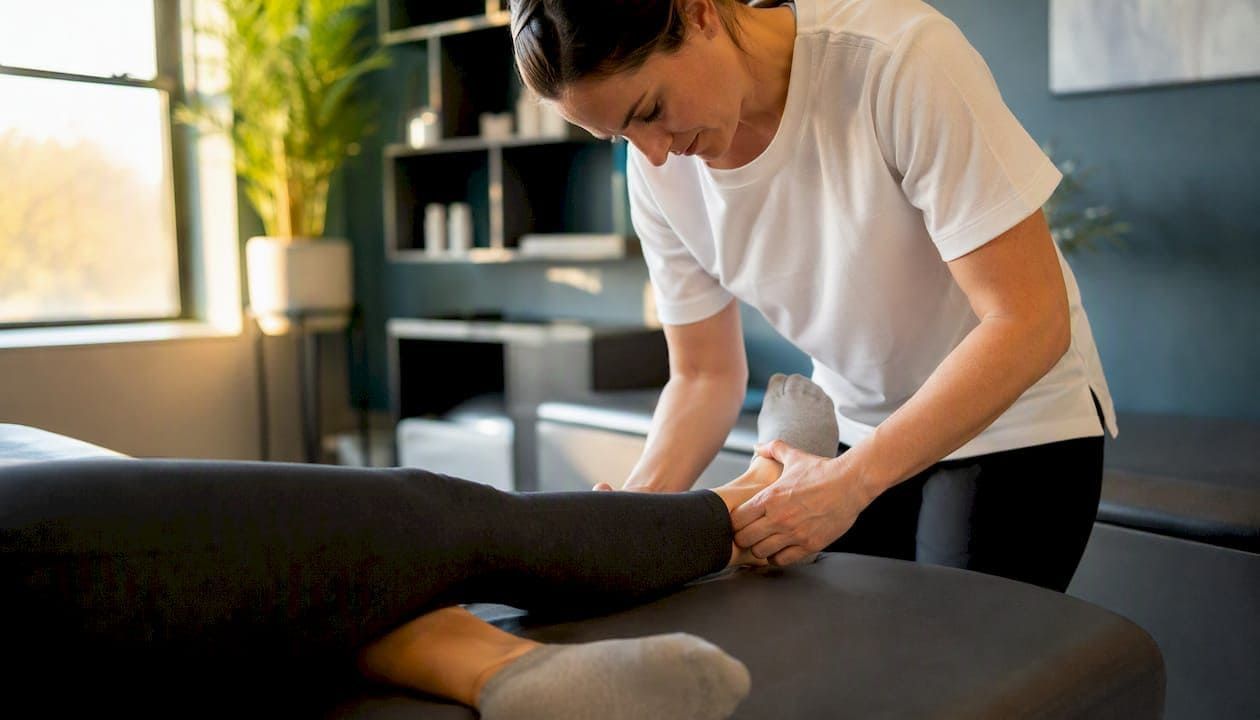
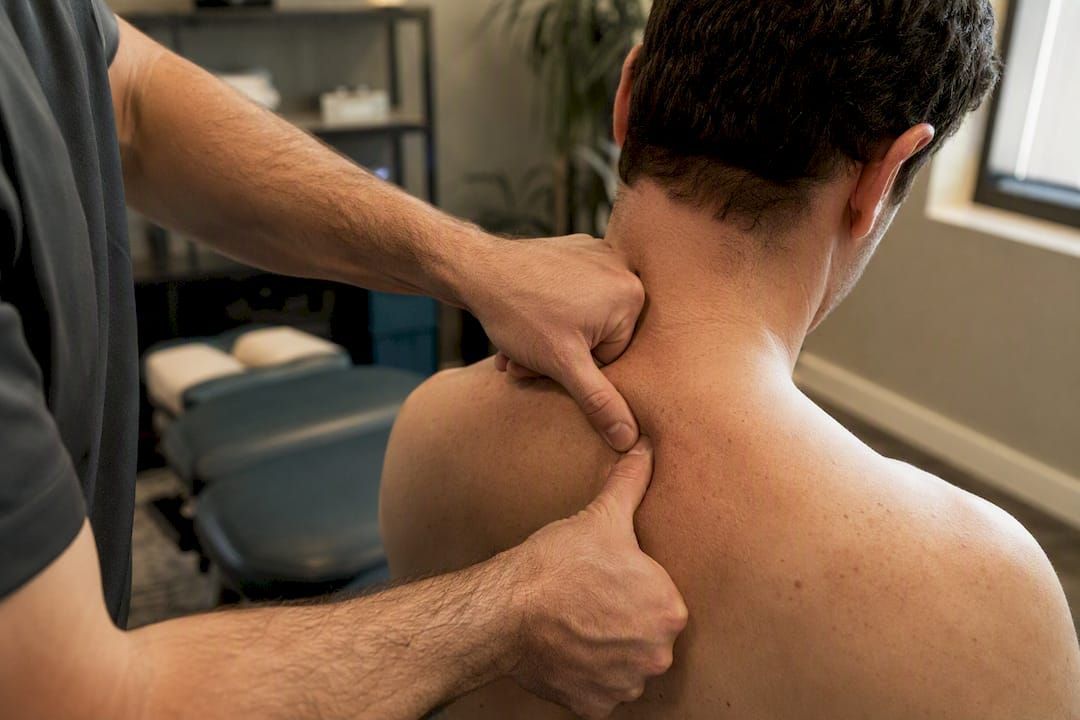
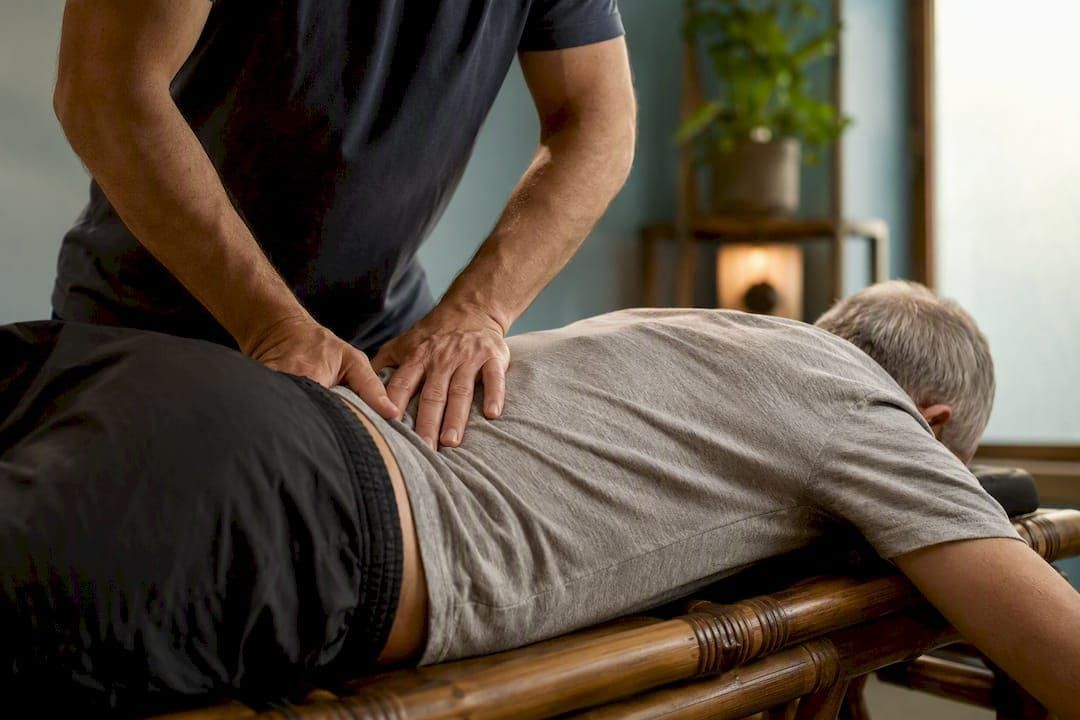
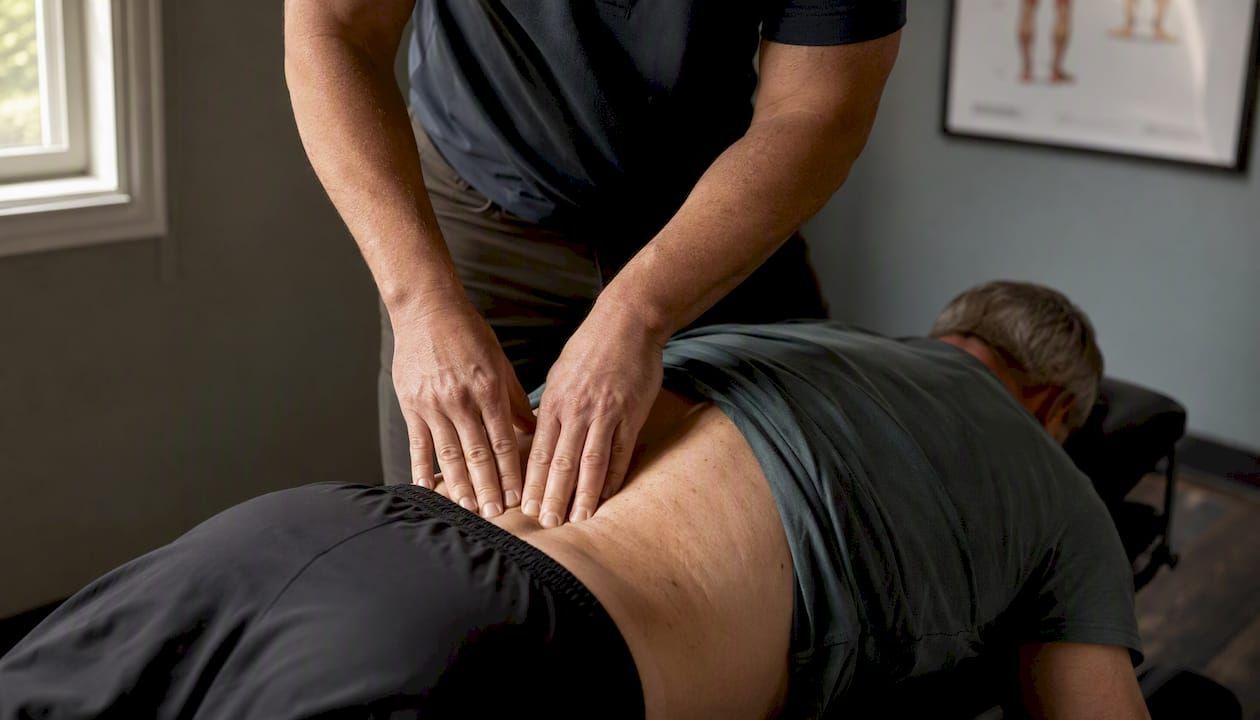
At Essential ChiroCare, our team specializes in sports injury treatment with a focus on finding the root cause of your pain, not just managing symptoms. Whether you need biomechanical assessment, load management guidance, or a full physical rehab program tailored to your sport, we build personalized plans that get you back to full performance. We serve athletes across Tampa, Brandon, Sarasota, Lakeland, and Pinellas Park. Schedule an appointment online and get the expert support your training deserves.
Frequently asked questions
What are common symptoms of an overuse injury?
Persistent pain, swelling, decreased performance, and pain that worsens with activity are classic signs. Repetitive microtrauma from training errors or excessive loading often drives these symptoms before a formal injury is identified.
How can athletes reduce their risk for overuse injuries?
Use gradual training progressions, vary your activities, rest regularly, and prioritize proper technique to reduce risk. Load management over rapid progression is one of the most consistently supported prevention strategies in sports medicine.
Are young athletes more susceptible to overuse injuries?
Yes, especially during growth spurts. Early sport specialization and high training volume significantly increase overuse injury risk in adolescents, particularly around the time of peak height velocity.
What is the difference between a complaint and a diagnosed injury?
A complaint is any discomfort or limitation an athlete notices; a diagnosed injury has been formally identified by a healthcare professional. Self-reported all-complaint data captures far more cases than time-loss injury records, making it a more accurate picture of athlete health.
Can overuse injuries heal on their own?
Mild cases may improve with rest and proper load management, but persistent symptoms require professional evaluation. Long-term health outcomes are generally positive when overuse injuries receive appropriate care rather than being ignored.
Recommended