Step-by-Step Chiropractic Rehab: Your Guide to Pain Recovery
Step-by-Step Chiropractic Rehab: Your Guide to Pain Recovery
TL;DR:
- Structured four-phase chiropractic rehab enhances recovery by targeting pain, mobility, strength, and prevention.
- The first visit involves assessment tools and goal setting to tailor and monitor progress effectively.
- Combining chiropractic, manual therapy, and active exercises leads to better long-term outcomes than passive care alone.
You're dealing with pain that won't quit after an injury or a flare-up, and you're wondering if you'll ever feel like yourself again. Maybe you've tried rest, over-the-counter medication, or even a few random exercises, but nothing has stuck. The truth is, recovery without a roadmap is like driving cross-country without GPS. You might eventually get there, but you'll waste time, take wrong turns, and risk making things worse. A structured, step-by-step chiropractic rehab plan changes that. It gives your recovery a clear direction, measurable milestones, and a higher chance of lasting results. This guide walks you through every phase so you can make informed decisions and get back to doing what you love.

Table of Contents
- Understanding the four phases of chiropractic rehab
- What to expect and how to prepare: Your first chiropractic rehab visit
- Step-by-step through each rehab phase: Techniques, exercises, and progress milestones
- Rehab for athletes and complex cases: Customizing the plan
- Tracking progress and avoiding setbacks: What success looks like
- Why phased, multimodal rehab works—and what most people get wrong
- Start your recovery journey with expert chiropractic care
- Frequently asked questions
Key Takeaways
| Point | Details |
|---|---|
| Phased approach matters | Moving through four clear stages helps ensure lasting, safe recovery after injury or pain flare-ups. |
| Personalization is key | Individual assessment and goal-setting leads to better outcomes, especially for athletes and complex cases. |
| Combine methods for best results | Multimodal care—including adjustments, exercise, and PT—improves recovery speed and lowers costs. |
| Track your milestones | Regular progress checks and home exercises keep your rehab on course and reduce relapse risk. |
Understanding the four phases of chiropractic rehab
Now that you're clear on why structure is essential, let's break down the exact steps your chiropractic rehab will follow.
Chiropractic rehabilitation typically follows four phases: Acute/Relief, Rehabilitative/Corrective, Strengthening, and Maintenance/Wellness. Each phase has a specific purpose, a typical timeframe, and a set of goals that build on the one before it. Skipping ahead or rushing through a phase is one of the most common reasons people relapse.
Here's a quick overview of what each phase looks like:
| Phase | Goal | Typical Duration |
|---|---|---|
| Acute/Relief | Reduce pain and inflammation | Days to 2 weeks |
| Rehabilitative/Corrective | Restore mobility and alignment | 2 to 6 weeks |
| Strengthening | Build stability and function | 4 to 8 weeks |
| Maintenance/Wellness | Prevent recurrence | Ongoing |
These phases align directly with how your body naturally heals. The acute phase matches the initial inflammatory response. The corrective phase supports tissue remodeling. The strengthening phase builds the muscular support your spine and joints need for daily demands. Maintenance keeps everything working long after formal care ends.
What makes this approach so effective is the layering. You can't build strength on a foundation of pain and instability. You can't maintain what you haven't yet corrected. Multimodal phase-based care consistently shows measurable improvements at the 6 to 12 week mark, which is why most structured plans are built around this window.
Key things to know about phased rehab:
- Each phase has specific outcome targets before you advance
- Progress is not always linear, and that's normal
- Your provider adjusts the plan based on how your body responds
- Missing sessions slows phase progression significantly
If you're dealing with acute pain relief as your immediate need, the first phase is designed specifically to address that before anything else. Understanding this structure helps you stay patient and trust the process, even when progress feels slow.
What to expect and how to prepare: Your first chiropractic rehab visit
Understanding the four phases makes preparation easier. Here's what you should know and do when starting your chiropractic rehab journey.
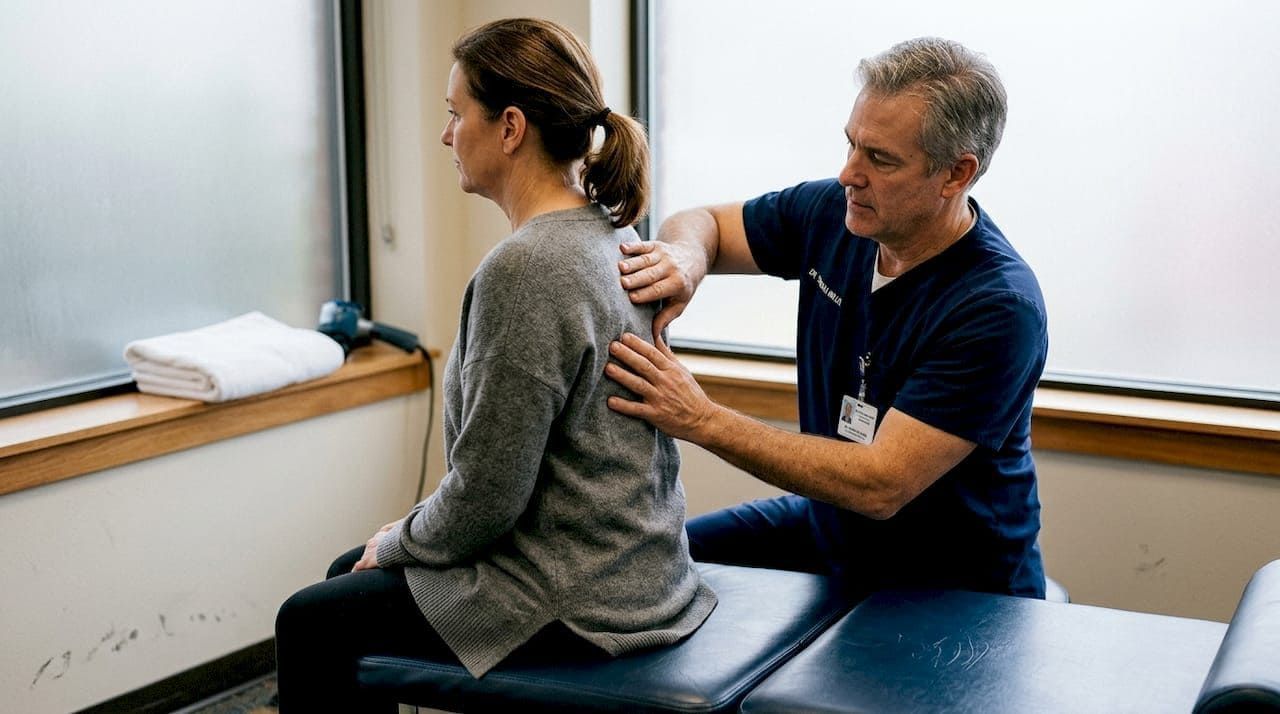
Your first visit is more than an introduction. It's a full clinical assessment that shapes everything that follows. Arriving prepared makes a real difference. Bring a list of current medications, any imaging results like X-rays or MRIs, and a written summary of your injury history, including previous treatments and their outcomes.
During this visit, your provider will conduct several baseline tests. These typically include:
- Oswestry Disability Index (ODI): Measures how pain affects daily activities
- Numeric Rating Scale (NRS): A simple 0 to 10 pain score to track intensity
- Patient Specific Functional Scale (PSFS): Identifies specific activities you struggle with and tracks improvement
Progress is monitored with tools like ODI, NRS, and PSFS and care is individualized based on your age, activity level, and how long you've been dealing with the problem. These aren't just paperwork. They're the benchmarks your provider uses to know whether your plan is working.
Red flag screening is also part of this visit. Your chiropractor checks for signs of serious underlying conditions that would require a different care pathway, such as fractures, nerve compression, or vascular issues. This keeps your care safe from day one.
Goal setting happens here too. You and your provider align on what success looks like for you, whether that's returning to a sport, getting through a workday without pain, or simply sleeping through the night.
"Your first visit sets the trajectory for your entire recovery journey."
Pro Tip: Write down three specific activities that pain is currently stopping you from doing. Bring that list to your first visit. It helps your provider set goals that actually matter to your daily life, and it gives both of you a clear measure of real-world progress.
Learning what to expect from an injury rehab evaluation helps reduce first-visit anxiety and ensures you walk in ready to get the most from your time. If you're unsure whether chiropractic or physical therapy is the right starting point, understanding the difference between a chiropractor vs physical therapist can help clarify your options.
Step-by-step through each rehab phase: Techniques, exercises, and progress milestones
With preparation in place, you're ready to move through each phase of chiropractic rehab. Here's how each step unfolds.
Phase 1: Relief. The focus is reducing pain and calming inflammation. Your provider may use spinal manipulation, ice or heat therapy, and gentle soft tissue work. Your job is to protect the area, rest appropriately, and show up consistently.
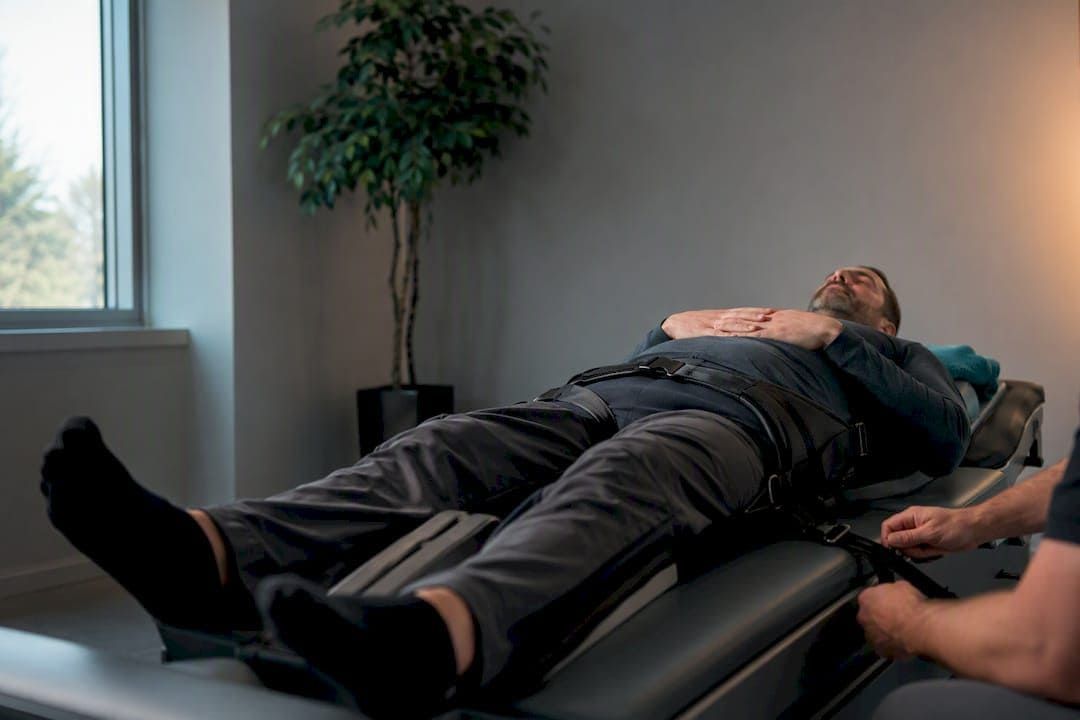
Phase 2: Corrective. Mobility and alignment are restored here. Expect chiropractic rehab techniques like Active Release Technique (ART), traction, and targeted corrective exercises. Sessions become more active as your body tolerates more.
Phase 3: Strengthening. This is where stability is built. Exercises become more demanding, focusing on core control, joint stability, and functional movement patterns. Home exercise compliance is critical here.
Phase 4: Maintenance. Less frequent visits, but still intentional. The goal is catching small issues before they become big ones.
Methodologies include spinal manipulation, soft tissue therapy, traction, and corrective exercises, often combined in a multimodal approach that outperforms any single technique alone. Multimodal rehab for athletes shows particularly strong outcomes when these methods are layered intentionally.
Here's how the main rehab approaches compare:
| Approach | Pain Relief | Function Gains | Long-term Results |
|---|---|---|---|
| Solo chiropractic | Good | Moderate | Moderate |
| Chiropractic plus PT | Very Good | High | High |
| Home-only rehab | Low | Low | Low |
Pro Tip: Ask your chiropractor for a written home exercise program that fits your actual daily schedule. If the exercises take 45 minutes and you have 10, you won't do them. A realistic plan you follow beats a perfect plan you skip.
Milestones to watch for include reduced pain scores between sessions, improved range of motion, and the ability to perform daily tasks without compensating. For acute phase care, the milestone is simply pain reduction enough to begin corrective work. For sports injury recovery, milestones include sport-specific movement tests.
Rehab for athletes and complex cases: Customizing the plan
Chiropractic rehab isn't one-size-fits-all. Athletes and those with complex histories need targeted strategies. Here's how plans get personalized.
Athletes require a different lens. The goal isn't just pain relief. It's restoring the precise neuromuscular patterns needed for their sport. Sport-specific rehab and return-to-play protocols produce return-to-play rates of 75 to 100% with conservative care, often matching or exceeding surgical outcomes. That's a significant finding for anyone weighing their options.
For athletes, the plan typically includes sport-specific exercises, neuromuscular re-education, and functional movement screening. The final stage before returning to competition involves performance testing, not just pain scores.
For complex cases, including chronic pain, recurrent injuries, or post-surgical patients, the plan adjusts in several ways:
- Slower progression through phases with more frequent reassessment
- Greater emphasis on monitoring tools like ODI and PSFS
- Coordination with surgical teams or other specialists when needed
- Longer maintenance phases to prevent recurrence
Here's a comparison of how care differs across patient types:
| Patient Type | Primary Focus | Key Tools Used |
|---|---|---|
| Acute injury | Pain reduction, protection | SMT, ice, rest guidance |
| Athlete | Performance restoration | Sport-specific drills, RTP testing |
| Chronic pain | Functional improvement | PSFS, corrective exercise, manual therapy |
| Post-surgical | Safe progression | ODI monitoring, gradual loading |
Key questions to ask your care team if you're in a complex case:
- What outcome tools will you use to track my progress?
- How will you know when I'm ready to advance to the next phase?
- What happens if I plateau?
- Are there any movements or activities I should avoid during recovery?
West Central Florida residents have access to clinics offering both chiropractic care for athletes and preventing sports reinjury programs, which are especially valuable for those returning to competitive activity. For post-surgical guidance, lumbar surgery rehab guidance offers additional clinical context.
Tracking progress and avoiding setbacks: What success looks like
After customizing and progressing through your plan, it's time to focus on staying on track and locking in your gains.
Progress in chiropractic rehab isn't always obvious from day to day. That's why formal reassessment matters. Most providers schedule reassessments every 4 to 6 weeks using the same tools from your initial visit: ODI, NRS, and PSFS. Comparing your scores over time shows whether the plan is working or needs adjustment.
Warning signs that you may be plateauing or regressing include:
- Pain scores that stop improving after two consecutive reassessments
- New symptoms appearing in different areas
- Increased pain following exercises that previously caused no issues
- Decreased motivation or avoidance of movement due to fear
Combination chiropractic plus PT lowers costs and improves quality of life compared to standalone approaches, which is worth remembering when you're tempted to drop one component of your care to save time or money. The data on chiropractic outcomes consistently supports staying with the full plan.
Three common post-rehab mistakes and how to avoid them:
- Stopping all activity once pain is gone. Pain relief is not the finish line. Stopping exercise too early removes the muscular support your joints depend on.
- Skipping the maintenance phase. This is when minor misalignments and compensations get caught early, before they become injuries.
- Ignoring early warning signs. A little stiffness or soreness after a tough day is normal. Persistent or worsening symptoms are not. Act early.
Pro Tip: Schedule your first maintenance visit before you finish your active rehab plan. Having it on the calendar removes the mental barrier of booking it later, and it keeps your recovery milestones moving forward. Understanding the broader pain management benefits of ongoing care can also motivate you to stay consistent.
Why phased, multimodal rehab works—and what most people get wrong
You know the steps, but it's worth exploring why this approach outperforms the alternatives and what most people overlook.
Most people approach pain recovery the same way they approach a cold: wait it out, take something for the symptoms, and hope it passes. That works for a cold. It doesn't work for musculoskeletal injury. The tissue changes that happen after injury, including scar formation, muscle inhibition, and altered movement patterns, don't resolve on their own. They adapt. And not in a good way.
SMT combined with exercise and PT is more effective and cost-effective than standalone approaches, with measurable improvements in function, pain, and quality of life. But here's what most people miss: passive care alone, meaning adjustments without active rehabilitation, is not enough for lasting results. The adjustment creates the window. The exercise and rehab work keeps it open.
The contrarian point worth making is that not every case needs spinal manipulation. For some patients, especially those with certain post-surgical presentations or hypermobility, other manual therapy methods or exercise-first approaches are more appropriate. A good provider knows the difference. The phased model works precisely because it's flexible enough to adapt.
For fast recovery with chiropractic, the evidence points to combining chiropractic and PT as the most reliable path, not because either alone is ineffective, but because together they address more of what's actually driving the problem.
Start your recovery journey with expert chiropractic care
Ready to take the next step toward lasting pain relief? Here's how local chiropractic rehab experts can help.
Choosing a clinic close to home in West Central Florida means you're more likely to attend every session, stay consistent through all four phases, and build a real relationship with your care team. Continuity matters in rehab. A provider who knows your history, your goals, and your progress makes better decisions at every phase.
At Essential ChiroCare, we offer expert chiropractic care built around evidence-based, multimodal protocols for pain relief, sports injury recovery, and long-term wellness. Our physical rehab services are designed to move you through each phase with precision and personalization. If spinal compression is part of your picture, our spinal decompression guide explains how that treatment fits into a broader recovery plan. Schedule your first visit today and start with a plan that actually works.
Frequently asked questions
How long does a full chiropractic rehab program usually take?
A typical rehab plan takes 6 to 12 weeks, though the timeline varies based on injury severity, how long you've had the problem, and your personal recovery goals.
Is chiropractic rehab safe for everyone, including post-surgical cases?
Chiropractic rehab carries a low risk of adverse events and is safe when individualized. Post-surgical cases receive extra monitoring and slower phase progression to ensure safety.
How do I know if my rehab is working?
Your provider tracks progress using ODI, PSFS, and NRS scores at regular reassessments, comparing results over time to confirm improvement or adjust the plan.
Can chiropractic rehab help athletes return to sport faster?
Yes. Multimodal chiropractic rehab consistently produces high return-to-play rates, with many athletes regaining their pre-injury performance levels through conservative care alone.
Does insurance cover step-by-step chiropractic rehab?
Most insurance plans cover chiropractic rehab to some degree, but coverage limits and requirements vary. Always verify your specific benefits with your insurance provider before starting care.
Recommended
- Personal Injury Rehabilitation Guide for Holistic Recovery
- Chiropractic Injury Recovery: Restoring Function Safely
- Auto Injury Recovery Guide for Holistic Pain Relief
- Role of Chiropractic in Injury Rehab & Mobility
- How to Prepare for Rehab: A Step-by-Step Guide for Success | Glendora Recovery Center