Self-care strategies for pain relief: evidence-based tips
Self-care strategies for pain relief: evidence-based tips
TL;DR:
- Effective pain self-care in West Central Florida emphasizes safety, evidence, and ease of use for lasting relief. Combining multimodal approaches like physical therapy, mindfulness, and chiropractic care improves function and quality of life without solely focusing on pain elimination. Personalized, consistent strategies supported by clinical guidance prevent pain from becoming chronic and enhance recovery.
Living with pain in West Central Florida means facing a flood of advice from every direction, and sorting through it can feel just as exhausting as the pain itself. Whether you're dealing with a flare-up of lower back pain after a long day or managing a condition that has been with you for years, the self-care choices you make daily shape how well you function, sleep, and enjoy life. Not every strategy is created equal, and choosing approaches backed by real evidence rather than marketing hype makes all the difference in building lasting relief.

Table of Contents
- Criteria for effective self-care for pain
- Evidence-based self-care methods for chronic pain
- Self-care steps for managing acute pain
- Chiropractic and holistic clinic care: what to expect
- Handling flare-ups: home strategies for persistent pain
- What most articles miss about pain self-care
- Get expert pain relief and support in West Central Florida
- Frequently asked questions
Key Takeaways
| Point | Details |
|---|---|
| Choose multimodal approaches | Combining self-care strategies improves pain relief and reduces reliance on medications. |
| Prioritize evidence-based methods | Select pain management practices proven by research—mindfulness, movement, and clinic care matter most. |
| Personalize your plan | Adjust tactics based on your history, triggers, and local resources for best results. |
| Avoid common mistakes | Steady routines and avoiding over-resting help prevent pain from becoming chronic. |
Criteria for effective self-care for pain
Before you try the next trending remedy, it helps to know what actually makes a self-care method worth your time and effort. Three core qualities matter most: safety, evidence, and ease of consistent use. A strategy that works brilliantly in a clinical trial but requires equipment most people don't own will fail in real life. Likewise, a method that feels great once but is too painful or complicated to repeat regularly won't move the needle on your pain levels.
The most effective approaches tend to be multimodal , meaning they combine more than one technique. Pain management in Florida emphasizes multimodal strategies including physical therapy, self-management practices, and non-pharmacological therapies, with chiropractic clinics readily available across West Central Florida, from Tampa to St. Petersburg. That local access is genuinely valuable because it means you can pair clinic-based care with what you do at home.
When evaluating any self-care method, ask yourself:
- Is it safe? Does it have a track record of low risk, especially for someone with your specific condition?
- Is it evidence-backed? Has it been studied in people with pain similar to yours, not just healthy volunteers?
- Can you sustain it? Will it fit your schedule, budget, and energy level on your worst days?
- Does it address root causes? Masking pain is far less valuable than strategies that improve function and address underlying dysfunction.
- Does it complement clinic care? The best self-care works alongside holistic pain relief options rather than replacing professional guidance.
Pro Tip: Before starting any new self-care routine, write down your specific pain triggers, the times of day your pain is worst, and what activities aggravate it. That personal baseline helps you track whether a new strategy is actually working, and helps any clinician you work with tailor your preventative wellness strategies more precisely.
Evidence-based self-care methods for chronic pain
Chronic pain is a different beast than a sprained ankle. It involves changes in how your nervous system processes signals, how your brain interprets threat, and how your daily habits either reinforce or reduce the cycle. That's why the most effective strategies for chronic pain often focus on function and quality of life rather than simply eliminating pain entirely.
Research consistently supports several approaches for holistic chronic pain care. According to research from Utah State University Extension, CBT, yoga, and mindfulness are evidence-based self-management tools that improve daily functioning and quality of life for people with chronic pain, and importantly, they do this without necessarily reducing pain severity. That distinction matters because it reframes success. You can have a better, fuller life even while managing ongoing pain.
Complementary approaches add another layer of benefit. The National Center for Complementary and Integrative Health notes that yoga, tai chi, and spinal manipulation offer modest but meaningful benefits for chronic pain conditions like low back pain, based on low to moderate quality evidence. "Modest" doesn't mean useless. In chronic pain, even a 20 to 30 percent improvement in daily function represents a real shift in quality of life.
Here are the leading evidence-backed options to consider:
- Mindfulness-based stress reduction (MBSR): Eight-week programs or even brief daily practices reduce pain catastrophizing and improve emotional resilience.
- Cognitive Behavioral Therapy (CBT): Delivered in person or online, CBT helps you identify thought patterns that amplify pain signals and replace them with more adaptive responses.
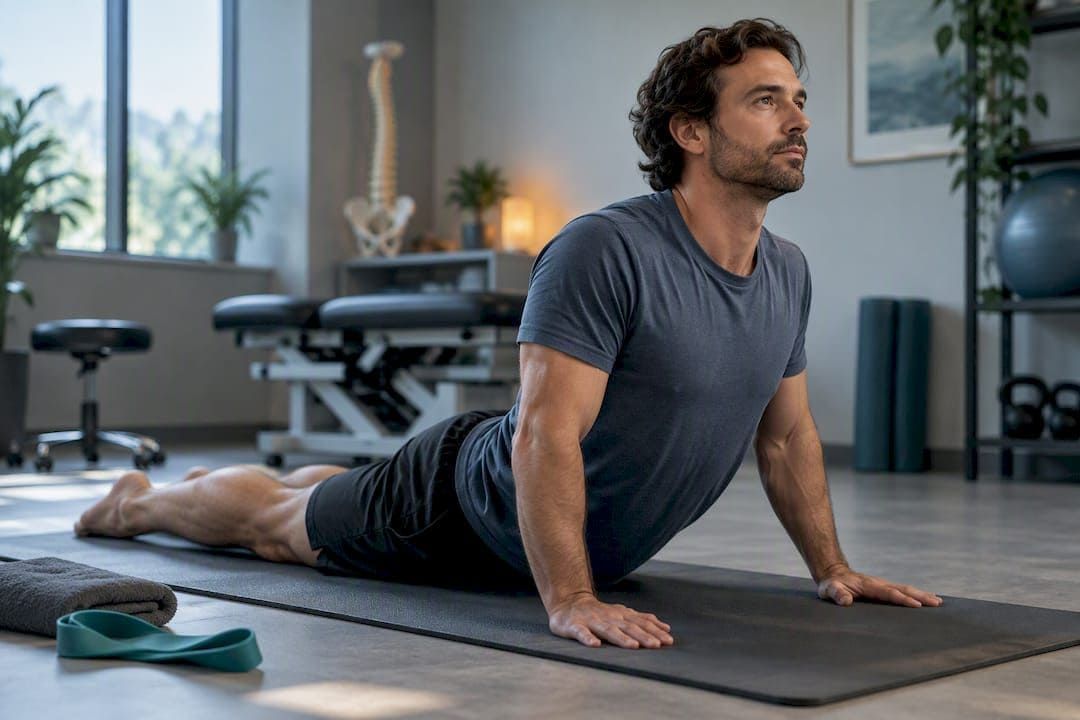
- Yoga and tai chi: Both combine gentle movement, breathing, and body awareness. Yoga is particularly well-studied for low back and neck pain.
- Spinal manipulation: When performed by a trained chiropractor, evidence-based chiropractic care consistently ranks alongside physical therapy for mechanical back pain relief.
- Acupuncture: Offers modest benefits for several chronic pain conditions and carries a low risk profile when administered by a licensed practitioner.
"Group-based self-management programs work well for building acceptance and coping skills, but personalization is what sustains results over the long haul. What helps one person thrive may do very little for another."
The takeaway here is that no single method works for every person. Combining two or three approaches tailored to your lifestyle dramatically improves your odds of lasting improvement.
Self-care steps for managing acute pain
While chronic pain needs sustained strategies, acute pain calls for quick, focused actions. Acute pain, meaning pain that comes on suddenly from an injury, surgery, or identifiable event, follows different rules. The instinct to rest completely is understandable, but it's often the wrong call.
Research from Everyday Health confirms that gentle movement for acute pain such as walking, swimming, and the Cat-Cow yoga pose promotes healing by increasing blood flow and reducing inflammation. The key is balancing activity with rest rather than choosing one extreme or the other.
Follow these steps when managing acute pain at home:
- Move gently within your pain tolerance. A 10-minute walk, gentle swimming, or a few rounds of Cat-Cow can keep circulation moving without overloading injured tissue.
- Use ice in the first 48 to 72 hours. Apply for 15 to 20 minutes at a time to reduce initial swelling, then transition to heat to relax tight muscles.
- Maintain basic activity. Avoid extended bed rest. Light daily tasks like preparing meals or slow walks help prevent stiffness and support faster recovery.
- Follow through on physical therapy. If you've been referred to PT, don't skip sessions or stop early because you feel slightly better. Stopping too soon is one of the most common causes of acute pain becoming chronic.
- Use bracing only when recommended. Bracing has its place, but relying on it too heavily can weaken the muscles you need for long-term support.
- Track your symptoms. Note pain levels, what triggers increases, and what provides relief so you can share accurate information with your healthcare provider.
"The most preventable outcome in acute pain management is the transition to chronic pain. That transition usually involves a predictable set of mistakes: inconsistent physical therapy, too much rest, and relying on passive treatments without addressing movement patterns."
These insights from acute pain relief tips reinforce what experts now see as the gold standard. Managing acute pain well means you stay active in your recovery rather than waiting for it to resolve on its own. Knowing which physical therapy exercises suit your specific injury can accelerate that process significantly.
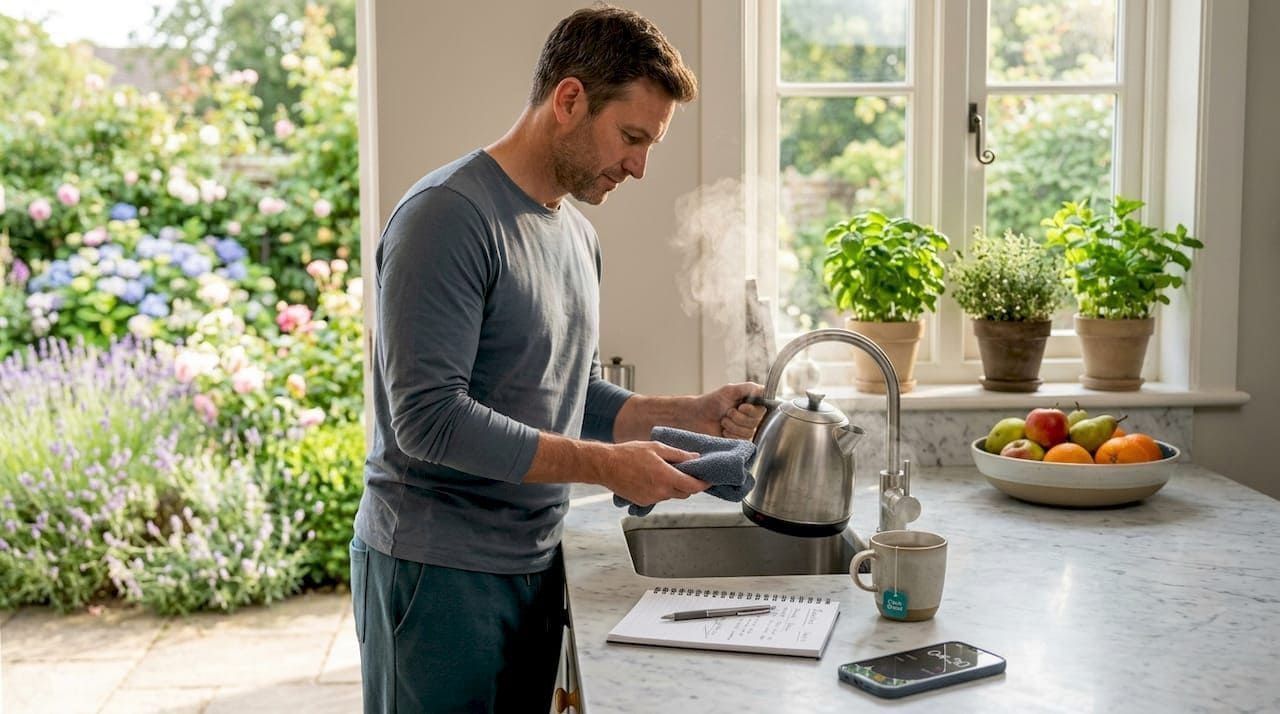
Pro Tip: Start a simple pain diary in a notebook or phone app. Rate your pain from 1 to 10 at the same time each day, note your activities, and flag anything that made it better or worse. After just one week, patterns emerge that help you and your care team make smarter decisions.
Chiropractic and holistic clinic care: what to expect
To round out your self-care toolbox, it's vital to know when and how clinic care plays a role. A common misconception is that chiropractic care is just spinal adjustments. Modern chiropractic practice, especially in multimodal clinics across West Central Florida, involves much more.
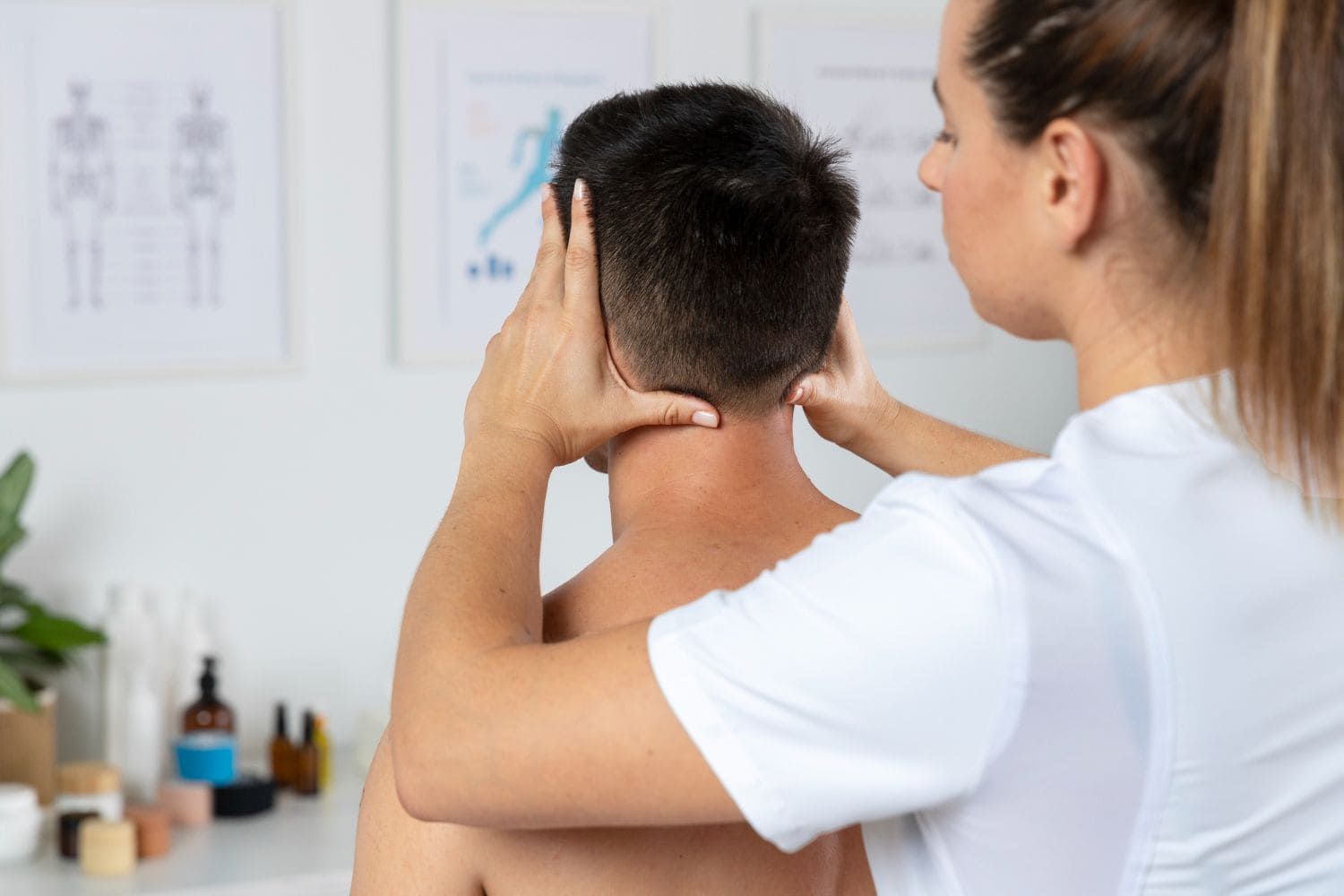
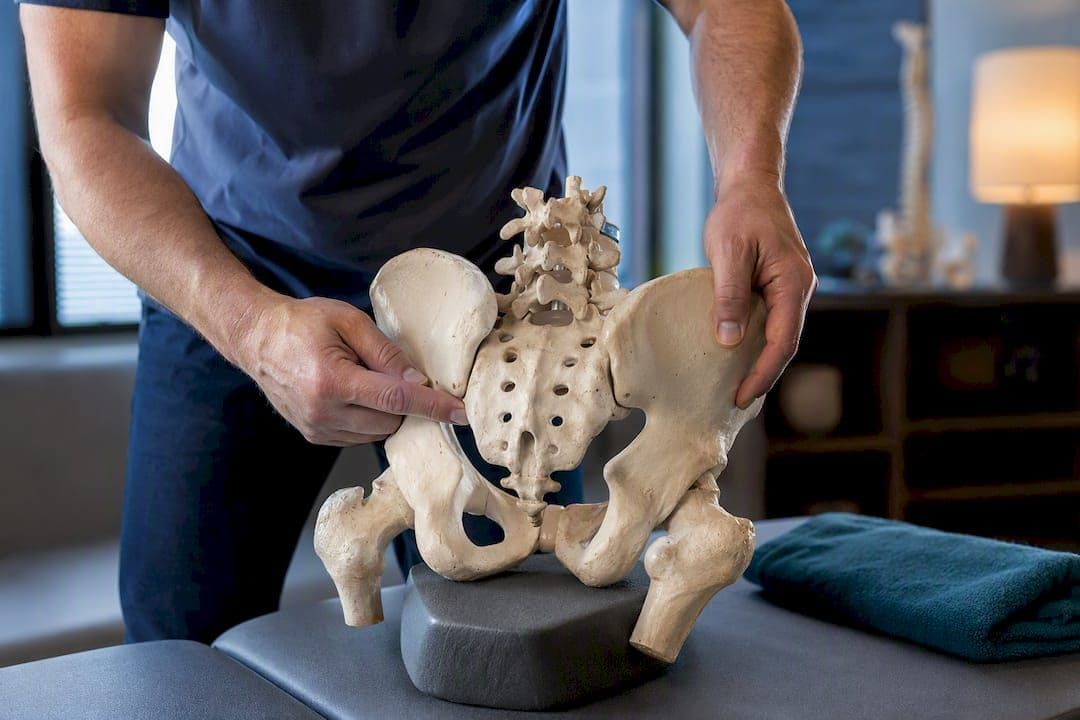
According to US clinical practice guidelines, chiropractic management of mechanical low back pain covers a full clinical process: patient history, physical examination, spinal manipulation, therapeutic exercise, patient education, and shared decision-making. That last element, shared decision-making, means your preferences and goals directly shape the plan.
Here's how common clinic-based approaches compare:
| Approach | Primary method | Best for | Typical frequency |
|---|---|---|---|
| Chiropractic care | Spinal manipulation, education | Mechanical back/neck pain | 1 to 3x per week initially |
| Physical therapy | Exercise, movement retraining | Post-injury rehab, strength | 2 to 3x per week |
| Multimodal clinic care | Combines chiropractic, PT, soft tissue, education | Complex or chronic pain | Tailored to individual |
| Acupuncture | Needle-based stimulation | Nerve pain, headaches, back pain | Weekly to biweekly |
The NCCIH research cited earlier confirms that spinal manipulation compares favorably to physical therapy and exercise for low back pain, though the evidence quality varies. The consistent message from research is that multimodal approaches outperform single-therapy models , which is why West Central Florida clinics that offer combined care tend to produce better results.
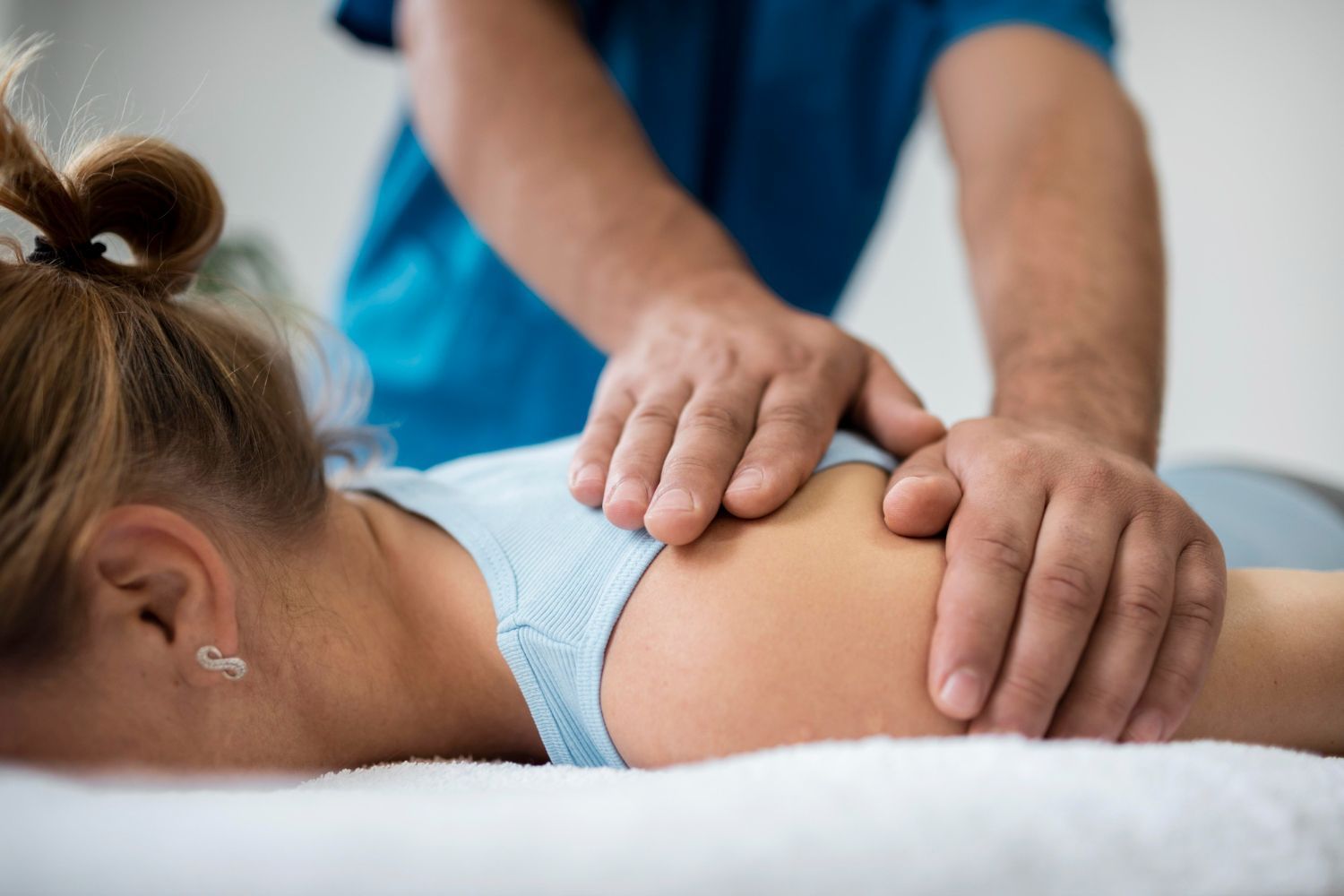
When you visit, expect your provider to ask about your full health history, not just current pain. They'll also likely discuss top chiropractic methods including soft tissue work, corrective exercises, and patient education as part of a complete plan. The best chiropractic treatments blend hands-on techniques with active patient participation, giving you skills to manage your health between appointments.
Handling flare-ups: home strategies for persistent pain
Even with great strategies, pain can flare up. A long day on your feet, a stressful week, or a change in the weather can send pain levels climbing without warning. Having a specific flare-up plan stops you from panicking and helps you recover faster.
According to Pain Care Florida, managing chronic pain flare-ups at home centers on a set of practical tools: gentle movement, heat or cold therapy, mindfulness, pacing your activities, tracking triggers, and positive self-talk. That last one surprises many people, but research consistently shows that how you talk to yourself during a flare directly affects how much distress you experience.
Practical strategies to have ready at home:
- Gentle movement: A short walk or gentle stretching keeps blood moving and signals to your nervous system that the situation is manageable.
- Heat or cold: Ice packs work best for inflammation; heating pads work best for muscle tightness and spasm. Keep both on hand.
- Mindfulness and breathing: Even five minutes of slow, controlled breathing activates the parasympathetic nervous system and dials down pain perception.
- Pacing: Break tasks into smaller chunks with rest built in. Don't try to "push through" a flare, as that typically extends recovery time.
- Positive self-talk: Replace "I can't handle this" with "I've gotten through flare-ups before and I will again." It sounds simple but measurably reduces pain-related distress.
- Therapeutic movement resources: Having a list of trusted therapeutic exercise for pain options means you can act immediately rather than searching for guidance during a difficult moment.
Pro Tip: Keep a dedicated flare-up log separate from your daily pain diary. Record the date, likely trigger, which strategies you used, and how long the flare lasted. Over time, you'll identify your most effective recovery tools and the triggers you can actually control or avoid.
What most articles miss about pain self-care
Most pain self-care guides hand you a list of techniques and send you on your way. That approach overlooks something fundamental: the strategies that work during a structured program often fall apart once the program ends. Research published in the journal Pain in 2025 confirms that group self-management programs build acceptance and coping skills effectively, but the loss of post-intervention support consistently hinders sustained change.
This is why we at Essential ChiroCare believe the ongoing relationship between patient and clinic matters just as much as any single technique. Pain is deeply personal. Your history with an old sports injury, your sleep quality, your stress levels, your work posture, and your mindset all shape how you experience and respond to pain. A generic protocol built for "chronic low back pain" doesn't account for any of that.
What actually produces lasting outcomes is a system. That means regular reassessment, adjusted strategies as your body changes, and access to holistic pain management professionals who see you as a whole person rather than a diagnosis. West Central Florida has a strong network of multimodal clinics, but the quality varies. Look for providers who explain their reasoning, involve you in decisions, and track your progress over time rather than simply scheduling the next appointment.
The uncomfortable truth is that no self-care article, including this one, can replace sustained, personalized clinical support. What we can do is give you the foundation to be an active, informed participant in your own recovery.
Get expert pain relief and support in West Central Florida
When you're ready to move beyond home strategies, expert support can transform your pain management journey. At Essential ChiroCare, we combine evidence-based chiropractic care services with physical rehab services to create personalized treatment plans that address your specific pain profile, not a generic template.
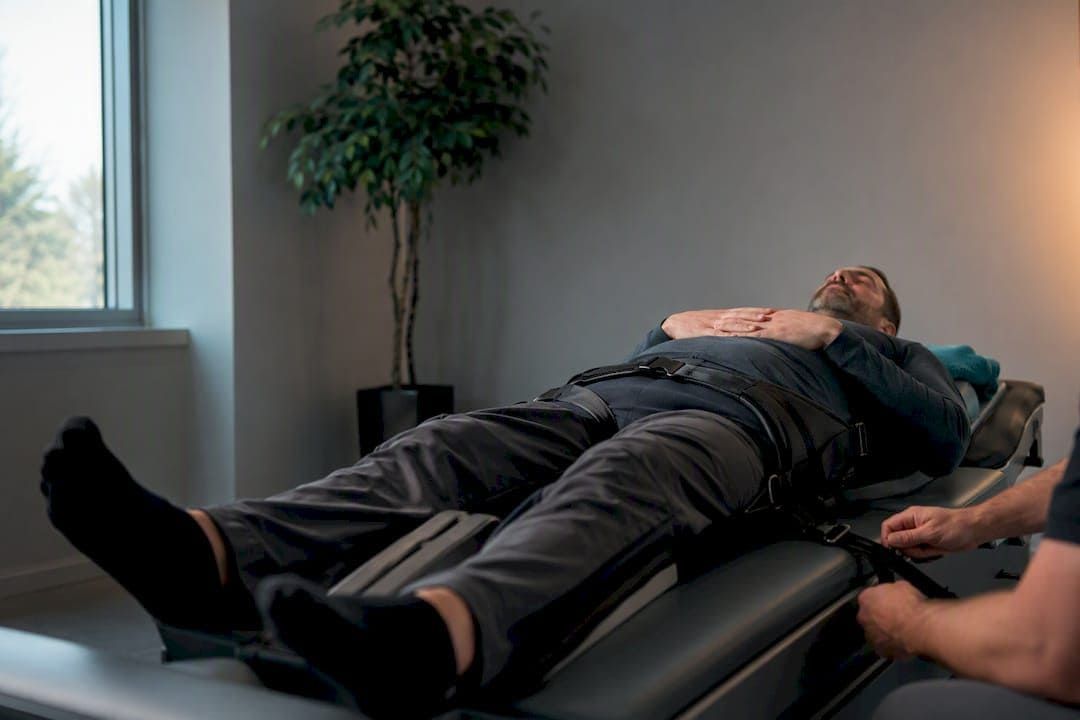
Our clinics in Tampa, Brandon, Sarasota, Lakeland, and Pinellas Park offer multimodal care including spinal manipulation, therapeutic exercise, manual therapy, and spinal decompression for patients dealing with disc-related pain. Whether you're recovering from an auto accident, managing a sports injury, or working through years of chronic back pain, our experienced doctors build a plan around you. Schedule online or call your nearest location to start your personalized assessment today.
Frequently asked questions
Which self-care strategies work best for chronic pain?
CBT, yoga, and mindfulness consistently improve daily function and quality of life for chronic pain, though combining two or more approaches tailored to your situation tends to produce the strongest results.
How can I safely manage acute pain at home?
Gentle movement like walking and swimming promotes healing by increasing blood flow, while tracking daily symptoms helps you and your provider adjust the plan quickly if recovery stalls.
Are chiropractic therapies effective for back pain?
Yes, US clinical guidelines support chiropractic care including spinal manipulation, exercise, and education as effective treatment for mechanical low back pain in adults.
What are common mistakes to avoid when managing pain?
Inconsistent physical therapy , over-resting, and following a one-size-fits-all plan are the most common errors that allow acute pain to become chronic or prevent chronic pain from improving.
Recommended