Post-accident therapy methods to speed recovery and reduce pain
Post-accident therapy methods to speed recovery and reduce pain
TL;DR:
- Effective post-accident recovery relies on active therapies like manual treatment and targeted exercises, which outperform passive rest. Proper preparation, assessment, and personalized, evidence-based protocols accelerate healing and prevent chronic pain, especially in complex cases involving head injuries or trauma. Early, consistent, multidisciplinary intervention ensures faster, more complete recovery aligned with modern clinical guidelines.
Walking away from a car crash or a bad sports hit feeling "okay" is common, but then the pain sets in days later, and suddenly you're unsure what to do next. For adults in West Central Florida, where an active lifestyle is part of daily life, that confusion can feel paralyzing. The right therapy approach makes a measurable difference in how fast you heal, how much pain you endure, and whether you return to full function or spend months managing lingering symptoms. This guide breaks down the most effective, evidence-based post-accident therapy methods so you can recover with clarity and confidence.
Table of Contents
- Preparing for recovery: Essentials before starting therapy
- Top evidence-based post-accident therapy methods
- Step-by-step: Starting and progressing through therapy safely
- Adapting your plan for complex injuries and long-term pain
- Why active, multi-layered recovery beats "rest and wait" every time
- Recover stronger with expert support in West Central Florida
- Frequently asked questions
Key Takeaways
| Point | Details |
|---|---|
| Favor active therapies | Active movement and education-based therapy work better than prolonged rest for recovery after auto or sports injuries. |
| Multimodal approach best | Combining manual therapy, exercise, and behavioral support speeds recovery and reduces chronic pain risk. |
| Tailor to your needs | Personalize your recovery plan for complex injuries or symptoms with specialist support if needed. |
| Start early for results | Begin guided therapy as soon as safely possible for optimal healing and faster return to activity. |
| Local experts help | Working with experienced West Central Florida providers streamlines your recovery process. |
Preparing for recovery: Essentials before starting therapy
Once you recognize the need for healing, it's important to understand how to prepare for a safe and effective recovery journey. Many people make the mistake of jumping straight into intense activity or, on the opposite end, doing absolutely nothing and waiting for pain to pass on its own. Neither extreme works well.
Mental and logistical preparation matters just as much as physical readiness. Before starting any formal therapy, gather your accident documentation, insurance information, and any imaging results (X-rays or MRIs). Know what your coverage allows, and don't delay scheduling an evaluation because of billing concerns. Many clinics in West Central Florida work directly with auto insurance and personal injury cases, removing that barrier early.
Emotionally, accept that recovery is rarely linear. You'll have better days and harder ones, and that's normal. Setting realistic expectations from the start prevents discouragement from derailing your progress.
One of the most important early decisions is choosing active recovery over passive recovery. Passive approaches include things like relying only on ice, heat, or waiting. Active approaches involve supervised movement, stretching, manual therapy, and targeted exercises. Research confirms that active interventions outperform passive rest in whiplash-associated disorders, which are among the most common post-accident injuries.
Understanding your whiplash recovery timeline before starting therapy gives you a realistic benchmark and helps you track real progress rather than guessing. If you also sustained a head injury, learning about the benefits of PT for TBI early can guide your provider conversations.
Common early mistakes to avoid:
- Skipping the initial medical evaluation and jumping straight into gym workouts
- Stopping therapy the moment pain decreases, before structural healing is complete
- Relying exclusively on pain medication without addressing the root mechanical cause
- Ignoring psychological symptoms like anxiety or sleep problems that interfere with healing
- Waiting weeks before seeking care, allowing compensatory movement patterns to develop
"Preparing for recovery is not just about your body. It's about your mindset, your support system, and having the right clinical team in place before pain gets the upper hand."
| Preparation category | Key action | Why it matters |
|---|---|---|
| Medical clearance | Get evaluated before any exercise | Rules out fractures or serious injury |
| Insurance/legal | Contact your provider early | Removes financial barriers to care |
| Mental readiness | Set realistic recovery milestones | Reduces anxiety and dropout risk |
| Clinical team | Find a multidisciplinary provider | Ensures coordinated, holistic care |
| Activity baseline | Document current function levels | Tracks progress objectively |
Pro Tip: Keep a daily recovery journal in the first two weeks. Note your pain level (1-10), sleep quality, and what activities triggered symptoms. This data becomes invaluable at your follow-up appointments and helps your provider fine-tune your plan faster.
Top evidence-based post-accident therapy methods
With your preparations in place, it's time to choose the right therapy methods for your type of injury. Not all approaches carry the same weight of clinical evidence, and picking the wrong one early can slow your progress significantly.
The core therapies that consistently deliver results for auto and sports-related injuries include manual therapy, therapeutic exercise, patient education, and self-management training. These are not separate options to pick one from. They work as a system.
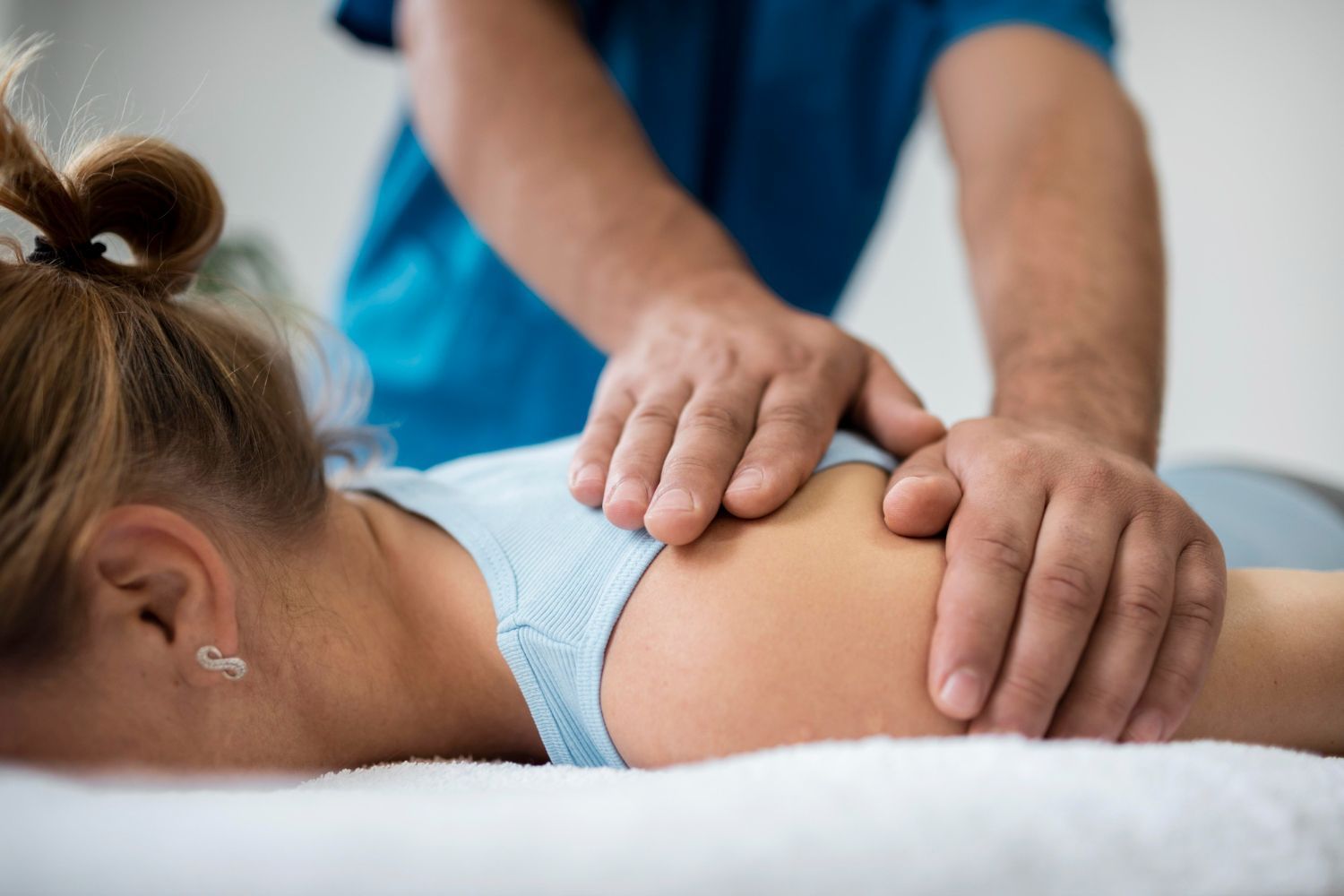
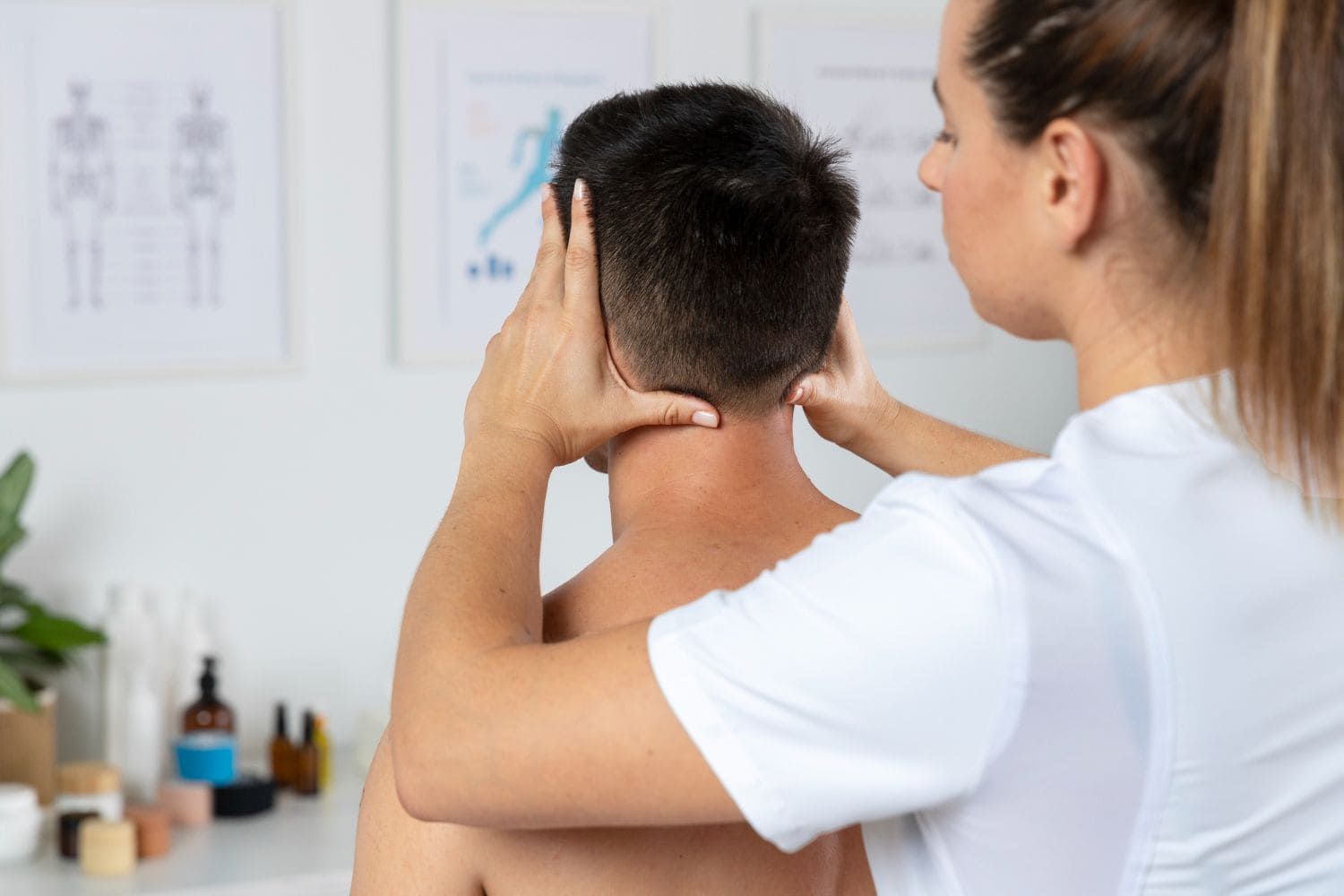
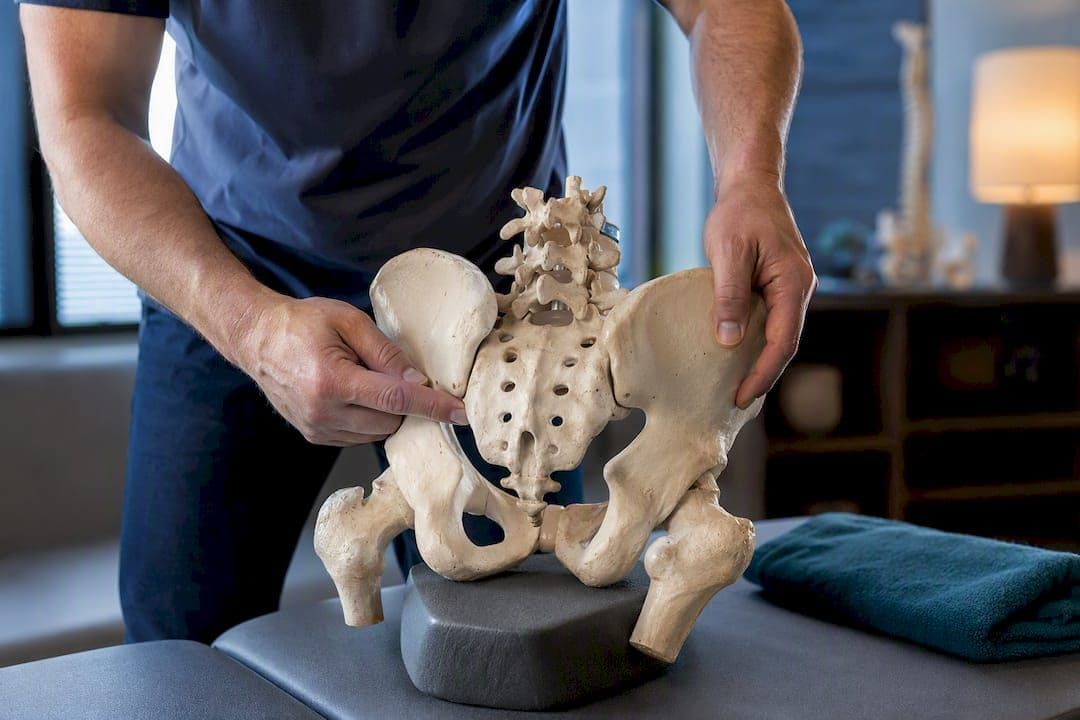
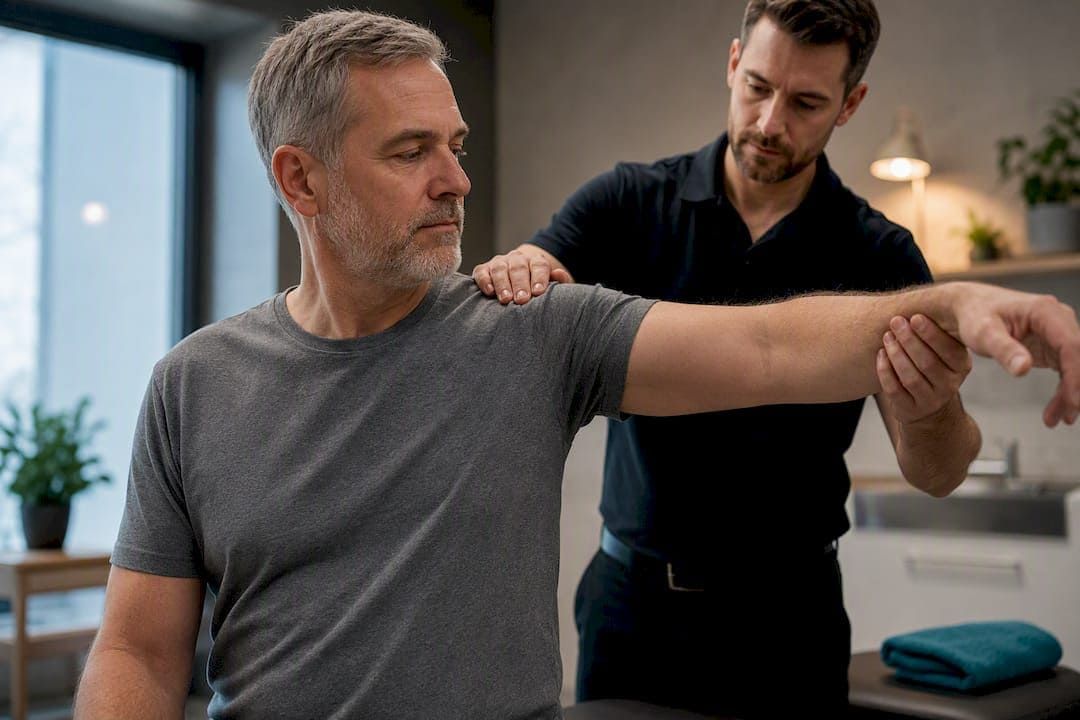
- Manual therapy includes chiropractic adjustments, joint mobilization, and soft tissue techniques. It directly addresses restricted movement, joint dysfunction, and muscle tension that pain and guarding create after a collision. Chiropractic care after an accident can reduce inflammation, restore alignment, and improve nerve function faster than passive rest alone.
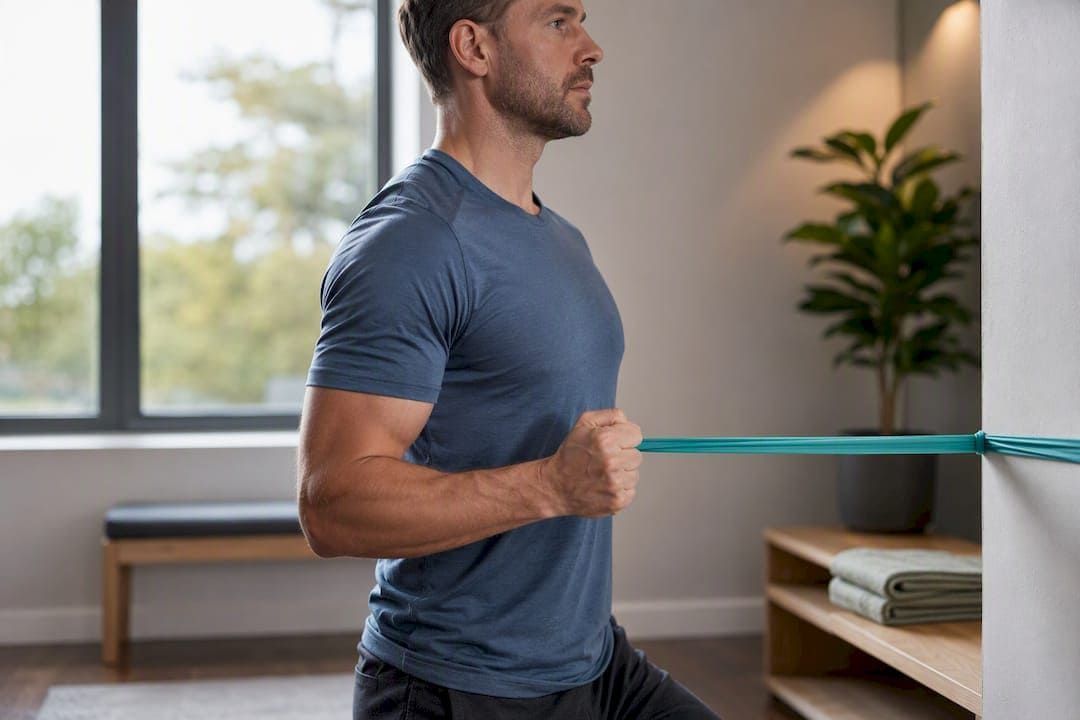
- Therapeutic exercise is the foundation of active rehabilitation. Guided movement rebuilds strength, flexibility, and coordination in injured tissues. It also sends signals to the nervous system that help calm pain sensitization over time.
- Patient education and self-management teach you how to move safely, what to avoid, how to manage flare-ups at home, and when to return to normal activities. This reduces fear-avoidance behaviors that are a major reason some patients develop chronic pain.
- Physical therapy for whiplash specifically targets cervical (neck) stabilization, proprioception (body position awareness), and postural re-education. Research confirms that multimodal care combining manual therapy, exercise, and self-management is effective for whiplash-associated disorders, outperforming single-method approaches.
- Cognitive Behavioral Therapy (CBT) and multidisciplinary rehabilitation are the gold standard for accident survivors dealing with chronic pain. When pain has persisted for more than three months, multidisciplinary rehab with CBT outperforms any single treatment modality, including medication alone.
Learning how PT for whiplash recovery works in practice helps you ask better questions at your first appointment and set appropriate goals. And if you're navigating the post-collision recovery landscape more broadly, understanding how PT after a car accident protects you from secondary damage is a critical insight most patients don't get early enough.
| Therapy method | Best for | Active or passive | Evidence strength |
|---|---|---|---|
| Manual therapy | Whiplash, joint pain, back pain | Active | Strong |
| Therapeutic exercise | Most post-accident injuries | Active | Very strong |
| Patient education | All injury types | Active | Moderate to strong |
| CBT | Chronic pain, fear-avoidance | Active | Strong |
| Multidisciplinary rehab | Complex or chronic cases | Active | Very strong |
| Passive rest alone | Minor muscle soreness only | Passive | Weak |
Pro Tip: If a provider only offers one type of treatment at every visit, that's a red flag. Effective post-accident recovery requires evolving interventions as you progress through healing phases.
Step-by-step: Starting and progressing through therapy safely
After selecting your therapy methods, you need a clear process to follow for effective and safe recovery. Jumping too hard too fast can cause setbacks, but moving too cautiously can allow scar tissue and muscle weakness to take hold.
Phase 1: Gentle initiation (weeks 1-2)
Begin with low-load movement and manual therapy to address acute pain and restore basic range of motion. Walking at a comfortable pace, gentle cervical stretches, and diaphragmatic breathing exercises are appropriate starting points for most post-accident patients. Your provider will determine what's suitable based on your injury severity.
Phase 2: Structured rehabilitation (weeks 3-6)
This is where targeted strengthening begins. Exercises focus on stabilizing the spine, rebuilding core endurance, and correcting movement compensations. For concussion or brain injury patients, sub-symptom threshold exercise has been shown to speed recovery. That means exercising at an intensity just below what triggers symptoms, rather than complete rest.
Phase 3: Progressive loading and function restoration (weeks 6-12+)
Activity intensity increases to match your pre-injury demands. If you were a runner, you work back toward running. If your injury was work-related, functional movement patterns specific to your job are prioritized. PT guidelines for low back pain consistently recommend exercise therapy over passive modalities at every stage, reinforcing that movement heals.
Working with a PT for TBI recovery specifically involves additional cognitive and vestibular components that require specialized training. Not every clinic is equipped to handle this well, so it matters who you choose.
Warning signs to pause and contact your provider:
- Sharp or shooting pain that is new or significantly worse than before
- Numbness or tingling spreading into arms or legs during exercise
- Sudden severe headache, especially after neck manipulation or exercise
- Dizziness, balance loss, or visual changes
- Significant mood changes, memory problems, or difficulty concentrating
"Recovery is not a race. The goal is steady, consistent progress without triggering inflammation spikes that set you back. Every step forward, even a small one, is a win worth tracking."
Tracking progress with simple weekly check-ins gives you and your provider the data needed to adjust intensity, add new exercises, or identify when you've plateaued and need a different approach.

Adapting your plan for complex injuries and long-term pain
While most recoveries follow a standard path, some individuals face additional challenges that require adapting their approach. This is especially true if your accident involved a head injury, emotional trauma, or if pain has already crossed the three-month threshold into chronic territory.
When complex injury changes the equation:
Post-accident cases involving traumatic brain injury (TBI), post-traumatic stress disorder (PTSD), vestibular dysfunction, or chronic widespread pain need a modified, often more intensive clinical approach. Research shows that trauma-informed PT or non-trauma-focused CBT is specifically recommended for individuals dealing with TBI and PTSD following accidents, because standard rehabilitation protocols alone may retraumatize or fail to address the neurological overlay.
Signs your recovery plan needs a trauma-informed upgrade:
- Standard therapy is not reducing pain after 8 or more weeks
- You experience flashbacks, hypervigilance, or emotional distress during sessions
- Sleep problems are significantly worsening rather than improving
- You have ongoing dizziness, balance problems, or visual tracking issues
- Depression or anxiety is interfering with your motivation and attendance
Pro Tip: Don't wait for your provider to bring up mental health. If emotional symptoms are affecting your recovery, say it directly. The most effective clinics treat the whole person, not just the structural injury.
Understanding the full scope of PT benefits for TBI helps you advocate for the right level of care. And recognizing what car accident PT can do to prevent long-term damage positions you to protect your health proactively rather than reactively.
Integrative care that combines chiropractic, physical therapy, behavioral health, and patient education produces the strongest outcomes in complex cases. The key is consistency and a willingness to adjust the plan when progress stalls rather than simply repeating what isn't working.
Why active, multi-layered recovery beats "rest and wait" every time
With the steps and adaptations in mind, it's also vital to re-examine the underlying philosophy of how recovery is approached. Here's something we see constantly at clinics across West Central Florida: patients who were told to "just rest" for weeks following an accident arrive with worse outcomes than those who started active rehabilitation within days.
The "rest and wait" model made sense decades ago when we didn't have strong data. Today, that model is outdated and, in many cases, actively harmful. Active rehabilitation outperforms rest for both whiplash and concussion recovery. That's not a minor clinical footnote. It's a decisive finding that should change how every post-accident patient approaches day one.
Here's why this matters for people in Florida specifically. Life here is active. You're not going to be satisfied sitting on the couch for eight weeks waiting for your neck to "settle down." You have responsibilities, hobbies, a lifestyle that depends on physical function. And that urgency is actually a clinical advantage when channeled correctly. Motivated patients who engage with active therapy consistently outperform those who disengage and wait.
The real issue is that rest feels safer. It's intuitive. If something hurts, don't move it. But post-accident pain is rarely mechanical in the simple sense. Inflammation, nerve sensitization, and muscle guarding create a feedback loop where inactivity makes pain worse over time, not better. Movement, done correctly under supervision, breaks that loop.
Reviewing modern whiplash recovery strategies reveals just how quickly the clinical consensus has shifted toward early, active, multi-modal care. The providers still defaulting to "rest for two weeks and take ibuprofen" are working from a playbook that the evidence has moved past.
Our position is clear: active, multi-layered recovery is not just better on paper. It produces real, faster, more complete outcomes for the patients we see across Tampa, Brandon, Sarasota, Lakeland, and Pinellas Park. Don't let fear or outdated advice delay the care that actually works.
Recover stronger with expert support in West Central Florida
For those ready to act, effective local resources in West Central Florida can make all the difference in how quickly and completely you recover.
At Essential ChiroCare, we specialize in post-accident recovery using exactly the kind of active, multidisciplinary approach this article describes. Our physical rehab services are built around individualized treatment plans that evolve as you progress through recovery phases, rather than one-size-fits-all protocols. Our chiropractic care solutions are delivered by experienced doctors with sports team backgrounds who understand both acute injury management and long-term functional restoration. Whether you're dealing with whiplash, back pain, a sports injury, or a complex case involving head trauma, we have locations and specialists ready to meet you. Explore our chiropractic services in your area and schedule your evaluation today.
Frequently asked questions
Which therapy is best for whiplash after a car accident?
A combination of manual therapy, exercise, and self-management guidance consistently produces the best results. Research shows that multimodal care is far more effective than any single treatment approach for whiplash-associated disorders.
How soon should I start therapy after an injury?
Start active therapy as soon as serious injury is ruled out, ideally within days of your accident. Active interventions outperform passive rest, and earlier supervised rehabilitation consistently leads to better outcomes.
What should I avoid during post-accident recovery?
Avoid prolonged bed rest and relying solely on passive treatments like heat or pain medication. Exercise therapy over passive modalities is the current standard for acute low back pain and most post-accident conditions.
Do I need special therapy for concussion or brain injury?
Yes, concussion requires a specific protocol including graded aerobic exercise and often vestibular rehabilitation. Graded exercise speeds concussion recovery and is now preferred over the old "rest in a dark room" advice.
How can I tell if my recovery plan needs to change?
If pain persists beyond 8 weeks, worsens, or mental health symptoms emerge, your plan needs updating. Cases with TBI and PTSD comorbidities require integrated, trauma-informed care that standard protocols may not provide.
Recommended